Procurement Clarity
Frequently Asked Questions: Norwegian Sourcing & Engineering
Addressing import duties, rapid prototyping, thermal tolerances, and optical classifications for engineering teams in Norway.
How do I choose between JGS1, JGS2, and JGS3 quartz substrates for our systems?
Selection depends directly on the operating optical spectrum. JGS1 is a high-purity synthetic fused silica offering optimal deep-ultraviolet (DUV) transmission from 185 nm to 2500 nm, making it the choice for UV lasers, Raman spectroscopy, and lithography. JGS2 is a flame-fused optical quartz delivering stable transmittance from 220 nm to 2500 nm, widely deployed as cost-effective observation windows and solar sintering components. JGS3 is an electrically melted quartz with very low hydroxyl (OH⁻) content, offering superior infrared transmission stretching to 3500 nm, ideal for IR pyrometers, thermal imaging viewports, and high-temp heat shields.
What is the typical shipping lead time and import procedure for delivery into Norway?
Custom CNC components and prototype substrates are typically machined, stress-relieved, and checked within 7 to 15 business days following technical drawing sign-off. For Norwegian clients, international express air freight (DHL Express, FedEx, UPS) delivers directly to locations including Oslo Gardermoen, Bergen Flesland, or Stavanger within 4 to 6 business days. Commercial invoices, HS code documentation (typically 7002.31 or 7017.10), certificates of conformity, and packing lists are provided to ensure seamless clearance through Norwegian Customs (Tolletaten).
Can Lovri fabricate custom components from Norwegian engineering STEP or CAD drawings?
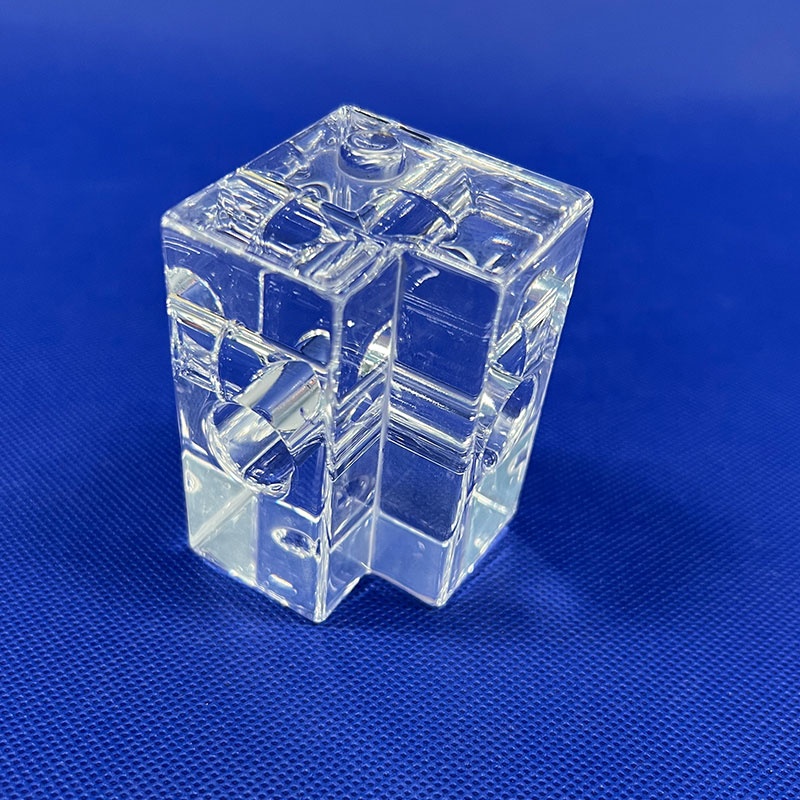
Yes. Over 70% of our production consists of tailored build-to-print manufacturing. We work directly with STEP, IGES, DWG, DXF, and dimensioned PDF formats. Our engineering team reviews your drawings for thermal mechanical clearances, edge chamfering, hole aspect ratios, and surface roughness requirements before initiating production, ensuring full compatibility with your cleanroom or subsea assemblies.
What are the Minimum Order Quantities (MOQ) for prototypes and low-volume pilot runs?
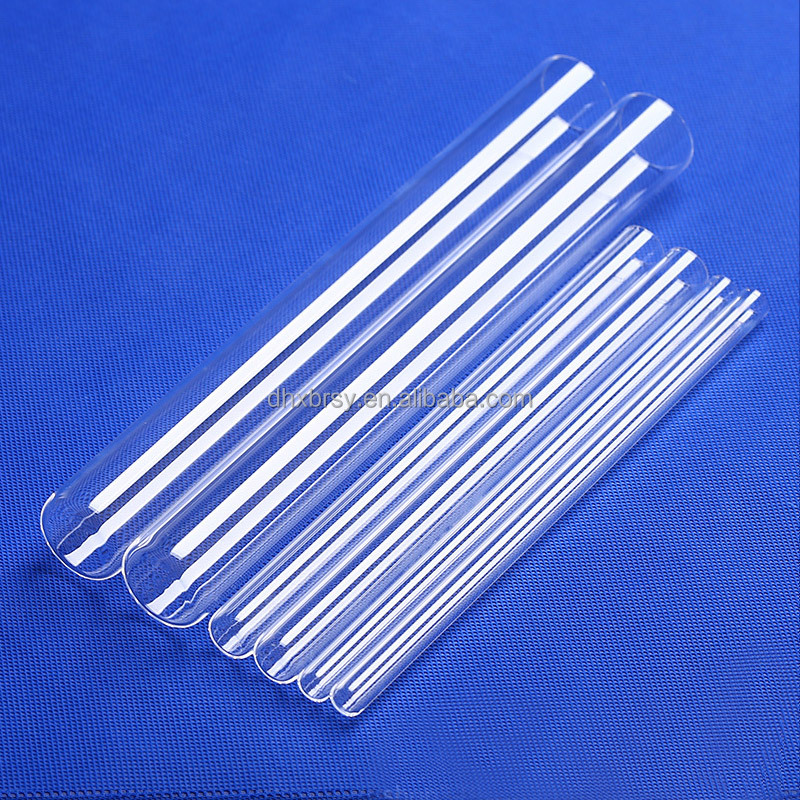
We support prototyping and design validation with an MOQ as low as 1 to 5 pieces for custom plates, flow cells, and tubes. Once initial testing is verified by your lab or field engineers, orders can scale seamlessly to serial production lots ranging in hundreds or thousands of units with volume-tiered pricing.
How do you eliminate delayed thermal cracking in high-temperature or pressure applications?
Delayed spontaneous cracking in quartz is almost always caused by unbalanced residual thermal stresses introduced during cutting, torch bending, or welding. Every Lovri quartz component passes through a controlled high-temperature annealing furnace at 1200°C followed by slow cooling. We then inspect each piece under a cross-polarization optical stress analyzer to ensure residual birefringence meets stringent optical and vacuum-envelope thresholds.
How does Lovri ensure 100% breakage-free delivery of delicate quartz glass to Scandinavia?
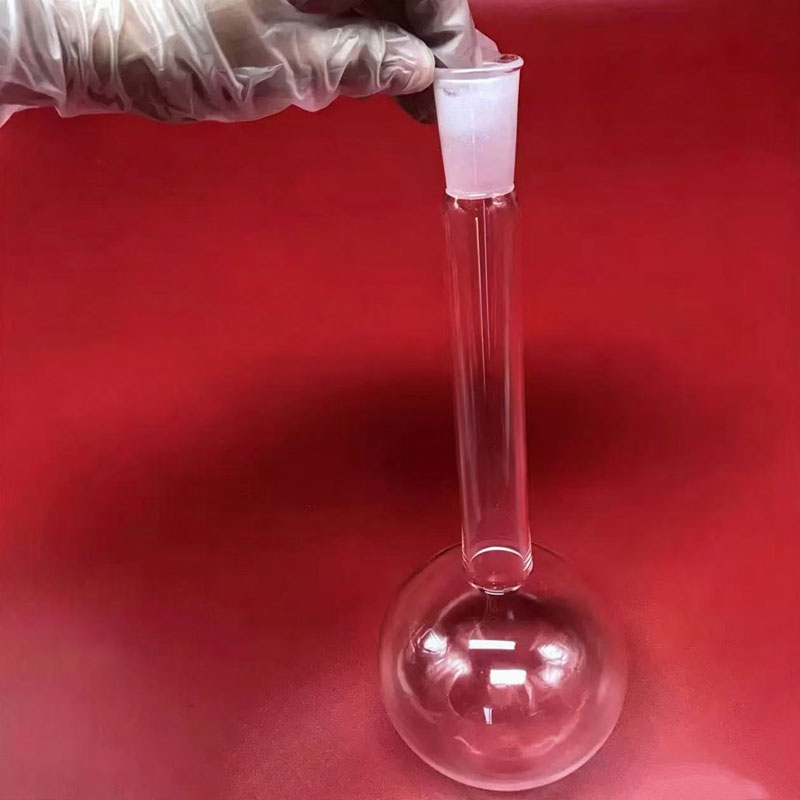
We use a multi-tiered export packing protocol tested across thousands of worldwide air and marine shipments. Each quartz substrate, flow tube, or vessel is vacuum-sealed, encased in custom-cut shock-absorbent high-density expanded polyethylene (EPE) foam, isolated within individual crush-resistant inner boxes, and finally packed into heavy-duty reinforced corrugated boxes or fumigation-free wooden crates designed to withstand high-altitude cargo depressurization and transit handling.