SGS Onsite-Verified Fused Quartz Manufacturer [email protected]
ISO 9001:2015 & RoHS Certified Silica Technology

Quartz Laboratory Apparatus Supplier & Exporter serving Phnom Penh

Delivering High-Precision 99.99% SiO₂ Fused Quartzware, Thermal Diffusion Chambers, Optical Flow Tubes, and Custom Vacuum Vessels Directly to Cambodia's Rapidly Industrializing Capital.

99.99% Ultra-High Silica Content
14,271m² SGS-Verified Manufacturing
1,400°C Thermal Resistance Rating
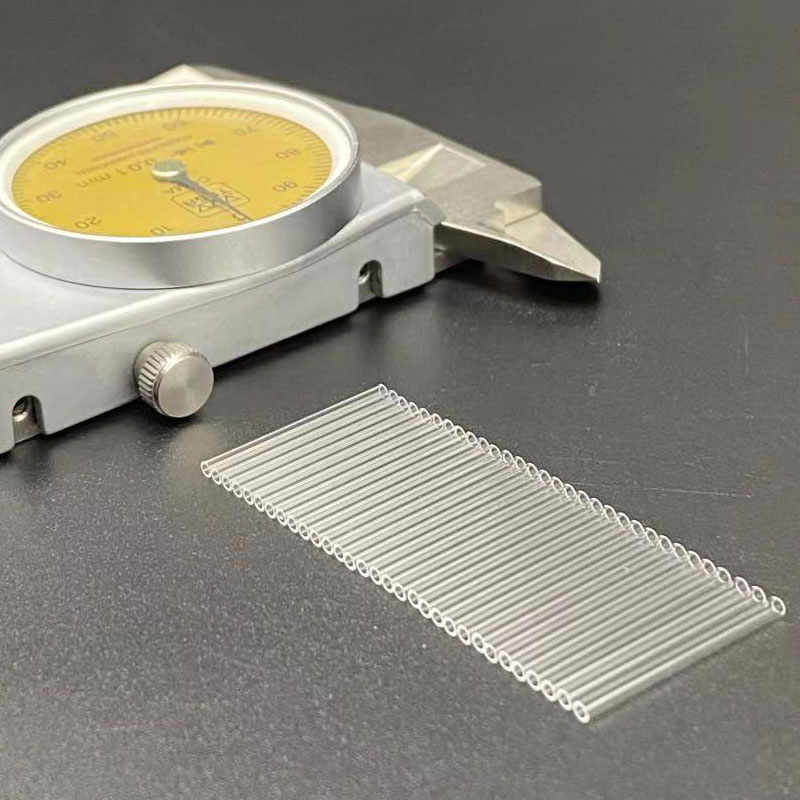
0.005mm CNC Machining Tolerance
Export-Grade Products

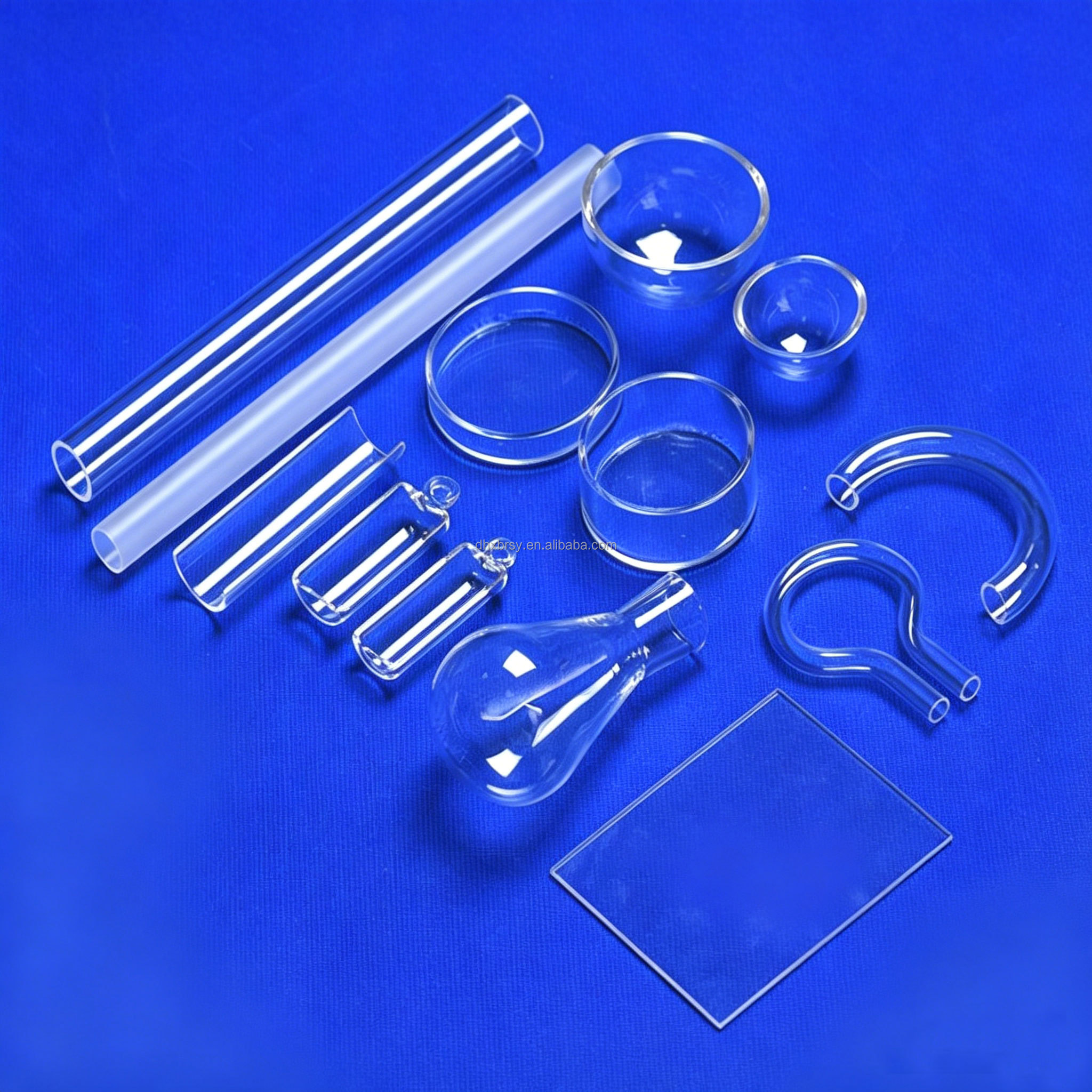
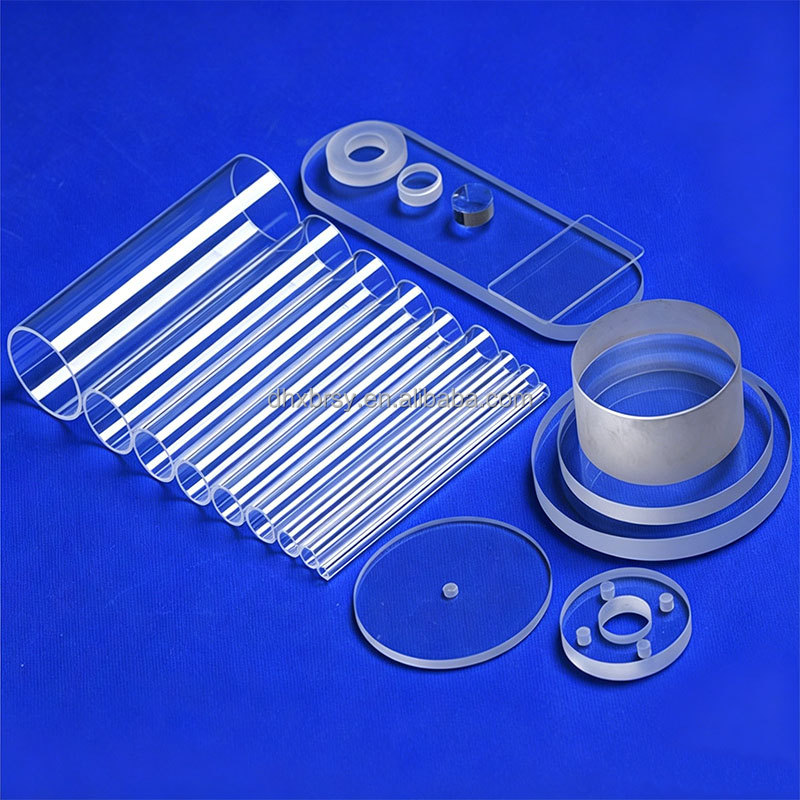
Featured Fused Quartz Precision Hardware

Engineered for thermal reliability, chemical resistance, and optical clarity. Optimized for delivery into laboratory infrastructures throughout the Phnom Penh Special Economic Zone (PPSEZ) and metropolitan testing facilities.

Local Ecosystem Focus

Industrial & Analytical Quartz Implementations Across Phnom Penh

Cambodia's commercial landscape is transforming from basic light assembly into technical processing, pharmaceuticals, food quality testing, and advanced solar panel manufacturing.

Garment & Textile Analytical Laboratories

Facilities near the Veng Sreng corridor and Dangkao District leverage fused quartz digestion vessels and spectrophotometer cuvettes for strict OEKO-TEX and REACH heavy-metal wastewater tests, ensuring acid stability across boiling nitric and aqua regia mixtures.

Food Safety & Agricultural Testing

Laboratories associated with Camcontrol, standard institutes, and private agro-exporters across Sen Sok deploy quartz ash crucibles and Kjeldahl digestion systems to evaluate pesticide trace levels in Jasmine rice, cassava, and aquaculture yields destined for global export.

Photovoltaic Assembly & Electronics in PPSEZ

International electronics and solar equipment assembly lines situated in the Phnom Penh Special Economic Zone require high-temperature furnace tubes, carrier boats, and diffusion liners resistant to thermal deformation above 1150°C during continuous wafer treatment.

Academic Research & University Centers

Institutions such as the Royal University of Phnom Penh (RUPP) and the Institute of Technology of Cambodia (ITC) rely on custom-welded vacuum distillation assemblies, pyrolyzers, and optical UV windows to perform fundamental chemical and physical materials investigations.

Water Sanitation & Municipal Disinfection

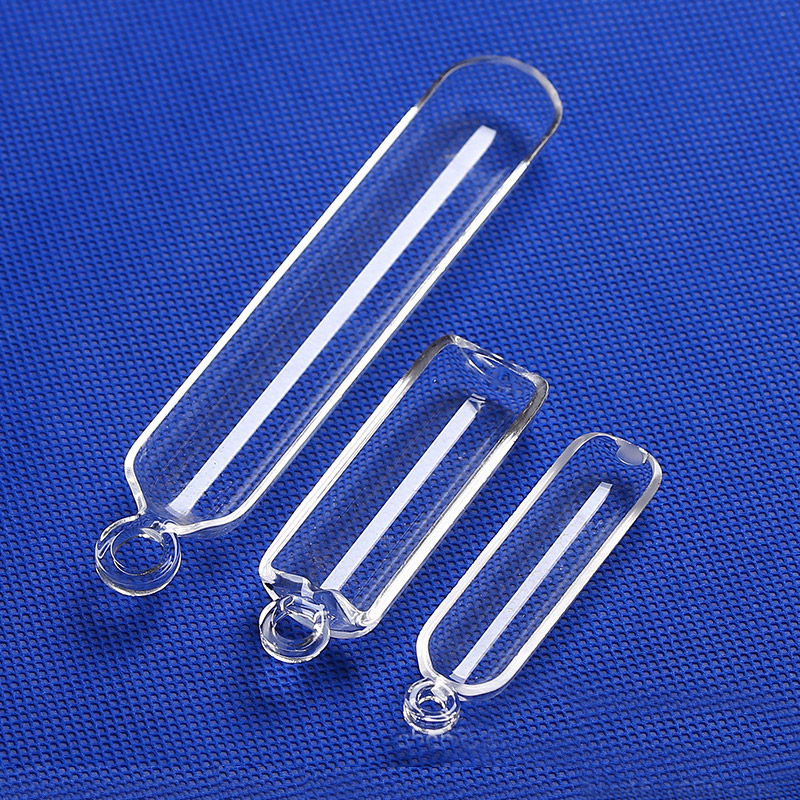
Drinking water production along the Tonle Sap and Mekong basins utilizes open-channel high-output germicidal systems protected by transparent fused quartz immersion sleeves to ensure maximum 253.7nm ultraviolet transmittance and pathogenic inactivation.

Cosmetic Medical & Laser Clinics

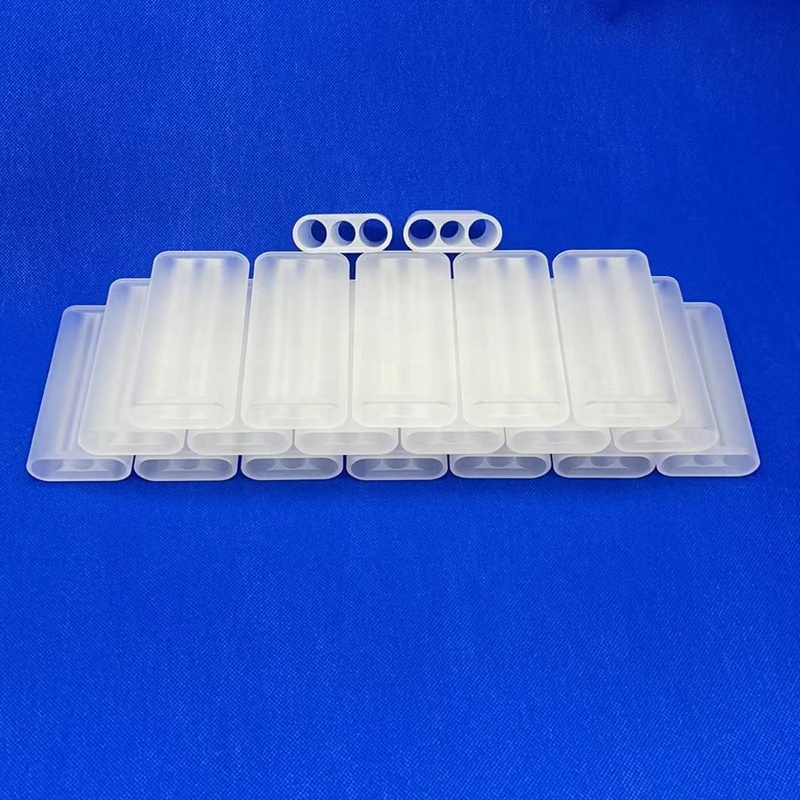
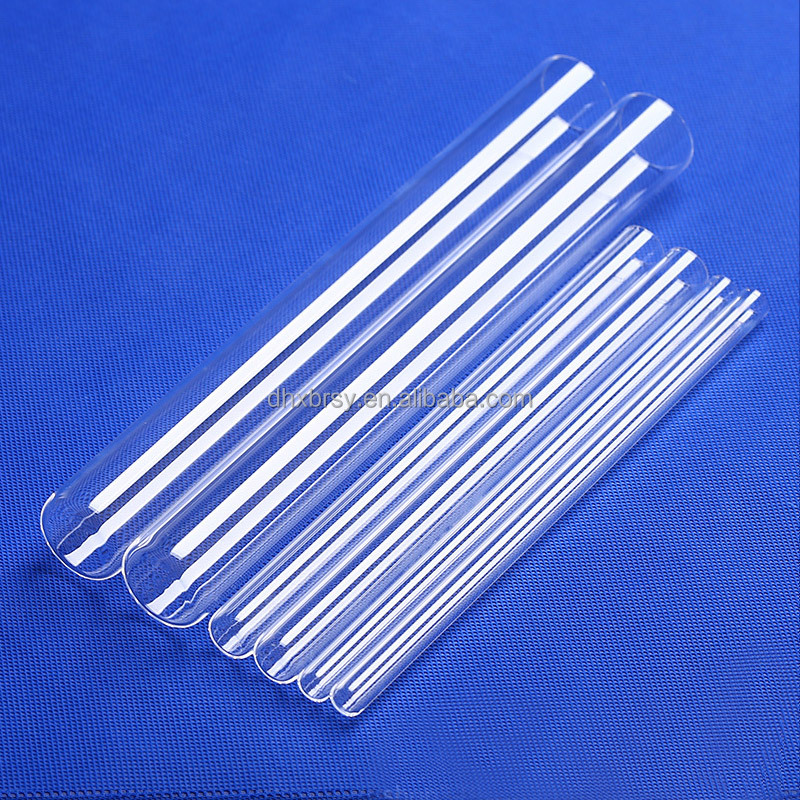
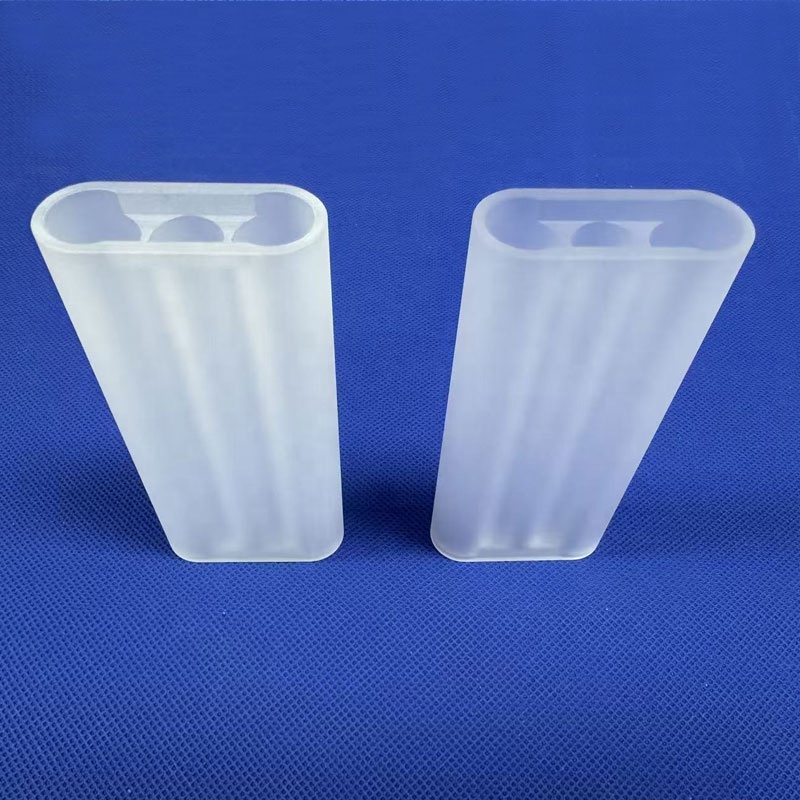
Expanding aesthetic medicine facilities in BKK1 and Daun Penh utilize high-precision triple-bore quartz flow tubes for dermatological Nd:YAG laser systems, guaranteeing consistent pulse delivery without solarization-induced beam divergence.

Strategic Industrial Analysis

Cambodia's Laboratory Infrastructure Evolution: 2025–2030

The manufacturing ecosystem of Phnom Penh is experiencing a structural pivot. Guided by the Cambodia Industrial Development Policy (IDP), foreign direct investment is transitioning from raw garment packaging toward specialized electronics, automotive harnesses, advanced photovoltaics, and fine agro-processing. This modernization brings a critical need for analytical grade validation. Standard borosilicate 3.3 laboratory glass, while acceptable for general aqueous titration, frequently fails under industrial conditions: softening around 560°C, reacting with aggressive vaporized acids, and yielding unreliable transmission values under deep UV spectrometry.

Precision silica apparatus supplied by our specialized facility bridges this operational vulnerability. Fused quartz features an exceptionally high thermal distortion point (softening near 1730°C) coupled with a thermal expansion coefficient of only 5.5 × 10⁻⁷ /°C. A quartz vessel heated to red heat (1100°C) can be plunged into ice water without micro-fracturing. For laboratories handling high-throughput inductively coupled plasma mass spectrometry (ICP-MS) and automated atomic absorption testing in Phnom Penh, our certified JGS1, JGS2, and electrically fused quartz eliminate background borosilicate leaching (specifically boron, sodium, and aluminum ions), preserving trace-detection accuracy down to parts-per-billion levels.

Physical / Chemical Property Fused Silica (Lovri JGS1 Grade) Standard Flame Fused Quartz Standard Borosilicate 3.3
Silica Purity (SiO₂) > 99.999% (Synthetic) > 99.99% (Natural Refined) Approx. 80.5%
Continuous Service Temperature 1150 °C 1100 °C 450 °C
Maximum Thermal Shock Limit 1300 °C to ice bath (No rupture) 1100 °C to ice bath Approx. 160 °C difference
UV Transmittance (254 nm, 10mm) > 90% > 80% Near 0% (Total blocking)
Acid Resistance (except HF/H₃PO₄) Total Inertness Total Inertness Mild surface leaching over time

As import authorities like the General Department of Customs and Excise of Cambodia enforce stricter compliance metrics for international certifications (including ISO/IEC 17025 accredited laboratory testing), commercial testing centers can no longer risk inconsistent data caused by degraded apparatus. Our direct supply channel to Phnom Penh combines domestic export packaging protocols with calibrated batch certificates, polarization residual stress reports, and raw material chemical assay declarations, giving laboratories dependable accuracy from installation forward.
Direct Manufacturing Authority

Why Southeast Asian Procurement Teams Partner With Us

Located in the silica hub of Lianyungang, Jiangsu, we manage every step from natural ore processing to multi-axis CNC micro-machining, guaranteeing consistent supply without trading house markups.

SGS Onsite-Verified Facility

Our comprehensive 14,271 m² production infrastructure has been independently audited and verified on-site by SGS Group, validating factory operations, process consistency, and technical accuracy.

End-to-End Raw Ore Control

We run in-house pulverization, multiple rescreening stages, and acid pickling to yield 99.99% SiO₂ sand directly, ensuring no volatile heavy metal or iron impurities migrate into finished lab ware.

Custom OEM/ODM CAD Machining

Whether you require an individual non-standard pilot tube or thousands of standardized flow cells, our multi-axis CNC machining, fire-polishing, and glass blowing team work directly from your CAD/STEP files.

Damage-Free Direct Logistics

Our export shipments utilize shock-absorbing expanded polyethylene (EPE) custom forms, vacuum bubble cushioning, and reinforced multi-layer wooden crates, maintaining an intact delivery record into Phnom Penh.

Procurement Knowledge Base

Frequently Asked Questions by Laboratory Buyers in Phnom Penh

Clear answers regarding logistics routing, international tariffs, custom engineering requests, and quality validation documentation.

What are the transit times and shipping channels to Phnom Penh?

For urgent prototypes and small analytical apparatus, air cargo via Phnom Penh International Airport (PNH) requires 3–6 business days from our factory. For large-diameter furnace tubes, industrial vessels, and palletized bulk items, sea freight through the Sihanoukville Autonomous Port (PAS) or Phnom Penh Autonomous Port (PPAP) via the Mekong River takes approximately 10–16 days, including customs entry.

Can you manufacture custom-drawn glassware for non-standard equipment?

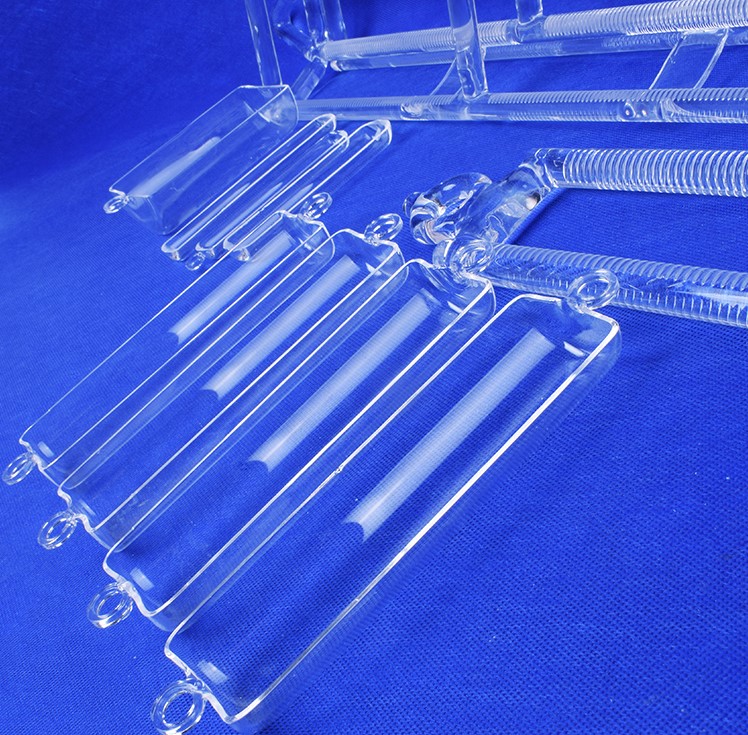
Yes. We regularly produce custom glassware according to PDF blueprints, CAD/DWG drawings, and 3D STEP files. Our engineering staff assists with thermal stress design, wall thickness recommendations, and precise flange ground-joint specifications (such as NS 14/23, 29/32, or spherical joints) to ensure compatibility with your existing reactors.

What documentation is provided to satisfy Cambodian customs clearance?

Every export consignment includes a Commercial Invoice, Packing List with verified gross weights, Bill of Lading/Air Waybill, Factory Certificate of Conformity (CoC), and Certificate of Origin (Form E or General CO) to facilitate preferential tariff processing under RCEP and ASEAN-China frameworks.

How do you guarantee that fragile quartzware does not break in transit?

We employ a specialized three-tier export packaging system: inner items are vacuum wrapped in polyethylene to prevent particle abrasion, enclosed in tailored 45kg/m³ high-density EPE foam cavities, and secured inside custom-built multi-ply wooden crates with anti-drop, upright-only indicators and shock sensors where required.

What is the practical difference between JGS1, JGS2, and JGS3 quartz?

JGS1 is synthetic fused silica offering superior optical transmission in the deep ultraviolet range (185–2500nm), bubble-free with virtually zero OH content, making it ideal for laser optics and spectroscopy. JGS2 is natural flame-fused quartz transmitting from 220–2500nm, providing balanced economy for furnace tubes and sight glasses. JGS3 provides enhanced transmission in the infrared range (up to 3500nm) for thermal sensors and pyrometry.

What is your Minimum Order Quantity (MOQ) for custom lab projects?

We offer an accessible prototype policy: for customized CNC plates, welded flow tubes, or specialized reaction flasks, our MOQ starts at just 1 to 5 pieces. This enables research laboratories and quality assurance departments in Cambodia to trial fitments before authorizing full production batches.

Equip Your Phnom Penh Facility with Industry-Certified Quartzware

Submit your equipment specifications, CAD drawings, or process parameters. Our precision glass engineers provide prompt manufacturability feedback, material certification packages, and competitive export quotations.

Get Catalog