Flow Tube
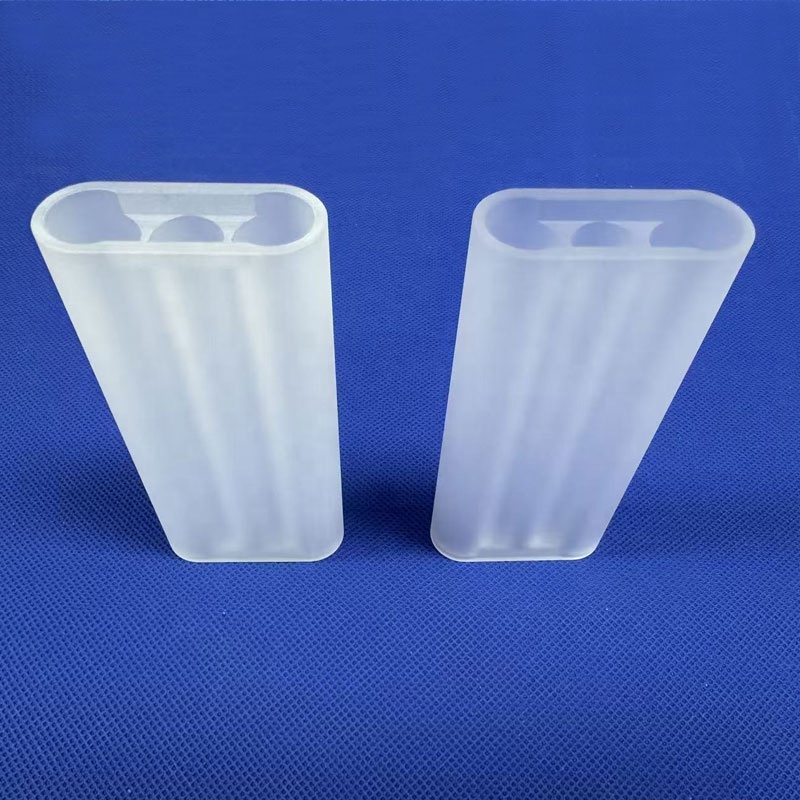
Direct factory-manufactured fused silica protective windows, high-purity laser cavity flow tubes, and specialized quartz apparatus optimized for continuous operation under harsh thermal and marine conditions.
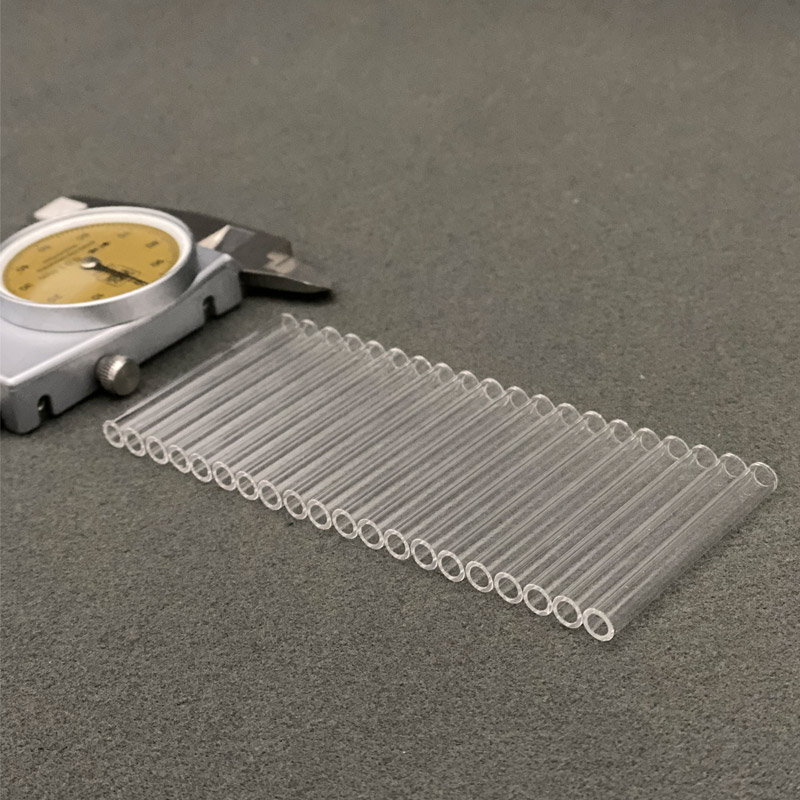
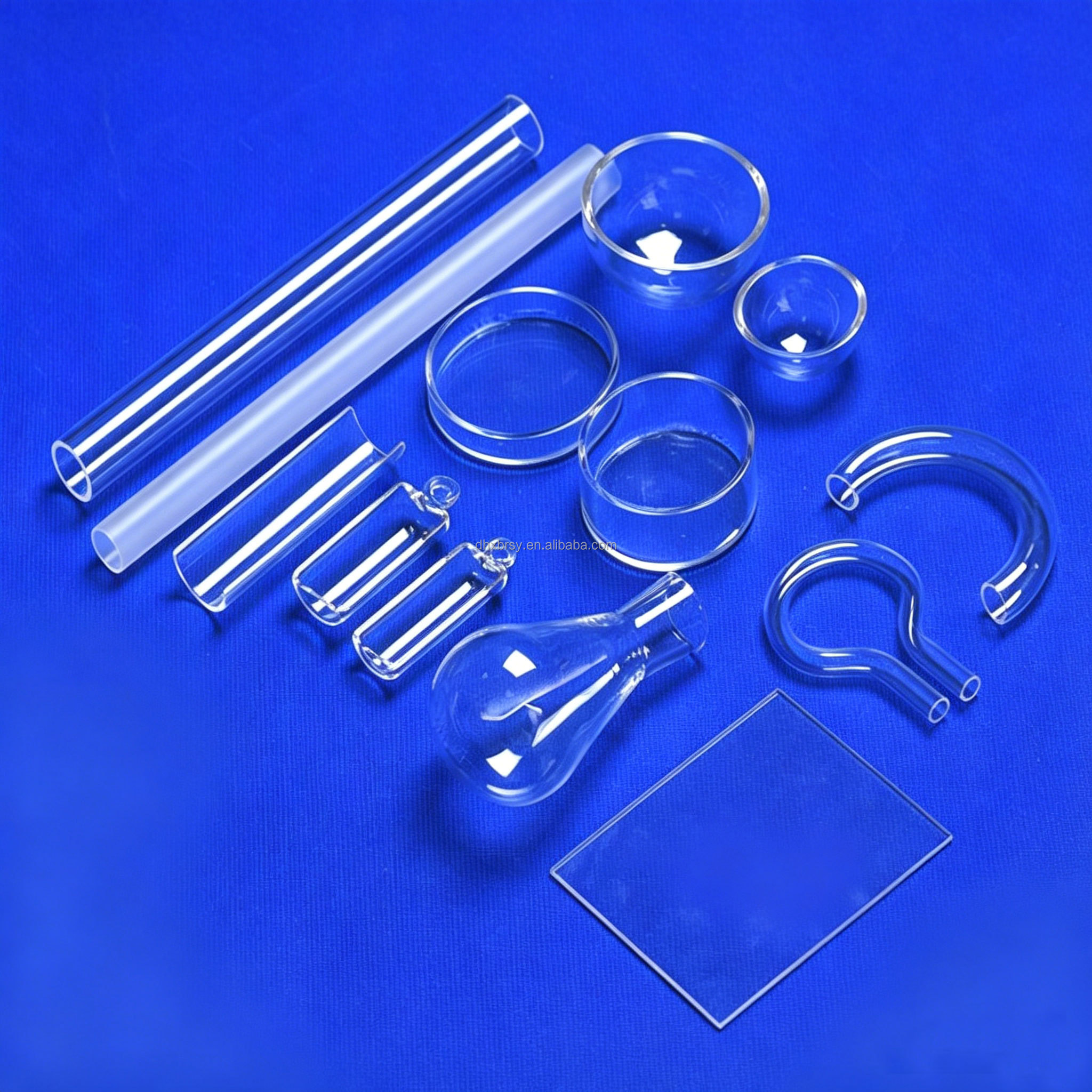
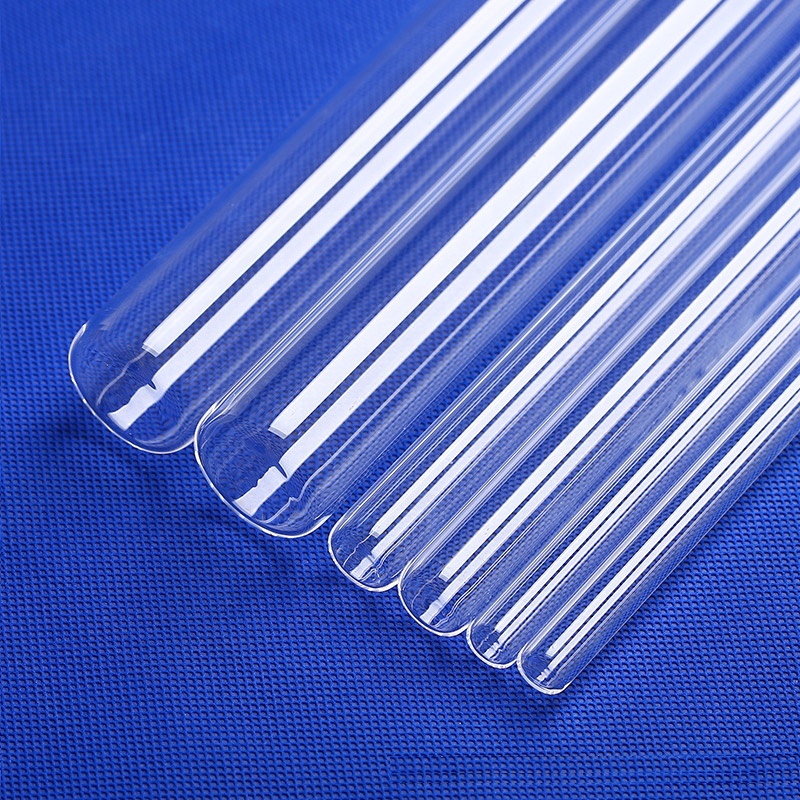
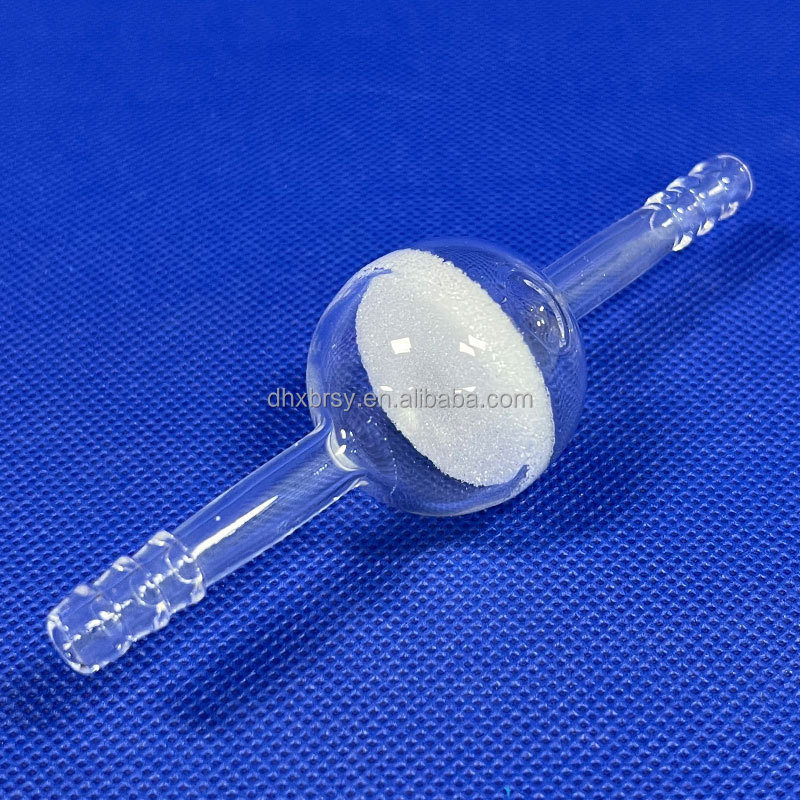
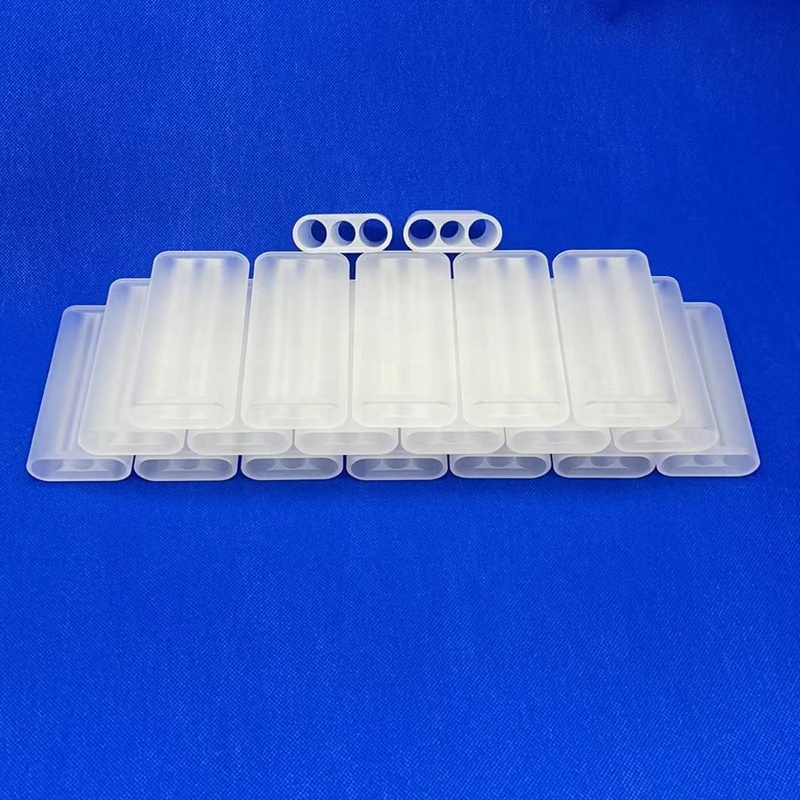
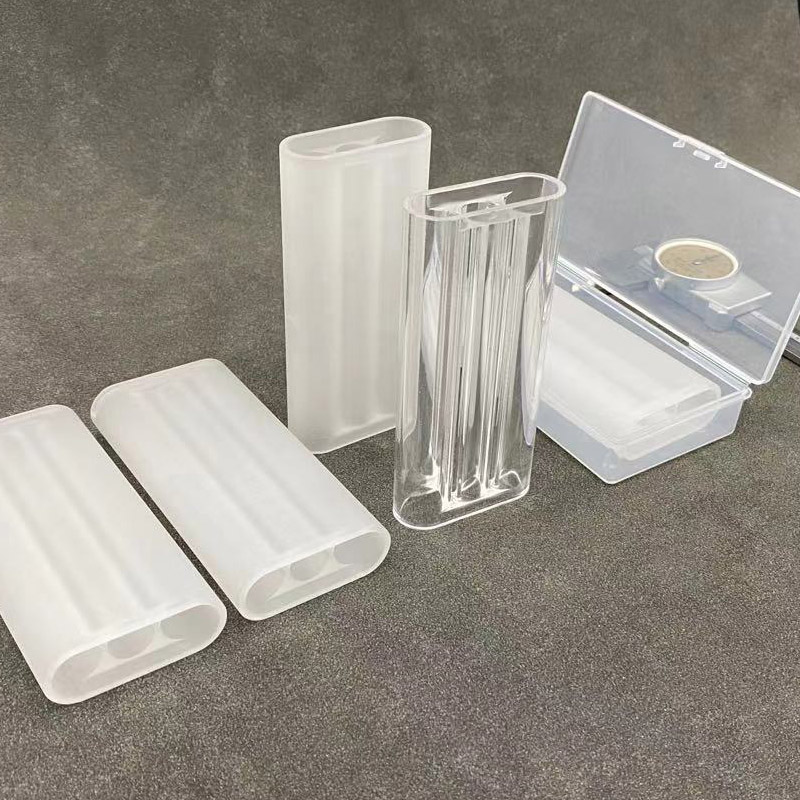
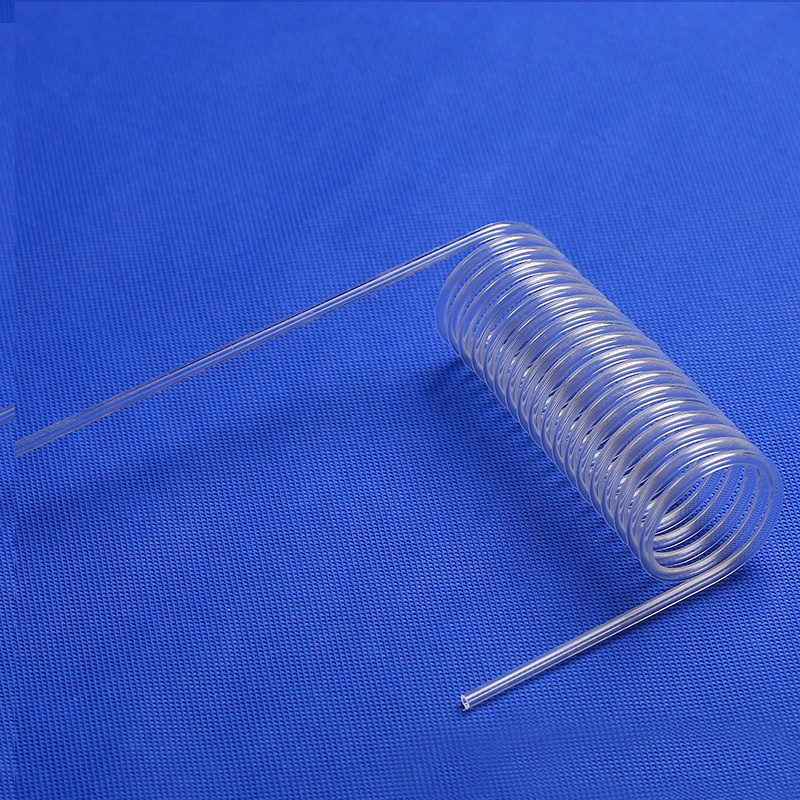
In modern industrial photonics, the laser output window is rarely merely a physical barrier; it serves as a critical optomechanical interface that directly dictates beam propagation efficiency, focal stability, and catastrophic failure margins. When selecting an optical flat or protective window for deployment in heavy fabrication or marine-adjacent operations like those situated near Suai, Timor-Leste, precision engineers must navigate the intricate balance between synthetic fused silica (JGS1), high-transmittance optical flame-fused quartz (JGS2), and electrically fused silica (JGS3).
The primary performance failure mode under multi-kilowatt CW or pulsed nanosecond laser irradiation stems from microscopic bulk inclusions, residual subsurface micro-fractures incurred during mechanical edging, and internal hydroxyl (OH⁻) group absorption bands. Lovri Quartz isolates these failure vectors by deploying an integrated manufacturing chain originating from high-purity natural silica sand that undergoes rigorous pulverizing, multi-stage acid pickling, and vacuum homogenization. Our transparent fused silica windows exhibit exceptional optical isotropy, a coefficient of thermal expansion (CTE) of approximately 5.5 × 10⁻⁷ /°C, and virtually zero thermal lensing across high power densities.
Procurement teams frequently inquire whether high-grade borosilicate can suffice for protective covers. Borosilicate glasses, while economical, possess thermal expansion rates more than six times greater than fused silica, inducing severe thermal stress and beam wavefront distortion when subjected to localized high-energy laser heating or the aggressive ambient temperature fluctuations experienced in equatorial maritime installations.
| Optical Parameter | JGS1 Synthetic Fused Silica | JGS2 Optical Fused Quartz | Commercial Borosilicate Float |
|---|---|---|---|
| Transmission Range | 185 nm – 2500 nm (Deep DUV to NIR) | 220 nm – 2500 nm (Standard Industrial) | 350 nm – 2000 nm (Severe UV Cutoff) |
| OH⁻ Ion Content | ≤ 5 ppm to ≤ 1200 ppm (Grade Dependent) | 30 ppm – 200 ppm | Not tightly controlled (>500 ppm) |
| Thermal Expansion (0–300 °C) | 5.4 × 10⁻⁷ / °C | 5.5 × 10⁻⁷ / °C | 32.5 × 10⁻⁷ / °C |
| Laser Induced Damage Threshold (LIDT) | >20 J/cm² @ 1064nm, 10ns pulse | >12 J/cm² @ 1064nm, 10ns pulse | <3.5 J/cm² @ 1064nm, 10ns pulse |
| Continuous Operating Temp | 1100 °C (Softening point 1730 °C) | 1100 °C (Softening point 1730 °C) | 450 °C (Rapid mechanical deflection) |
| Polarization Birefringence | ≤ 5 nm/cm (Stress-Relieved Optical) | ≤ 10 nm/cm (Polarimeter verified) | Non-uniform bulk stress distribution |
For systems operating within the near-infrared spectrum (e.g., 1064 nm Nd:YAG, 1070 nm ytterbium fiber laser systems, and 808 nm diode arrays), minimal bulk attenuation is paramount. Our JGS1 and JGS2 optical windows feature internal transmittance values exceeding 99.8% at 1064 nm, precluding thermal accumulation within the glass matrix and extending replacement cycles by a factor of 4.2 compared to non-specialized window suppliers.
Suai, situated in the Cova Lima municipality of Timor-Leste, anchors the national South Coast industrial development corridor. Through strategic initiatives surrounding the Suai Supply Base, marine petroleum logistics, offshore drilling support, and infrastructure construction, demanding optical requirements have emerged throughout regional workshops and testing laboratories. High-power laser optics, specialized inspection viewports, and laser flow components play irreplaceable roles across several key operational sectors in Suai:
Over the past decade, technical hardware procurement across the Timor Sea region has evolved from informal spare-part imports toward formal, specification-driven supply partnerships. Understanding this structural shift provides key strategic advantages for operations managers and mechanical engineers based in Suai:
1. Decentralization of Maintenance Hubs: Historically, precision optical replacements for industrial lasers required lengthy international transshipments routed through Singapore, Darwin, or Dili, causing unplanned factory downtime of up to 45 days. The establishment of dedicated logistics nodes at the Suai Supply Base has catalyzed local assembly and repair shops, which now stock batch-annealed, certified quartz laser windows to execute rapid overhauls within 24 hours.
2. Marine-Atmospheric Resistance Standards: Suai's tropical coastal climate introduces severe airborne saline aerosols, high ambient relative humidity (>85%), and elevated temperatures. Standard optical glasses suffer rapid surface degradation (leaching of alkali ions, hazing, and fungal growth within microscopic cracks). Precision quartz glass, featuring an ultra-pure covalent silicon-oxygen network (>99.99% SiO₂), remains entirely chemically inert to salt mist, providing a maintenance-free working life that exceeds borosilicate by more than 800% in open-bay shipyard setups.
3. Upgrade to High-Power Laser Processing: Regional ship repair and fabrication facilities are steadily transitioning from traditional plasma and oxy-fuel cutting systems toward 12kW–30kW ultra-high-power fiber laser platforms. At these extreme optical power densities, even minor particle adhesion or internal bulk scatter will result in thermal lens explosion if lower-tier float quartz is used. The procurement requirement in Suai has shifted decisively toward polarization stress-tested JGS1 and JGS2 fused silica featuring double-sided polished scratch-dig ratings of 20/10 or 40/20.
As an SGS-verified fused quartz manufacturer headquartered in Lianyungang, China—the world’s leading hub for high-purity silica geology and glass refining—Lovri Quartz supplies high-precision quartz tubes, laser protective windows, triple-bore cavity tubes, and custom CNC apparatus directly to industrial procurement managers in Suai and global energy hubs.
Engineers, plant superintendents, and logistics directors purchasing quartz laser windows and flow apparatus for South Coast Timor-Leste operations often require clarity on technical tolerances, climate suitability, and freight terms. Here are direct answers to common queries:
Whether you require standard replacement protective lenses for shipyard laser cutters, custom JGS1 optical sight viewports for offshore petroleum infrastructure, or high-vacuum triple-bore laser cavity flow tubes, our engineering team is ready to analyze your technical drawings and provide rapid factory-direct pricing.
Get Catalog