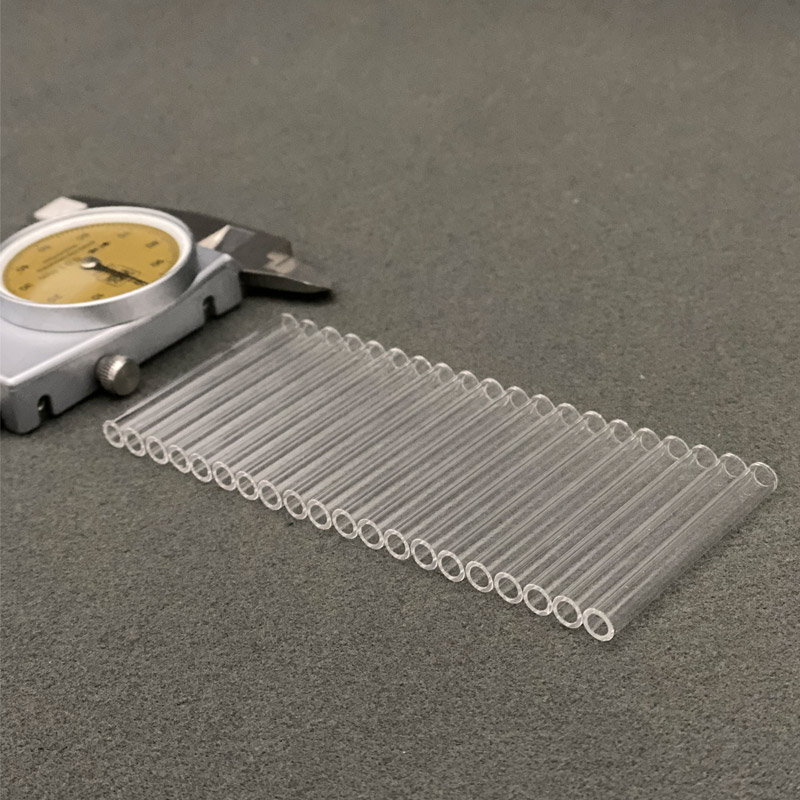
BAO RAN 419 Fused Quartz Capillary Tube
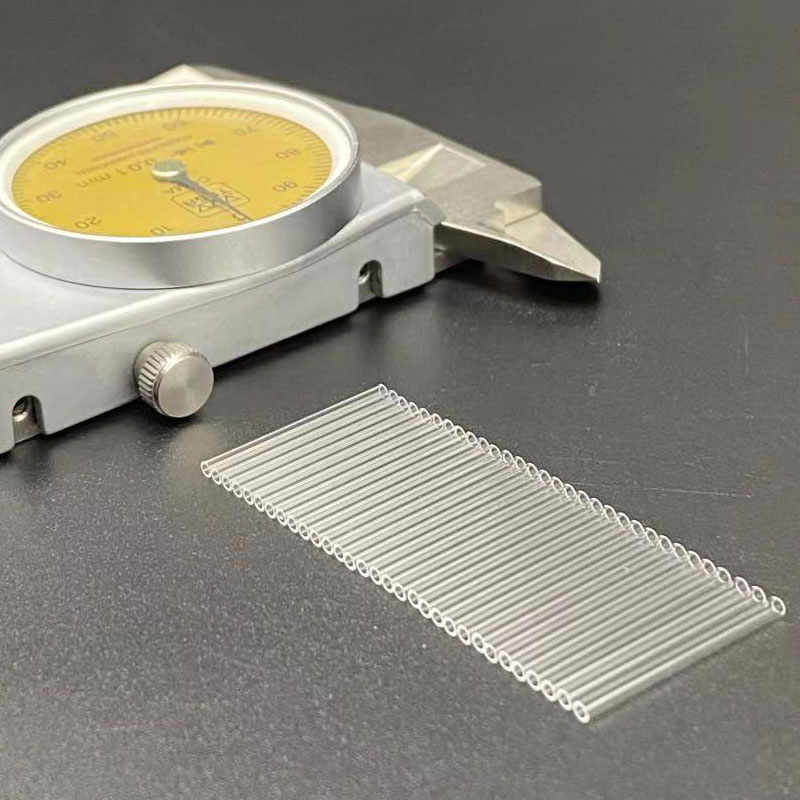
SiO₂ 99.99% purity, 200 Mesh, 75m annealed at 1200°C. RoHS certified high-precision capillary channel for beam alignment and laser machinery flow controls.
Direct from our Lianyungang manufacturing facility: certified optical-grade fused silica engineered to endure extreme thermal environments, rigorous chemical exposure, and intense laser fluence across precision research disciplines.
SiO₂ 99.99% purity, 200 Mesh, 75m annealed at 1200°C. RoHS certified high-precision capillary channel for beam alignment and laser machinery flow controls.
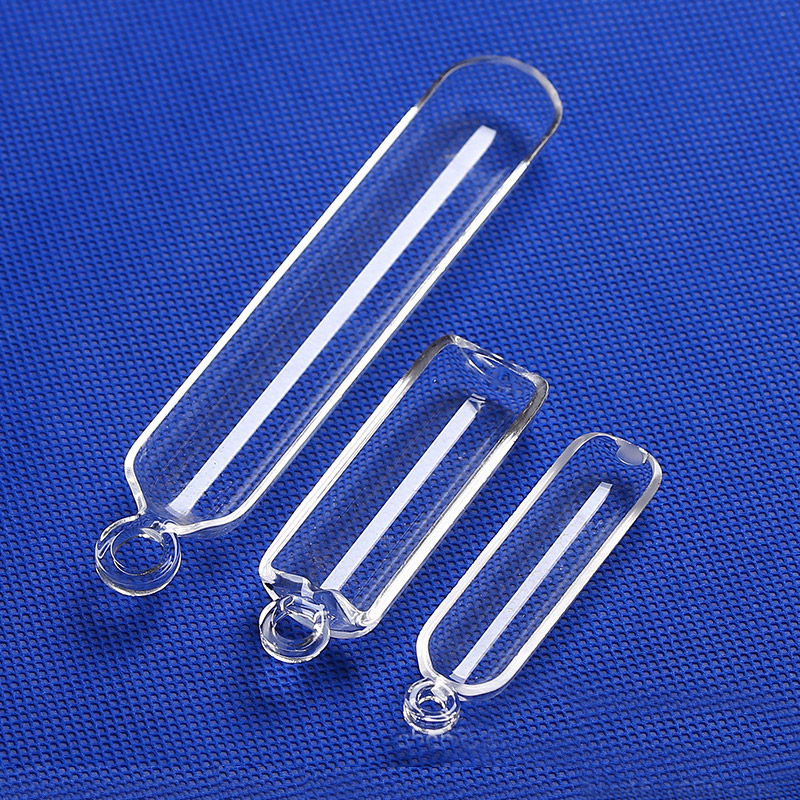
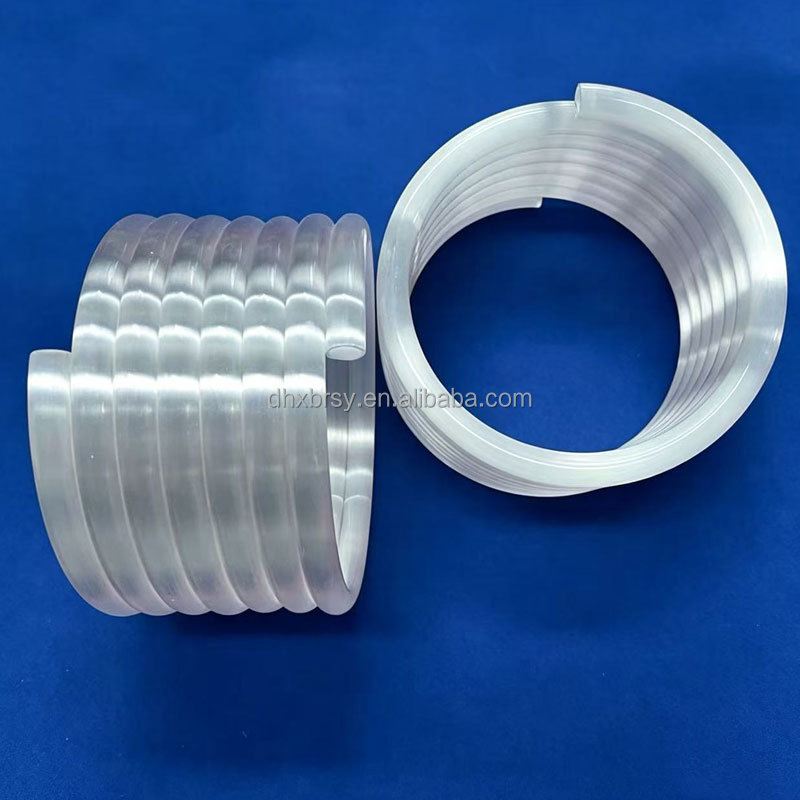
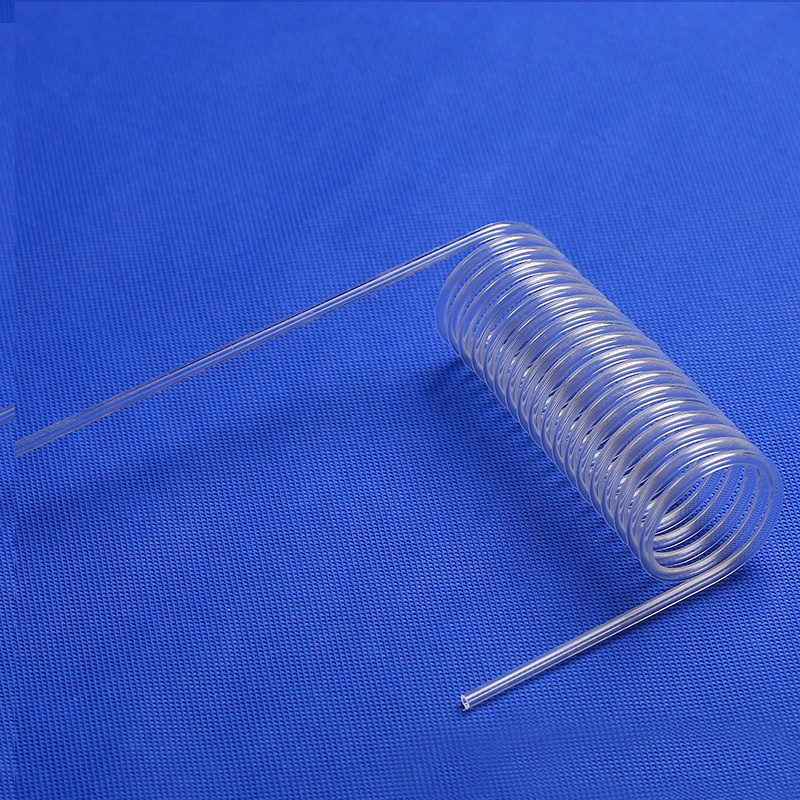
High-transmission spiral tube for precision pulse cooling, laser beauty equipment, and scientific flash pumping. Bending, welding, and cutting services included.
Precision laboratory apparatus crafted with 99.98% SiO₂ silica. Built for micro-sample calcination, combustion analysis, and high-temperature furnace transport.
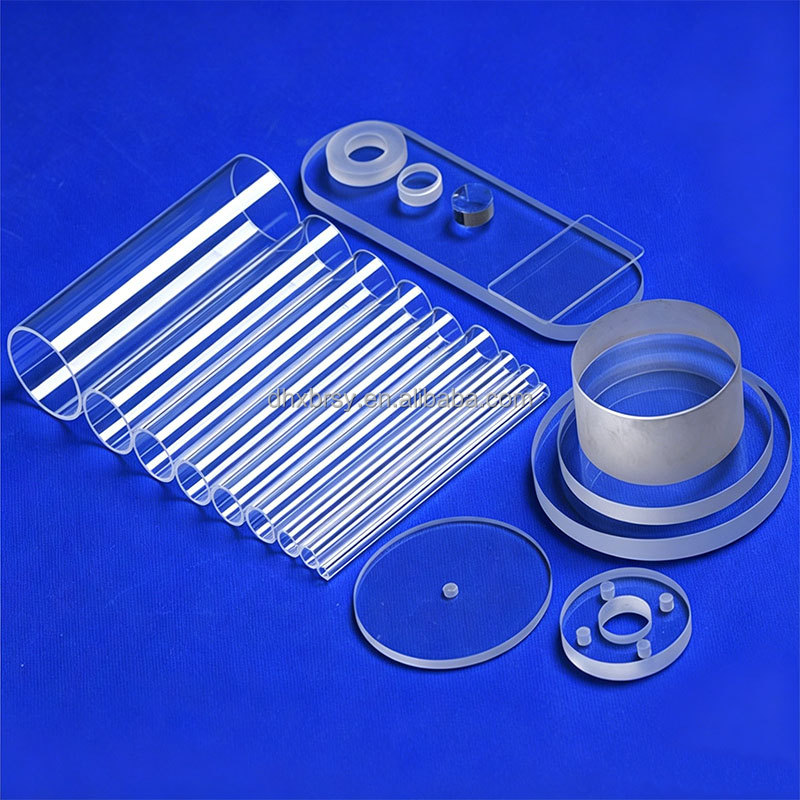
Deep-UV transmitting optical window (185–2500 nm). 99.99% SiO₂ CNC machined semiconductor optical jig delivering exceptional wavefront distortion resistance.
Ultra-thin, double-side polished fused silica wafer sheets. Engineered for high-energy laser mirrors, microscopic cover slips, and thermal dielectric barriers.
Opaque fused silica helix coil for targeted industrial infrared heating, thermal diffusion, and zero-contamination atmospheric heating apparatus.
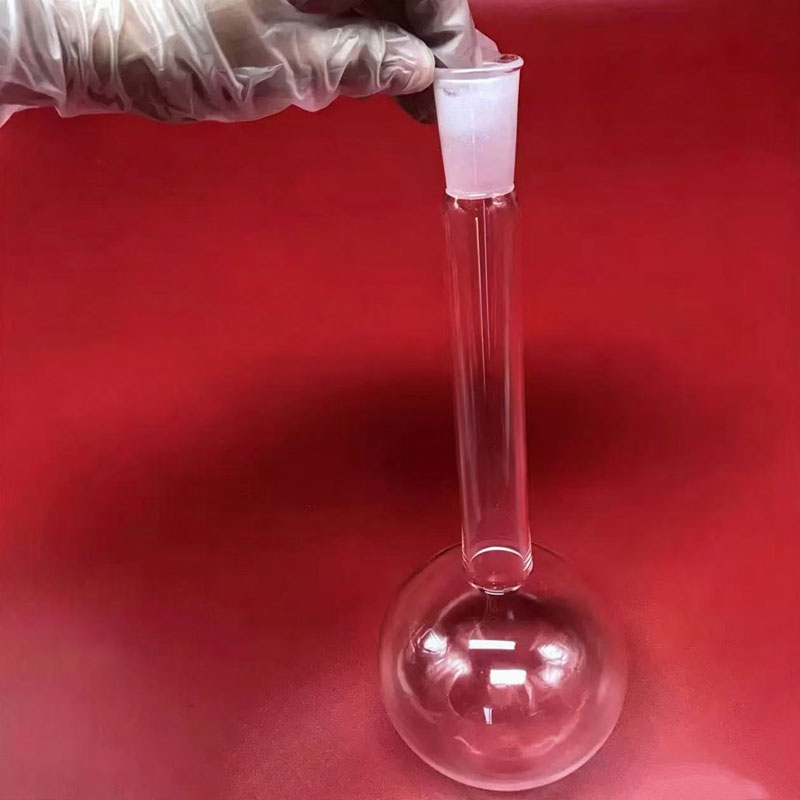
99.99% SiO₂ laboratory distillation flask withstanding 1200°C continuous service. Completely unreactive to hot acid vapors (except hydrofluoric).
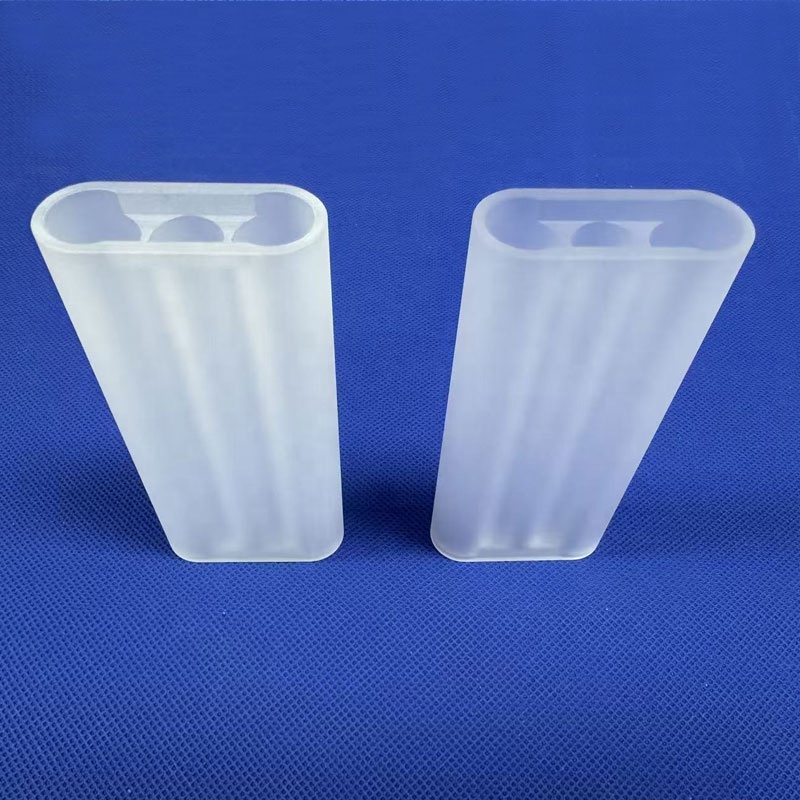
High-precision triple bore cooling chamber engineered for solid-state laser pumping, Nd:YAG rods, and flashlamp coolant separation in optical resonators.
While the Holy See occupies a compact territory of 44 hectares, its administrative reach governs unmatched global intellectual assets, including the Vatican Apostolic Archive (Archivio Apostolico Vaticano), the Vatican Library, the Pontifical Academy of Sciences, and the Specola Vaticana (Vatican Observatory). Procurement teams serving this distinguished enclave demand specialized optical materials.
Preserving millennia-old parchment requires contact-free interrogation. Synthetic JGS1 fused silica plano-convex and aspheric lenses deliver flat transmission down to 185 nm, enabling deep-UV induced fluorescence and infrared reflectography to reveal faded, erased, or redacted texts without exposing priceless codices to destructive photon thermal spikes.
The conservation of classical marble statuary, Renaissance frescoes, and architectural stone relies on Q-switched Nd:YAG laser cleaning apparatus (1064 nm and 532 nm harmonics). Lovri's triple-bore laser cavity tubes and anti-reflective fused quartz focusing lenses maintain continuous beam geometry while withstanding high pulse fluences without solarization.
Supporting observational astrophysics directly associated with the Vatican Observatory, synthetic silica quartz optical windows and dispersion prisms offer near-zero thermal expansion coefficients (5.5 × 10⁻⁷ /°C). This guarantees optical stability across extreme day-to-night temperature differentials in spectrographs and vacuum telescope viewports.
| Optical Parameter / Property | Lovri JGS1 Synthetic Silica | Standard JGS2 Fused Quartz | JGS3 Optical Quartz | Commercial Borosilicate Glass |
|---|---|---|---|---|
| Primary Usable Spectrum | 185 nm – 2500 nm (Deep UV-VIS) | 220 nm – 2500 nm (Near UV-VIS) | 260 nm – 3500 nm (VIS-NIR) | 350 nm – 2000 nm (Standard VIS) |
| Internal Bubble Quality | Class 0 (Zero bubbles / inclusions) | Class 1 (Micro-inclusions only) | Class 2 (Standard industrial) | Visible optical seeds present |
| Thermal Expansion (20°C–300°C) | 5.5 × 10⁻⁷ K⁻¹ | 5.5 × 10⁻⁷ K⁻¹ | 5.4 × 10⁻⁷ K⁻¹ | 32.5 × 10⁻⁷ K⁻¹ |
| Damage Threshold (1064nm, 10ns) | > 15.0 J/cm² | > 9.5 J/cm² | > 7.0 J/cm² | < 3.0 J/cm² (Prone to fracture) |
| Continuous Thermal Limit | 1100°C (Annealed 1215°C) | 1100°C (Annealed 1200°C) | 1100°C (Annealed 1200°C) | 450°C (Softens at 820°C) |
The synthesis between cultural heritage stewardship and cutting-edge optical physics is driving radical transitions in how procurement teams, research institutes, and university consortia source fused silica components.
Standard physical sampling is being phased out across Roman historical collections in favor of Raman spectroscopy, LIBS (Laser-Induced Breakdown Spectroscopy), and terahertz scanning. These instruments require custom-ground fused silica objective lenses with zero background autofluorescence and sub-nanometer surface roughness (Ra < 0.5 nm).
Subterranean repositories require active sterilization without deploying volatile airborne chemicals. High-power 222 nm Far-UVC sterilization arrays utilizing high-transmittance JGS1 excimer tubes eliminate microbiological spores from ancient book stock while preserving paper lignin integrity.
Vatican scientific laboratories increasingly bypass secondary brokers to procure directly from verified manufacturers. Lovri's transparent supply chain, beginning with raw quartz pulverizing and acid pickling through to final polarimetric inspection, ensures compliance with strict Italian and European academic procurement audits.
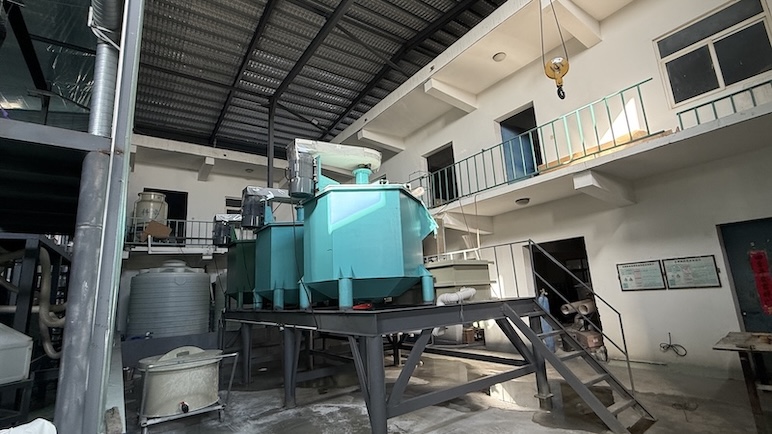
Lovri Quartz Products Co., Ltd. operates in Tuofeng Industrial Park, Lianyungang, Jiangsu — China's premier fused silica industrial cluster. We maintain complete vertical integration over every manufacturing stage.
We process raw quartz rock in-house: cutting, pulverizing, screening, and acid pickling to yield 99.99% SiO₂ fused silica devoid of alkali impurities, ensuring stability under deep UV fluence.
Equipped with multi-axis CNC glass machining, ultrasonic drilling, laser cutting, and optical diamond grinding tools, we fabricate complex geometries directly from client STEP and DWG files.
Every optical blanks batch undergoes cycle annealing up to 1215°C, followed by polarization stress inspection to eliminate residual strain and prevent catastrophic cleavage in high-heat systems.
Our 14,271 m² production facility has undergone complete on-site inspection by SGS Group. We provide batch-specific RoHS, CE, and interferometric surface topography verification certificates.
Clear technical and logistical answers addressing the specialized purchasing protocols of conservation laboratories, academic observatories, and precision European apparatus builders.
Yes. Our engineering department accepts technical drawings in STEP, DWG, DXF, and PDF formats, as well as optical prescriptions generated in Zemax or CODE V. We fabricate plano-convex, biconvex, meniscus, cylindrical lenses, and precision optical flats to custom curvatures, center thicknesses, and bevel specifications.
We work directly with research leads to suggest manufacturing tolerances (down to ±0.005 mm) that balance performance demands with practical production costs.
For conservation imaging spanning deep ultraviolet through visible wavelengths (185–800 nm), JGS1 synthetic fused silica is recommended due to its high UV cutoff and zero bubble inclusion. It guarantees maximum transmission without fluorescence interference.
If analysis focuses on near-infrared reflectography (1000–3500 nm), JGS3 electrically fused quartz is preferable because it lacks the OH absorption dip typically found around 2700 nm in water-rich synthetic silicas.
Shipping into Vatican City requires coordination via official receiving offices (such as the Segreteria per l'Economia or specific academic secretariats) or designated forwarding agents in Rome. Lovri provides complete export documentation, including clean commercial invoices, packing lists with Harmonized Tariff Codes (HS 7002.31 / 7002.39 / 9001.90), and certificates of origin.
Components are double-boxed in high-density polyethylene shock-absorbing foam and packed in reinforced, export-grade crates suitable for air cargo couriers (DHL, FedEx, UPS) to ensure safe transit.
Recognizing the specialized nature of museum conservation and custom laser diagnostics, our MOQ starts at 1 to 5 pieces for bespoke components. We support prototyping and validation phases before clients commit to volume production runs.
Every annealed quartz batch is inspected using polariscopic optical stress analyzers to verify that birefringence values remain below critical thresholds (< 5 nm/cm). Optical surfaces are polished using pitch laps and cerium oxide/colloidal silica slurries to achieve scratch-dig specifications of 40/20 or 20/10, alongside interferometric surface flatness checks.
Whether you require UV-transmitting quartz lens blanks for archival multispectral recovery, precision-flow tubes for Nd:YAG laser cleaning, or bespoke quartz furnace labware, Lovri delivers verified Chinese source-factory manufacturing backed by SGS certification.
Send an Inquiry