Product Catalog
Precision Quartz Components & Optical Assemblies
Fabricated from certified natural and synthetic silica to guarantee extreme thermal resilience, total internal reflection, and optical clarity across deep UV to near-infrared spectrums.
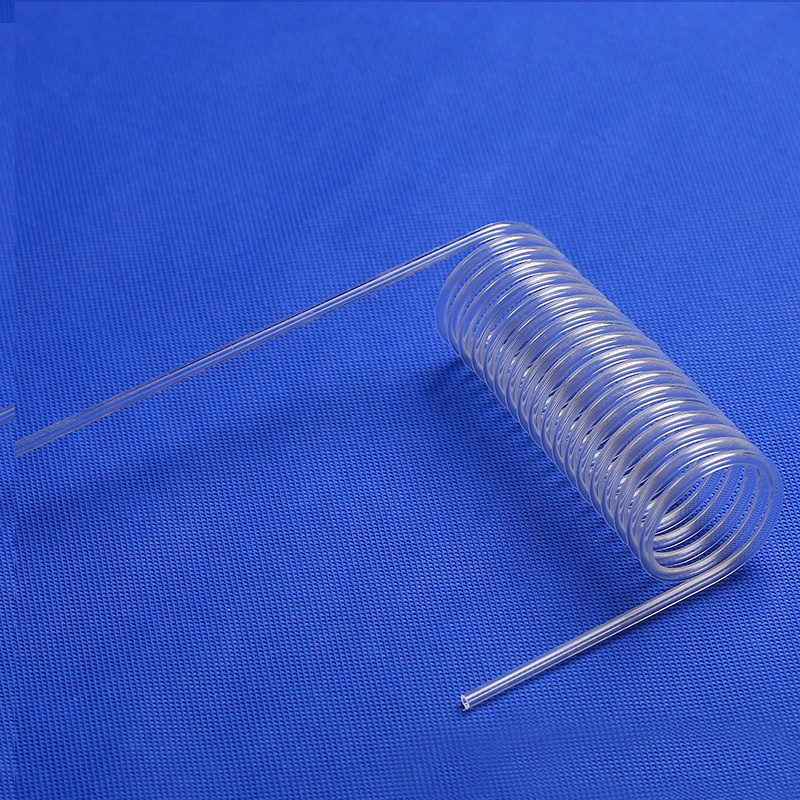
Yellow Clear High Purity Fused Quartz Spiral Tube for Laser Beauty Equipment
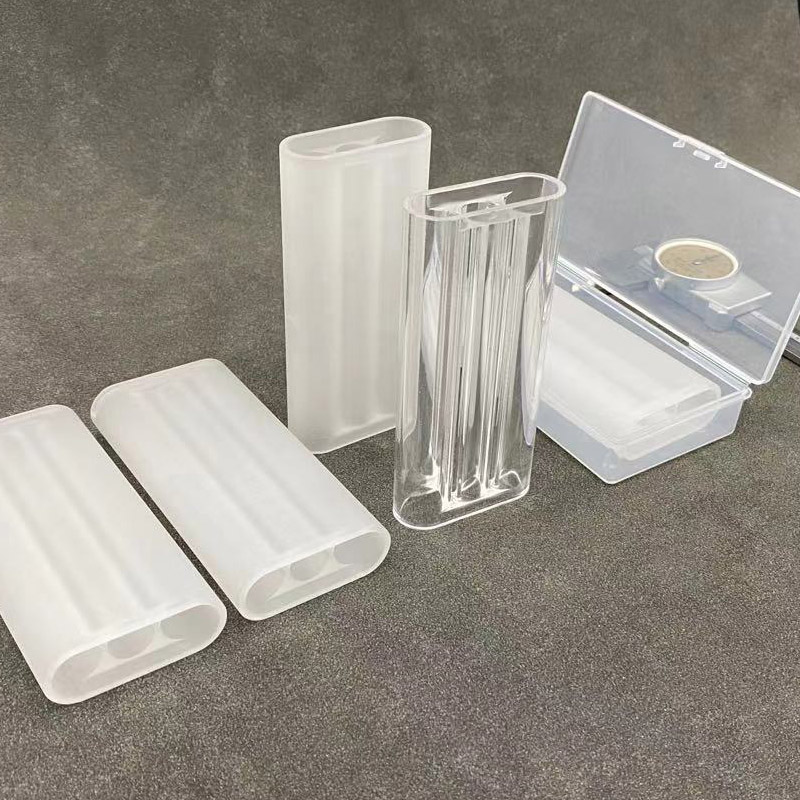
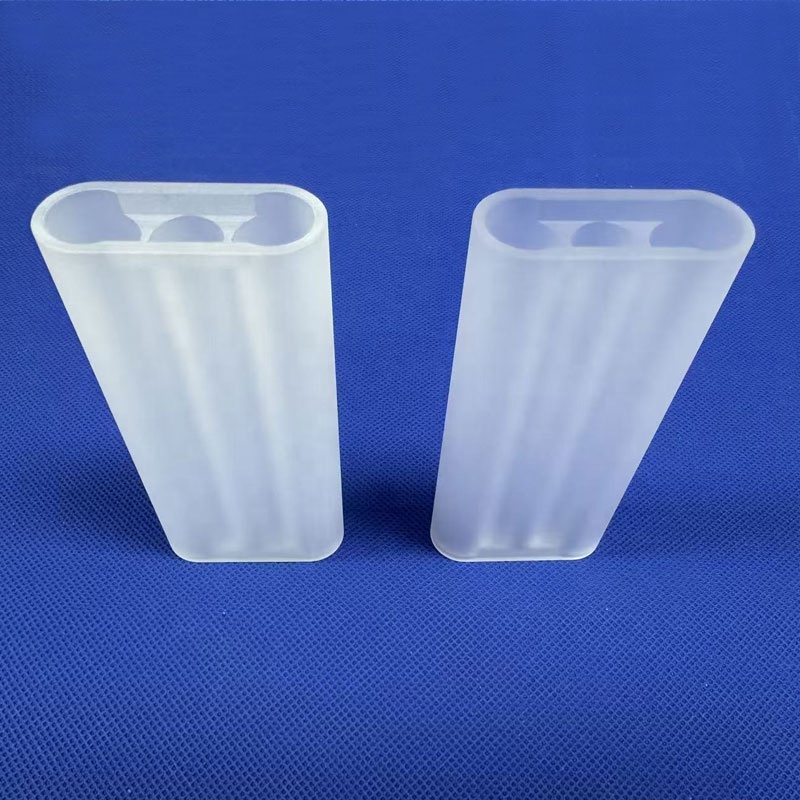
Quartz Candela Triple Bore Fused Quartz 99.98% Silica Customizable Laser Rod
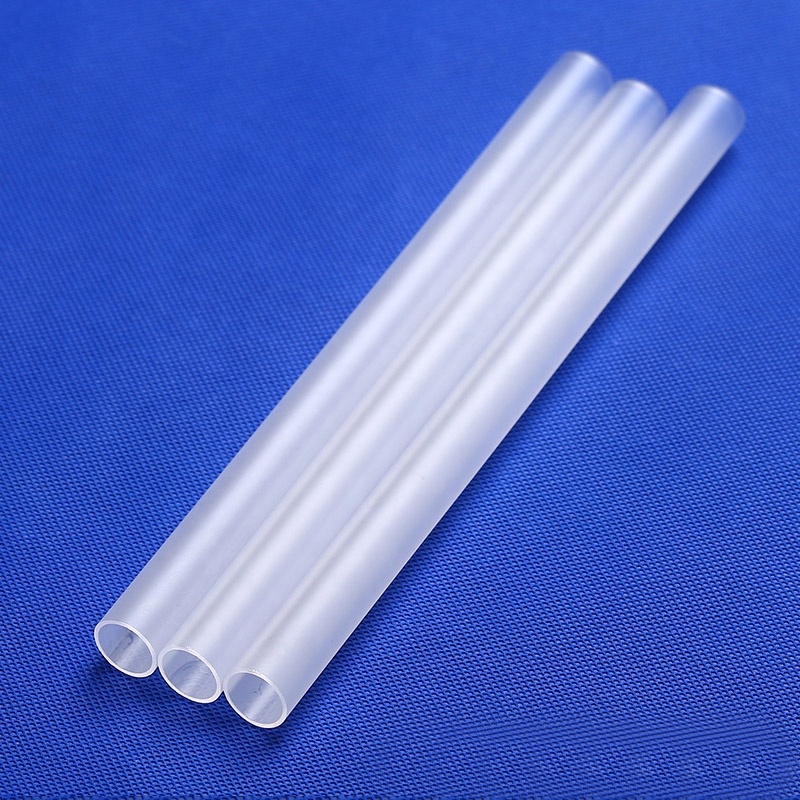
High Purity Translucent Polished Quartz Glass Tube for Ozone & UV Heating
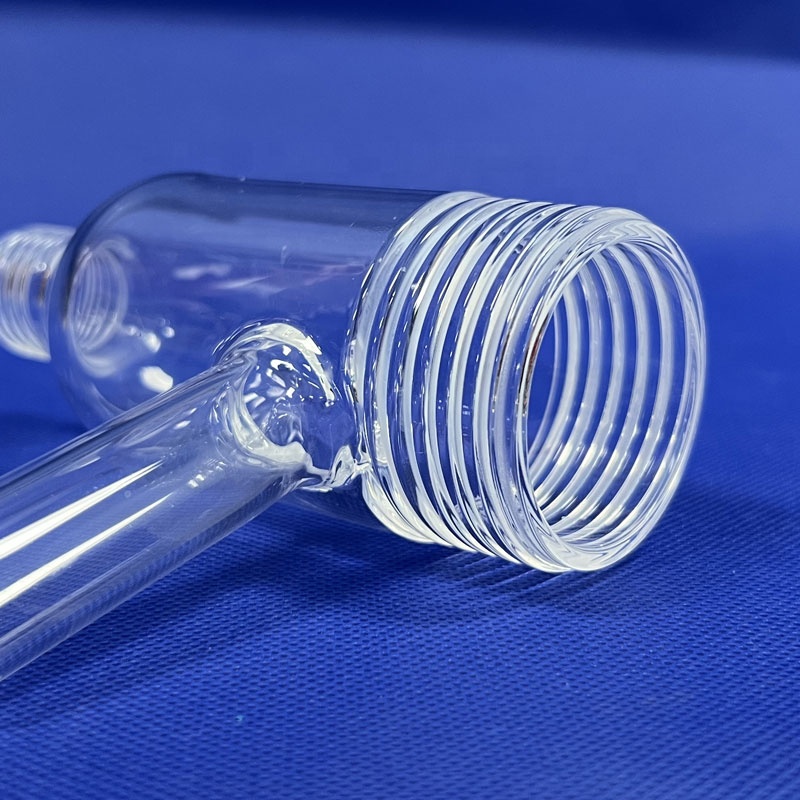
BAO RAN 515 Transparent High Purity 99.99% Fused Quartz Threaded Reaction Tube
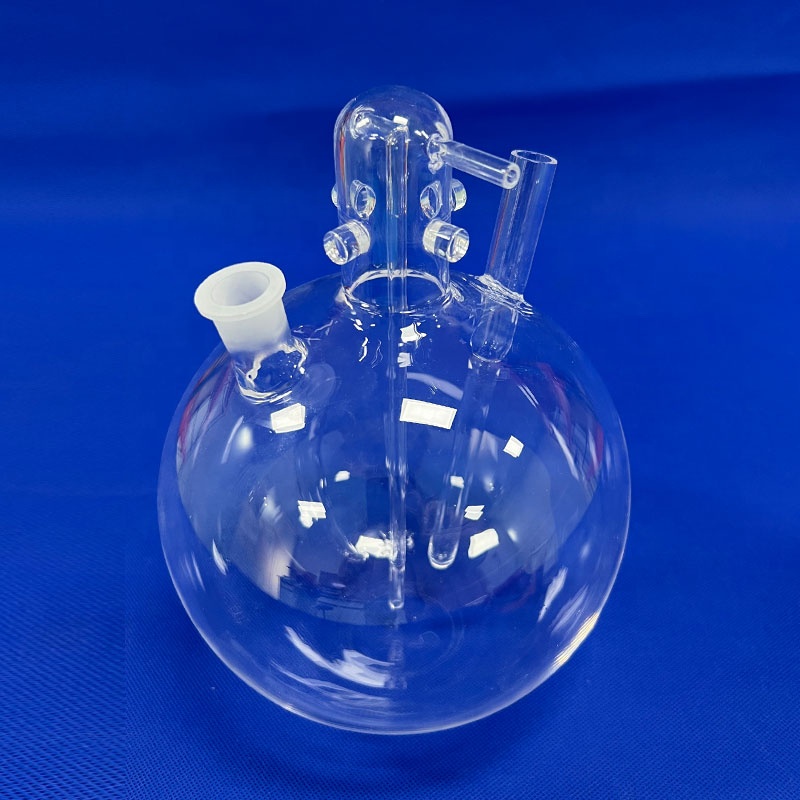
419 Processing High Purity SiO2 Quartz Glass Instrument for Laser Machinery
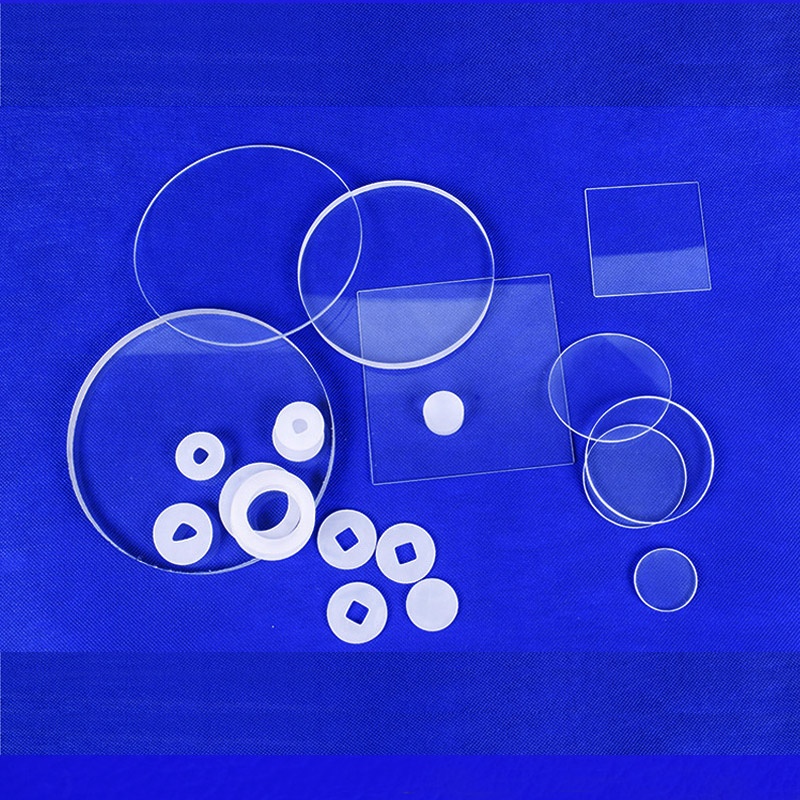
JGS1 BAO RAN High Purity Fused Quartz Glass Sheet UV Transparent Annealed Plate
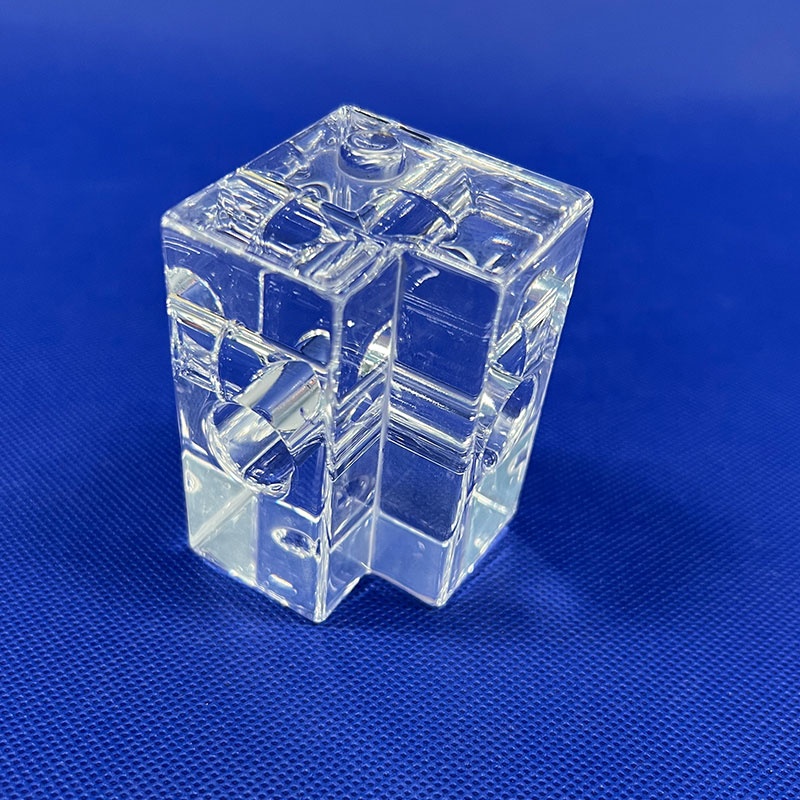
420 BAO RAN Custom-Processed Fused Quartz High-Purity 1200C Annealed Fluidic Bar
Technical Whitepaper
Engineering Quartz Light Guides for San Ignacio's Developing Industrial Ecosystem
An authoritative analysis of optical homogenizing, total internal reflection mechanics, and material selection criteria for regional buyers.
1. Fundamentals of Total Internal Reflection (TIR) in Precision Light Guides
Quartz light guide rods, also designated as optical homogenizing rods, light integrating pipes, or fused silica light pipes, function via continuous Total Internal Reflection (TIR). By leveraging the elevated refractive index transition between pure fused quartz ($n \approx 1.458$ at $589\,\text{nm}$) and ambient air or boundary cladding ($n \approx 1.0$), electromagnetic radiation coupled into the incident face propagates through multiple reflections along the polished boundary walls. This process yields uniform cross-sectional flux distribution regardless of spatial anomalies in the primary emitter source.
For municipal, clinical, and industrial equipment integrators in San Ignacio and the broader Cayo District, selecting optical waveguides synthesized from high-purity natural silica sand or synthetic silicon tetrachloride ($\text{SiCl}_4$) is critical. Unlike standard optical glasses (e.g., BK-7 or borosilicate), fused quartz provides negligible solarization under continuous ultraviolet irradiance, extremely low internal absorption ($< 1\,\text{dB/km}$ across core laser bands), and zero macroscopic bubble inclusion according to DIN ISO 10110 standards.
2. Comparative Material Benchmarks: Fused Silica vs. Standard Optical Mediums
When selecting transmission hardware for harsh operational environments, thermal coefficient mismatches and chemical erosion pose acute risks. The table below outlines empirical performance metrics comparing our JGS1/JGS2 quartz rods against alternative optical grades used in regional procurement:
| Physical & Optical Parameter | Lovri Fused Quartz (JGS1 / JGS2) | Borosilicate Glass (Boro 3.3) | Standard Optical Crown (BK-7) |
|---|---|---|---|
| Purity (SiO₂ Content) | ≥ 99.99% | ~ 81% | ~ 70% |
| Useful Spectral Transmission | 185 nm – 2,500 nm (Deep UV to NIR) | 350 nm – 2,000 nm | 330 nm – 2,100 nm |
| Thermal Expansion (20–300 °C) | 5.5 × 10⁻⁷ / °C | 33 × 10⁻⁷ / °C | 71 × 10⁻⁷ / °C |
| Thermal Shock Tolerance (ΔT) | > 1,000 °C instantaneous plunge | ~ 150 °C | ~ 80 °C |
| Continuous Service Temperature | 1,100 °C (Short duration: 1,300 °C) | 450 °C | 160 °C |
| Refractive Index Homogeneity | ± 2 × 10⁻⁶ (Annealed) | ± 1 × 10⁻⁴ | ± 3 × 10⁻⁵ |
3. End-Face Polishing Geometries and Beam Shaping Dynamics
To maximize coupling efficiency and minimize Fresnel reflection losses, optical guide rods require tailored termination geometries. Our automated CNC polishing centers achieve surface roughness down to $Ra < 0.5\,\text{nm}$, conforming to scratch-dig ratings of 20/10 or 10/5. For solid-state laser integration, cross-sections can be configured with hexagonal, octagonal, or tapered conical profiles. Hexagonal rods deliver optimal homogenization spatial distribution with over 95% beam uniformity, vital for uniform laser ablation and clinical photomedicine treatments.
Local Deployments
Localized Application Scenarios in San Ignacio & Regional Hubs
Engineered to support municipal infrastructure, emerging clinical operations, and ecotourism research facilities across Western Belize.
Deep-UV Water Disinfection & Ecology
San Ignacio’s eco-resorts, river conservation projects (Macal and Mopan watersheds), and decentralized treatment plants employ germicidal UV-C systems (254 nm). Our JGS1 fused quartz rods and reaction sleeves deliver ultra-high transmission without solarization degrade, ensuring consistent pathogen deactivation under high ambient mineral loads.
Clinical Dermatology & Medical Aesthetics
As private healthcare and dermatological wellness clinics expand throughout Cayo, clinical equipment demands OEM replacement wave transmission components. Our square and cylindrical fused silica rods serve as direct replacements for Candela, GentleMax, and intense pulsed light (IPL) light guides, maintaining flawless beam profiles and skin-contact cooling integrity.
Agri-Tech & Agroforestry Spectroscopy
Regional citrus processing facilities, botanical research hubs, and soil chemistry labs in San Ignacio rely on near-infrared (NIR) spectrometry to assess sugar concentration, soil moisture, and pest pathogens. Quartz light integration bars mitigate ambient light artifacts, channeling stable reference beams to detectors.
Strategic Trends
Emerging Market Trends Across San Ignacio
1. Decentralization of Off-Grid Water Safety: With increasing international eco-tourism throughout the Maya Mountain foothills, luxury hospitality installations require closed-loop, chemical-free purification systems. Quartz-guided UV reactors represent the gold standard in clean water delivery without altering organic mineralization.
2. Preventive Maintenance Procurement Shifts: Belizean engineering managers traditionally faced excessive customs delays when sourcing OEM optical parts from Western consolidators. Lovri’s factory-direct supply framework enables rapid dispatch of bespoke and standard-geometry guide rods, reducing operational downtime from months to days.
3. Transition Towards High-Fluence Solid-State Equipment: Regional agricultural and laboratory facilities are replacing outdated halogen illumination assemblies with pulsed solid-state and semiconductor laser instruments, requiring quartz rods that tolerate up to 10 J/cm² laser damage thresholds (LDT).
Enterprise Strengths
Why San Ignacio Engineers & Importers Partner with Lovri
True manufacturing ownership, integrated chemical purification, and world-class testing infrastructure.
14,271 m² Factory Floor
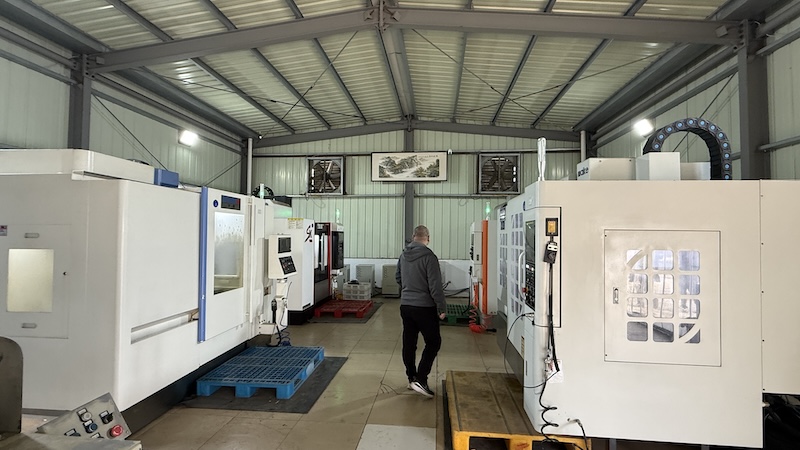
Fully owned manufacturing facilities located in Lianyungang, Jiangsu—the premier global quartz production center. SGS onsite assessed and certified.
In-House Raw Material Upgrading
We control every link from quartz rock crushing, pulverizing, and multi-stage acid pickling to tube drawing, eliminating intermediate supply contamination.
Polarization Stress Annealing
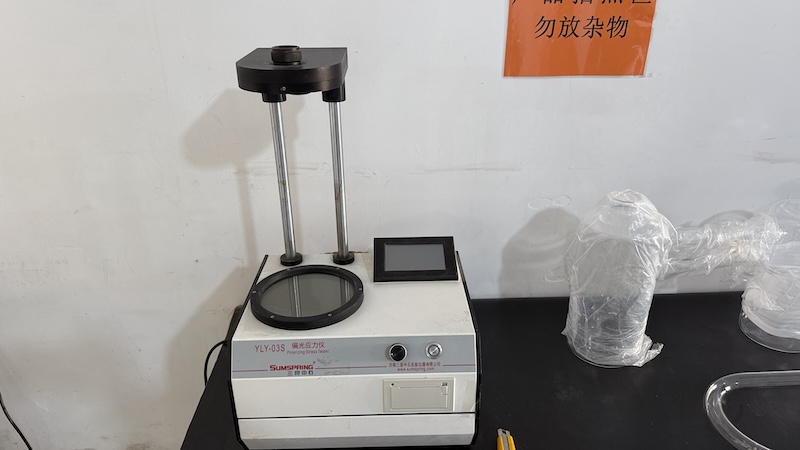
Every light guide rod undergoes 1200°C electric annealing, verified by polariscope stress testing to prevent catastrophic failure under sudden thermal differentials.
Drop-Tested Export Crating
Fragile optical components are sealed in vacuum antistatic film, encased in high-density customized shock-absorption foam, and crated in export plywood.
Quality Protocol
Rigorous 12-Step Manufacturing & Metrology
Our turnkey manufacturing procedure assures absolute optical reproducibility across both prototype quantities and volume production runs:
- Raw Quartz Processing: Selected crystalline lumps pulverized to controlled particle size and acid-pickled to eradicate transition metal trace ions.
- Thermal Drawing: Continuous thermal drawing furnaces achieve standard round, square, or custom profiles with uniform diameter tolerances.
- 5-Axis CNC Precision Grinding: Diamond-tool slicing, chamfering, and end-face double-side optical lap polishing down to sub-angstrom flatness.
- Quality Assurance Verification: 100% batch validation with spectrophotometers, coordinate measuring machines (CMM), and cross-polarizers.
Procurement FAQ
Frequently Asked Questions by San Ignacio Buyers
Direct, engineering-level answers addressing technical specifications, logistics, customs clearance, and bespoke drawings.
Can you machine custom guide rods directly from our CAD drawings?
Yes. We regularly produce to customer-provided CAD files in STEP, DWG, DXF, or PDF engineering formats. Our CNC milling, precision drilling, optical polishing, and laser cutting equipment hold tolerances within ±0.02 mm.
How do you guarantee zero glass breakage during transit to San Ignacio, Belize?
Every individual rod is hermetically sealed, cushioned in shock-absorbent closed-cell EVA or polyethylene foam, and encased in reinforced wooden export crates compliant with international freight regulations. We support air express (DHL/FedEx) directly to your facility.
What is the difference between JGS1, JGS2, and JGS3 quartz light guides?
JGS1 is synthetic fused silica with deep-UV transmission (185–2500 nm), free of bubbles and OH absorption bands. JGS2 is flame-fused quartz (220–2500 nm) balancing cost and optical quality. JGS3 is electrically fused quartz tailored for high infrared transmission (260–3500 nm).
What is your Minimum Order Quantity (MOQ) for custom prototypes?
To support R&D labs, academic trials, and pilot repairs in San Ignacio, we maintain a flexible MOQ starting from just 1 to 5 pieces for bespoke shapes, with tiered wholesale volume pricing available on production rollouts.
How do environmental humidity and tropical conditions affect quartz light rods?
Fused quartz is chemically inert and non-hygroscopic. It does not swell, fog, or degrade when exposed to tropical humidity, salt air, or corrosive cleaning chemicals (except hydrofluoric and hot concentrated phosphoric acid).
Can you provide material compliance and quality certification documentation?
Yes. Every export shipment can be accompanied by SGS factory assessment references, RoHS material compliance certificates, factory inspection reports, spectral transmittance curves, and Certificate of Conformity (COC) sheets upon request.
Request a Technical Quotation for Your San Ignacio Project
Consult with our optical engineering team today. Send us your dimensions, tolerances, target wavelength spectrum, or custom drawing files to receive an itemized manufacturing estimate within 24 hours.