Quartz Process Tube Supplier & Suppliers serving Salzburg
High-Purity 99.99% SiO₂ Fused Silica Process Tubes, CVD Reaction Vessels & Thermal Sleeves Engineered for Salzburg’s High-Tech Research, Metallurgy and Semiconductor Infrastructure
99.99%
SiO₂ Purity Grade
14,271 m²
SGS Factory Floorspace
1,300°C
Thermal Shock Threshold
100%
Polarization Stress Tested
Precision Thermal Components
Featured Fused Quartz Process Vessels & Optical Tubes
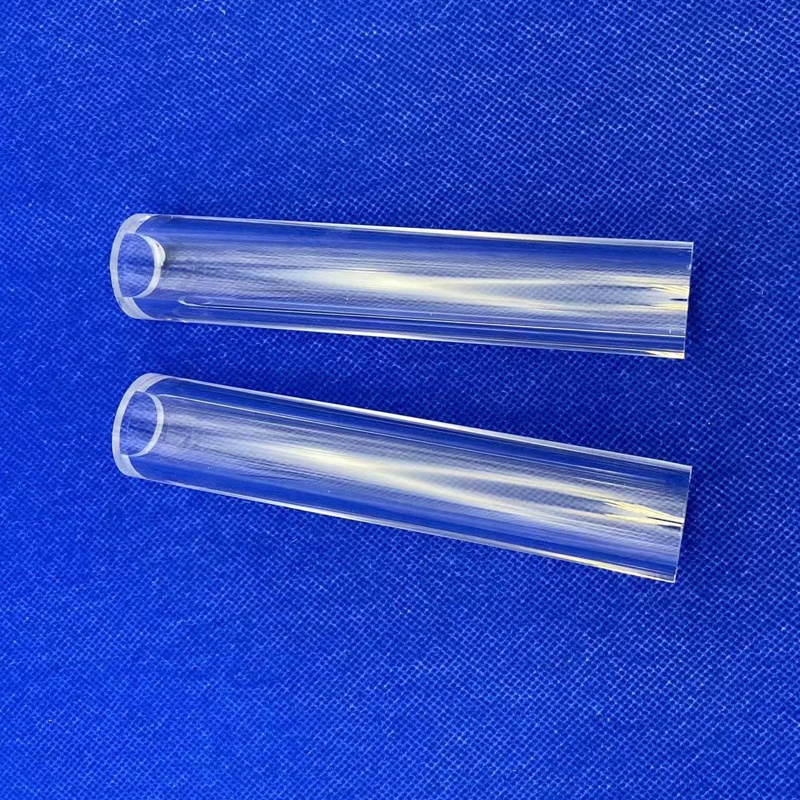
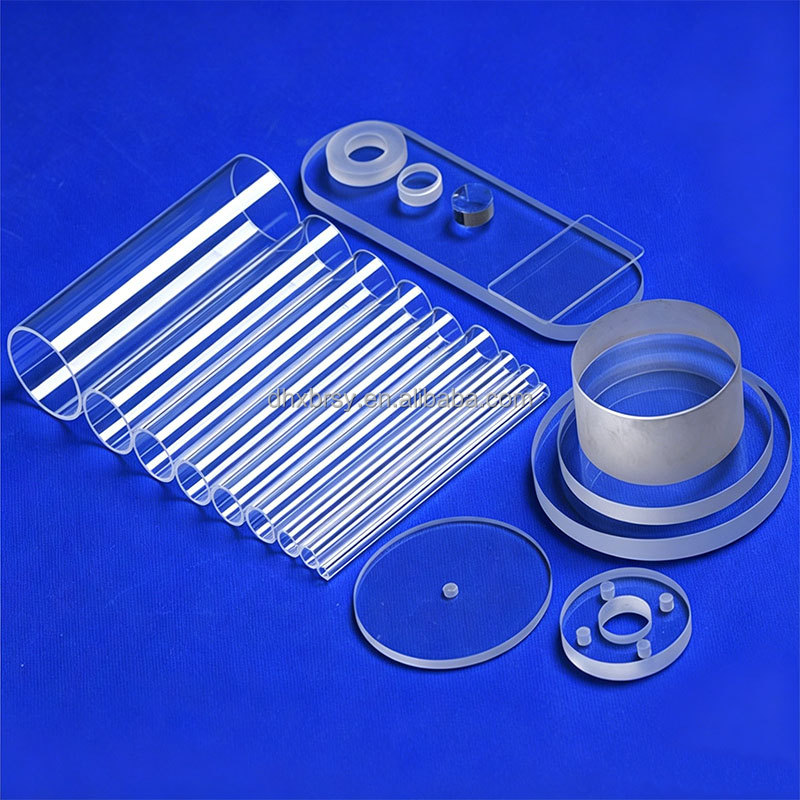
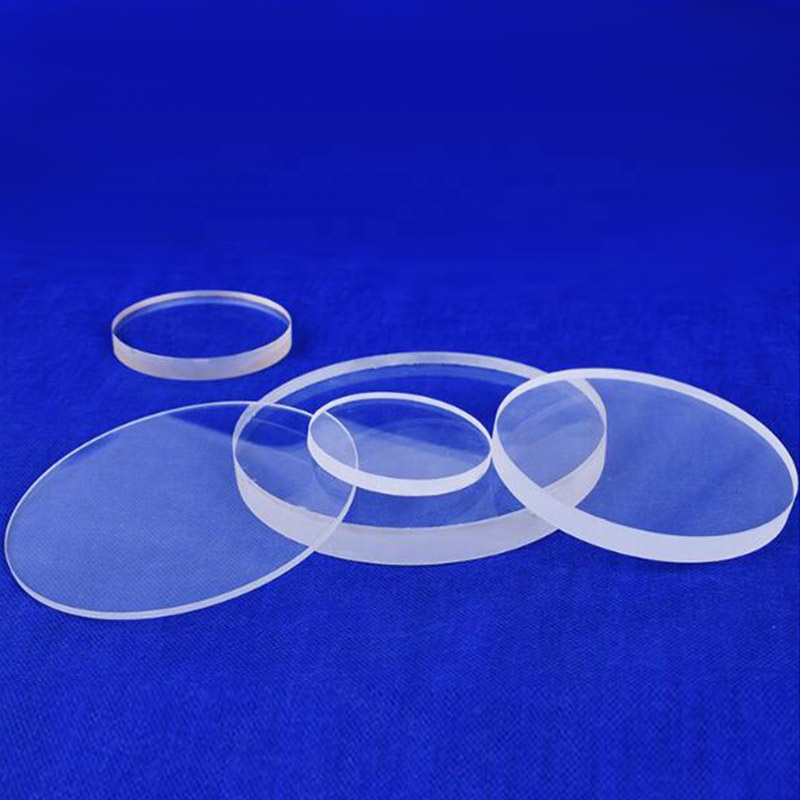
Precision-engineered quartz glass solutions manufactured from pristine high-purity natural silica sand, refined via full-chain acid pickling, thermal drawing, and precision CNC grinding to support critical industrial heating and reaction environments.
Strategic Supply of Fused Quartz Process Tubes for Salzburg’s High-Tech Corridor
Salzburg sits at the pivotal junction of Central Europe’s precision engineering, advanced materials research, and specialized automotive manufacturing sectors. Across the federal state of Salzburg—ranging from industrial hubs in Hallein, Bergheim, and Puch-Urstein to the research labs surrounding Paris Lodron University of Salzburg (PLUS)—engineering teams require thermal process vessels capable of withstanding extreme operational regimes without contaminating sensitive chemical or semiconductor matrices.
In high-temperature thermal synthesis, Chemical Vapor Deposition (CVD), atomic layer epitaxy, and metallurgical annealing, process integrity depends on the material chemistry of the chamber itself. Standard borosilicate glassware fails at temperatures exceeding 500°C due to soft-point deformation and high thermal expansion. High-purity Fused Quartz Process Tubes (≥99.99% SiO₂) provide near-zero coefficients of thermal expansion (approx. 5.5 × 10⁻⁷ /°C), allowing Salzburg process engineers to subject tubes to rapid temperature fluctuations from ambient room conditions to over 1150°C without mechanical rupture or phase inversion micro-fractures.
Material Purity & Trace Element Influence on Annealing Integrity
Sub-trace metallic elements like iron (Fe), aluminum (Al), sodium (Na), and potassium (K) are critical fail points in furnace tube operations. In diffusion processes, alkalis act as network distorters that trigger devitrification into cristobalite crystal structures at temperatures above 1000°C. By deploying rigorous 12-step chemical cleaning including multi-stage hydrofluoric and nitric acid pickling, raw material contamination is kept below 15-20 ppm total metallic impurities, extending operational lifetime in continuous Salzburg production furnaces.
Zero Thermal Contortion
Annealed in computer-monitored electric lehrs up to 1215°C, ensuring internal stress points are eliminated prior to final polishing and field commissioning.
Broadband Optical Clarity
Delivers high spectral transmittance from 260 nm in the ultraviolet spectrum across visible wavelengths deep into the near-infrared spectrum (up to 3.5 µm).
Chemical Inertness
Impervious to virtually all acids (nitric, sulfuric, hydrochloric) and hot halogen process gases commonly introduced in high-vacuum chemical stripping procedures.
Salzburg Regional Applications
Localized Industrial & Scientific Applications Across Salzburg
The geographic distribution of heavy industry, research clusters, and advanced manufacturing in the Austrian province of Salzburg demands versatile customized quartz products:
Salzburg’s burgeoning microelectronics and sensor clusters rely on our transparent fused silica process tubes for oxidation and dopant diffusion furnaces. Equipped with precision-ground double-flange vacuum interfaces, these tubes isolate silicon and silicon carbide (SiC) wafers from ambient atmosphere during high-temperature gas purges.
Metallurgical Research & Thermal Barrier Coatings
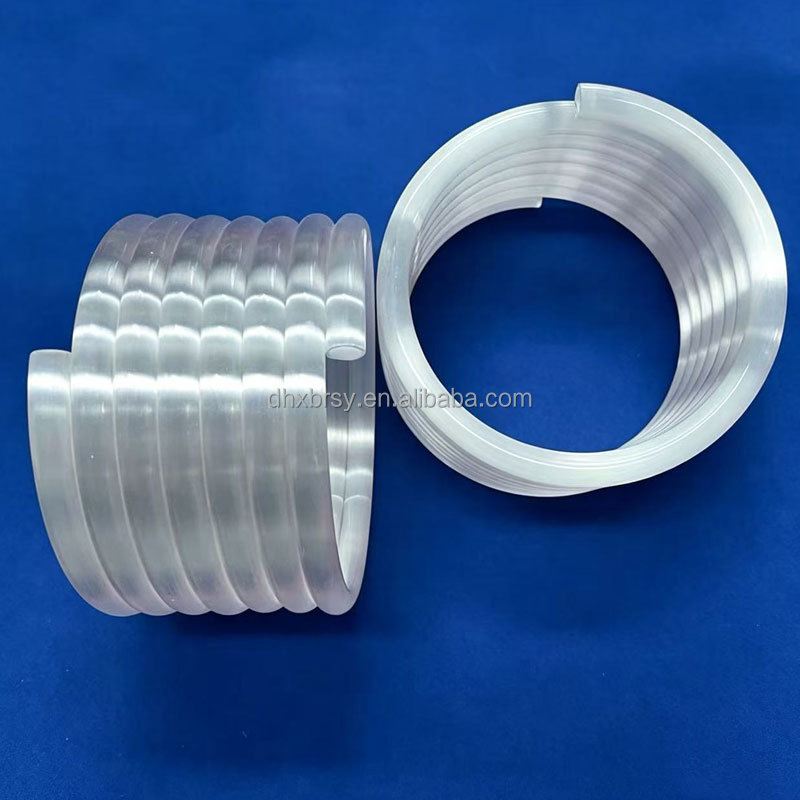
Regional material innovators evaluating lightweight alloys and aerospace coatings require milky-white opaque fused silica spiral coils and large-diameter furnace process sleeves. The diffuse infrared reflectance optimizes thermal radiation balance, minimizing energy dissipation along structural walls.
Biochemical Analytics & Academic Research (PLUS)
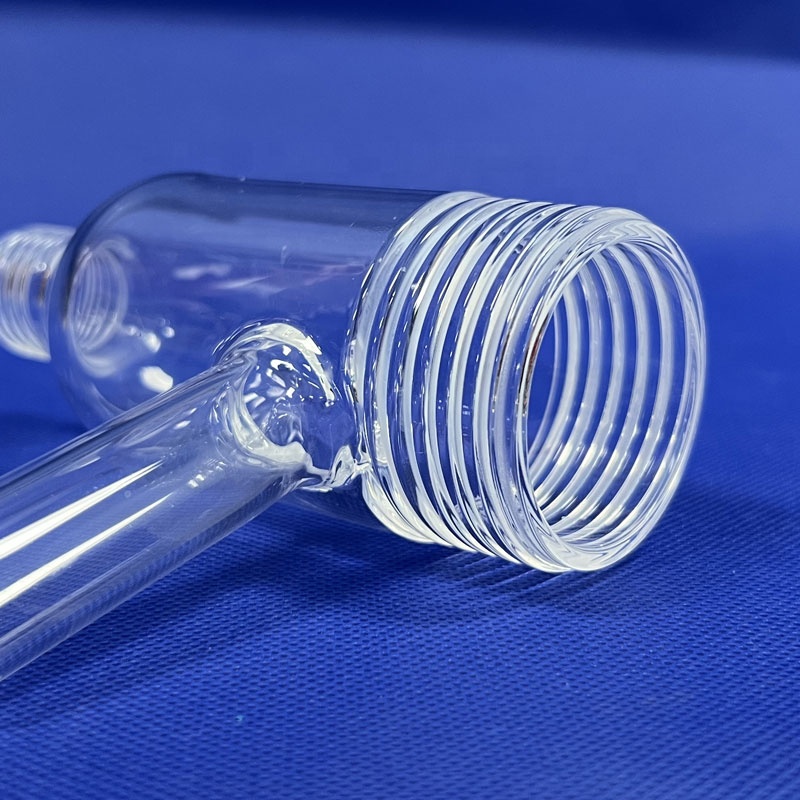
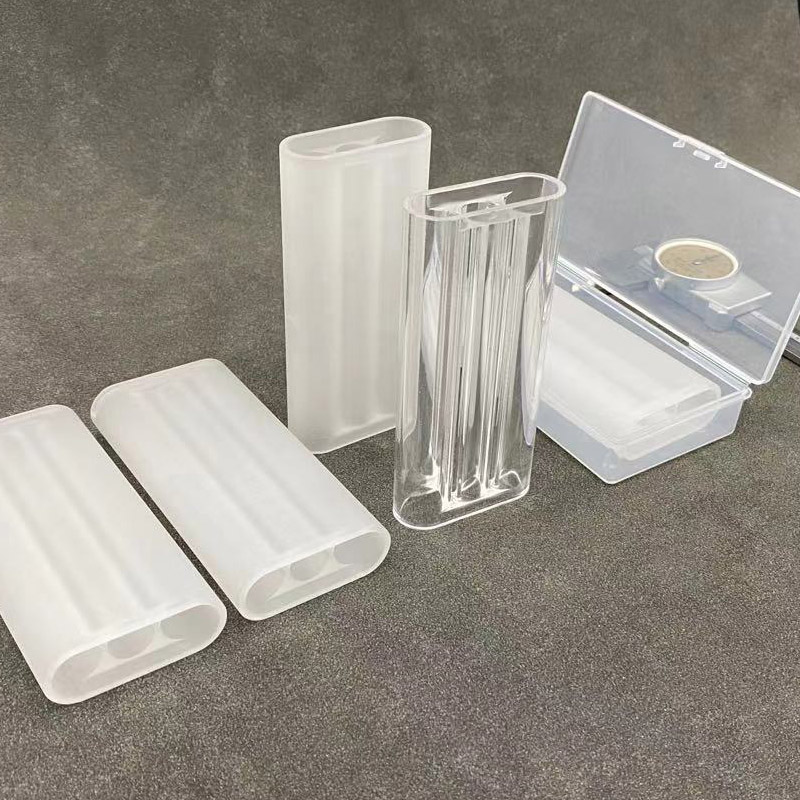
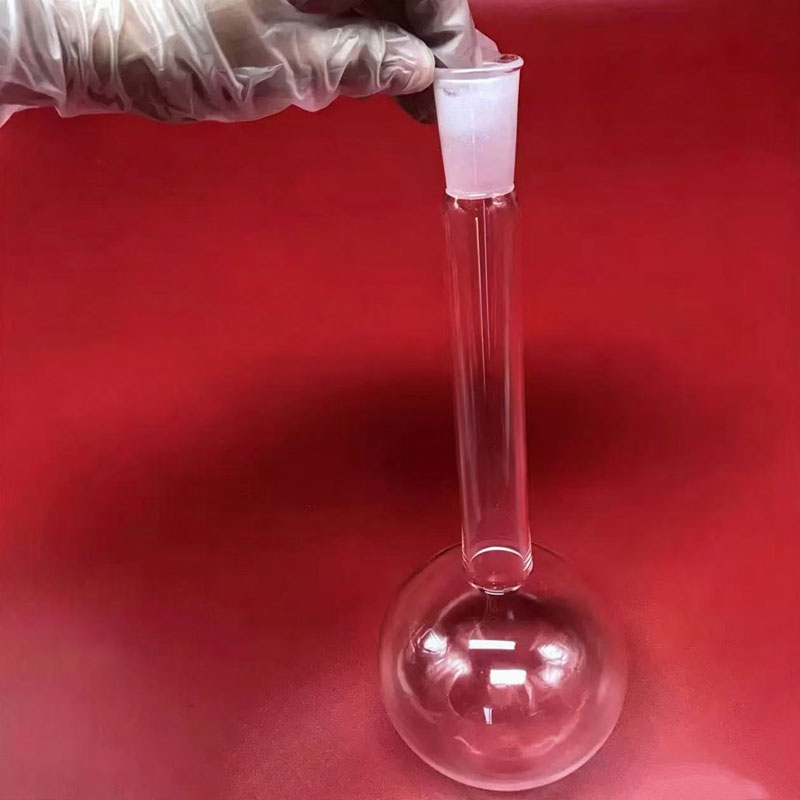
At the Paris Lodron University of Salzburg and associated regional analytical testing institutes, custom threaded quartz vessels, triple-bore flow conduits, and corrosion-resistant quartz digestion tubes enable precision spectroscopy without background elemental leach.
Application Sector
Recommended Quartz Grade
Key Operational Conditions
Critical Advantage
LPCVD / Diffusion Furnaces
Clear Fused Silica (≥99.99%)
1050°C – 1200°C Continuous Under Vacuum
No sag; low trace OH content prevents wafer contamination
IR Rapid Thermal Processing (RTP)
Milky Opaque & Clear Hybrids
Rapid cyclings up to 1100°C within seconds
Superior thermal radiation redirection; zero spalling
Laser Flashlamp Optics
Multi-Bore JGS1 / Natural Clear
High peak power pulses; water cooling jackets
Excellent UV cut-off or pass properties; strict dimensional concentricity
Chemical Gas Catalysis
Threaded Quartz with Flanges
Halogen atmospheres; pressures from 10⁻⁵ mbar to 3 bar
Emerging Procurement Trends Shaping Salzburg & Upper Austria
Austria’s National Energy and Climate Plan (NEKP) along with European Green Deal directives are driving Salzburg’s industrial manufacturers to upgrade processing equipment for reduced carbon intensity and zero-defect yield rates. This macroeconomic shift directly influences quartz glass supply requirements:
1. Shift Toward High-Yield SiC and GaN Power Device Processing
As automotive tier-suppliers located throughout Central Austria transition to electric powertrain systems, the demand for wide-bandgap semiconductors (silicon carbide and gallium nitride) has surged. Fabricating these devices requires process temperatures approaching 1300°C—demanding ultra-pure quartz process tubes with customized heavy-wall cross sections and minimized hydroxyl content to avoid premature structural sagging.
2. Transition from Fragmented Sourcing to Full-Chain Manufacturing Reliability
Salzburg facility engineers are increasingly bypassing intermediary European distributors that operate on high markup rates and unpredictable inventory lead times. Procuring directly from verified manufacturers that handle everything from raw silica grading and acid refining to five-axis CNC cold processing enables direct engineering dialogue, faster drawing revisions, and certified batch traceability.
3. Rigorous ESG and Life-Cycle Standards
Austrian plants mandate strict hazardous-material compliance. Every shipment intended for the Salzburg market must arrive backed by current RoHS documentation and heavy-metal testing protocols (confirming non-detectable levels of lead, mercury, cadmium, and hexavalent chromium), preventing regulatory bottlenecks during factory import checks.
Enterprise Profile & Quality Systems
Why Salzburg Procurement Teams Partner Directly with Lovri Quartz
Based in Lianyungang, Jiangsu—the premier raw quartz processing cluster globally—Lovri Quartz Products Co., Ltd. delivers direct factory capabilities verified through comprehensive third-party audits.
14,271 m² SGS-Verified Facility
Onsite audited operations covering complete production: raw lump grading, pulverizing, screening, acid pickling, redraw lines, and clean-room packaging.
Low Prototype Barrier (MOQ 1 PC)
We welcome prototype orders from single-piece replacement runs for specialized university reactors to multi-thousand serial tubes for plant builds.
Multi-Axis CNC Cold Processing
High-precision grinding, chamfering, hole coring, slot pitch cutting, ultrasonic drilling, and complex threaded joints manufactured strictly to STEP/DWG tolerances.
Zero-Breakage Export Packaging Strategy for Salzburg Deliveries
Process tubes represent fragile, high-value optical materials. Every unit dispatched to Austria is vacuum-sealed in anti-static film, suspended in form-fitted high-density multi-density polyethylene (EPE) closed-cell foam buffers, and cased within heavy-duty marine-grade plywood export crates. Whether routed via expedited direct air freight to Salzburg Airport (SZG) / Munich (MUC) or consolidation through European rail corridors, your tubes arrive crack-free, clean, and ready for cleanroom assembly.
Direct Clarifications
Procurement FAQ: Sourcing Fused Quartz Process Tubes in Salzburg
Technical answers to the top questions asked by Austrian plant superintendents and laboratory buyers:
What are the exact dimensional tolerances achievable on large-diameter quartz process tubes?
For standard drawn tubes, Outer Diameter (OD) tolerances range between ±0.2 mm to ±0.8 mm depending on nominal diameters (from 10 mm up to 450 mm). For precision applications requiring vacuum flange seals or mechanical collet mounting, our CNC outer-diameter centerless cylindrical grinding and polishing shop holds tolerances as tight as ±0.05 mm, with wall thickness variations held below 5% of nominal across 2-meter lengths.
Can you produce custom quartz process tubes from customer-supplied CAD drawings (STEP/DWG)?
Yes. A primary operational strength of Lovri Quartz is bespoke fabrication. We work from customer CAD models in STEP, IGES, DXF, and PDF formats. Our engineering team conducts design-for-manufacturability (DFM) reviews to ensure appropriate transition radiuses, thermal relief zones, and flame-polishing requirements are optimized before glass lathes execute the welding or bending operations.
How does fused quartz handle thermal shock compared to standard laboratory glassware?
Fused quartz possesses an exceptionally low thermal expansion coefficient of approximately 5.5 × 10⁻⁷ cm/cm·°C—roughly one-sixth that of standard borosilicate glass 3.3. Consequently, a quartz process tube heated to 1100°C can be quenched instantly in ice-cold water without fracturing, a vital resilience parameter for Rapid Thermal Annealing (RTA) installations in high-tech Austrian operations.
What are typical shipping lead times and door-to-door transit channels to Salzburg, Austria?
Standard prototype and low-volume production orders are typically manufactured within 10 to 18 business days following drawing sign-off. For express logistics to Salzburg destinations, expedited air cargo via DHL Express, FedEx, or dedicated air-freight arriving at Salzburg (SZG) or Munich (MUC) hubs offers door-to-door transit within 4 to 7 working days. Larger container shipments utilize rail or sea channels via Hamburg/Rotterdam with onward intermodal transport.
How is stress distribution inspected before shipment to prevent spontaneous cracking in service?
Every fabricated tube and welded assembly undergoes systematic inspection through optical polarization stress analyzers (cross-polarizers). Any localized birefringence indicates residual tensile stresses remaining from the flame-working or lathe welding process. Items showing unacceptable fringes are re-cycled through precision annealing lehrs at 1215°C to achieve complete stress relief, ensuring our components do not fail under cyclical thermal fatigue.
Ready to Secure Your Quartz Process Tube Supply?
Submit your technical drawings, OD/ID specifications, operating temperatures, or target quantities. Our engineering team provides manufacturability assessments and commercial quotations within 24 hours.