SEMICONDUCTOR
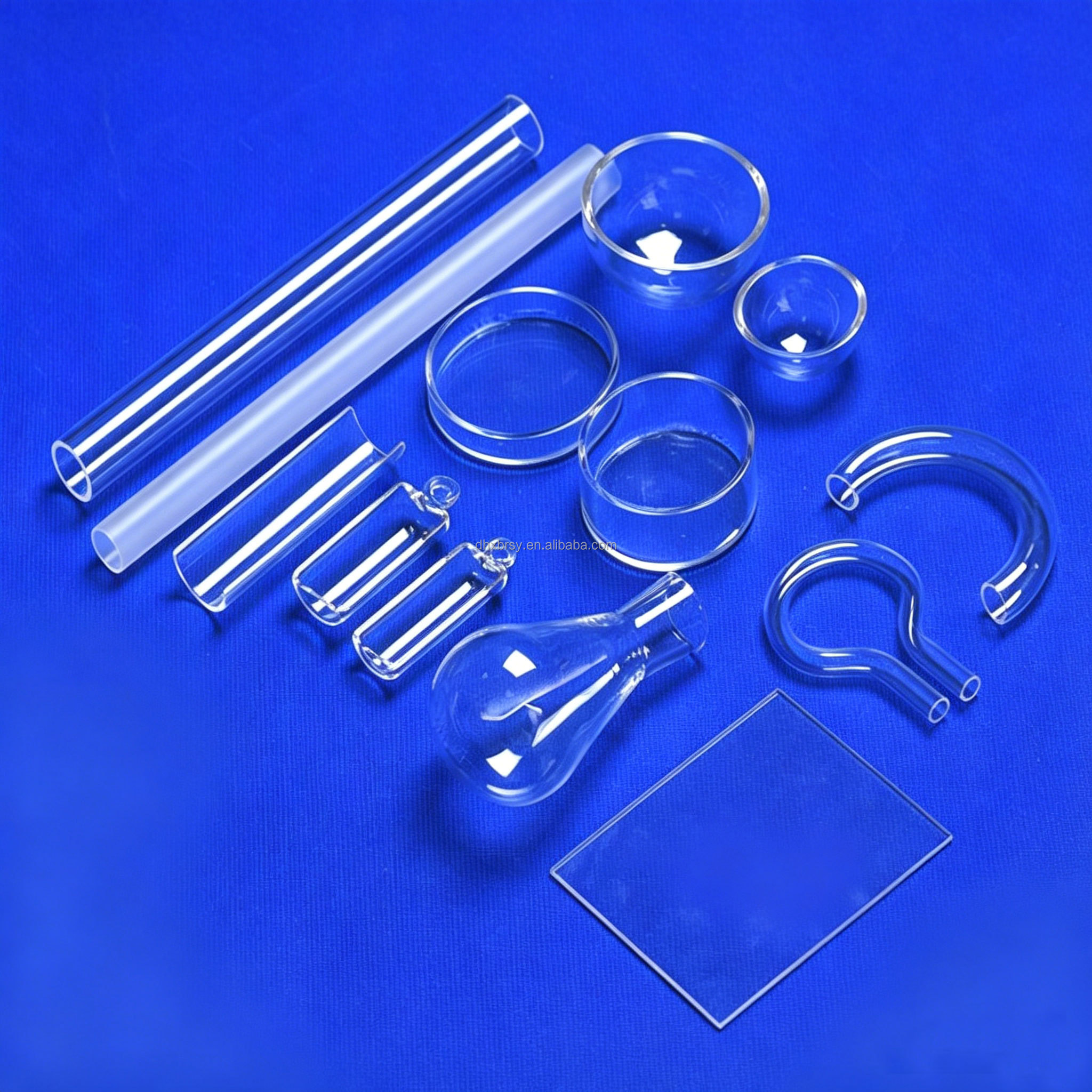
Custom Lab Quartz Glass Apparatus High Purity 99.99% Silica Content
ROHS Certified · Semiconductor OEM/ODM · Flame-fused structural stability.
From single crystal thermal processing to laser optic reactors, explore our precision-calibrated quartz products engineered for extreme environments.
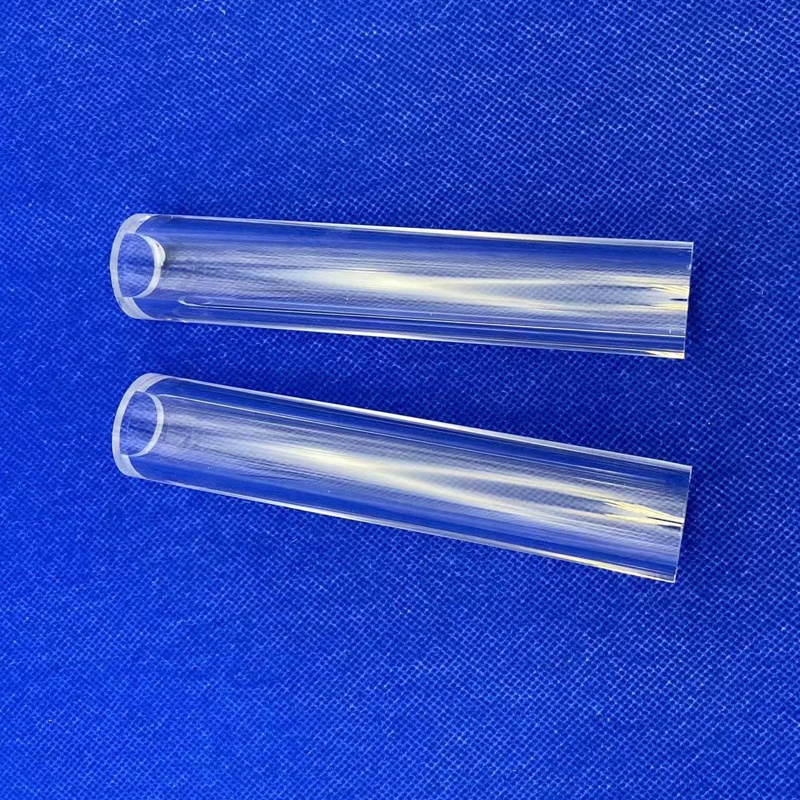
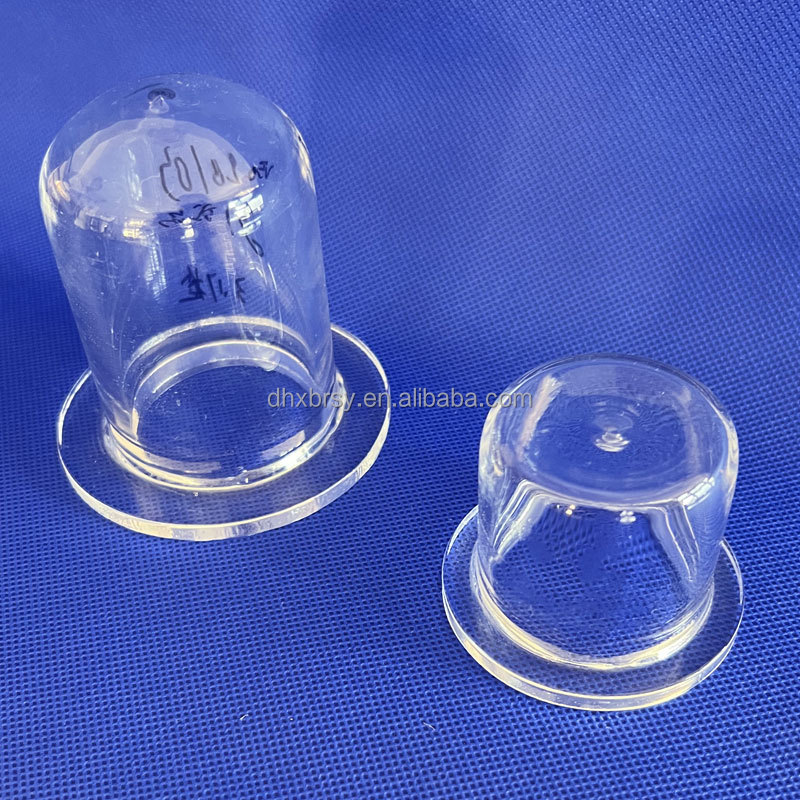
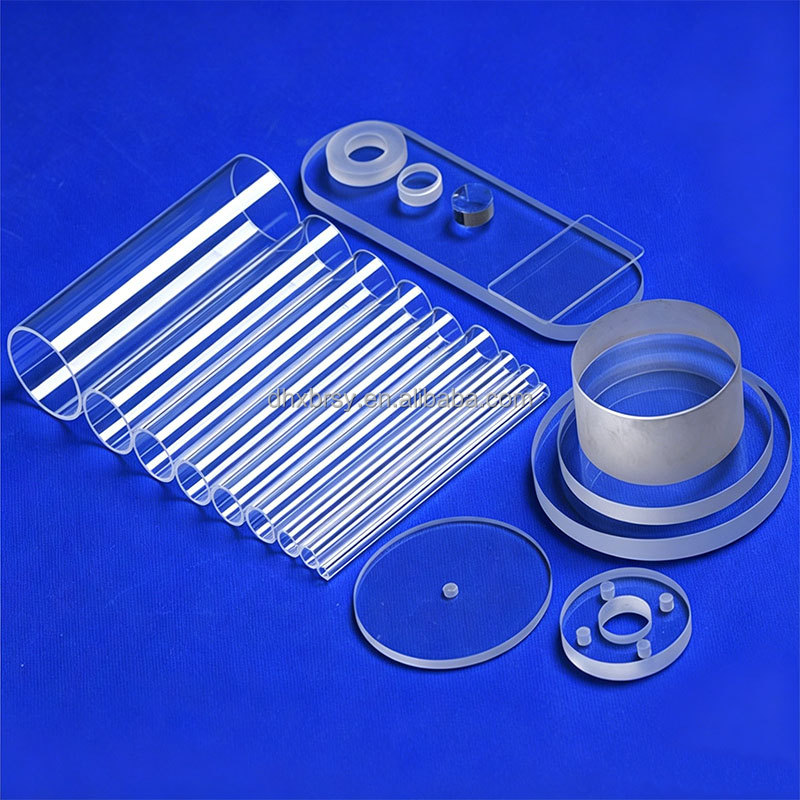
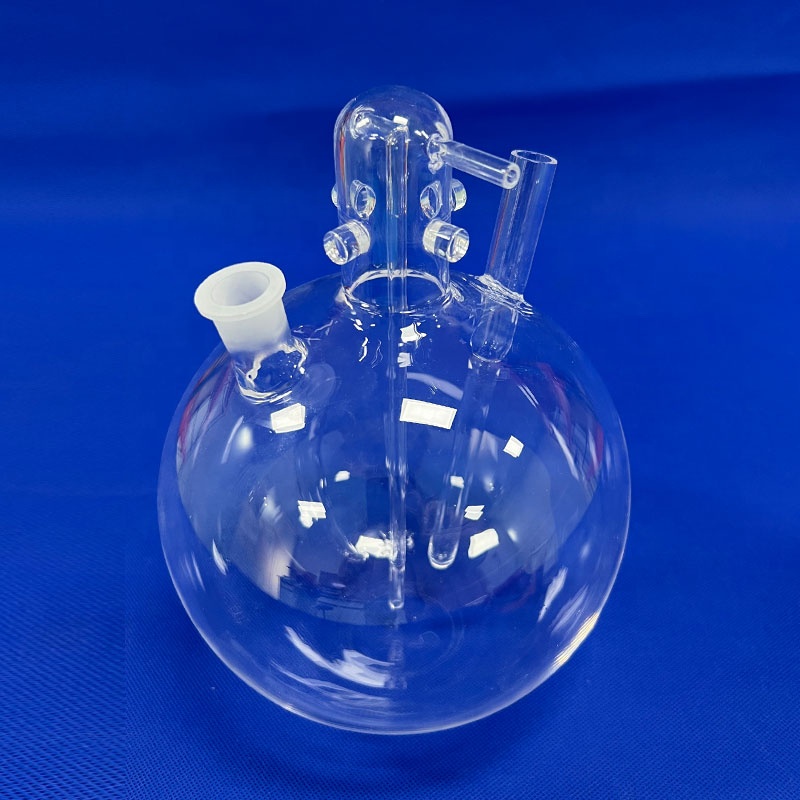
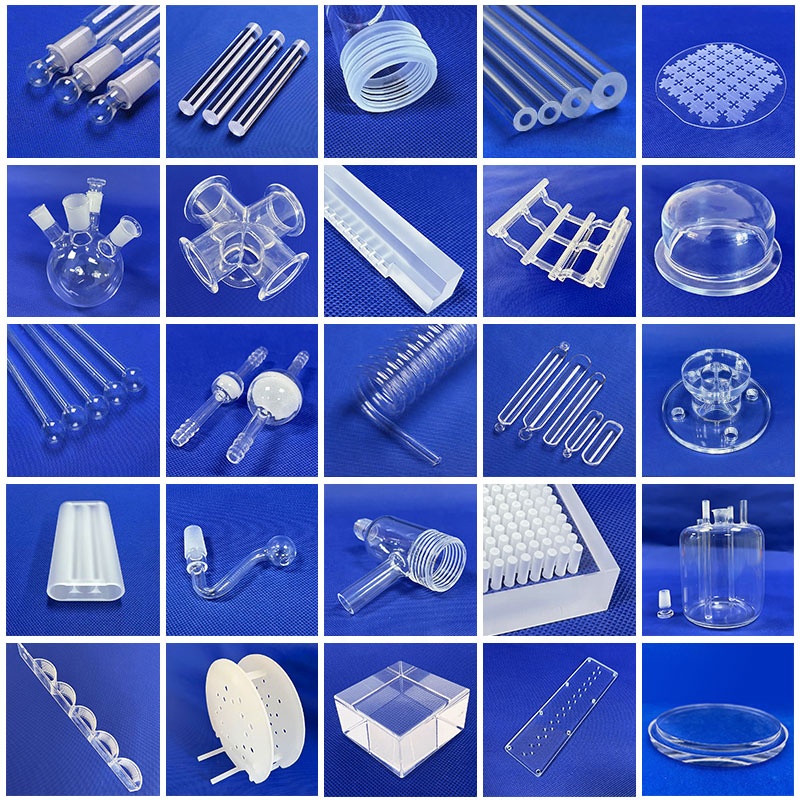
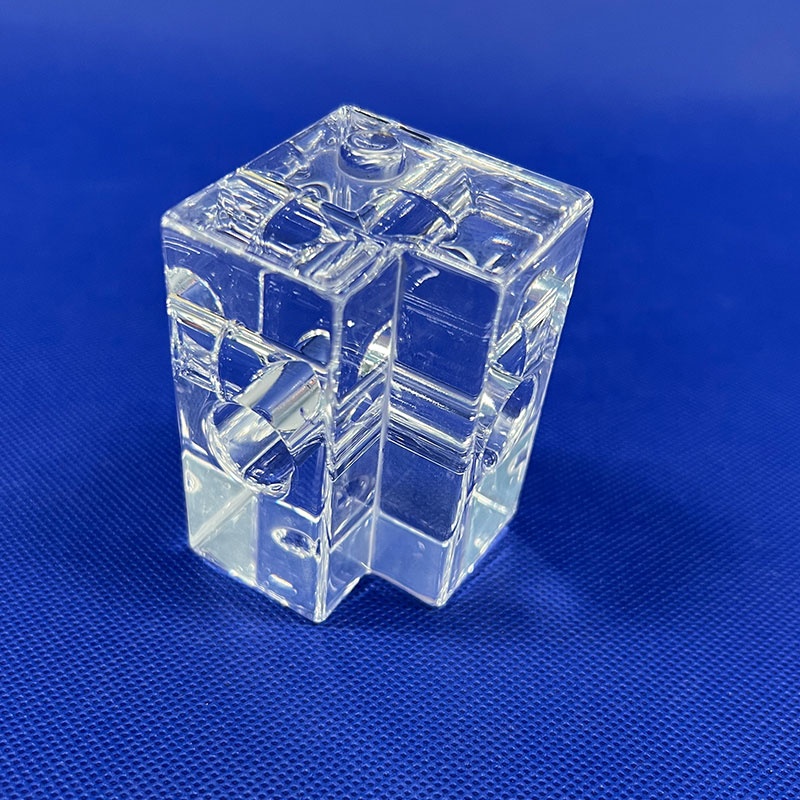
As the historic industrial heartland of Serbia transitions into advanced electric vehicle engineering, sensor electronics, and academic physical chemistry, fused silica serves as an indispensable manufacturing backbone.
With Kragujevac hosting premier automotive assembly facilities (including the Stellantis production complex), precision thermal treatment of metal components, wire harness degassing, and battery terminal sensor encapsulation require cleanroom quartz diffusion tubes capable of maintaining a contamination-free atmosphere up to 1100 °C.
The University of Kragujevac (notably the Faculty of Engineering and the Faculty of Science) conducts intensive materials research in chemical vapor synthesis and high-temperature tribology. Our JGS1 and JGS2 custom glassware provide researchers with low OH content, zero thermal hysteresis, and full optical transmission for laser spectroscopy.
Heavy metallurgical operations, heat treatment plants, and specialized glass-curing installations in the Šumadija district utilize our spiral opaque quartz tubes and double-ended process sleeves for high-intensity infrared radiant heating systems, achieving uniform heat transfer without mechanical sag.
Why standard borosilicate and low-grade fused silica fail under continuous cycling in industrial furnaces, and how our Lianyungang refining protocols eliminate micro-defects.
In thermal diffusion and sintering environments above 1000 °C, fused silica tubes face degradation through devitrification—the transition from an amorphous glass state into crystalline cristobalite. This structural alteration introduces internal micro-stresses due to the 5% density differential between crystalline and vitreous phases, leading to premature cracking upon rapid cool-down.
Our manufacturing protocol in Lianyungang subjects all feedstock to multi-stage hydrofluoric and nitric acid leaching, eliminating surface alkali metal cations (Na⁺, K⁺, Li⁺) down to below 1.5 ppm total. By eradicating these nucleation seeds, our quartz process tubes boast an extended operating lifecycle exceeding 1,200 operating hours at continuous 1150 °C.
The presence of bound hydroxyl radicals structurally weakens the silicon-oxygen tetrahedral network (Si-O-Si), lowering both viscosity and the thermal deformation point. Standard commercial tubing exhibits OH⁻ concentrations upward of 150–200 ppm, making it susceptible to thermal sag in horizontal process configurations.
By executing vacuum electrical fusion and post-forming dehydroxyl annealing at 1215 °C, Lovri achieves an ultra-low OH⁻ grade (< 20 ppm). The resulting process tube withstands quenching from 1100 °C into 20 °C water without structural fracture, backed by an average coefficient of thermal expansion of only 5.5 × 10⁻⁷ /°C.
| Property Parameter | Lovri Semiconductor Grade | Standard Commercial Quartz | Test Standard / Method |
|---|---|---|---|
| SiO₂ Purity Level | ≥ 99.995% | ≈ 99.90% | ICP-OES Spectrometry |
| Softening Point (°C) | 1,730 °C | 1,660 °C | Dilatometry (ASTM C338) |
| Annealing Point (°C) | 1,215 °C | 1,140 °C | Beam Bending Viscometry |
| Continuous Service Temp | 1,100 °C – 1,150 °C | 950 °C – 1,000 °C | Continuous Furnace Cycling |
| Thermal Expansion (20-300°C) | 5.5 × 10⁻⁷ / °C | 5.8 × 10⁻⁷ / °C | TMA Analysis |
| Hydroxyl (OH⁻) Content | < 15 – 30 ppm | 150 – 250 ppm | FTIR Infrared Absorption |
From raw silica beneficiation in Jiangsu to on-site stress polarization verification, we guarantee absolute traceable quality control across all export batches.
Our 14,271 m² production facility has undergone complete on-site operational assessment by SGS Group, verifying production capacity, legal compliance, and laboratory calibrating systems.
Located in Lianyungang, we control raw quartz lump selection, acid refining, drawing, precision CNC machining, and fire-polishing entirely in-house without reliance on third-party intermediaries.
Residual glass tension causes unpredictable catastrophic failure under thermal ramp-up. Every production batch is 100% inspected using polariscopes following furnace annealing cycles.
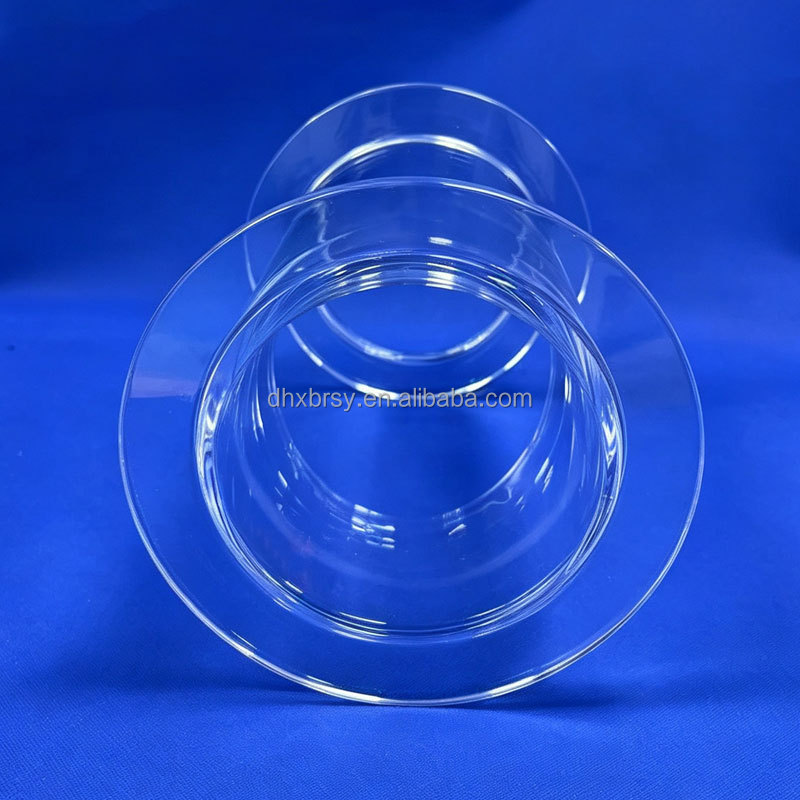
Heavy-wall quartz process tubes and flared cylinders are suspended inside dual-layer shock-absorbing polyethylene foam within custom, heat-treated fumigated plywood crates for zero-breakage international transit.
Clear answers addressing logistics, customs documentation, dimensional tolerances, and material compatibility for procurement managers in Kragujevac.
Submit your custom specifications, chamber dimensions, working temperatures, or technical drawings. Our glass engineering desk will review manufacturability and furnish a formal technical proposal within 24 hours.