99.98% SiO₂
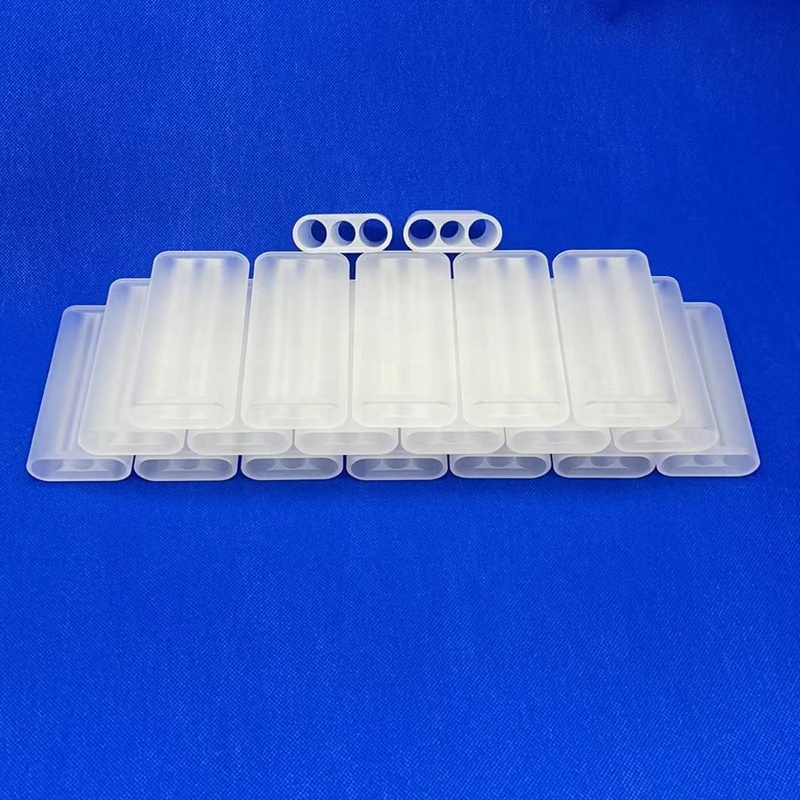
Quartz Triple Bore Flow Tubes Laser C Shape
Precision fused quartz welding, bending & cutting services. Certified RoHS compliant.
Precision-engineered fused quartz glassware, multi-neck reaction vessels, and bespoke photochemical apparatus meeting ASTM E438 Type I Class A purity thresholds for Tuscany's advanced chemical research and biopharmaceutical clusters.
Designed for aggressive thermal cycling, deep-UV photocatalysis, and ultra-trace metallic analysis. Each piece undergoes stress-polarization verification and cleanroom packing before European delivery.
Precision fused quartz welding, bending & cutting services. Certified RoHS compliant.
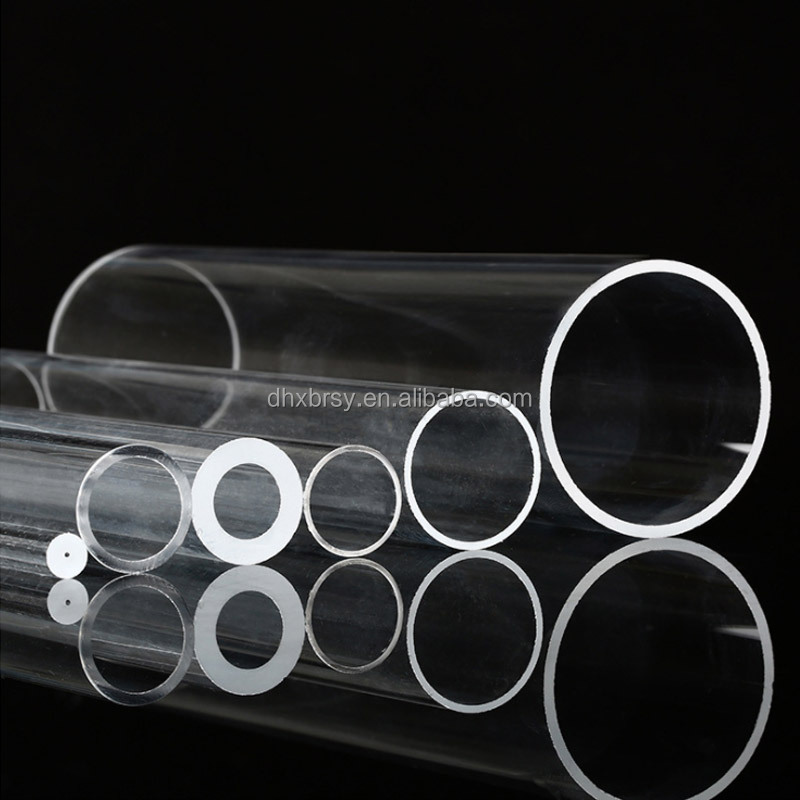
High-thermal shock resistance for drying cavities, chemical reaction heaters, and laboratory evaporators.
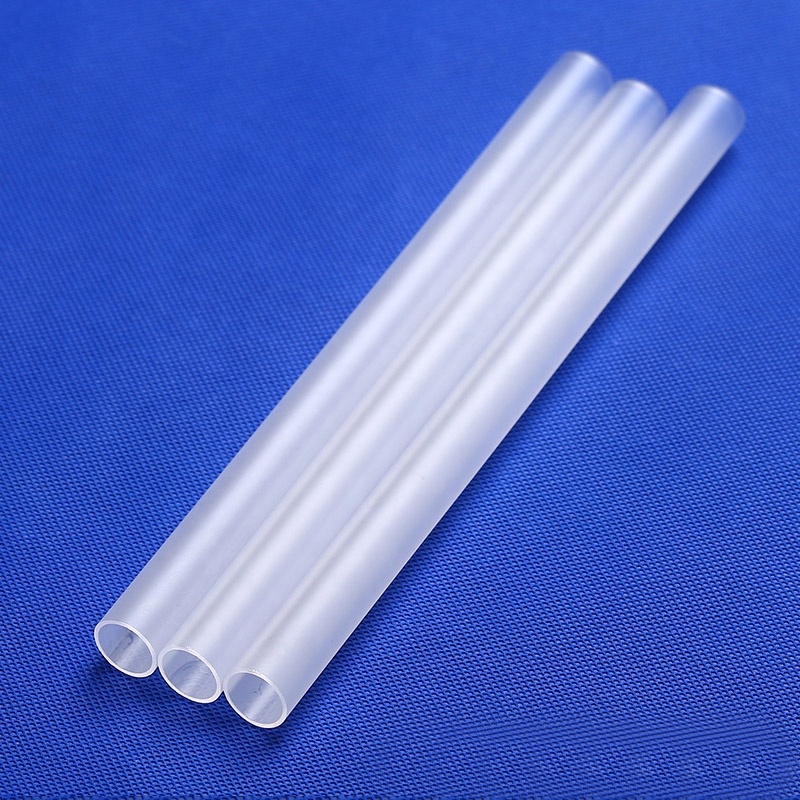
Welding, bending, and cutting services. Specialized for photochemical oxidation and UV digestion.
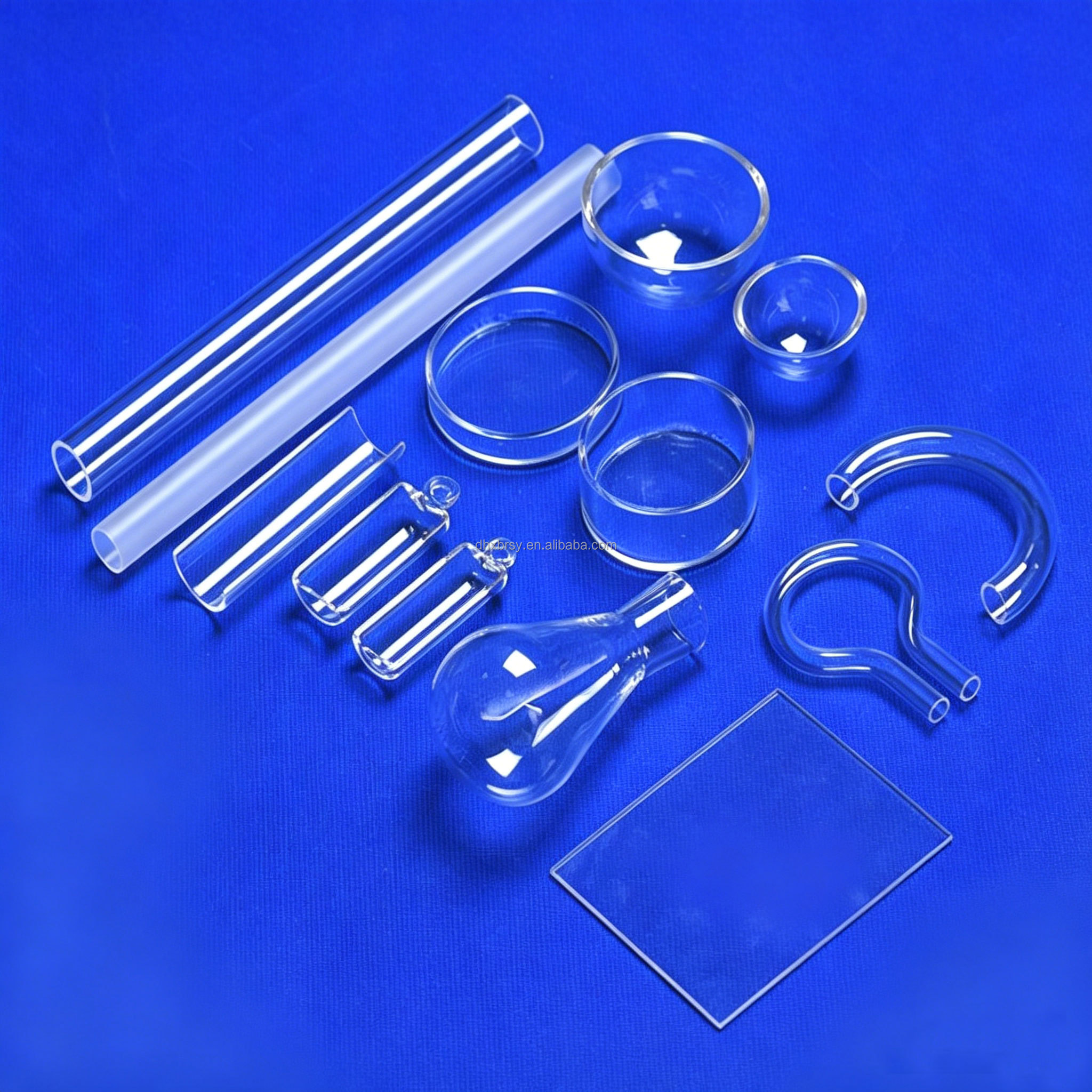
Semiconductor and fine chemical grade with standard taper ground joints and customized inlet necks.
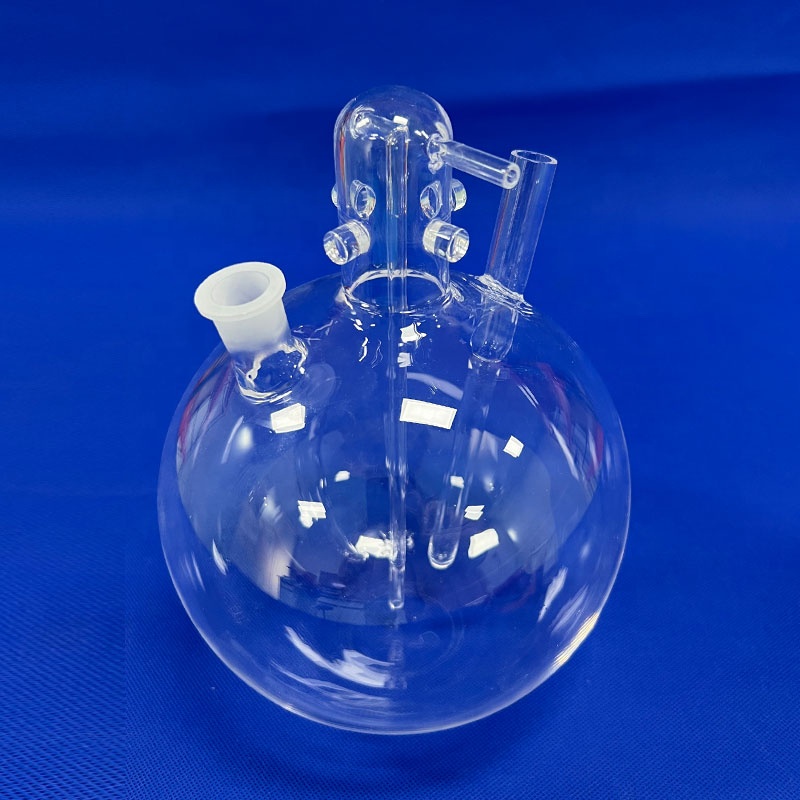
Integrated optical ports with 99.99% silica purity for in-situ laser diagnostics and flow reactions.
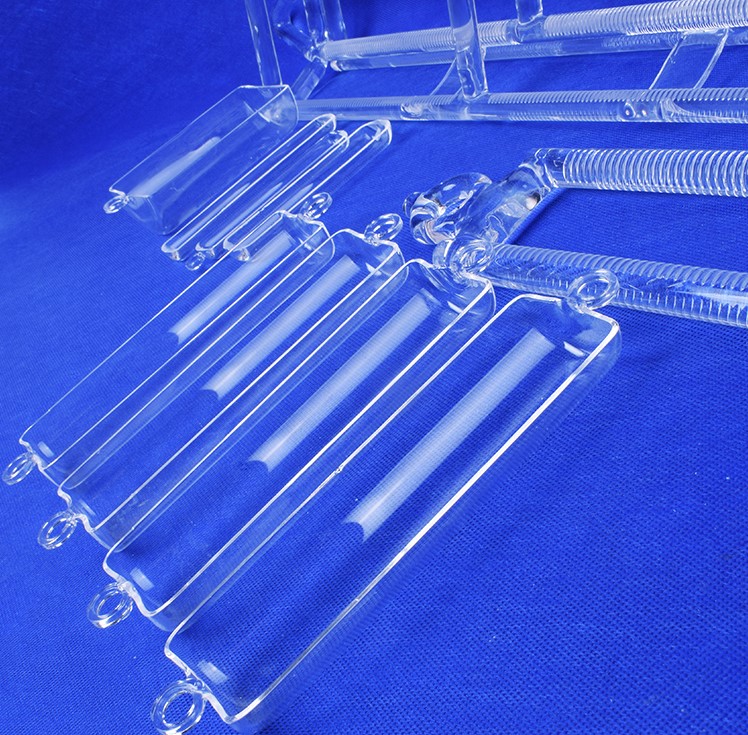
Engineered for chemical vapor synthesis, high-temperature calcination, and catalyst reduction.
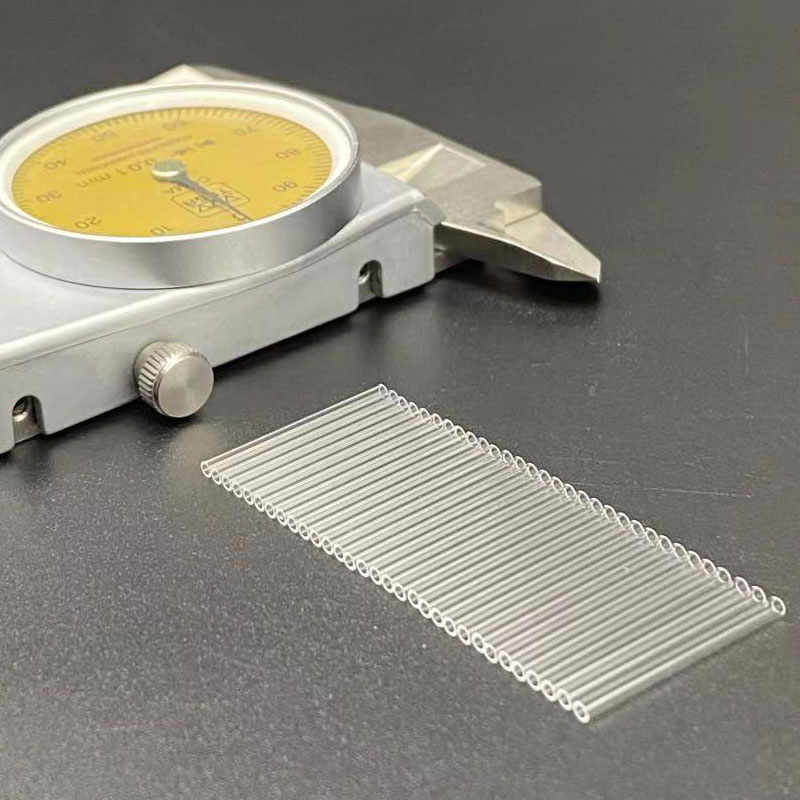
0.1mm to 0.5mm ultra-thin and reinforced inspection plates. Excellent deep-UV transparency.
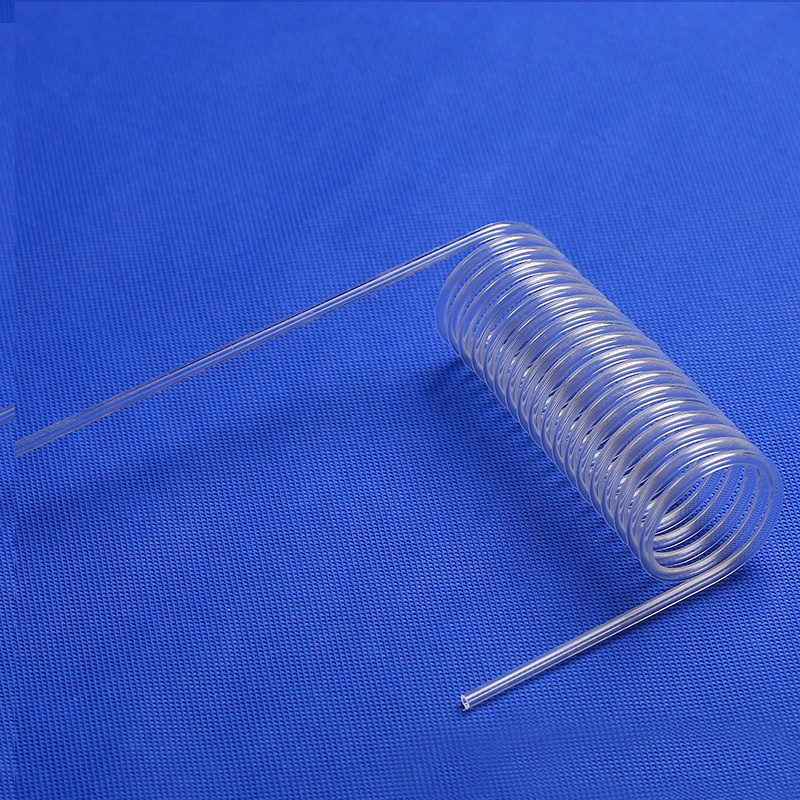
Precision bending and welding services for high-efficiency continuous cooling and gas scrubbing.
A critical engineering comparison between standard Borosilicate 3.3 and High-Purity Fused Quartz for research laboratories and industrial pilot plants across the Metropolitan City of Florence.
Modern synthesis chemistry in academic hubs like the University of Florence (Università degli Studi di Firenze) and industrial hubs in Sesto Fiorentino demands strict compliance with zero leaching. Borosilicate glassware contains up to 13% boron oxide (B₂O₃) and traces of sodium and aluminum. Under extreme acid digestion or elevated operating temperatures (>450°C), ion exchange between the borosilicate matrix and reaction mixtures can distort catalytic reactions or poison active reagents.
By contrast, our 99.99% SiO₂ fused quartz reaction flasks feature near-zero ionic contamination (<5 ppm total metal impurities). Quartz provides exceptional thermal shock resistance due to its vanishingly small coefficient of thermal expansion (5.5 × 10⁻⁷ /°C). Laboratory engineers can directly transfer a 1000°C quartz vessel into water at ambient room temperature without structural fracture, minimizing downtime and hazards during exothermic syntheses.
Photochemical flow synthesis has seen significant adoption across Tuscany’s pharmaceutical engineering community, specifically for stereoselective photoredox transformations and active pharmaceutical ingredient (API) intermediate creation. Conventional laboratory glass acts as an opaque filter below 310 nm, preventing low-wavelength ultraviolet activation.
Utilizing high-purity synthetic fused silica (JGS1) and electric/flame fused quartz (JGS2), our reactors offer over 90% transmission in the 200 nm to 2500 nm range. This allows external high-intensity UV LED arrays or mercury-arc discharge tubes to transfer photochemical energy directly into the reaction cavity without absorption loss or wall degradation.
| Property Parameter | High Purity Fused Quartz (Lovri) | Borosilicate Glass 3.3 | Competitive Advantage in Research |
|---|---|---|---|
| Silica Purity (SiO₂) | ≥ 99.99% | Approx. 81% | Eliminates alkali metal leaching; vital for ultra-pure synthesis |
| Max Continuous Temperature | 1100 °C | 450 °C | Enables continuous pyrolytic synthesis and direct sublimation |
| Softening Point | 1730 °C | 820 °C | Prevents vessel warping under high-vacuum bake-out |
| Thermal Expansion (20-300°C) | 5.5 × 10⁻⁷ /°C | 33 × 10⁻⁷ /°C | Immune to extreme thermal gradients; safe quench handling |
| UV Cut-Off Wavelength | ∼ 185 nm (JGS1) / 220 nm (JGS2) | ∼ 310 nm | Direct exposure to germicidal and photolytic UV-C bands |
| Acid Resistance | Inert to all acids except HF & hot H₃PO₄ | Inert to common acids, degrades in alkaline solutions | Longer service life with hot concentrated acids (HNO₃, H₂SO₄) |
Custom quartz reaction glassware engineered to support the unique technological requirements of Central Italy's life sciences, heritage materials restoration, and industrial chemistry facilities.
Deployed within biotechnology campuses in Sesto Fiorentino and the Osmannoro district, our multineck quartz round-bottom and jacketed reaction vessels withstand multi-stage organic chlorination and crystallization protocols where zero trace boron or metal contamination can be tolerated.
Tailored flow cells and jacketed immersion wells made from JGS1 synthetic silica for direct solar catalysis and UV light-driven polymerizations. Custom ground joints (standard taper 24/40, 29/32, 45/50) ensure integration with existing laboratory distillation columns.
Serving academic conservation laboratories in Florence inspecting Renaissance artworks, frescoes, and stone structures. High-purity quartz digestion flasks and sample boats allow acid digestion under boiling aqua regia and perchloric acid without matrix corruption.
Equipped with vacuum-tested DN flat flanges, KF quick-clamps, and threaded ports, our reaction vessels maintain full integrity at pressures down to 10⁻⁶ mbar while resisting severe exothermic thermal spikes common in polymer cross-linking.
For regional electronics engineering teams developing specialty sensors, optoelectronics, and micro-electromechanical systems (MEMS). We fabricate custom quartz carrier plates, reaction cylinders, and combustion boats to exact mechanical tolerances.
Supporting advanced supercritical fluid extraction and winterization plants across Central Italy. Quartz provides absolute sensory neutrality, preventing off-flavors, solvent leaching, and color shifts during cannabinoid and essential oil fractionation.
The manufacturing ecosystem in Florence is rapidly modernizing from conventional batch processing to green chemistry-driven continuous micro-flow reactors. Fused quartz is the preferred substrate for this transition. Precision CNC laser-cut and ultrasonically drilled quartz micro-channels permit direct optical analysis, continuous exothermic temperature dissipation, and rapid photochemical turnover, fulfilling the strict emission and resource-conservation mandates set forth by EU environmental guidelines.
Headquartered in Lianyungang, China's high-purity silica cluster, Lovri Quartz controls the complete production chain. From raw silica lump refining through acid pickling, robotic tube drawing, polarization annealing, and CNC dimensional machining.
Over 14,271 m² of specialized workshops inspected on-site by SGS Group. Real factory auditing ensures clear supply chain transparency for Italian procurement specialists.
By pulverizing, screening, and acid-pickling quartz in our own facility, we regulate heavy metal contamination down to sub-ppm levels before drawing tubes or blowing flasks.
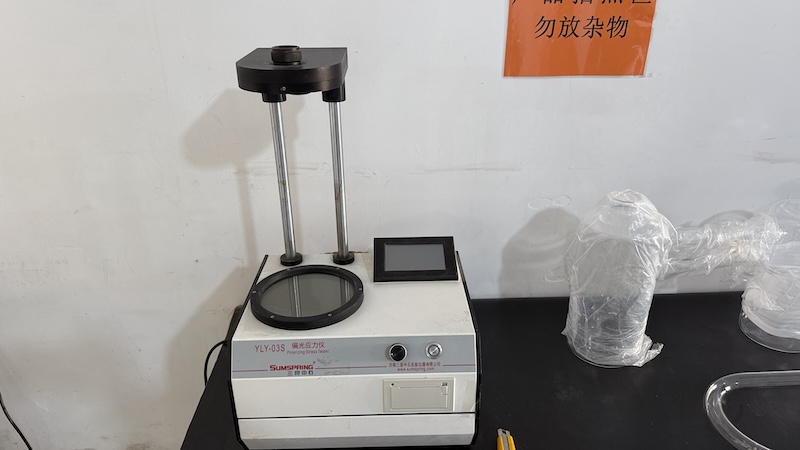
Every single manufactured reaction flask, joint, and flow tube is subjected to an electric annealing cycle followed by cross-polarization inspection to eliminate internal stress.
Full support for OEM/ODM prototypes with low MOQ (1-5 pcs). We machine, slot, drill, and seal directly from technical drawings provided by your engineering team.
Fragile quartz glassware is vacuum-cushioned with multi-layer high-density PE foam, packed in reinforced moisture-sealed wooden crates suited for rapid air shipment to Florence (FLR).
Materials comply fully with EU RoHS directives, REACH regulations, and standard factory test certificates (COA) containing exact spectrochemical breakdown per batch.
Answers to technical specifications, import processes, custom manufacturing tolerances, and delivery protocols for laboratory and plant managers in Italy.
Yes. We grind and flame-polish standard European metric taper joints (NS 14/23, NS 29/32, NS 45/40) directly to DIN 12242 / ISO 383 standards. While borosilicate apparatus can mate mechanically with quartz flasks, care must be taken under elevated heating cycles due to differing thermal expansion rates. We recommend using PTFE joint sleeves or full-quartz assemblies above 250°C.
Standard components ship within 3–5 business days, while bespoke quartz reaction flasks take approximately 2–3 weeks depending on geometry. Shipments sent via DHL, FedEx, or air freight to Florence Peretola Airport (FLR) or Bologna Guglielmo Marconi (BLQ) arrive in 4–7 days. We provide complete EU customs documentation, EUR.1 forms, and commercial invoices with proper HS tariff codes (7017.10) to facilitate seamless Italian Dogana clearance.
Because fused quartz is rigid and susceptible to mechanical impact, our export packing features molded suspension packaging. Each flask is enclosed in tailored high-rebound polyethylene foam shells and placed in double-fluted corrugated export cartons or shock-isolated multi-ply wooden crates with tilt/impact indicators. In the unlikely event of courier transit damage, we provide immediate free remanufacture and priority dispatch.
Yes. Our glassblowing master craftsmen and CNC center specialize in build-to-print apparatus. Whether you have an existing STEP, DWG, PDF, or a hand-annotated conceptual sketch, our engineering team reviews your design for manufacturability, advises on joint positioning and wall thickness tolerances (±0.1 mm), and delivers prototypes from a minimum order quantity of just 1 piece.
Fused quartz possesses high compressive strength (over 1100 MPa) but lower tensile strength (around 50 MPa). Our vacuum-rated reaction flasks are engineered with heavy wall construction (3.0 mm to 5.0 mm wall thickness depending on vessel volume) to safely operate down to deep high-vacuum states (10⁻⁵ Torr). For pressurized operations, we advise custom flange seals and safety enclosures.
Fused quartz must be kept free of alkali metals, fingerprints, and tap water minerals prior to thermal processing above 800°C to avoid irreversible surface devitrification (cristobalite conversion). We recommend cleaning with high-purity deionized water, acid leaching in a 5% to 10% nitric acid (HNO₃) bath, rinsing, and drying in a dust-free environment before furnace operation.
Whether you need a custom photochemical reactor, standard ground-joint quartz flasks, or high-vacuum vessels for your laboratory in Florence, our engineering team is available to review your specifications.