
SGS Onsite-Verified Fused Quartz Manufacturer [email protected]
ISO & SGS Verified • Industrial Grade Fused Quartz

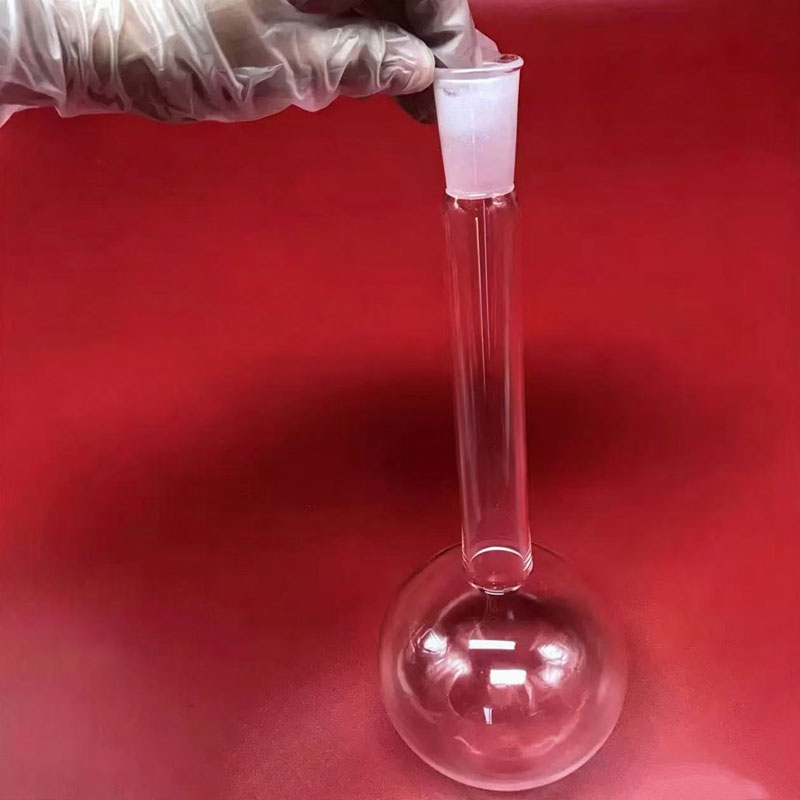
Quartz Reaction Flask Manufacturers & Exporter Serving the Chongjin Market

Direct High-Purity (≥99.99% SiO₂) Fused Quartz Vessels, Custom Multi-Neck Reaction Flasks, and Acid-Resistant Thermal Apparatus for Chongjin's Chemical, Metallurgical, and Laboratory Sectors.

SGS Verified Manufacturer SGS Facility Assessed
Verified Supplier Verified International Exporter
CE Marking EU Standard Compliance
RoHS Lead & Heavy-Metal Free
Precision Synthesized Glassware

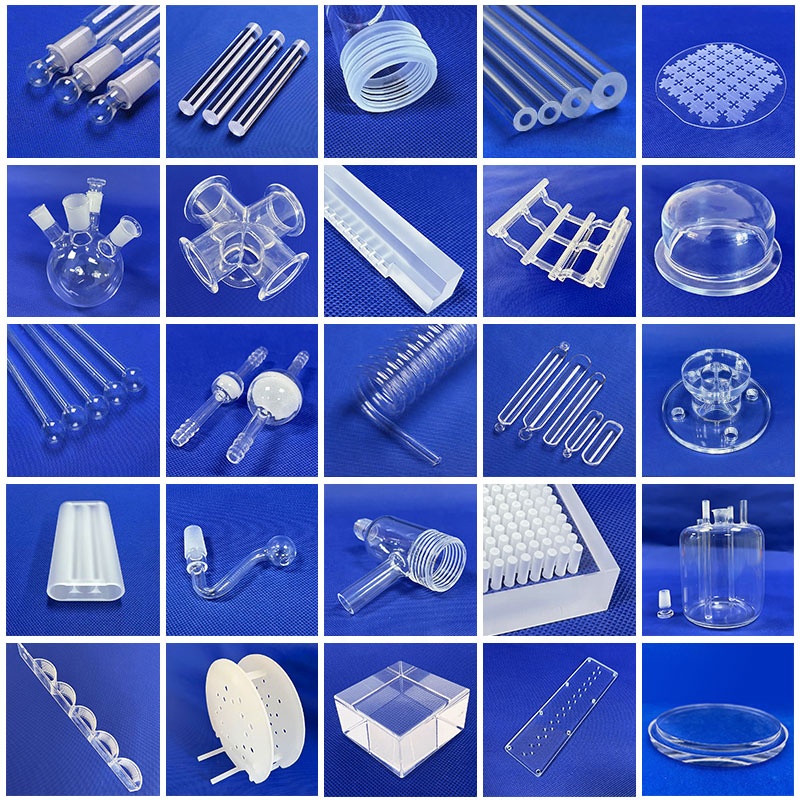
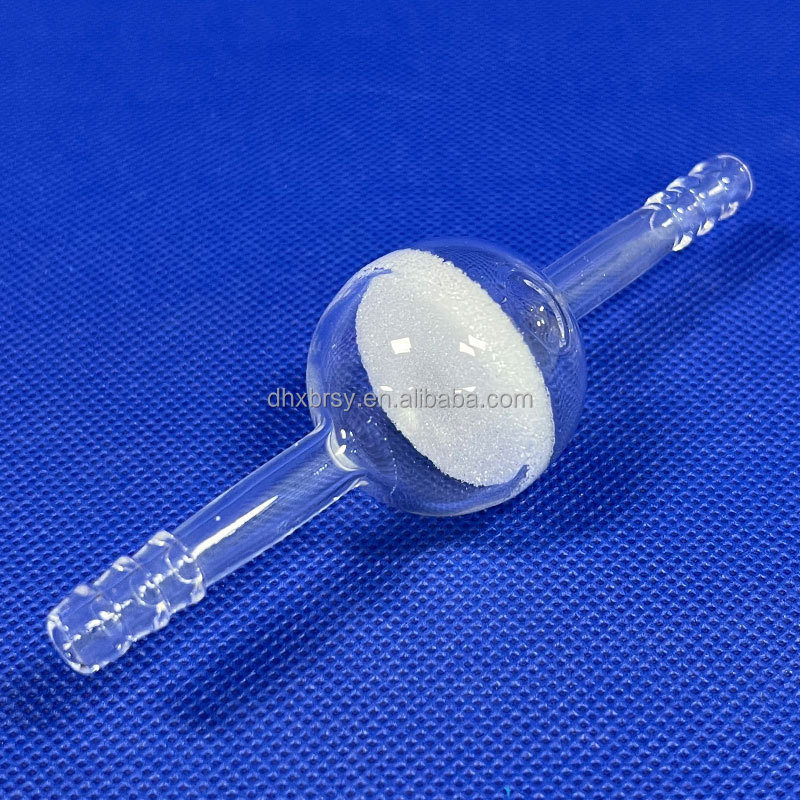
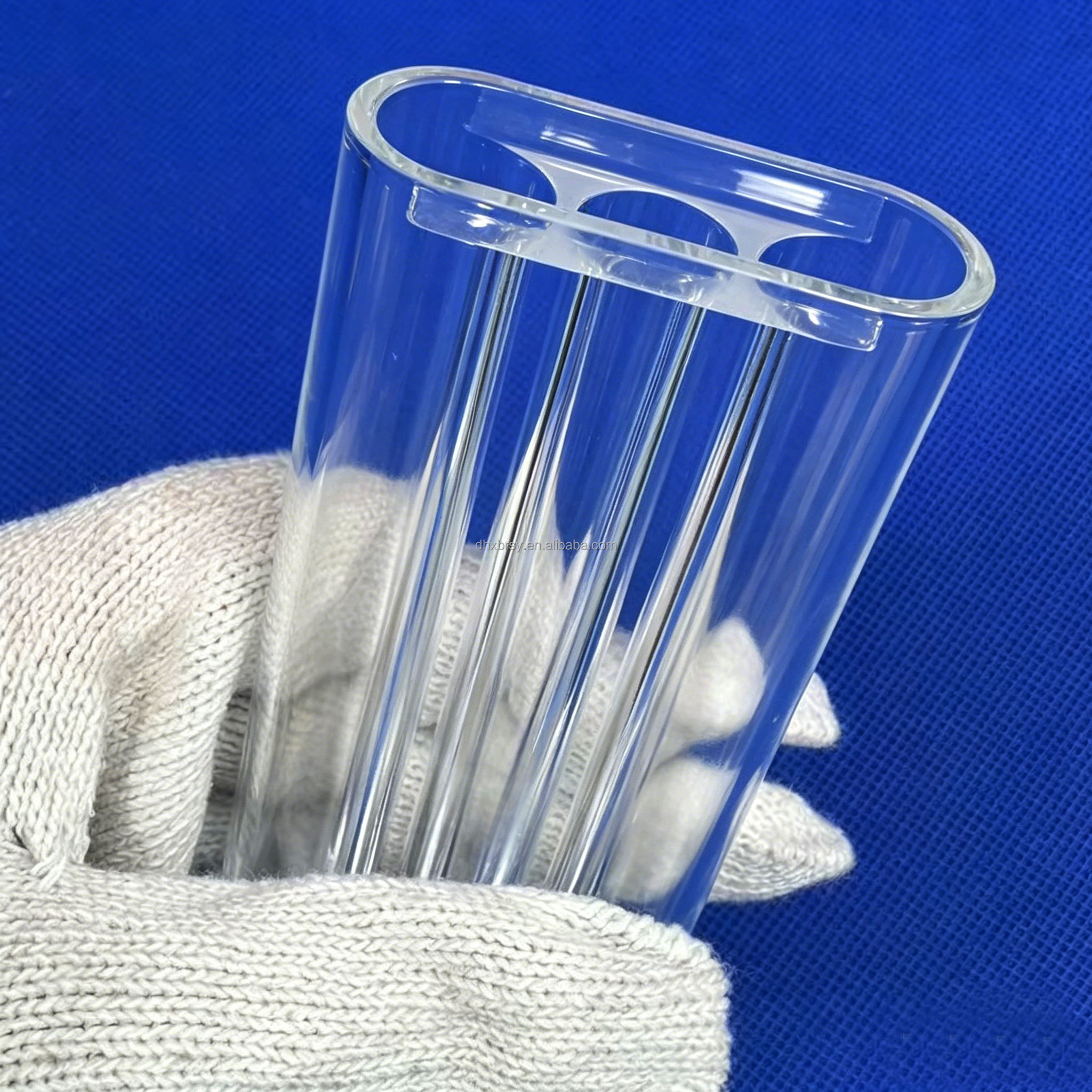
Specialized Fused Quartz Reaction Flasks & Industrial Apparatus

Engineered for extreme thermal shock resistance (up to 1200°C continuous) and inert resistance against aggressive reagents. Explore our primary series engineered for direct export to Chongjin industrial operations.

99.99%
Guaranteed SiO₂ Purity
1,200°C
Continuous Thermal Limit
14,271m²
SGS-Inspected Plant Area
100%
Stress Polarization Tested
Strategic Industrial Analysis

Engineering Quartz Reaction Flasks for Chongjin’s Heavy Chemical & Metallurgical Clusters

Chongjin stands as one of the most critical industrial centers of the Korean East Sea coast, serving as a hub for ferrous metallurgy, chemical fertilizer development, refractory engineering, and mineral processing. The municipal region—home to major iron and steel complexes, synthetic chemical plants, and technical institutes—faces operational challenges caused by harsh reagents, violent thermal cycling, and high-temperature corrosion.

Standard borosilicate laboratory glassware regularly undergoes micro-fracturing and structural failure when exposed to persistent temperatures exceeding 450°C or when subjected to direct heating under steep thermal gradients. For procurement directors, analytical metallurgists, and plant operations engineers in Chongjin, Lovri fused quartz reaction flasks (99.99% SiO₂) provide the critical material stability needed to survive extreme thermal shock, prevent batch cross-contamination, and ensure consistent chemical synthesis.

Ferrous Metallurgy & Slag Analysis

Chongjin's metallurgy relies on high-temperature assaying, slag dissolution, and elemental leaching. Standard vessels degrade during high-temperature digestion with concentrated hydrochloric, nitric, or sulfuric acids. Our pure quartz reaction vessels are totally inert to hot mineral acids (except HF), preventing silica leaching and securing accurate trace-metal analysis for iron, steel, and alloy production.

Synthetic Reagent & Acid Distillation

Chemical processing operations along the Chongjin coastal basin require continuous purification of corrosive reagents and high-temperature thermal synthesis. Lovri quartz distillation flasks, featuring flame-welded standard ground quartz joints (such as 19/26, 24/29, or 29/32), operate reliably under deep vacuum and rapid temperature increases up to 1100°C without boiling fractures or joint seizure.

Coal Chemistry & Thermal Gasification

Regional coal-chemical and refractory research programs utilize high-temperature quartz reaction cylinders, gas-saturating scrubbers, and digestion flasks to analyze volatile gas fractions and coal-tar derivatization. With an exceptionally low thermal expansion coefficient of 5.5 × 10⁻⁷ /°C, our quartz flasks allow sudden quench-cooling from 1000°C directly into cold water without rupture.

Material Science & Verification

Fused Quartz vs. Standard Borosilicate Laboratory Glass

Review our direct comparative physical, thermal, and mechanical properties. Choosing fused silica over standard borosilicate 3.3 eliminates operational downtime and contamination vectors in demanding production cycles.

Performance Characteristic Lovri Fused Quartz (JGS2 / 99.99% SiO₂) Standard Borosilicate 3.3 Glass Operational Significance for Chongjin Plants
Maximum Continuous Temperature 1,100°C – 1,200°C 450°C – 490°C Permits direct heating over open gas-oxygen torches or within high-temp heating mantles.
Short-Term Thermal Threshold 1,300°C – 1,400°C (Softens at 1,730°C) 520°C (Softens at 820°C) Safe during unexpected exothermic runaways and pyrolytic reactions.
Coefficient of Thermal Expansion 5.5 × 10⁻⁷ /°C (20°C – 320°C) 33 × 10⁻⁷ /°C Provides 6x higher resistance against acute thermal shock during rapid quench cycles.
Chemical Contamination Risk Near Zero (Total Impurities < 50 ppm) Contains Boron, Sodium, Alumina fluxes Prevents ion elution and flux contamination in high-purity assays and catalyst development.
Acid Resistance (Hot Concentrated) Unaffected by HCl, HNO₃, H₂SO₄, Aqua Regia Gradual surface micro-corrosion & pitting Allows prolonged refluxing of high-concentration inorganic acids without clouding.
Optical & UV Transmittance > 90% (Broad spectrum 220nm – 2500nm) Sharp cut-off below 310nm Facilitates in-situ photochemical reactions, UV synthesis, and clear process monitoring.
Macro Industry Trends

Market Developments Shaping Industrial Quartz Demand in Chongjin

Strategic supply chain shifts and local manufacturing modernizations are transforming how heavy industries along the northern Korean peninsula specify and procure high-temperature quartz apparatus.

Modernization of Metallurgical Quality Labs

With ongoing upgrades in steel rolling, coke-oven optimization, and rare mineral beneficiation across North Hamgyong province, analytical centers are pivoting away from multi-component ceramic wares toward transparent fused quartz. Engineers require visual tracking of internal calcination and reduction reactions while operating at 1000°C+ atmospheres.

Supply Chain Resiliency via Direct Export

Industrial operations in Chongjin are increasingly bypassing regional intermediaries to establish direct sourcing relationships with coastal manufacturing centers. Direct procurement from Lianyungang, China—the primary fused quartz production hub—cuts lead times, ensures verifiable material provenance, and guarantees access to custom CAD/STEP custom-built vessels.

Customized Multi-Neck & Jacketed Architectures

Process scaling has expanded the requirement for custom multi-neck synthesis flasks (round bottom, flat bottom, and pear-shaped) fitted with integrated reflux condensers, pressure-equalizing dropping funnels, and thermocouple wells. Chinese export manufacturers able to execute intricate hot-flame lathe blowing and precision CNC drilling represent the core supply baseline.

Enterprise Strengths & Production Authority

Why Engineering Teams Choose Lovri Quartz as Their Export Partner

Headquartered in Lianyungang, China, Lovri Quartz controls an integrated supply chain extending from raw quartz crystal refining to precision scientific glassblowing and export-compliant freight preparation.

Source-Level Raw Silica Control

Unlike assembly workshops that purchase unverified glass blanks, Lovri refines quartz sand in-house through multi-stage crushing, re-screening, and hydrochloric acid pickling. This internal chemical refining achieves consistent 99.99% SiO₂ content with minimal metallic impurities (Fe < 1.5 ppm, Al < 15 ppm), ensuring zero contamination during chemical reactions.

Polarization Stress Annealing Verification

The primary reason quartz reaction flasks fail under heat is unreleased residual mechanical stress generated during flame blowing and joint fusing. Every Lovri reaction flask undergoes an 8-hour computer-controlled annealing cycle at 1215°C followed by a 100% batch check on optical polarization stress testers to guarantee zero internal birefringence.

Full In-House Cold CNC & Hot Lathe Fabrication

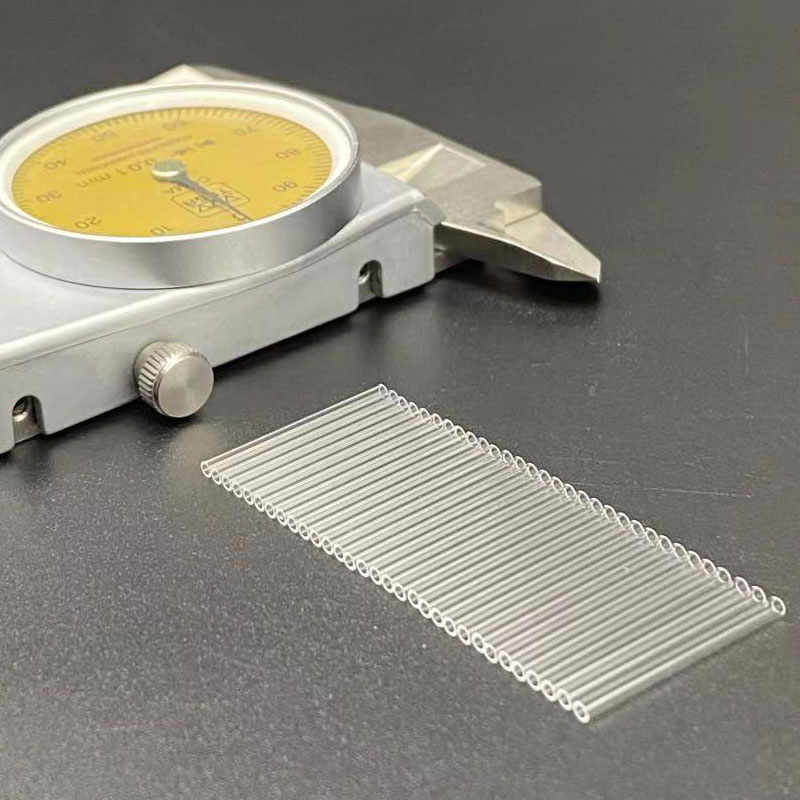
Our 14,271 m² production facility houses 4-axis CNC ultrasonic milling centers, glass-blowing lathes, and automatic neck-grinding systems. We manufacture custom reaction flasks ranging from 25ml micro-distillation vessels to 50,000ml pilot production carboys directly from your engineering CAD, DWG, or PDF drawings with ±0.1mm dimensional tolerance.

Export-Grade Impact-Proof Packaging

Scientific quartz glassware is inherently fragile. Lovri employs a proven multi-tier export packaging system: each flask is individually wrapped in electrostatic PE films, embedded within custom-molded high-density expanded polyethylene (EPE) foam cavities, and sealed within reinforced corrugated cartons or fumigated export plywood crates.

SGS Third-Party Verified Manufacturing

We maintain verified transparency on the international market. Our complete production process, plant facilities, and corporate compliance have been audited and certified by SGS Group, giving Chongjin procurement teams verifiable assurance of manufacturing scale, machine capabilities, and operational authenticity.

Flexible Prototyping (MOQ from 1 Piece)

We understand that metallurgical research and reaction pilot plants need testing before committing to large volumes. We support R&D trials by providing low MOQ options (from 1 to 5 pieces) for customized reaction flasks and specialty quartz apparatus, backed by responsive engineering consultations.

Procurement & Technical Support

Frequently Asked Questions by Industrial Buyers Serving Chongjin

Get answers to critical operational, chemical, and shipping questions regarding our high-purity quartz reaction flasks and bespoke fused silica equipment.

What specific advantages do fused quartz reaction flasks offer over borosilicate glass for high-temperature metallurgy?
Fused quartz consists of ≥99.99% pure silica, whereas borosilicate 3.3 contains approximately 13% boron oxide and 4% sodium/potassium fluxes. These alkali flux materials begin to migrate and soften at temperatures around 500°C, causing borosilicate vessels to warp, blister, and leach metallic ions into your reaction slurry. Fused quartz maintains its mechanical rigidity continuously up to 1100°C–1200°C (softening point 1730°C) and will not leach trace contaminants into molten slag, mineral digestions, or semiconductor precursors.
Can Lovri customize reaction flasks with multi-neck configurations, cooling jackets, or ground quartz joints?
Yes. Our master glassblowers and CNC machinists fabricate two-neck, three-neck, four-neck, and custom angled reaction flasks with volumes ranging from 50ml up to 50 liters. We produce standard taper ground joints (e.g., 14/23, 19/26, 24/29, 29/32, 45/40), spherical ball-and-socket joints, GL-threaded caps, and high-vacuum stopcocks. Every component is made from matching high-purity fused silica to ensure uniform thermal expansion across all welds.
How do your quartz reaction flasks handle rapid heating and cooling?
Because fused quartz has an extremely low coefficient of thermal expansion (5.5 × 10⁻⁷ /°C), it exhibits virtually zero dimensional movement during temperature changes. A Lovri quartz reaction flask heated red-hot to 1000°C can be plunged into room-temperature water without cracking. This thermal shock resilience allows Chongjin chemical engineers to operate rapid heating mantles and rapid quenching baths without the risk of vessel explosion.
Are there any chemicals that can damage or etch fused quartz reaction vessels?
Fused quartz offers exceptional chemical resistance against almost all inorganic and organic acids, neutral salts, and halogens, even at high boiling points. The only chemicals that attack quartz are Hydrofluoric Acid (HF), which actively dissolves SiO₂, and Phosphoric Acid (H₃PO₄) when concentrated and heated above 150°C. Additionally, strong alkaline solutions (such as concentrated NaOH or KOH) will gradually etch the quartz surface at elevated temperatures above 100°C.
How are fragile quartz flasks packaged to prevent breakage during sea and overland freight?
We follow an export crating protocol that has maintained a >99.5% safe-arrival track record across 40+ countries. Every flask is wrapped in protective film, suspended inside custom pre-cut EPE closed-cell shock-absorbing foam molds, and placed in inner cartons. These cartons are secured within reinforced export-grade plywood crates with corner impact guards and anti-tilt/shock indicator labels.
What documentation and technical specifications are provided with each order?
Every export shipment includes a Factory Certificate of Quality (COA), confirming spectral transmittance, optical clarity, and ≥99.99% SiO₂ chemical purity. We also supply polarization stress inspection logs, RoHS compliance statements, CE declarations for applicable assemblies, and detailed dimensional inspection reports checked against your approved design drawings.

Request a Direct Engineering Quote for Custom Quartz Flasks

Looking to equip your plant in Chongjin with high-temperature fused quartz glassware, specialized reaction columns, or custom sight windows? Send us your drawing, dimensional specs, or operating requirements for rapid technical review and direct factory pricing.