Standard & Custom Fabrication
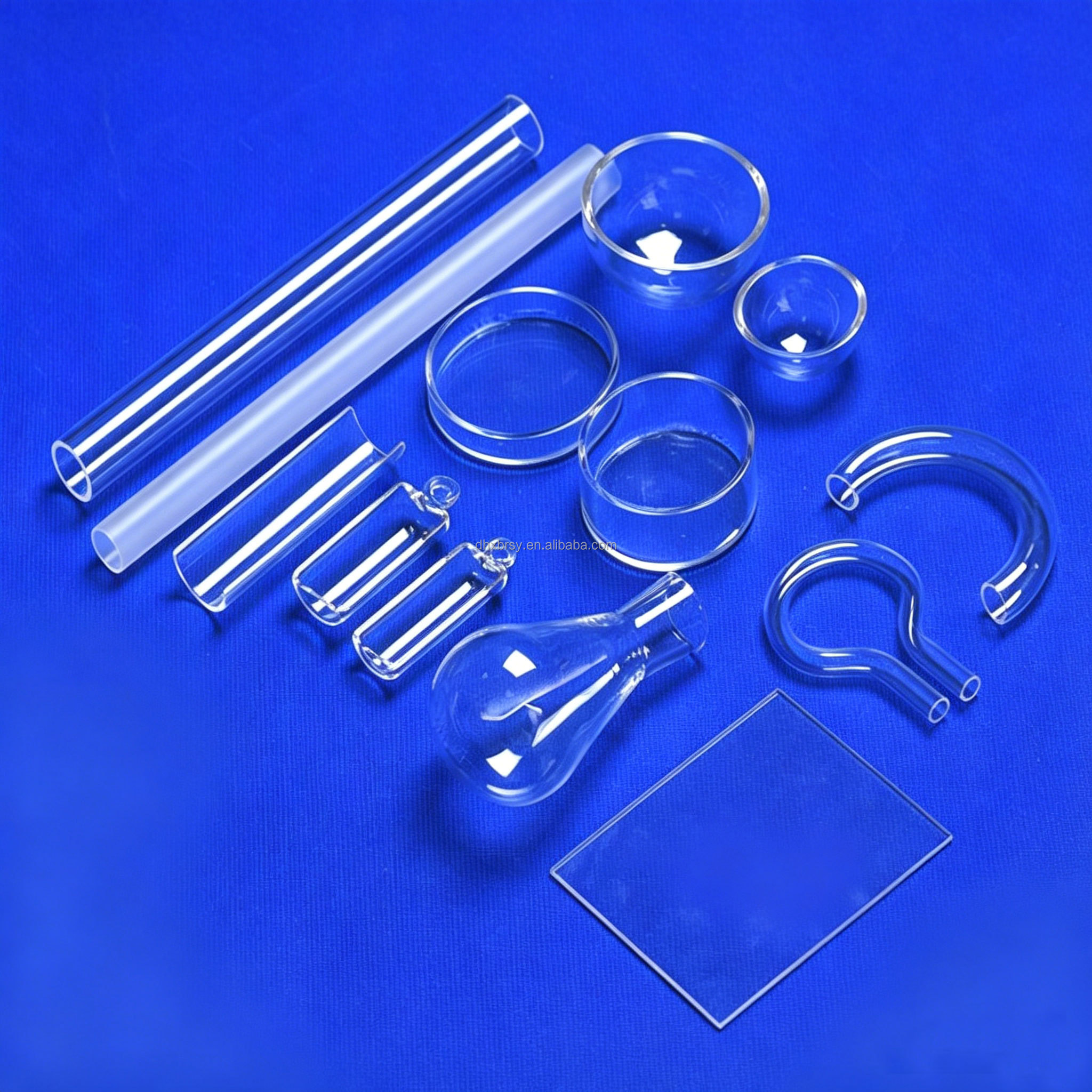
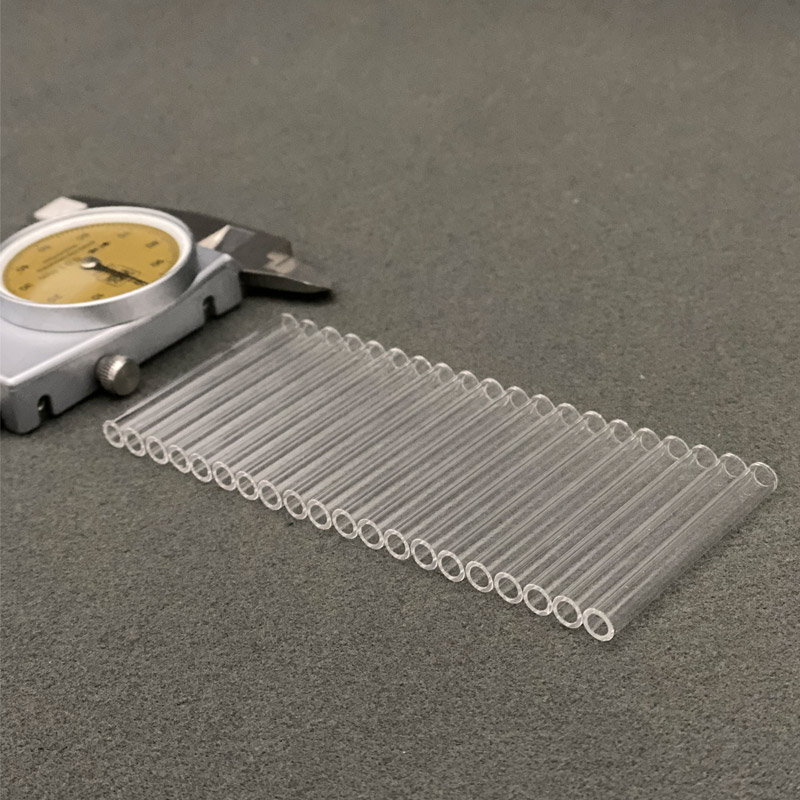
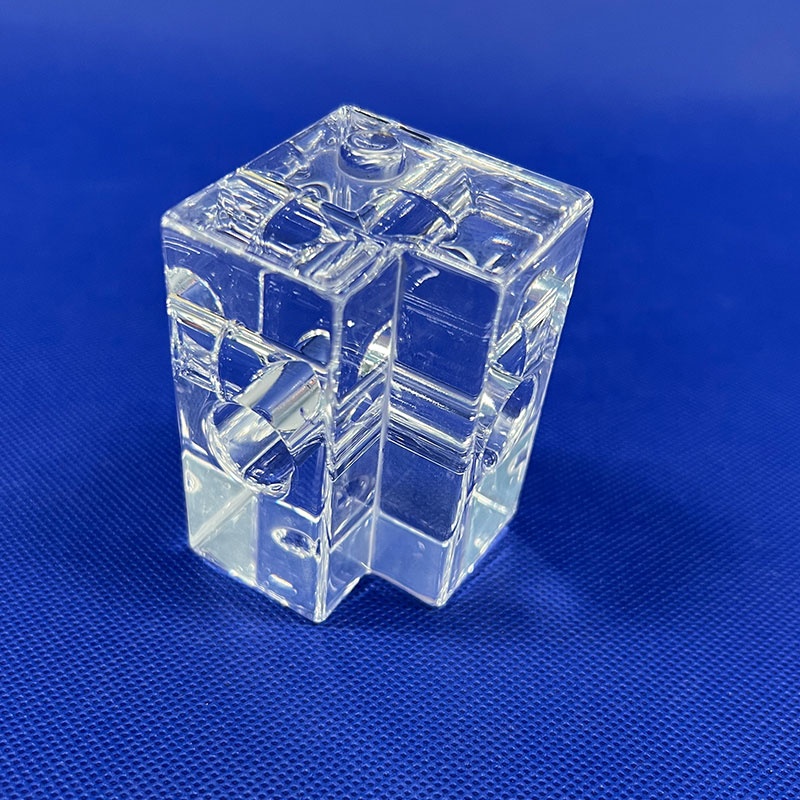
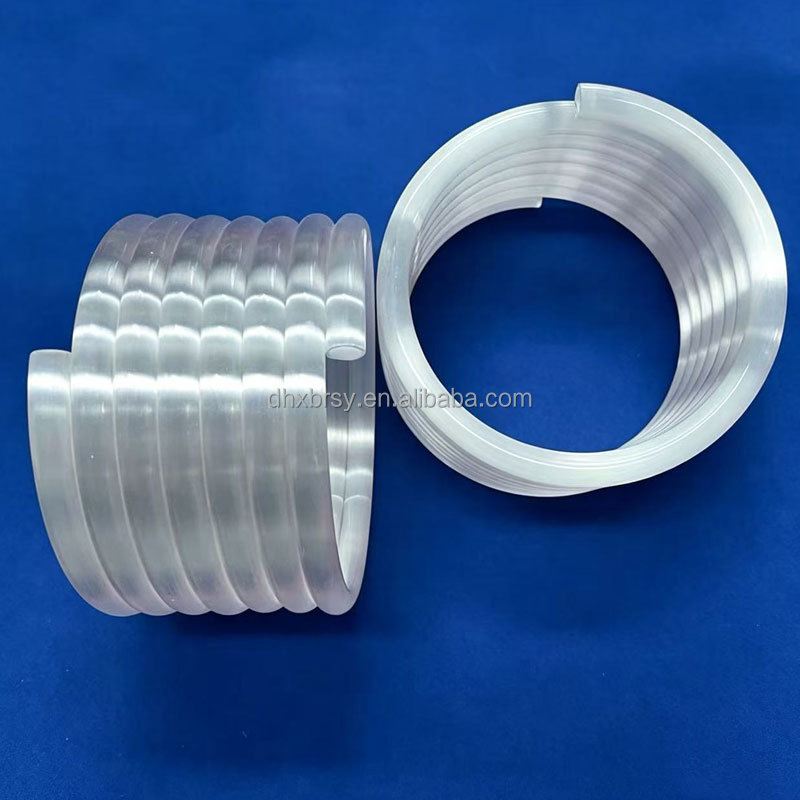
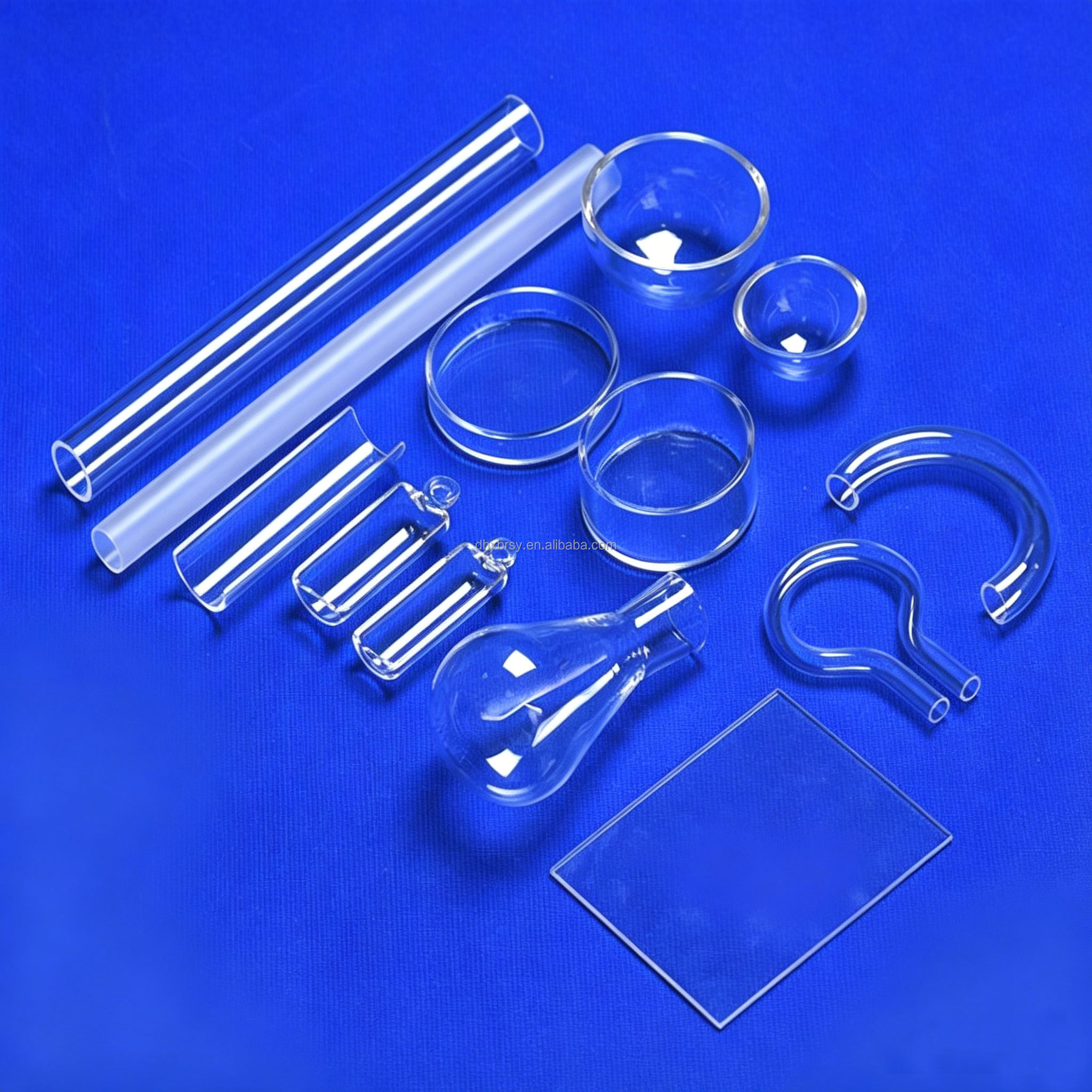
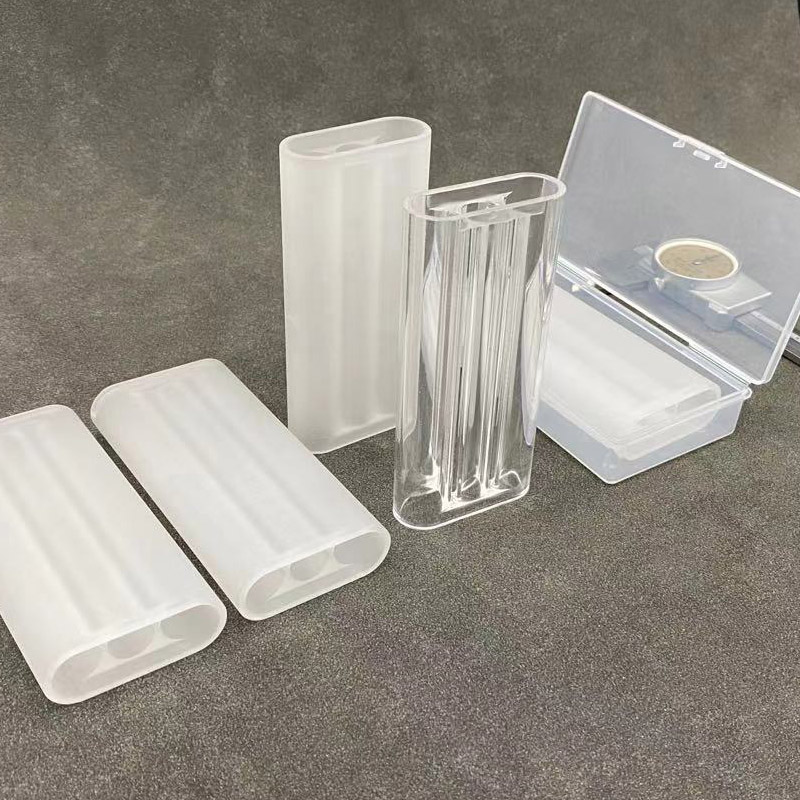
Featured Industrial Quartz Glass Assemblies
Engineered from raw, ultra-pure electro-fused silica (SiO₂ ≥ 99.99%). Low thermal expansion, exceptional deep-UV transmission, and thermal stability up to 1300°C short-term operating temperature.
99.99%
Silicon Dioxide (SiO₂) Purity
1100°C
Continuous Working Temp
14,271m²
SGS Assessed Factory Facility
±0.02mm
CNC Machining Tolerance
Technical White Paper
Precision Fused Quartz Reaction Flask Manufacturing for Champasak & the Greater Mekong Subregion
In high-temperature synthesis, pharmaceutical extraction, and CVD thin-film processing, standard borosilicate glassware typically yields structural degradation when subjected to continuous operations exceeding 500°C or when exposed to rapid thermal cycling. For enterprise facilities, industrial testing laboratories, and pilot plants throughout Pakse, Champasak Province, and across the Southern Laos industrial zone, sourcing certified fused silica and quartz reaction flasks directly from an integrated source factory has become critical to eliminating catastrophic process failure, contamination, and unbudgeted downtime.
Fused quartz exhibits an extremely low coefficient of thermal expansion (α = 5.5 × 10⁻⁷ /°C between 20°C and 320°C), imparting immunity to extreme thermal shock. An operator can heat a 99.99% SiO₂ quartz reaction flask to over 1000°C and quench it in ice water without inducing mechanical cracking or localized stress fracture. This metallurgical resilience forms the bedrock for advanced material syntheses, rare earth mineral acid leaching, and agrochemical active ingredient isolation commonly conducted along the Pakse-Ubon Ratchathani economic logistics corridors.
Material Purity Grades: Mitigating Leachable Trace Elements
Our manufacturing complex processes raw quartz lump through advanced mechanical sizing, proprietary multi-stage acid leaching, and high-frequency thermal vacuum purification to eradicate alkali and transition metals (Fe, Na, K, Li, Ca, Mg). In high-performance chemical reaction systems, metal ions leaching into aggressive organic solvents or acidic reaction matrices can poison homogeneous catalysts or induce crystallization flaws.
| Physical / Thermal Metric | Standard Transparent Fused Quartz | Optical Grade Synthetic Silica (JGS1) | Borosilicate Glass 3.3 (Comparative) |
|---|---|---|---|
| Silica Purity (SiO₂) | ≥ 99.99% | ≥ 99.9999% | ~ 81% |
| Thermal Expansion (20–300°C) | 5.5 × 10⁻⁷ K-1 | 5.2 × 10⁻⁷ K-1 | 33 × 10-7 K-1 |
| Continuous Operating Temp | 1100 °C | 1200 °C | 450 °C |
| Strain Point / Annealing Point | 1120 °C / 1215 °C | 1140 °C / 1230 °C | 510 °C / 560 °C |
| Optical Transmission Bandwidth | 220 nm – 2500 nm (JGS2) | 185 nm – 2500 nm (Deep UV) | 320 nm – 2500 nm (Cuts UV) |
| Acid Resistance (except HF & Hot H₃PO₄) | Class 1 / Superior | Class 1 / Superior | Class 1 |
Localized Industrial Applications in Southern Laos (Pakse Hub)
Pakse serves as the commercial epicenter for southern Laos, anchoring cross-border connectivity across Champasak, Sekong, and Attapeu provinces, and tying into Thailand's eastern economic transit grid. The adoption of quartz reaction flasks, custom threaded digestors, and specialized quartz tubing addresses distinct industrial sectors:
- Mineral & Rare Earth Leaching Assays: Analytical laboratories supporting regional mining enterprises depend on sealed quartz vessels, digestion flasks, and distillation side-arms to handle hot aqua regia and concentrated perchloric acids without substrate dissolution.
- Agrochemical & Botanical Extraction: High-purity essential oil, botanical extract, and starch purification processing units require transparent multi-neck quartz reaction flasks. Quartz prevents catalytic decomposition of delicate phytochemical fractions during high-temperature vacuum rectification.
- Hydropower & Clean Energy Water Testing: With Southern Laos serving as the batteries of Southeast Asia, power infrastructure and related environmental labs deploy custom UV-transparent quartz flow vessels and cuvettes for trace organic pollutant monitoring.
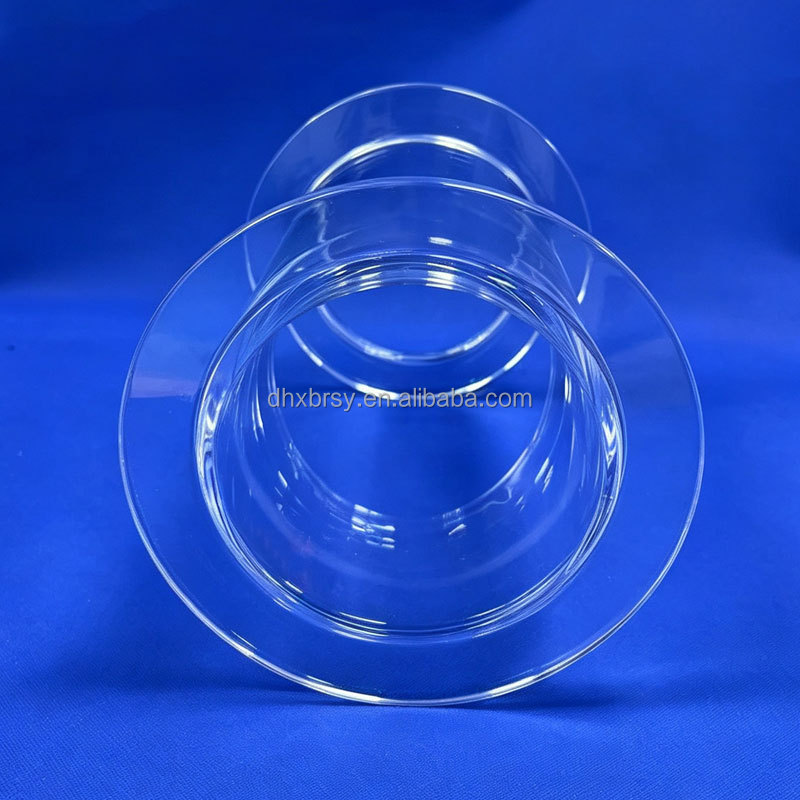
- Photovoltaic & Advanced Materials Research: Emerging industrial hubs outside Pakse's Special Economic Zones (SEZ) leverage our double-flanged quartz reaction chambers and wafer processing accessories for localized silicon crystal growth experiments and chemical vapor deposition (CVD).
Regional Procurement Trends & Supply-Chain Resiliency
Historically, industrial labs across Laos sourced fragile technical glass through intermediary trading houses in Vientiane or Bangkok. This introduced extended lead times, elevated breakages, lack of drawing-level technical communication, and marked cost inflation. The current trend among enterprise procurement directors in Pakse is shifting toward direct factory engagement.
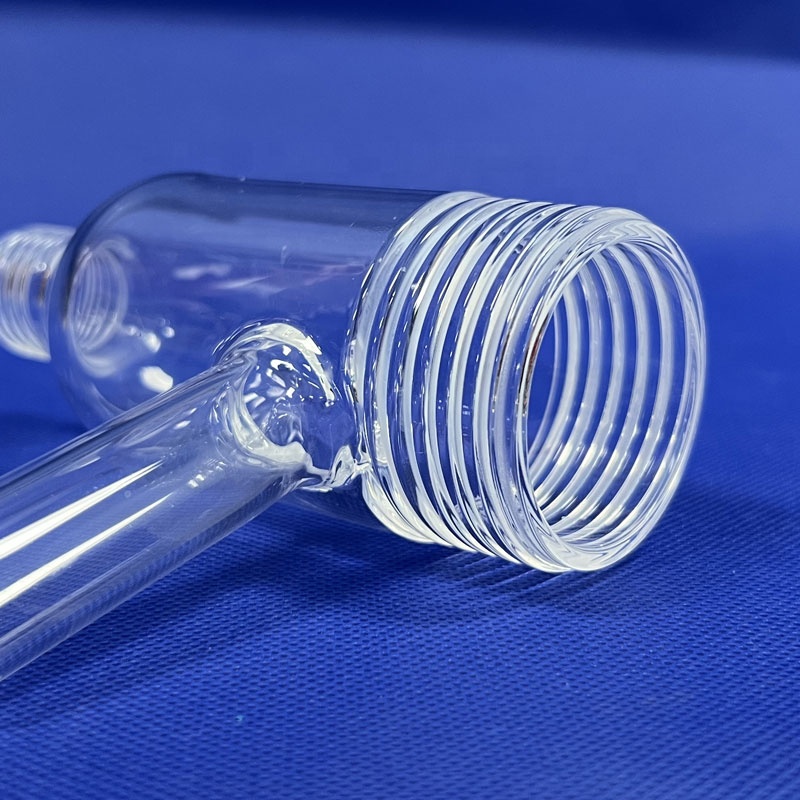
By interfacing directly with our Lianyungang manufacturing headquarters, technical purchasers can commission custom reaction flasks—complete with ground-joint tapers (e.g., standard taper 24/40, 29/32), threaded necks with PTFE screw closures, Jacketed thermowells, and bespoke vacuum stopcocks—fabricated directly from native STEP, CAD, or PDF engineering prints. Custom single-piece prototypes allow local researchers to validate synthesis apparatus geometry before deploying capital into volume runs.
Manufacturing Rigor
Why Engineering Teams Choose Lovri Quartz
Integrating raw mineral processing, tube drawing, precision glassblowing, and cleanroom polarimetric stress testing inside a single 14,271 m² operational facility.
Fully Integrated Source Factory
From initial lump crushing, pulverizing, and acid pickling to tube drawing and precision lathe blowing, we oversee the comprehensive thermodynamic chain without subcontracted variables.
Annealing & Stress Relief Verification
Residual stress causes delayed catastrophic failure. Every custom quartz reaction flask undergoes controlled 1200°C annealing and 100% polarimetric inspection prior to dispatch.
Precision CNC Glassworking
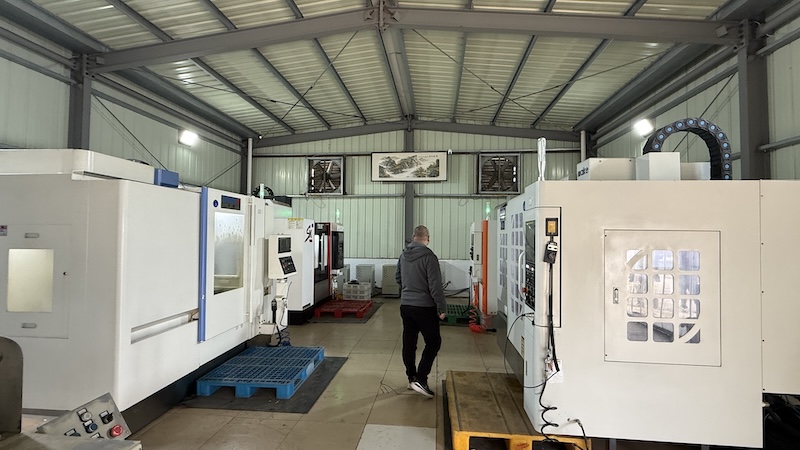
Equipped with 4-axis diamond tooling machining stations, we drill, mill, slot, and polish quartz geometries, yielding high-vacuum flange faces and tight-pitch threads down to ±0.02 mm.
SGS & RoHS International Compliance
Our operational management, human capital, and factory floor are verified on-site by SGS Group. All reaction vessels are fully certified for hazardous material compliance (RoHS & CE).
Shock-Proof Export Packaging
Exporting to Southeast Asian locations such as Pakse requires customized interior EPE shock-suspension foam and triple-wall timber shipping crates, completely neutralizing transit vibrations.
Agile Customization: 1-Piece Prototyping
We do not enforce prohibitive minimum orders on specialized apparatus. Whether fabricating a single replacement jacketed reaction flask or 500 quartz vessels, we accommodate customer drawings.
Factory Reality
On-Site Manufacturing & Quality Laboratories
Direct glimpse inside our cleanrooms, machining stations, high-temperature furnace halls, and testing lines.
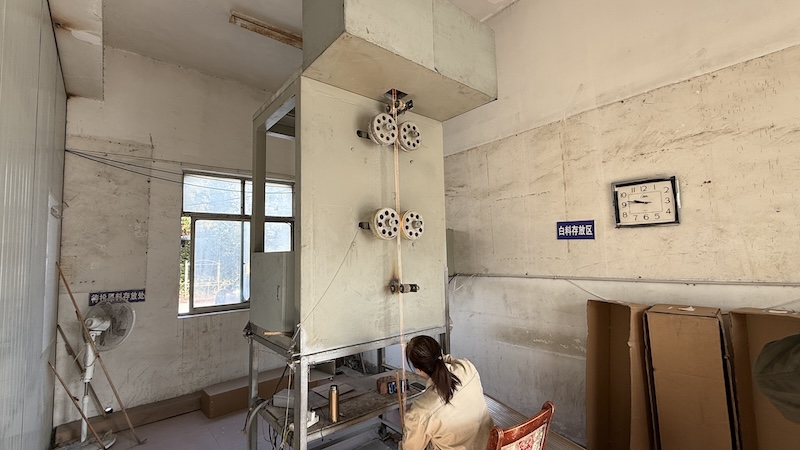
SGS Verified Workshop Facility
Apparatus Glassblowing Bay
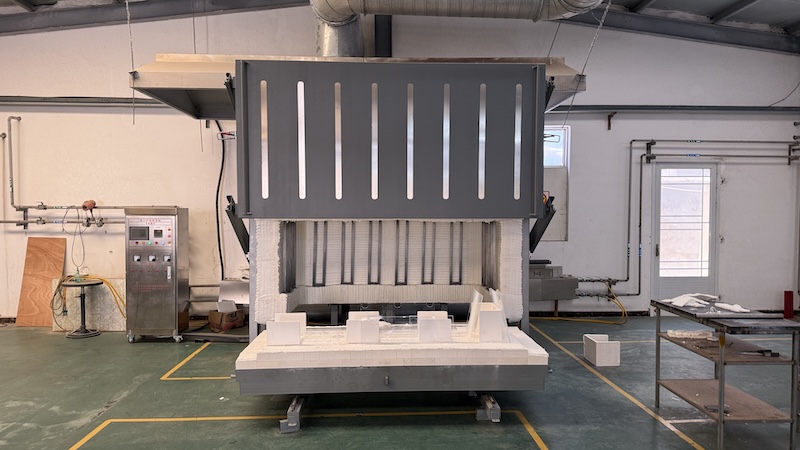
1200°C Annealing Hall
Precision CNC Center
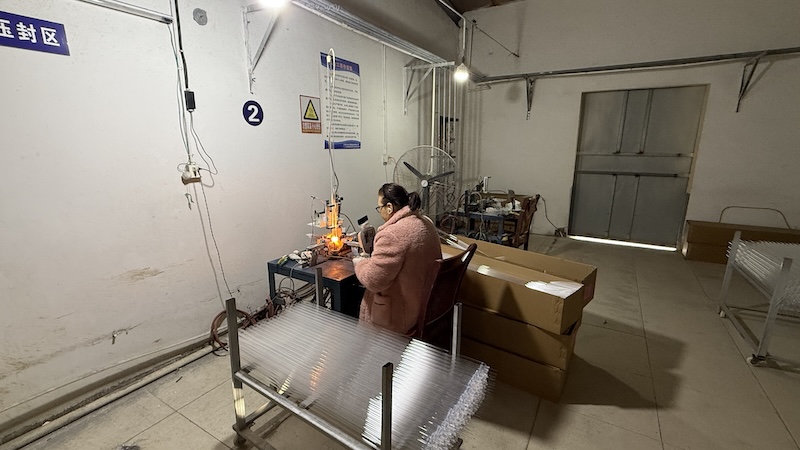
High-Heat Lathe Sealing
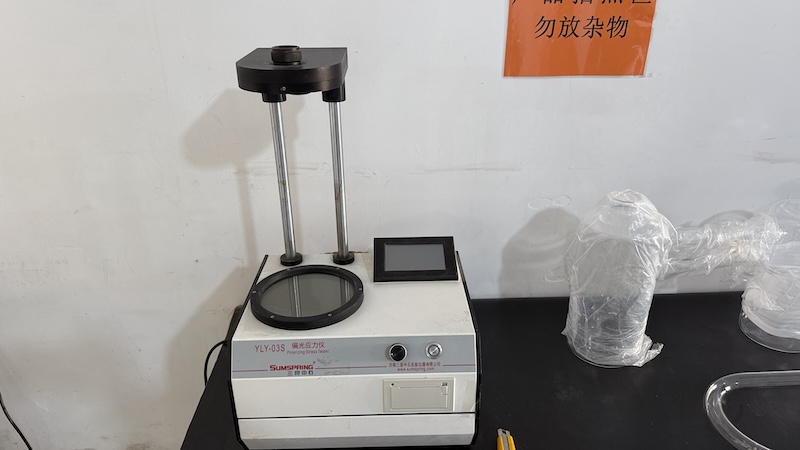
Stress Polarimeter QA
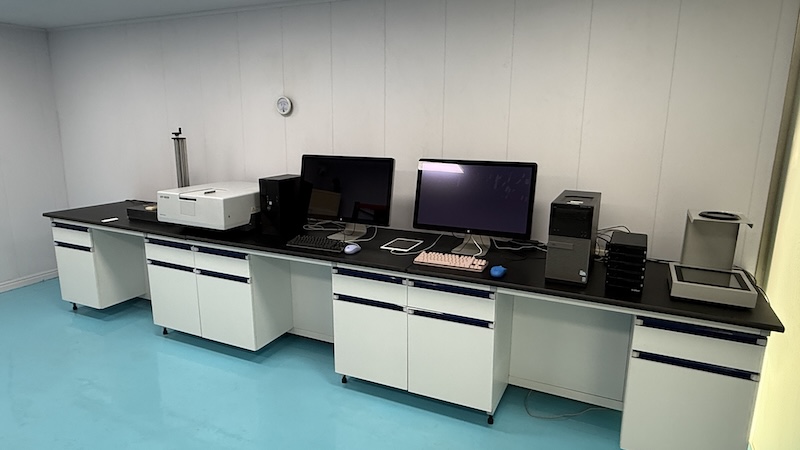
R&D Testing Lab
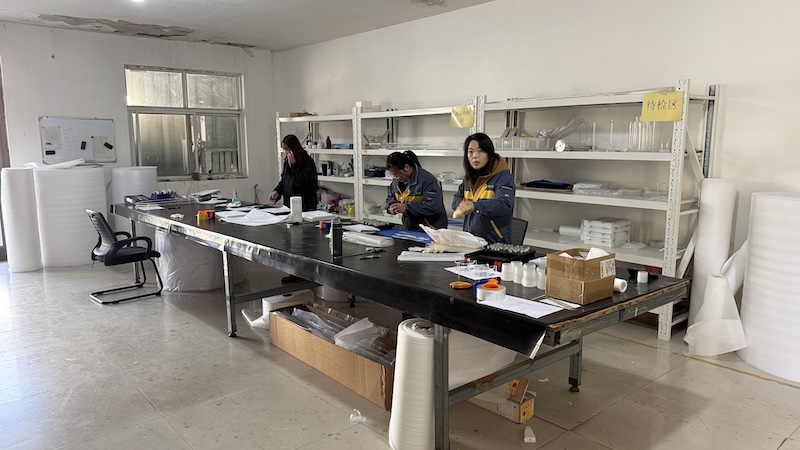
Export Protective Crate Area
Procurement Guidance
Frequently Asked Questions for Pakse & International Buyers
Clear answers regarding international shipping, dimensional tolerances, material selection, and custom fabrication.
What is the exact lead time and shipping arrangement to Pakse, Laos?
Standard catalog quartz reaction flasks and tubing are ready within 5 to 7 days. Custom technical glass items requiring manual lathe blowing or CNC tooling typically ship within 12 to 18 days depending on volume. For Pakse, shipments can be routed by express air directly to Pakse International Airport (PKZ) or transported by cross-border multi-modal freight via Bangkok / Mukdahan / Savannakhet or direct through Vientiane with comprehensive customs and export clearance documents.
Why is a fused quartz reaction flask superior to standard borosilicate glass?
While borosilicate glass softens around 560°C and limits prolonged reactions to approximately 450°C, transparent fused quartz withstands continuous temperatures up to 1100°C and short spikes up to 1300°C without mechanical sagging or crystallization. Furthermore, fused quartz has nearly one-sixth the thermal expansion coefficient of borosilicate, making it virtually immune to sudden cold-water immersion or explosive thermal shocking.
Can your engineers fabricate custom flasks matching our existing laboratory footprint?
Yes. Over 65% of our output involves custom dimensioning. You can supply a PDF dimensioned sketch, CAD DWG, or 3D STEP model. We can customize port angles, spherical joints, flat flanges with Viton/PTFE grooves, side jacket thermowells, and ground taper joints (14/20, 19/22, 24/40, 29/32, 45/50) to seamlessly integrate into your current reaction mantles and reflux condensers.
How do you ensure fragile quartz glass vessels arrive undamaged?
Every item undergoes multi-tier wrapping: interior anti-scratch electrostatic film, encased within high-density shock-absorbing EPE molded foam (minimum 50 mm surrounding buffer), inside individual heavy corrugated inner cartons, and finally secured inside an export-grade fumigated plywood crate with exterior tip-and-shock indicators. Our export breakage rate remains strictly under 0.2% worldwide.
Which quartz grade should we choose: JGS1, JGS2, or Opaque fused silica?
For photochemical reactions utilizing deep ultraviolet excitation (<260 nm), select JGS1 synthetic silica for superior spectral transmittance. For general high-temperature synthesis, thermal oxidation, chemical digestion, and standard laboratory boiling vessels, JGS2 flame-fused quartz offers outstanding thermal and optical performance at an economical price point. Opaque milky quartz is primarily selected for infrared heating baffles, radiant elements, and furnace insulation jackets.
Request Engineering Drawings & Factory Price Tenders
Connect with our fused silica engineering team to assess thermal profiles, chemical compatibility, and receive formal CAD drafting review along with competitive tiered pricing.