Specialized Fused Quartz Reaction Vessels & Substrates
Factory-direct fabrication from our 14,271 m² facility, certified for extreme chemical stability, high thermal tolerance (up to 1400°C), and microelectronic purity.
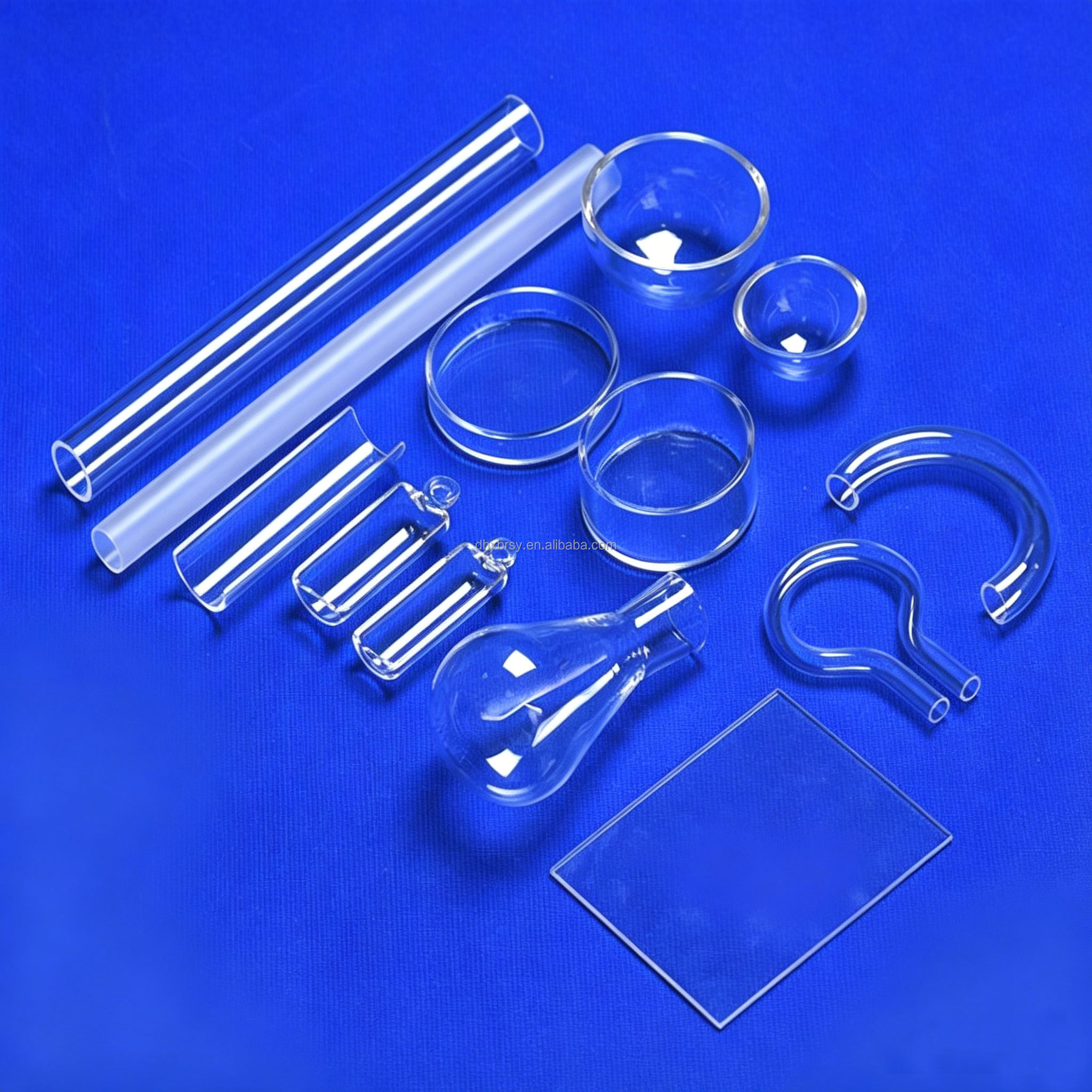
BAO RAN 99.99% SiO₂ Transparent Quartz Optical Sheet
Optical laser machinery insulated precision instrument grade, 200 Mesh finish, RoHS certified for diagnostic cell assembly.
View Specifications →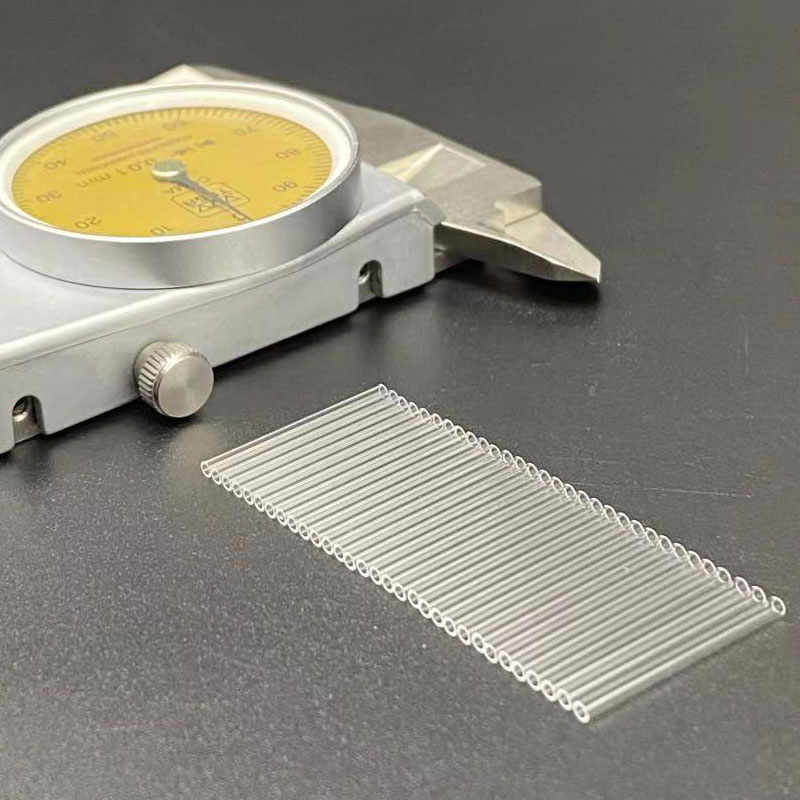
BAO RAN 419 0.1mm–0.5mm Precision Quartz Sheet
99.99% silica content for advanced microfluidic reactor lids, photolithographic masks, and selective beam splitting in cleanrooms.
View Specifications →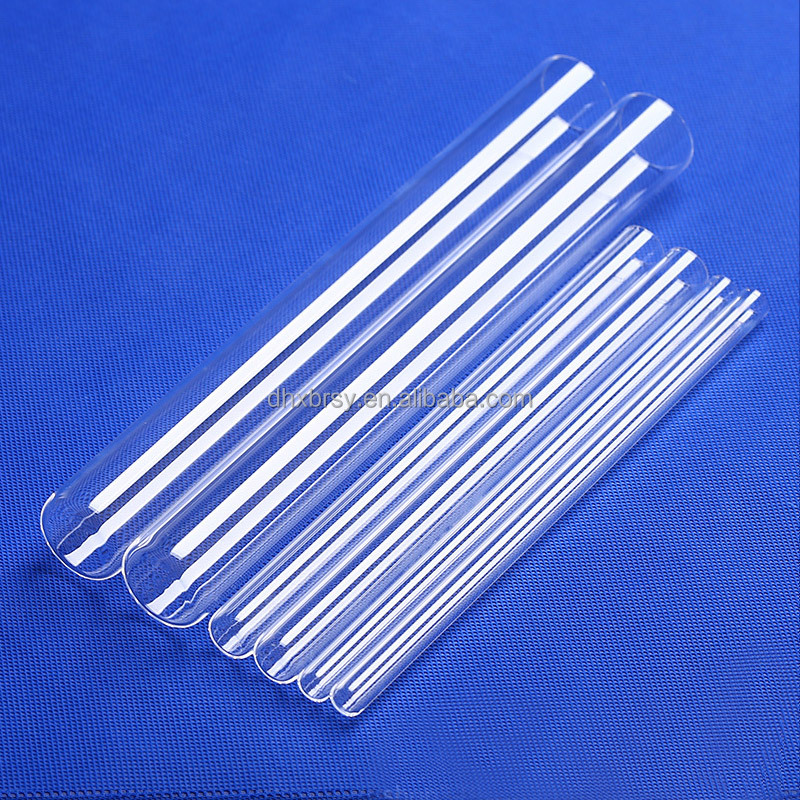
916 One-End-Closed High Pressure Reaction Vessel Tube
Continuous resistance up to 1100°C and peak short-term resistance to 1400°C. Heavy wall translucent and polished fused silica.
View Specifications →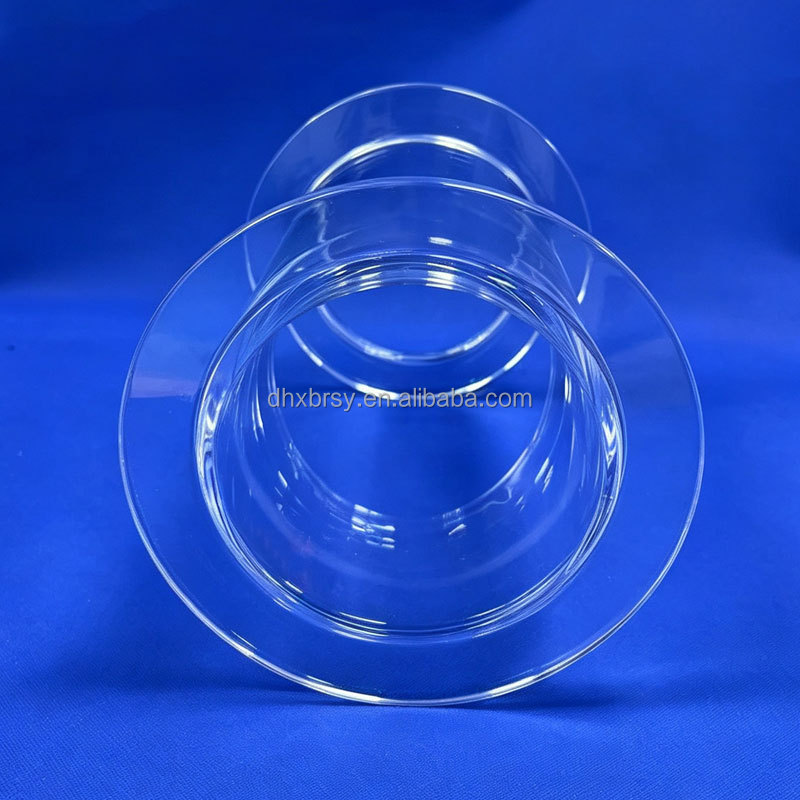
Custom High Purity Double-Flange Quartz Reaction Cylinder
Ground flat sealing flanges engineered for vacuum CVD/ALD reactions, eliminating volatile gas bypass in thin-film deposition.
View Specifications →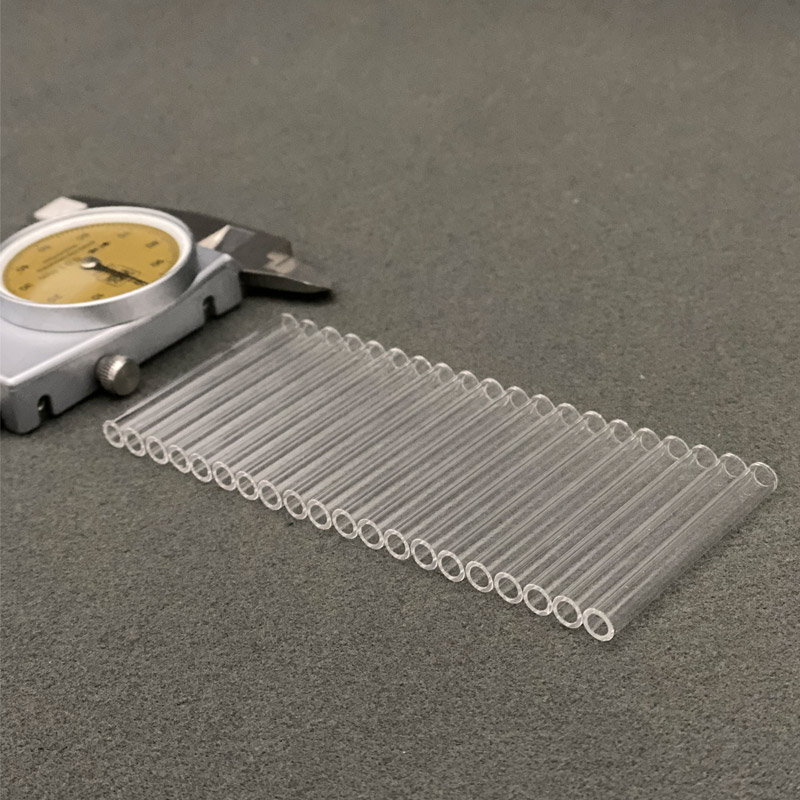
BAO RAN 419 Fused Quartz Capillary Reactor Tubing
Annealed at 1200°C for zero residual stress; pristine bore for continuous micro-flow synthesis and inline laser spectroscopy.
View Specifications →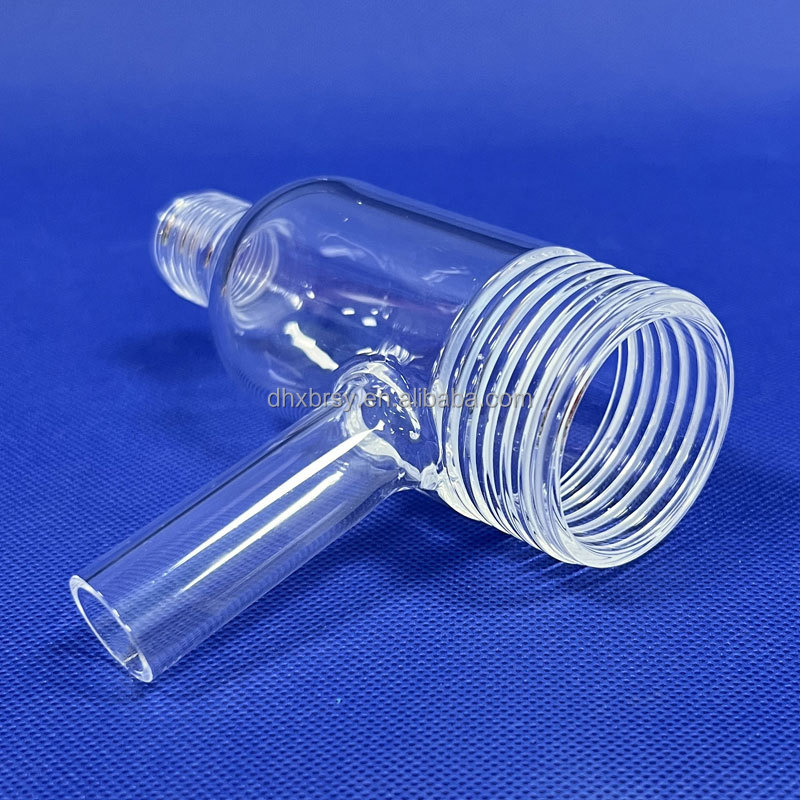
Precision Threaded Quartz Glass Tube & Reaction Body
CNC male/female threads for acid-resistant jointing without contamination-prone elastomers in harsh halide chemistry.
View Specifications →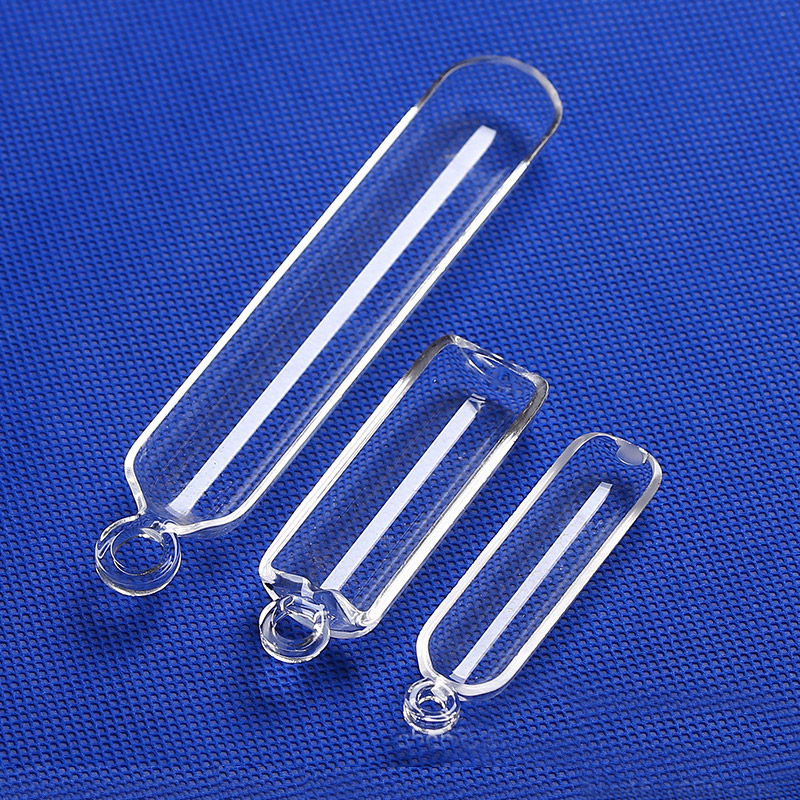
High Quality Fused Quartz Custom-Made Combustion Boat
Welded and laser-cut sample carrier for calcination, chemical vapor transport, and wafer batch pyrolysis in furnace chambers.
View Specifications →
BAO RAN 419 Double-Sided Polished Quartz Sight Plate
High deep-UV transmittance and superior mechanical rigidity for autoclave observation windows and photochemical vessel viewing.
View Specifications →1. The Strategic Role of High-Purity Fused Quartz Vessels in Singapore's Advanced Manufacturing Ecosystem
Singapore occupies a globally critical position in advanced technology manufacturing, contributing roughly 5% of global wafer fabrication capacity, alongside hosting major global pharmaceutical manufacturing complexes in Tuas Biomedical Park and high-value petrochemical catalysis facilities on Jurong Island. For chemical synthesis engineers, fab process directors, and R&D principal investigators at the Agency for Science, Technology and Research (A*STAR), the selection of reaction vessel materials is not merely an operational utility concern—it directly impacts semiconductor wafer yield, active pharmaceutical ingredient (API) impurity profiles, and continuous catalytic reformation margins.
Standard borosilicate 3.3 laboratory glass and fluoropolymer liners (such as PTFE and PFA) present critical failure vectors under the aggressive environments common in Singaporean industrial processes. Borosilicate glass softens above 520°C and leaches alkali network modifiers—specifically sodium, boron, and aluminum ions—into process chemistries. In semiconductor-grade chemical vapor deposition (CVD), atomic layer deposition (ALD), and epitaxy, such ionic leaching leads to catastrophic gate oxide contamination and metallic micro-shorts. Fluoropolymers, while chemically inert at ambient conditions, suffer from thermal creep and degradation above 260°C, and are vulnerable to active fluorine gas radical attack during in-situ NF₃/SF₆ plasma chamber cleaning protocols.
2. Localized Engineering Applications Across Singapore's Advanced Hubs
Customization requirements for quartz vessels in Singapore reflect the island nation's uniquely dense spatial industrial clusters. Fused quartz vessels must meet precise geometrical dimensions, flange sealing tolerances, and optical finishes tailored directly to specific manufacturing parks.
Front-End Wafer Fabs (Woodlands & Tampines)
Singapore’s prominent silicon foundries utilize our double-flanged quartz reaction vessels and furnace process cylinders for low-pressure chemical vapor deposition (LPCVD) of silicon nitride (Si₃N₄), polysilicon, and high-dielectric metal oxides. Cleanroom operating environments require trace metal counts (Fe, Cu, Ni, Cr) below 0.1 ppm to maintain sub-nanometer defect densities across 200mm and 300mm wafer runs.
Biopharma & API Flow Synthesis (Tuas Biomedical Park)
Global pharmaceutical corporations in Tuas are transitioning from batch stirred-tank reactors to continuous micro-flow reactors. Utilizing our BAO RAN 419 capillary tubing and CNC-machined jacketed quartz reaction vessels allows continuous active photochemical synthesis under deep UV (185–254 nm), unaffected by halogenated solvents, concentrated nitric acid, or aggressive acetylation reagents.
Specialty Chemical Pyrolysis (Jurong Island Complex)
In pilot plants running catalytic conversion, halogen recycling, and sulfur-recovery reactions, quartz reaction chambers withstand thermal cycling up to 1300°C without devitrification. The non-porous fire-polished internal surface resists coke build-up and withstands concentrated boiling sulfuric acid and hydrochloric vapor.
3. Quantitative Material Comparison: Reaction Vessel Substrates
To assist procurement engineers and plant asset managers in selecting materials that comply with Singapore Workplace Safety and Health (WSH) guidelines and technical process limits, the matrix below details the structural and thermal performance benchmarks across major vessel materials.
| Performance Parameter | High-Purity Fused Quartz (Lovri) | Borosilicate Glass 3.3 | PTFE / PFA Liners | Hastelloy C-276 Alloy |
|---|---|---|---|---|
| SiO₂ / Base Composition | ≥ 99.99% Amorphous Silica | ~81% SiO₂, 13% B₂O₃, 4% Na₂O | Fluorocarbon Polymer | Ni-Mo-Cr Superalloy |
| Continuous Operating Temp. | 1,100 °C | 230 °C | 260 °C | 550 °C |
| Maximum Short-Term Limit | 1,400 °C | 500 °C | 300 °C | 1,000 °C |
| Thermal Expansion (20–300°C) | 5.5 × 10⁻⁷ /°C | 33 × 10⁻⁷ /°C | 1000 × 10⁻⁷ /°C | 112 × 10⁻⁷ /°C |
| Thermal Shock Resistance | Extreme (ΔT > 1000°C) | Moderate (ΔT ≈ 100°C) | High (Ductile) | High (Metal) |
| UV-Visible Transparency | 92% (190 nm – 2500 nm) | Opaque below 310 nm | Zero Transmittance | Opaque Metal |
| Trace Ion Leaching Potential | Undetectable (< 0.1 ppm) | High (B, Na, Al leachable) | Fluoride / Extractables | Metal Leaching (Fe, Ni, Mo) |
4. Strategic Trends in Singapore's Industrial Vessel Procurement
Procurement teams in Singapore operate under stringent regulatory and operational frameworks established by the Economic Development Board (EDB), Enterprise Singapore, and the National Environment Agency (NEA). Analysis of procurement tenders and custom manufacturing requests identifies three dominant industry shifts:
Tightening Impurity Thresholds
Leading wafer fabs and advanced packaging entities in Singapore are shifting material specs from 3N (99.9%) to 4N5 (99.995%) purity fused quartz. Even trace parts-per-billion levels of iron, copper, and hydroxyl groups (OH⁻) impair optical absorption characteristics and cause premature crystallization into cristobalite under prolonged 1150°C diffusion processing.
Demand for Precision Geometries
Standard off-the-shelf spherical flasks and plain tubes no longer satisfy modern automation lines. Singapore buyers increasingly commission vessels with integrated CNC threads, ISO-KF vacuum flanges, welded thermocouple wells, jacketed cooling channels, and multi-bore capillary manifolds to interface with German and Japanese automated skid units.
Resilience in Regional Logistics
Given Singapore's status as the primary transshipment node of Southeast Asia via PSA Jurong Island and Changi Airfreight Centre, enterprise procurement directors require verified manufacturers capable of delivering customized quartz within 10 to 18 business days with standardized wooden export crates, mitigating transpacific lead-time risks.
5. Lovri Quartz: Direct Manufacturer Advantages for Singapore Importers
Lovri Quartz Products Co., Ltd., based in the global quartz processing cluster of Lianyungang, Jiangsu, provides direct industrial supply to engineering contractors, equipment manufacturers, and research bodies across Singapore. By controlling the entire manufacturing pipeline internally across our 14,271 m² plant, we eliminate trading middlemen markups while implementing rigid quality assurance at every production tier.
Integrated Chemical Purification
Unlike secondary workshops that purchase generic market tubing, Lovri executes raw silica rock pulverization, precision rescreening, and hydrofluoric/nitric acid pickling in-house. This ensures that every batch of quartz starting material meets the strict 99.99% SiO₂ standard before entering electric or gas fusion furnaces.
Full-Cycle Annealing & Stress Relief
Microscopic residual thermal stress is the primary cause of sudden vessel failure under high vacuum or high pressure. Every Lovri reaction vessel undergoes 8 to 14 hours of controlled thermal annealing at 1215°C followed by 100% batch polariscope inspection, guaranteeing residual stress values lower than 5 nm/cm.
SGS Onsite-Assessed Operations
Our production premises, dimensional calibration gear, and export facilities are independently inspected and verified on-site by SGS Group. In addition, raw materials strictly comply with European and Singaporean RoHS limits, providing documented compliance for multinational internal audits.
6. Frequently Asked Questions (FAQ) for Singapore Buyers
Direct answers to common technical, regulatory, and logistics queries encountered by Singapore procurement officers, import planners, and laboratory managers.
For CVD and high-temperature thermal reactions (>1000°C), electrically fused or flame-fused high-purity natural quartz (JGS2 equivalent, 99.99% SiO₂) is recommended due to its high viscosity, low OH⁻ content (<30 ppm), and resistance to thermal sagging. For UV photochemical synthesis or photolysis reactors, synthetic fused silica (JGS1) is required, providing >90% transmission down to deep-UV wavelengths of 185–254 nm with virtually zero bubble inclusions.
Shipments sent via CIF or DDP Singapore are fully coordinated through Singapore Customs TradeNet platform. For DDP air shipments (via DHL/FedEx) or seafreight to PSA terminal, all commercial invoices include appropriate HS Codes (typically 7017.10 for quartz laboratory, hygienic, or pharmaceutical glassware; 7020.00 for industrial apparatus). GST payment and zero-GST bonded warehousing documentation (for companies under the Major Exporter Scheme - MES) are provided alongside freight manifests.
Our export packaging surpasses ISPM-15 phytosanitary wood requirements. Large quartz reaction cylinders and CVD tubes are individually wrapped in anti-static PE film, vacuum sealed, encased in high-density customized form-fitting polyethylene (EPE) foam, and suspended inside reinforced plywood export crates with integrated shock indicator labels (DropNWatch/ShockWatch) to safeguard dimensional integrity during transit.
Yes. Over 75% of our production comprises custom, print-to-build geometries. We manufacture vessels with custom NW/KF flanges, flat ground joints, GL-thread necks, inner/outer helical heating coils, triple-bore reagent delivery tubes, and fused thermocouple pockets. Our engineers perform design-for-manufacturability (DFM) reviews on PDF, AutoCAD, and STEP files before tooling begins.
Devitrification (re-crystallization of amorphous quartz into cristobalite) occurs rapidly above 1000°C if the vessel surface is contaminated by alkali metals (sodium, potassium) or finger oils. Vessels must be handled strictly with lint-free powder-free cleanroom gloves, cleaned with 5% hydrofluoric (HF) acid or high-grade alcohol rinse, and purged with dry nitrogen before thermal ramp-up.
Standard prototypes and standard tube/plate modifications are typically fabricated within 5 to 8 business days. Complex welded assemblies, jacketed reactors, or multi-port CVD cylinders require approximately 10 to 14 business days. Air express to Changi International Airport requires 2 to 4 transit days, while consolidated sea freight to PSA Singapore requires 7 to 10 days.
Yes. For microelectronics clients in Woodlands, Tampines, and Pasir Ris, finished quartz vessels undergo ultra-pure deionized (DI) water ultrasonic cleaning, nitrogen blow-dry, and double-vacuum bag sealing inside clean environments before being boxed, permitting direct cleanroom airlock entry without secondary decontamination.
Every shipment is accompanied by a Certificate of Conformance (CoC), dimensional inspection sheet against approved drawings, polarization stress-relief test report, and batch chemical composition assay confirming 99.99% SiO₂ purity. Trace ICP-MS elemental reports and RoHS compliance statements are provided upon request.
Engineer Your Custom Fused Quartz Vessel Today
Consult directly with our technical glassblowing specialists and CNC engineers. Whether requiring a 1-piece prototype for an A*STAR pilot project or volume diffusion furnace tubes for a multi-fab manufacturing line, we deliver factory precision directly to Singapore.