99.99% SiO₂
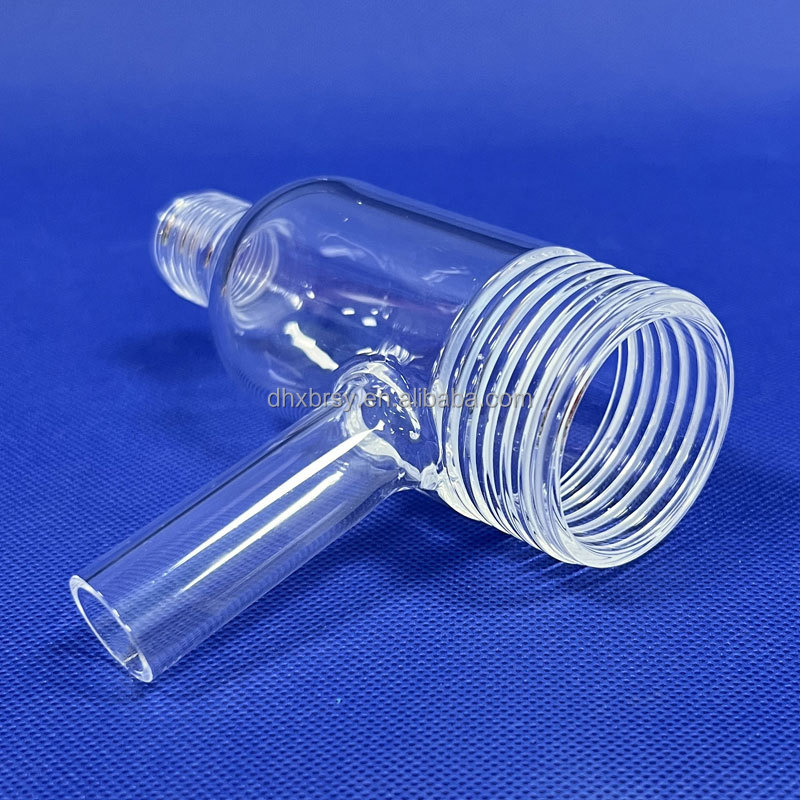
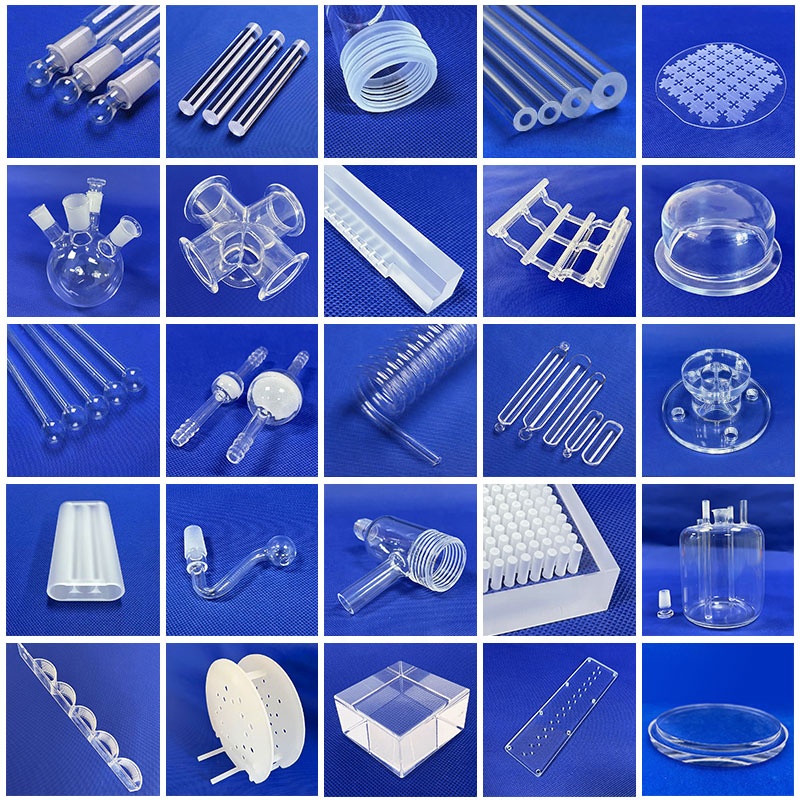
Precision-drawn tubes, customizable carrier boats, double-flanged chemical reactors, and optical plates fabricated for ultra-pure laboratory, semiconductor, and high-temperature furnace operations.
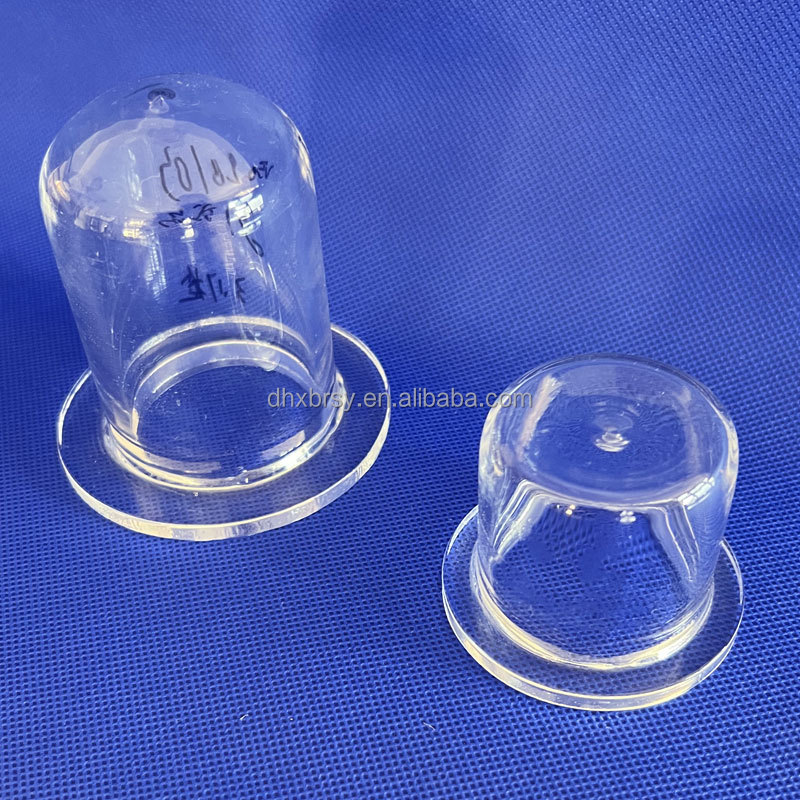
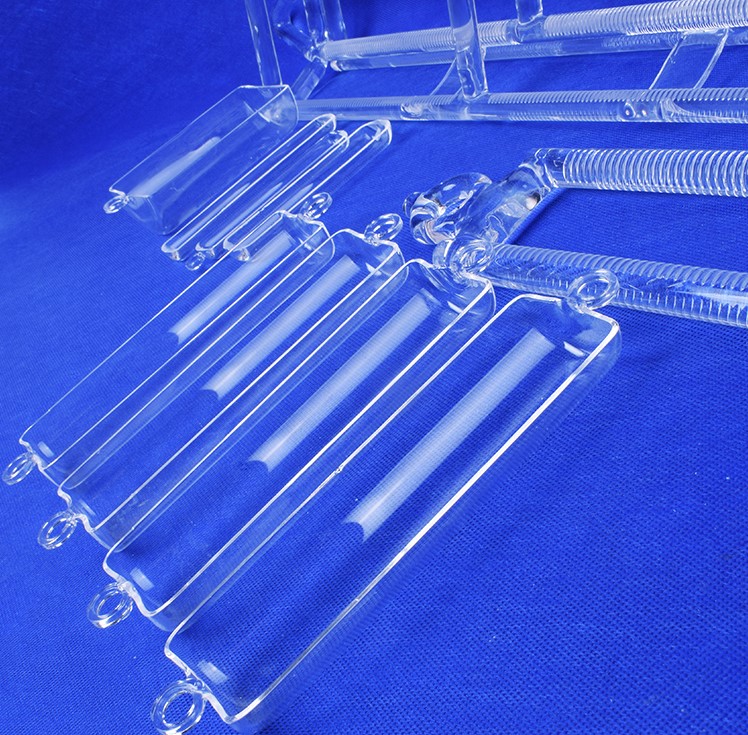
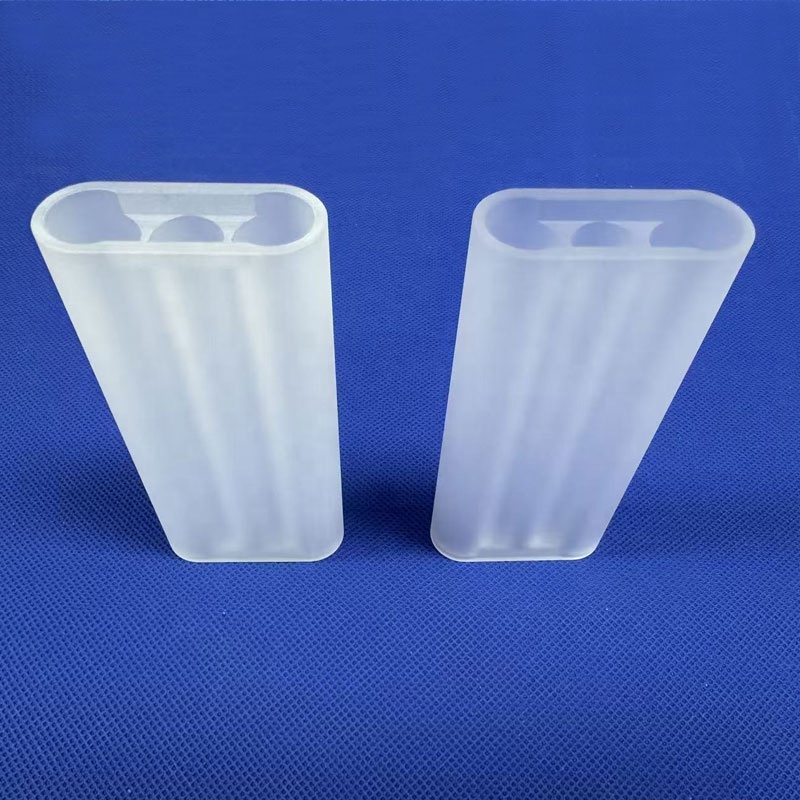
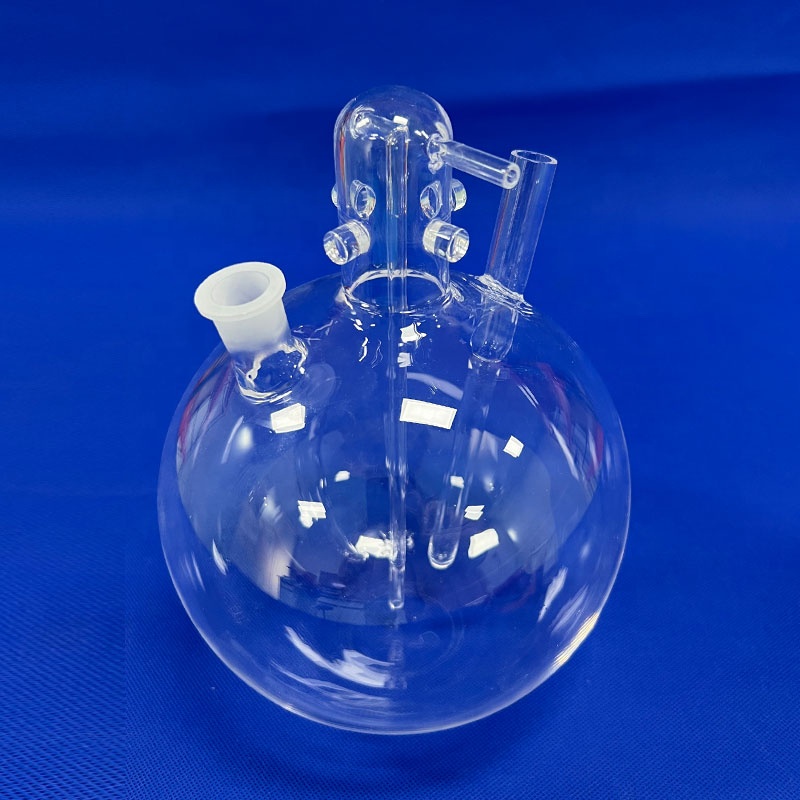

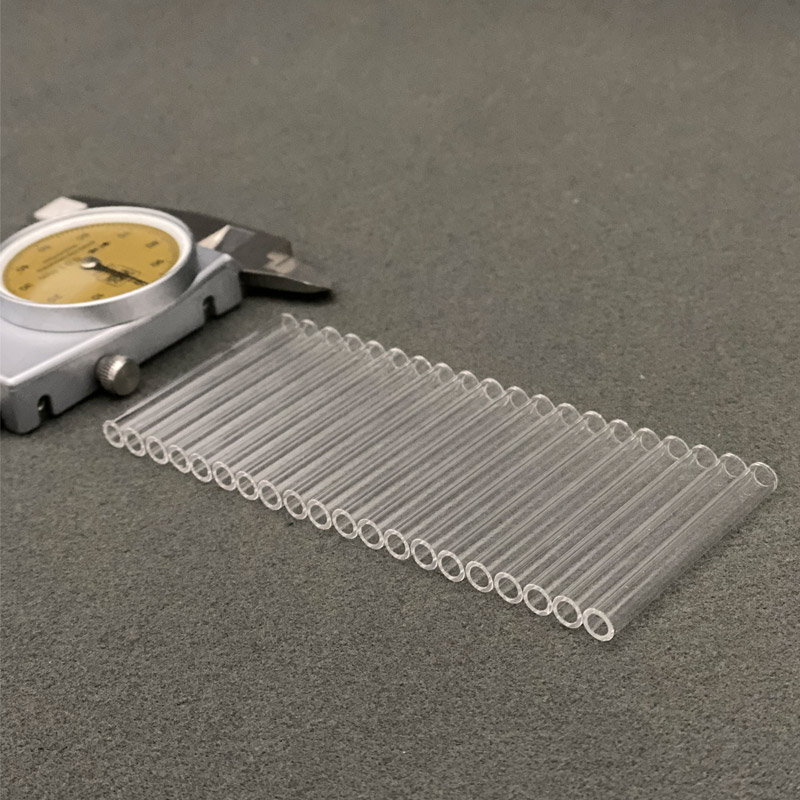
As Narva and the greater Ida-Virumaa industrial belt undergo an unprecedented technological transformation under the European Union's Just Transition Fund (Õiglase Ülemineku Fond), process engineering teams are pivoting from conventional oil-shale pyrochemical plants to zero-emission hydrogen generation, advanced rare-earth processing, and specialty inorganic chemical refinement. In these harsh environments, process vessels must withstand severe thermal cycling, corrosive gas phases (including SOx, NOx, and volatile chlorides), and rigorous mechanical stresses.
Lovri Quartz Products Co., Ltd. supplies high-spec fused quartz reaction vessels, multi-neck reaction flasks, cylindrical CVD synthesis chambers, and quartz tube assemblies designed specifically to replace vulnerable metallic and borosilicate components. Fabricated from 99.99% pure fused silica sand refined via our proprietary multi-stage acid-pickling and thermal purification process, our vessels exhibit an exceptionally low coefficient of thermal expansion (α ≈ 5.5 × 10⁻⁷ /°C), ensuring zero catastrophic failures under rapid quenching or high-gradient furnace conditions.
Whether configuring quartz column distillers for pilot labs in the Narva Industrial Park (Kadastiku and Kulgu districts) or large-diameter sintering furnace liners for rare earth separation facilities in nearby Sillamäe, our engineering office guarantees sub-millimeter precision, polariscope-verified annealing, and comprehensive material batch traceability.
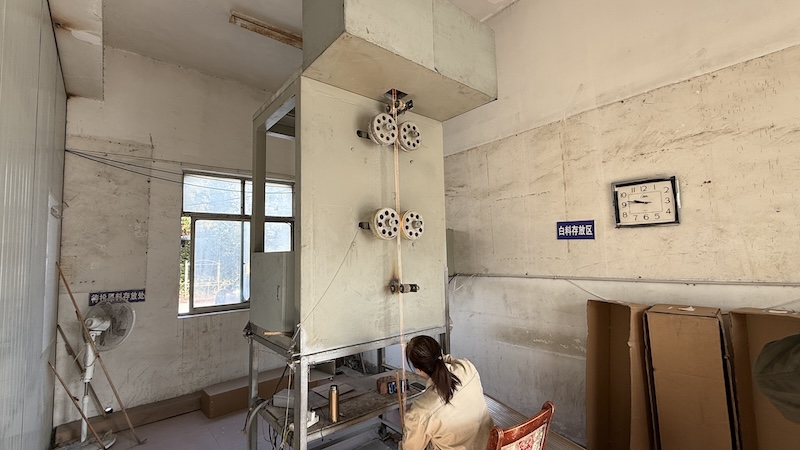
Addressing severe metallurgical, electrochemical, and chemical synthesis requirements across Estonia's key industrial center.
With Ida-Virumaa hosting Europe’s vital magnet-making and rare-earth separation supply chain (centered along the Narva-Sillamäe axis), quartz reaction vessels serve as the non-reactive heart for lanthanide chlorination, acidic solvent extraction, and high-purity thermal calcination. Our transparent fused silica prevents iron, nickel, or cobalt leaching, securing the 99.999% purity required for permanent magnet precursors.
Narva's clean energy transition incorporates experimental methane cracking, plasma torches, and green hydrogen pilot reactors. Fused quartz tubes and jacketed reactors withstand continuous working environments at 1100°C without mechanical sagging, providing ideal electrical dielectric insulation and high microwave transparency for next-generation microwave-assisted plasma pyrolysis.
Research institutes and pilot plants operating under TalTech Virumaa College and local consortiums require specialized laboratory reaction vessels to extract valuable secondary raw materials (such as precipitated calcium carbonate, silica gels, and alumina) from legacy alkaline shale ash dumps. Our quartz autoclaves and digestion vessels resist aggressive acidic leaching across boiling HNO₃ and HCl systems.
Narva’s newly established precision manufacturing facilities utilize our high-transmittance quartz reaction tubes, slotted wafer boats, and injector lances for chemical vapor deposition (CVD), atomic layer deposition (ALD), and photovoltaic wafer sintering furnaces, eliminating metallic surface contaminations at molecular thresholds.
Municipal water systems and chemical processing lines feeding from the Narva River basin depend on robust dielectric barrier discharge (DBD) ozone generators. We manufacture precision ozone-generator quartz tubes with strict concentricity and wall-thickness uniformity (±0.05 mm), ensuring maximum dielectric breakdown resistance under high corona discharge voltages.
Engineered triple-bore flow tubes, precision-ground quartz sight windows, and high UV transmittance JGS1 flow-through cuvettes serve Narva-based research laboratories conducting real-time in-situ spectroscopic characterization of dynamic chemical reactions under laser irradiation.
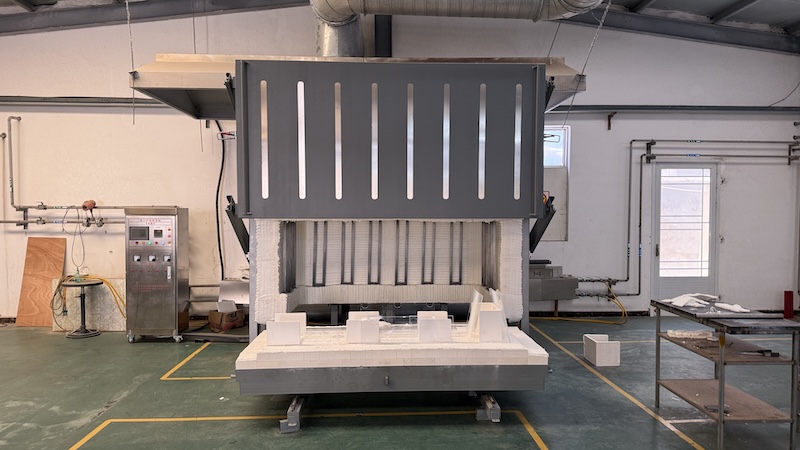
The distinct advantage of Lovri’s fused quartz reaction vessels lies in our amorphous molecular microstructure. By fusing 100% natural, acid-pickled high-purity crystalline quartz lumps in clean electric or oxyhydrogen fusion furnaces, we eliminate microscopic micro-voids, bubbles, and trace refractory residues.
Unlike standard borosilicate glass (DURAN/Pyrex) which begins deforming at approximately 550°C and leaches alkali boron/sodium ions into active reagents, high-purity fused silica exhibits an annealing point of 1,215°C and a softening temperature of 1,730°C. It remains chemically inert to almost all inorganic acids, including aqua regia, fuming sulfuric, and hydrobromic acids, even at elevated temperatures (excluding hydrofluoric acid and phosphoric acid above 150°C).
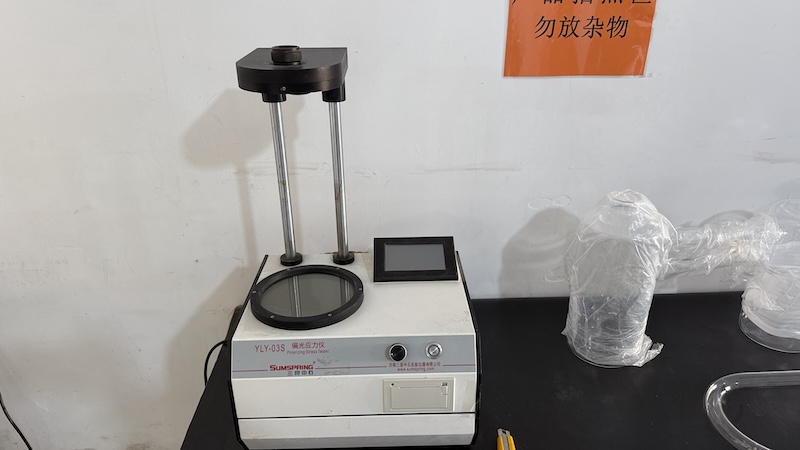
Every manufactured vessel—whether fitted with ground joint necks, flat sanitary flanges, or internal thermocouple wells—undergoes our automated thermal annealing cycle followed by cross-polarization stress birefringence inspection to prevent localized wall fatigue during cyclic vacuum-pressure shifts.
| Property Parameter | Fused Quartz (Lovri Standard) | Synthetic Fused Silica (JGS1) | Borosilicate Glass 3.3 |
|---|---|---|---|
| SiO₂ Purity Level | ≥ 99.99% (Trace Fe < 1.5 ppm) | ≥ 99.999% (Optical Deep UV) | ≈ 80.5% (High B₂O₃ / Na₂O) |
| Continuous Max Working Temp | 1,100 °C | 1,150 °C | 500 °C (Softens at 560°C) |
| Short-Term Peak Temperature | 1,300 °C | 1,350 °C | Max 550 °C |
| Thermal Expansion (20–300°C) | 5.5 × 10⁻⁷ /°C (Superior) | 5.2 × 10⁻⁷ /°C | 33.0 × 10⁻⁷ /°C (6x Higher Risk) |
| Thermal Shock Resistance (ΔT) | > 1,000 °C (Can quench into 20°C water) | > 1,100 °C | ≈ 150 °C |
| Optical Transmission Range | 220 nm – 2,500 nm (Near UV to NIR) | 185 nm – 2,500 nm (Deep DUV) | 320 nm – 2,000 nm (Cuts off in UV) |
| Dielectric Strength (at 20°C, 1mm) | 25–40 kV/mm | 30–45 kV/mm | 10–15 kV/mm |
How modern policy shifts, green energy incentives, and capital investments are reshaping industrial procurement requirements across Ida-Viru County.
Under Estonia’s National Energy and Climate Plan (NECP), direct combustion and legacy oil-shale retorting are undergoing aggressive decarbonization. Regional enterprises are retrofitting existing infrastructure into catalytic fluid-bed systems and circular chemical extraction modules. This calls for quartz liners and pyrolyzers capable of resisting sulfur compounds and trace heavy metals without catalytic deactivation or devitrification.
The massive expansion of Europe’s downstream rare earth permanent magnet manufacturing plants just 25 kilometers from Narva requires unprecedented quantities of quartz reaction columns, digestion apparatus, and high-temperature calcination vessels. Material purity is critical: iron or nickel contaminants as low as 10 parts-per-million can ruin magnetic coercive properties, making Lovri’s 99.99% pure silica vessels the engineering baseline.
Attracted by the €354 million allocated through the Just Transition Fund, domestic and Nordic venture groups are building battery precursor pilot lines, synthetic graphite calcination furnaces, and specialized recycling setups in the Narva Industrial Park. These facilities rely on tailor-made CNC quartz reactors that withstand continuous battery cathode slurry digestion at elevated temperatures.
Full chain vertical integration: from raw natural crystal crushing and chemical de-ironing to precision hot working and robotic CNC profiling.
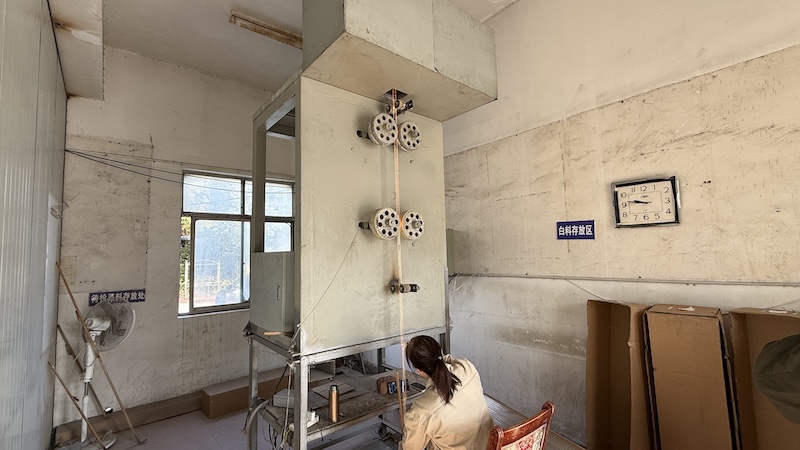
Located in Lianyungang, China's premier silica hub, we operate in-house lump crushing, pulverizing, and acid-leaching lines. Controlling feed silica ensures non-detectable sodium and alkali metals, guarding against early devitrification above 1000°C.
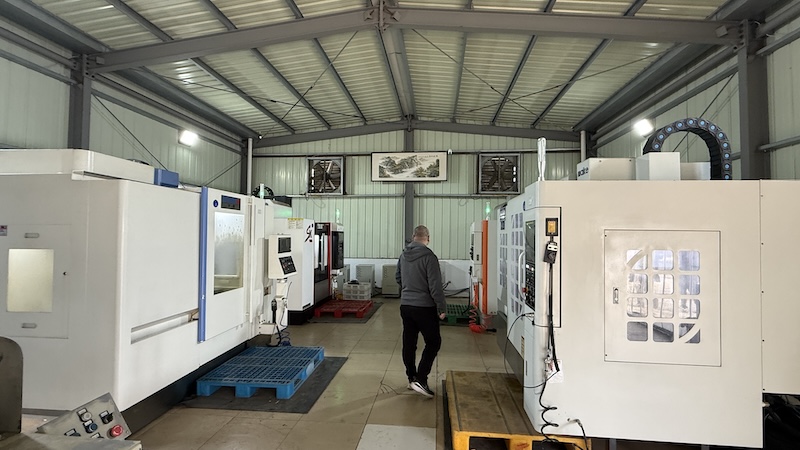
Precision diamond-tooled CNC centers provide dimensional drilling, milling, slotting, and contour threading on fused silica blocks, flanged pipe fittings, and wafer boats with dimensional tolerances down to ±0.02 mm.
Our 14,271 m² operational floor has undergone formal onsite audit by SGS Group. Production lines comply fully with ISO9001 systems and European RoHS restricted-substance directives, accompanied by formal material certs.
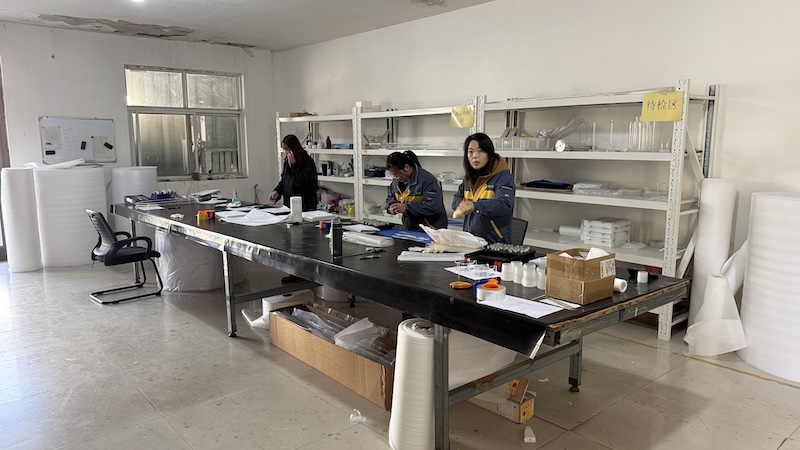
Fragile quartz glassware arrives in pristine condition. Every reaction vessel is enclosed in custom-molded high-density PE foam, multi-layer shock wrap, and fumigated reinforced wooden export crates engineered for sea and air freight into Estonia.
Clear, straightforward answers addressing engineering tolerances, logistics, material selection, and procurement practices for Estonia.
Verified corrosion behavior across standard industrial chemicals encountered in modern chemical processing plants.
| Chemical Reagent | Concentration | Test Temperature | Corrosion Rate (mm/year) | Recommended Suitability |
|---|---|---|---|---|
| Hydrochloric Acid (HCl) | 37% Concentrated | 100 °C (Boiling) | < 0.0001 | Excellent (Completely Inert) |
| Nitric Acid (HNO₃) | 65% Concentrated | 100 °C (Boiling) | < 0.0001 | Excellent (Zero Contamination) |
| Sulfuric Acid (H₂SO₄) | 98% Concentrated | 200 °C | < 0.0002 | Excellent (High Temp Safe) |
| Chlorine Gas (Dry Cl₂) | 100% Gas Phase | 900 °C | < 0.0005 | Ideal for REE Chlorination |
| Sodium Hydroxide (NaOH) | 10% Aqueous | 100 °C | ≈ 0.1500 | Moderate Attack (Use with Caution) |
| Hydrofluoric Acid (HF) | Any Concentration | Ambient (20 °C) | Rapid Dissolution | Unsuitable (Aggressive Etchant) |