High-Purity Fused Quartz & Silica Product Matrix
Engineered to Japanese industrial standards (JIS R 3204) with certified thermal stability, near-zero bubble inclusion, and transmission ranging from Deep UV (185 nm) through Near Infrared.

Engineering Quartz Solutions for the Kobe & Kansai Industrial Arc
The Greater Kobe metropolitan area, anchoring the western gateway of Japan’s Hanshin Industrial Region, is undergoing a profound structural evolution. Historically recognized for heavy machinery, shipbuilding, and maritime engineering clustered around the vibrant Port of Kobe, the city has strategically transformed into one of East Asia’s most sophisticated epicenters for biomedical engineering, silicon photonics, clean energy instrumentation, and precision optics. At the heart of this innovation ecosystem lies the need for uncompromised material science: high-purity fused silica and quartz rods (SiO₂ ≥ 99.99%) that withstand extreme thermal fluctuations, aggressive acid corrosives, and high-frequency optical irradiation.
Industrial procurement managers and academic researchers in Kobe face an unyielding set of criteria. Japanese manufacturing philosophies—underpinned by Monozukuri (the art of exquisite craftsmanship) and strict adherence to JIS R 3204 standards—leave no room for batch-to-batch variation, thermal birefringence defects, or micro-bubble impurities that could compromise laser refraction or semiconductor etching yields. Whether delivering precision cylindrical fused quartz rods for laser cavity flow assemblies or ultra-pure light guides for analytical biosensors in Port Island’s Kobe Biomedical Innovation Cluster (KBIC), our direct factory supply model links deep material synthesis in Lianyungang directly with Kobe’s high-technology end-users.
By controlling the vertical supply chain—from high-grade crystalline quartz lump extraction, chemical acid pickling, electric and hydrogen-oxygen flame fusing, to multi-axis CNC surface grinding—Lovri Quartz eliminates intermediary trading friction. Kobe-based procurers benefit from factory-direct pricing, expedited customs handling through the Port of Kobe or Kansai International Airport (KIX), comprehensive third-party SGS onsite verification, and guaranteed compliance with the European RoHS Directive and Japanese Green Procurement guidelines.
Localized Deployment Across Kobe’s Key Industries
Tailored structural and optical solutions developed specifically to integrate with Kobe's premier manufacturing and research complexes.
Biomedical Research (KBIC)
Within Kobe Port Island's life science research hub, our synthetic quartz rods (JGS1) serve as ultra-clean optical windows, flow cell guides, and reaction stirrers. Zero auto-fluorescence and exceptional UV transmission allow single-molecule cell analysis and spectrometry without diagnostic signal distortion.
Semiconductor & MEMS
Kansai’s semiconductor tooling demands ultra-low alkali and heavy metal content (Fe, Cu, Ni < 0.2 ppm). Our quartz rods are precision-machined into wafer boat guide pillars, etching baffle supports, and LPCVD thermocouple protection sheaths, capable of operating in corrosive halide environments without devitrification.
Laser Cavities & Optics
Applied in industrial laser cladding and medical aesthetic equipment (Candela, GentleYag), our high-purity optical rods and multi-bore flow tubes exhibit high laser-induced damage thresholds (LIDT), precision ground outer diameters (±0.02 mm), and polished optical endfaces down to 40/20 scratch/dig standards.
Clean Energy & Cryogenics
In Kobe’s pioneering liquid hydrogen supply chain projects around Kobe Airport and Rokko Island, specialized fused silica rods serve as cryogenic liquid-level sight probes and extreme thermal-gradient observation windows, remaining structurally ductile and non-porous under cryogenic-to-ambient thermal shocks.
Emerging Trends Reshaping Kobe's Quartz Demand
Strategic shifts in Kansai manufacturing require resilient supply networks, tight precision tolerances, and verifiable raw material lineage.
Shift to Synthetic Fused Silica (JGS1)
Kobe’s expanding optical inspection and deep ultraviolet lithography supply chain is rapidly phasing out traditional natural quartz in favor of synthetic fused silica rods. Synthetic grades virtually eliminate metallic trace ions (total impurities < 1 ppm) and prevent solarization or bubble darkening under persistent excimer laser exposure.
Demand for Polarization Stress Verification
Thermal cracking remains a severe failure mode in Japanese industrial diffusion furnaces. Kansai buyers are increasingly writing mandatory polarization stress birefringence testing into their quality assurance criteria. Each rod must exhibit minimal optical path difference (residual internal stress < 5 nm/cm) post-annealing.
Direct-from-Source Agile Procurement
To mitigate international freight inflation and warehouse holding overhead, Kobe purchasing divisions are transitioning from legacy regional traders to direct factory procurement. Lovri Quartz supports this model with flexible low MOQs (from single-piece prototypes to batch runs) and guaranteed dispatch within 7-10 working days.
Fused Quartz vs. Synthetic Fused Silica Engineering Specifications
Comprehensive physical, mechanical, thermal, and optical baseline metrics for Kobe engineering design teams.
| Property Parameter | Test Standard / Unit | Optical Fused Quartz (JGS2) | Synthetic Silica Rod (JGS1) | Infrared Transparent (JGS3) |
|---|---|---|---|---|
| SiO₂ Purity Grade | ICP-OES / % Content | ≥ 99.99% | ≥ 99.9999% | ≥ 99.99% |
| Spectral Transmission Band | Spectrophotometry (nm) | 220 – 2500 nm | 185 – 2500 nm (Deep UV) | 260 – 3500 nm (Near IR) |
| Hydroxyl (OH⁻) Concentration | FTIR / PPM | 120 – 200 ppm | < 5 ppm or > 1000 ppm (Custom) | < 8 ppm |
| Coefficient of Thermal Expansion (CTE) | Dilatometry / 10⁻⁷/°C (20–300°C) | 5.5 × 10⁻⁷ | 5.4 × 10⁻⁷ | 5.5 × 10⁻⁷ |
| Annealing Point | Viscosity Measurement (°C) | 1215 °C | 1180 °C | 1210 °C |
| Softening Point | Standard ASTM C338 (°C) | 1730 °C | 1680 °C | 1725 °C |
| Dielectric Strength (20°C) | kV/mm (at 1 MHz) | 25 – 40 | 35 – 50 | 25 – 40 |
| Residual Annealing Stress | Polarimeter (nm/cm) | < 10 nm/cm | < 5 nm/cm | < 10 nm/cm |
| Surface Roughness (Ra) | After Optical Polishing (nm) | Ra < 0.5 nm | Ra < 0.2 nm | Ra < 0.5 nm |
Why Kansai Engineers Partner with Lovri Quartz
Combining world-class silica reserves in Lianyungang with precision CNC glass processing and verifiable third-party certification.
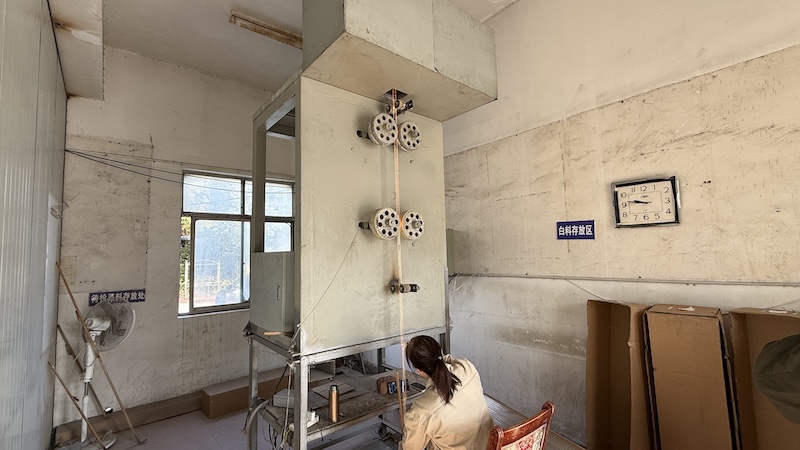
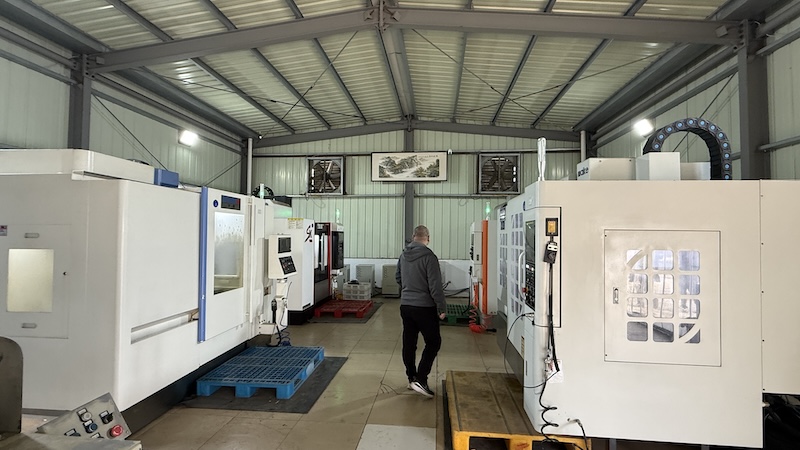
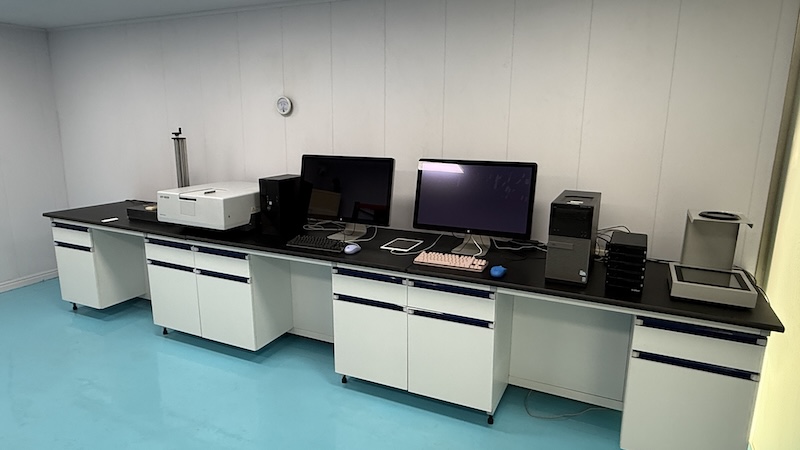
SGS Onsite-Assessed 14,271 m² Modern Facility
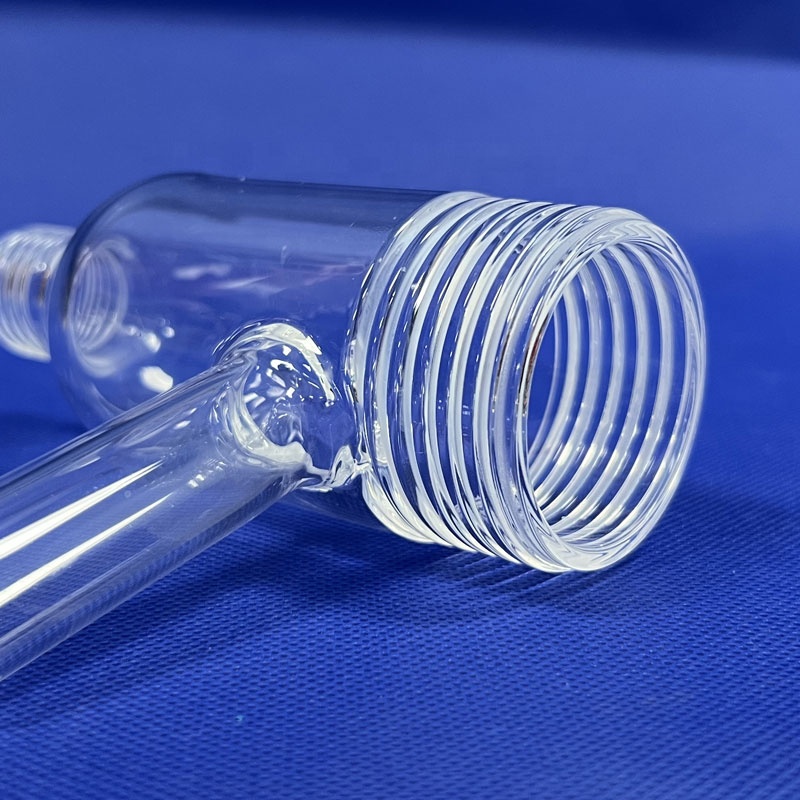
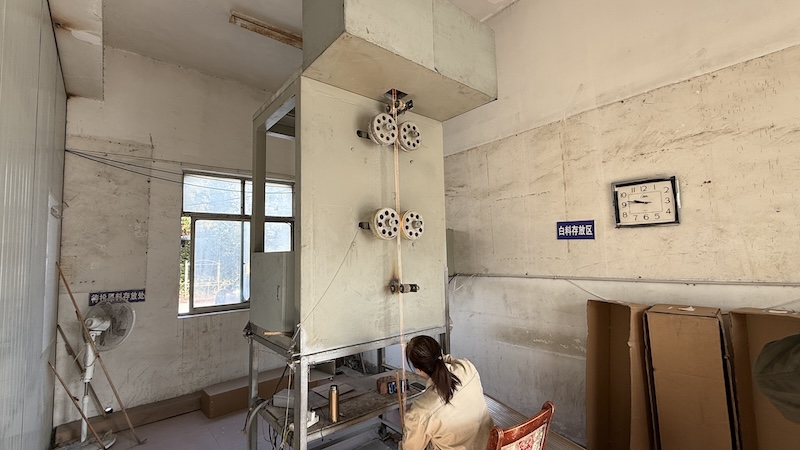
Lovri Quartz operates a fully integrated manufacturing infrastructure in Lianyungang, Jiangsu—the premier raw silica processing capital of China. Unlike brokers who re-sell unregulated glass, our engineers oversee the complete 12-step transformation lifecycle: raw quartz lump sizing, secondary pulverizing, multi-stage acid pickling, automated vertical tube and rod drawing, computerized stress annealing, vacuum forming, and multi-axis CNC surface machining.
Every export shipment destined for Kobe, Osaka, and Kyoto is subjected to optical spectrophotometry, digital coordinate measurement (CMM), and laser interferometric stress checks. Our certified factory assessment by SGS Group guarantees absolute compliance with international occupational, environmental, and material standards.
- Vertical Chemical Control: Onsite acid washing and rescreening reaches 99.99% – 99.999% SiO₂ without heavy metal contamination.
- Advanced CNC Grinding & Milling: Rod centerless grinding, precision slotting, stepped diameters, optical flame polishing, and thread cutting to ±0.01 mm.
- Total Stress Relieving: Continuous-cycle electric annealing eliminates internal tension, preventing cracking in high-temperature or vacuum operations.
- Direct Export Logistics to Kobe: Export-grade shockproof packaging with foam molds, moisture barriers, and reinforced fumigated timber crates.
Frequently Asked Questions by Kobe Procurement Teams
Essential commercial, technical, and regulatory clarity for engineering buyers across Hyogo Prefecture.
How do your quartz rods comply with Japanese Industrial Standards (JIS R 3204)?
Our clear and optical-grade quartz rods are tested against the rigorous criteria defined in JIS R 3204 for chemical composition, visual inclusions, and optical transmittance. Every production batch includes a Certificate of Analysis (CoA) verifying SiO₂ purity (≥ 99.99%) and trace elemental profiles (Al, Fe, Ti, Ca, Mg) analyzed via ICP-MS spectrometry.
What is the typical shipping lead time and customs route to the Port of Kobe?
Standard sized rods and prototypes typically ship within 5-7 days from our plant. Sea freight shipments are routed directly from Lianyungang/Qingdao ports to the Port of Kobe with an ocean transit time of just 3 to 5 days. For time-sensitive academic or semiconductor emergencies, express air freight delivers directly to Kansai International Airport (KIX) within 48 to 72 hours.
Can you provide custom centerless grinding and polished end-faces to technical drawings?
Yes. We regularly fabricate precision quartz rods to custom DXF, DWG, or STEP drawings. Our centerless grinding achieves diameter tolerances of ±0.01 mm, while our optical polishing workshops achieve endface flatness up to λ/4 and surface finishes conforming to MIL-PRF-13830B (20/10 scratch-dig upon request).
How are fragile quartz rods secured against transit damage during export?
We implement an export packaging protocol engineered specifically for brittle optics: rods are individually cleaned, vacuum-sealed in dust-free PE wrapping, suspended in custom high-density EPE shock absorption foam, and enclosed in multilayer honeycomb cartons or custom wooden crates built to JIS-Z-1402 standards. We maintain a verified shipping damage rate below 0.1%.
What is your Minimum Order Quantity (MOQ) for custom development projects?
Understanding the research-intensive nature of Kobe's institutes and specialty equipment builders, we support experimental prototyping with a Minimum Order Quantity of just 1 to 5 pieces for bespoke quartz rods. Volume wholesale scale-up is seamlessly integrated once engineering trials pass Kaizen evaluation.
Which quartz grade is best suited for UV laser vs. thermal furnace applications?
For deep UV optical transmission down to 185 nm (excimer lasers, photochemical catalysis), synthetic JGS1 silica rod is essential due to its extreme purity and freedom from absorption bands. For high-temperature diffusion furnaces (up to 1150°C), flame-fused JGS2 or electric-fused clear quartz rods offer superior mechanical rigidity and resistance to sag at a highly cost-effective price point.
Ready to Consult on Your Kobe Quartz Application?
Connect directly with our senior quartz engineering team. Send your technical drawings, target dimensions, operating temperatures, or annual procurement requirements for a rapid design review and formal quotation within 12 hours.