Featured Fused Quartz Ware & Specialized Components
Precision-drawn from synthetic and refined natural quartz crystals in our SGS-verified facility. Designed to meet the chemical inertness, optical clarity, and thermal resilience required by laboratory testing facilities and industrial plants across Bruges and the greater Benelux region.
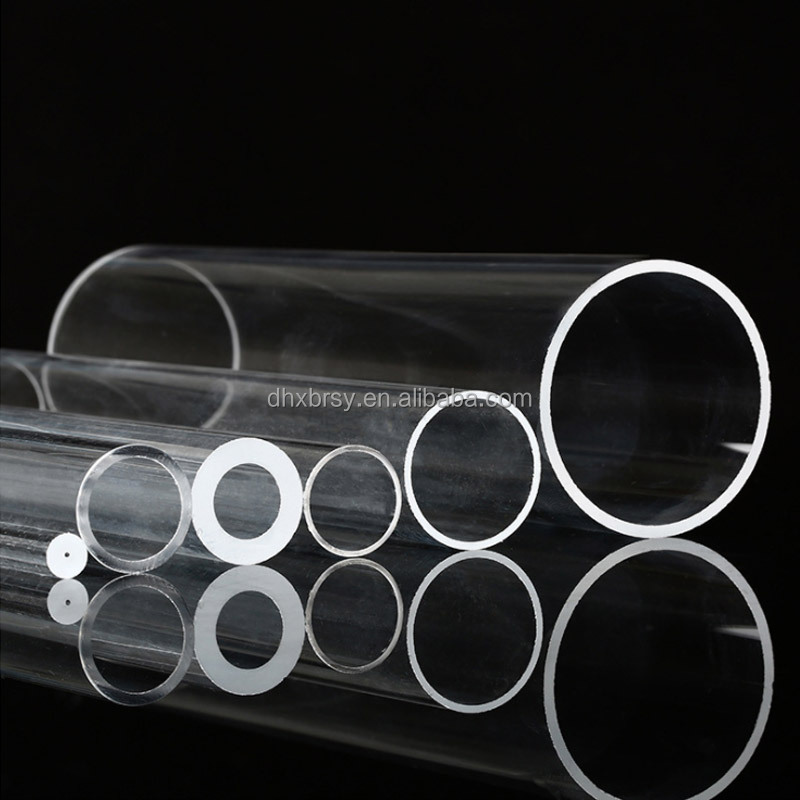
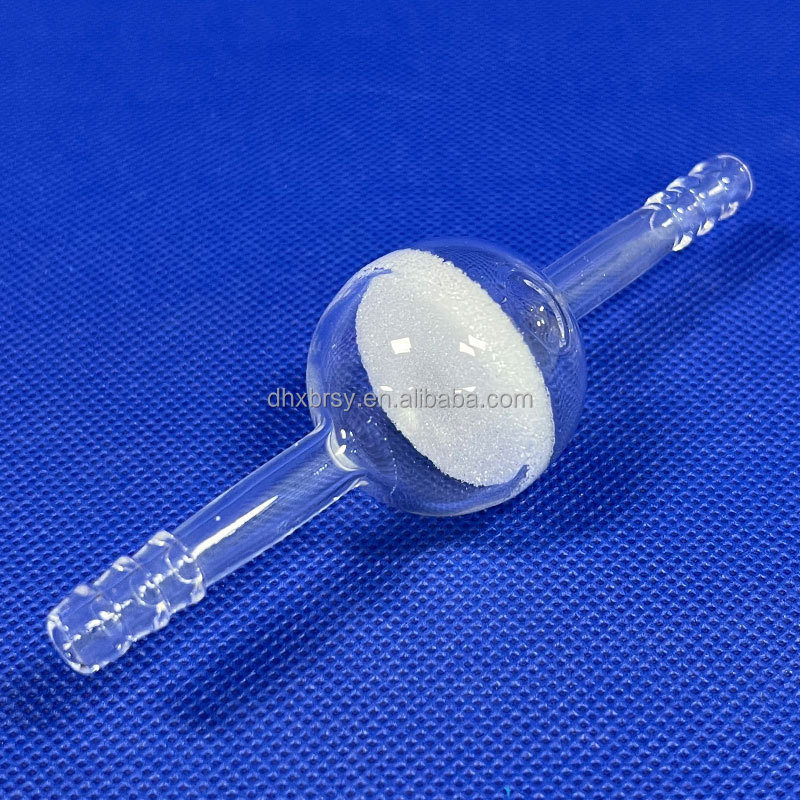
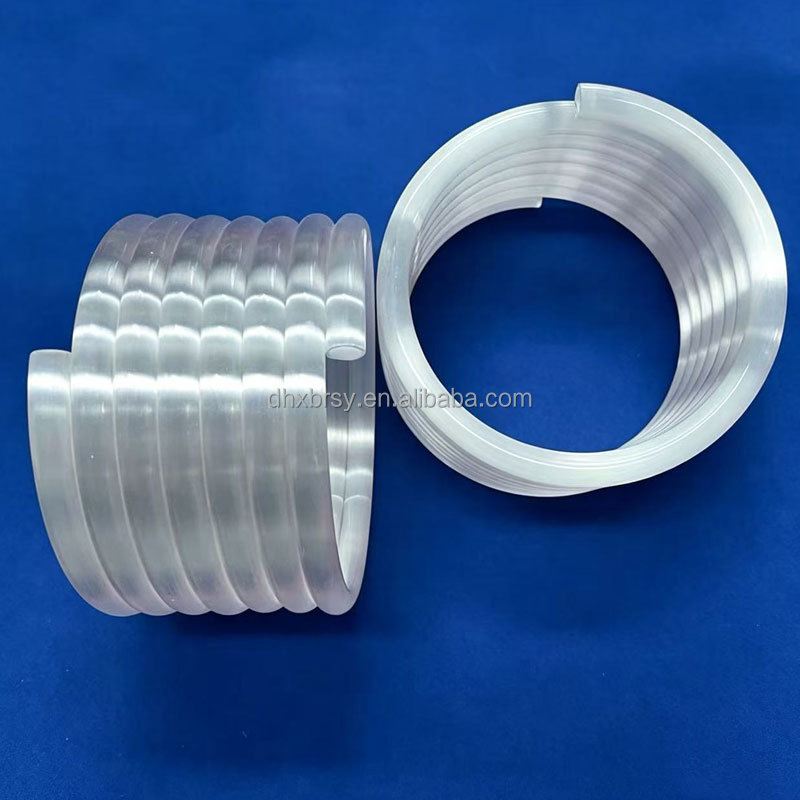
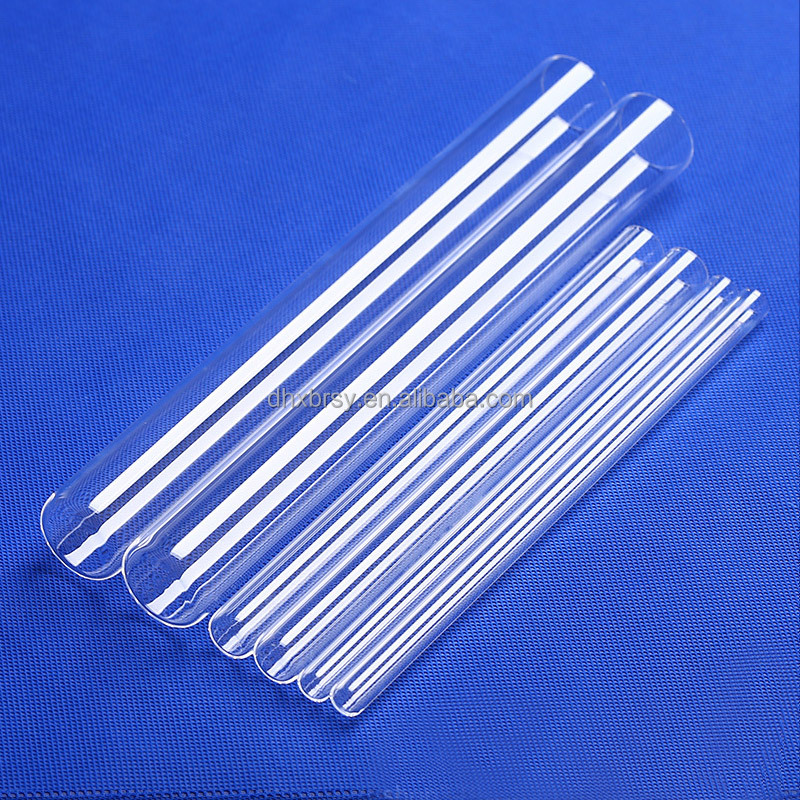
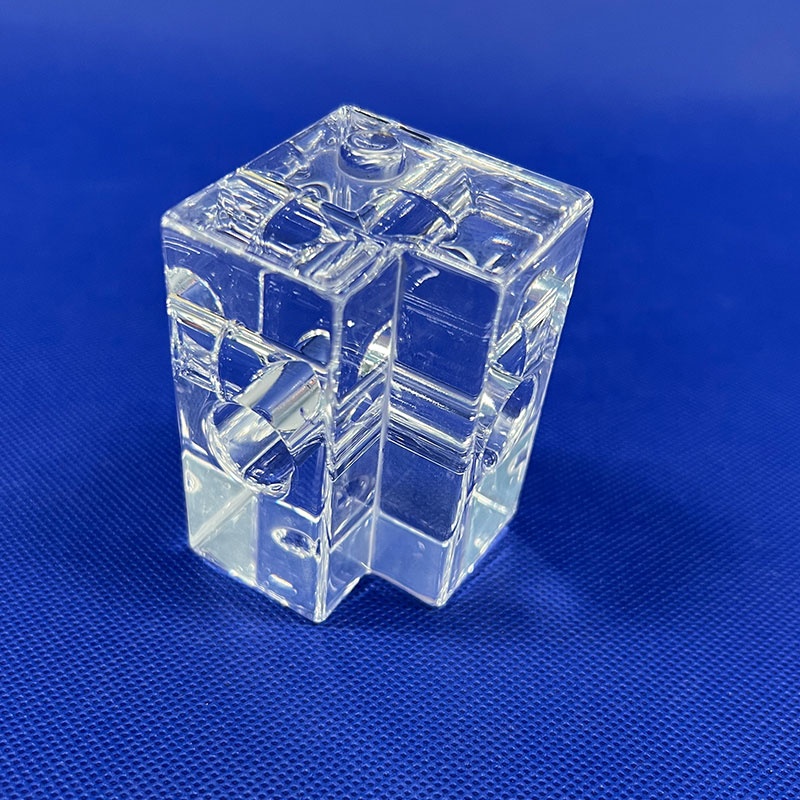
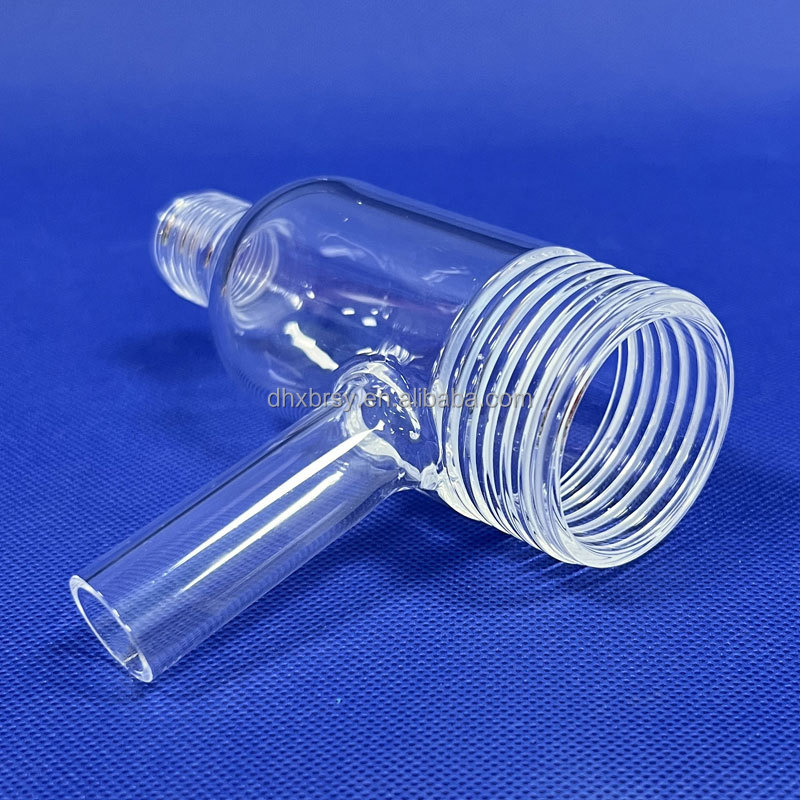
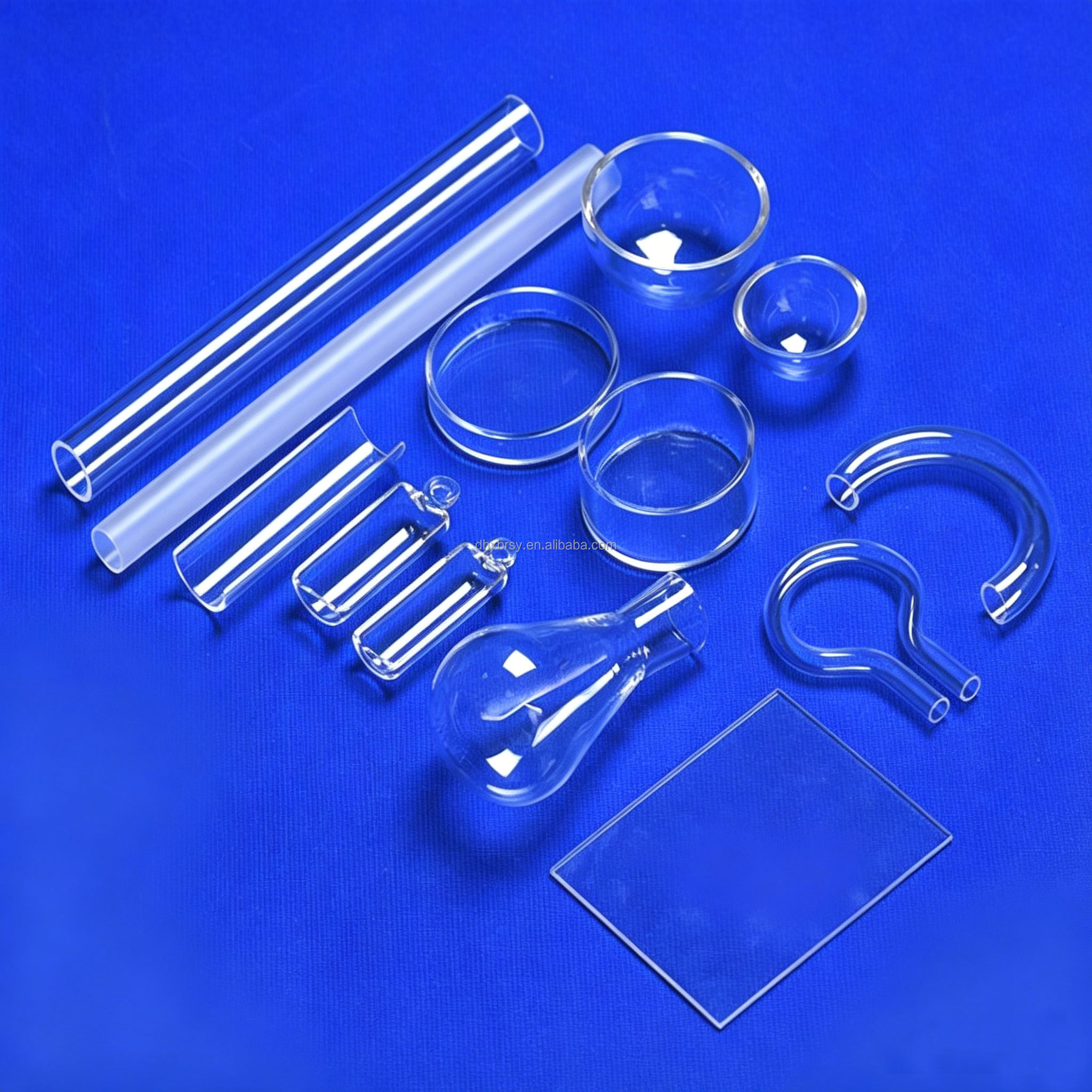
In precision analytical and production environments, chemical inertness is not merely a specification—it is a prerequisite for baseline reproducibility. Standard laboratory glassware fabricated from borosilicate or sodalime compositions contains significant fractions of alkali oxides, boron, and alumina. Under prolonged exposure to aggressive aqueous matrices, extreme autoclaving, or sub-ambient cryogenic storage, these elements undergo ionic leaching. For analytical teams operating around the Bruges biomedical parks and testing labs affiliated with Port of Antwerp-Bruges logistics hubs, such leaching causes baseline drift in high-performance liquid chromatography (HPLC), inductively coupled plasma mass spectrometry (ICP-MS), and fluorescence spectroscopy.
By contrast, our fused quartz vials and specialized tubular vessels are synthesized from ≥99.99% pure SiO&sub2;. Sourced through integrated raw-material processing in Lianyungang—the global nucleus of high-purity crystalline quartz—our manufacturing process completely eliminates alkaline modifiers. With a softening point reaching approximately 1730°C and a near-zero coefficient of thermal expansion (≈5.5 × 10⁻⁷ /°C between 20°C and 300°C), our quartz vials withstand instantaneous thermal shocks that would shatter conventional laboratory glass.
Furthermore, as European regulatory bodies tighten standards around container-closure integrity and extractables/leachables (E&L) profiles, fused silica has transitioned from a specialized niche component into the standard containment medium for reference materials, active pharmaceutical ingredients (APIs), and sensitive organometallic precursors. Below, we examine the specific engineering challenges faced by Belgian buyers and how direct factory customization resolves chronic procurement friction.
Localized Application Scenarios in Bruges & West Flanders
Directing quartz componentry where standard glass reaches thermal, mechanical, and optical failure. From port-side testing infrastructures to specialized pharmaceutical synthesis.
Pharmaceutical & Parenteral Formulation
Serving regional research institutes, clinical laboratories at AZ Sint-Jan, and Flemish pharmaceutical laboratories. Custom quartz reaction vials eliminate delamination and boron leaching during high-temperature peptide synthesis and accelerated stability testing.
Port Logistics & Environmental Analytics
At the Port of Antwerp-Bruges coastal testing facilities, seawater monitoring, ballast water testing, and marine petrochemical trace-element analyses require quartz digestion vessels that withstand boiling concentrated nitric and sulfuric acids without chemical degradation.
Spectrophotometry & UV In-Line Flow Cells
West Flanders automation developers utilize our precision-annealed, fire-polished fused silica tubes for deep-UV (190–260 nm) optical detection. Exceptional transmittance across synthetic JGS1 and fused quartz grades guarantees linear signal detection in continuous bioprocessing.
Advanced Brewing & Fermentation Biotechnology
Bridging traditional Flemish fermentation culture with state-of-the-art biochemistry, high-purity quartz cuvettes and sampling tubes resist aggressive enzymatic hydrolyses and continuous steam sterilization cycling up to 130°C without clouding or surface scratching.
Flemish Industrial Trends Driving Fused Silica Adoption
How technological transformation and European sustainability goals are altering component selection in West Flanders.
Decarbonization & Green Hydrogen Infrastructure
The port merger forming Port of Antwerp-Bruges has accelerated large-scale green hydrogen and carbon capture initiatives. Monitoring trace contaminants in pressurized hydrogen streams requires gas-sampling quartz cylinders and reaction vials capable of operating at 100+ bar and up to 1100°C without gas embrittlement.
Zero Tolerance for Delamination in Biologics
Under stringent European Pharmacopoeia (Ph. Eur.) monographs, biological drug developers in Belgium are turning away from standard tubular glass vials that risk glass flake formation (delamination). Synthetic quartz eliminates silicate surface degradation during indefinite cryogenic storage.
Automated Robotic Autosampler Demands
Flemish diagnostic centers increasingly rely on high-speed robotic liquid handlers. Minor dimensional discrepancies cause autosampler needle bent-pins or misaligned optical scans. CNC-milled quartz glassware ensures neck, thread, and wall concentricity down to ±0.02 mm, preventing machine downtime.
Comparative Technical Benchmark: Fused Quartz vs. Standard Glass
Evaluate physical properties, chemical resistances, and spectral transmissions before issuing mechanical drawings.
| Performance Characteristic | High-Purity Fused Quartz (Lovri) | Synthetic Fused Silica (JGS1) | Type I Borosilicate Glass |
|---|---|---|---|
| Chemical Purity (SiO&sub2; Weight %) | ≥ 99.99% | ≥ 99.999% | ≈ 80 - 81% (Contains B&sub2;O&sub3;, Na&sub2;O, Al&sub2;O&sub3;) |
| Maximum Continuous Working Temp | 1100 °C | 1150 °C | 450 - 500 °C |
| Short-Term Peak Withstand Temp | 1300 °C - 1400 °C | 1450 °C | 550 °C |
| Thermal Shock Resilience (ΔT) | > 1000 °C (Red-hot quench into water) | > 1100 °C | ≈ 150 °C (Fractures rapidly) |
| Thermal Expansion Coeff. (20-300°C) | 5.5 × 10⁻⁷ /°C | 5.0 × 10⁻⁷ /°C | 33 × 10−7 /°C |
| UV Cutoff & Transmission Range | 220 nm – 2500 nm (>90%) | 185 nm – 2500 nm (Deep UV clarity) | Cuts off sharply below 310 nm |
| Ionic Leaching Risk (Alkali/Boron) | Virtually Zero / Trace parts-per-billion | Undetectable by typical ICP-MS | Significant in acidic or alkaline autoclaves |
| Autoclave & Steam Sterilization Life | Virtually unlimited, zero surface clouding | Unlimited, zero chemical alteration | Prone to surface weathering after repeated cycles |
Engineering Capabilities Backed by SGS Onsite Verification
Headquartered in the Lianyungang quartz cluster, we operate a closed-loop production chain that safeguards purity from raw crystal crushing to export packaging.
Direct Source Purity Control
We handle natural quartz lump selection, secondary pulverizing, re-screening, and continuous acid pickling in-house. This upstream control ensures SiO&sub2; purity remains firmly at ≥99.99% without third-party intermediate dilution.
1200°C Stress Annealing
Residual internal stress is the leading cause of catastrophic vacuum failure. Every custom vial and tube passes through programmable annealing ovens at 1200°C, systematically verified using polarized stress birefringence analyzers.
CAD/CAM Precision CNC Tooling
From customized screw threads (GL14, GL18, GL45) to precision-slotted semiconductor wafer carriers, our multi-axis CNC grinding and diamond drilling machines accommodate tolerances down to ±0.02 mm directly from your CAD, STEP, or PDF files.
Zero-Breakage Export Packaging
International freight demands specialized shock dissipation. We utilize custom-molded high-density polyethylene foams, individually sealed vacuum sleeves, and reinforced shock-isolated export wooden crates delivering 99.8% damage-free transit to Bruges.
Frequently Asked Questions by Bruges Procurement Teams
Essential details regarding international customs, European regulatory compliance, order quantities, and freight handling.
Request Comprehensive Engineering Drawings & Pricing
Connect directly with our fused silica engineering department. Submit your dimensional schematics, target tolerances, and annual volume requirements to receive an actionable technical review and direct factory quote for your Bruges facility within 24 hours.
Get Catalog