Precision Quartz Apparatus & High-Purity Tubes
Direct factory manufacturing of fused quartz vials, optical tubes, and heating coils calibrated for rigorous chemical digestion, UV spectroscopy, and thermal stability in tropical Central American industrial environments.
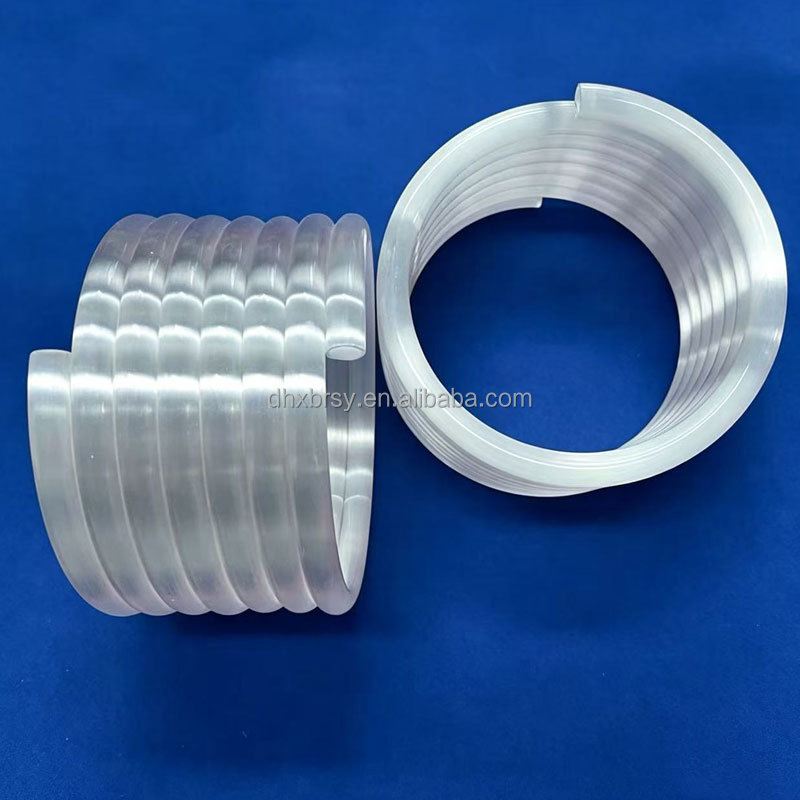
Custom Milky White Opaque Fused Silica Quartz Spiral Tube Helix Coil for Industrial Infrared Heating Furnace
Precision-wound opaque fused silica helix element engineered for diffuse infrared dispersion in industrial curing ovens and textile drying tunnels in San Pedro Sula.
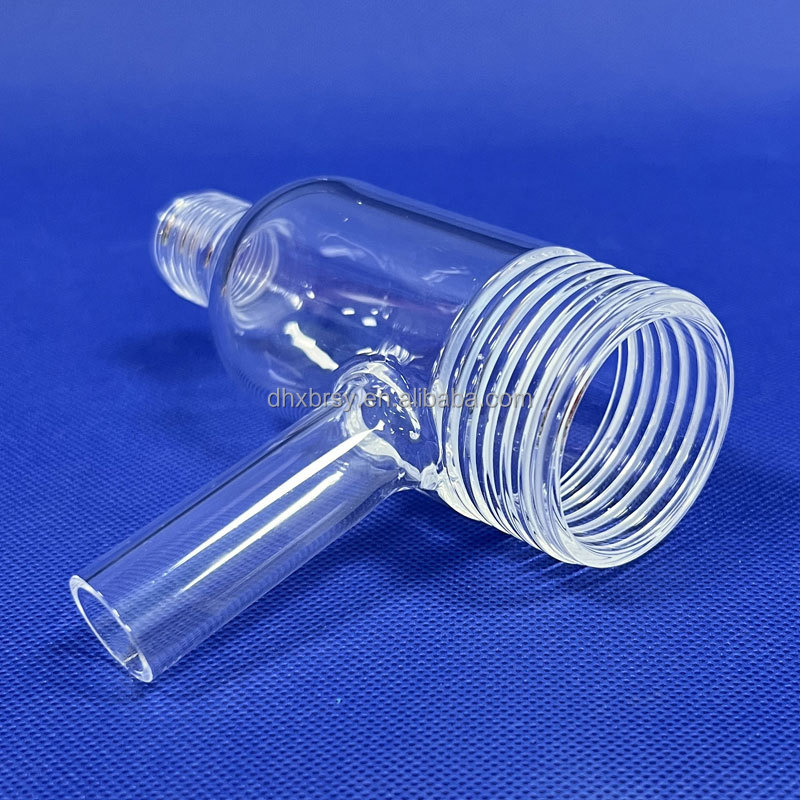
High Quality Polished Tube High-temperature Resistant Corrosion-resistant Quartz Glass Threaded SiO2 99.99% Silica Content ROHS
Threaded mechanical joint fused quartz tube offering hermetic seals for volatile solvent reactions and high-temperature chemical fluid lines without elastomer degradation.
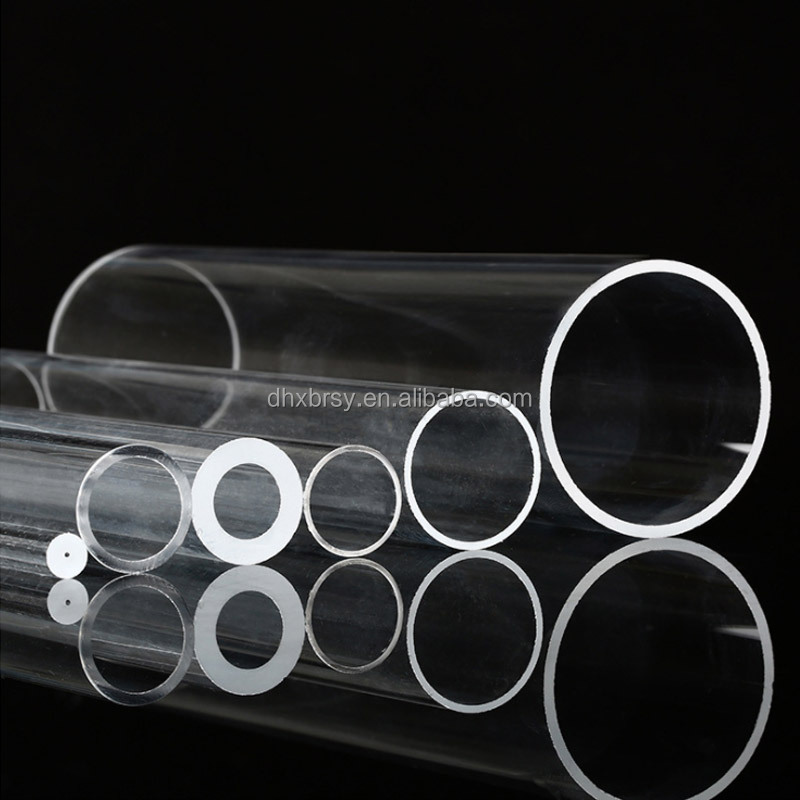
BAO RAN SiO2 Heating Quartz Tube for Disinfection Cabinets Small Industrial Drying & Cavity Use Coffee Makers Water Dispensers
Resilient SiO₂ radiant heating element designed for commercial sterilization cabinets, coffee processing thermal units, and water sanitization equipment in the Sula Valley.
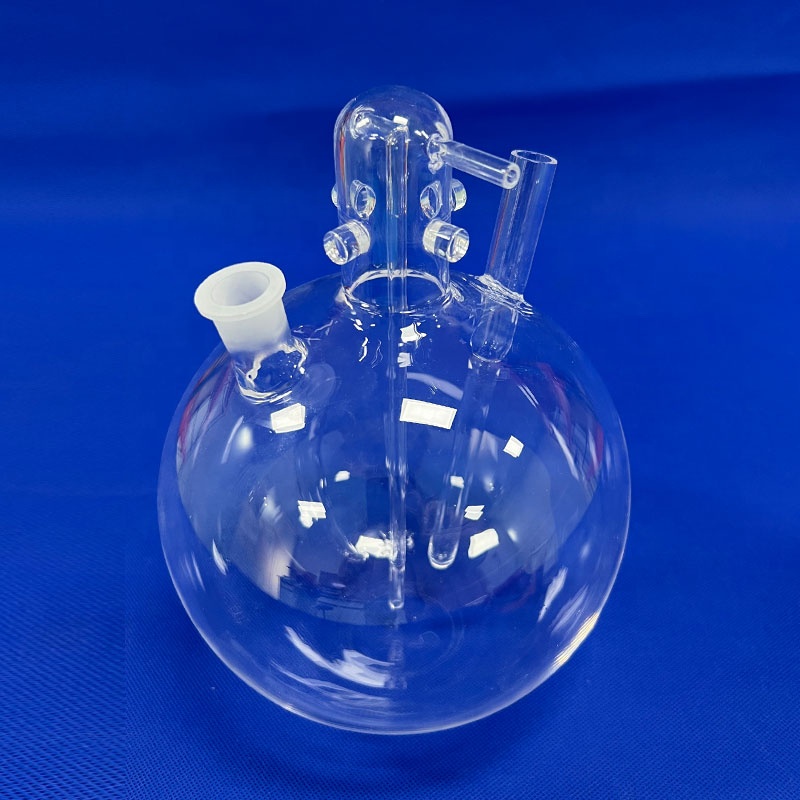
419 Processing High Purity SiO2 Quartz Glass Instrument for Laser Machinery Custom Reactor with 99.99% Silica Content
Custom-machined reactor body with flanged ports and optical-grade clear walls, optimized for photochemical reactions and precision industrial laser cavities.
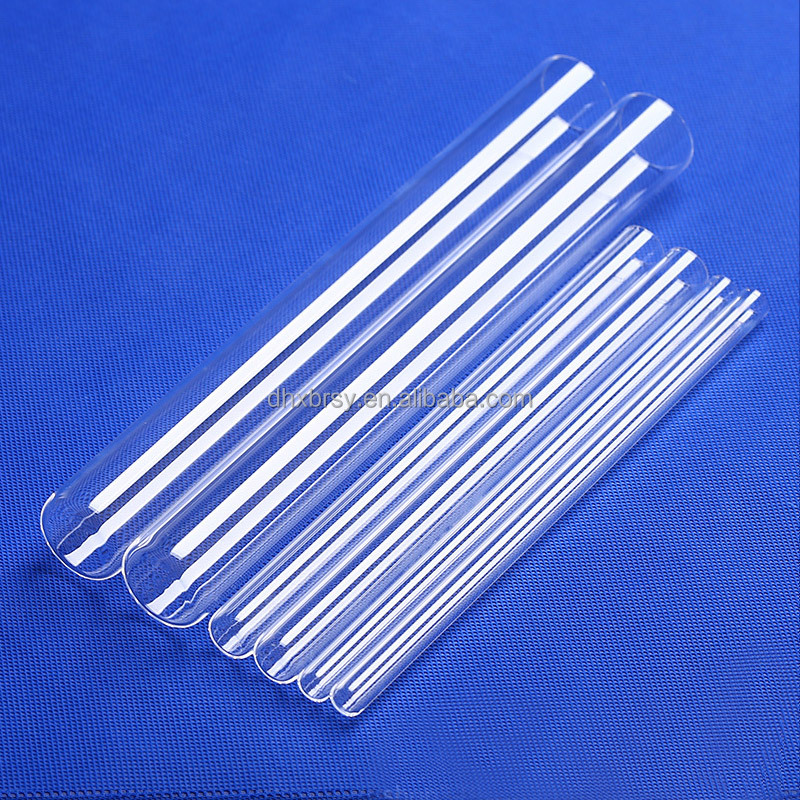
916 One End Closed High Pressure Resistant High Temperatures 1400 Degrees Translucent Polished Fused Quartz Laser Machinery
Hemispherical or flat sealed-bottom tube withstanding thermal spikes up to 1,400 °C. Widely deployed as protective pyrometer sheaths and digestion vials.
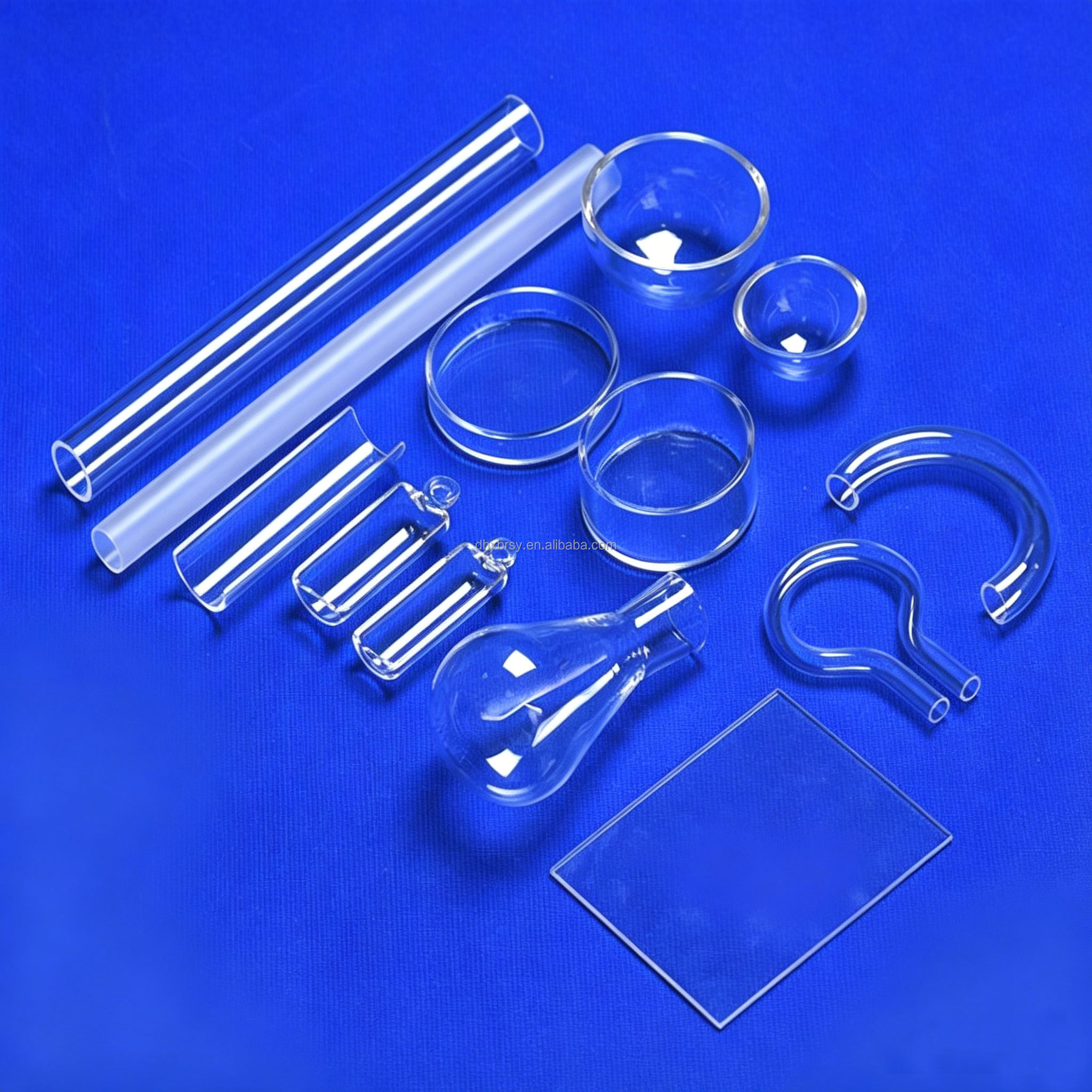
BAO RAN 99.99% SiO2 Content Transparent Fused Quartz Sheet Optical Laser Machinery Insulated Precision Instrument ROHS 200 Mesh
Double-side polished flat quartz windows exhibiting minimal optical distortion, high dielectric strength, and zero solarization under UV irradiation.
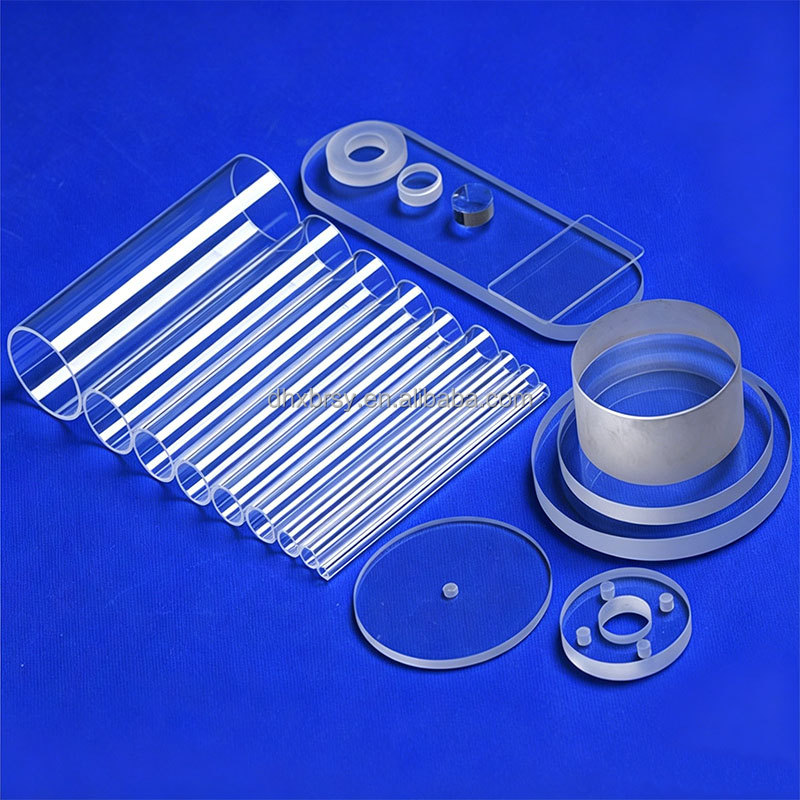
BAO RAN JGS1 High-purity 99.99% SiO2 Temperature Optical Semiconductor Quartz Jig CNC Machined Fused Silica Window UV
Synthetic fused silica window with over 90% internal transmittance down to 185 nm. Essential for spectrophotometric analytical labs and laser alignment.
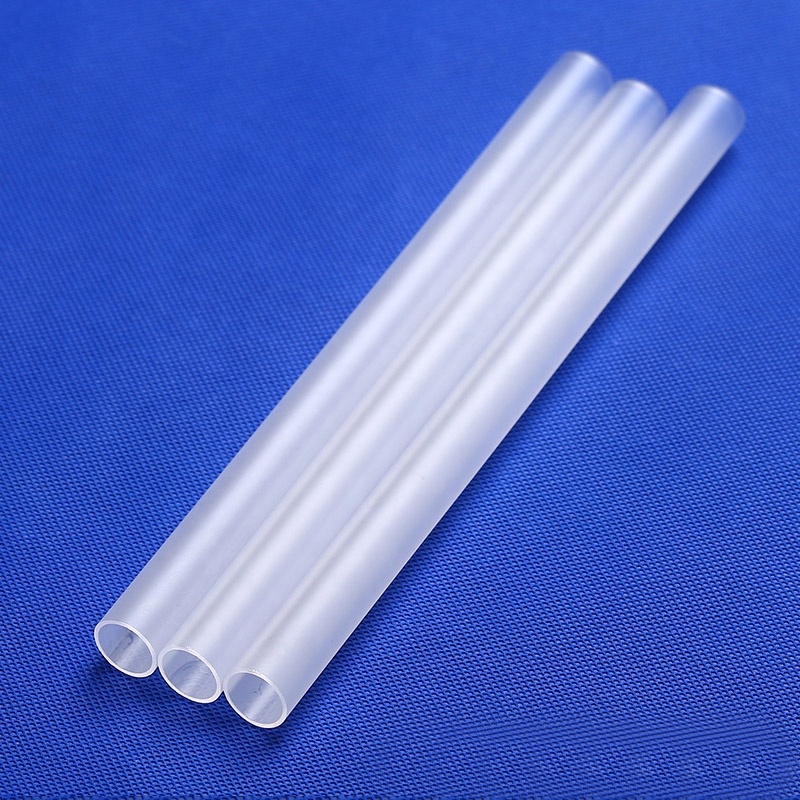
High Purity Translucent Polished Quartz Glass Tube Welding Bending Cutting High Ozone Ozone Generator Lab Infrared Heating UV
Dielectric barrier discharge quartz tube optimized for high-concentration ozone generation and industrial wastewater decomposition in municipal and factory treatment plants.
Fused Silica vs. Borosilicate: Critical Differences for San Pedro Sula's Analytical & Processing Operations
Industrial chemists and quality assurance directors across San Pedro Sula and the surrounding Cortés department often encounter premature mechanical failures, baseline photometric drift, and severe chemical contamination when using conventional Type I borosilicate glassware in demanding processes. In high-temperature acid digestions, ultraviolet spectroscopy (HPLC-UV), and specialized thermal processes, the chemical and physical characteristics of borosilicate reach their limits. Fused quartz (amorphous silicon dioxide, SiO₂) provides structural and thermal integrity under conditions that degrade lower-grade glass.
1. Structural Purity and Leaching Resistance
While borosilicate contains up to 13% boron trioxide (B₂O₃) and 4% sodium/aluminum oxides, Lovri Quartz fused silica vials are synthesized with a minimum of 99.99% pure SiO₂. When conducting trace metal analysis (ICP-MS, AAS) on soil extracts from Sula Valley plantations, sugar cane samples, or active pharmaceutical ingredients (APIs) in local manufacturing facilities, borosilicate vials leach sodium, boron, and calcium ions into acidic aqueous matrices. Our fused quartz vials eliminate ionic leaching entirely, ensuring that spectral and chromatographic baselines remain unaffected even when exposed to fuming nitric, hydrochloric, or perchloric acids at elevated temperatures.
2. Thermal Shock and Extreme Operational Temperatures
San Pedro Sula operates in a tropical climate where high ambient humidity and temperature differentials challenge process glassware. The thermal shock resistance of quartz glass is among the highest of any transparent industrial solid. Because of its extremely low coefficient of thermal expansion, a fused quartz digestion vial or combustion tube can be heated to 1,150 °C and dropped immediately into cold water without structural shattering. In contrast, standard laboratory borosilicate fractures under a thermal delta (ΔT) exceeding 150 °C. This makes fused quartz vials and tubes suitable for rapid-cycle calcination, mineral drying, and molten material inspections.
| Physical / Chemical Property | Lovri JGS1 Synthetic Quartz | Lovri Electric Fused Quartz (SiO₂) | Standard Borosilicate 3.3 |
|---|---|---|---|
| Silica Purity (SiO₂) | ≥ 99.999% | ≥ 99.99% | ≈ 80.5% |
| Optical Spectral Transmission | 185 nm – 2,500 nm (Deep UV) | 220 nm – 3,500 nm (Standard) | 320 nm – 2,500 nm (Cutoff at 310 nm) |
| Continuous Working Temp | 1,100 °C | 1,100 °C | 490 °C |
| Short-Term Max Temp | 1,300 °C | 1,350 °C | 520 °C |
| Thermal Expansion (20–300 °C) | 5.4 × 10⁻⁷ /°C | 5.5 × 10⁻⁷ /°C | 33 × 10⁻⁷ /°C |
| Chemical Durability | Inert to all acids (except HF/H₃PO₄) | Inert to all acids (except HF/H₃PO₄) | Prone to alkaline and acid attack |
3. Polarization Stress Annealing in Manufacturing
A frequent problem experienced by procurement agents importing generic quartz glass to Honduras is spontaneous micro-cracking along threaded necks or sealed bases. This failure occurs when glassblowers fail to properly relieve internal stresses introduced during torch-flame forming. At our 14,271 m² production facility in Lianyungang, every single quartz vial, threaded tube, and laser reactor undergoes automated computer-controlled annealing cycles exceeding 1,150 °C, followed by complete polariscope stress inspection. Residual stresses are held below 5 nm/cm, ensuring our components withstand transit stress, physical handling, and repeated thermal cycling.
Precision Quartz Applications Across San Pedro Sula's Key Industries
As the economic and industrial engine of Honduras, San Pedro Sula hosts demanding manufacturing clusters. Here is how our engineered quartz products solve local operational challenges.
Textile Dyeing & Synthetic Finishing (ZIP Industrial Parks)
San Pedro Sula's extensive free zone parks (ZIP Choloma, ZIP Búfalo, ZIP San José) require constant colorimetric evaluation and high-temperature dye formulation. Our JGS1 spectrophotometer cuvettes, UV digestion vials, and custom infrared heating spiral tubes provide consistent, distortion-free thermal drying and color measurement without fading under chemical bath exposures.
Pharmaceutical & Bio-Testing Laboratories
Cortés-based pharmaceutical manufacturers comply with strict international pharmacopeia standards (USP/EP). Our high-purity fused silica HPLC sample vials, UV-grade flow cells, and precision dissolution vessels eliminate ion contamination and UV absorbance cutoffs, enabling accurate assay quantifications in active drug formulations.
Agro-Industrial: Palm Oil & Sugar Refining Quality Control
From palm oil extraction plants in the Sula Valley to regional sugarcane refineries (Ingenios), determining trace fatty acid composition, moisture content, and mineral ash requires quartz combustion tubes and high-temperature crucibles that withstand repeated acid calcination up to 1,200 °C without deformation or weight drift.
Coffee Export Laboratories & Moisture Analysis
Regional coffee exporters and laboratory cupping centers around San Pedro Sula deploy our quartz thermal tubes and quartz weighing boats for accurate dry-matter determination and aroma volatile chromatography. Fused quartz ensures zero moisture retention and non-porous cleanability between test batches.
Chamelecón & Ulúa River Environmental Monitoring
Environmental compliance with MiAmbiente and SERNA regulations requires continuous COD, heavy metal, and total organic carbon (TOC) monitoring of wastewater discharges into local river basins. Our transparent fused quartz digestion vials and high-ozone quartz sleeves facilitate photochemical decomposition of recalcitrant industrial effluents.
CNC Fiber Laser Cutting & Heavy Metalworking
SPS metal framing and assembly plants utilize our precision JGS1 quartz protective windows and laser cavity tubes. Engineered for high optical damage thresholds (LIDT) under continuous multi-kilowatt operations, our quartz shields prevent expensive optical damage while cutting steel and aluminum panels.
Industrial Modernization & Laboratory Accreditation Trends in Northern Honduras
The manufacturing landscape of San Pedro Sula and the Cortés department is undergoing a significant transition. Historically recognized primarily for low-complexity apparel assembly, the regional economy is diversifying toward high-value technical textiles, specialty food processing, pharmaceutical chemistry, and advanced contract packaging. Several macro developments are driving local procurement demand for fused quartz glassware:
The Nearshoring Expansion and CAFTA-DR Quality Compliance
Multinational corporations are expanding manufacturing operations throughout the Cortés industrial basin to capitalize on proximity to North American logistics routes. Under revised CAFTA-DR trade rules and international brand procurement audits, local suppliers must prove rigorous batch-level chemical analysis. From formaldehyde content in garments to heavy metal traces in agricultural commodities, testing laboratories in San Pedro Sula are transitioning from basic equipment to certified testing regimens requiring fused quartz testing apparatus.
ISO/IEC 17025 Accreditation Across Local Laboratories
Independent analytical testing services and university laboratories (such as UNAH-VS) are actively pursuing ISO/IEC 17025 accreditation. A mandatory criterion for ISO 17025 validation is maintaining traceability and minimizing uncertainty budgets in analytical instruments. Because standard soda-lime or borosilicate glass exhibits ion exchange at elevated pH or high temperatures, laboratories are systematically substituting analytical reaction vials, autoclave digestion vessels, and spectrophotometer cuvettes with high-purity JGS1/JGS2 fused silica.
Logistical Synergy via Puerto Cortés
Geographically situated only 55 kilometers south of Puerto Cortés—the premier deep-water shipping port in Central America with direct maritime connections to Miami, Houston, and international hubs—San Pedro Sula offers streamlined customs clearings for imported containerized glass. Direct factory sourcing allows local industrial procurement managers to bypass multi-tiered regional distributors, reducing replacement glassware costs by 35% to 50% while receiving certified raw material test reports (MTR) directly from the manufacturer.
Direct Source Factory Capabilities & Quality Assurance
Located in China's quartz capital (Lianyungang), Lovri Quartz operates an end-to-end manufacturing footprint verified on-site by SGS Group, delivering custom quartz parts built to drawing.
SGS On-Site Audited
Independent on-site facility verification covering 14,271 m² of specialized quartz furnaces, drawing lines, and cleanrooms.
Direct Material Source
We perform in-house raw quartz lump pulverization, screening, and high-temperature acid pickling to guarantee genuine 99.99% SiO₂ content.
Precision CNC Machining
4-axis and 5-axis ultrasonic CNC milling, micro-hole drilling down to 0.2 mm, precision threading, and laser polishing to ±0.02 mm tolerances.
Custom Export Packing
Every vial and tube is individually poly-sealed, foam-encapsulated, and crated in heavy plywood for safe multi-modal delivery to Honduras.
Frequently Asked Questions for San Pedro Sula Buyers
Clear, actionable answers regarding customs clearance, shipping channels to Cortés, material certifications, and custom fabrication.
What shipping options are available for delivery to San Pedro Sula and Cortés?
We regularly ship goods through two primary routes: For urgent laboratory replenishment, prototypes, and low-weight custom vials, we dispatch via express air freight (DHL, FedEx, UPS) directly to Ramón Villeda Morales International Airport (SAP) in San Pedro Sula, with transit times averaging 5 to 7 business days. For volume industrial tubes, quartz rods, and heavy equipment parts, ocean freight routes dock directly at Puerto Cortés (Honduras' primary Atlantic port), usually taking 25 to 32 days from port of loading, followed by immediate bonded trucking via the CA-5 highway to your factory in SPS or Choloma.
How do you prevent fragile quartz glass from breaking during ocean or air transit?
Our export packaging is designed specifically for fragile scientific glassware. Each quartz vial or tube is cleanroom-washed, sealed in dust-proof antistatic PE bags, wrapped in high-density EPE foam cushions, and set into custom-molded interior boxes. These boxes are then packed into reinforced corrugated cartons or export-grade non-fumigation plywood crates with internal shock-absorbing honeycomb boards. Breakage rates remain below 0.2%, and we provide full replacement guarantees for any freight damage documented upon arrival.
Can we request custom dimensions, threaded necks, or ground-glass joints based on our own drawings?
Yes. We specialize in build-to-print OEM and ODM fabrication. You can send us CAD files (.DWG, .DXF, .STEP) or simple dimensional PDF sketches. Our glassblowing and CNC machining teams can produce GL14, GL18, GL25, or custom threaded necks, standard taper ground joints (14/20, 19/22, 24/40), optical flat windows, multi-bore capillary tubes, or specialized flanges tailored to your process equipment.
What is the minimum order quantity (MOQ) for custom quartz items?
Unlike commodity container-glass plants that demand production runs in the tens of thousands, we accommodate specialized research, pilot-plant, and replacement needs. Standard clear quartz tubes and stock sample vials have an MOQ as low as 1 to 5 pieces. Custom CNC parts or specialized apparatus can also be prototyped in single-piece lots before moving to bulk runs.
What documents are provided for Honduran customs clearance (SAR / DARA)?
We supply complete export documentation required by Honduran customs brokers (Agentes Aduaneros) for clearance at Puerto Cortés or SAP Airport. This includes the Commercial Invoice (Factura Comercial), Packing List (Lista de Empaque), Bill of Lading (B/L) or Air Waybill (AWB), Certificate of Origin (Certificado de Origen), Raw Material Purity Inspection Reports (SiO₂ ≥ 99.99%), and RoHS / CE conformity declarations.
Which quartz grade should we specify: JGS1, JGS2, or JGS3?
Your grade selection depends entirely on your target wavelength and thermal parameters. Choose JGS1 (synthetic fused silica) if you conduct deep ultraviolet analytical work, HPLC detection below 220 nm, or excimer laser processing. Choose JGS2 (flame-fused natural quartz) for high-temperature furnace windows, general sight glasses, and routine chemical digestion vials up to 1,100 °C. Choose JGS3 (electrically fused quartz) for infrared optics, drying lamps, and applications operating up to 3,500 nm in the IR spectrum.
Optimize Your Industrial Quartz Sourcing in San Pedro Sula
Connect directly with our engineering team in Lianyungang. Whether you require custom replacement reactor bodies, UV-grade analysis vials, or heavy-duty quartz heating tubes for your plant in Cortés, we provide technical design validation, material test reports, and factory-direct export quotes.