Optical Grade

Ultra-low thermal expansion, 99.99% SiO₂ purity, and high optical transmittance designed to handle extreme corrosive process chemistries and temperatures up to 1300°C.
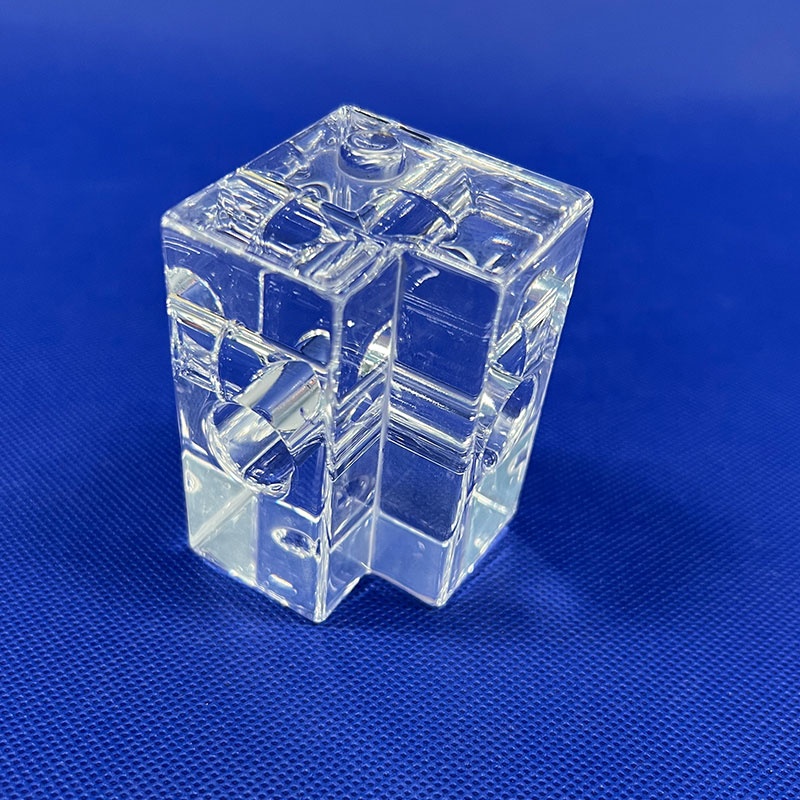
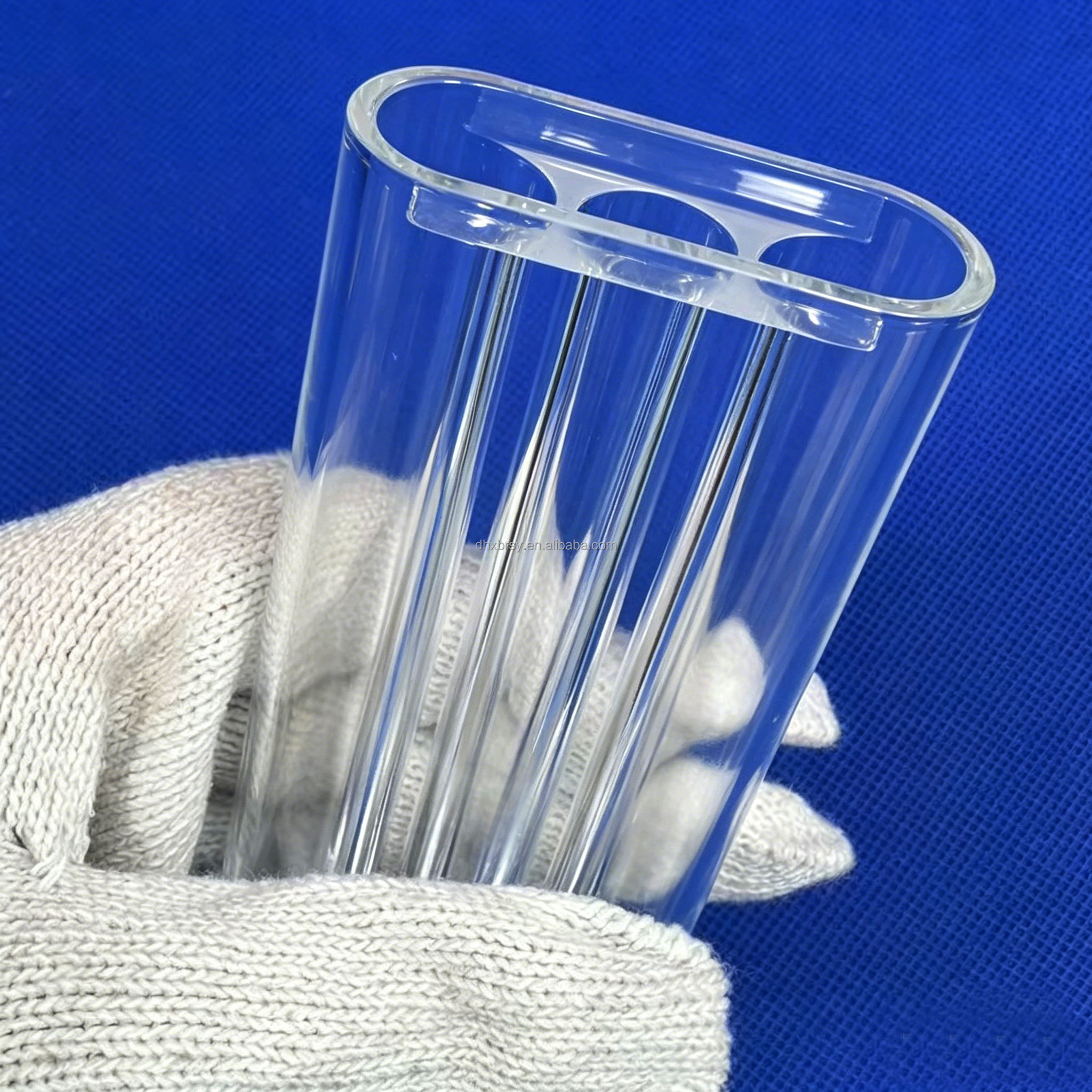
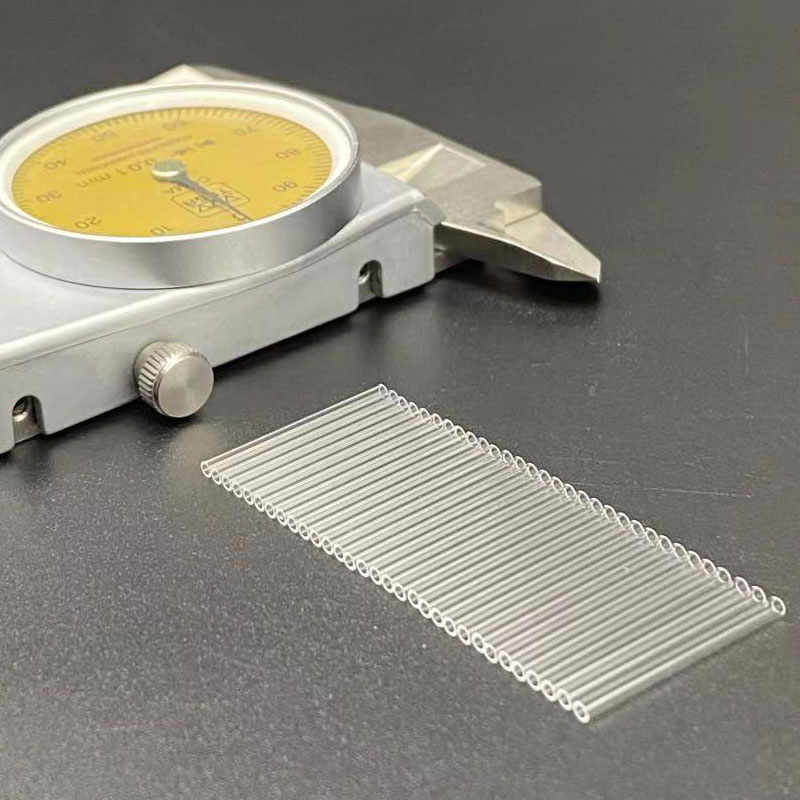
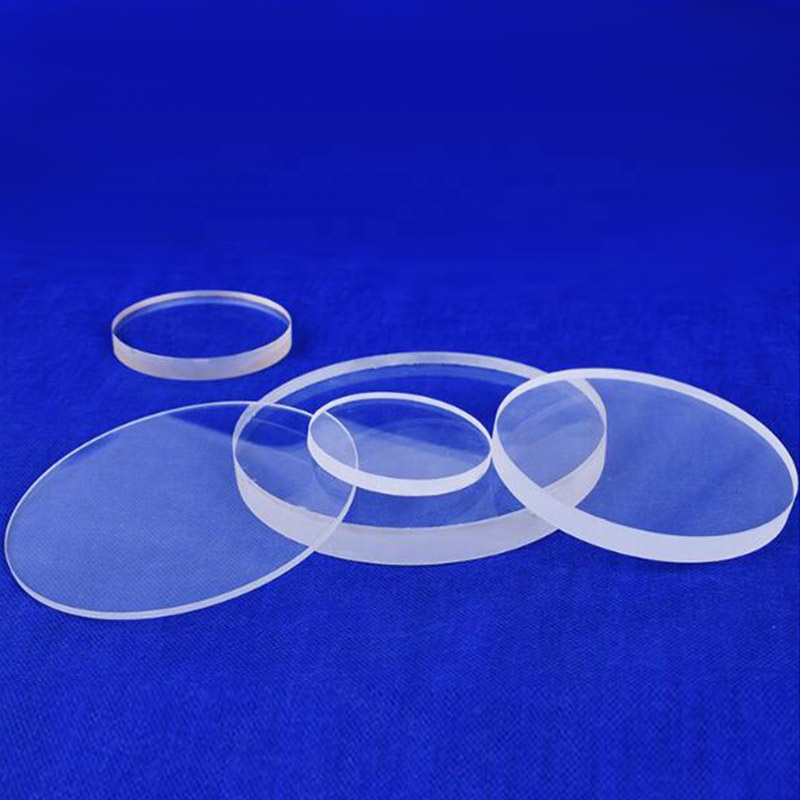
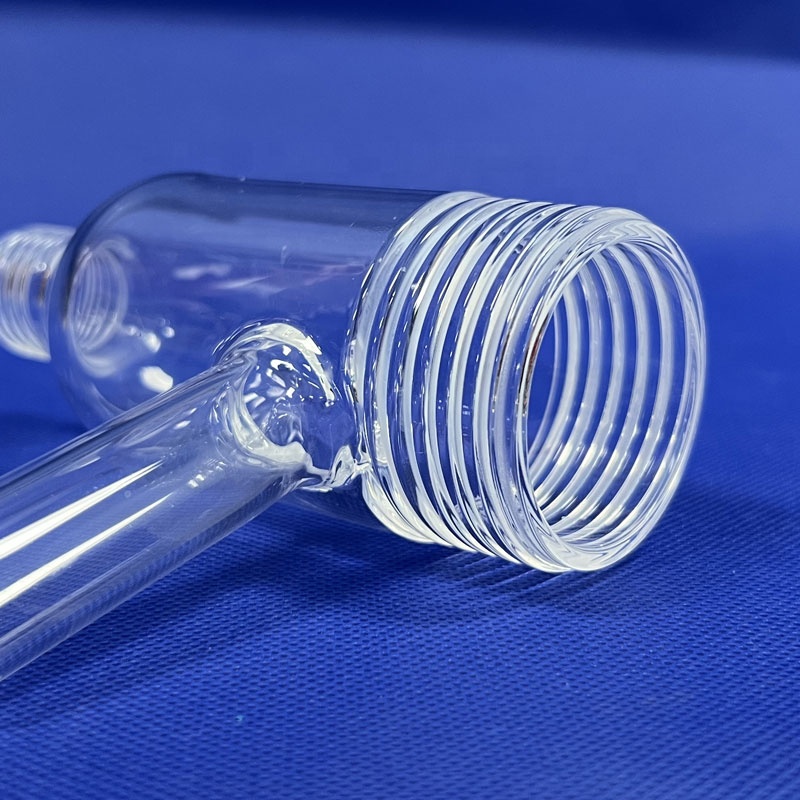
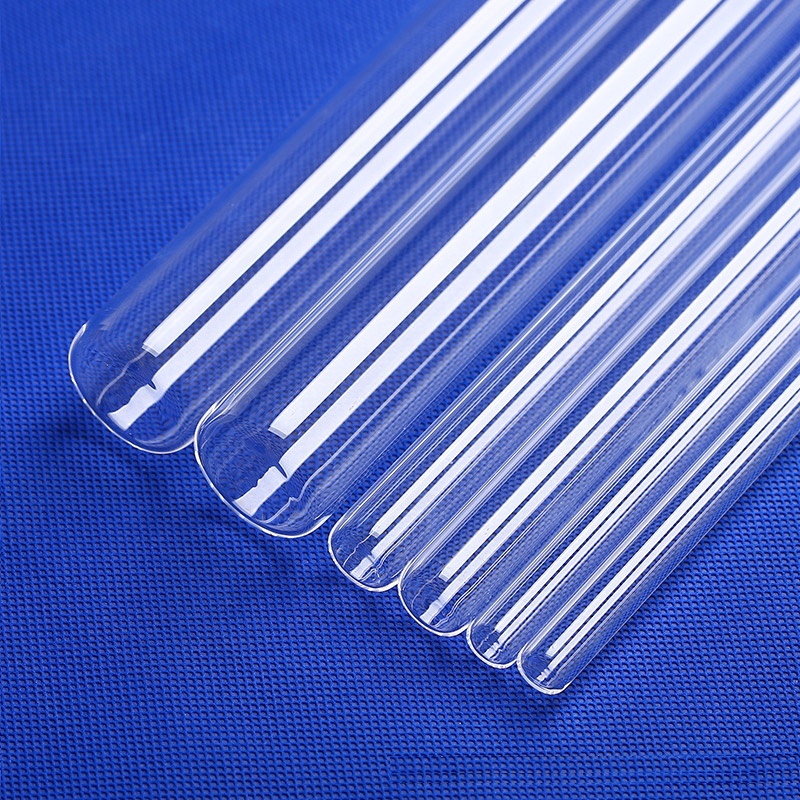
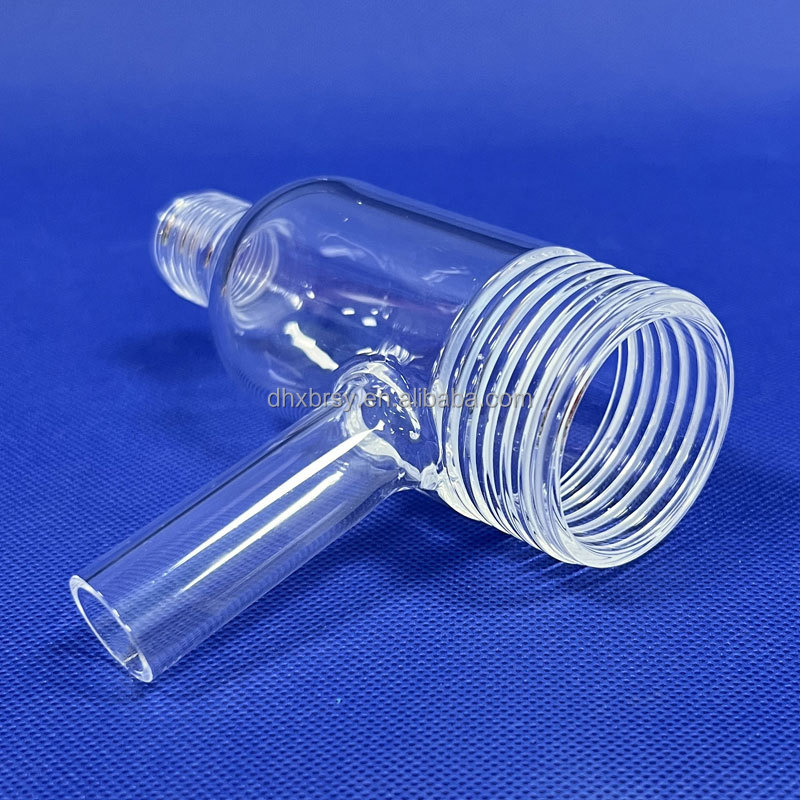
Chemical Vapor Deposition (CVD), including Low-Pressure CVD (LPCVD), Plasma-Enhanced CVD (PECVD), and Metal-Organic CVD (MOCVD), creates some of the most aggressive physical and chemical environments in modern advanced manufacturing. Semiconductor CVD quartz cylinders must simultaneously resist extreme continuous operating temperatures exceeding 1100°C, thermal cycles that cause rapid localized expansion, and unrelenting corrosive attacks from precursor hydrides, chlorides, and fluorine-based chamber clean chemistries (such as NF₃, CF₄, and anhydrous HCl).
Our fused quartz cylinders are formed using electric fusion and high-temperature gas-phase synthetic drawing methods. By refining silica sands through strict secondary pulverization, re-screening, and exhaustive multi-stage acid leaching, we systematically depress trace metallic ions—most notably Sodium (Na < 0.5 ppm), Potassium (K < 0.5 ppm), Lithium (Li < 0.2 ppm), and Iron (Fe < 0.2 ppm). The reduction of alkali metals directly mitigates catastrophic high-temperature devitrification, which otherwise precipitates micro-crystallization into cristobalite, structural degradation, and premature mechanical collapse of the cylinder in high-vacuum diffusion processes.
| Thermal & Mechanical Property | Typical Laboratory Value | Semiconductor Process Impact |
|---|---|---|
| SiO₂ Purity Grade | ≥ 99.99% (Trace Fe < 0.2 ppm, Na < 0.5 ppm) | Prevents ionic drift, gate oxide contamination, and wafer yield loss. |
| Coefficient of Thermal Expansion (CTE) | 5.5 × 10⁻⁷ / °C (20°C to 320°C) | Virtually zero thermal fatigue during rapid thermal ramp up/down cycles. |
| Continuous Service Temperature | 1100°C to 1150°C | Maintains rigid geometry during long-soak LPCVD polysilicon and oxide deposition. |
| Peak (Short-Term) Temperature | 1300°C to 1400°C | Protects system integrity in short-pulse high-temperature rapid annealing. |
| Hydroxyl (OH⁻) Radical Content | Controlled < 5 ppm (Electric) / < 30 ppm (Flame) | Eliminates structural sagging, viscosity drift, and bubble evolution under vacuum. |
| Dimensional Ovality & Concentricity | Wall variation < 4%, Ovality < 0.5% OD | Ensures airtight mating with stainless steel vacuum flanges and O-ring collars. |
The Baltimore metropolitan area, strategically anchored between Northern Maryland's defense manufacturing centers and the Capital Technology Corridor along I-95 and I-270, forms a nexus for world-class cleanrooms, photonics labs, and emerging wide-bandgap (GaN, SiC) fabrication facilities. Our high-purity CVD quartz cylinders, process tubes, and reaction chambers are specifically engineered to integrate directly into the production and prototyping platforms supporting these regional sectors:
Baltimore’s world-class university nanocenters, medical physics facilities, and defense research hubs require custom-blown, low-OH quartz tubes and observation cylinders for experimental 2D materials, graphene synthesis, and diamond CVD thin-film growth requiring ultra-high vacuum holding.
Commercial power electronics, RF semiconductor fabrication, and radar component manufacturers situated across Maryland utilize our heavy-wall quartz cylinders for MOCVD epitaxy of Gallium Nitride (GaN) and Silicon Carbide (SiC) under corrosive organometallic and ammonia gas streams.
High-temperature vacuum metallurgy, aerospace ceramic-matrix composites (CMC), and specialty optical coatings developed around the Port of Baltimore require custom double-flanged quartz reaction chambers capable of continuous operation up to 1100°C without mechanical sagging or gas micro-leakage.
Driven by the federal CHIPS and Science Act and federal investments in regional microelectronics commons, the Mid-Atlantic corridor is undergoing unprecedented expansion in domestic semiconductor capability. This momentum has created sharp shifts in how procurement directors and equipment engineers in Baltimore evaluate suppliers of consumable fused silica components:
1. Strict Vendor-Consolidation and Full Purity Traceability: Modern fabs can no longer tolerate secondary vendors who lack visibility into upstream raw material refining. Our integrated manufacturing process—from crushing and chemical leaching of natural silica quartz in Lianyungang through final CNC lathe turning—ensures that every cylinder is delivered with rigorous optical polarization stress documentation, dimensional measurement logs, and metallic concentration certifications.
2. Rapid Prototyping Coupled with Scalable Production: Cleanroom research and startup pilot fabs in Baltimore frequently encounter months-long lead times from traditional domestic distributors when modifying chamber geometry. We offer rapid low-MOQ prototyping (from 1 to 5 pieces) built straight from technical CAD, DWG, or STEP drawings, transitioning smoothly into recurring bulk scheduled shipments via sea, air, and multimodal logistics directly into Baltimore ports.
3. Resilience Against High Thermal & Plasma Stress: With increasing implementation of radical-rich remote plasma CVD systems and high-density inductively coupled plasma (ICP) etching, consumable quartz cylinders face heightened erosion rates. Our computer-controlled annealing cycles permanently eliminate internal mechanical stress gradients, reducing the incidence of catastrophic mechanical fracturing during thermal cycling by more than 40% compared to non-annealed commercial tubing.
Lovri Quartz Products Co., Ltd. is based in Lianyungang, Jiangsu—the premier epicenter of China’s high-purity quartz processing infrastructure. Our SGS-verified, 14,271 m² production facility unifies the complete glassworking value chain under one quality control system, giving international buyers unmatched cost-performance advantages, rapid engineering feedback, and strict batch-to-batch repeatability.
We do not rely on uncertain external preforms. From raw mineral cutting, pulverizing, screening, and deep acid pickling to tube drawing, high-temperature end sealing, vacuum finishing, and clean packaging, every production phase is executed in our own workshops.
Residual stress remains the number one hidden killer of vacuum furnace cylinders. Every batch that emerges from our annealing furnaces is individually evaluated under polarized light strain meters to guarantee near-zero optical birefringence and total thermal shock resilience.
We execute intricate custom specifications: dual vacuum sealing flanges, multi-port gas injector nozzles, precision-ground O-ring grooves, laser-slotted wafer boat guides, and high-tolerance threading, maintaining tight tolerances within ±0.05 mm.
Our operations have undergone independent onsite inspection and verification by SGS Group. Every shipped cylinder is fully certified RoHS compliant, with CE documentation available for integrated quartz electrical components and heating sleeves.
Fragile quartz equipment intended for international delivery is individually vacuum-shrinked, suspended in dense multi-layer EPE foam moldings, and secured inside custom shock-isolated plywood crates to withstand sea shipping to the Port of Baltimore or express air transport.
Straight answers regarding technical grades, customs clearance, shipping lead times, and fabrication parameters.
Upload your drawing files, request a comprehensive purity assay report, or speak directly with our fused silica engineering team. We deliver custom quotations and manufacturability feedback within 24 hours.
Send an Inquiry