TUBE / CYLINDER
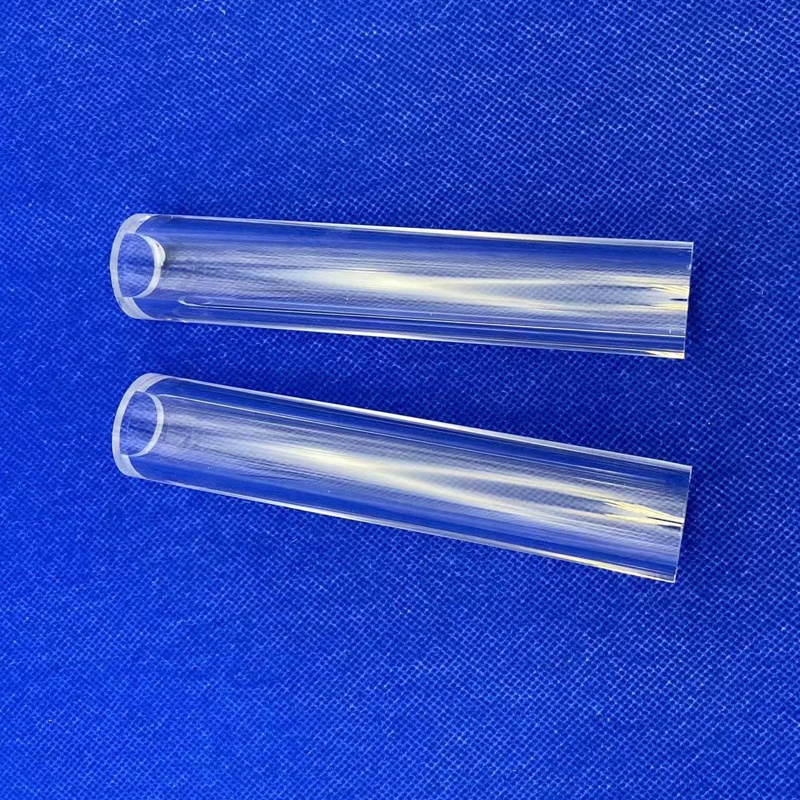
Direct OEM & ODM production conforming to sub-micron particle tolerances, extreme thermal shock resistance up to 1300°C, and traceable 99.99% SiO₂ matrix consistency.
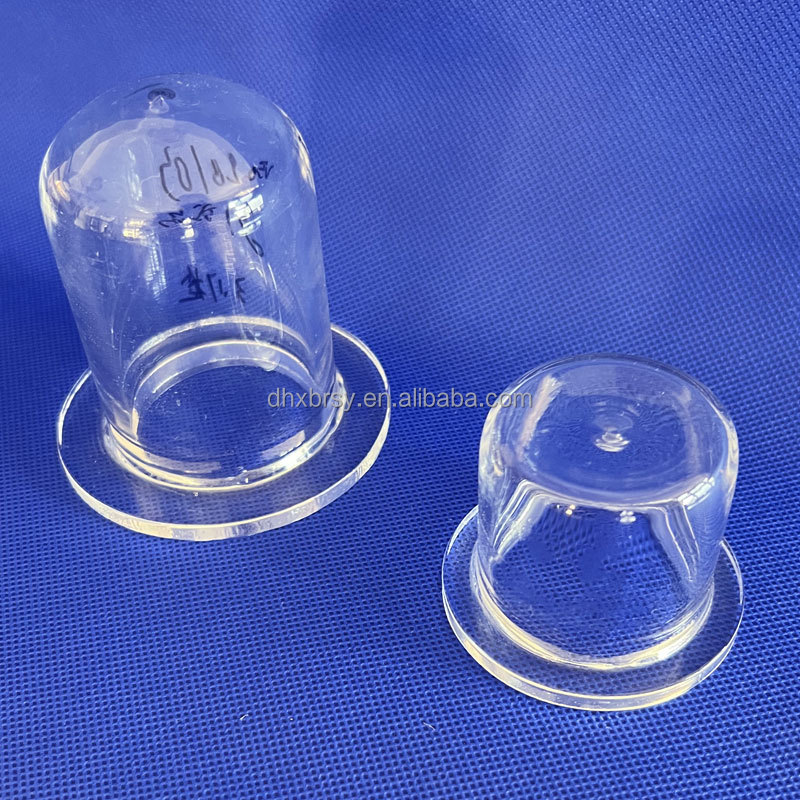
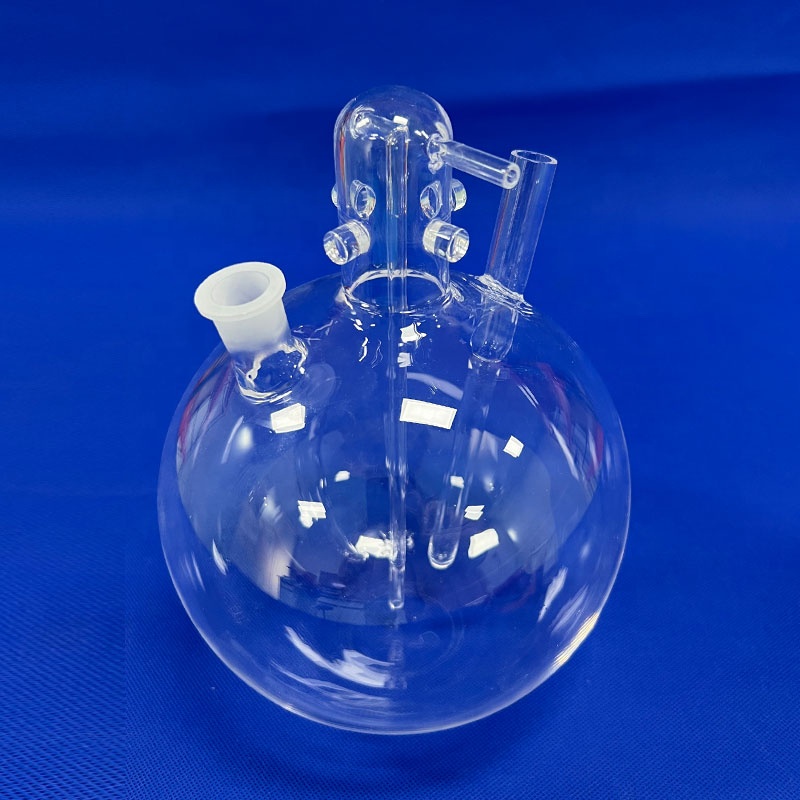
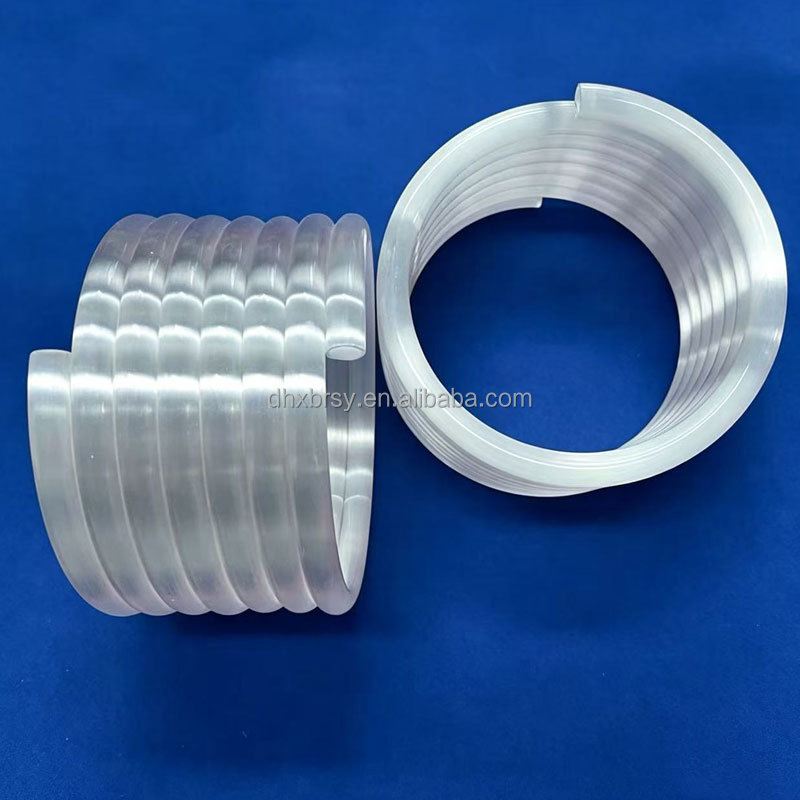
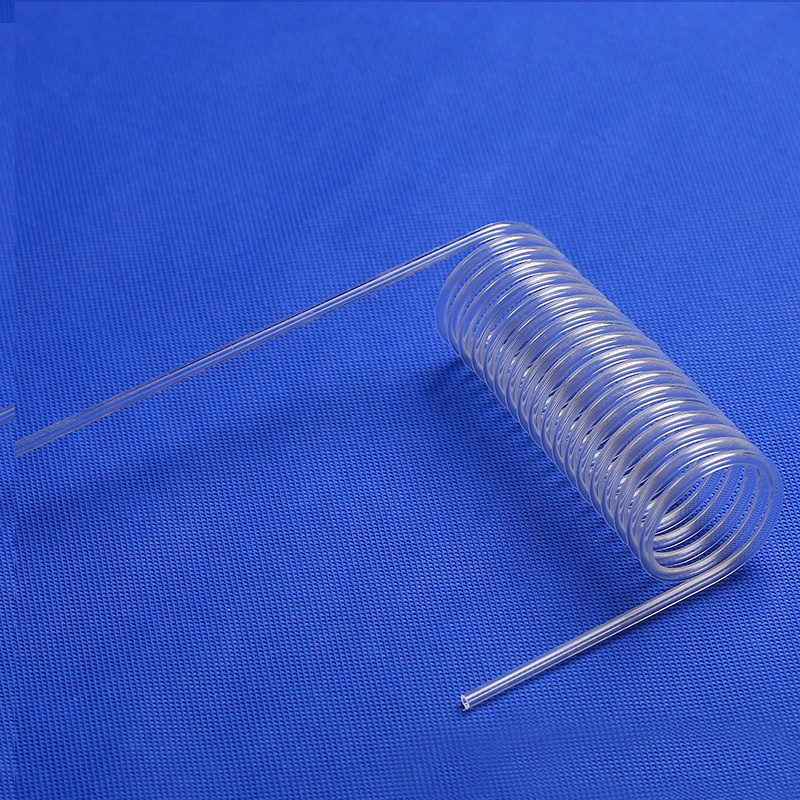
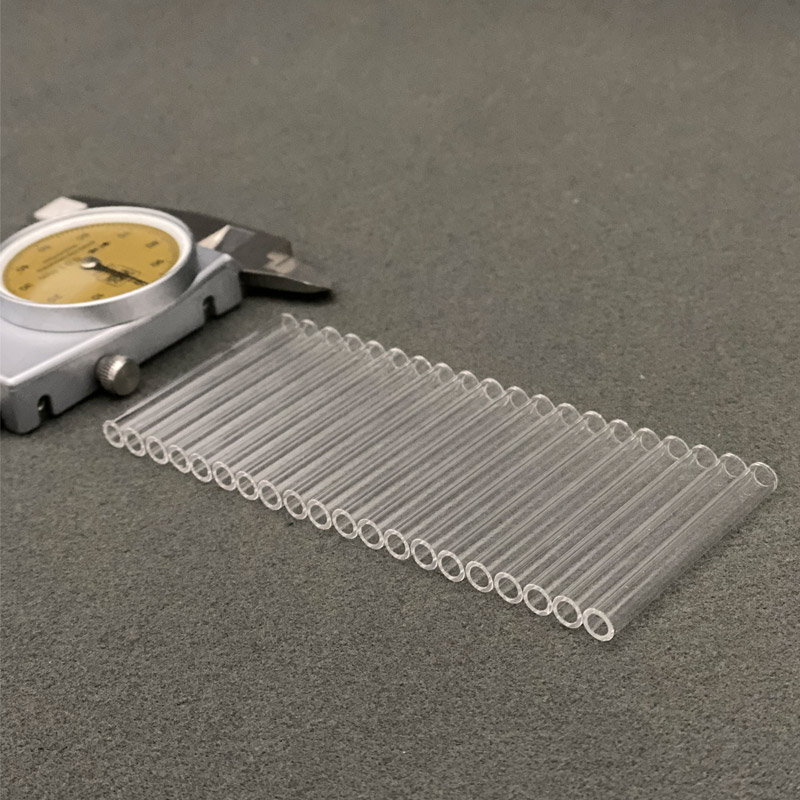
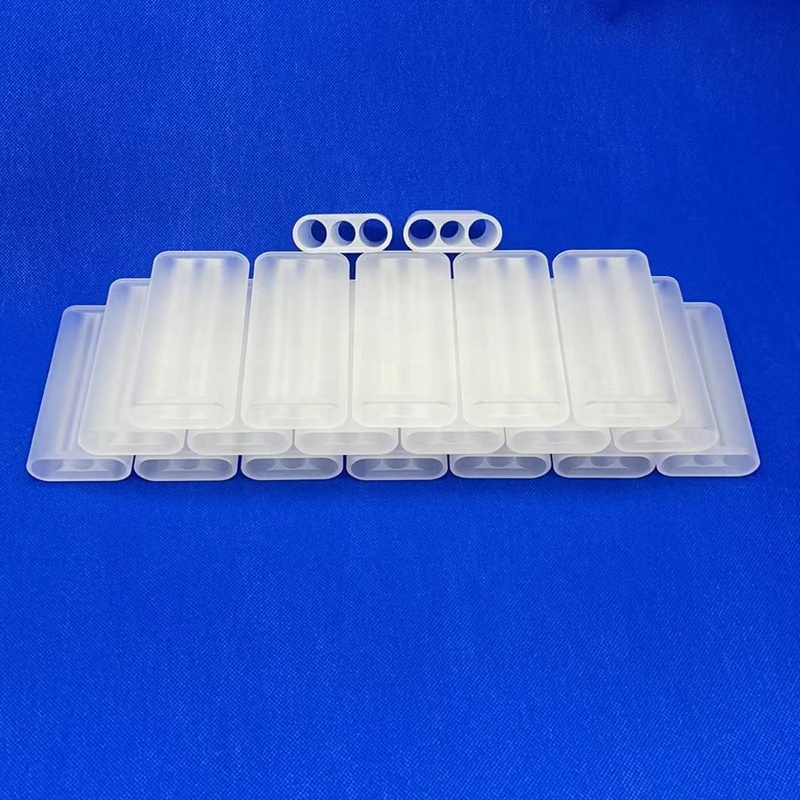
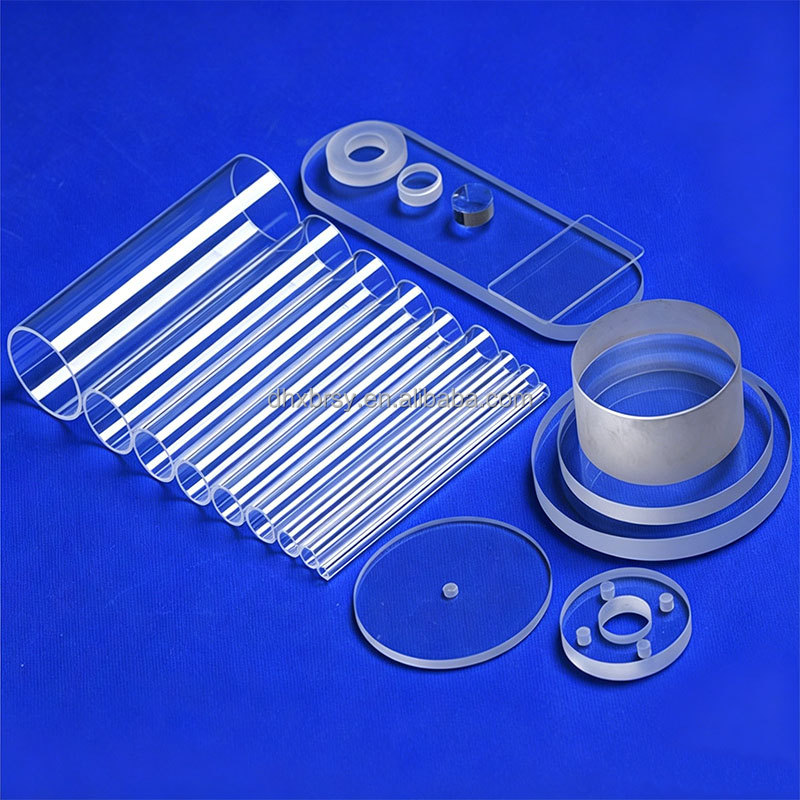
In high-temperature Chemical Vapor Deposition (CVD), Plasma-Enhanced CVD (PECVD), and Atomic Layer Deposition (ALD), the quartz process chamber is not merely a passive containment tube; it is an active thermodynamic and chemical boundary. For advanced manufacturing facilities and technical contractors based in Mosta and across the Mediterranean semiconductor corridor, balancing wafer contamination metrics against frequent thermal cycling downtime is a paramount challenge.
Trace transition metals—including iron (Fe), copper (Cu), nickel (Ni), and alkali ions like sodium (Na) and potassium (K)—possess severe interstitial diffusion coefficients in silicon at temperatures above 800°C. Even parts-per-billion (ppb) contamination can destabilize gate oxides, trigger dielectric breakdown, and ruin wafer yields. Our direct-source manufacturing protocol in Tuofeng Industrial Park enforces continuous hydrofluoric-nitric chemical washing and multi-stage electro-refining, ensuring total metallic impurity levels remain rigidly suppressed under 15 ppm overall, with critical alkali contaminants consistently under 1.2 ppm.
Standard fused silica exhibits an exceptionally low coefficient of thermal expansion (CTE ≈ 5.5 × 10⁻⁷ /°C from 20°C to 300°C), granting extraordinary resilience against localized temperature gradients. However, during repeated horizontal and vertical LPCVD processes exceeding 1,150°C, structural phase shifts to cristobalite nucleate around superficial micro-flaws, foreign dust, and internal mechanical stresses. Our semiconductor cylinders undergo automated polarization stress relief in high-temperature computer-monitored annealing lehrs, systematically releasing residual stresses below 2.5 MPa.
| Property Parameter | Lovri Semiconductor CVD Grade | Standard Commercial Grade | Significance in Fab Operation |
|---|---|---|---|
| SiO₂ Purity Ratio | ≥ 99.992% (High-Purity Natural/JGS1) | 99.90% - 99.95% | Eliminates gaseous back-diffusion of heavy metal elements. |
| Hydroxyl (OH⁻) Concentration | < 5 ppm (Vacuum Baked) / Low OH | 30 – 180 ppm | Prevents high-temp softening and structural warping under vacuum. |
| Softening Point (°C) | 1,730 °C | 1,630 °C | Guarantees dimensional longevity under continuous load up to 1,200°C. |
| Radial Runout & Wall Variation | Within ±0.08 mm (CNC Calibrated) | ±0.30 to ±0.50 mm | Ensures laminar gas flow velocity and uniform wafer deposition. |
| Surface Roughness (Ra) | Ra < 0.2 µm (Fire/Optical Polished) | Ra 0.8 – 1.6 µm | Minimizes CVD precursor particle shedding and deposition flakes. |
Precision manufacturing of large-diameter CVD cylinders (up to 450 mm inner diameter) demands extreme geometric uniformity. Wall thickness variations or subtle eccentricity disturb RF-plasma distribution and radiant heating profiles inside the furnace. Utilizing diamond-tooled multiaxis CNC grinding centers, our factory achieves wall uniformity within ±0.08 mm, reducing thermal gradient variance across the substrate plane and safeguarding run-to-run batch repeatability.
Connecting global high-spec fused quartz engineering to the precision manufacturing, microelectronics assembly, and medical photonics industries in Malta.
Mosta’s growing integration into European high-reliability automotive microelectronics and discrete device engineering demands dependable CVD liners, silicon wafer boats, and annealing quartz tubes. Our quartz apparatus provides non-reactive containment during GaN-on-Si and SiC epitaxy, resisting chlorinated etchant gases at elevated temperatures.
Malta's burgeoning biomedical technology operations rely on optical-grade quartz components for precision UV-laser ablation, sterilization systems, and spectroscopic flow cells. Our JGS1 fused silica windows maintain above 90% transmission at 254 nm, enabling consistent photon energy transfer without yellowing or solarization over extended runtimes.
Academic institutions and private cleanroom incubators surrounding Mosta require custom small-batch quartzware built directly from CAD drawings. Whether testing low-pressure chemical vapor deposition of dielectric layers or high-vacuum thermal evaporation, our flexible 1-piece prototype service delivers rapid verification cycles without prohibitive tooling charges.
Navigating geopolitical supply chain resilience, EU Chips Act incentives, and direct source manufacturer partnerships.
The broader European microelectronics ecosystem is undergoing a dramatic structural transformation guided by the European Chips Act and nearshoring initiatives. While large front-end wafer fabrication facilities command headlines, essential sub-tier clusters throughout Mediterranean technology nodes—including Mosta, Malta—are elevating their requirements for robust, cost-effective, and rapid-turnaround supply channels for critical consumable quartzware.
Historically, technical buyers in Malta faced marked supply chain friction: high markup through secondary pan-European distributors, extended transit delays for replacement parts, and rigid Minimum Order Quantities (MOQs). By establishing a direct manufacturer link with Lovri Quartz, Mosta engineering teams eliminate intermediary distributor tiers, ensuring drawing revisions directly reach the glass-working master lathe operators and CNC programmers.
Furthermore, quality assurance protocols among EU-based hardware facilities now mandate full RoHS compliance and verifiable chemical batch purity. Our facility conducts polarized light stress mapping and automated ultrasonic cleaning prior to export-grade hermetic packing, shielding precision components from maritime moisture and mechanical handling vibration across international air and sea logistics lanes.
Rather than maintaining massive capital-intensive spare part inventories in local warehouses, procurement leads in Mosta are adopting agile, on-demand OEM shipments direct from verified manufacturing bases in China with guaranteed dimensional repeatability.
European environmental regulations demand authenticated RoHS compliance and heavy-metal-free raw materials. Direct access to raw silica acid-pickling records guarantees complete traceability from mining ore to finished flanged cylinder.
Standard off-the-shelf catalog tubes increasingly fail to meet customized reactor chambers. Demand for specialized multi-bore flow channels, dual-wall cooling jackets, and threaded glass fittings continues to climb rapidly across local R&D centers.
Rooted in Lianyungang—the silicon capital of China—we unite end-to-end mineral processing with high-tolerance CNC fabrication.
Independently verified manufacturing plant with high-temperature glass-blowing lathes, continuous drawing towers, and cleanroom packaging zones inspected and certified on-site by SGS Group.
We do not purchase secondary glass blanks. We manage raw natural silica rock crushing, pulverizing, screening, and acid pickling in-house to secure true 99.99% SiO₂ matrix composition from step one.
Equipped with 4-axis and 5-axis ultrasonic CNC diamond machining tools for drilling micro-holes, helical slotting, O-ring groove grinding, and optical-grade dual-surface polishing.
Every furnace tube, CVD cylinder, and flanged assembly undergoes optical birefringence inspection post-annealing. Eliminating internal stress ensures long lifecycle durability under aggressive vacuum cycles.
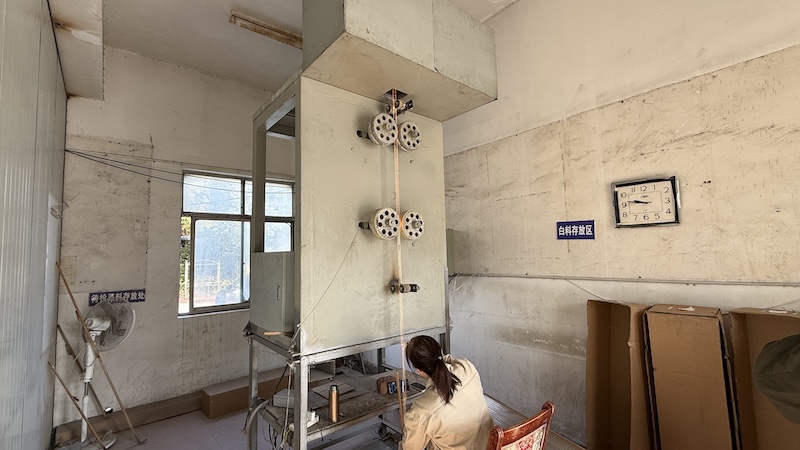
Precision outer diameter calibration through automated laser gauge feedback controllers.
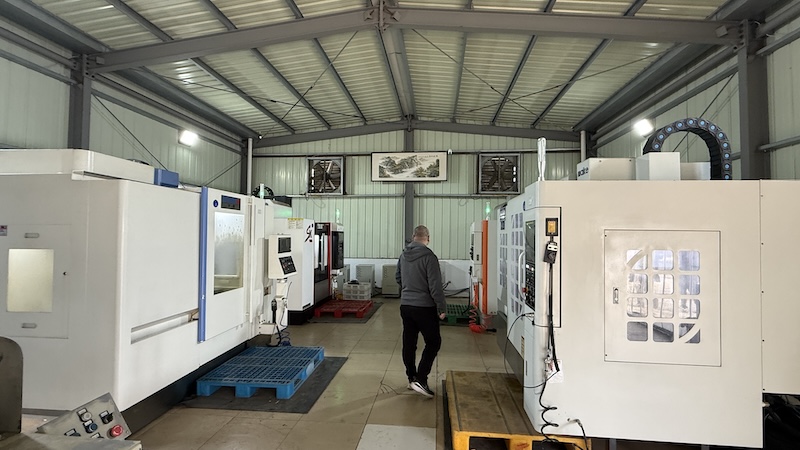
Custom counter-bores, slotted wafer combs, and bevel cuts executed with diamond-tipped tooling.
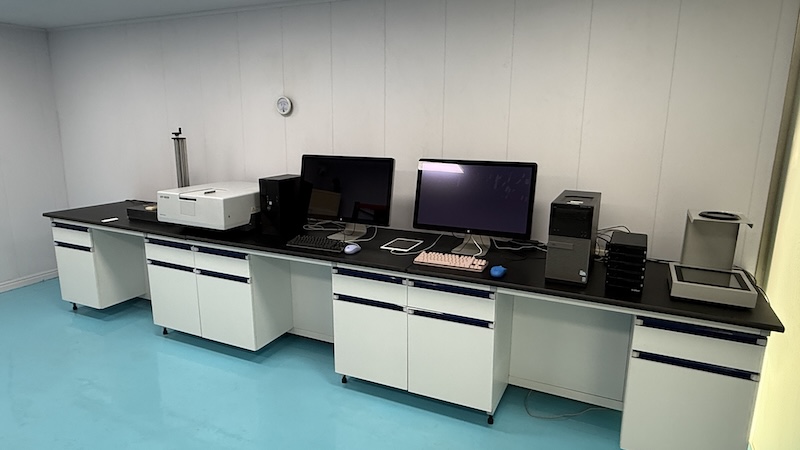
Spectrophotometer verification covering deep-UV (185nm) through mid-infrared bands per batch.
Addressing technical validation, logistical packaging, customs clearance, and prototype prototyping.
Send your custom technical drawings or process specifications. Our senior quartz engineering team will review tolerances, advise on material grades, and return an actionable quotation within 24 hours.
Get Catalog