Featured Fused Silica & High-Purity Quartz Parts
Engineered for cleanroom chemical vapor deposition, deep-UV transmission, and high-temperature furnace reliability across industrial plants in Košice and Prešov.
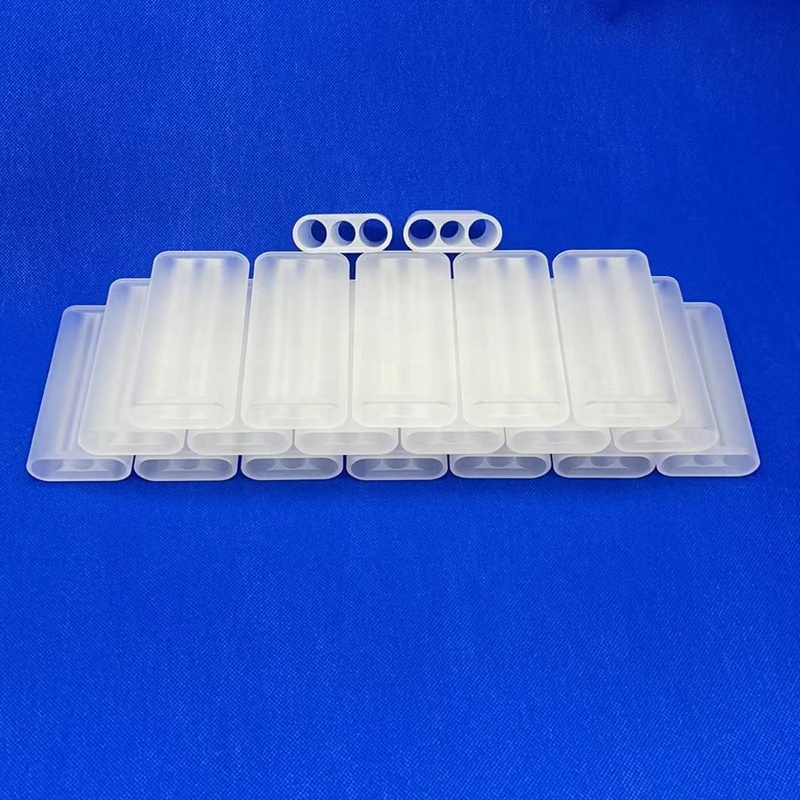
Quartz Triple Bore Flow Tubes Laser C Shape Fused Quartz Welding
- SiO₂ Purity: ≥ 99.98% / JGS2 Optical Grade
- Multi-bore precision boring & flame bending
- ROHS & CE Certified for laser cavities
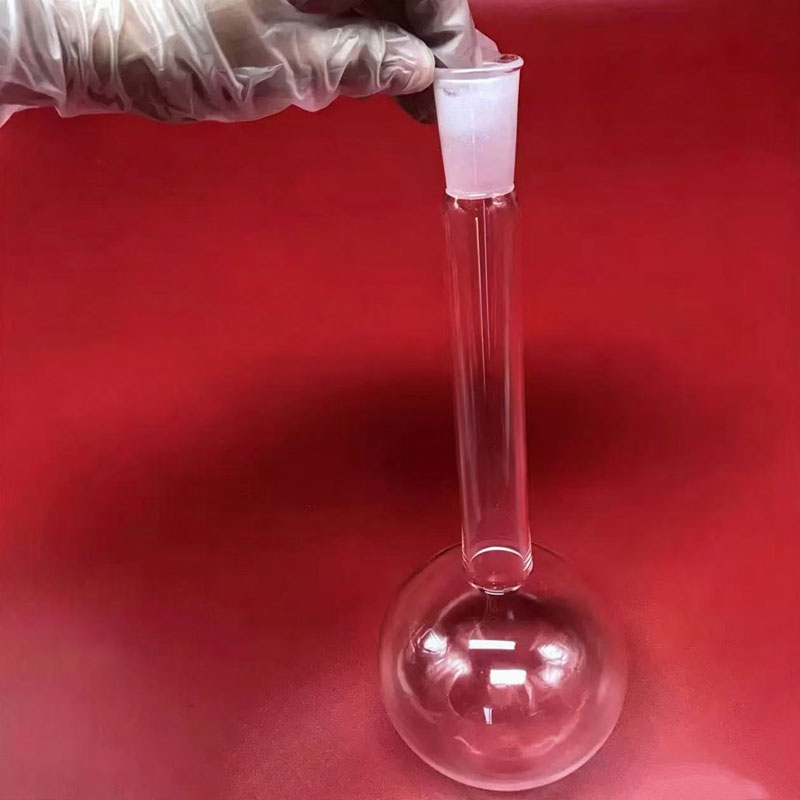
99.99% High-Purity SiO2 Quartz Glass Long-neck Flask 1200°C
- Continuous thermal tolerance up to 1100°C (1300°C peak)
- Exceptional acid corrosion resistance (HF exempted)
- Certified polarization stress relief
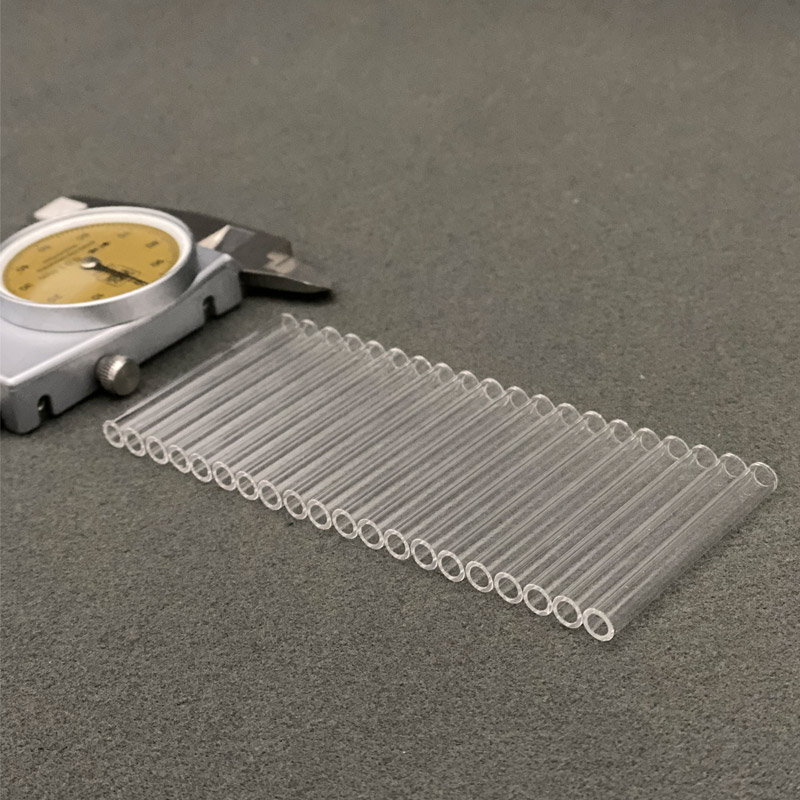
BAO RAN 419 Fused Quartz Capillary Tube for Laser Machinery
- High silica 99.99% (200 Mesh Annealed 1200°C)
- Inner diameter tolerance within ±0.01 mm
- High-dielectric breakdown strength for optoelectronics
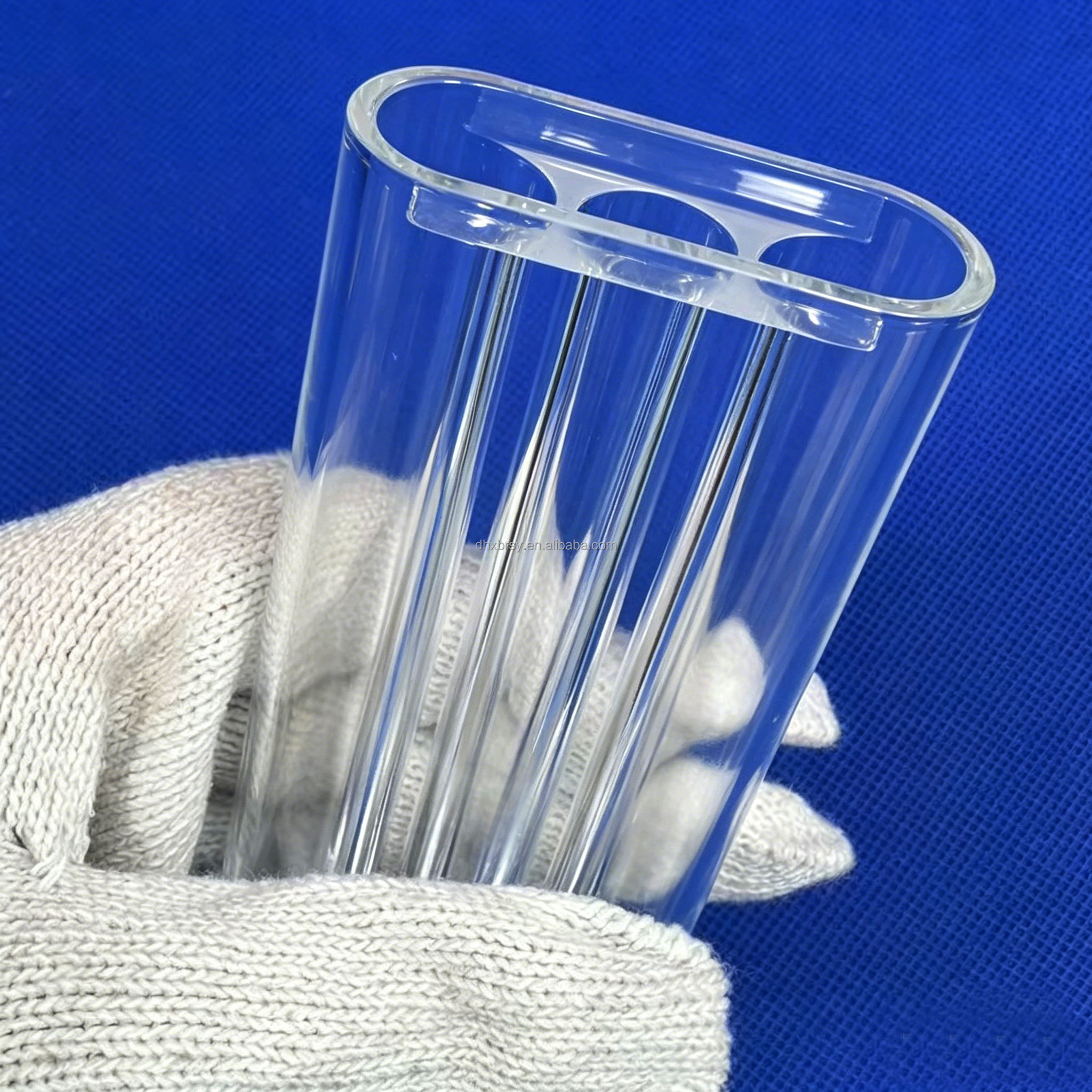
Factory Customized High Temperature Fused Silica Tube for Lab Furnace
- Heavy-wall vacuum integrity & customized flanging
- Zero devitrification under repeated thermal swings
- Semiconductor diffusion & sintering compliant
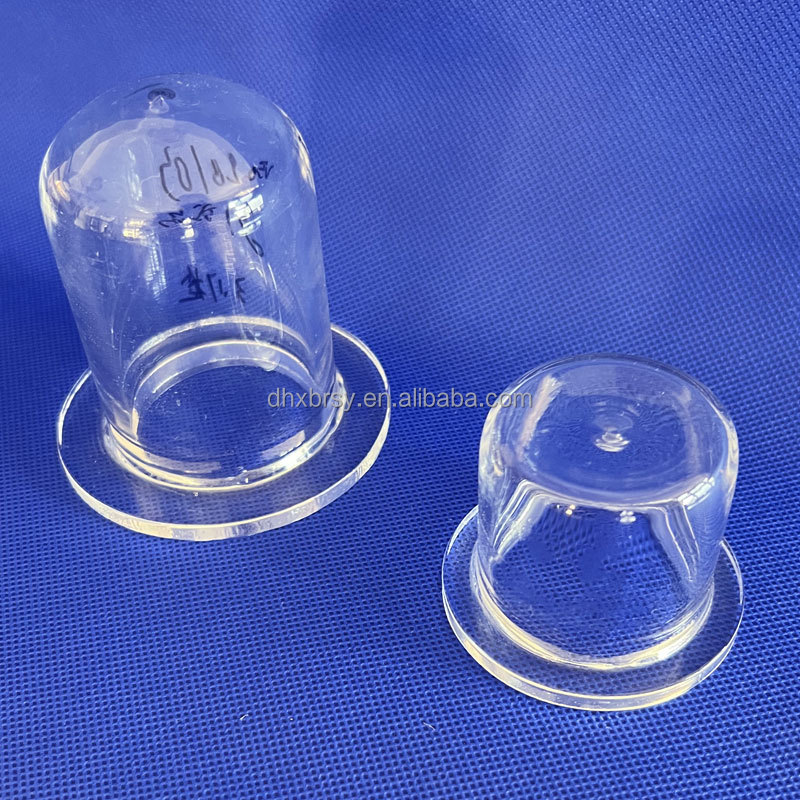
518 High Transmittance Fused Quartz for PV Cell Sintering Furnace
- Spectral transmittance > 92% across VIS-NIR spectrum
- Ultra-low bubble density (ISO class verification)
- Uniform thermal profile across large-bore configurations
BAO RAN 419 High Light Transmittance Double-Sided Polishing Sheet
- Surface roughness Ra < 0.5 nm with fire-polished rims
- 99.99% SiO₂ content for spectroscopy viewports
- Custom CNC perimeter contouring and beveling
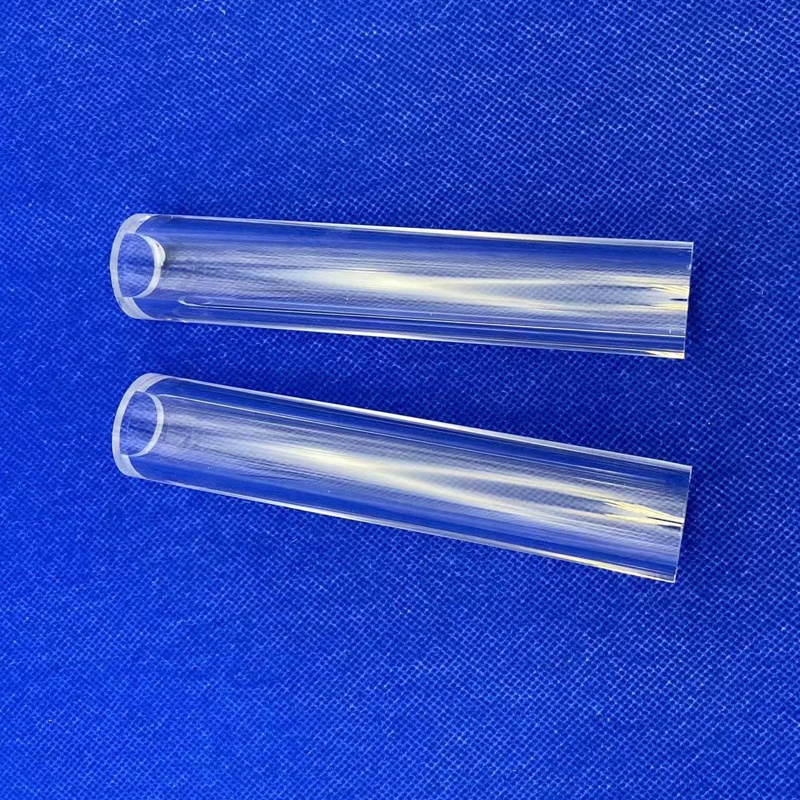
High Precision Clear Fused Silica Quartz Tube for Ozone & IR Heaters
- Low hydroxyl (OH) options for optimal IR transmission
- Precision concentricity for dielectric ozone discharge
- Custom tube cutting, flame finishing & sealing
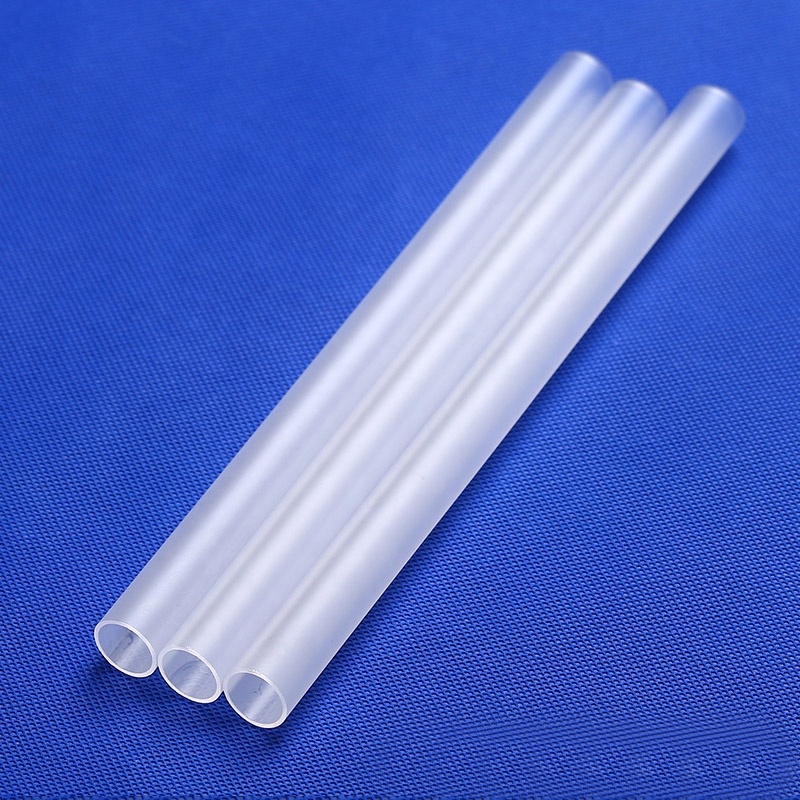
High Purity Translucent Polished Quartz Tube for UV Water Treatment
- Ozone-generating or ozone-free synthetic compositions
- High mechanical bursting strength under dynamic flow
- Fully compatible with European standard reactor mounts
Fused Quartz Demand Architecture in the Košice Industrial Basin
As Eastern Slovakia accelerates its technological pivot from traditional heavy metallurgy to low-emission electric arc steel production, advanced automotive sensor manufacturing, and university-backed materials science, custom fused quartz components have transitioned from secondary consumables to mission-critical engineering assets.
Metallurgical Decarbonization & Sensors
Košice is world-renowned for its metallurgy, anchored by the massive U. S. Steel Košice complex and its transition toward hydrogen-based DRI and electric arc smelting. This shift imposes unprecedented thermal stresses on process monitoring viewports, pyrometric light guides, and sample combustion combustion tubes.
Standard borosilicate fails rapidly under temperature spikes exceeding 500°C. High-purity transparent fused quartz tubes and heavy-wall sight glasses deliver continuous operation at 1100°C without devitrification, remaining resilient against slag splashing, acidic flue gas condensation, and harsh thermal shock.
Automotive E-Mobility & Laser Optics
The Eastern Slovakian industrial axis (including the expanding automotive industrial clusters around Valaliky Industrial Park and Cassovia New Industry Park) relies heavily on robotic fiber laser welding and automated optical inspection systems.
Laser cavities utilize our triple-bore quartz flow tubes and JGS1 precision windows for debris shields and beam delivery optics. Synthetic quartz eliminates internal striae and thermal lensing, guaranteeing beam pointing stability during critical battery cell joining and inverter copper busbar micro-welding.
Academic R&D & High-Tech Materials
The Technical University of Košice (TUKE) and institutes of the Slovak Academy of Sciences drive regional research in semiconductor thin-film synthesis, vacuum plasma physics, and nanomaterials. Laboratory tube furnaces require strict quartz purity to avoid contamination.
When operating under high vacuum at 1000°C, trace metals like sodium, potassium, or iron in lower-grade quartz can outgas and contaminate wafer substrates. Our 99.99% SiO₂ acid-pickled stock provides near-zero alkali migration, safeguarding experimental integrity across Slovak research clusters.
Top 10 Selection Criteria for Custom Quartz Exporters Supplying Košice
International supply chain managers in Eastern Slovakia cannot afford cracked furnace sleeves or customs clearance bottlenecks. Here is the rigorous engineering evaluation framework applied by top European industrial buyers.
1. Raw Silica Provenance
A top quartz manufacturer must control the upstream refining process. Lovri operates in Lianyungang, China's premier silica hub, carrying out dedicated acid pickling and rescreening to ensure batch-consistent raw SiO₂ exceeding 99.99% purity.
2. In-House CNC Capabilities
Complex geometries—including spiral groove heating jackets, slotted wafer carriers, and dovetail flanges—require specialized diamond-tooled CNC grinding centers capable of achieving dimensional repeatability to ±0.01 mm without subsurface micro-cracks.
3. Stress-Relief Annealing
Welded and flame-bent quartz components develop extreme internal structural stresses. The factory must utilize computer-controlled annealing lehrs operating up to 1215°C, verified with digital polarimeters before parts leave the facility.
4. SGS Onsite Verification
Distinguish genuine manufacturers from export brokers. Verification requires onsite auditing by international third parties such as SGS Group, validating factory floorspace (14,271 m²), worker safety, machinery assets, and operational compliance.
5. Optical Grade Specialization
Suppliers must clearly differentiate synthetic JGS1 (deep UV cutoff below 185 nm), flame-fused JGS2 (general optical transmission 220–2500 nm), and electrically fused JGS3 (infrared transparency up to 3500 nm) to avoid optical performance shortfalls.
6. Slovakian Logistics & Packaging
Fragile quartz tubes must survive multi-modal freight to Košice via air freight into KSC or sea freight via Hamburg/Koper followed by rail/truck. Requires multi-layer polyethylene suspension foam and export-grade reinforced wooden crates.
7. Surface Roughness Control
Optoelectronic and biological microplates require precise chemical-mechanical polishing (CMP). Verified exporters must document surface finishes down to Ra < 0.5 nm with scratch-dig specifications matching military MIL-PRF-13830B standards.
8. Full EU Regulatory Alignment
Seamless entry into the Slovak Republic requires total adherence to EU RoHS Directive 2011/65/EU and EU REACH (EC 1907/2006). All custom quartz components must be free of restricted hazardous substances and heavy metal residues.
9. Rapid Engineering Prototyping
Slovak technical centers require agile R&D turnaround. Lovri accepts native STEP, DWG, and PDF blueprints with low minimum order quantities (MOQ from 1 piece for prototypes), delivering initial samples in as few as 7 business days.
10. Traceable Thermal Devitrification Warranty
True factory exporters back their fused quartz with chemical composition certificates. By guaranteeing impurity levels of Al < 15 ppm, Fe < 1 ppm, and total heavy metals < 25 ppm, our quartz resists cristobalite nucleation and thermal fogging under cyclic 1100°C furnace runs in Košice operations.
Fused Silica vs. Traditional Glasses: Physical Benchmark
When specifying material selections for Slovak industrial equipment, selecting the correct optical and thermal grade prevents catastrophic chamber failure. Review the standardized performance metrics below.
| Property Parameter | Lovri Fused Quartz (JGS2) | Synthetic Silica (JGS1) | Borosilicate 3.3 Glass | Soda-Lime Glass |
|---|---|---|---|---|
| SiO₂ Purity Level | ≥ 99.99% | ≥ 99.999% | ≈ 81% (with B₂O₃, Na₂O) | ≈ 72% |
| Continuous Work Temp | 1,100 °C | 1,150 °C | 450 °C | 120 °C |
| Maximum Short-Term Temp | 1,300 °C | 1,350 °C | 500 °C | 150 °C |
| Softening Point | ≈ 1,730 °C | ≈ 1,730 °C | 820 °C | 720 °C |
| Thermal Expansion (20-300°C) | 5.5 × 10⁻⁷ K⁻¹ | 5.2 × 10⁻⁷ K⁻¹ | 33 × 10⁻⁷ K⁻¹ | 90 × 10⁻⁷ K⁻¹ |
| Thermal Shock Tolerance | Quench 1100°C to 20°C H₂O | Quench 1150°C to 20°C H₂O | ΔT ≈ 150 °C | ΔT ≈ 50 °C |
| Spectral Transparency Band | 220 nm – 2,500 nm | 185 nm – 2,500 nm | 320 nm – 2,200 nm | 380 nm – 2,000 nm |
| Dielectric Strength (20°C) | 25–40 kV/mm | 35–45 kV/mm | 10–15 kV/mm | 8–10 kV/mm |
Lovri Quartz Products Co., Ltd.
Headquartered in the Tuofeng Industrial Park in Lianyungang, Lovri is an SGS onsite-verified custom fused quartz manufacturer. Unlike regional distributors or general glass traders, we control the entire processing cycle under one roof.
From raw natural quartz cutting, crushing, and acid chemical pickling to automated furnace tube drawing, our 14,271 square meter facility eliminates intermediate supplier markups and ensures strict dimensional and material traceability across international shipments.
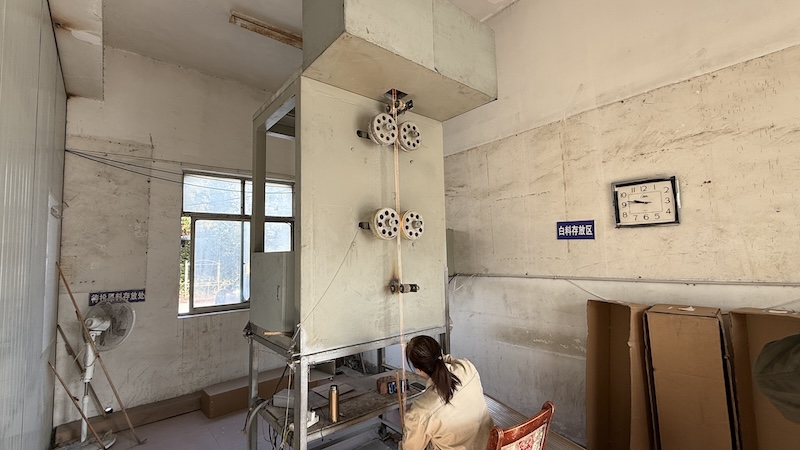
Flame Fusion & Sealing
Expert flame glassblowers execute manual and lathe-assisted quartz welding, creating flared flanges, triple-bore laser manifolds, spherical long-neck flasks, and threaded end-caps with microscopic weld-seam integrity.
High-Precision CNC Milling
Our 4-axis and 5-axis ultrasonic CNC milling centers carve high-transmittance 96-well quartz microplates, semiconductor wafer boats, slotted flow channels, and optical prisms with tight tolerances down to ±0.005 mm.
Polarization Stress Testing
Every structural component passes through our optical polarization stress inspection tables after leaving our computerized annealing furnaces, eliminating residual internal stresses that cause spontaneous fracturing.
Purchasing Custom Quartz Parts in the Košice Market
Direct technical answers addressing logistics timelines, import compliance, customs procedures, and engineering tolerances for industrial procurement teams in Slovakia.