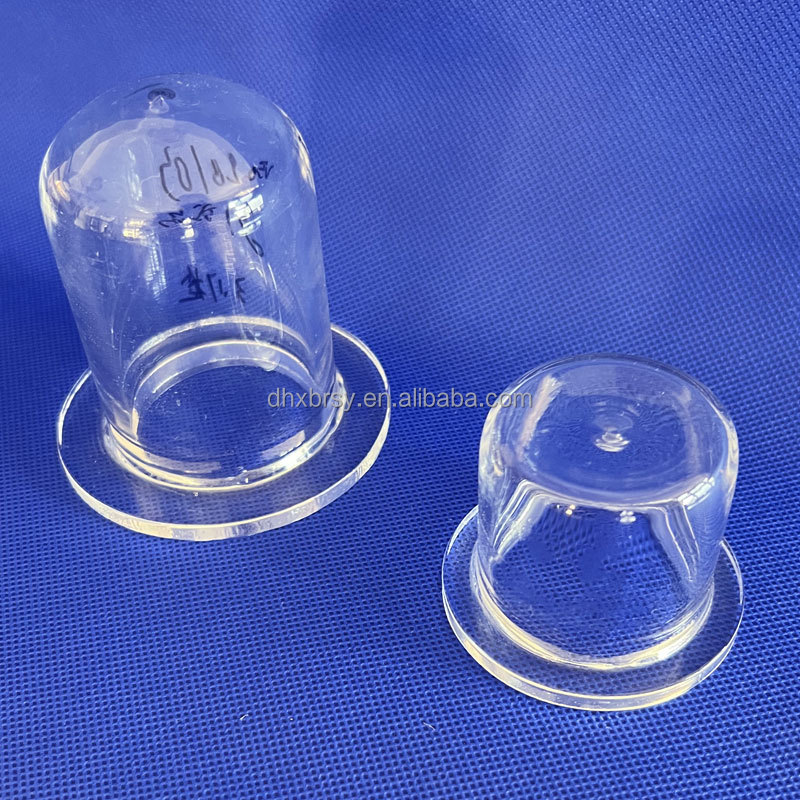
High Transmittance Fused Quartz Tube
99.99% SiO₂ content, RoHS certified, designed for photovoltaic cell sintering furnaces and continuous heating channels.
View Specifications →From opaque spiral thermal generators to multi-bore precision capillary systems, each item delivers certified resistance against extreme thermal deformation, reactive acid atmospheres, and high-frequency cyclical shock.
99.99% SiO₂ content, RoHS certified, designed for photovoltaic cell sintering furnaces and continuous heating channels.
View Specifications →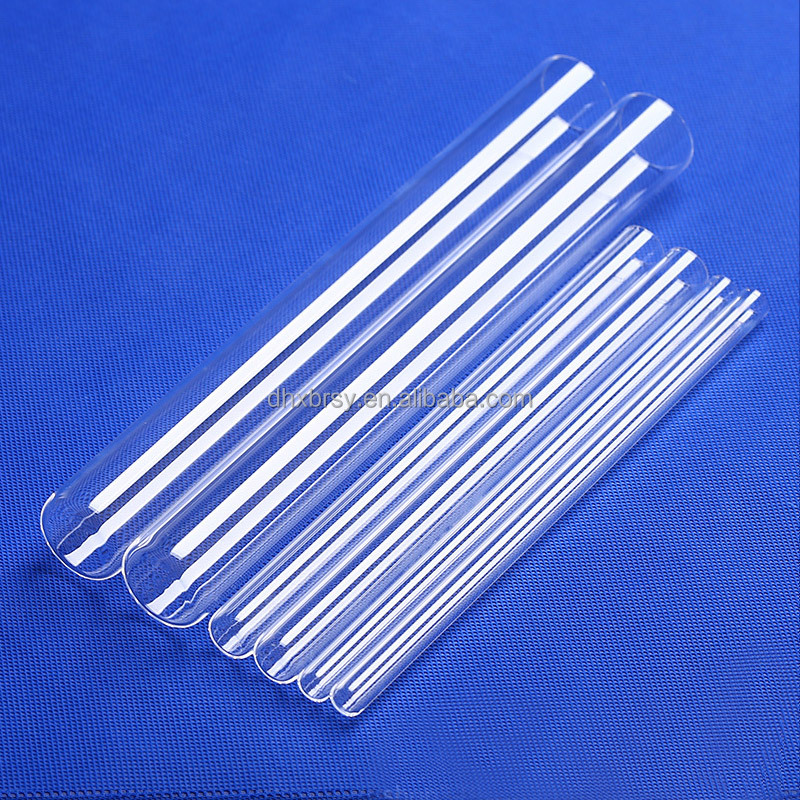
Tested up to 1400°C. Translucent, pressure-resistant polished fused quartz engineered for laser machinery and thermowells.
View Specifications →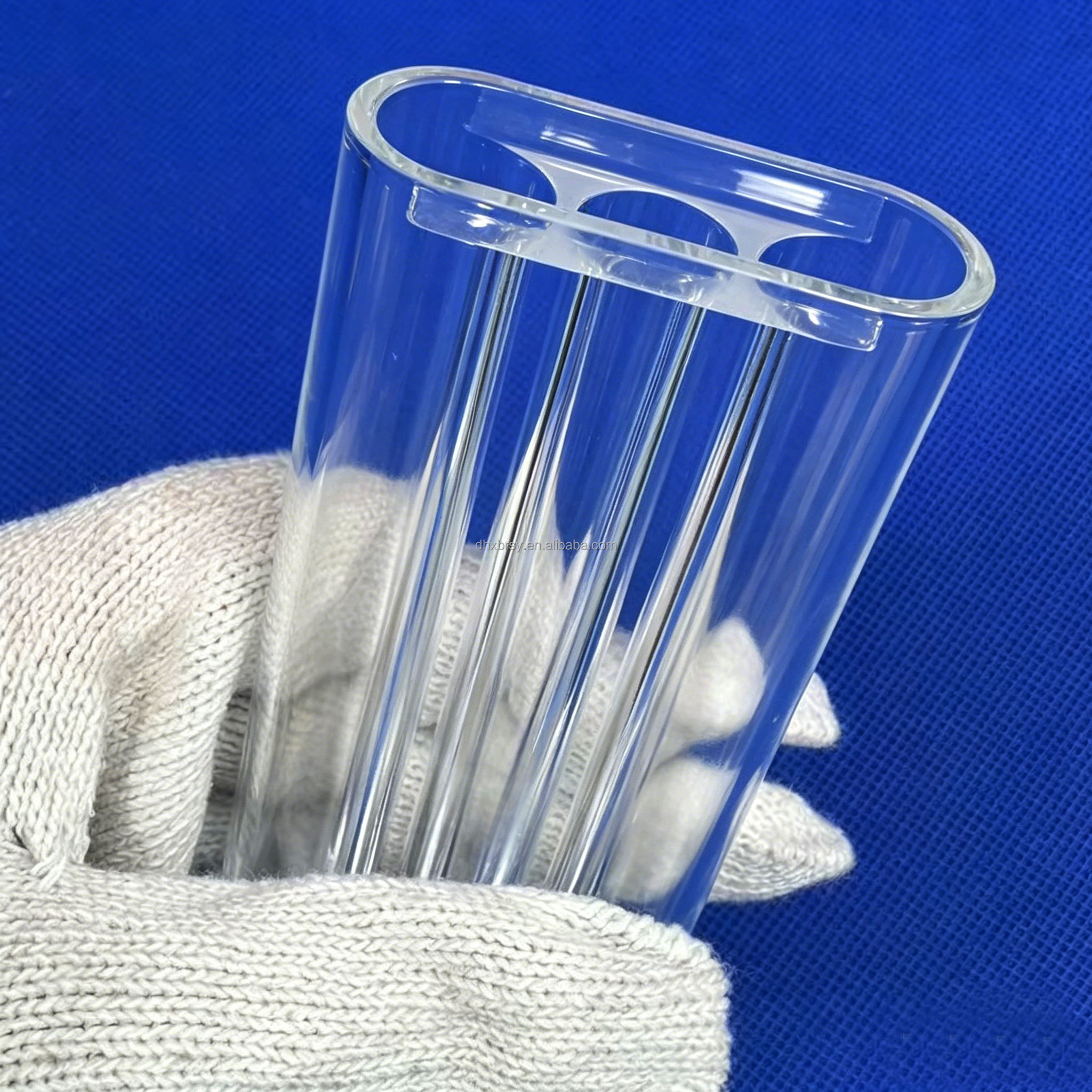
Factory-customized dimensions for high-temperature lab vacuum furnaces, inert metallurgy, and semiconductor diffusion lines.
View Specifications →
Double-sided optical polishing with white ground rim. 99.99% SiO₂ content with superior spectrum transmission.
View Specifications →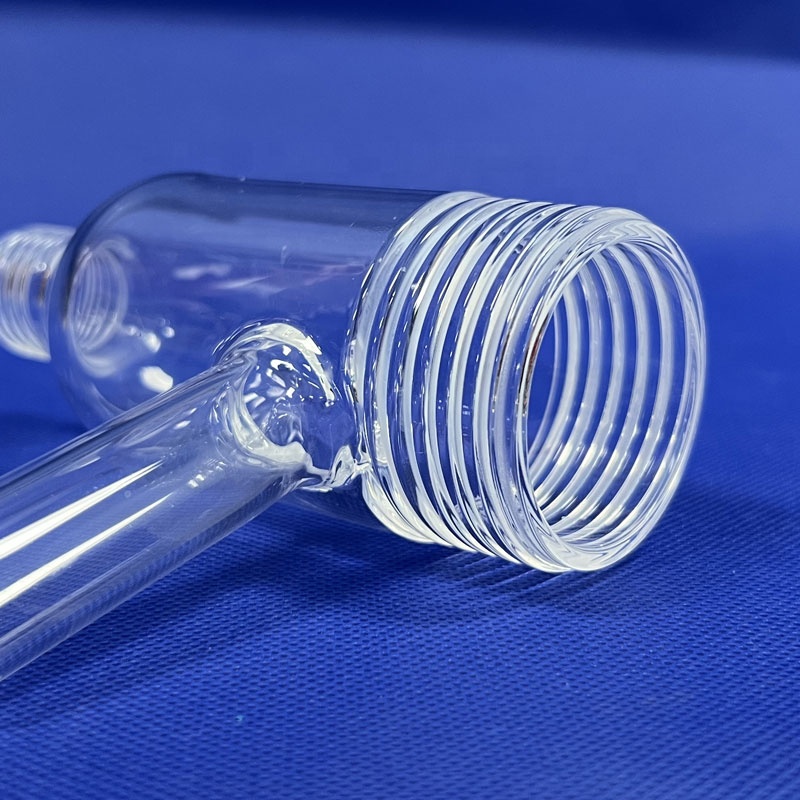
Transparent 99.99% fused quartz vessel featuring precision threads and side arms for specialized laboratory reactions.
View Specifications →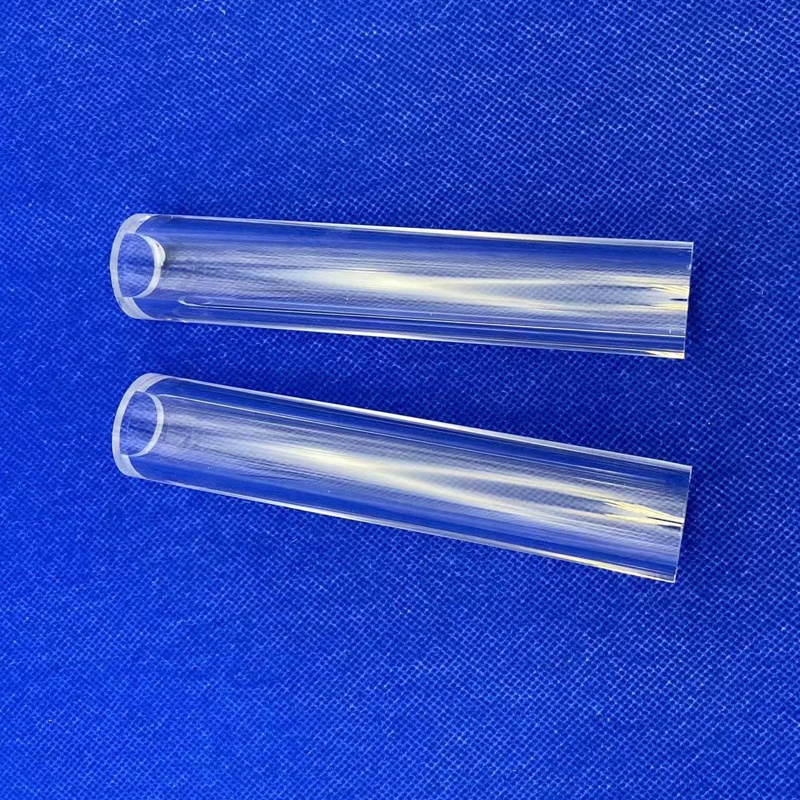
Precision bending, cutting, and welding capabilities. Ideal for ozone generators, spiral heating elements, and IR heaters.
View Specifications →
Synthetic fused silica for deep ultraviolet optics. Annealed against internal stress, RoHS certified, and laser-grade polished.
View Specifications →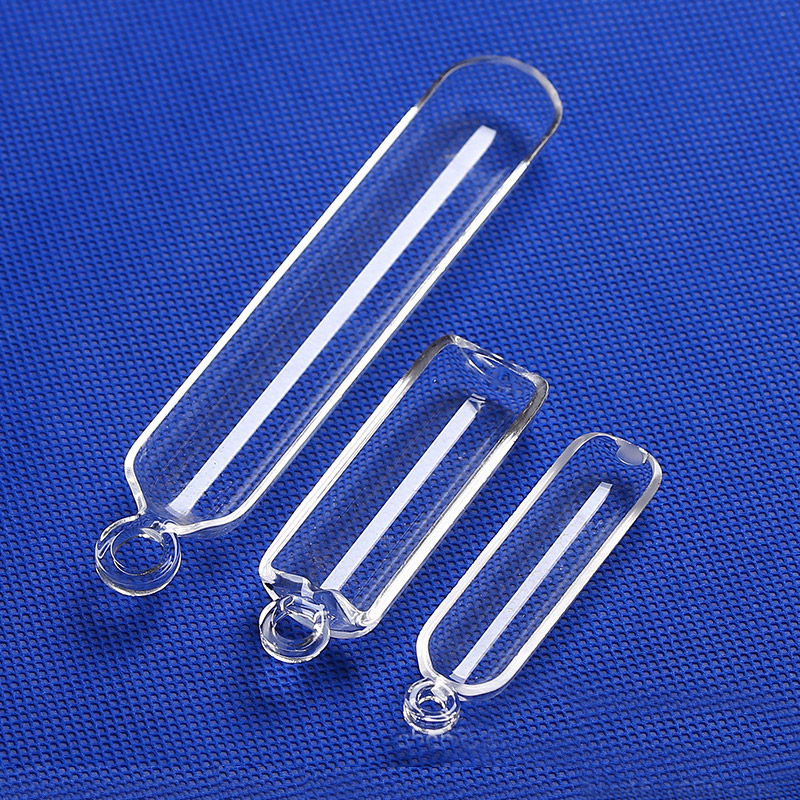
99.98% silica laboratory apparatus manufactured with high-precision slotting, robotic welding, and fire-polished edges.
View Specifications →A granular engineering whitepaper analyzing why the transformation of Wallonia's industrial heartland demands next-generation quartz radiative heating modules.
The industrial landscape of Charleroi—spanning the historical Pays Noir corridor, the Sambre River metallurgical zone, and the high-tech research clusters around Gosselies and the Aéropole Science Park—is undergoing one of the most critical thermal transitions in Western Europe. As legacy fossil-fueled open flame setups, gas annealing tunnels, and inefficient ceramic heaters are phased out under rigorous Walloon environmental decarbonization accords, radiant electric heat transfer driven by infrared heating quartz spiral tubes has emerged as the definitive benchmark for thermal processing efficiency.
A quartz spiral emitter represents an elite tier of fused silica engineering. Unlike linear heating elements, the coiled helical geometry of a quartz spiral tube concentrates maximum heating filament surface area into a compact longitudinal footprint. This structural dynamic is critical for operations where space constraints within processing chambers prohibit long linear arrays. When engineered with ultra-high purity fused silica (≥ 99.99% SiO₂), these spiral assemblies permit medium-wave and short-wave infrared radiation to penetrate substrates with negligible optical attenuation, guaranteeing radiant efficiency levels exceeding 92%.
Procurement teams across Hainaut Province face distinct logistical and structural challenges when evaluating international suppliers and specialized exporters. Given the fragile nature of high-aspect-ratio fused quartz helixes and the stringent dimensional tolerances demanded by European automated equipment, sourcing cannot rely on generic trading intermediaries. The following comprehensive breakdown benchmarks the engineering standards, production logistics, and technical differentiators required to secure reliable supply chains between premier manufacturing clusters like Lianyungang, China and the industrial end-users of Charleroi.
Quartz spiral filaments reach 90% full operational radiance in 1 to 2 seconds. The low thermal mass of pure SiO₂ allows instantaneous PID thermal modulation, critical for automated steel strip recoiling and continuous sheet curing.
Eliminating air movement avoids surface particulate contamination in advanced coating labs. By transmitting directly in the 1.4 µm to 3.0 µm wavelength band, energy transfers directly into the molecular bonds of polymers and coatings.
Fused silica remains completely non-reactive to corrosive emissions, hot acid vapours (excluding HF), and moisture spikes common in metal finishing, preventing pitting, devitrification, and structural premature sagging.
From heritage metallurgical zones along the Sambre to high-spec research corridors in Gosselies, fused quartz radiant emitters power mission-critical processes.
In continuous annealing furnaces and strip pre-heating lines along Charleroi's steel manufacturing corridor, linear space is at a premium. Quartz spiral tubes offer ultra-dense heating flux within confined strip entries, ensuring immediate heating without oxidation or soot creation.
Wallonia’s storied flat glass heritage relies on highly localized radiant energy. Spiral quartz modules provide precision zonal tuning across architectural glass panes, eliminating mechanical stress concentrations during curved tempering and laminating.
Within the aeronautical subcontracting belt of Gosselies, curing multi-layered carbon fiber and thermoplastic matrices demands clean, non-contact heating. Translucent or milky-white spiral tubes provide an even infrared field without thermal hot spots.
Empirical parameters for system designers and mechanical engineers specifying infrared emitters for high-duty European factory lines.
| Physical Parameter | High-Purity Clear Quartz | Milky-White Opaque Quartz | Synthetic Fused Silica (JGS1) |
|---|---|---|---|
| SiO₂ Purity Grade | ≥ 99.99% | ≥ 99.95% | ≥ 99.999% |
| Continuous Working Temp. | 1100 °C | 1050 °C | 1200 °C |
| Peak Short-Term Endurance | 1300 °C | 1250 °C | 1400 °C |
| Thermal Expansion (20-300°C) | 5.5 × 10⁻⁷ cm/cm·°C | 5.4 × 10⁻⁷ cm/cm·°C | 5.0 × 10⁻⁷ cm/cm·°C |
| Infrared Transmission Band | 0.78 µm – 3.5 µm (Transmissive) | Diffuse / IR Scatter Emitter | 0.185 µm – 2.5 µm (UV-NIR) |
| Thermal Shock Tolerance | 1100°C dropped into cold water (No shatter) | 1000°C water quench verified | 1200°C thermal cycle integrity |
How Walloon regulatory pressures, energy spikes, and automation integration are reshaping industrial procurement patterns.
Procurement teams in southern Belgium are under unrelenting mandates to decouple from fossil gas supplies. Following structural European energy shifts, industrial facilities along the Sambre and Meuse rivers have accelerated capital expenditures toward all-electric radiant processing systems. Infrared spiral quartz tubes solve a fundamental problem of modern plant engineering: retrofitting legacy convective gas drying ovens with high-flux electrical emitters without enlarging the machine frame footprint.
Furthermore, the modern manufacturing standard across Charleroi is deeply aligned with Industry 4.0 data loop architectures. Conventional ceramic rod heaters and massive cast iron elements suffer from substantial thermal hysteresis—taking tens of minutes to ramp up and down. Fused silica spiral heating elements, by contrast, possess virtually instantaneous response curves. When paired with non-contact pyrometers and thyristor power controllers, these tubes cycle output wattage in milliseconds to accommodate variable line speeds, drastically curbing kilowatt waste during automated pauses.
A second major local development is the demand for direct OEM component customization. Charleroi system builders are increasingly rejecting standardized distributor catalogs in favor of build-to-print fused quartz assemblies. Whether specifying custom-pitched spiral helixes, welded quartz terminal collars, internal nitrogen purging jackets, or one-end closed containment tubes, engineers demand suppliers capable of managing complete downstream glass modification—drilling, bending, flame-sealing, and annealing—in a single certified facility.
Headquartered in Lianyungang—the global nucleus of high-purity silica raw material processing—Lovri eliminates middleman markups and controls every stage from raw crystalline quartz to automated polarization stress verification.
Production facilities spanning 14,271 square meters thoroughly audited and validated by SGS Group, confirming genuine manufacturing operations and international labor standards.
We execute rock crushing, acid washing, tube drawing, precision cutting, multi-axis CNC grinding, glass-blowing lathe forming, and cleanroom packaging internally.
Every single quartz tube and complex spiral element undergoes thermal annealing furnaces followed by polariscope residual stress inspections to eliminate micro-fracture risks.
Fragile quartz spiral components are individually cushioned in high-density customized EPE foam shells and reinforced within multi-ply export wooden crates for zero transit damage.
Direct answers to the most pressing commercial, metallurgical, and import compliance queries posed by Belgian technical buyers.
Clear quartz spiral tubes offer high direct transmissivity across near-to-shortwave infrared (0.8–2.0 µm), penetrating deeply into paints, varnishes, and glass substrates. Milky-white opaque quartz scatters the radiant energy, shifting the output toward medium-wave infrared (2.0–4.0 µm), which is absorbed uniformly by surface-sensitive plastics, food products, and thick web materials without scorching.
Yes. Our glass-working engineers manufacture quartz spirals to CAD/STEP files. We routinely tailor outer coil diameters, wall thicknesses, spiral pitch lengths, and terminal terminations (including metal end caps, ceramic terminal blocks, welded quartz flanges, and threaded lead connections) to fit existing European machine brackets.
Shipments destined for Belgium are accompanied by complete commercial import paperwork including Commercial Invoice, Packing List, Bill of Lading/Air Waybill, Certificate of Origin, Raw Material Purity Assay (verifying ≥ 99.99% SiO₂), and full RoHS/REACH compliance documentation ensuring seamless customs release at Brussels or Liège airports or Antwerp port.
Spiral quartz tubes possess higher elastic vulnerability along their central axis. We use engineered internal mandrel supports and custom-cut closed-cell polyethylene (EPE) molds for every tube. Cartons are sealed inside heavy-gauge, ISPM 15-compliant fumigated plywood cases with shock and tilt indicators to guarantee absolute structural integrity upon delivery.
When operated below 1100°C in clean atmospheric conditions, high-purity fused silica exhibits virtually zero crystallization (devitrification) or aging, delivering a lifespan in excess of 10,000 continuous hours. Longevity is largely governed by the internal heating element alloy (e.g., FeCrAl / NiCr) and the quality of vacuum sealing or atmosphere containment.
We understand that Belgian process engineers require initial prototype verification before committing to production batch tooling. We support prototype batches starting from 1 to 5 pieces for customized quartz tubes, boat apparatus, and spiral assemblies, scaling flexibly to container-load export supply contracts.
Consult with our fused silica materials engineers today. Send your technical drawings, coil dimensional limits, target operating temperatures, or operating environment parameters for rapid manufacturability analysis and factory-direct pricing.
Get a Quote