99.98% SiO₂
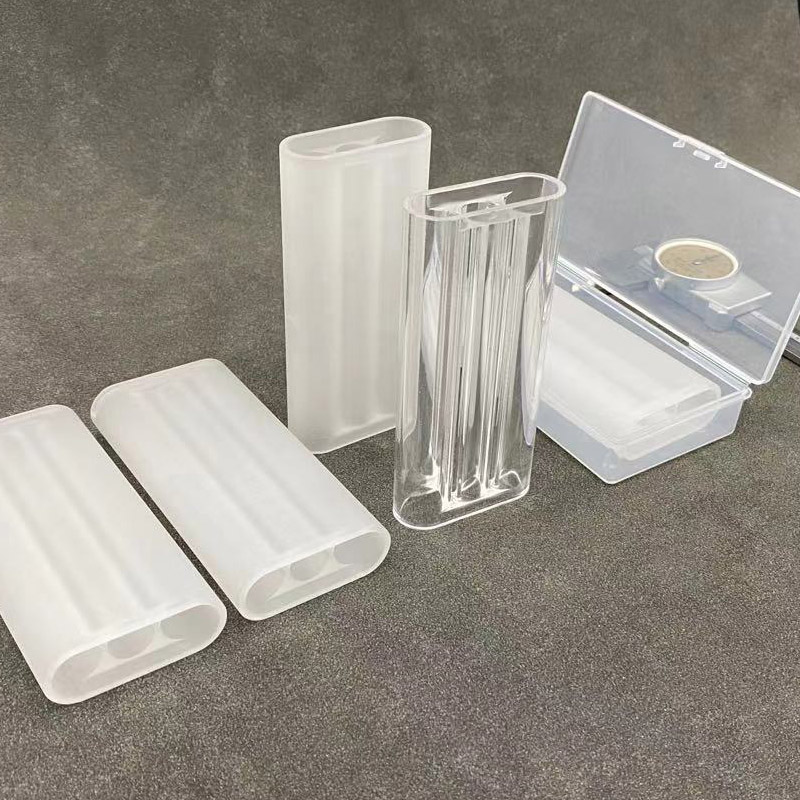
Machined directly from pure synthetic and flame-fused silica ingots. Tailored for extreme thermal environments, plasma resistance, and deep ultraviolet optical transmission in Texas industrial corridors.
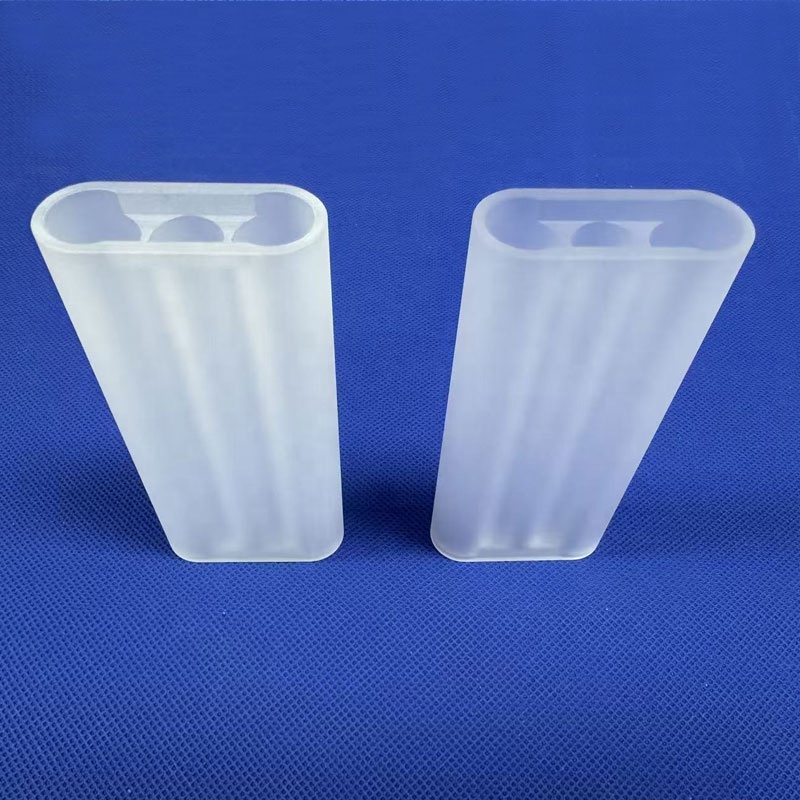
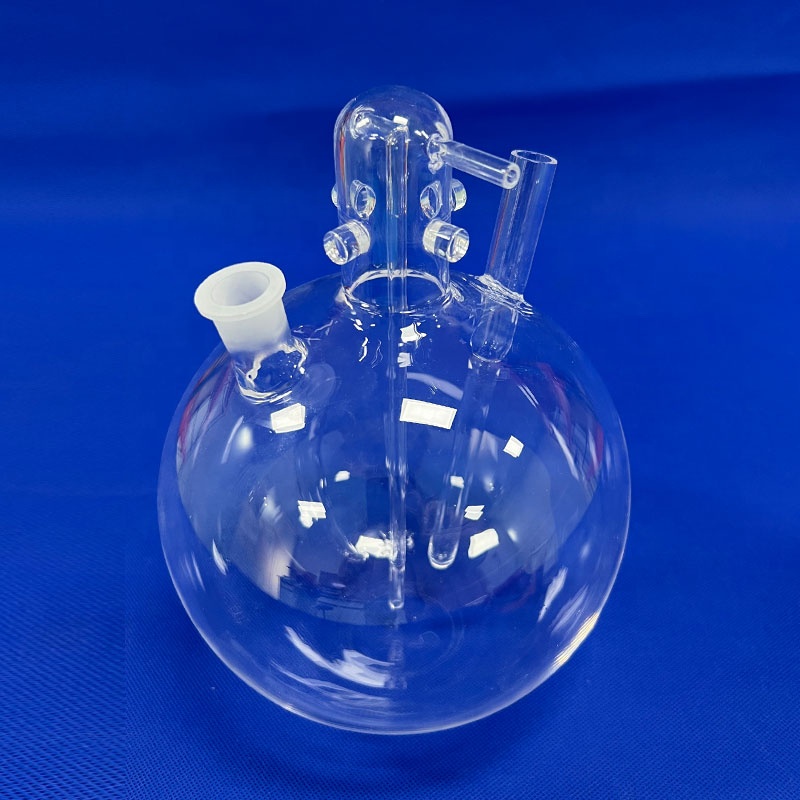
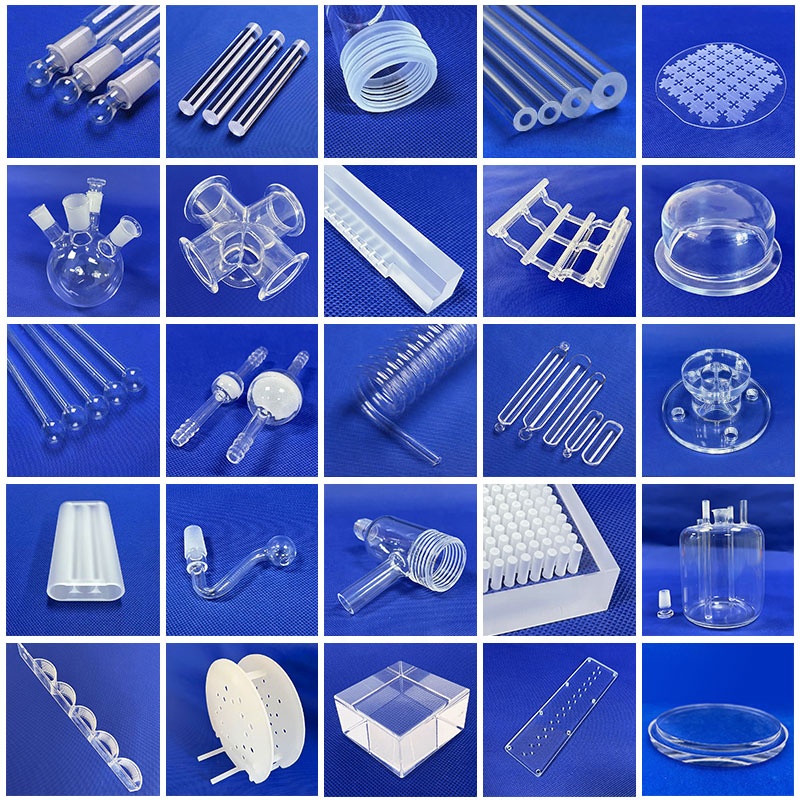
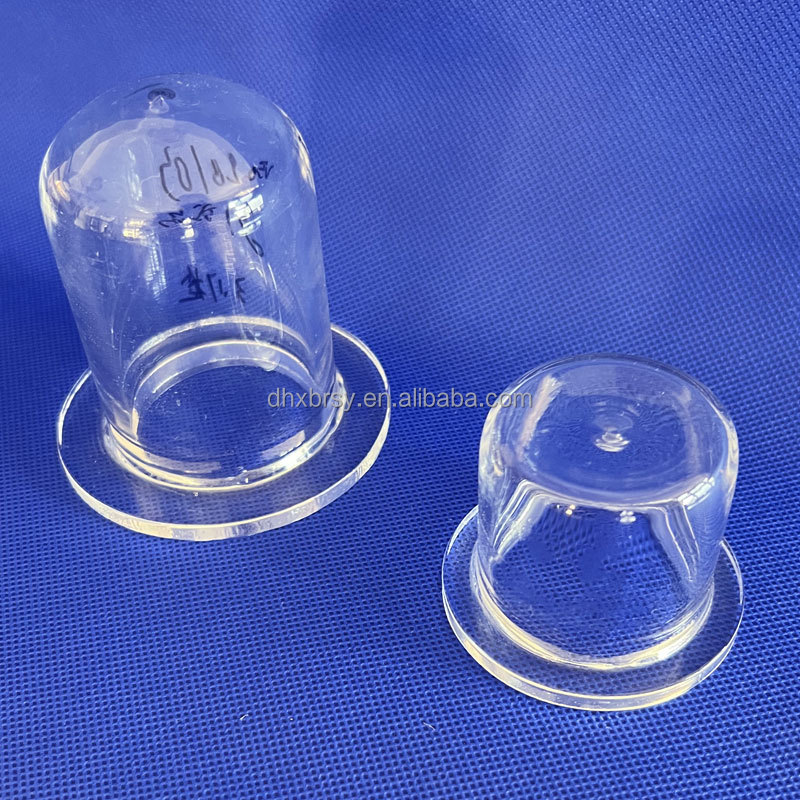
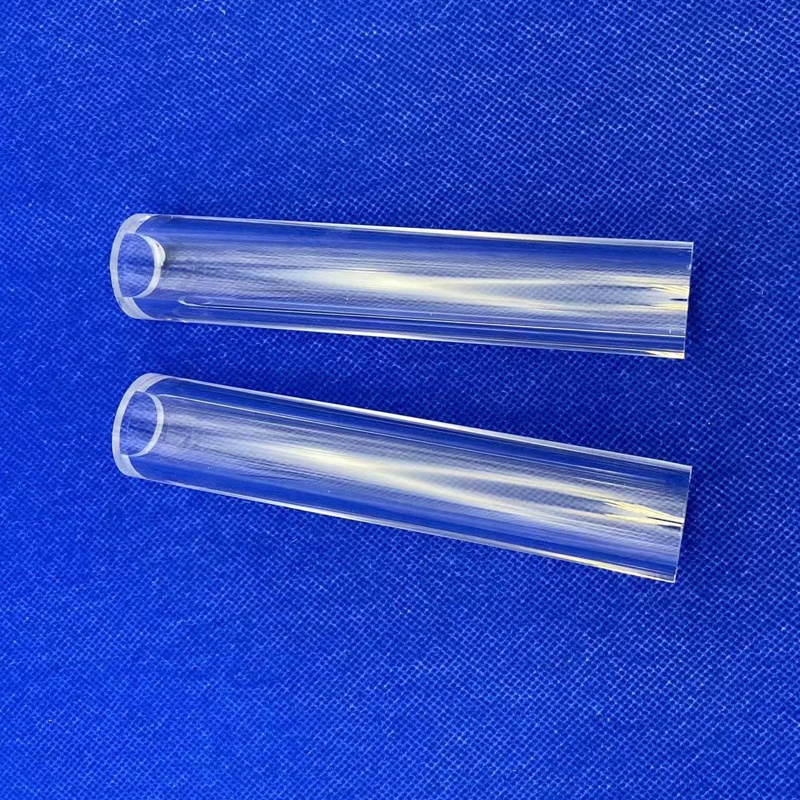

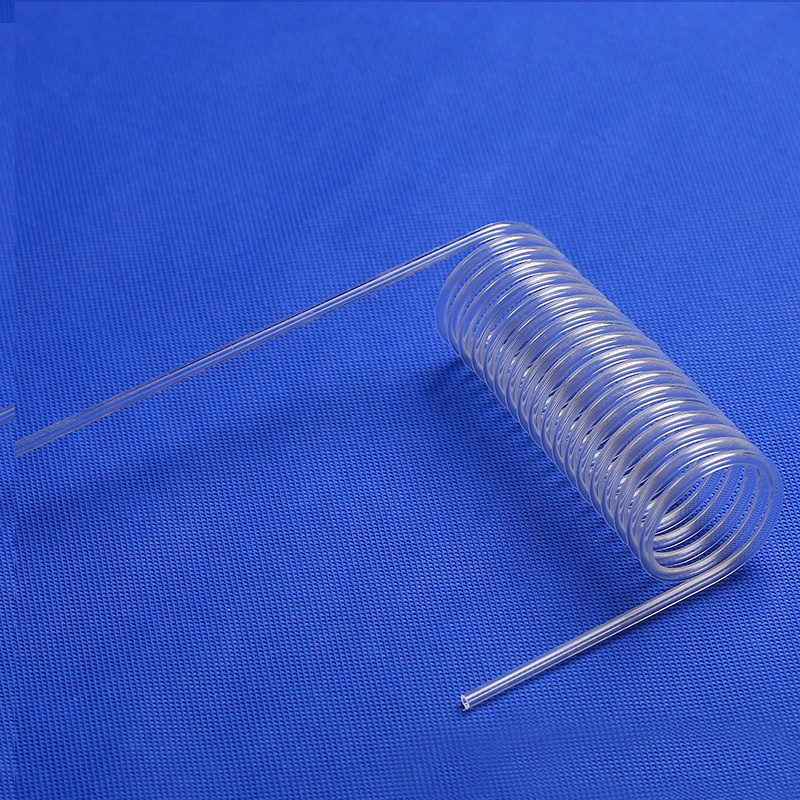
From NASA-adjacent aerospace propulsion testbenches to aggressive offshore drilling sensors in the Gulf of Mexico, quartz CNC machining is an indispensable engineering enabler.
Exploration in the Gulf Coast demands high-pressure sight glasses, logging-while-drilling (LWD) sensors, and spectroscopy flow-cells capable of surviving 20,000+ PSI differential pressure and extreme hydrocarbon corrosion.
Serving defense, satellite, and commercial space ventures clustered around Houston Spaceport and Johnson Space Center. Fused silica delivers near-zero thermal expansion (5.5 × 10⁻⁷ /°C) preventing failure during sudden re-entry level shock.
Supplying the Texas Medical Center (TMC)—the largest medical complex in the world—with triple-bore flow tubes, laser excitation chambers, UV cuvettes, and 96-well quartz microplates for high-throughput pharmacological assays.
As Texas experiences a manufacturing renaissance, quartz machining requirements have shifted drastically toward specialized supply chain parameters.
Texas has become the fastest-growing solar energy producer in North America. Regional EPC contractors and wafer processing lines are scaling demand for ultra-large diameter quartz furnace tubes (OD > 350mm) and high-transmittance diffusion boats.
With major chip fabrication hubs expanding along the Texas Innovation Corridor, Houston-based system integrators increasingly specify JGS1-grade synthetic silica components for plasma etching chambers, wafer boats, and CVD reactors.
Houston supply chain managers are diversifying past conventional local distributors. Direct tier-1 manufacturing relationships backed by verifiable third-party inspections (such as SGS) ensure 30–45% procurement cost reductions without quality risk.
Headquartered in China's quartz capital Lianyungang with dedicated international logistics lines routing into the Port of Houston and George Bush Intercontinental Airport (IAH).
We do not purchase raw tubes off the shelf. We operate lump cutting, pulverizing, acid leaching, and horizontal furnace drawing internally, achieving uncompromised 99.99% SiO₂ matrix control.
Thermal cracking is the #1 silent killer of quartz components in high-heat processes. 100% of our CNC parts undergo controlled program annealing and polariscope stress analysis before dispatch.
Fully compliant with international chemical hazard and dimensional standards. Our facilities, workforce, and measurement equipment undergo strict annual SGS Group on-site audits.
Accelerate your R&D cycle. Houston engineers can send CAD drawings (.STEP, .DWG, .PDF) and receive precision CNC prototypes within days, backed by export-grade foam and wooden packaging.
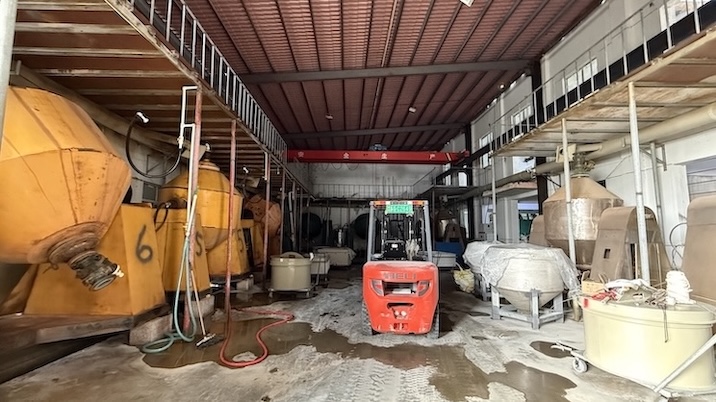
Chemical leaching extracts trace heavy metals (Fe < 0.2ppm) guaranteeing solar and semiconductor purity.
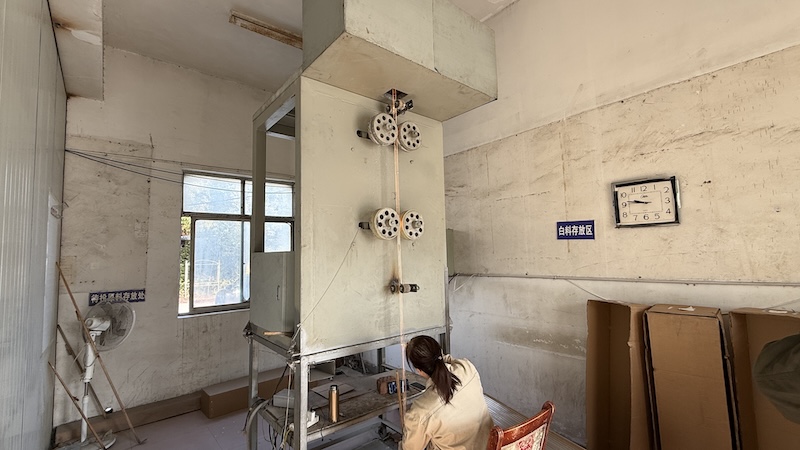
High-vacuum electric fusion furnaces draw tubes and ingots with ultra-consistent circular runout.
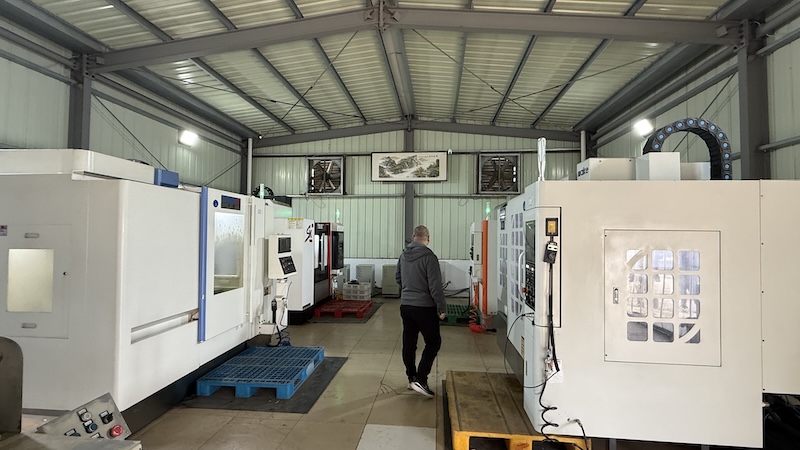
Diamond-tool micro-grinding, thread boring, laser micro-slitting, and optical fire-polishing.
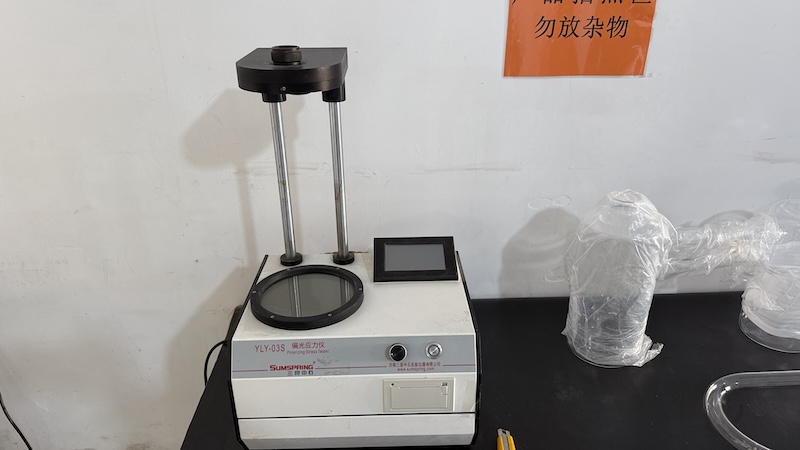
Every piece is checked on polariscopes and 3D coordinate measuring machines prior to crating.
Direct technical validation to ensure your team selects the exact silica grade required for mechanical integrity and spectral transmission.
| Property / Grade | JGS1 (Synthetic) | JGS2 (Optical) |
|---|---|---|
| SiO₂ Purity Content | ≥ 99.999% | ≥ 99.99% |
| Wavelength Transmission | 185 nm – 2500 nm | 220 nm – 2500 nm |
| Hydroxyl (OH⁻) Content | < 5 ppm (or high OH) | ≈ 30–120 ppm |
| Max Continuous Temp | 1150 °C | 1100 °C |
| Softening Point | 1730 °C | 1680 °C |
| Thermal Shock Index | ΔT 1000 °C to 20 °C water quench (no crack) | ΔT 1000 °C to 20 °C water quench (no crack) |
| Recommended Fields | Excimer Lasers, UV Optics | Sight Windows, PV Furnaces |