99.99% SiO₂
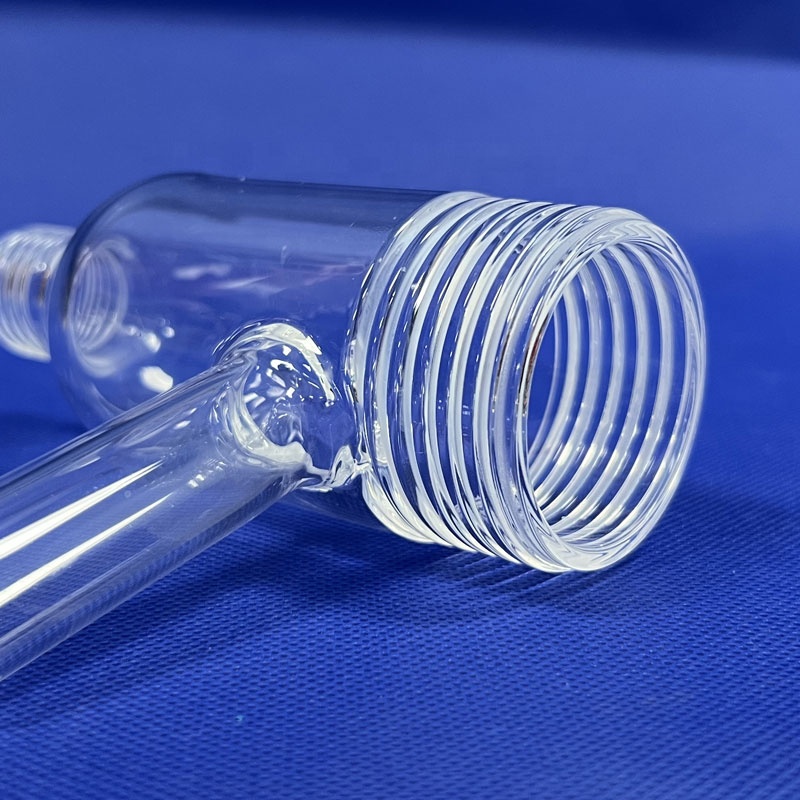
BAO RAN 515 Transparent Reaction Tube
Purity: 99.99% SiO₂ | Threaded Side Arm | Vacuum Tightness: 10⁻⁵ Torr | High Thermal Durability
Direct supply from SGS onsite-verified manufacturing facilities. Designed with thermal shock immunity, minimal wavefront distortion, and supreme damage thresholds across 185 nm to 3500 nm wavelengths.
Purity: 99.99% SiO₂ | Threaded Side Arm | Vacuum Tightness: 10⁻⁵ Torr | High Thermal Durability
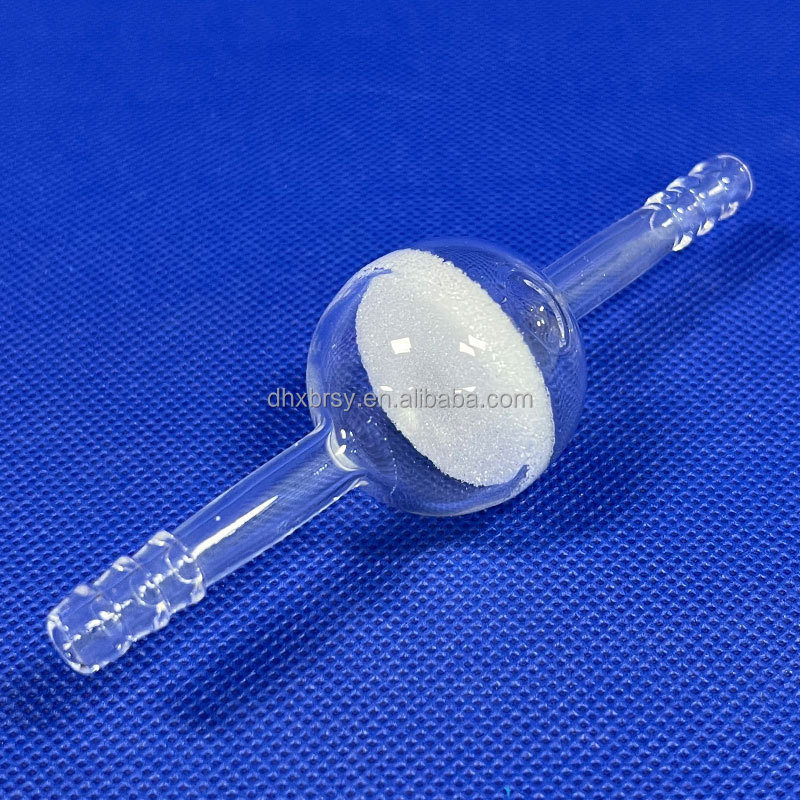
Transmittance: >92% (Vis-NIR) | Working Temp: Continuous 1100°C | Low Internal Stress
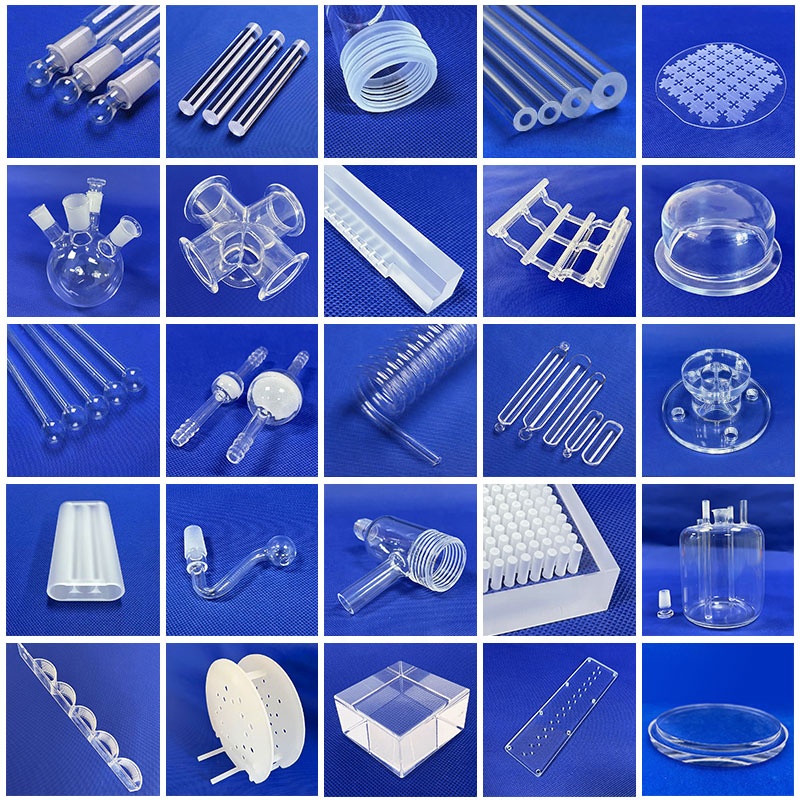
Surface Quality: 20/10 Scratch-Dig | Flatness: λ/4 @ 632.8 nm | 99.99% Chemically Inert Silica
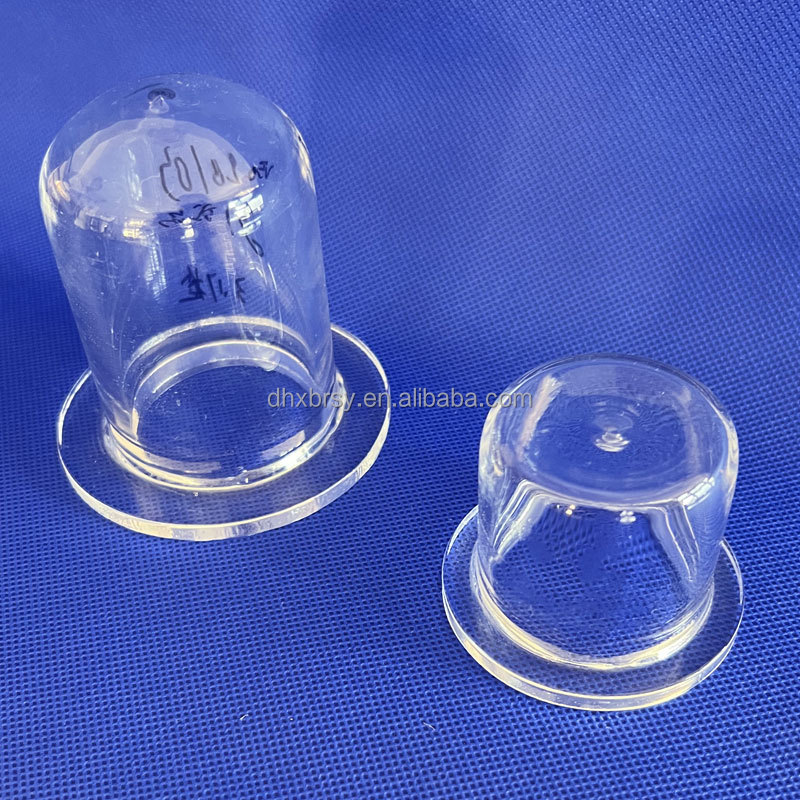
Uniform Thermal Gradient | Extreme Thermal Shock Resistance | Defect-Free Surface Polishing
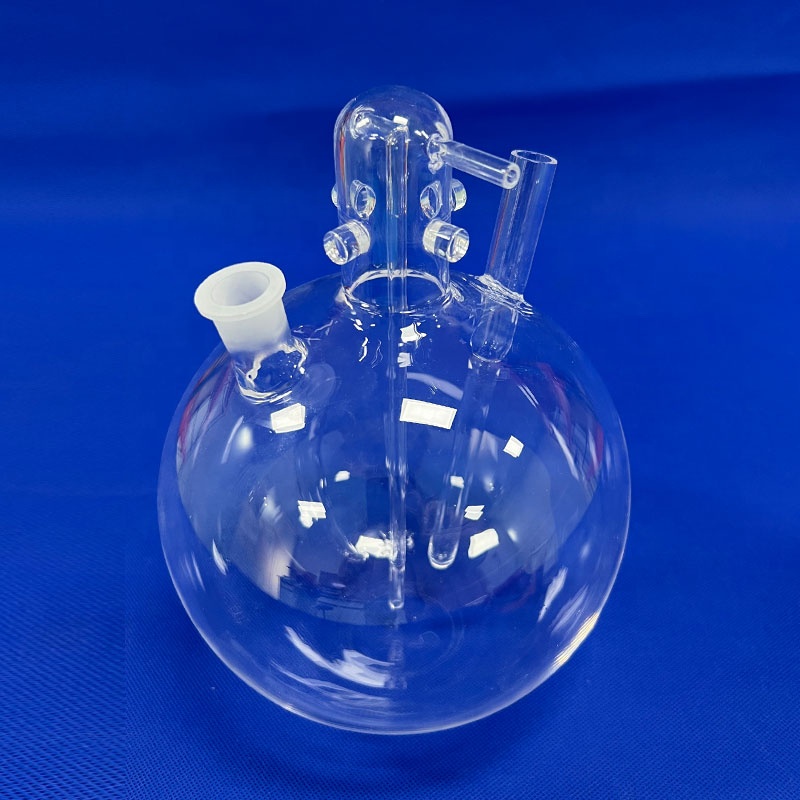
CNC Dimensional Precision: ±0.05 mm | Pressure-Tight Sealing Face | High Laser Breakdown Threshold
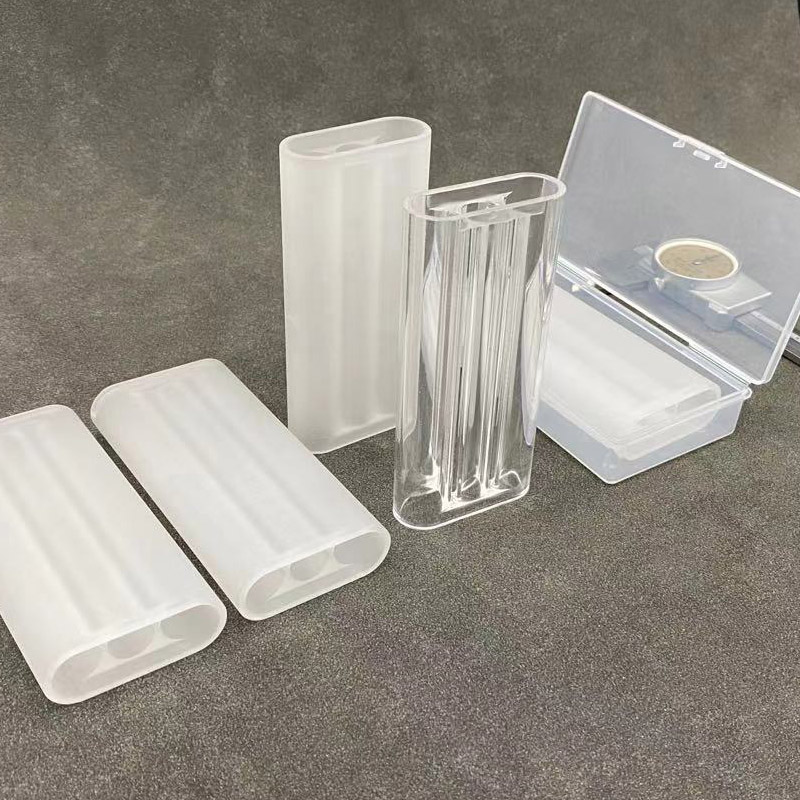
99.98% SiO₂ | Precision Bore Parallelism <0.02 mm | High Energy Flashlamp Filter Compatibility
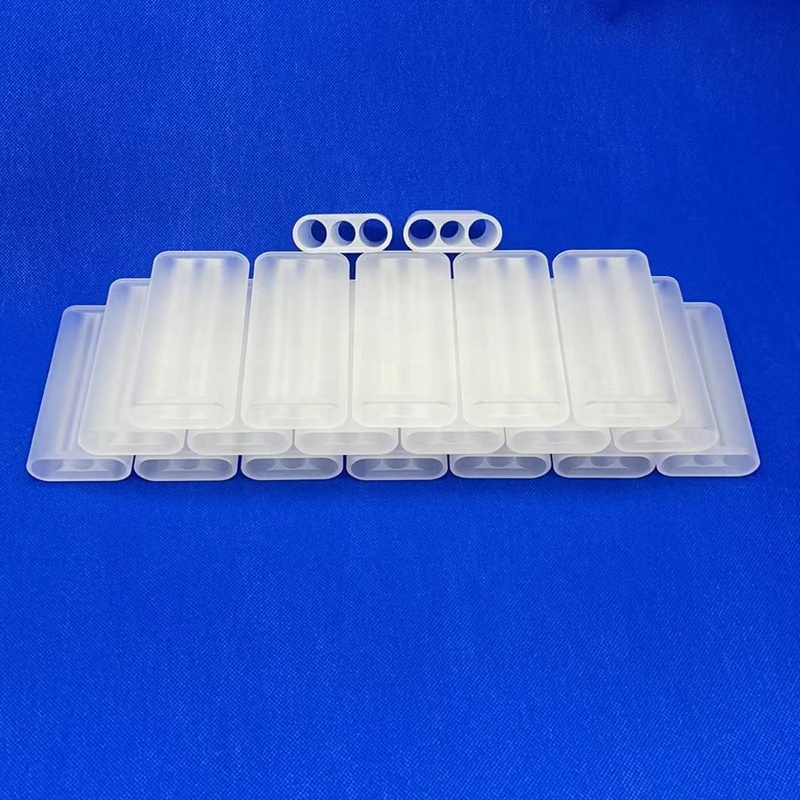
Hydrogen-Oxygen Fusion Flame Bending | Low OH Content | Micro-Crack Free Ground Edges
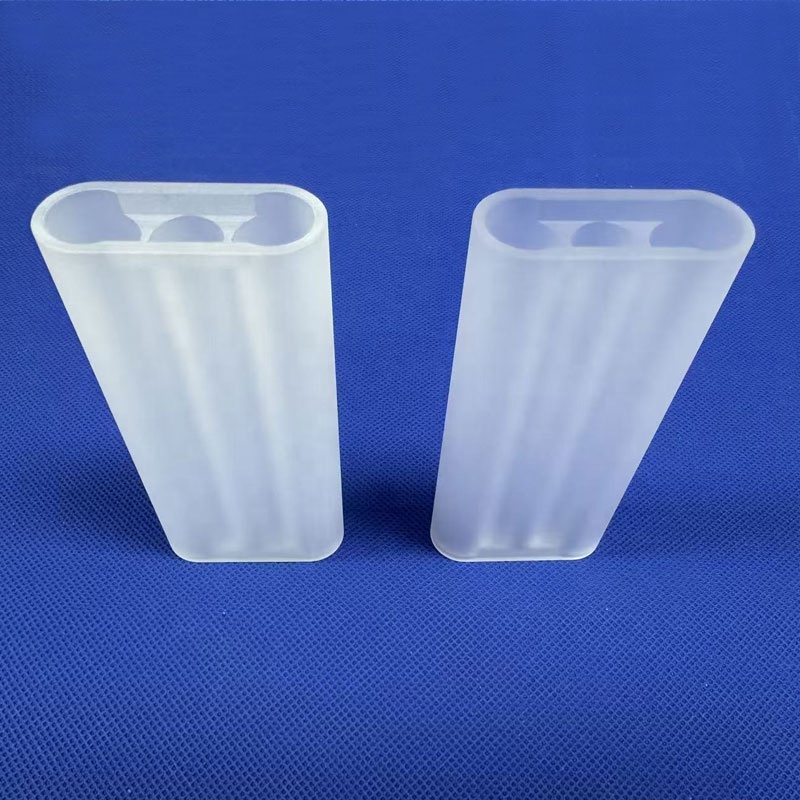
Compatible with GentleYAG & GentleMAX Platforms | Solarization-Resistant | Precision Fire Polished
As the Greater Bandung metropolitan area (Bandung Raya) transitions into a high-technology development node within West Java, industrial manufacturing practices have rapidly shifted toward high-precision photonic production. Across industrial enclaves spanning Dayeuhkolot, Cimahi, Batujajar, and Padalarang, photonics engineers and factory directors are integrating solid-state Nd:YAG, fiber lasers (1064 nm - 1070 nm), and deep-UV excimer lasers into high-speed textile patterning, precision electronics manufacturing, micro-machining, and solar cell fabrication. In these demanding environments, the protective quartz laser window is not merely a consumable shield; it is a critical transmissive boundary that directly governs beam wavefront aberration, focal drift, and systemic uptime.
Selecting laser windows within Indonesia presents unique environmental challenges. Bandung’s tropical highland climate—characterized by elevated humidity levels ranging between 75% and 90%, ambient thermal shifts between day and night, and atmospheric airborne particulate matter from local industrial emissions—accelerates optical contamination. When high-power continuous wave (CW) laser systems exceeding 6 kW operate through low-grade borosilicate or poorly annealed flame-fused quartz windows, atmospheric moisture and organic particulates adhere to the substrate surface. This creates localized absorption points that trigger thermal lensing, degrade optical power density, and ultimately cause catastrophic window blowout via photothermal stress cracking.
Technical Insight: Fused quartz exhibits an ultra-low coefficient of thermal expansion (approx. 5.5 × 10⁻⁷ /°C from 20°C to 320°C), making it virtually immune to thermal shock compared to standard optical glasses. For high-fluence industrial lasers operating in West Java, choosing synthetic fused silica (JGS1) or high-grade flame-fused quartz (JGS2) with certified polarization stress inspection prevents beam quality decay (M² degradation) caused by photothermal distortion.
The primary criterion governing the functional lifespan of quartz windows in laser cutting, welding, and additive manufacturing heads is the Laser-Induced Damage Threshold (LIDT). Under gigawatt peak-power densities delivered by pulsed fiber or picosecond lasers, microscopic internal flaws such as gaseous bubble inclusions, embedded metallic impurities (Fe, Ti, Al), and surface micro-scratches left from coarse grinding act as focal centers for localized energy absorption. This localized heating causes plasma creation and localized structural collapse.
Lovri Quartz addresses this failure mode by selecting quartz raw materials purified through an extensive chemical pickling process that eliminates transition metal contaminants to achieve 99.99% SiO₂ matrix purity. Our substrates undergo controlled continuous-furnace annealing at 1215°C followed by slow polarimetric stress cooling, ensuring residual mechanical stress is reduced to below 5 nm/cm. This pristine baseline allows our laser windows to maintain LIDT metrics exceeding 15 J/cm² at 1064 nm (10 ns pulse width), providing Bandung manufacturers with reliable, long-lasting optics for demanding CNC laser shifts.
Consult this engineering matrix to evaluate substrate performance across differing wavelength bands and power loads before submitting CAD/STEP drawings for custom fabrication:
| Substrate Grade | Transmission Band | OH Content (ppm) | Surface Figure (λ) | Typical Bandung Applications |
|---|---|---|---|---|
| Synthetic Fused Silica (JGS1) | 185 nm – 2500 nm (Deep UV-Vis) | < 5 ppm / > 1200 ppm | λ/4 to λ/10 @ 632.8 nm | Semiconductor lithography, UV excimer drilling, biomedical optics |
| Optical Fused Quartz (JGS2) | 220 nm – 2500 nm (Standard Optical) | < 30 ppm | λ/2 to λ/4 @ 632.8 nm | Fiber laser protective heads, industrial cutting & welding heads |
| Infrared Fused Quartz (JGS3) | 260 nm – 3500 nm (Extended IR) | < 10 ppm | λ/2 @ 632.8 nm | CO₂ laser beam paths, thermal pyrometer viewports, sintering furnaces |
| Commercial Clear Quartz | 280 nm – 2200 nm (Broad Spectrum) | < 100 ppm | Commercial Flatness | High-temperature reaction vessels, sight glasses, quartz lab apparatus |
Precision quartz components designed to withstand tropical operational environments and deliver zero-failure performance across core regional industries.
Applied in Majalaya and Cimahi apparel industrial parks for non-contact fiber cutting and laser denim distressing without thermal aberration or debris contamination.
Catering to advanced electronics assembly centers across Padalarang, providing ultra-flat quartz carrier plates and vacuum chucks resistant to aggressive chemical etchants.
Serving precision aerospace tooling facilities near Husein Sastranegara with protective fiber laser cover slides rated for high-pressure nitrogen assist-gas bursts.
Supplying triple-bore flashlamp cavity flow tubes and beam delivery focus windows to dermatology clinics across Bandung, compatible with Candela GentleLase platforms.
Delivering high-transmittance furnace viewing quartz windows and diffusion carrier tubes to clean energy technology developments across West Java.
Providing precision optical spectrophotometer cuvettes, reaction digestion tubes, and laser plasma windows to ITB (Institut Teknologi Bandung) research laboratories.
The industrial landscape in West Java is moving from manual machine operation to automated, CNC-driven fiber laser stations. Several developments are reshaping local procurement requirements:
1. Escalation to Ultra-High Power kW Cutting: Local sheet metal and chassis suppliers are rapidly adopting 12 kW to 30 kW fiber cutting systems. At these extreme power densities, minute surface absorption within protective windows produces significant focal drift, shortening nozzle lifespans. This has driven demand for double-sided Anti-Reflective (AR) coated quartz windows with residual reflectance below 0.2% per surface.
2. Adoption of Smart Condition Monitoring Heads: Modern laser heads installed in Bandung manufacturing facilities are increasingly equipped with scattered light sensors and temperature monitors to assess window contamination in real time. Because these sensors measure back-scattered photons, windows must feature pristine scratch-dig finishes (20/10 or better) to prevent false warnings or premature safety shutdowns.
3. Localization of Rapid-Replacement Spare Supply Chains: Protracted downtime waiting for international replacement components has caused significant financial losses for Indonesian workshops. Local procurement teams are prioritizing supply partnerships that combine direct factory pricing, flexible Minimum Order Quantities (MOQs as low as 1–5 units for prototyping), and fast air freight capabilities backed by export-grade vacuum packaging.
Direct technical answers addressing customs clearance, tropical humidity control, thermal stress resistance, and drawing customization.
Combining primary mineral purification, advanced CNC glass forming, and rigorous quality inspection under a single roof in Lianyungang, China.
From initial lump crushing and specialized acid pickling to automated tube drawing, continuous annealing, and CNC polishing, we manage every manufacturing phase in-house to protect material purity.
Residual strain is a leading cause of premature failure in high-power laser windows. We inspect every production batch using cross-polarized optical stress analyzers to verify complete stress relief.
Our 14,271 m² production facility has undergone full on-site evaluation by SGS Group. Buyers can review genuine audit documentation verifying operating capacity, machine inventory, and quality management systems.
Connect with our technical glass engineering team. Whether you need standard protective cover slides, custom CNC laser windows, or high-purity laboratory apparatus, we provide rapid drawing review, prototypes from 1 piece, and dependable worldwide shipping.
Get Catalog