Precision Fused Silica & Quartz Components for Nordic Industrial Engineering
Manufactured from ultra-pure silica raw materials in Lianyungang, China, providing exceptional structural tolerance, UV-to-IR optical clarity, and extreme thermal resilience under aggressive operating environments.
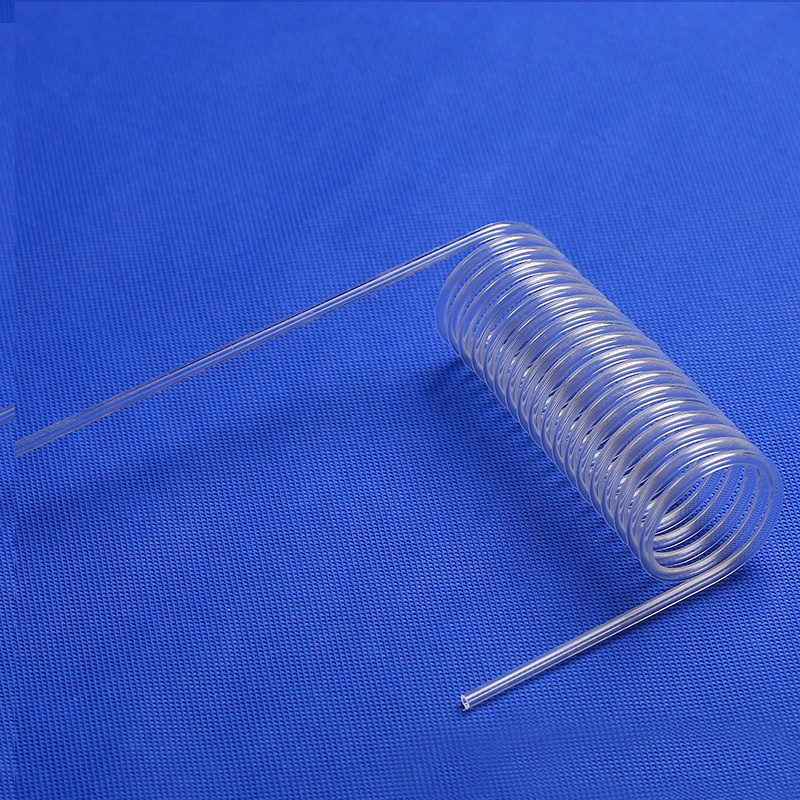
Yellow Clear High Purity Fused Quartz Spiral Tube
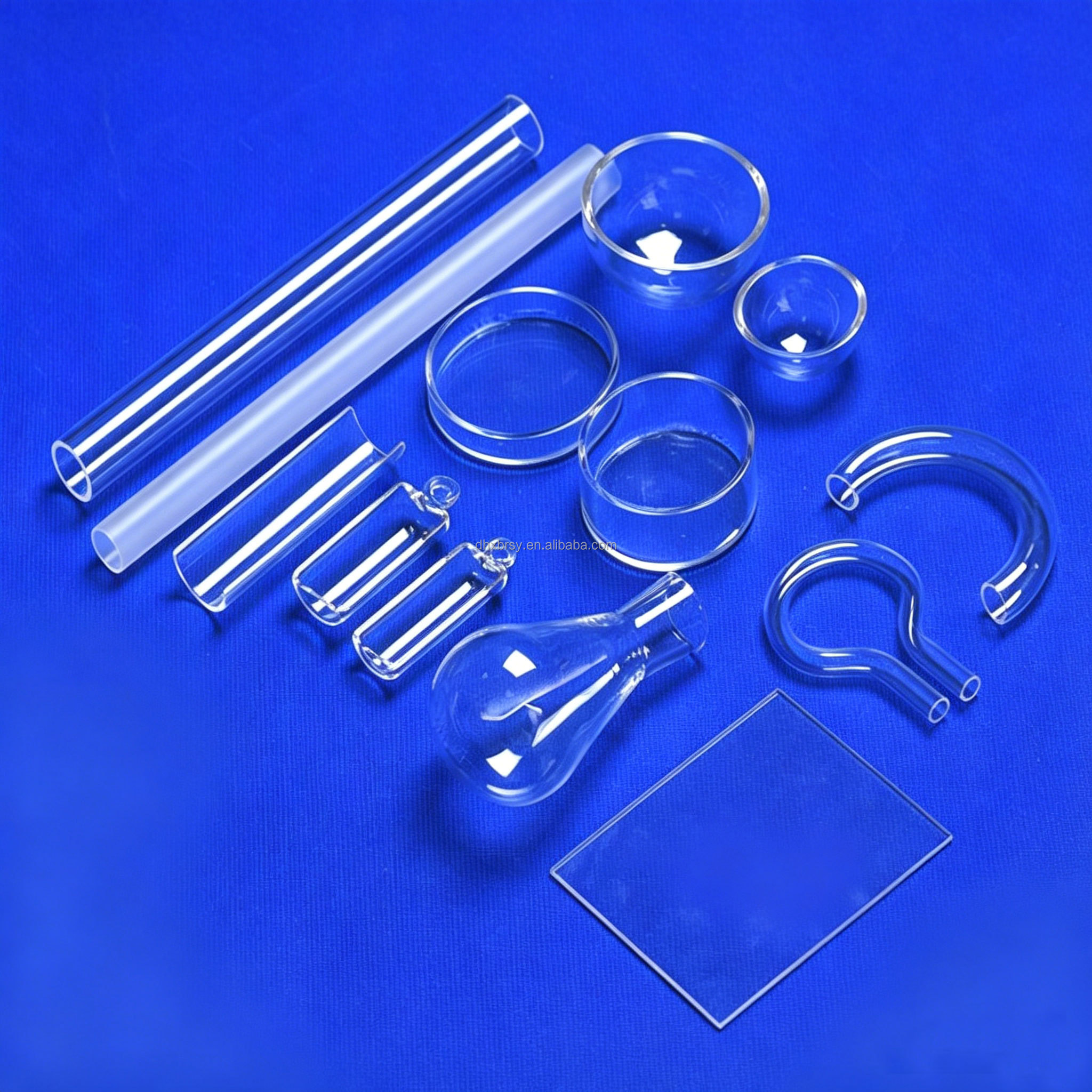
Custom Lab Quartz Glass Apparatus High Purity 99.99%
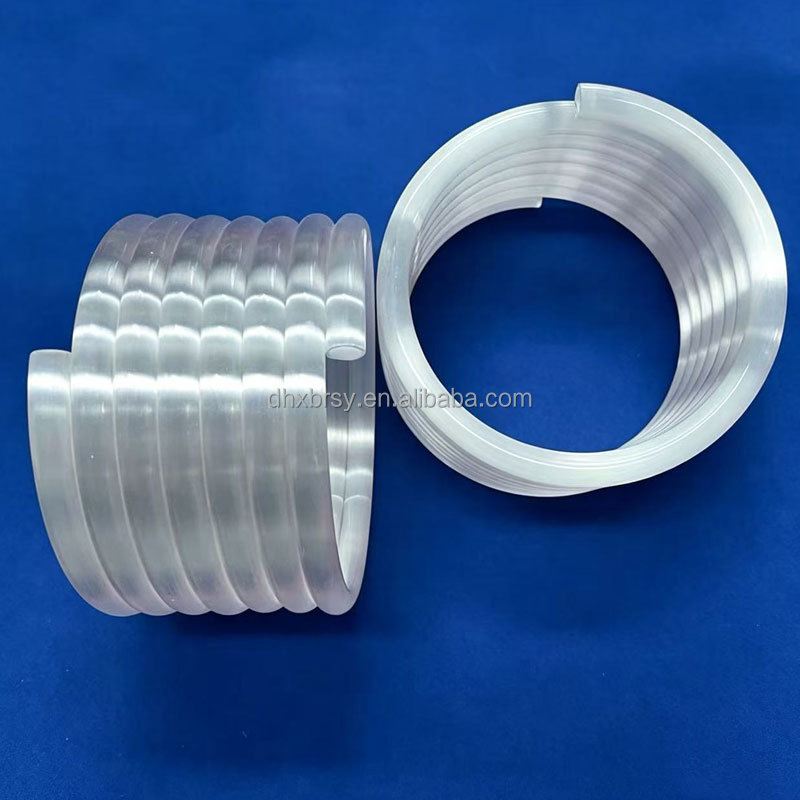
Custom Milky White Opaque Fused Silica Spiral Tube
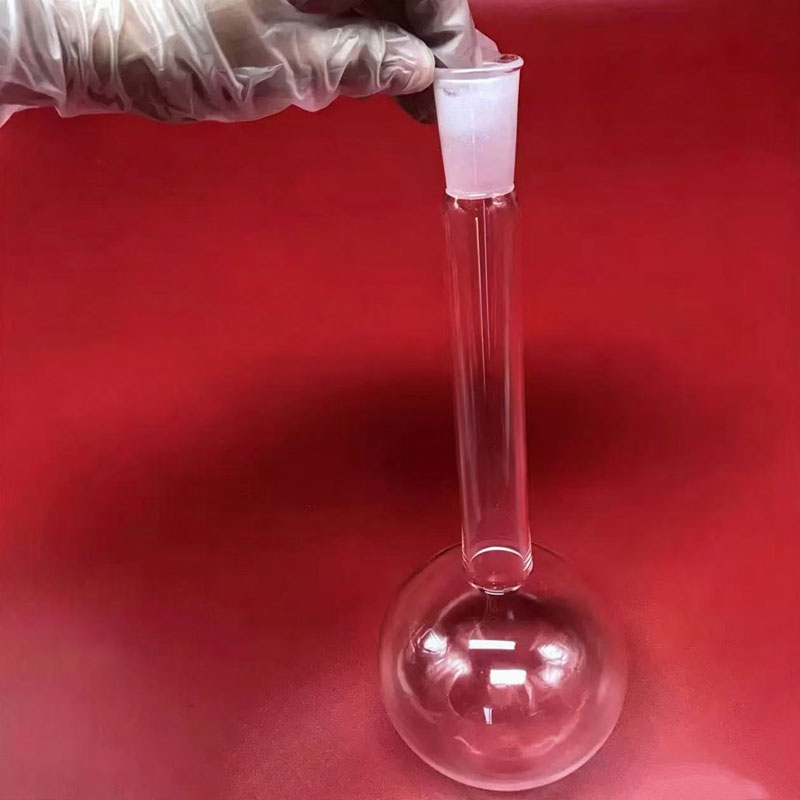
99.99% High-Purity Quartz Glass Long-Neck Flask
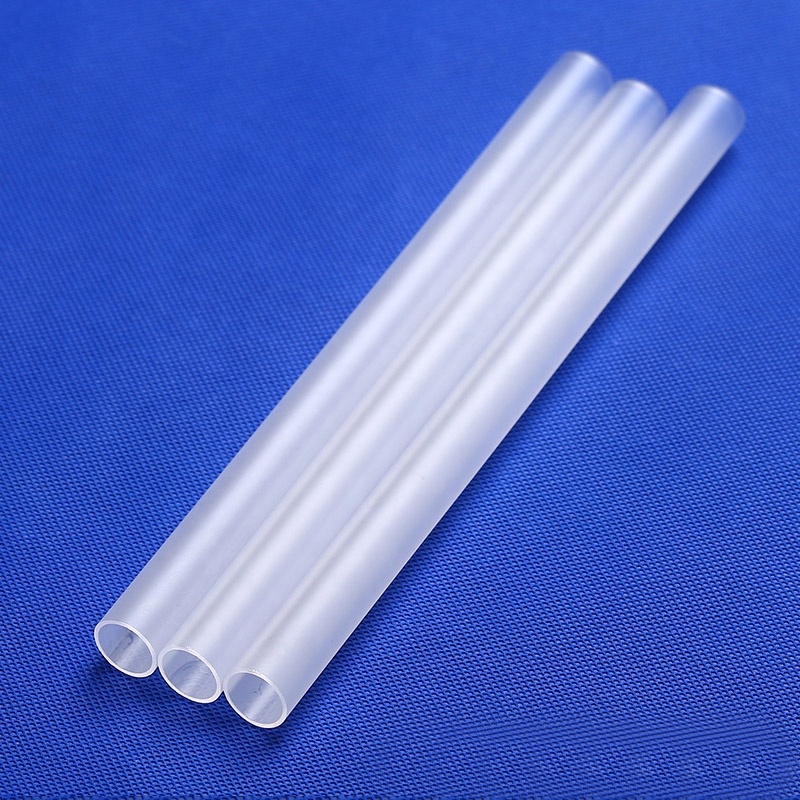
High Purity Translucent Polished Quartz Glass Tube
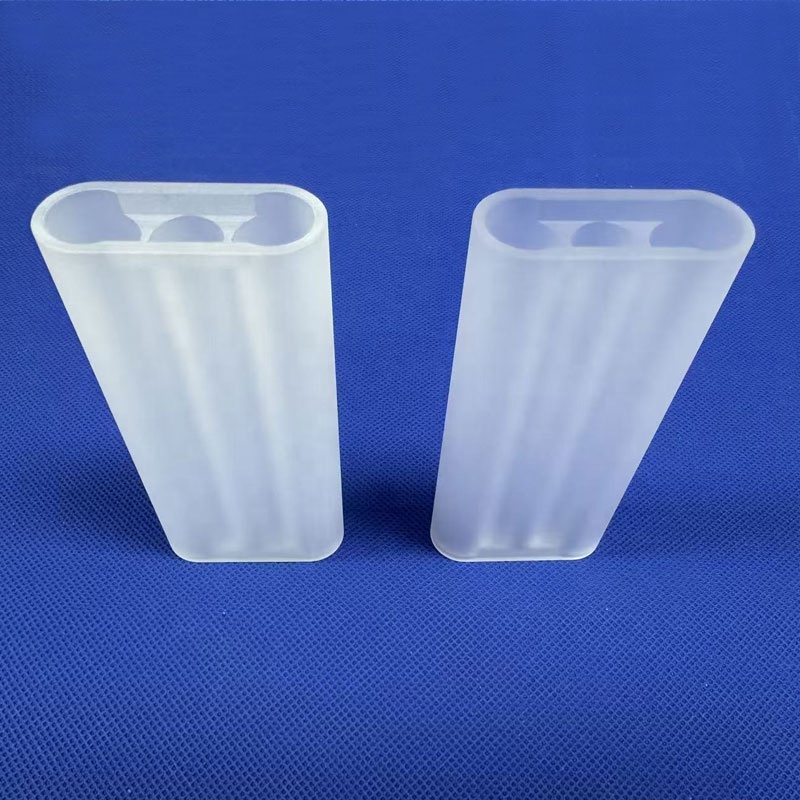
High Precision Triple Bore Quartz Laser Cavity Tube
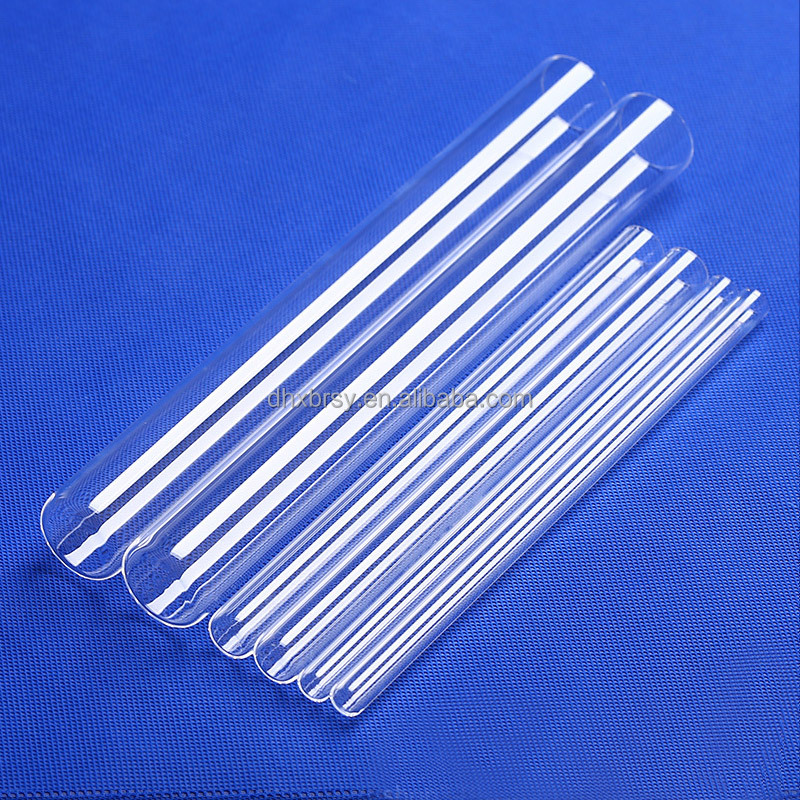
One-End Closed High-Pressure Resistant Quartz Tube
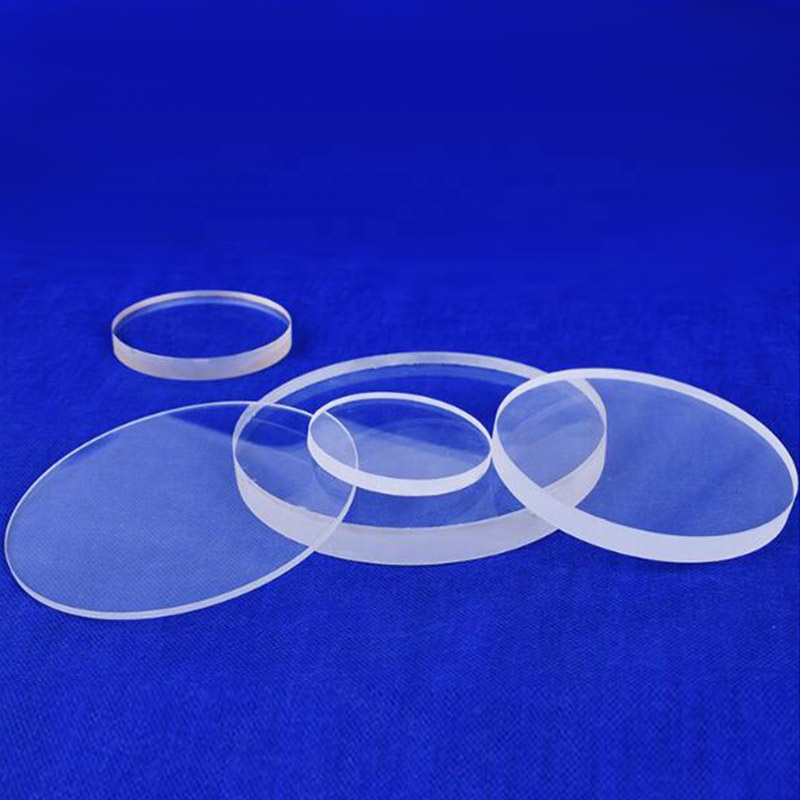
High-Purity Optical Grade Polished Fused Quartz Disc
High-Purity Quartz Glass in Stavanger's Marine & Offshore Ecosystem
Known as the Energy Capital of Norway, Stavanger hosts sophisticated offshore oil & gas engineering, deep-sea research facilities, maritime environmental technology clusters, and rapidly emerging carbon capture and hydrogen testing grounds. These high-consequence sectors demand quartz glass that performs reliably under extreme pressures, corrosive salt spray, and acute thermal cycling.
Offshore Downhole Sensors & Wellhead Viewports
Exploration wells in the North Sea encounter hydrostatic pressures up to 1000+ bar and corrosive crude compounds rich in H₂S and CO₂. Custom thick-wall fused quartz sight glasses, one-end-closed thermocouple sheaths, and downhole optical windows provide pristine optical fidelity for spectral analysis while resisting high-temperature embrittlement and acid degradation.
Maritime UV Ballast Water Treatment Systems
In accordance with IMO Ballast Water Management standards enforced along the Norwegian coastline, vessels docking at Risavika and regional shipyards rely on high-output amalgam UV reactors. Our high-transmittance JGS2 quartz sleeves deliver consistent 254 nm germicidal transmittance (>85%), withstanding continuous hydrostatic flow turbulence and cyclic thermal loading without solarization.
Subsea Oceanographic Spectrometry & Photonics
Advanced ROVs, AUVs, and autonomous benthic monitoring landers operating out of Rogaland deploy UV-Vis spectrometer flow cells and multi-bore capillary tubes to profile dissolved methane, polycyclic hydrocarbons, and trace nutrients. Optical-grade JGS1 synthetic fused silica guarantees zero bubble inclusions, non-fluorescent baseline reads, and flat transmission down to 185 nm.
Material Physics & Grade Selection Guidelines for Rogaland Engineers
Specifying quartz components for marine and offshore duties requires balancing deep ultraviolet transparency, hydroxyl ion (OH⁻) content, bubble classification (ISO 10110), and residual thermal stress. Standard borosilicate fails under rapid seawater quenching due to its high coefficient of thermal expansion (approx. 3.3 × 10⁻⁶ /°C), whereas fused quartz features an exceptionally low coefficient (5.5 × 10⁻⁷ /°C), making it virtually immune to thermal shock fractures from 1100°C to ambient Nordic ice water.
| Material Parameter / Property | JGS1 Synthetic Fused Silica | JGS2 Flame-Fused Quartz | JGS3 Electrically Fused Quartz |
|---|---|---|---|
| Primary Optical Spectrum | Deep UV & Visible (185 nm – 2500 nm) | Standard UV & Visible (220 nm – 2500 nm) | Visible & Infrared (260 nm – 3500 nm) |
| Hydroxyl (OH⁻) Content | High (~1200 ppm) | Moderate (150 – 200 ppm) | Extremely Low (<5 ppm, Water-Free) |
| SiO₂ Purity Level | ≥ 99.999% (Synthetic SiCl₄ origin) | ≥ 99.99% (Natural crystalline quartz) | ≥ 99.99% (Natural electrical melt) |
| Offshore Application Fit | Subsea Laser Imaging & UV Fluorometers | Ballast Water UV Lamps & Sight Windows | Pyrometric Furnace Windows & IR Sensors |
| Coefficient of Thermal Expansion | 5.4 × 10⁻⁷ / °C | 5.5 × 10⁻⁷ / °C | 5.5 × 10⁻⁷ / °C |
| Continuous Safe Operating Temp | 1050 °C | 1100 °C | 1150 °C (Softening point 1730 °C) |
Technological Transitions Driving Quartz Demand Across Southern Norway
The industrial landscape in Stavanger is pivoting toward greener, cleaner, and deeply automated maritime and industrial infrastructures. This structural transition brings new functional requirements for specialized fused silica components.
Hydrogen Generation & Carbon Capture (CCUS)
Pilot projects connected to the Northern Lights CO₂ storage infrastructure and industrial hydrogen electrolyzer plants in Western Norway require high-purity quartz reaction liners, flow tubes, and condensation traps. Quartz glass remains entirely non-reactive to supercritical CO₂ and hydrogen embrittlement at elevated temperatures.
Electrification & High-Temperature Heat Recovery
Offshore electrification initiatives across Equinor-operated platforms prioritize zero-emission industrial heating. Milky-white opaque quartz spiral tubes and radiant infrared heaters deliver targeted high-efficiency heat transfer, reducing overall power consumption while maintaining fail-safe performance in explosive ATEX-certified offshore atmospheres.
Unmanned Autonomous Subsea Vessels (AUVs)
As offshore operations migrate toward subsea docking stations and remote robotic surveying, optical quartz viewport domes and multi-channel laser cavity tubes enable high-speed underwater LiDAR, acoustic-optical telemetry, and real-time structural inspection of platform foundations and subsea pipelines.
Why Stavanger Procurement Engineers Partner Directly with Lovri Quartz
Bypassing trading intermediaries, Lovri Quartz delivers verified manufacturing control directly from our facility in Lianyungang, China—the world's foremost high-purity silica industrial hub.
SGS Onsite Verified
Our 14,271 m² production facility, precision CNC equipment, and inspection laboratories have completed stringent onsite audit verifications by SGS Group.
Full-Chain Purity Control
We perform raw lump cutting, pulverizing, re-screening, and specialized multi-stage acid pickling in-house, securing an unbroken 99.99% SiO₂ chemical baseline.
Polarization Stress Checked
Thermal cracking in furnace tubes and pressure sight glasses originates from internal stress. Every annealed batch undergoes quantitative polariscope testing before shipment.
Drawings to Tolerances
Working directly from your STEP, DWG, or PDF drawings, our 4-axis and 5-axis CNC machines deliver ±0.02 mm tolerances, custom bevels, and optical face finishes.
Frequently Asked Questions by Stavanger Industrial Buyers
Clear, direct answers regarding customs clearance, material testing certification, export logistics, and technical specifications for Norwegian business partners.
How are fragile quartz parts packaged to ensure zero breakage during transit to Norway?
Every custom quartz piece is vacuum-sealed or shrink-wrapped with PE protective film, isolated with high-density EPE shock-absorbent foam contoured to the component's geometry, and packed into reinforced export wooden crates complying with ISPM 15 fumigation standards. We routinely deliver intact shipments to Stavanger via air cargo (SVG Sola Airport) and sea freight (Port of Stavanger / Risavika).
What documentation and material certificates accompany shipments into Norway?
We provide comprehensive Material Test Reports (MTR) detailing chemical purity (SiO₂ assay ≥ 99.99%, trace metallic impurities in ppm), RoHS compliance declarations, CE documentation for applicable tubular products, dimensional inspection protocols, and polarization stress relief verification logs. Full customs paperwork (Commercial Invoice, Packing List, EUR.1 / Certificate of Origin) is provided for smooth clearance through Tolletaten.
What is the minimum order quantity (MOQ) for custom prototypes and R&D parts?
To support prototyping and custom offshore equipment engineering, our MOQ starts from 1 piece on custom machined parts, wafer boats, and specialty flanges. We work directly with university labs, subsea technology startups, and established tier-1 EPC contractors across Rogaland from design validation through volume serial production.
Can you machine tight tolerances from customer CAD models and STEP files?
Yes. Our CNC machining center handles complex 3D profiles, micro-drilling (down to 0.5 mm hole diameters), precision slotting, thread cutting (metric and imperial inner/outer threads), and laser-cavity flow channels. We accept 3D models in STEP, IGES, SLDPRT, and 2D blueprints in DWG, DXF, or PDF formats.