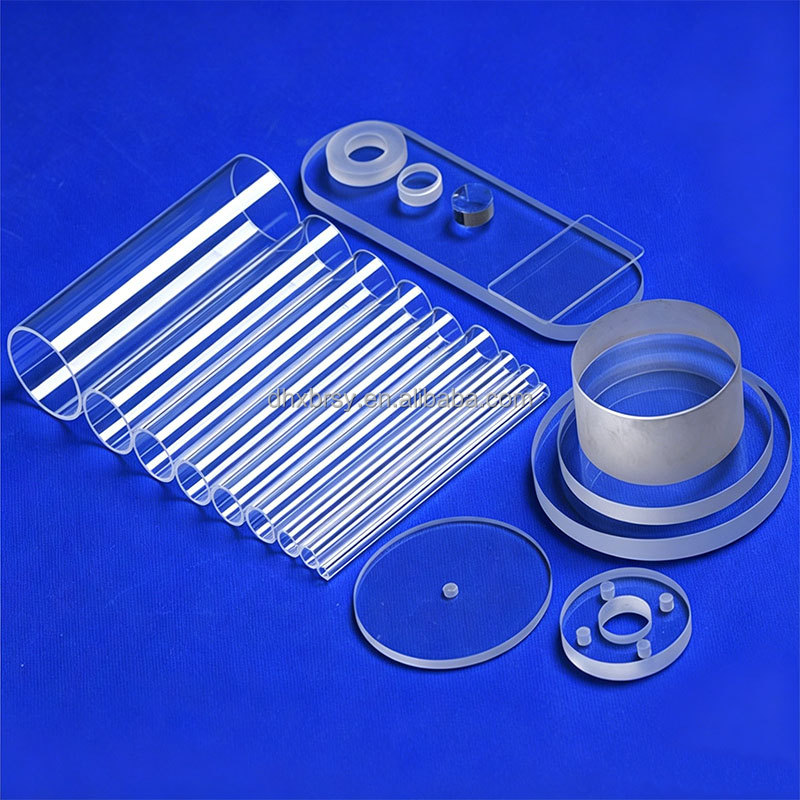
Standard & Custom Industrial Inventory
High-Purity Fused Silica & Quartz Components for Mongolian Deployments
Direct manufacturer supply with SGS-verified raw batch tracking, internal stress polarization relief, and vacuum-sealed export protective packaging suitable for transit to Ulaanbaatar and regional industrial centers.
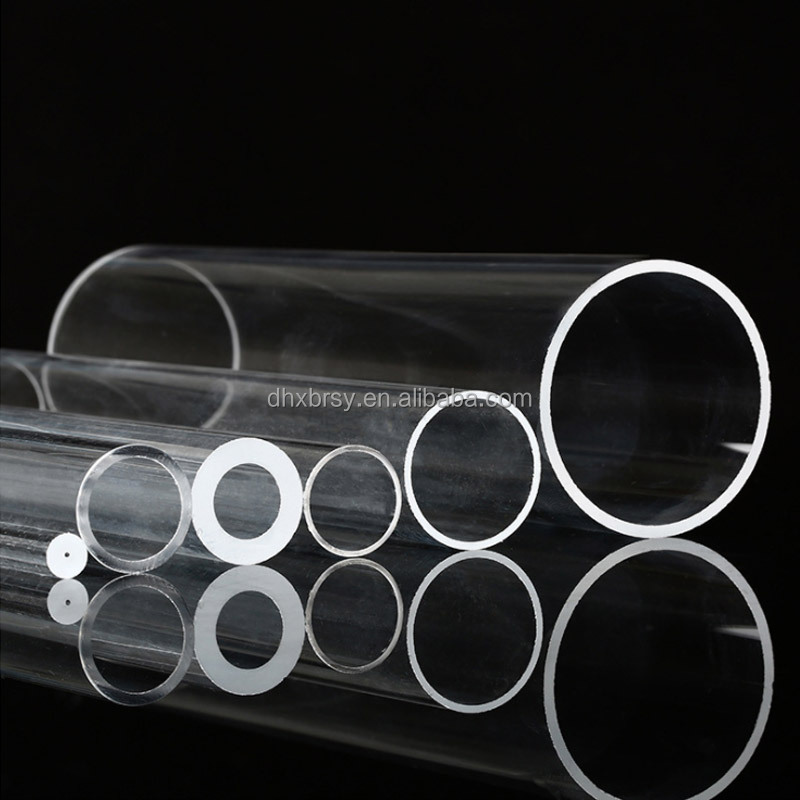
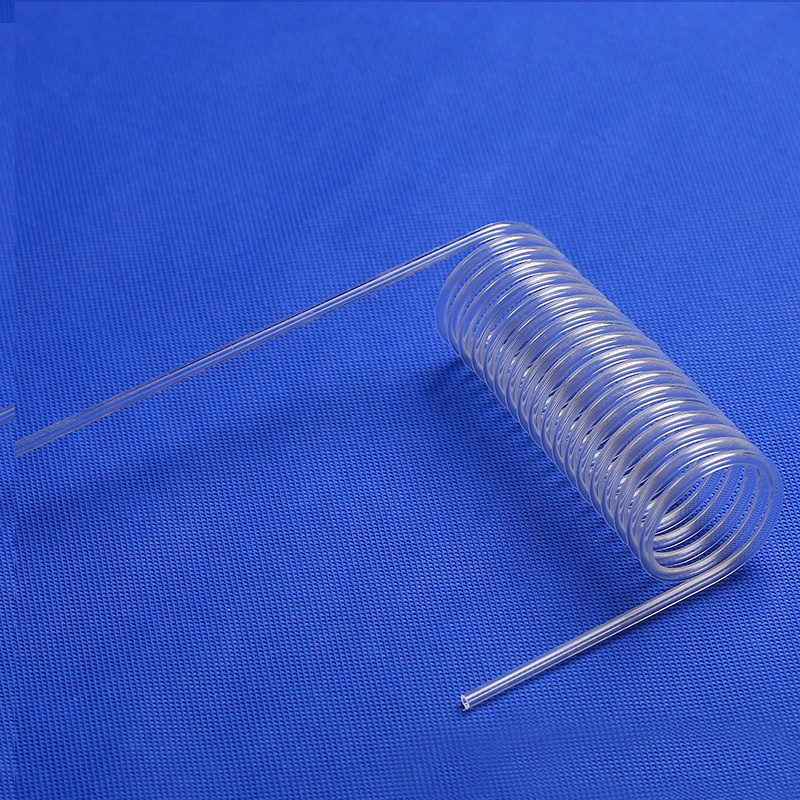
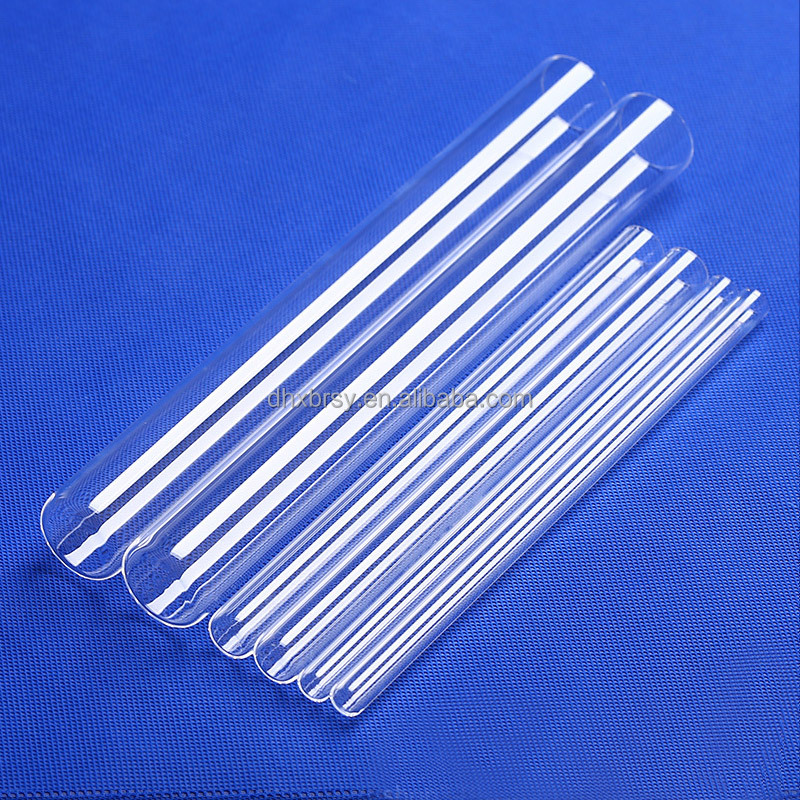
Engineering Application Dynamics
Fused Silica Thermal & Mechanical Performance in Mongolia's Harsh Environments
An in-depth metallurgical and operational analysis of deploying synthetic and electric-fused quartz apparatus across extreme continental temperature gradients.
Mongolia represents an engineering landscape defined by severe environmental extremes. Operating operations across the Southern Gobi mining corridor (Oyu Tolgoi, Tavan Tolgoi), Erdenet's copper extraction hubs, and scientific test laboratories in Ulaanbaatar face sub-zero ambient shifts reaching below -40°C in winter alongside rapid industrial heating demands. Under such steep thermal gradients, conventional technical glasses—including high-specification borosilicate 3.3—experience catastrophic failure caused by hoop stresses, structural fatigue, and internal coefficient mismatch.
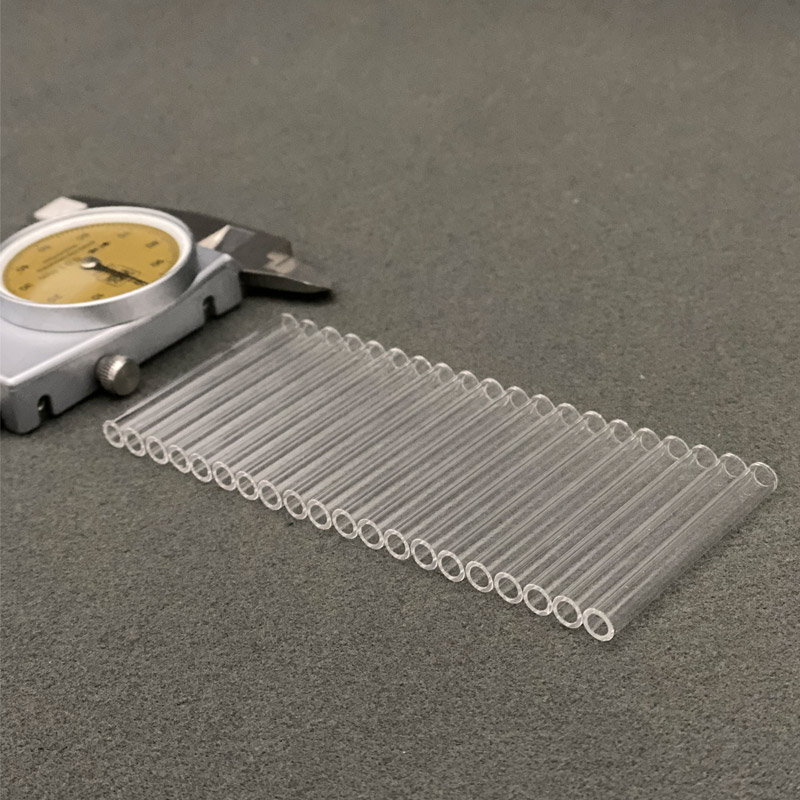
Fused silica (amorphous silicon dioxide) serves as the primary barrier material for critical high-temperature thermal analysis, pyrometallurgy furnace liners, and analytical instruments in the region. Boasting an ultra-low linear thermal expansion coefficient of approximately 5.5 × 10⁻⁷ /°C (from 20°C to 300°C), Lovri fused quartz tubes withstand instant thermal shock—such as red-hot extraction from a 1150°C calcination furnace directly plunged into cold water without micro-fissuring or mechanical cleavage.
Technical Insight for Mongolian Procurement Engineers: In metallurgical pyrometry and sample digestion, alkali contamination is the leading driver of devitrification (crystallization into cristobalite). Our raw silica sand undergoes multi-stage acid pickling to eliminate trace alkali metals (Li, Na, K < 1.5 ppm), effectively suppressing phase transition degradation up to continuous working exposures of 1100°C and short-term thermal spikes of 1300°C–1400°C.
Mining Pyrometallurgy & Fire Assay
Extensively integrated across copper, gold, and fluorite assay facilities throughout Omnogovi and Darkhan. Our heavy-wall one-end closed quartz tubes and calcination boats provide absolute chemical inertia against aggressive acid vapors (HCl, HNO₃, aqua regia) and sulfur-bearing flue gas during high-temperature ore roastings.
Photovoltaic & Renewables Expansion
As Mongolia builds out mega-scale solar power infrastructure across the steppe, high-transmittance fused quartz tubes play a vital role in PV cell sintering and thin-film silicon processing furnaces. High optical transmission (>90% across visible spectra) ensures balanced infrared distribution and rapid thermal annealing.
Laboratory & University Research
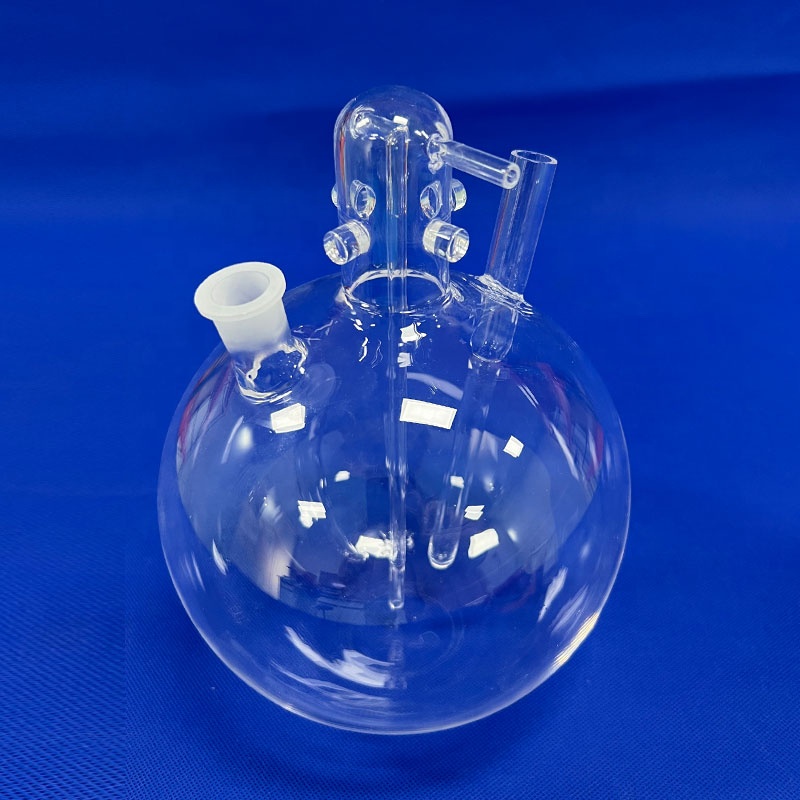
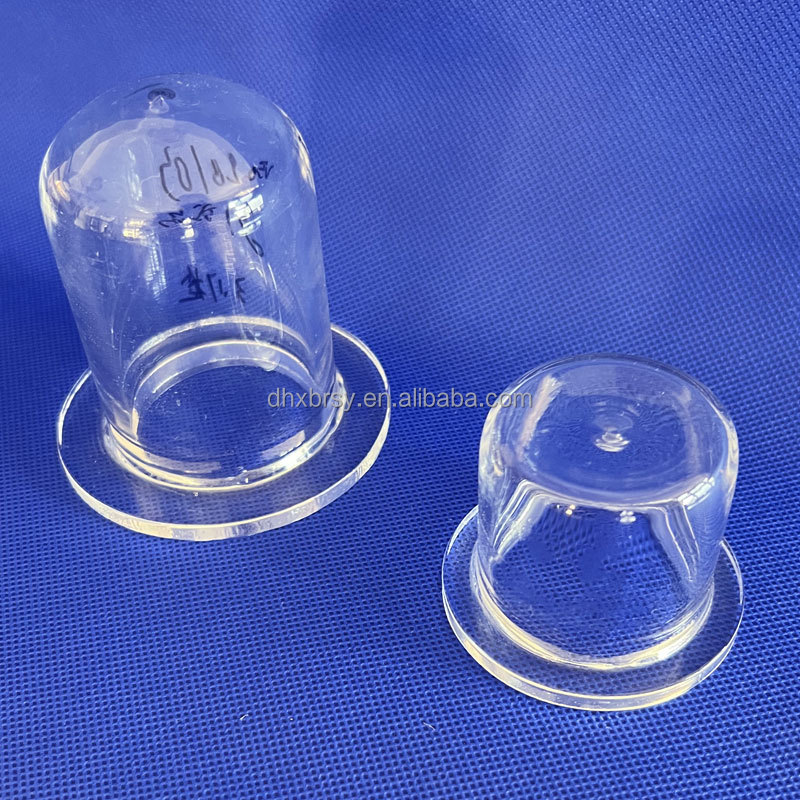
Supplying analytical laboratories across the Mongolian Academy of Sciences, MUST, and private environmental testing bodies in Ulaanbaatar with custom JGS1 optical sight windows, quartz cuvettes, 96-well digestion microplates, and multi-port micro-reaction vessels engineered to tight ISO tolerances.
Physical & Chemical Whitepaper
Fused Silica Engineering Benchmark Matrix
Essential material constants for equipment fabrication, thermal chamber calculations, and optical path engineering.
| Physical / Chemical Property | Reference Value | Test Condition / Standard | Engineering Significance for Buyers |
|---|---|---|---|
| SiO₂ Purity Grade | ≥ 99.99% (Optical Grade > 99.999%) | ICP-OES Spectral Chemical Assay | Prevents crucible dissolution and process batch contamination. |
| Continuous Service Temperature | 1100 °C | Prolonged furnace isothermal soaking | Ideal for ore roasting, CVD processing, and tube furnaces. |
| Short-Duration Peak Limit | 1300 °C – 1400 °C | < 30 minutes transient excursion | Guarantees safety margins during unexpected kiln runaway. |
| Coefficient of Thermal Expansion | 5.5 × 10⁻⁷ cm/cm·°C | 20 °C to 320 °C Dilatometry | Impervious to cracking across severe continental climatic shifts. |
| Annealing Point | 1215 °C | Internal strain dissipation stage | Ensures precision alignment remains stable under heat. |
| Optical Spectrum Transmission | 185 nm – 2500 nm (JGS1) | Deep UV through near Infrared | Optimal for laser pumping chambers and UV sterilization setups. |
Strategic Procurement Insight
Emerging Trends in the Mongolian Advanced Glassware Market
How international standards, mineral beneficiation upgrades, and cross-border logistics are shifting quartz procurement strategies.
Supply Chain Regionalization via Zamiin-Uud
Mongolian buyers are bypassing European intermediaries to source directly from primary manufacturers clustered in Lianyungang. Rail and express trucking through Erenhot/Zamiin-Uud reduce replenishment cycles from months down to under 10 days, cutting inventory holding overhead.
Stringent Assay Laboratory Modernization
With international ESG reporting and ISO 17025 certification expanding across Mongolian mining concessions, lab administrators require certified batch documentation (SGS onsite audits, RoHS, and polarization stress verification) to guarantee uncompromised trace metal assay results.
Shift to Precision CNC Machined Quartz
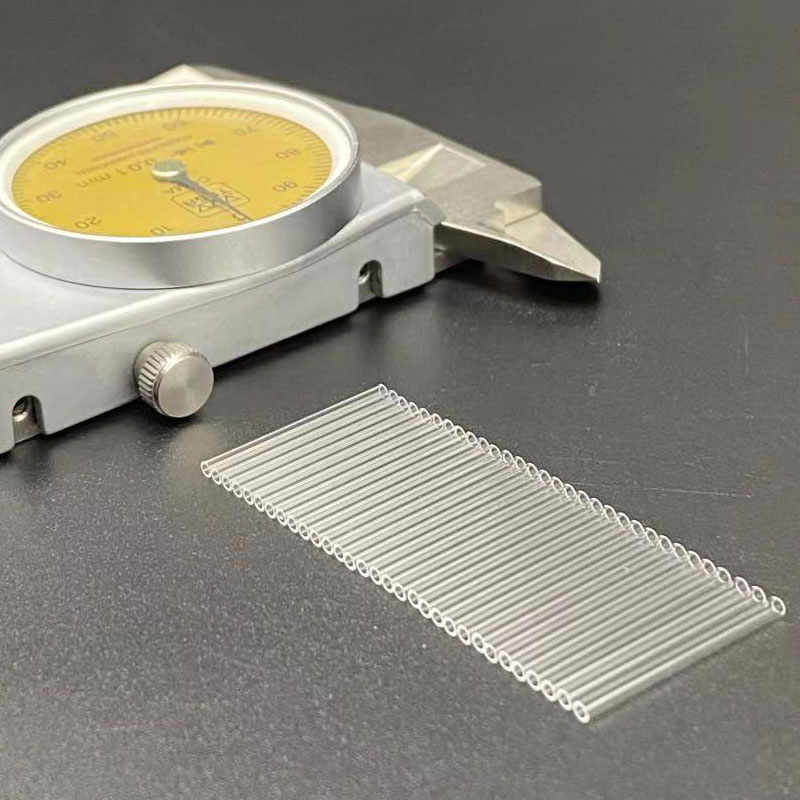
Rather than relying on basic standard tube profiles, local operators now specify turn-key flanged assemblies, custom multi-bore capillary lines, and pre-welded quartz reactors designed directly from DWG/STEP CAD files, avoiding risky local secondary torch modifications.
Direct Factory Advantage
Why Mongolian Engineering & Procurement Teams Trust Lovri Quartz
Combining complete vertical integration in China's quartz capital with rigorous international compliance testing.
14,271 m² Fully Integrated Facility
Located in Lianyungang, Jiangsu, our facility controls the complete process lifecycle: raw silica boulder grading, pulverizing, acid purification, horizontal/vertical tube drawing, thermal annealing, and 5-axis precision CNC shaping under one roof.
Polarization Stress-Relief Protocol
Residual structural stresses represent the primary driver of catastrophic shattering when furnace glass undergoes heat cycles. Every single batch from our annealing ovens is checked using polariscopic optical testing to guarantee complete micro-strain dissipation.
Specialized Export Crate Packaging
We understand the logistical rigors of freighting sensitive quartz apparatus across remote Mongolian terrain. Our multi-tier packing incorporates static-free PE wraps, custom-molded high-density polyethylene foams, and reinforced plywood crates built to survive long-haul multi-modal transit.
Buyer Guidance
Frequently Asked Questions by Mongolian Procurement Specialists
Actionable answers addressing import compliance, thermal performance, customs clearance, and lead times.
How does your fused silica withstand Mongolian winter storage at -40°C?
Because amorphous fused quartz possesses an ultra-low expansion coefficient (5.5 × 10⁻⁷ /°C), sub-zero cold temperatures do not induce embrittlement or structural compromise. Tubes can be moved directly from cold unheated warehouse storage into active heating regimes without cold shock fracturing, provided surface moisture is dried off.
What is the standard delivery timeframe to Ulaanbaatar or South Gobi?
For standard catalog tube dimensions and plates, goods ship from our factory within 48 to 72 hours. Transit via international rail or dedicated express truck through the Erenhot / Zamiin-Uud border port usually reaches Ulaanbaatar customs clearance in 5 to 9 business days.
Can you produce custom flange fittings and closed ends from our CAD files?
Yes. Our in-house glassblowers and 5-axis CNC machining centers build precisely to PDF, DWG, DXF, or 3D STEP drawings. We routinely produce vacuum KF flanges, spherical joints, threaded collars, and precision slot cutouts for custom reactors.
How do you guarantee transit safety for extremely fragile capillary tubes?
All tubular shipments employ internal floating cushioning, individual sleeve wrapping, and exterior heavy-duty export-grade plywood crates marked with orientation and shock sensors. Our historical freight breakage rate to Mongolian destinations remains below 0.2%.
What is the minimum order quantity (MOQ) for non-standard pilot designs?
To support laboratory R&D and pilot trial validations across Mongolian universities and mining consortiums, our minimum order quantity starts from just 1 to 5 pieces on custom fabricated parts, with volume scaling available on production sign-off.
Accelerate Your Fused Silica Procurement Today
Connect directly with our engineering team for instant design feasibility evaluations, material test reports (MTR), and rapid door-to-door delivery estimates for Mongolia.
Inquire Now