SGS Onsite-Verified Fused Quartz Manufacturer [email protected]
SGS Verified · High-Purity Fused Silica · ISO 9001

Top Trusted Quartz Glass Machining Manufacturers & Supplier serving Liechtenstein

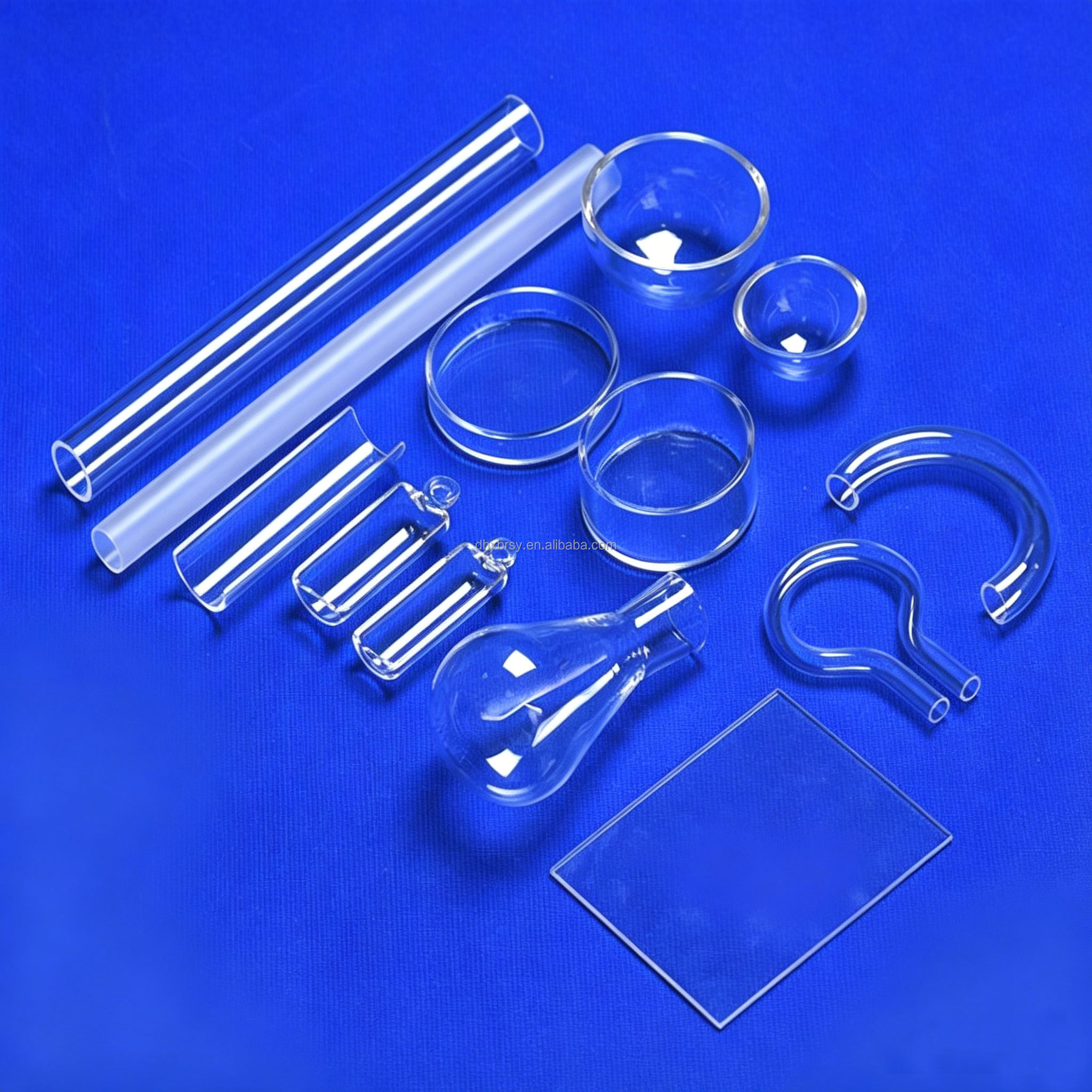
Custom ultra-high purity (99.99% SiO₂) CNC quartz components, precision tubes, wafer boats, and optical plates engineered for the Alpenrheintal precision micro-technology, high-vacuum, and dental engineering clusters.

Engineered Optical & Thermal Components

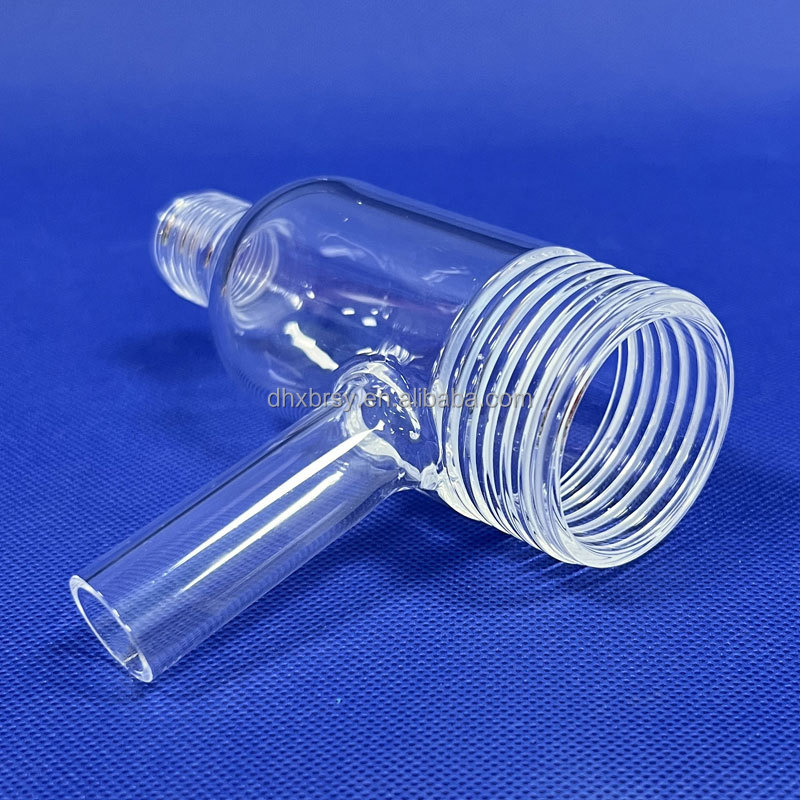
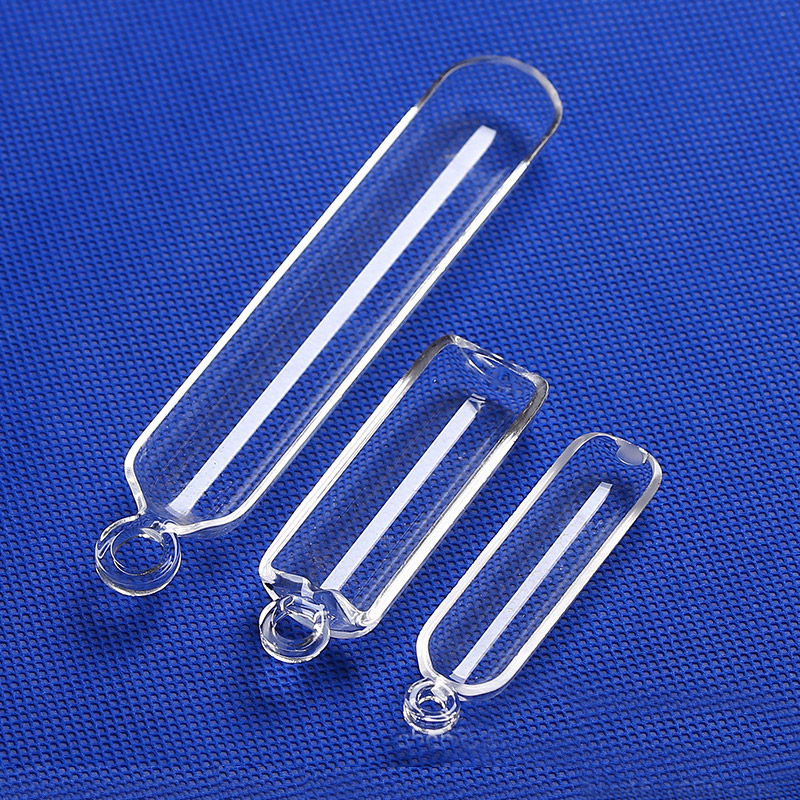
Featured Precision Quartz Products for Industrial Applications

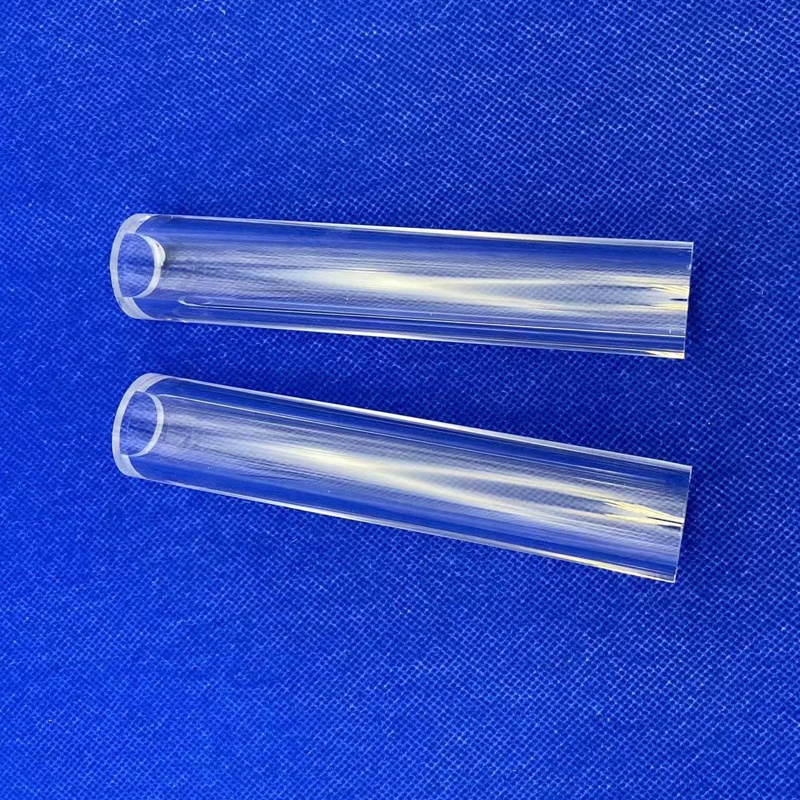
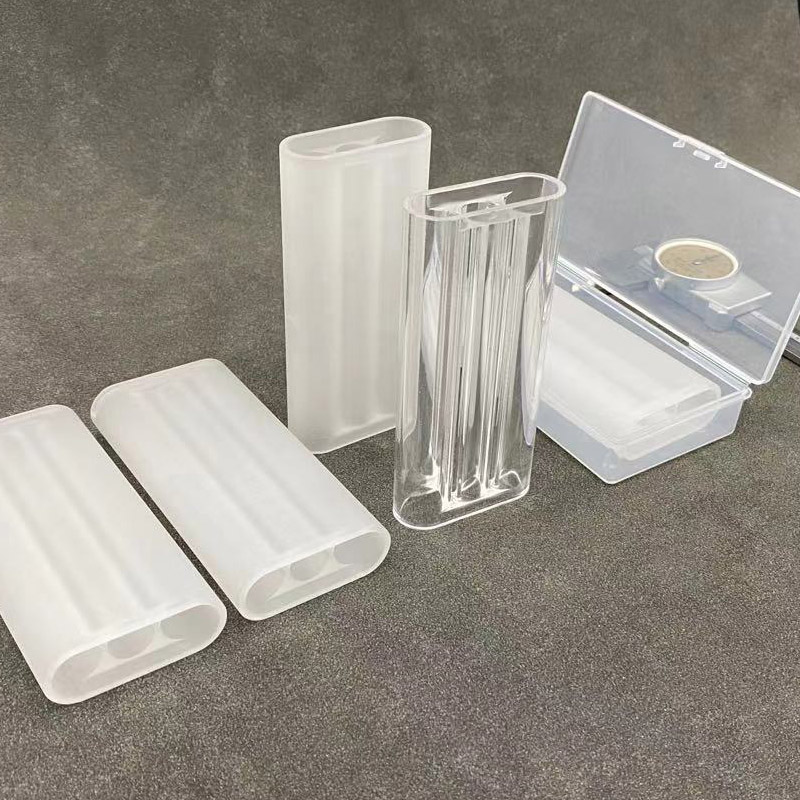
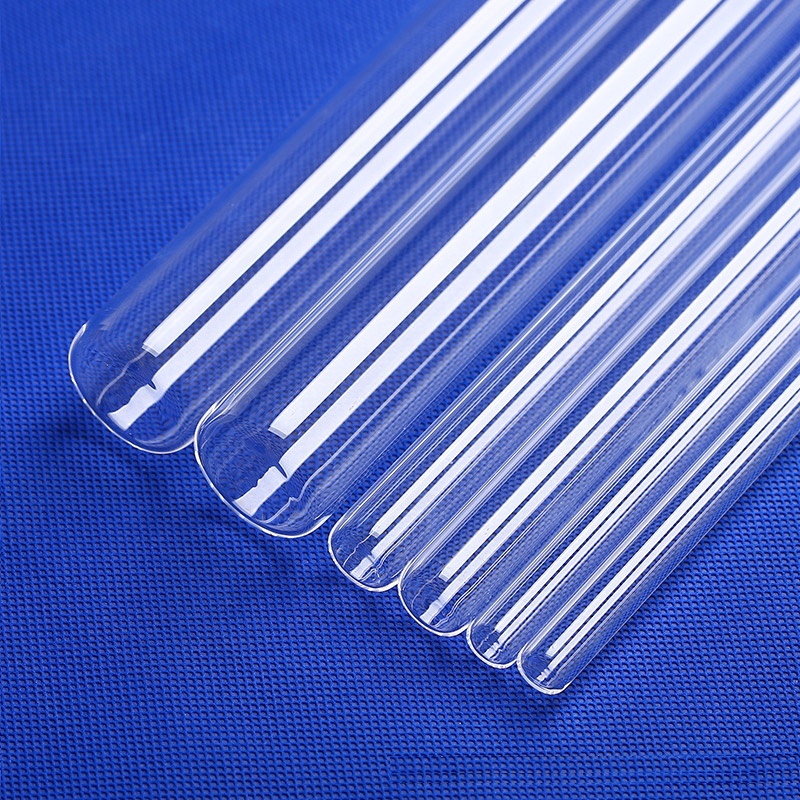
Direct factory supply of tight-tolerance CNC-machined, flame-worked, and optically polished fused quartz components. Fully compliant with European technical directives, RoHS, and REACH standards.

Technical Whitepaper & Regional Analysis

Fused Quartz Machining Dynamics in Liechtenstein's High-Tech Economy

An engineering-level evaluation of how ultra-pure synthetic and natural fused silica components empower the Rhine Valley's world-leading vacuum deposition, dental sintering, and optical sensor sectors.

99.99%
SiO₂ Chemical Purity
1100°C
Continuous Service Temp
5.5×10⁻⁷
Thermal Expansion (/K)
±0.005mm
CNC Micro-Machining Limit

The Principality of Liechtenstein, located in the dynamic tri-border region of the Alpine Rhine Valley (Alpenrheintal), represents one of the most dense industrial manufacturing ecosystems on earth. Despite its modest geography, the nation leads international markets in specialized precision mechanics, physical vapor deposition (PVD) surface coatings, vacuum engineering, advanced dental ceramics processing, and optical sensing. For companies operating across Vaduz, Schaan, Balzers, and Eschen, material selection is dictated by absolute structural reliability under severe thermodynamic, mechanical, and chemical stress.

Fused quartz and synthetic fused silica (SiO₂) stand as irreplaceable foundational materials throughout these specialized facilities. Because of its microscopic single-component glass matrix, fused silica delivers an extraordinarily low coefficient of thermal expansion ($\alpha \approx 5.5 \times 10^{-7} \text{ K}^{-1}$ between 20°C and 320°C), near-complete chemical resistance against aggressive acids, ultra-high dielectric strength, and unrivaled spectral transmission ranging from the Deep Ultraviolet (DUV 185 nm) down through the Mid-Infrared (MIR 3500 nm). For manufacturing leaders servicing global semiconductor toolmakers and precision medical technology firms, partnering with a primary quartz fabricator with end-to-end processing control is a mandatory prerequisite for operational security.

1. Precision Application Scenarios in Liechtenstein

Advanced manufacturers across the Rhine Valley integrate custom-machined quartz products into several highly critical production phases:

Thin-Film Vacuum Systems (PVD/CVD)

Balzers has long been recognized as a global epicenter for industrial thin-film coating and vacuum technology. Fused quartz observation ports, plasma isolation shields, and quartz crystal microbalance (QCM) monitoring crystal windows provide extreme vacuum integrity (< 10⁻⁸ mbar) and zero outgassing during high-temperature metal sputtering and optical dielectric deposition.

Dental Sintering & Medical Tech

With major global dental and medical apparatus manufacturers headquartered in Schaan, clean thermal processing is paramount. High-purity quartz calcination boats, furnace muffle tubes, and crucibles prevent heavy metal and alkali ion cross-contamination during the sintering of zirconia restorations and high-performance bioceramic components up to 1300°C.

Industrial Laser & Sensor Optics

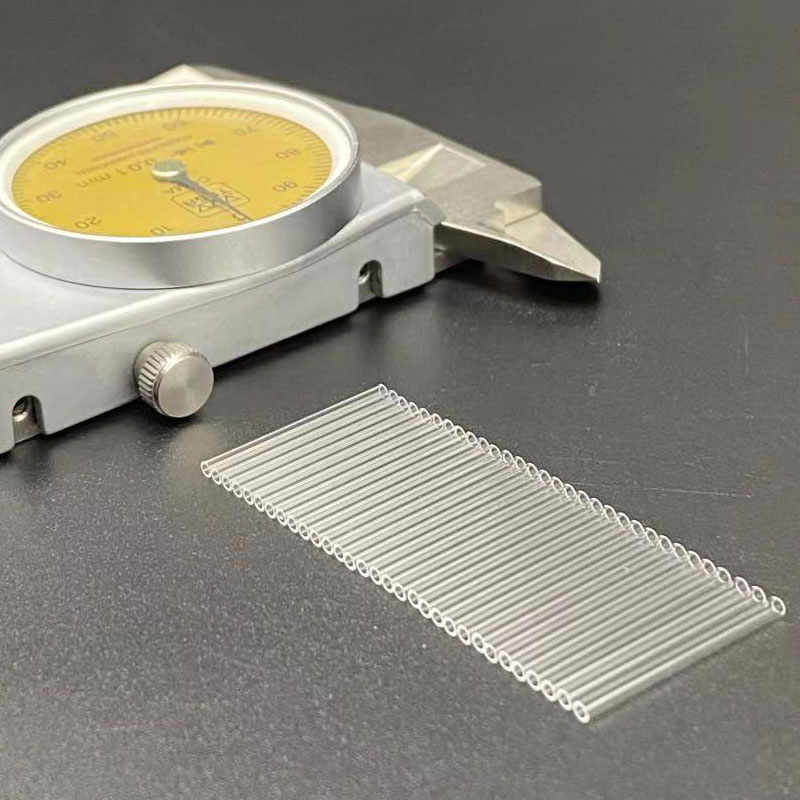
Liechtenstein's automated manufacturing systems rely on cutting-edge laser inspection and fiber-optic positioning. Candela-type triple bore laser flow tubes, high-transmittance JGS1 UV optical flats, and micro-drilled quartz capillary sensors ensure distortion-free beam management, resilient cooling under flashlamp radiation, and permanent thermal stability.

Material Insight: Trace Metal Contamination Thresholds

In high-vacuum semiconductor processes and laser-assisted medical synthesis, trace alkali impurities such as Sodium (Na), Potassium (K), and Lithium (Li) drastically accelerate high-temperature devitrification into cristobalite. Lovri Quartz enforces rigorous hydrochloric and hydrofluoric acid multi-stage pickling protocols, suppressing alkali metal impurities to below 1.0 ppm and ensuring extended furnace cycle lifetimes across Liechtenstein's automated production lines.

Synthetic vs. Natural Fused Quartz: Grade Selection Matrix

Selecting the appropriate optical grade based on absorption wavelengths, hydroxyl (OH⁻) content, and application constraints.

Optical Grade Material Origin Transmission Band OH⁻ Content Primary Industrial Use in Liechtenstein
JGS1 (Corning 7980 Class) Synthetic Fused Silica (SiCl₄) 185 nm – 2500 nm (DUV) < 1200 ppm Excimer laser windows, lithography masking, UV sensor optics.
JGS2 (Standard Clear) Refined Natural Quartz Sand 220 nm – 2500 nm (UV-Vis) < 30 ppm PVD vacuum sight glasses, ozone generator sleeves, chemical viewports.
JGS3 (Infrared Fused) Electric Arc Fused Silica 260 nm – 3500 nm (IR-Vis) < 5 ppm Thermal imaging pyrometers, IR emitter tubes, high-temp heat shields.
Milky Opaque Quartz Fused High-Purity Natural Quartz Diffuse / IR Block Variable Dental sintering furnace linings, heating coil cores, thermal barriers.

2. Regional Macro Trends & Regulatory Landscape

The procurement of industrial quartz within the Principality is governed by a uniquely sophisticated commercial framework. Due to the longstanding Swiss-Liechtenstein Customs Treaty (Zollvertrag), Liechtenstein functions entirely within the Swiss customs and monetary territory, utilizing the Swiss Franc (CHF) for commercial settlements and applying joint border clearance mechanisms. Simultaneously, as an active member of the European Economic Area (EEA) since 1995, Liechtenstein adopts European technical product regulations, necessitating comprehensive CE conformity, RoHS (Restriction of Hazardous Substances), and REACH documentation for all incoming engineering materials.

Three dominant macro trends currently dictate quartz machining procurement across the region:

  • Accelerated Miniaturization and Micro-Optics: As Rhine Valley companies advance into micro-electromechanical systems (MEMS), photonic integrated circuits, and quantum sensor packages, demand for quartz flats with thicknesses down to 0.1 mm, surface roughness Ra < 0.5 nm, and sub-micron parallelisms has increased exponentially.
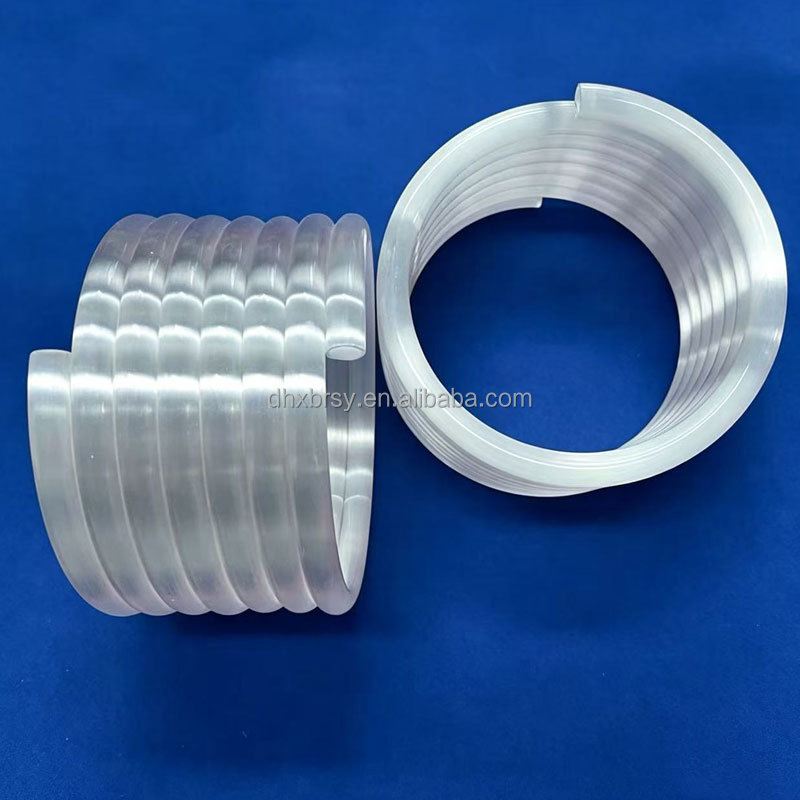
  • Thermal Decarbonization and High-Efficiency Furnaces: In accordance with national net-zero industrial goals, manufacturing plants are replacing inefficient resistance heating assemblies with focused short-wave and medium-wave infrared systems. This shift has elevated demand for custom-wound opaque quartz spiral helix tubes that reflect thermal radiation directly into workpiece zones without convective heat loss.
  • Supply Chain Resilience and Direct Source Auditing: Volatility in global specialized glass supplies has driven European procurement officers to eliminate redundant trading intermediaries. Liechtenstein manufacturing buyers require direct, verified factory auditing—such as SGS onsite verification—to ensure absolute traceability of raw silica sand, process repeatability, and secure air-freight logistics corridors via Zurich Kloten (ZRH) or St. Gallen-Altenrhein (ACH).
Enterprise Engineering Excellence

Why Global Engineering Leaders Rely on Lovri Quartz

Vertically integrated fused silica manufacturing: from raw crystal quartz pulverization to multi-axis CNC micro-machining and polarization stress certification.

14,271 m² Dedicated Production Infrastructure

Located in Lianyungang, China's premier silica industrial cluster, our fully integrated manufacturing site has been independently verified onsite by SGS Group. With over 12 discrete in-house production departments—including automatic tube drawing lines, optical cold machining shops, flame lathes, and specialized cleanroom packaging bays—we maintain total autonomy over scheduling, tolerances, and quality control.

Vertical Raw Material Purity Control

Unlike downstream CNC processors who purchase generic commercial glass blanks, Lovri controls the complete synthesis lifecycle. We crush, pulverize, re-screen, and acid-pickle select natural quartz chunks in-house. This ensures an uncompromising SiO₂ chemical purity threshold of 99.99%, virtually eliminating micro-bubbles, metallic slag inclusions, and localized refractive anomalies before machining commences.

Polarization Stress Testing & Metrology

Thermal cycling failure in high-pressure quartz sight tubes and laser bore channels is predominantly caused by latent internal annealing stress. Every production lot at Lovri undergoes controlled electric annealing at 1215°C followed by 100% polarization stress testing. Component dimensions are verified utilizing 3D coordinate measuring machines (CMM) and laser interferometers according to DIN ISO 2768-mK tolerances.

Export-Grade Shockproof Packaging for Europe

Precision quartz requires uncompromising logistical protection. We employ custom-molded high-density polyethylene (EPE) foam dampeners, vacuum-sealed static-shield pouches, and export-grade plywood crates engineered to endure international multimodal transit. Shipments arrive intact and cleanroom-ready at your receiving facilities across Balzers, Schaan, or Vaduz via insured air freight.

Procurement & Engineering FAQ

Frequently Asked Questions by Liechtenstein Purchasing Teams

Clear, direct answers regarding technical specifications, custom fabrication capabilities, customs clearance, and delivery timelines to the Principality.

What are the customs and import procedures for shipping quartz glass into Liechtenstein?
Under the Swiss-Liechtenstein Customs Treaty of 1923, Liechtenstein forms a unified customs area with Switzerland. Shipments addressed to companies in Vaduz, Schaan, Balzers, or other municipalities are routed through Swiss customs clearance protocols (EZV / BAZG). Lovri Quartz provides fully compliant export paperwork, including commercial invoices with correct Harmonized System (HS) codes (typically HS 7002 for quartz tubes/rods and HS 7017 for laboratory/industrial quartz apparatus), packing lists, and certificates of origin. Delivery is executed seamlessly via international air express (DHL/FedEx/UPS) or air freight forwarding via Zurich Airport (ZRH), arriving directly at your facility without regional secondary clearing delays.
Can you machine complex components according to our 3D CAD models and technical drawings?
Yes. Our CNC machining centers and optical processing facilities operate directly from customer engineering drawings and digital files. We accept standard European CAD formats including STEP (.stp), IGES (.igs), DWG, and vector DXF, as well as dimensioned PDF engineering drawings. We routinely machine custom ground threads, multi-bore hole patterns, conical tapers, wafer slot profiles, vacuum O-ring sealing grooves, and complex laser cooling geometries with mechanical tolerances held to ±0.005 mm depending on part complexity.
What is the difference between JGS1, JGS2, and JGS3 quartz in laser and optical applications?
The fundamental distinction lies in raw material synthesis and trace hydroxyl (OH⁻) content:
JGS1 is synthetic fused silica synthesized from silicon tetrachloride vapor. It features zero bubble inclusions, superior optical homogeneity, and high transmission in the deep ultraviolet range (DUV > 90% at 193–266 nm), making it critical for UV laser optics and lithography.
JGS2 is flame-fused from premium natural quartz crystals. It offers excellent transmission across 220 nm to 2500 nm, serving as an economical, robust standard for sight glasses, UV lamps, and general viewports.
JGS3 is electrically vacuum-fused quartz with exceptionally low OH⁻ content (< 5 ppm). This eliminates the prominent water absorption bands at 1.4 µm, 2.2 µm, and 2.73 µm, allowing high transmittance up to 3500 nm in the mid-infrared spectrum.
How does Lovri ensure that large-diameter quartz tubes and boats do not crack under thermal shock?
Thermal failure in fused quartz is almost exclusively triggered by internal residual stresses introduced during flame working, tube drawing, or welding. At Lovri, every welded boat, flange assembly, and heavy-walled furnace tube undergoes automated thermal de-stressing cycles in computer-controlled electric annealing furnaces up to 1215°C, followed by programmed slow cooling. Every completed piece is visually verified using a high-sensitivity polariscope stress tester to guarantee residual optical path difference is kept below international safety thresholds.
What are the minimum order quantities (MOQ) and sample lead times?
We actively support R&D departments, academic institutions, and prototyping phases across Liechtenstein. For custom CNC quartz parts, optical plates, and specialized welded apparatus, our minimum order quantity starts at just 1 to 5 pieces. Standard raw tubing and plate prototypes can typically be fabricated and dispatched within 7 to 10 working days following final drawing confirmation. Volume production schedules are customized according to your enterprise supply frame agreements.
Can you provide certificates of compliance such as RoHS, REACH, and material test reports?
Yes. As a verified supplier to major European technology sectors, we supply comprehensive quality documentation upon request. This includes formal Material Test Certificates (MTC) stating SiO₂ percentage and trace element ICP-OES analysis, certificates of conformity with EU Directive 2011/65/EU (RoHS) and Regulation (EC) No 1907/2006 (REACH), as well as optical transmission spectrometer curves (UV-Vis-NIR) for precision window orders.
How are fragile precision components packed to guarantee safe arrival?
We adhere to strict multi-layered shock-isolation packaging standards. Each quartz component is thoroughly ultrasonic-cleaned, dried, wrapped in non-scratch protective film or dust-free vacuum bags, and nested in multi-density, die-cut expanded polyethylene (EPE) foam. Heavy quartz tubes and complex lab apparatus are enclosed in impact-resistant, fumigated wooden shipping crates reinforced with internal shock indicators (Drop-N-Tell / Tip-N-Tell) for total transit transparency.
Which commercial payment terms and currencies do you support for Liechtenstein buyers?
We accept wire transfer (T/T) settlements in major international currencies, including Swiss Francs (CHF), Euros (EUR), and US Dollars (USD). For established industrial clients and long-term procurement partnerships within the EEA and Switzerland, flexible commercial credit milestones and blanket order schedules are available subject to standard trade credit assessment.
Accelerate Your Precision Quartz Project Today

Whether you require prototype validation for a next-generation optical sensor, replacement high-temperature furnace tubes, or series production of tight-tolerance CNC quartz components, our engineering specialists are ready to provide technical review, DFM analysis, and rapid quotation.