SGS Onsite-Verified Fused Quartz Manufacturer [email protected]
SGS-Verified Quartz Precision Optics & Apparatus

Top Trusted Quartz Window Manufacturer & Factory for Prešov

Industrial whitepaper, fabrication capabilities, and precision custom fused silica sight glasses engineered for optical spectroscopy, vacuum chambers, and high-temperature manufacturing in Eastern Slovakia.

99.99% SiO₂ High-Purity Grade
14,271 m² SGS Assessed Factory Plant
1400 °C Thermal Resistance Limit
0.1 - 50 mm Custom Machined Tolerances
Export-Grade Portfolio

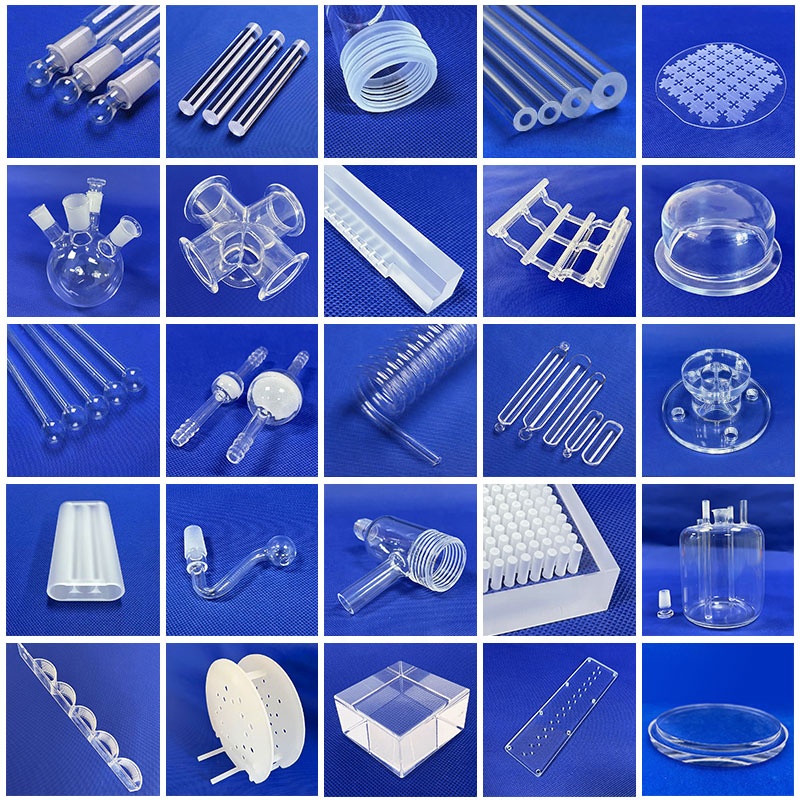
Precision Fused Silica & Quartz Components

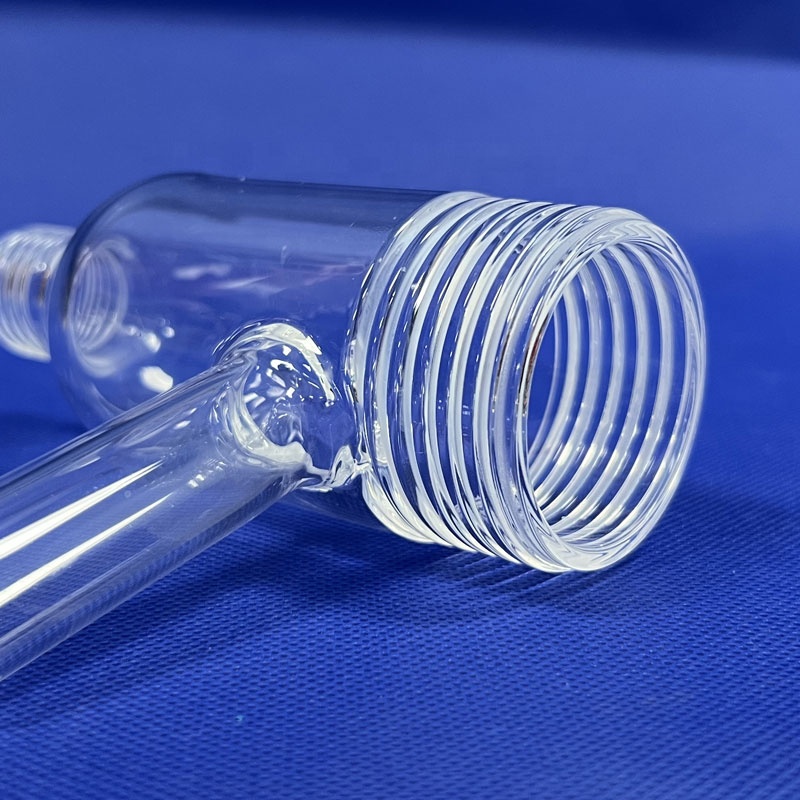
Direct factory fabrication of sight windows, high-pressure reaction vessels, and capillary tubes manufactured to stringent DIN/ISO and RoHS parameters.

Engineering Whitepaper & Technical Analysis

High-Purity Quartz Window Engineering: Optical Physics & Thermal Structural Integrity

In modern industrial photonics, semiconductor micro-lithography, and extreme-environment process surveillance, the optical viewport represents the single most vulnerable interface within high-pressure chambers and ultra-high vacuum (UHV) systems. For engineering teams operating across Prešov and the broader Košice Region, standard borosilicate or aluminosilicate glasses invariably fall short when confronted with dual-spectrum optical requirements (deep ultraviolet through near-infrared) and rapid thermal cycling excursions exceeding 1000 °C.

Fused silica (synthetic SiO₂) and natural fused quartz deliver a zero-porosity, amorphous microstructure that exhibits an exceptionally low coefficient of thermal expansion (α ≈ 5.5 × 10⁻⁷ /°C between 20 °C and 320 °C). This minute volumetric expansion coefficient renders the material practically impervious to catastrophic thermal shock. A precision-annealed quartz window can be repeatedly cycled from a 1100 °C furnace chamber into ambient quench environments without microscopic micro-crack propagation or birefringence drift.

Key Engineering Takeaway: Optical grade selection dictates operational lifespan. Utilizing flame-fused natural quartz (JGS2) in deep-UV excimer laser applications below 220 nm causes accelerated solarization and hydroxyl absorption degradation. Conversely, choosing synthetic suprasil (JGS1) eliminates the internal Si-OH vibration band, preserving transmission rates > 90% down to 185 nm.

Material Grade Characterization: JGS1 vs. JGS2 vs. JGS3

Understanding the synthetic gas-phase oxidation and electric fusion pathways determines exact functional suitability for specialized industrial instrumentation:

Table 1: Comprehensive Optical & Physical Property Comparison
Optical Grade Raw Material Origin Effective Spectral Band OH Content (ppm) Principal Mechanical Applications
JGS1 (Synthetic Fused Silica) High-purity SiCl₄ vapor synthesis 185 nm – 2500 nm (Deep UV) < 20 to 1200 (Grade dependent) Excimer laser windows, photolithography masks, UV-C water purification monitoring viewports
JGS2 (Optical Fused Quartz) Refined natural crystal quartz 220 nm – 2500 nm (UV / Visible) ≈ 150 – 200 High-temperature industrial sight glasses, boiler viewports, spectroscopy flow cells
JGS3 (Infrared Fused Quartz) Vacuum electric melting quartz 260 nm – 3500 nm (Near to Mid IR) < 5 (Anhydrous) IR pyrometry windows, thermal imaging sensors, military optronic enclosures, gas analysis cells

To eliminate optical distortion in high-precision measurement setups, our factory subjects every finished quartz window to double-sided planetary lap-polishing. This rigorous fabrication protocol yields surface wave-front flatness of λ/4 to λ/10 per 25 mm diameter at 632.8 nm, with a scratch-dig surface finish rating of 40/20 or 20/10 pursuant to MIL-PRF-13830B guidelines. Edge ground profiles include controlled 0.5 mm × 45° safety chamfering to dissipate stress concentrations along sealing gasket interfaces.
Regional Integration

Specialized Applications Across Prešov & Eastern Slovakia

Direct OEM quartz component engineering aligned with the regional mechanical engineering, electrotechnical, and industrial automation corridors of Prešov.

Electrotechnical & Precision Machinery

Prešov has a legacy in electro-mechanical manufacturing. Our custom optical quartz windows are integrated into automated laser cutting heads, pick-and-place optical sensors, and CNC laser positioning benches requiring zero thermal drift during multi-shift cycles.

Industrial Vacuum & Heat Treatment Furnaces

Local metallurgy, tooling, and component hardening facilities in Eastern Slovakia rely on our high-pressure quartz flanges and circular viewports to monitor internal vacuum furnaces operating continuously between 900 °C and 1250 °C without gas permeability leaks.

Automotive Lighting & Sensor Assembly

With Slovakia's dominant automotive tier-1 and tier-2 supply chains, our JGS1 UV transmission discs and flow-through quartz cells are utilized in precision UV adhesive curing chambers, paint curing infrared pyrometry, and robotic inspection vision modules.

Chemical Synthesis & Environmental Monitoring

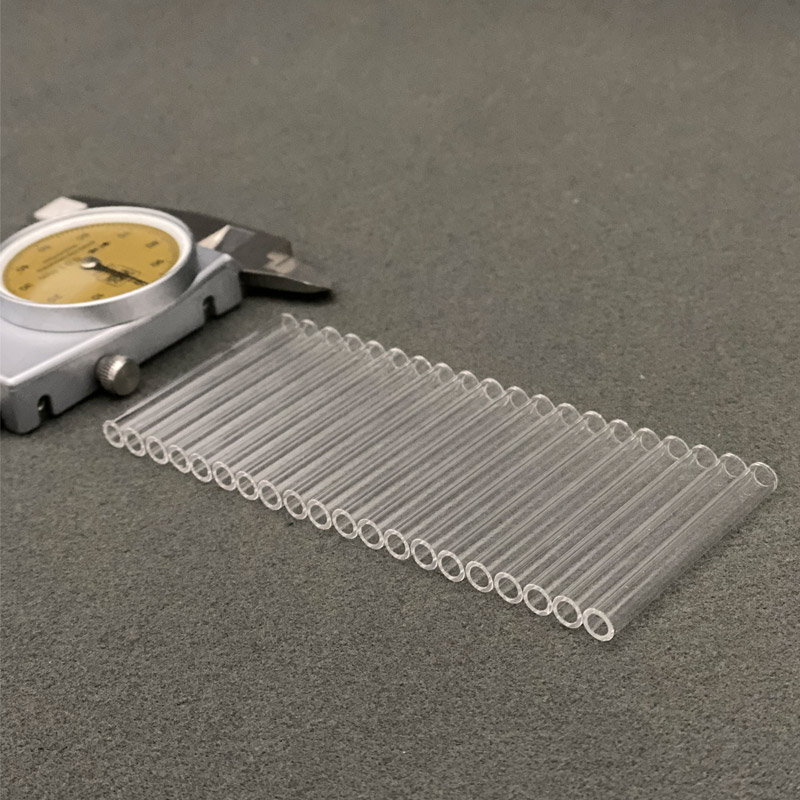
Municipal wastewater treatment facilities and chemical producers across the Torysa river basin implement our corrosion-resistant quartz sleeves and reaction tubes inside heavy-duty UV-C sterilization channels and continuous water quality spectrometer probes.

University & Academic R&D Centers

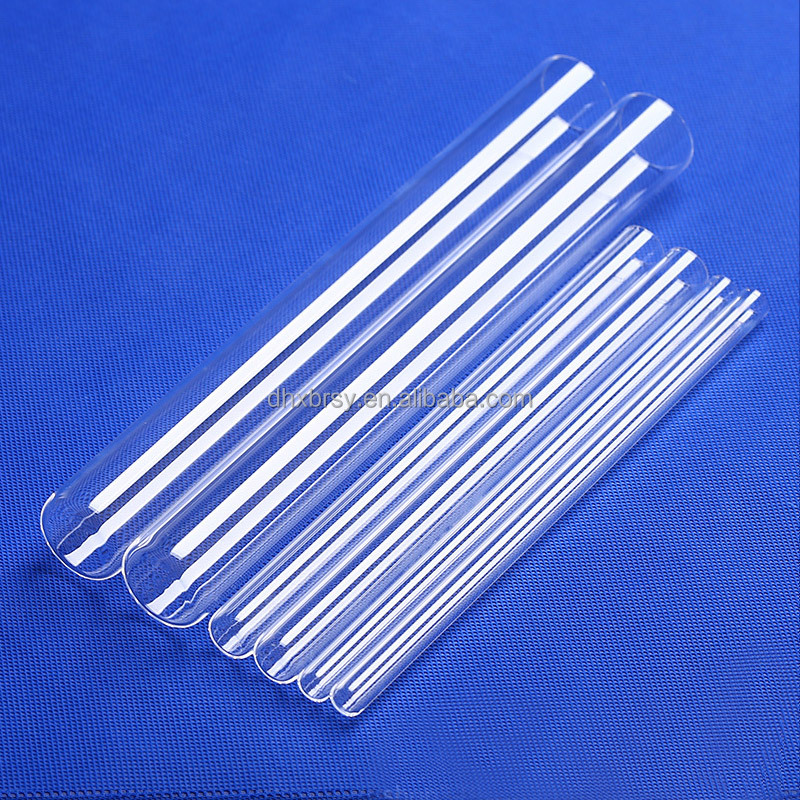
Supplying specialized research laboratories at the University of Prešov and Technical University partner faculties with custom-drilled 96-well quartz plates, fluorometer cuvettes, and vacuum-sealed quartz ampoules for advanced material science and spectroscopy.

Food & Beverage Processing Equipment

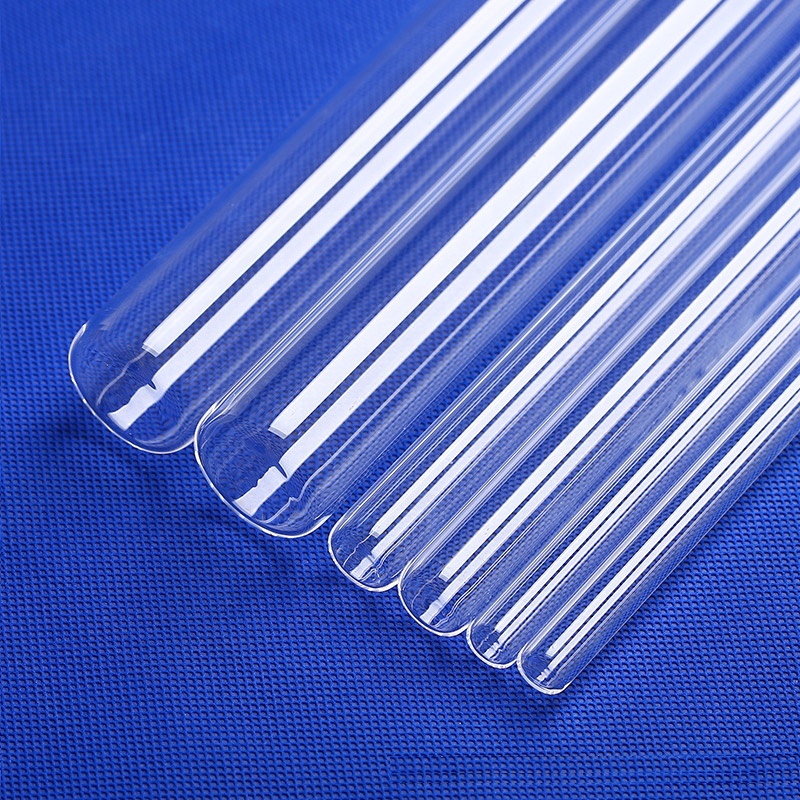
Breweries, dairy processing lines, and packaging hubs throughout Prešov leverage sanitary-grade, chemical-proof quartz sight tubes and level gauges that permit live steam CIP/SIP sterilization routines without clouding, pitting, or leaching hazardous oxides.

Strategic Horizon

Localized Industrial Trends: The Transition to High-Precision Photonics

The industrial landscape in Eastern Slovakia is undergoing a structural upgrade, transitioning from traditional heavy mechanical assembly to high-complexity robotics, optical quality control, and clean manufacturing. This structural transformation directly amplifies the requirements for specialized glass components:

1. Escalation of In-Line Machine Vision & Automated Optical Inspection (AOI): As assembly plants in the Prešov Industrial Park and nearby Košice adopt Industry 4.0 standards, non-contact optical inspection has become mandatory. Standard float glass creates optical chromatic aberration and reflection glare that disrupts high-speed AI image classification. Custom anti-reflective (AR) coated quartz windows are increasingly specified to preserve multi-spectral camera fidelity.

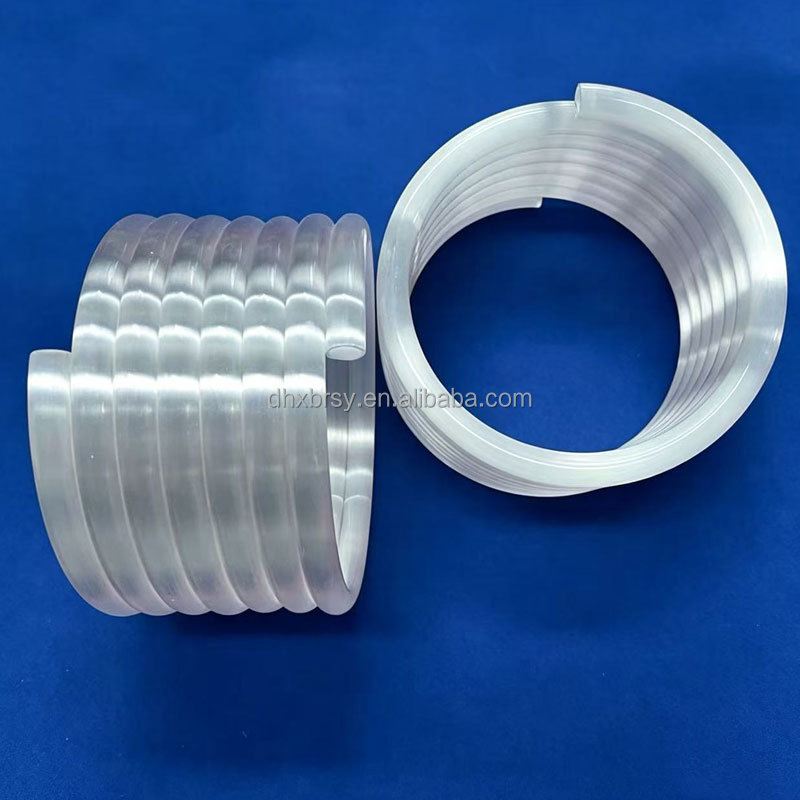
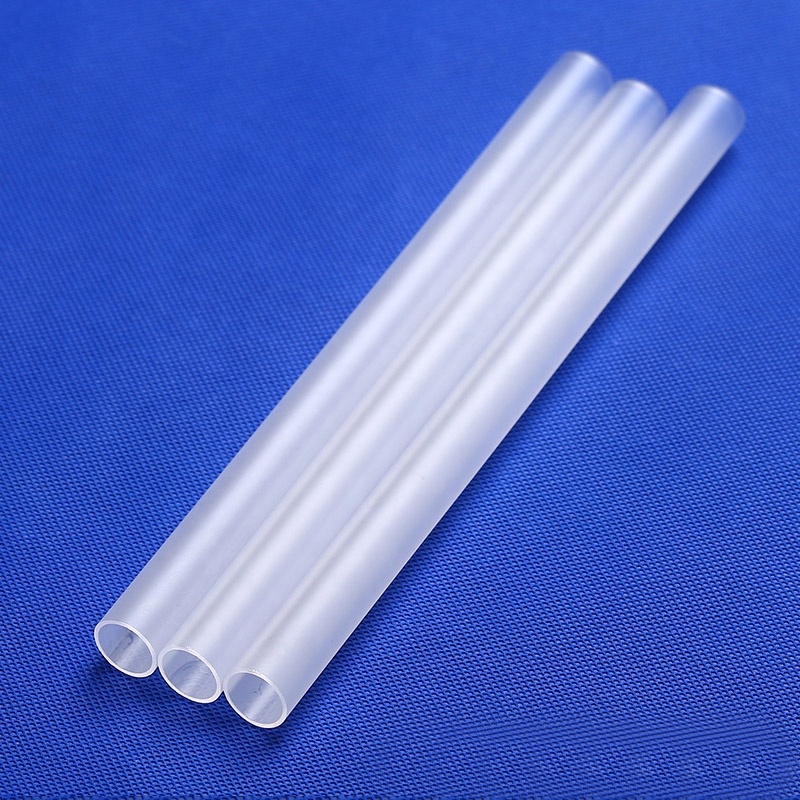
2. Decarbonization via High-Efficiency Infrared Curing: In response to rising European industrial energy costs, regional automotive coating and polymer bonding operations are shifting away from inefficient convective gas ovens. They are transitioning to electric near-infrared (NIR) and medium-wave infrared emitter banks built with custom milky-white opaque fused silica quartz spiral coils, which focus radiant heat directly onto substrates with minimal heat loss.

3. Stringent European Chemical Directives (REACH / RoHS): Slovakian manufacturers operating under EU regulatory scrutiny are phasing out specialty glasses containing trace lead, arsenic, or heavy-metal clarifying agents. Our 99.99% pure fused silica is intrinsically inert, environmentally compliant, and supplied with full elemental batch analysis certificates.

Lovri Quartz Engineering Purity

Why Engineering Teams Choose Lovri Quartz Factory

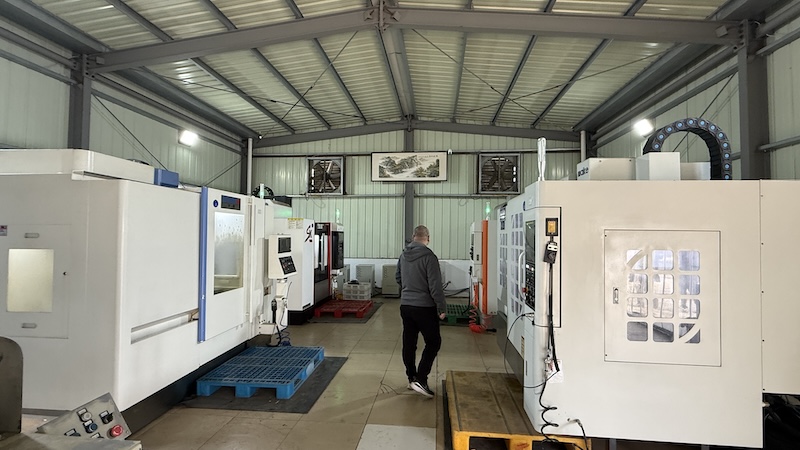
Vertically integrated raw silica purification, 5-axis CNC diamond grinding, and complete batch-by-batch polarization testing.

SGS Onsite-Assessed Facility

Our 14,271 m² production facility in Lianyungang operates under complete onsite verification by SGS Group. Full audit reports verify raw stock tracking, technical workforce credentials, and environmental compliance.

Full In-House Raw Processing

Unlike secondary glass cutting shops, we maintain our own quartz crushing, vibrating sieving, and high-temperature hydrofluoric/nitric acid pickling baths to maintain 99.99% SiO₂ purity without mineral contaminations.

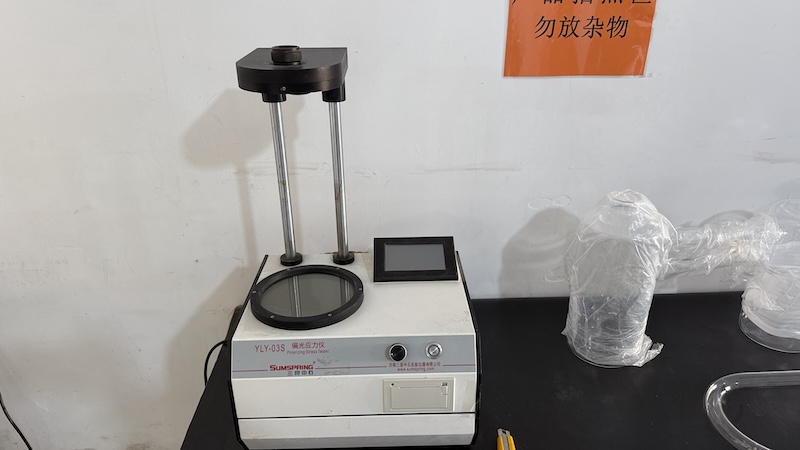
Polarization Stress Inspection

Residual stress created during thermal fusion is the leading trigger for spontaneous sight glass implosion. Every production batch undergoes comprehensive polariscope stress testing after electric annealing at 1215 °C.

Shockproof European Export Packaging

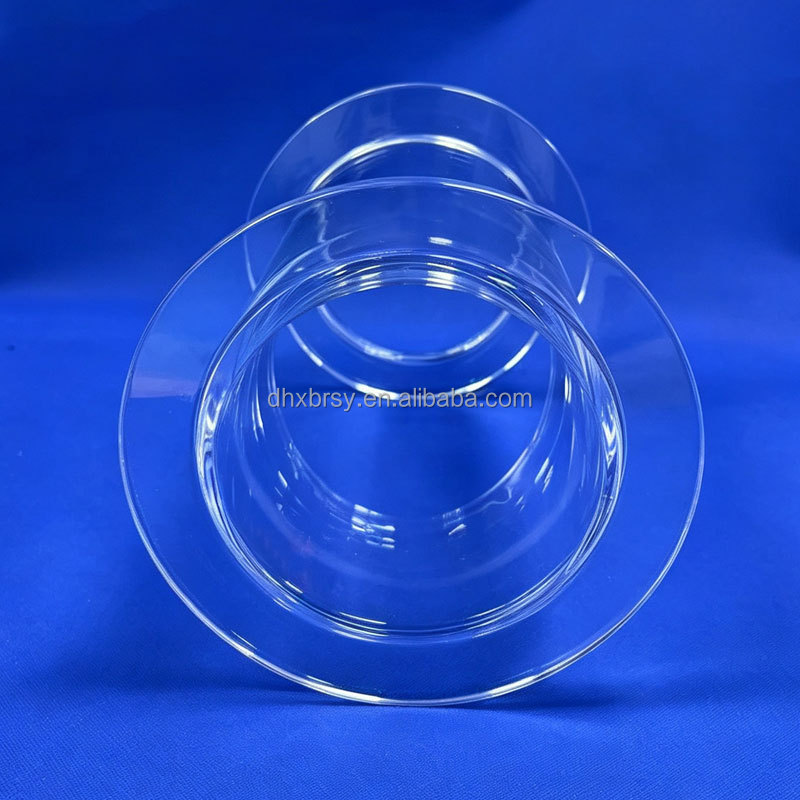
Fragile quartz sight glasses, micro-capillaries, and double-flanged cylinders are cushioned in custom-molded high-density PE foam, vacuum-sealed in moisture barriers, and crated in heavy-duty export plywood cases.

Raw Quartz Material Preparation
Stage 01
Raw Material Selection

Direct grading of natural crystalline silica chunks to verify base purity.

Continuous Quartz Tube Drawing
Stage 02
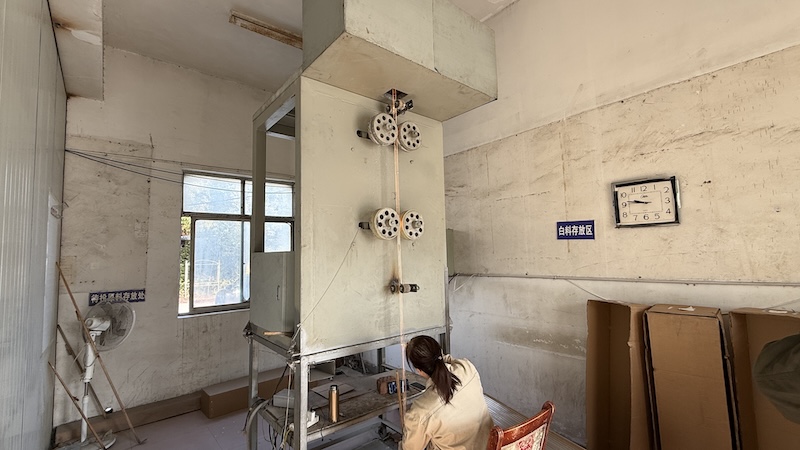
Precision Fusion & Drawing

Continuous thermal drawing under automated wall-thickness laser calipers.

5-Axis CNC Quartz Machining
Stage 03
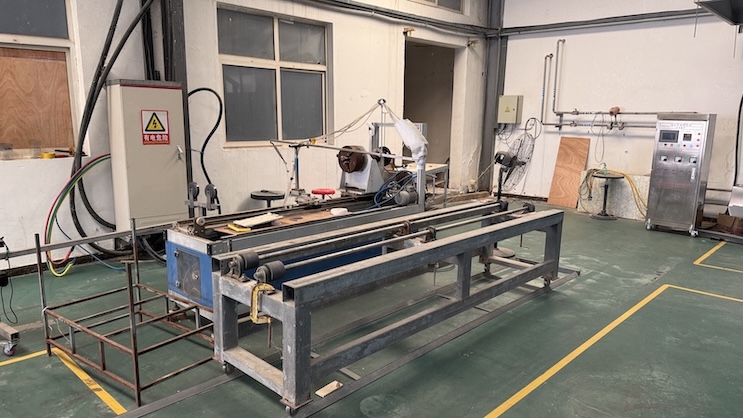
CNC Diamond Machining

Diamond-wheel milling, stepping, beveling, and ultrasonic hole boring.

Polarization Stress Quality Testing
Stage 04
Polarization QA Inspection

Final optical transmittance checks, surface fringe analysis, and stress relief validation.

Procurement Clarity

Frequently Asked Questions for Prešov Buyers

Detailed answers concerning technical specifications, shipping timelines, customs procedures, and drawing submissions for Slovakian enterprises.

How can an engineering team in Prešov select between JGS1, JGS2, and JGS3 quartz grades?
Selection depends primarily on your working spectral band and operating temperature profile. JGS1 is synthetic fused silica offering premier transmission across deep ultraviolet ranges (185 nm – 2500 nm) with zero bubbles, recommended for UV laser processing, fluorescence spectroscopy, and semiconductor lithography. JGS2 is refined flame-fused quartz transmitting from 220 nm to 2500 nm, providing a cost-effective standard for high-temperature viewports, reactor windows, and boiler sight glasses. JGS3 is anhydrous electrically fused quartz delivering superior transmission in the infrared spectrum up to 3500 nm without the broad water absorption band at 2.73 μm, making it essential for pyrometry, IR thermal imaging, and gas monitoring detectors.
What is the typical shipping lead time and customs process for delivery to Prešov, Slovakia?
For rapid prototypes and urgent replacement quartz viewports, we utilize expedited air express (DHL, FedEx, UPS) directly to Prešov or Košice International Airport, with transit taking between 4 to 7 business days once fabrication is completed. For bulk project orders, sea freight to Koper or Hamburg followed by rail delivery to Slovakian dry ports takes approximately 28 to 35 days. We furnish complete commercial invoices, packing lists with precise HS Codes (such as 7002.31 for quartz tubes or 7006.00 for worked optical plates), and certificates of origin to streamline import customs clearance under Slovak financial administration rules.
What CAD or technical drawing file formats do you accept for custom OEM quartz parts?
Our engineering department works directly with standard 2D and 3D formats including PDF, DWG, DXF, STEP (.stp), and IGES (.igs). If you do not have CAD drawings, our technical team can generate precise fabrication blueprints based on physical sample dimensions, broken component fragments, or hand-annotated sketches showing diameter, wall thickness, bevel angle, and surface tolerance requirements.
How do you guarantee that fragile quartz components arrive in Prešov without transit fractures?
Fragile glass logistics is central to our factory workflow. Finished quartz parts undergo multi-stage protective packing: each piece is wiped clean, wrapped in optical-grade protective film to prevent surface abrasions, encased in custom-contoured high-density polyethylene foam cavities, and sealed in multi-layer corrugated export cartons. For heavy flanges, long furnace tubes, or large window consignments, cartons are crated inside ISPM-15 compliant fumigated wooden boxes reinforced with corner steel braces and external impact/tilt monitoring indicators.
Can your quartz sight windows withstand high vacuum pressures and aggressive chemicals?
Yes. Fused quartz exhibits an amorphous non-porous structure that is impervious to helium leakage down to 10⁻¹⁰ mbar·l/s, making it suitable for ultra-high vacuum (UHV) systems. Chemically, 99.99% SiO₂ is completely inert to virtually all acids (including sulfuric, hydrochloric, and nitric acids at elevated temperatures), water vapor, and organic solvents. The only chemical compounds that react with quartz are hydrofluoric acid (HF) and concentrated phosphoric acid at temperatures exceeding 300 °C.
What is the Minimum Order Quantity (MOQ) for custom fabricated quartz sight glasses?
We support industrial innovation and replacement maintenance by offering a flexible MOQ starting from just 1 piece for prototypes, pilot research projects, and specialized laboratory apparatus. For production series and recurrent OEM requirements, volume tiered pricing automatically applies to reduce unit costs.
Direct Technical Consultation

Request a Precision Quotation for Prešov Projects

Submit your component drawings, required dimensions, quartz optical grade (JGS1, JGS2, JGS3), and operational temperatures. Our optical engineering team will evaluate manufacturability and deliver a competitive factory-direct quote within 12 hours.