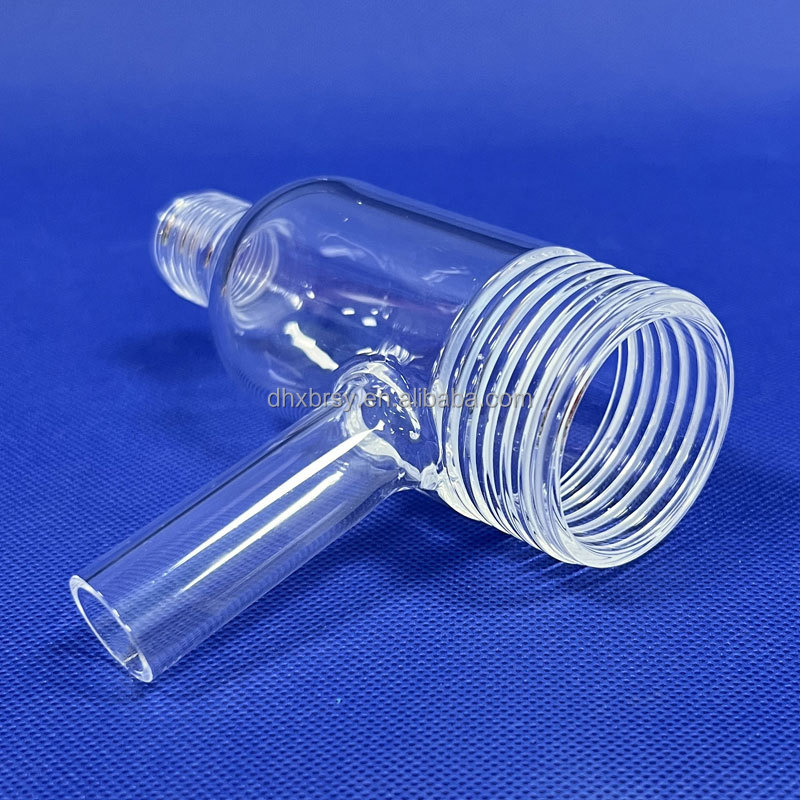
Threaded Geometry
High-Temp Threaded Quartz Tube SiO2 99.99%
Corrosion-resistant optical polishing with customized male/female threads for specialized high-temperature chambers.
Certified fused quartz glass materials manufactured to structural, optical, and high-temperature specifications with documented polarization stress relief.
Corrosion-resistant optical polishing with customized male/female threads for specialized high-temperature chambers.

Precision-drawn flat or round closed bottom tube, designed for semiconductor CVD, oxidation, and processing chambers.
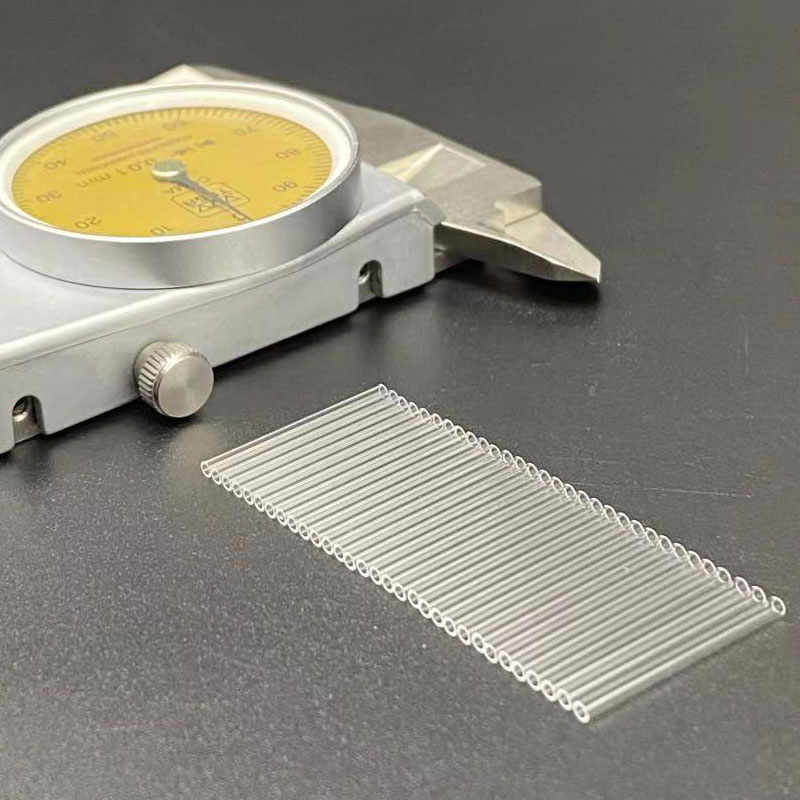
ROHS-certified 200 Mesh finish engineered for excimer laser output, thin dielectric barriers, and high-frequency optics.
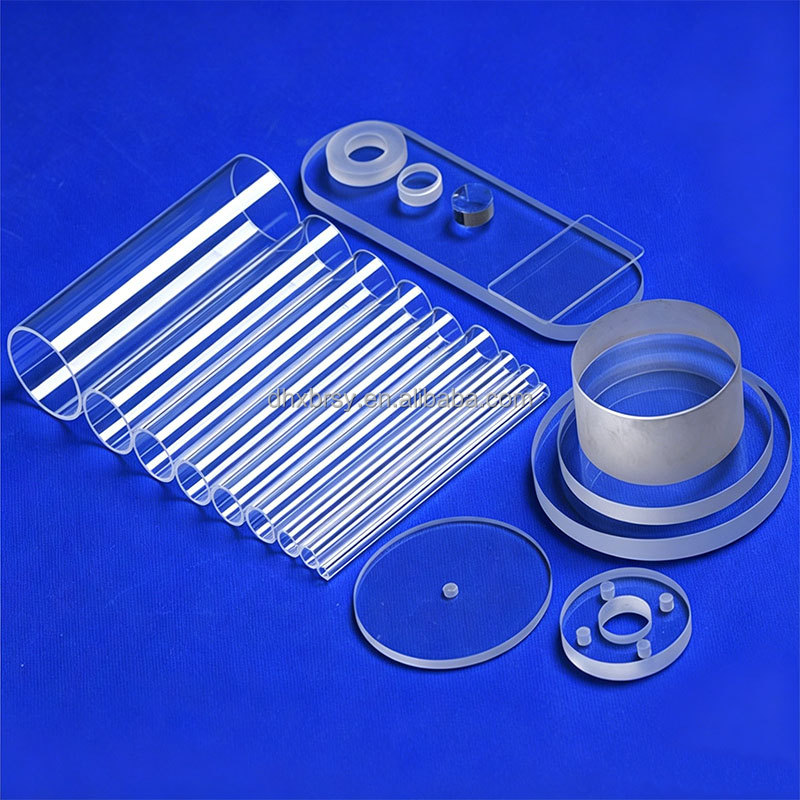
Deep-UV spectral transmission (185–2500 nm) with 5-axis CNC dimensional milling for semiconductor lithography tools.
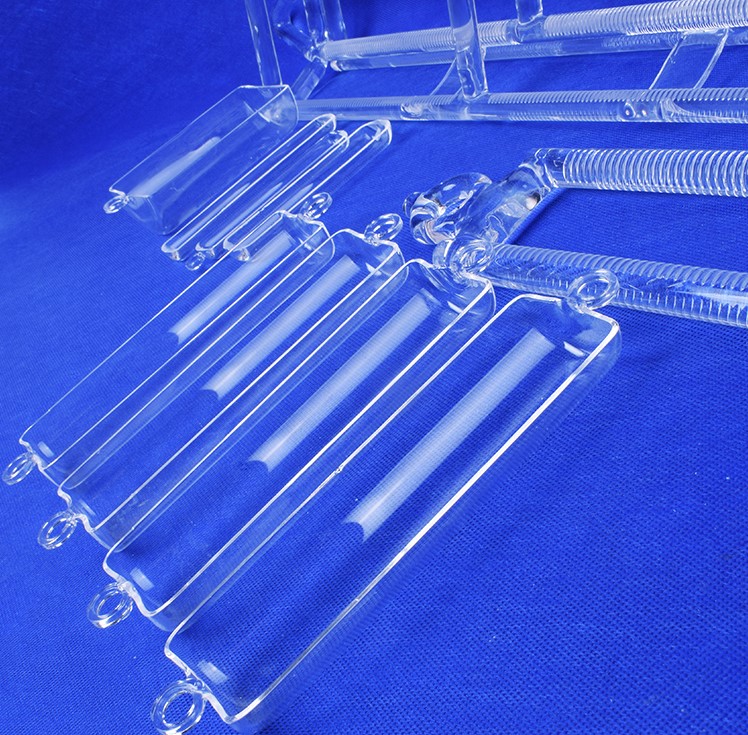
Engineered slot tolerances for PV cell wafer diffusion, high-temperature chemical calcination, and CVD reactors.
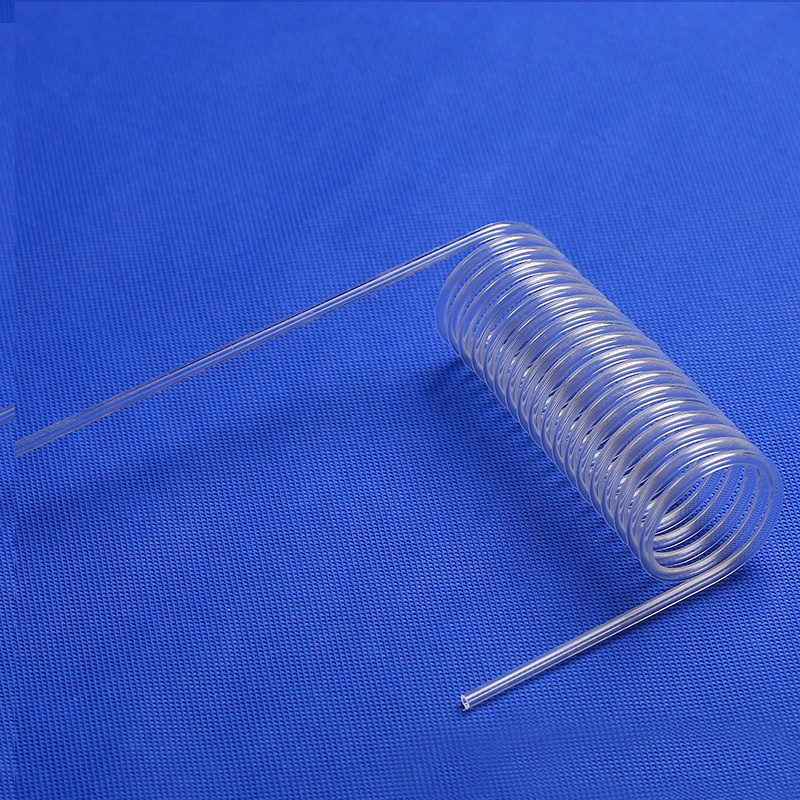
Specialized bending, welding, and optical filtering execution configured for aesthetic medical lasers and flashlamps.
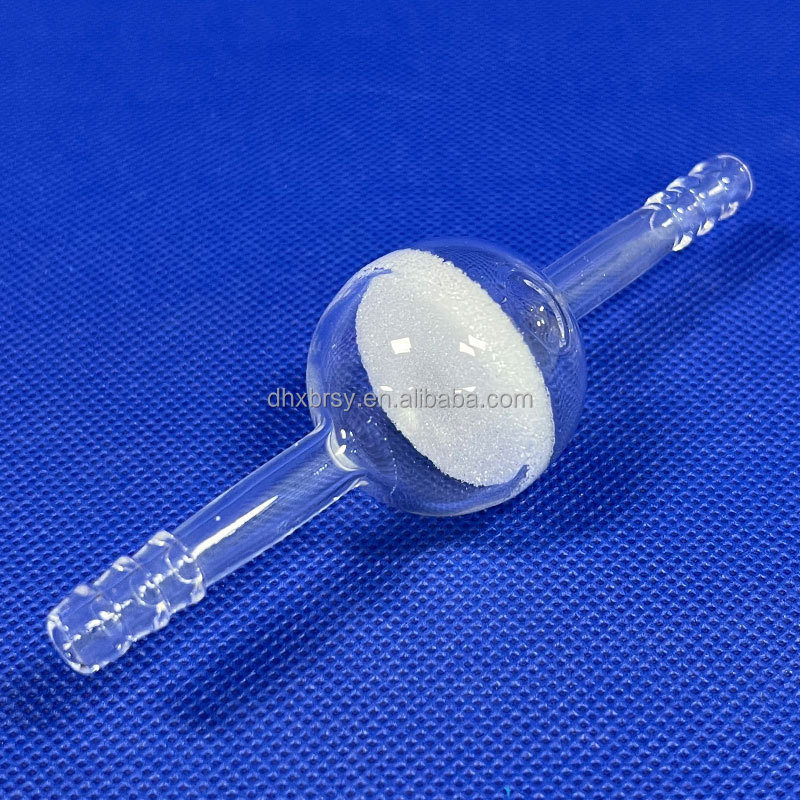
High-purity chemical digestion tubes providing continuous resistance against aggressive inorganic acids up to 1100°C.
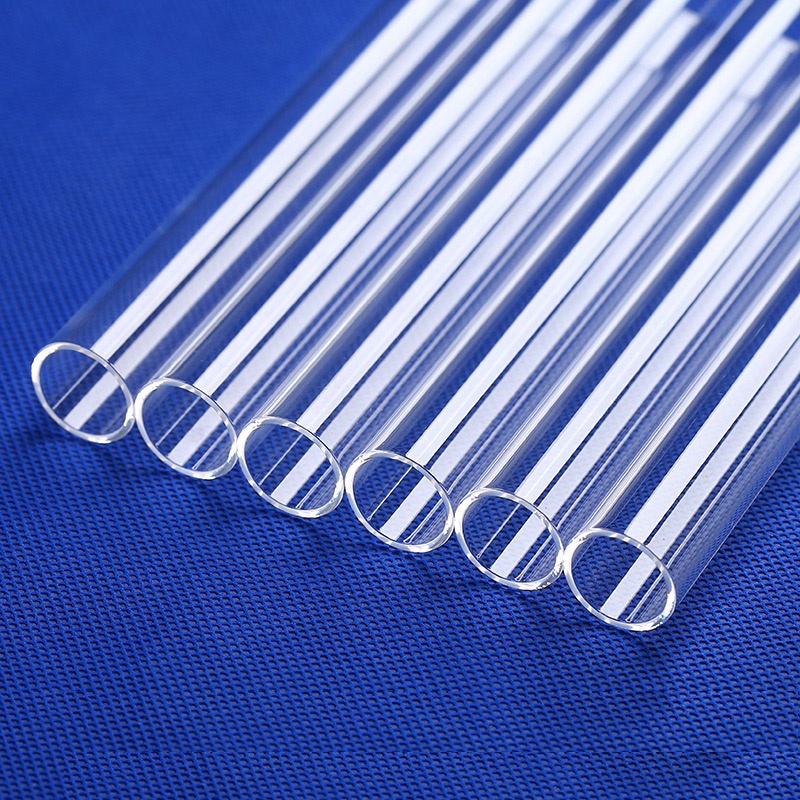
Precision-drawn bore concentricity for semiconductor gas delivery lines, cleaning manifolds, and thermal sensors.
From raw silica crushing and proprietary acid leaching to precision thermal drawing and final optical inspection, Lovri Quartz eliminates third-party variance.
Unlike secondary machining shops that rely on third-party commercial ingots, our production cycle originates from direct crystal selection, mechanical pulverizing, and specialized chemical acid pickling. This internal control guarantees iron (Fe) contaminants under 1.5 ppm, sodium (Na) under 1.0 ppm, and consistent chemical neutrality across lots.
Thermal fatigue in fused silica rods often stems from micro-residual stresses introduced during gas-flame drawing or rapid cooling. Every single structural rod, wafer carrier bar, and optical window passes through programmed electrical annealing furnaces, followed by strict 100% polarization stress birefringence inspection before precision grinding.
Equipped with specialized diamond-tooled wet CNC machining platforms, Lovri executes custom slotting, threading, ultra-fine core drilling, profile grinding, and mechanical polishing. We effortlessly bond quartz-to-quartz joints, build high-integrity vacuum flanges, and produce complex multi-bore configurations within sub-millimeter tolerances.
How semiconductor node shrinkage, deep UV sterilization, and PV cell modernization are reshaping international quartz procurement criteria.
Global procurement specialists are shifting their supplier selection paradigms from basic piece-part cost metrics to comprehensive total lifecycle value and traceable material compliance. In the evolving microelectronics, photonic, and chemical reactor supply chains, fused silica rod procurement is dictated by four distinct shifts:
Optical and semiconductor designers now explicitly differentiate between high-OH synthetic silica and low-OH electric-fused quartz. Optical fiber preforms and infrared applications demand OH levels below 2 ppm to eliminate transmission dips at 1380 nm and 2700 nm. Conversely, deep-ultraviolet (DUV) microlithography requires high-hydroxyl content (>1000 ppm) to withstand intense excimer irradiation without induced center defects.
The geopolitical tightening around advanced manufacturing materials has caused tier-1 aerospace and electronics producers to bypass aggregators. Verified factories that possess verifiable factory footprint documentation—such as our SGS Onsite Assessment and direct RoHS/CE compliance—are taking precedence over trading intermediaries to mitigate unverified origin and inconsistent melt runs.
Standard extruded tolerances (±0.5 mm) are no longer sufficient for automated robotic pick-and-place carriers, plasma etching jigs, and semiconductor wafer boats. The industry standard has moved toward pre-ground, centerless-polished silica rods capable of maintaining concentricity and roundness within ±0.02 mm across lengths exceeding 1200 mm.
Physical, thermal, and optical performance values essential for validation by chief mechanical engineers and procurement committees.
| Property Matrix | High-Purity Fused Silica (SiO₂ ≥99.99%) | Borosilicate Glass 3.3 | Aluminosilicate Glass |
|---|---|---|---|
| Continuous Service Temperature | 1100 °C | 450 °C | 650 °C |
| Short-Term Softening Limit | 1730 °C | 820 °C | 910 °C |
| Thermal Expansion (CTE) (20–300°C) | 5.5 × 10⁻⁷ / K (Exceptional Shock Immunity) | 33 × 10⁻⁷ / K | 42 × 10⁻⁷ / K |
| Spectral Transmission Range | 185 nm – 3500 nm (DUV to Mid-IR) | 320 nm – 2500 nm | 350 nm – 2500 nm |
| Chemical Attack Resistance | Resistant to all acids except HF & hot H₃PO₄ | Moderate base vulnerability | Lower chemical passivity |
| Dielectric Strength (20 °C, 1MHz) | 25–40 kV/mm | 15–20 kV/mm | 18–22 kV/mm |
Fused silica’s remarkably low coefficient of thermal expansion (approx. 5.5 × 10⁻⁷ / °C) provides immunity against rapid thermal cycles. An operator can safely remove a fused quartz rod glowing at 1100 °C and immerse it directly into cold water without experiencing spalling, catastrophic cleavage, or internal micro-fissuring—an unattainable feat for borosilicate or standard technical glasses.
Clear answers to crucial engineering, tolerance, minimum volume, and quality verification questions.
Submit your design files (PDF, CAD, DWG, STEP) or working dimensions. Our quartz glass fabrication engineers evaluate manufacturability, verify stress-relief parameters, and provide volume quotations within 12 hours.