Precision Optical Quartz Glass Components
Direct supply from our Lianyungang manufacturing facility: high-purity optical discs, polished laser flats, reaction chambers, and precision-drawn quartz tubes engineered for extreme thermal and photonic regimes.
BAO RAN 419 Double-Sided Polished Fused Quartz Sheet (99.99% SiO₂)
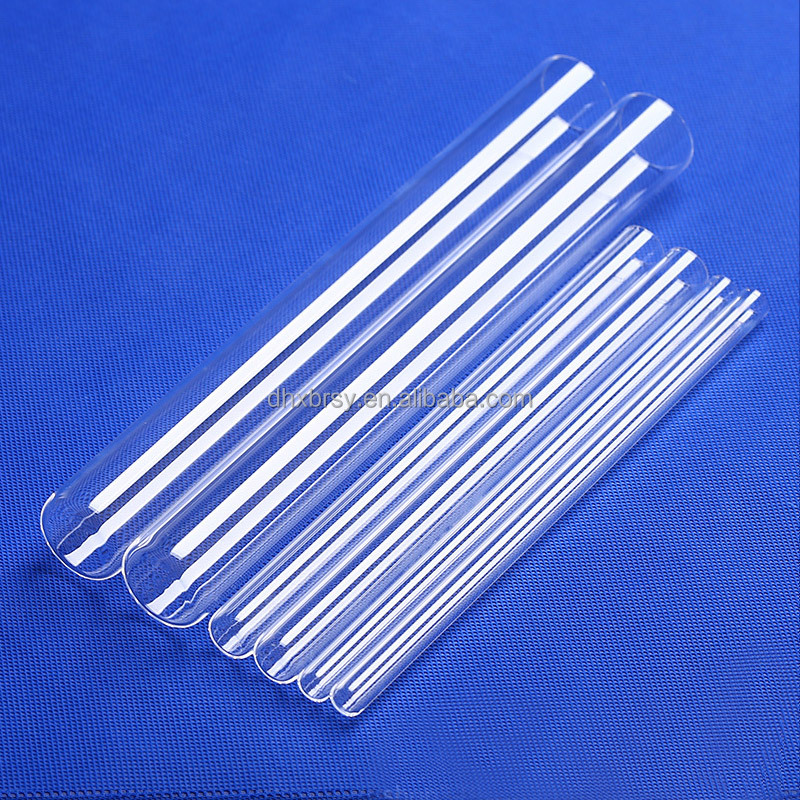
916 Closed-End High-Pressure High-Temp Fused Quartz Chamber
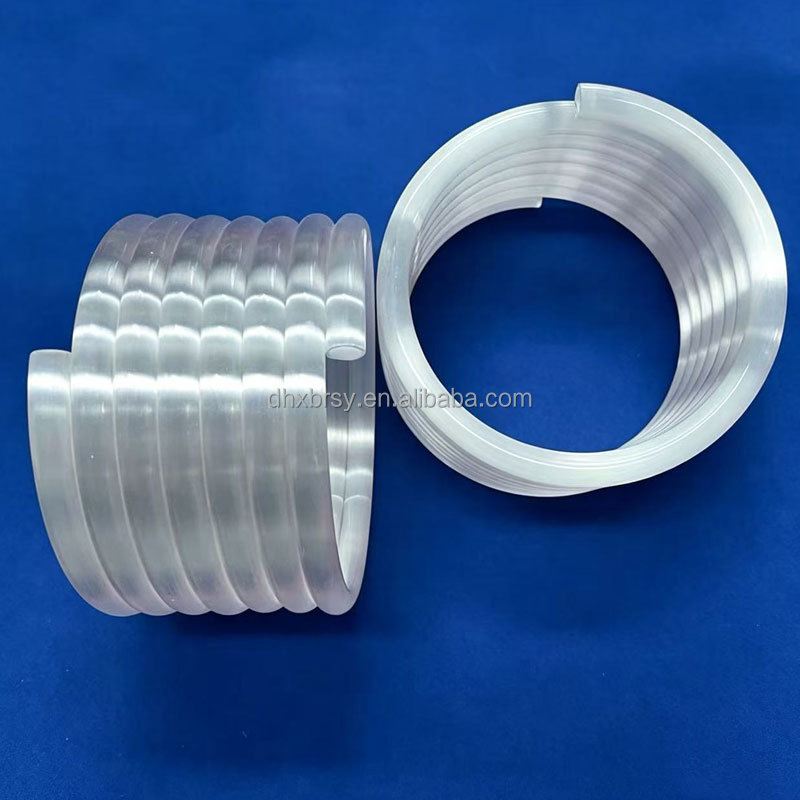
Custom Milky White Opaque Fused Silica Spiral Helix Coil
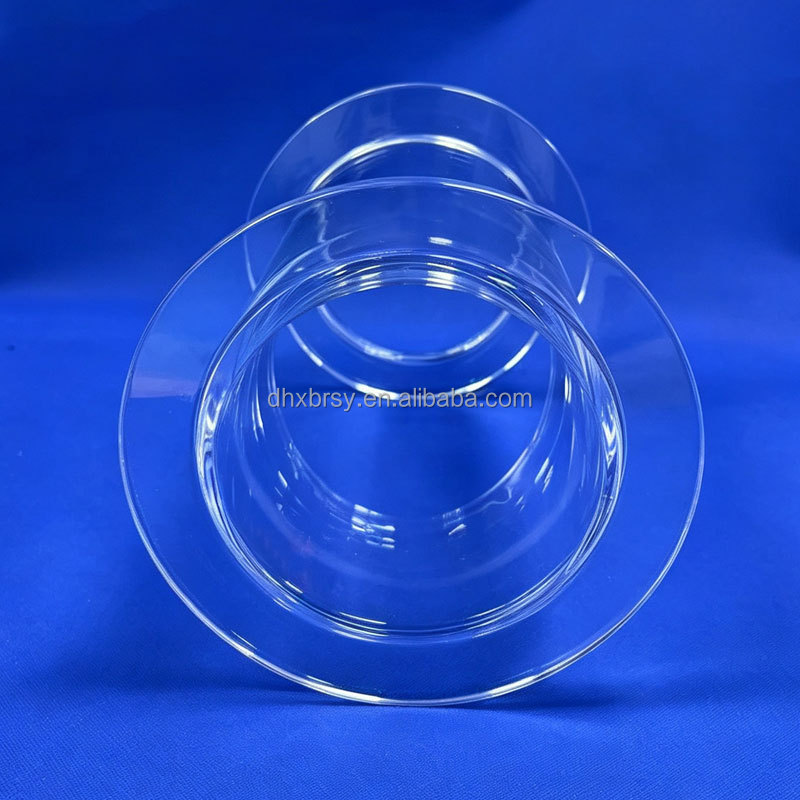
High-Purity Transparent Double-Flange Quartz CVD Cylinder
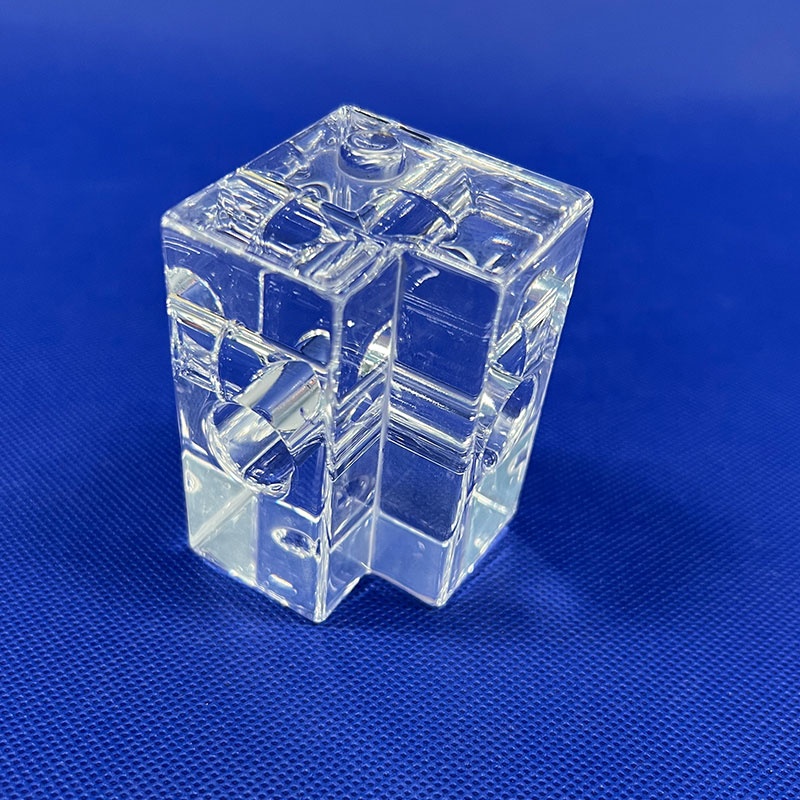
420 BAO RAN Custom Annealed 1200°C Fluidic Quartz Substrate
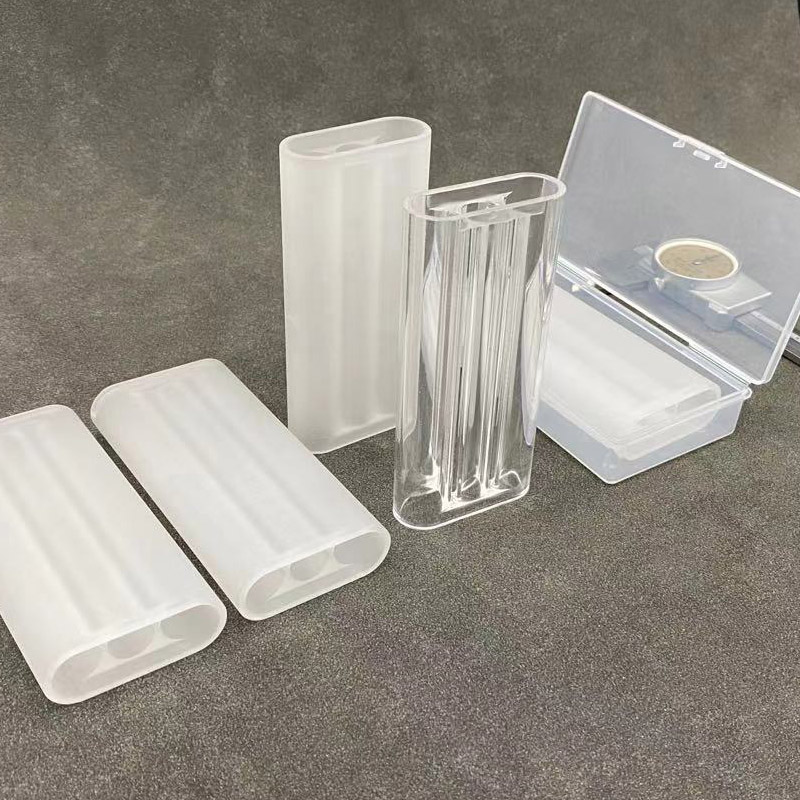
Candela Triple-Bore Fused Quartz Laser Cavity Flow Tube
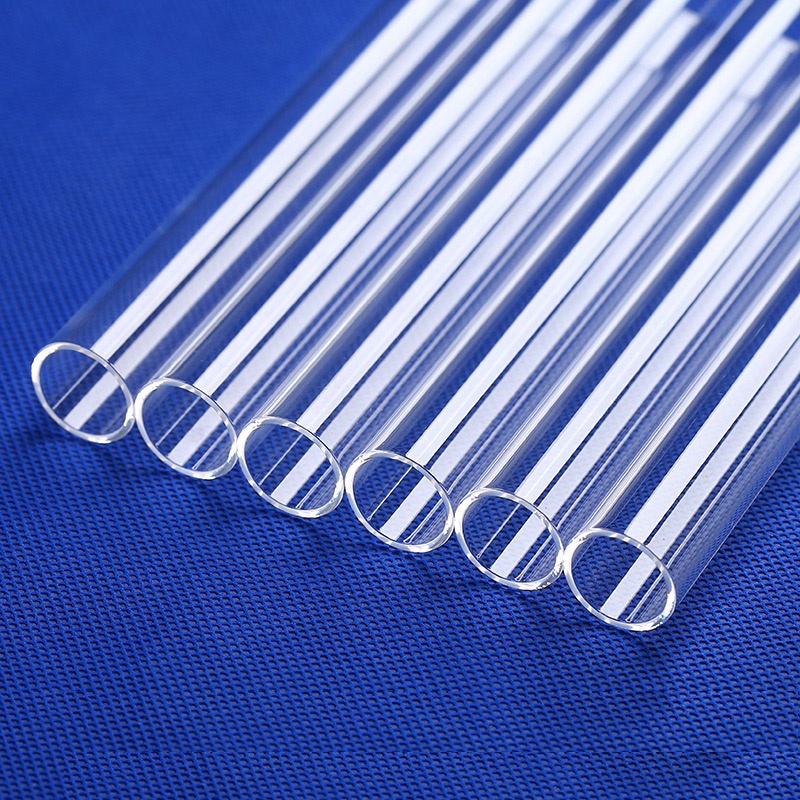
High-Precision Clear Quartz Glass Tubing (OD 10/14/20mm)
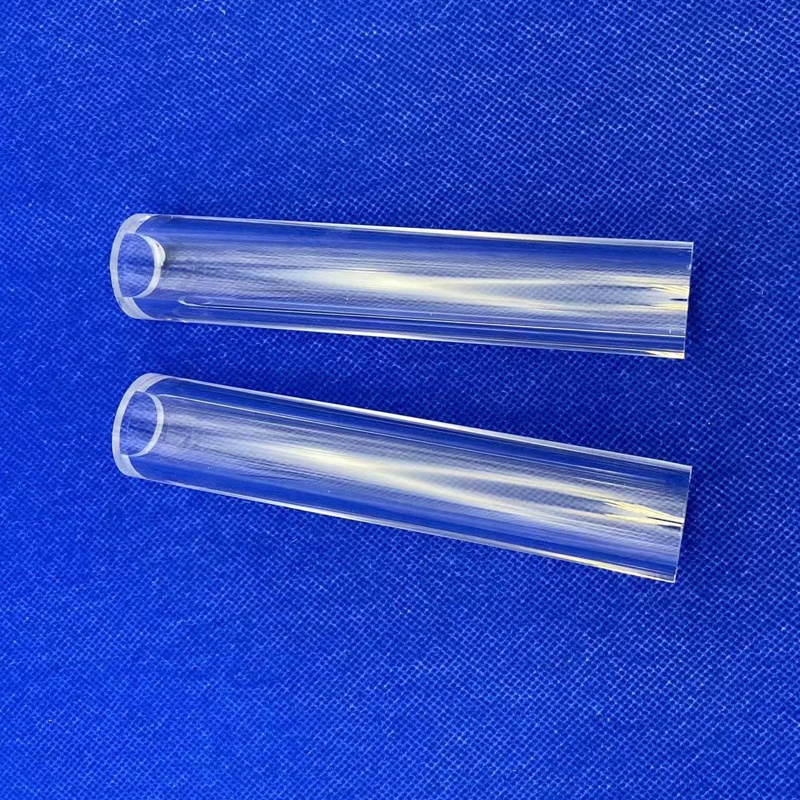
High-Precision Clear Fused Silica Tube for Ozone Generators
White Paper: Engineering Standards of CE Certified Quartz Optical Discs
The global photonics, lithography, and precision metrology markets demand optical windows and transparent discs that perform without optical wavefront distortion under intense irradiation and thermal strain. A CE certified quartz optical disc is an engineered optical component produced in full conformity with European Union Directives, notably the Pressure Equipment Directive (PED 2014/68/EU) when applied as pressurized viewports, the Low Voltage Directive (LVD 2014/35/EU) within optical assemblies, and the RoHS 3 Directive (EU 2015/863) for hazardous element exclusion.
Optical quartz discs are manufactured from either high-purity natural quartz crystals (flame or electrically fused) or synthetic silicon tetrachloride (SiCl₄) vapor precursors. Achieving European Conformity requires strict verification of mechanical fracture toughness, thermal endurance, dielectric stability, and material homogeneity, verified through certified third-party audits such as SGS onsite factory validation.
Optical Classification: JGS1 vs. JGS2 vs. JGS3 Transmission Curves
Selecting the appropriate grade of fused silica or fused quartz determines both system performance and BOM cost efficiency. The internal molecular structure—specifically hydroxyl (OH⁻) content and metallic impurity trace levels—governs optical absorption across deep ultraviolet (DUV), visible, and infrared (IR) spectra:
| Quartz Grade | Material Class | Spectral Window | Hydroxyl (OH⁻) Content | Primary Industrial Use Cases |
|---|---|---|---|---|
| JGS1 (Corning 7980 / Suprasil Eq.) | Synthetic Fused Silica | 185 nm – 2,500 nm (Deep UV) | 800 – 1,200 ppm | Excimer laser optics, semiconductor wafer inspection, EUV lithography mask blanks, photolithography disc windows. |
| JGS2 (Homosil Eq.) | Flame-Fused Quartz | 220 nm – 2,500 nm (UV-Visible) | 150 – 300 ppm | CE approved sight windows, spectroscopy flow-cells, analytical instrumentation viewports, laser protection plates. |
| JGS3 (Infrasil Eq.) | Electrically Fused Quartz | 260 nm – 3,500 nm (Near-to-Mid IR) | < 5 ppm (Water-free) | High-power infrared heaters, CO₂ laser mirrors, pyrometry windows, thermal imaging substrates, high-temp observation. |
For high-fluence laser applications, JGS1 is prized for its high Laser Induced Damage Threshold (LIDT), often exceeding 10 J/cm² at 355 nm (10 ns pulses). Conversely, JGS3 eliminates the pronounced 2.73 μm OH⁻ absorption band, enabling clear infrared imaging up to 3.5 μm without thermal bloom or radiation trapping.
In-House Vertical Manufacturing: From Pure Silica Sand to Optical Flatness
Unlike third-party optical traders who outsource raw processing, genuine certified Chinese suppliers maintain complete vertical oversight. Located in the world’s foremost silica industrial cluster in Lianyungang, Jiangsu, our manufacturing facilities integrate mineral extraction, chemical refinement, crystal growth, CNC diamond grinding, and ultra-smooth chemical-mechanical planarization (CMP).
Acid Pickling & 4N5 Sand Refinement
Lump silica undergoes jaw-crushing, secondary pulverization, and multi-stage hydrofluoric/nitric acid pickling to eliminate trace Fe, Al, Ca, and Cu, locking base purity at ≥ 99.99% SiO₂.
1200°C Hyperbaric Annealing
Thermal stress induced by high-temperature slicing is systematically eliminated through a computer-controlled 72-hour thermal ramp cycle, followed by 100% polarization birefringence stress testing.
Sub-Nanometer CMP Polishing
Discs achieve surface roughness of Ra < 0.5 nm (sub-angstrom on request), optical flatness of λ/4 to λ/10, and scratch-dig specifications of 20-10 or 10-5 per MIL-PRF-13830B.
Polarization Stress Metrology & Quality Control
Residual internal mechanical strain in quartz glass can lead to catastrophic cracking under vacuum conditions or high thermal cycles. It also degrades polarized laser beams through unwanted optical retardance. Every production run of our quartz discs undergoes transmission polariscopic validation. Optical path differences (retardation) are maintained strictly below 5 nm/cm, complying with ISO 10110 standards.
Strategic Sourcing & Procurement Trends for Fused Quartz Optics (2025–2030)
Procurement teams across Europe, North America, and East Asia are shifting how they specify and buy precision quartz glass. As sub-3nm semiconductor node manufacturing scales, medical solid-state lasers proliferate, and green hydrogen electrolyzers deploy higher operating temperatures, sourcing strategies are changing rapidly:
Supply-Chain Traceability & Auditing
Tier-1 semiconductor toolmakers now demand complete elemental purity reports via ICP-MS, down to single-digit parts per billion (ppb), combined with SGS third-party onsite foundry verification.
Large-Diameter Optical Discs (> 450 mm)
Next-generation plasma chambers require ultra-large quartz viewing windows up to Ø600 mm without bubble inclusions, driving capital investment into large-aperture CNC diamond machining.
Direct-to-Foundry Contract Sourcing
To eliminate 30–50% broker markups, engineering teams increasingly bypass Western regional middlemen and establish direct OEM/ODM contracts with verified Chinese foundries offering rapid custom drafting.
Total Cost of Ownership (TCO) Optimization
Specifying synthetic silica when flame-fused JGS2 quartz meets application requirements adds unnecessary procurement costs. Conversely, using natural quartz in DUV stepper systems leads to rapid solarization and system downtime. Our application engineering team collaborates directly with procurement departments during early design reviews to balance performance, delivery schedules, and budget constraints.
Technological Horizons: Material Advances in Engineered Quartz
Quartz glass manufacturing is evolving beyond traditional furnace drawing and manual flame manipulation. Modern micro-optics, quantum computing cavities, and extreme-fluence laser systems require several key material improvements:
- Low-Solarization DUV Quartz: Hydrogen-doped synthetic fused silica modifications counteract color center formation (E-centers) caused by continuous 193 nm ArF and 248 nm KrF excimer laser exposure, extending optic lifespan past 50,000 operational hours.
- Sub-Surface Damage (SSD) Free Polishing: Utilizing magnetorheological finishing (MRF) and ion beam figuring (IBF) to clear micro-fracture layers left behind by standard diamond laps, improving LIDT thresholds by more than 300%.
- Precision CNC Ultrasonic Milling: Micro-milling fluidic channels, stepped bevels, precision registration pins, and through-holes down to 0.2 mm without edge-chipping or micro-fissuring.
- Low Thermal Expansion Doping: Titanium-doped fused silica (ULE - Ultra Low Expansion Glass) exhibiting near-zero thermal expansion coefficients (± 30 ppb/°C between 5°C and 35°C) for space observation mirrors and extreme lithography alignment flats.
Why Partner with Our Factory: SGS-Audited Production in Lianyungang
Headquartered in Tuofeng Industrial Park, Lianyungang, our enterprise operates one of the region's most modern dedicated fused quartz fabrication facilities. Our operations provide global engineering teams with direct supply advantages:
14,271 m² Modern Facility
Certified by SGS Group onsite audit. Houses continuous drawing towers, multi-axis high-speed CNC milling units, automated polishing bays, and Class 10,000 cleanroom packaging lines.
CE & RoHS International Compliance
Complete regulatory compliance across the EU, the Americas, and APAC markets. Material test reports, heavy metal bans, and stress test certificates accompany every production batch.
CAD/STEP Custom Engineering
We work directly from your engineering files: DWG, DXF, STP, and PDF. We review tolerance stackups, bevel configurations, and edge polishes, providing rapid prototype turnarounds from 1 piece.
Our safe packaging utilizes multi-layer vacuum suspension wrap, anti-static sealed liners, custom high-density molded PE foam enclosures, and fumigated maritime/air export wooden cases, maintaining zero-breakage transit records across North American and European shipping routes.
Frequently Asked Technical & Sourcing Questions
Direct answers from our optical engineering desk to help expedite specification writing and compliance checks.
Quartz optical discs used as industrial viewports fall under the Pressure Equipment Directive (PED 2014/68/EU), standard EN 12150 or DIN 7080 for sight glasses, and EN 61010-1 for laboratory equipment. Testing focuses on burst pressure safety factors (≥ 4:1 to 10:1 depending on operating conditions), thermal shock resistance, and RoHS 3 substance compliance.
We use high-temperature vacuum gas-discharge during electric and flame fusion to minimize bubbles. Raw quartz blanks are inspected under green-laser illumination according to DIN 58927 / ISO 10110-3 to guarantee Class 0 bubble/inclusion standards for critical apertures.
Using high-precision double-sided planetary lapping and 5-axis CNC diamond grinding, we maintain outer diameter tolerances down to ± 0.02 mm, thickness down to ± 0.01 mm, parallelism ≤ 10 arcseconds, and edge bevels from 0.1 mm to 1.5 mm at 45° to eliminate edge-chipping risks.
Silicon dioxide is attacked by hydrofluoric acid (HF) and hot concentrated phosphoric acid (> 150°C). However, for almost all other acids—including hydrochloric (HCl), sulfuric (H₂SO₄), and nitric (HNO₃)—fused quartz remains chemically inert, offering corrosion resistance far superior to borosilicate or soda-lime glass.
Standard stock blanks are sliced, ground, and polished in 5 to 7 working days. Highly customized shapes involving water-jet contouring, ultrasonic drilling, or complex laser welding typically ship within 2 to 3 weeks, supported by express air freight to international destinations.
For laser optics customers, samples from each synthetic silica boule are tested via 1064 nm and 355 nm pulsed Nd:YAG lasers in accordance with ISO 21254. Test certificates providing 1-on-1 and S-on-1 damage threshold data are available with production shipments on request.