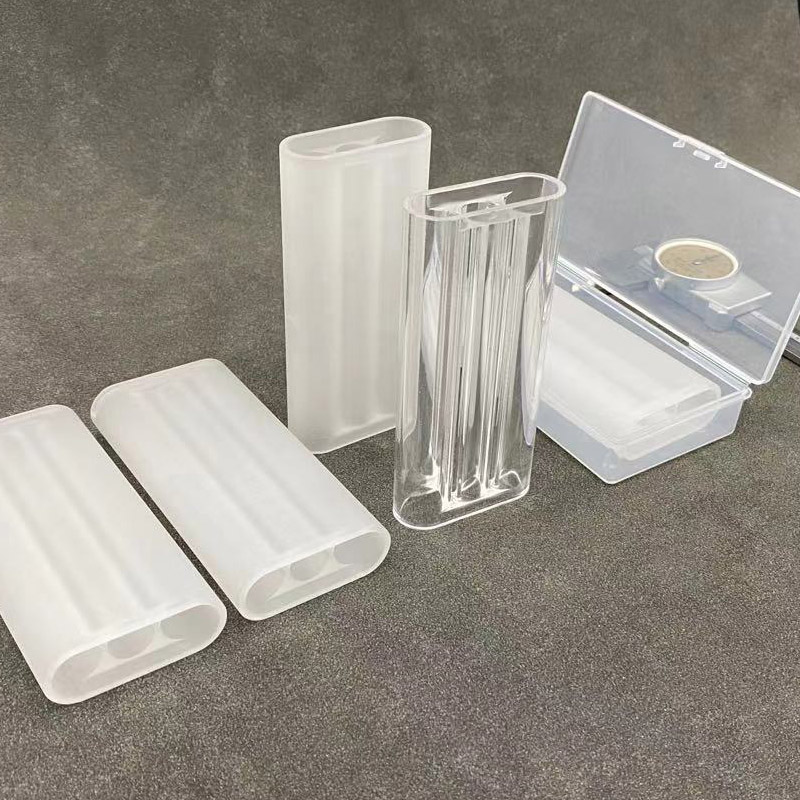
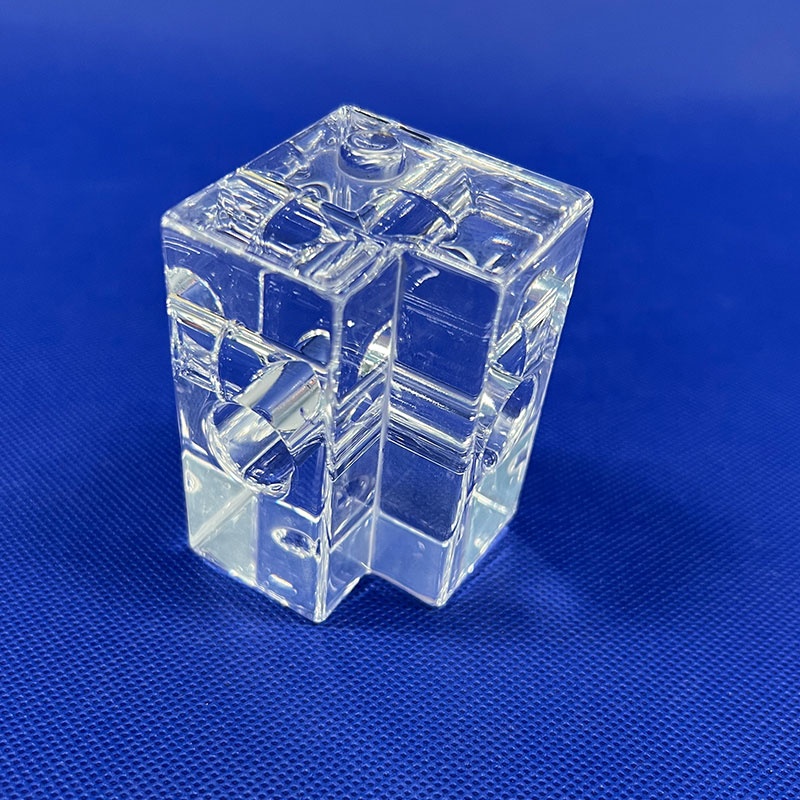
Candela Triple Bore Fused Quartz Flow Tube
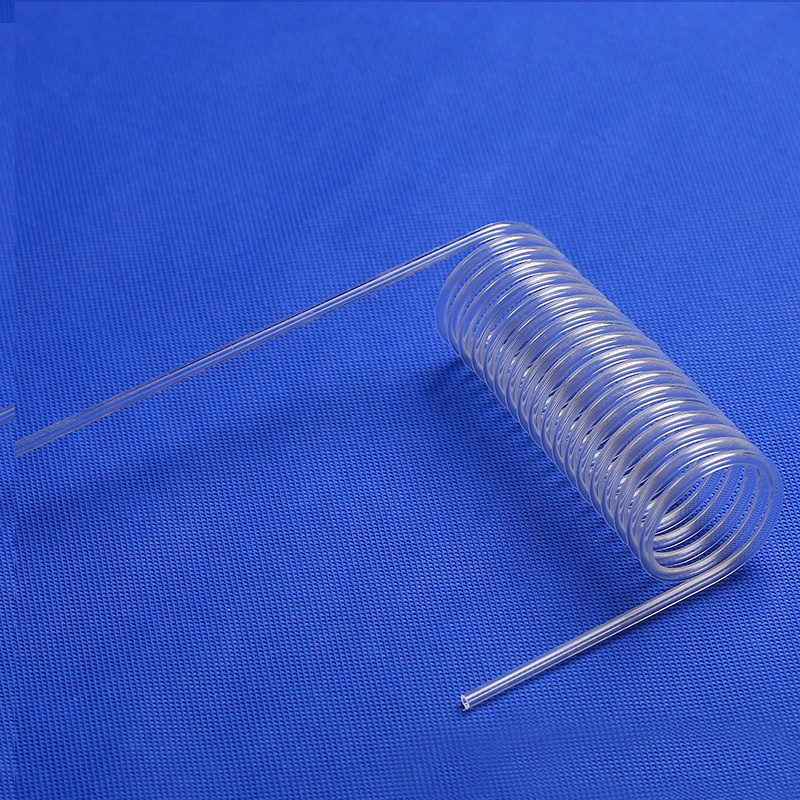
99.98% high-purity silica engineered for medical and aesthetic lasers. ROHS certified with customizable inner diameter bore alignment, precision bending, and thermal stress relief.
Direct factory supply of precision-machined quartz products produced from 99.99% SiO₂ natural quartz and high-purity synthetic silica. From custom wafer boats to CNC polished optical discs and reactor cylinders.
99.98% high-purity silica engineered for medical and aesthetic lasers. ROHS certified with customizable inner diameter bore alignment, precision bending, and thermal stress relief.
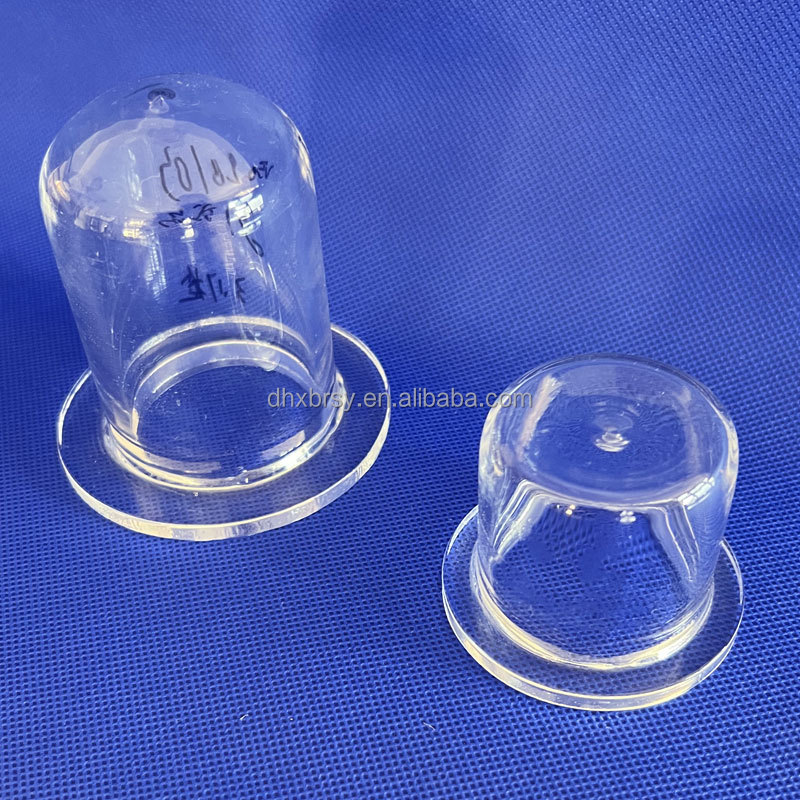
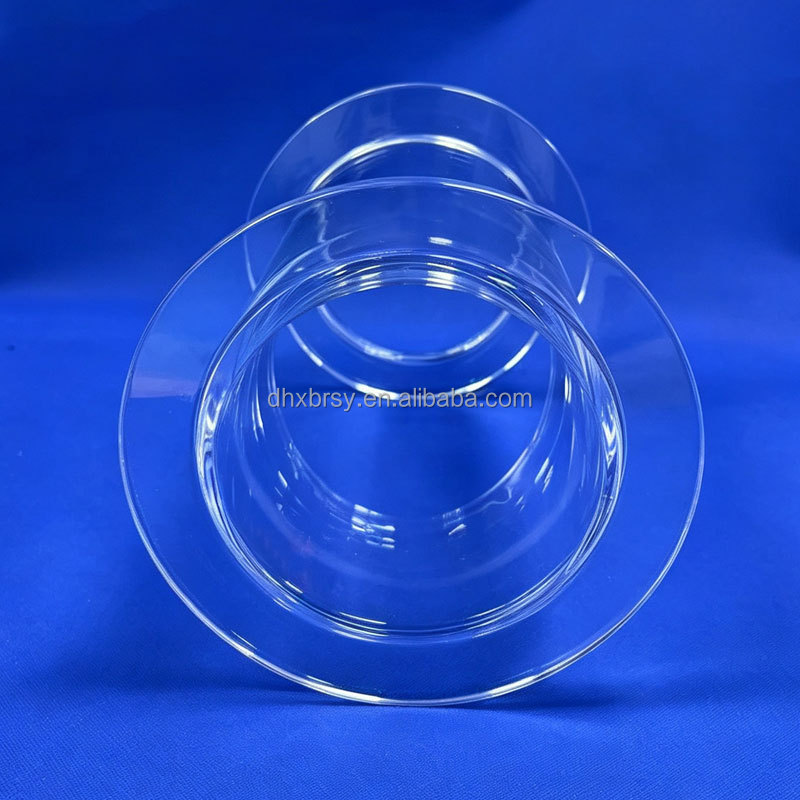
99.99% transparent fused silica chamber component for semiconductor CVD and PECVD reactions. Features vacuum sealing flange faces and high resistance to plasma erosion.
Processed from acid-pickled lump quartz to 99.99% SiO₂. Thermally stabilized at 1200°C for fluidic beds, high-performance crucible slips, and precision refractory casting.
Doped fused quartz designed to filter harmful sub-400nm UV emissions in aesthetic laser systems. Custom coiled geometries with precision bending, welding, and ground terminations.
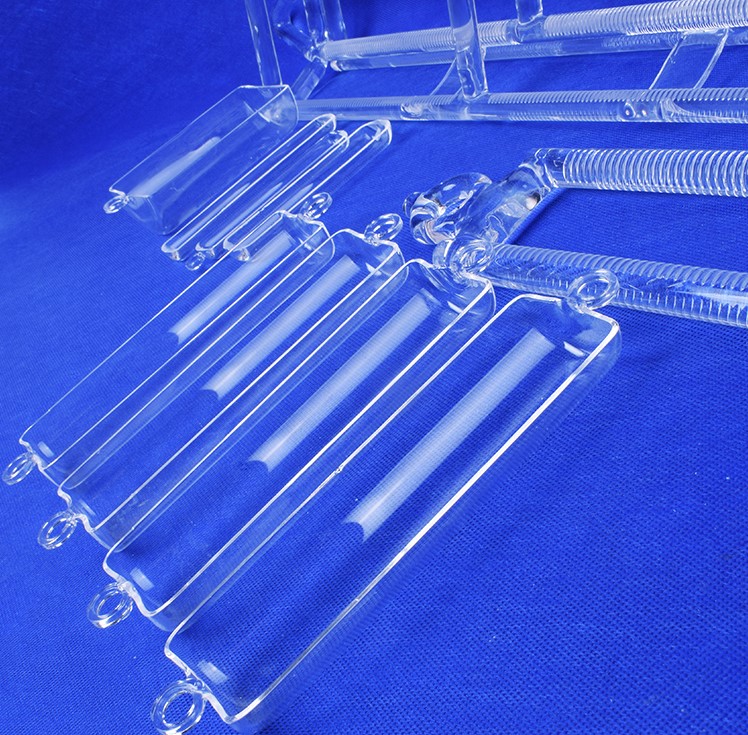
Continuous thermal endurance up to 1100°C for solar cell diffusion furnaces and wafer chemical bath carriers. Fabricated with tight slot pitch tolerances to eliminate thermal warping.
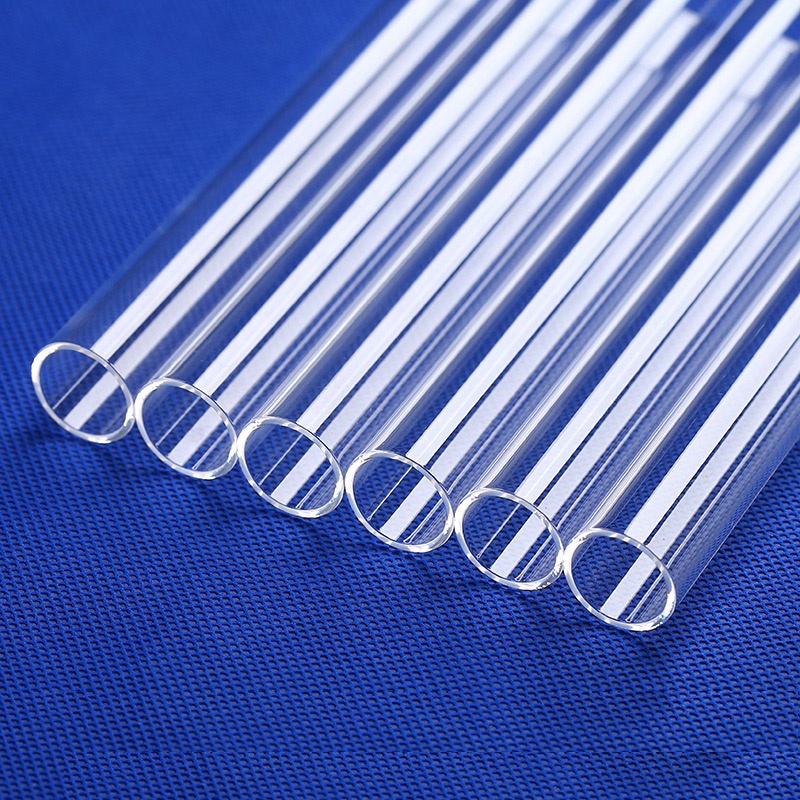
Large-bore, high-transmittance fused silica tube optimized for solar cell sintering and metallization. Low coefficient of thermal expansion guarantees complete thermal shock immunity.
Outer diameters available from 10mm to 20mm+ with wall thickness tolerances controlled within ±0.05mm. Specifically manufactured for semiconductor cleaning lines and chemical piping.
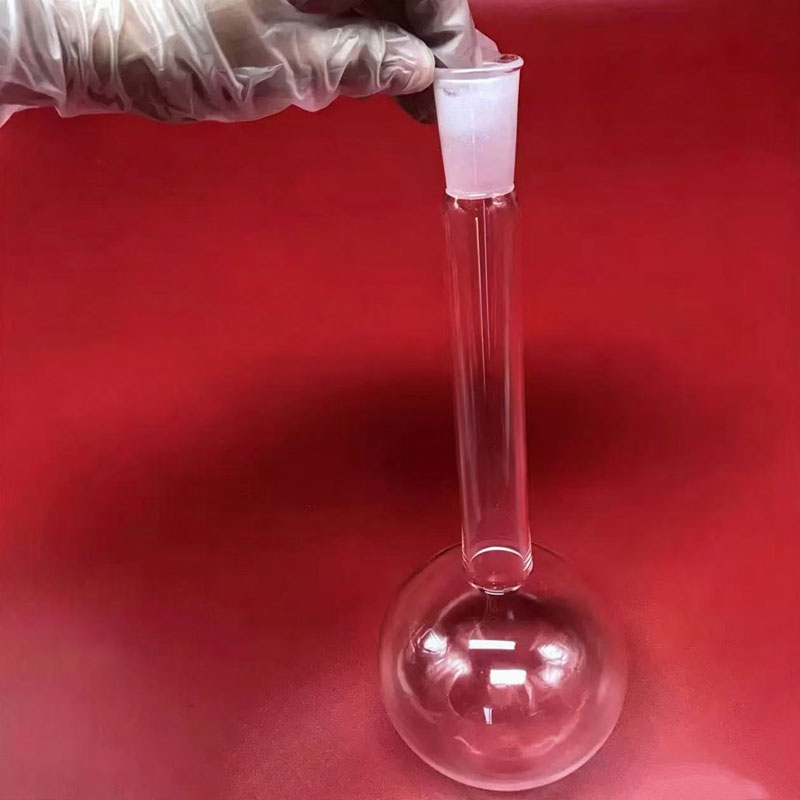
Corrosion-proof 99.99% SiO₂ laboratory distillation apparatus. Capable of withstanding boiling concentrated acids and direct flame contact without crystallizing or leaching metals.
In high-power optical cavities, semiconductor etch chambers, and analytical viewports, generic borosilicate or float glass inevitably experiences catastrophic dielectric breakdown, micro-fracturing, or solarization. The strategic selection of quartz discs requires an exhaustive evaluation of raw crystal provenance, transmission bandpass windows, hydroxyl (OH⁻) content, and polarization stress values.
| Quartz Disc Optical Grade | Material Synthesis Method | Spectral Transmission Window | Hydroxyl [OH⁻] Content | Primary Industrial Applications |
|---|---|---|---|---|
| JGS1 (Synthetic Fused Silica) | Chemical vapor oxidation of SiCl₄ (synthetic) | 185 nm – 2500 nm (Deep UV to Near IR) | < 5 ppm to 1200 ppm (Grade dependent) | Excimer laser windows, lithography projection, DUV spectroscopy |
| JGS2 (Fused Natural Quartz) | High-temperature oxyhydrogen flame fusion | 220 nm – 2500 nm (Standard Optical UV/Vis) | < 150 ppm to 300 ppm | UV curing sight glasses, ozone lamp tubes, observation viewports |
| JGS3 (Electrically Fused Quartz) | Vacuum electric furnace fusion of natural crystal | 260 nm – 3500 nm (Enhanced Infrared Band) | < 5 ppm (Virtually anhydrous) | Mid-IR thermal pyrometry windows, infrared emitter discs, sensor caps |
| Opaque / Milky Fused Silica | Controlled gaseous bubble suspension sintering | Diffuse scattering / High thermal reflection | < 30 ppm | Thermal insulation baffles, CVD pedestal heat-reflectors, IR heaters |
Fused silica boasts an extraordinarily low thermal expansion coefficient of 5.5 × 10⁻⁷ /°C (ambient to 300°C). Unlike multi-component glass that fractures during abrupt thermal gradients, our discs withstand quenching into 20°C cold water directly from 1100°C without mechanical rupture. Annealed at 1215°C with a strain point at 1120°C, our components remain structurally inert in high-temperature vacuum furnaces.
For demanding laser optics and high-vacuum chambers, standard mechanical edge grinding is insufficient. We execute full double-side planetary polishing on pitch laps, attaining surface roughness profiles of Ra < 0.5 nm, scratch-dig tolerances complying with MIL-PRF-13830B (20-10 or 10-5), and wavefront transmission errors down to λ/10. Wedge angles can be constrained under 10 arcseconds to eliminate optical interference.
In wafer fab environments, halogen-based dry etching gases (CF₄, NF₃, Cl₂) swiftly corrode inferior substrates, liberating metallic contaminants that ruin integrated circuit yields. Our discs feature trace metal concentrations (Fe, Cu, Al, Ti, Na) below 15 ppm cumulative across the substrate, resisting micro-cracking and bubble precipitation during rigorous cyclical hydrofluoric cleaning cycles.
Lovri Quartz Products Co., Ltd. operates from the geographical epicenter of China's quartz refining cluster in Lianyungang, Jiangsu. By combining hyper-localized raw silicon feedstock supply with end-to-end CNC optical manufacturing, we eradicate third-party markups and quality variance.
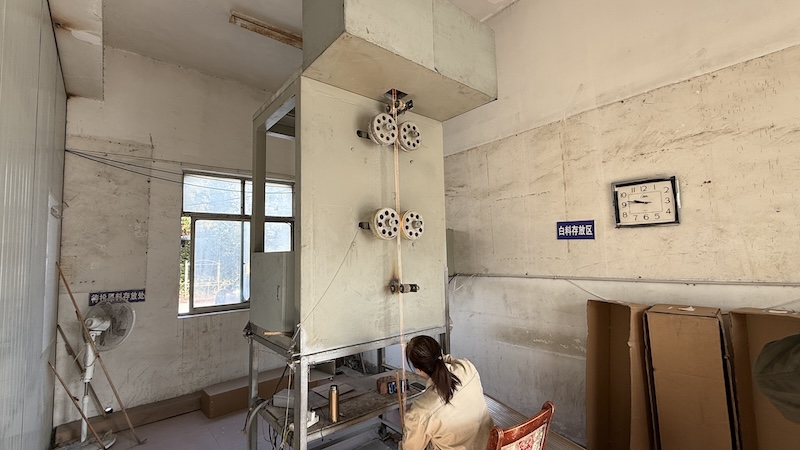
From initial lump rock breaking, pulverization, and multi-stage acid pickling to diamond-wire slicing, CNC 5-axis edge profiling, vacuum annealing, and polarization stress analysis—every step occurs within our 14,271 m² plant.
Our operations have successfully passed exhaustive onsite assessment by SGS Group (Assessment verification date: 2025.12.28). Every batch is accompanied by trace-element spectral data, dimensional reports, and RoHS certificates.
Thermal cracking in quartz discs stems primarily from residual internal stress during cooling. We subject all finished blank discs to computerized polarization stress meters to maintain optical retardation below 5 nm/cm.
B2B procurement teams must anticipate structural shifts driven by 3nm/2nm semiconductor nodes, kilowatt-class industrial fiber laser systems, and high-energy analytical chemistry.
As industrial cutting and additive manufacturing systems scale past 20 kW CW outputs, optical quartz discs face severe photo-thermal absorption risks. Procurement trends indicate a 40% shift from natural JGS2 toward synthetic JGS1 substrates that undergo specialized sub-surface damage (SSD) etching to prevent destructive local dielectric breakdown.
In DUV semiconductor projection lithography and synchrotron beamline observation, wavefront distortion cannot exceed fraction-of-a-wavelength margins. Buyers now mandate Magnetorheological Finishing (MRF) and ion beam figuring (IBF) on custom discs to ensure surface roughness (Rq) remains below 0.2 nm across active aperture centers.
Next-generation 300mm and 450mm semiconductor single-wafer processing tools require expansive, monolithic quartz window discs and showerheads. Fabricating these components without internal thermal bubbles (DIN 58927 Class 0/1) demands advanced electric vacuum furnace melting and precise multi-axis CNC drilling.
Expert insights compiled by our engineering department to resolve typical queries surrounding tolerances, optical coatings, export logistics, and drawing formats.
From one-off research prototypes to high-volume semiconductor fabrication contracts, our engineering team provides end-to-end material evaluation, DFM reviews, and fast quotations within 24 hours.