Industrial Technical White Paper & Sourcing Matrix
China Top Quartz Capillary Rod Manufacturers & Exporter
Precision Fused Silica Micro-Rods, Multi-Bore Capillary Profiles, and Optical-Grade Annealed Quartz Machining Engineered for Semiconductor, Medical Laser, and High-Temperature Analytics.
Factory Catalog Matrix
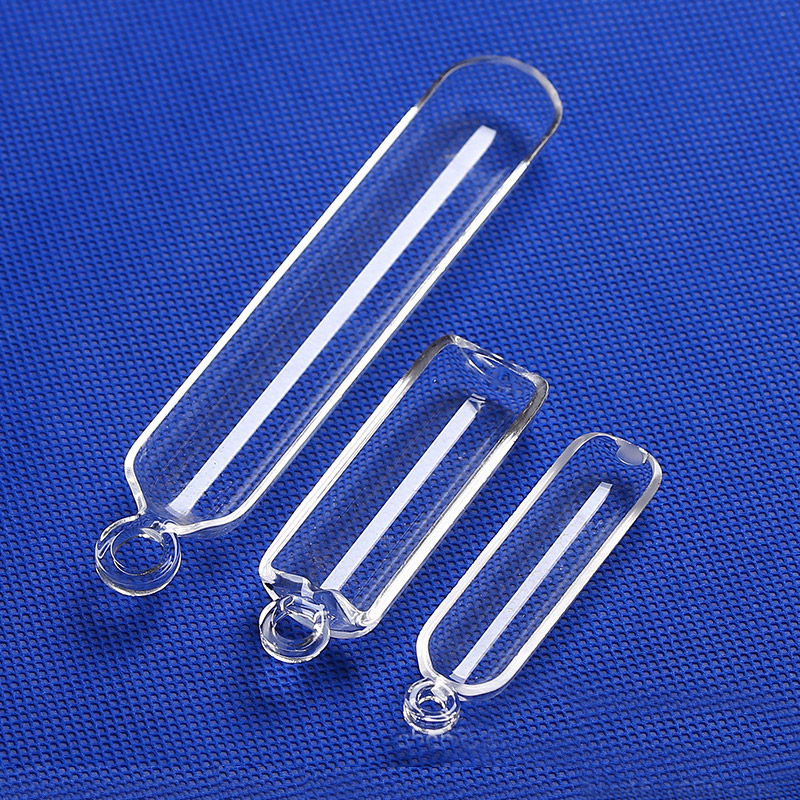
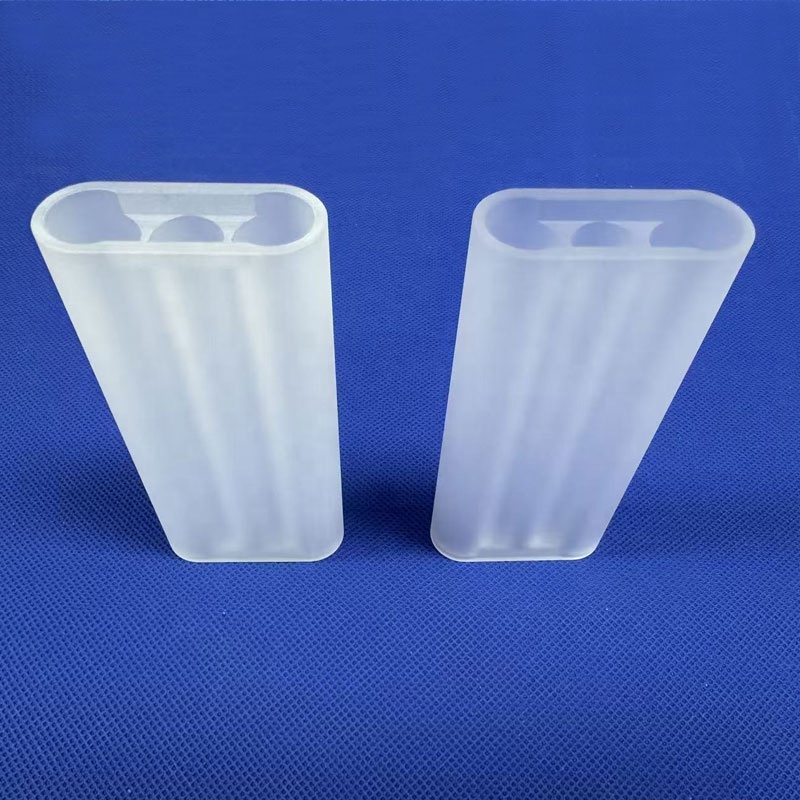
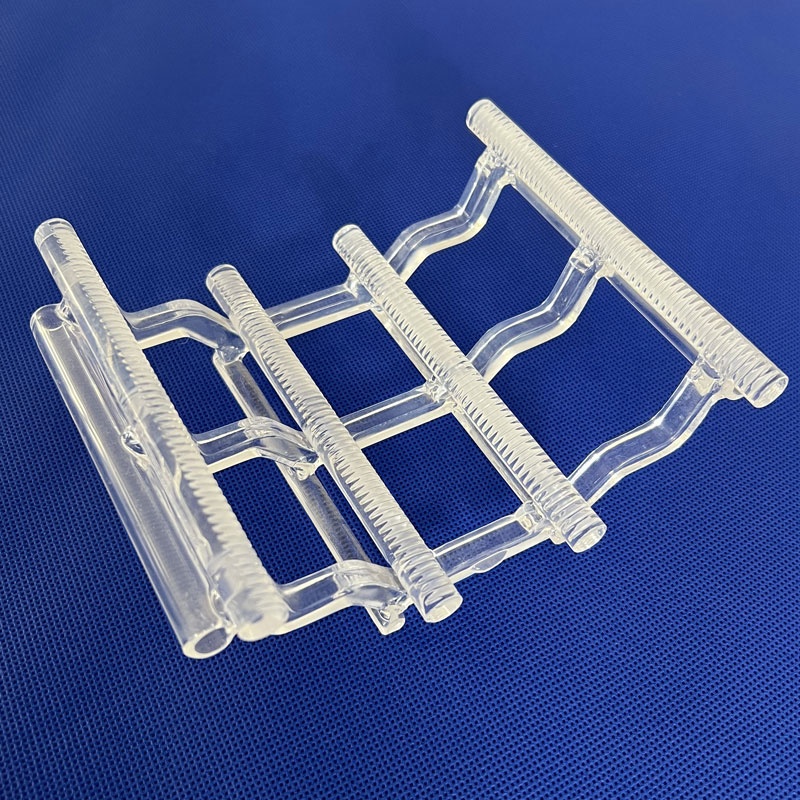
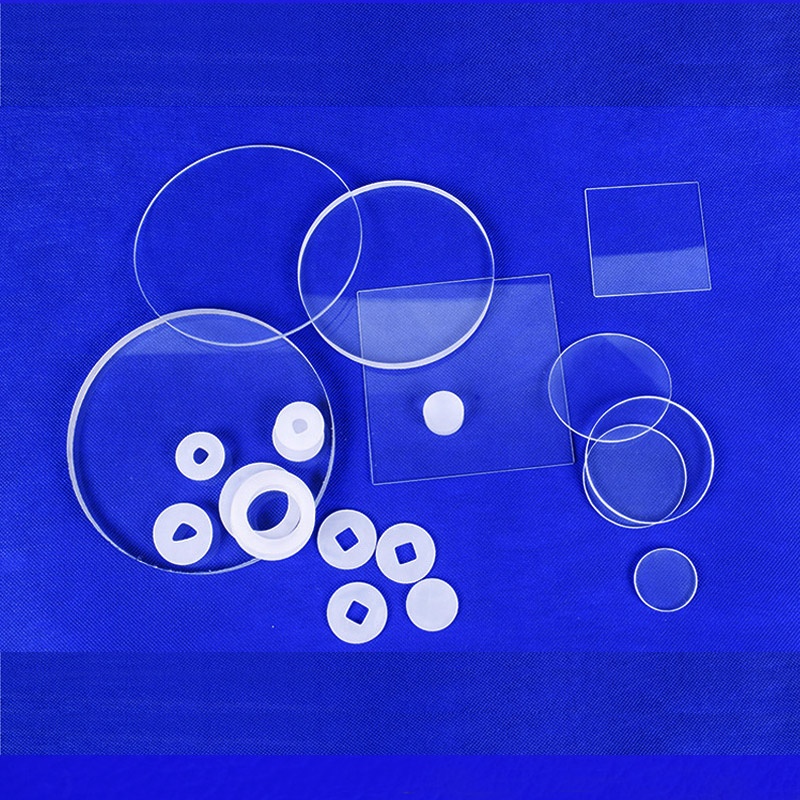
Engineered Fused Quartz & Capillary Series
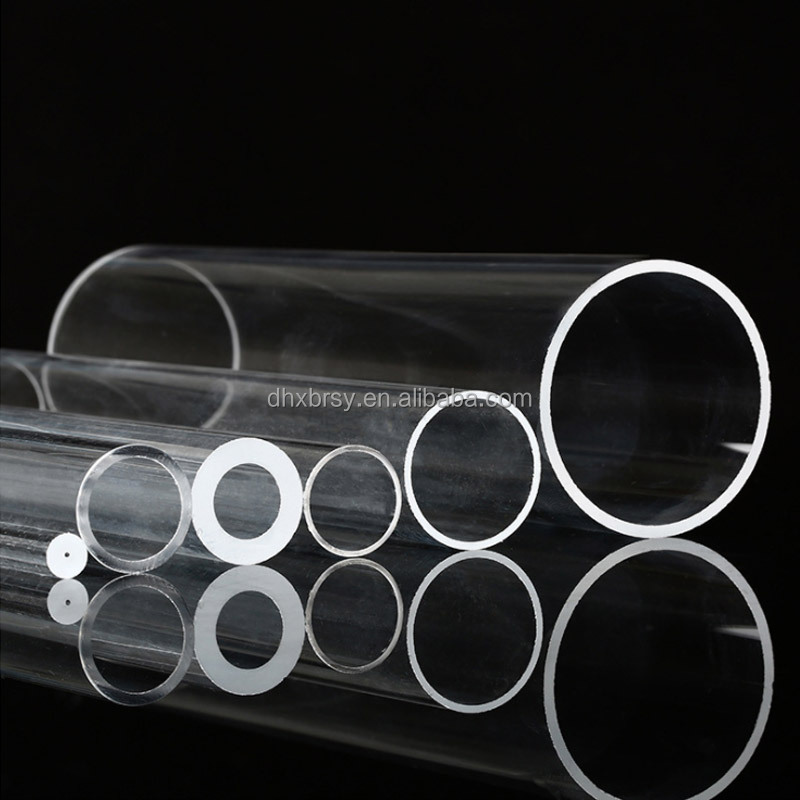
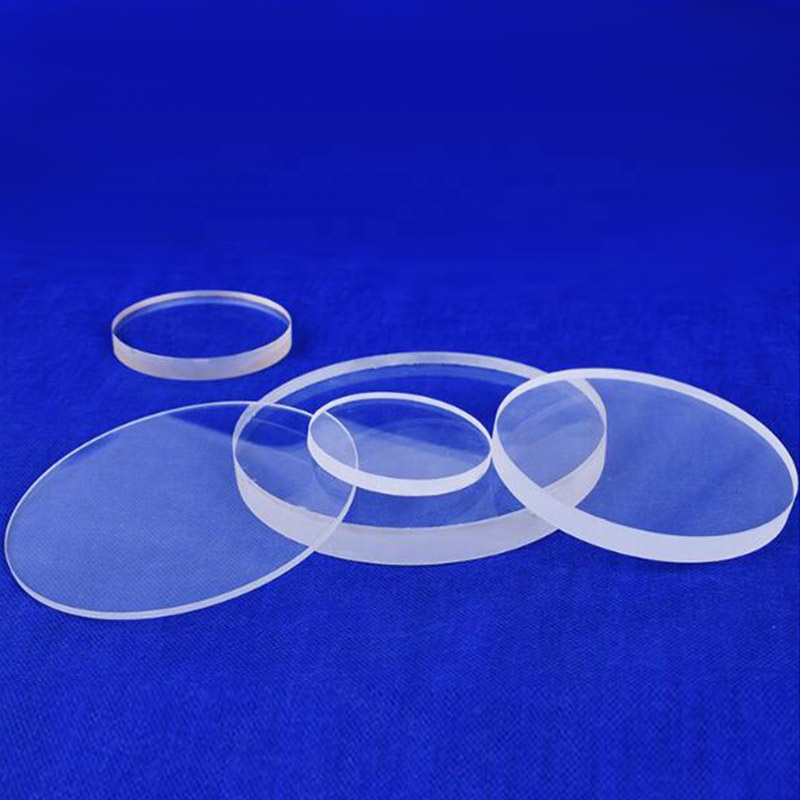
Fabricated to ±0.005mm tolerances in our SGS-verified facility. Explore our production lines ranging from sub-millimeter capillary rods to heavy-wall reaction vessels and multi-bore flow components.
An authoritative technical review on molten silica viscosity dynamics, thermal drawing elongation, hydroxyl content mitigation, and micron-scale precision tolerance control.
≥99.99%
SiO₂ Elemental Purity
±0.005mm
Precision Capillary Tolerance
1100°C
Continuous Working Temp
14,271m²
SGS-Verified Plant Area
1. Microstructural Homogeneity and Drawing Physics of Fused Quartz Rods
Fused quartz capillary rods and solid micro-bars represent the pinnacle of high-purity inorganic glass drawing. Fabricated primarily from natural crystal pegmatite or synthetic silicon tetrachloride (SiCl₄), fused quartz exhibits an amorphous non-crystalline tetrahedral silica network ($SiO_4$). Unlike conventional soda-lime or borosilicate glasses, quartz contains zero intentional fluxing oxides (such as $Na_2O$, $CaO$, or $B_2O_3$), giving it an extremely low coefficient of thermal expansion ($\approx 5.5 \times 10^{-7} /^\circ\text{C}$ between 20°C and 300°C) and an exceptionally high softening point exceeding 1730°C.
In precision drawing towers, mother preforms of electric-arc or oxy-hydrogen fused quartz undergo localized heating within refractory metal induction furnaces at temperatures between 1950°C and 2100°C. Maintaining structural concentricity, minimizing elliptical runout, and preventing surface striation requires closed-loop laser micrometer feedback coupled to high-stability servo-driven capstan withdrawal units. For micro-capillary rods (outer diameters ranging from 0.2mm to 3.0mm), thermal gradients across the drawing meniscus must be held within $\pm 0.8^\circ\text{C}$ to suppress internal shear stress and preserve polarization purity.
2. Trace Impurity Chemistry and Hydroxyl ($OH^-$) Control
The performance threshold of fused silica rods in optical transmission, semiconductor wafer handling, and UV-C laser waveguiding is governed entirely by metallic trace impurities and bound hydroxyl groups. Alkali metals ($Li, Na, K$) serve as network disruptors that accelerate high-temperature devitrification into cristobalite at temperatures above 1150°C. Heavy transition metals ($Fe, Cu, Ti, Cr$) induce intense absorption bands across the deep ultraviolet (190nm–320nm) and near-infrared (1100nm–2800nm) spectra.
Through integrated multi-stage acid leaching with hydrofluoric (HF) and nitric ($HNO_3$) acid cascades at our raw material pulverizing workshops, Lovri Quartz systematically reduces aggregate metallic impurities to below 15 ppm for natural thermal quartz, and below 1 ppm for synthetic fused silica variants. Hydroxyl control is managed through secondary high-vacuum halogenation, yielding low-OH quartz rods optimized for optical telecommunication ferrules and high-power medical laser cavity waveguiding.
Macro shifts reshaping global procurement: Semiconductor node shrinkage, laser surgery equipment miniaturization, and the drive toward vertically integrated Chinese source factories.
Demand for Near-Net Geometries
Global procurement teams are shifting away from rough bulk stock to pre-cut, fire-polished, chamfered, and micro-slotted capillary rods that directly integrate into automated optical ferrule assembly lines without secondary machining.
Sub-Micron Birefringence Standards
With the expansion of 532nm and 355nm DPSS lasers, laser system builders now mandate maximum residual optical retardation below 5nm/cm, necessitating dedicated automated polarization testing for every production run.
Supply Chain De-Risking via Source Hubs
Tier-1 system integrators in North America and Europe are sourcing directly from Lianyungang, China's core raw quartz cluster, eliminating international trading tier margins and gaining batch-level traceability from sand to finished component.
Cleanroom Packaging & Class-0 Certs
To eliminate surface particle contamination in microfluidics and semiconductor fabrication, buyers require ultra-sonic solvent-cleaned rods sealed in Class 10,000 cleanroom nitrogen packs with vacuum outer shells.
Plasma Torch Continuous Drawing
Next-generation electric-arc plasma drawing systems eliminate carbon and tungsten electrode degradation, ensuring bubble-free quartz rods (DIN 58927 Class 0) with zero surface inclusions down to 0.1mm cross-sections.
Multi-Channel Micro-Bore Profiling
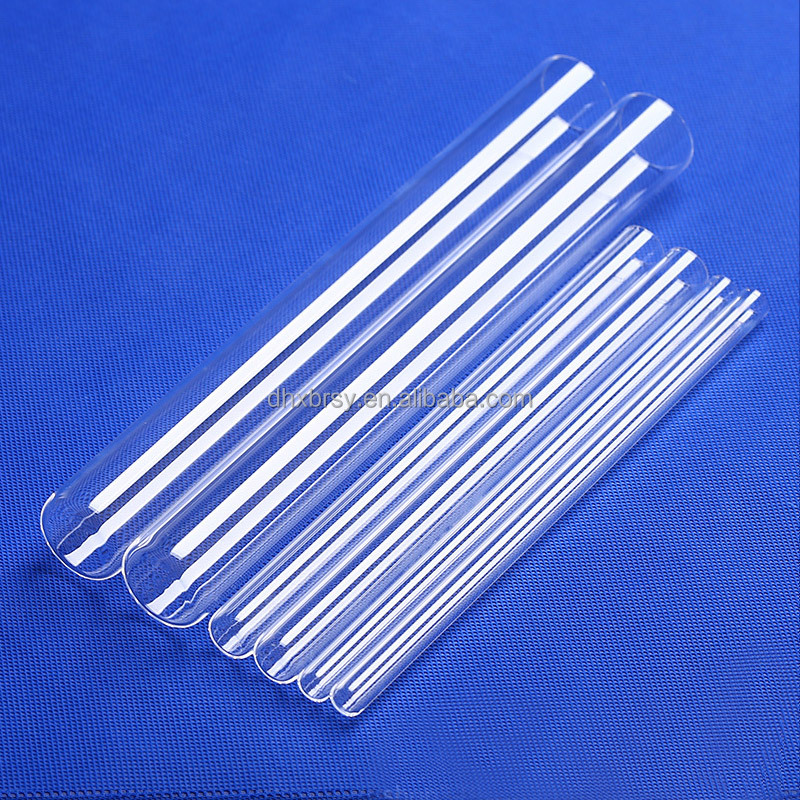
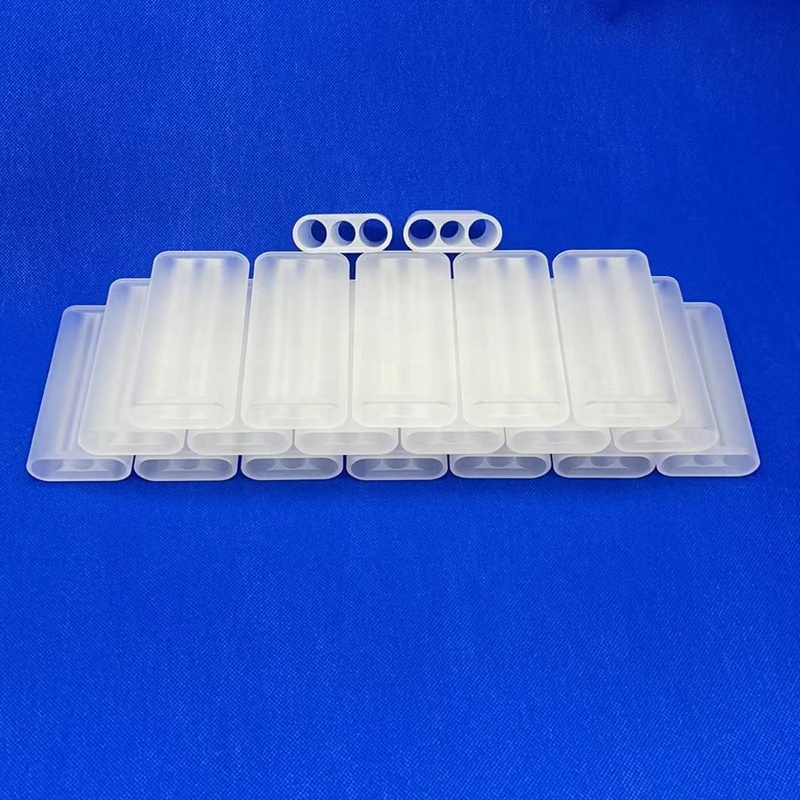
The convergence of aesthetic medicine and analytical HPLC has triggered rapid evolution in specialized micro-flow profiles: C-shape channels, triple-bore conduits, and rectangular capillary guide rods manufactured to sub-10-micron dimensional concentricity.
Femtosecond Laser Micro-Machining
Cold ablation via ultrafast femtosecond lasers permits crack-free micro-grooving, internal capillary channel cutting, and taper-free end polishing on fused silica rods without micro-fracturing the vitreous silica network.
Source Manufacturer Authority
Why Global Integrators Rely on Lovri Quartz
Located in Lianyungang, Jiangsu—the premier epicenter of China's quartz refining industry—Lovri Quartz controls the complete manufacturing chain. From raw mineral selection to precision drawing and 5-axis CNC micro-machining, we eliminate middle-tier volatility.
Complete In-House Refining: Lumps crushing, acid leaching, electro-fusion, vertical tower drawing, and continuous annealing performed in our 14,271 m² complex.
Rigid Stress Verification: 100% batch-level polariscopic inspection ensures residual annealing stress is mitigated below 20 kg/cm² before shipping.
Agile OEM/ODM Prototyping: Low 1-piece sample minimums with standard 48-hour turnarounds on custom drawing evaluations in STEP, DWG, and PDF formats.
Critical technical considerations to verify with your engineering team prior to final procurement sign-off.
What is the standard dimensional tolerance for drawn quartz capillary rods?
Standard drawing yields an outer diameter (OD) tolerance of ±0.05mm. For precision applications (e.g., optical fiber collimators, HPLC flow restrictors, or laser flow tubes), our specialized servo-controlled drawing towers achieve ±0.01mm, and fine-ground optical centerless polishing achieves ±0.005mm with roundness within 0.003mm.
How does thermal shock resistance differ between borosilicate glass and fused quartz?
Fused quartz boasts an exceptionally low thermal expansion coefficient of 5.5 × 10⁻⁷ /°C—approximately 1/6th that of borosilicate 3.3. Consequently, a fused quartz rod can be heated to 1100°C and plunged directly into ice-cold water without cracking, making it essential for rapid thermal processing (RTP) and furnace observation rods.
When should an engineer specify JGS1 over JGS2 quartz material?
Specify JGS1 synthetic silica whenever your optical system operates in the deep ultraviolet range below 260nm (such as 193nm excimer, 248nm lithography, or 254nm germicidal systems) or demands complete freedom from gaseous bubbles (Class 0). JGS2 thermal quartz is ideal for VIS-NIR wavelengths (350nm–2000nm), laser cavity cooling channels, and semiconductor structural supports.
How do you classify and inspect internal bubble inclusions in quartz rods?
Bubbles and inclusions are categorized under DIN 58927 and ISO 12123 standards. Optical grade quartz rods undergo dark-field laser scattering tests. For medical laser and optical waveguiding orders, we guarantee total bubble cross-section area < 0.03 mm² per 100 cm³ of glass, with zero individual bubbles exceeding 0.10mm in critical light paths.
Can you provide custom end-finishing on capillary rods (e.g., dome, lens, flame-cut)?
Yes. Our CNC glass-working center performs high-speed diamond wafer sawing, precision beveling/chamfering, laser ball-lensing at rod tips, spherical and hemispherical doming, optical flat polishing (80/50, 60/40, or 20/10 scratch-dig), and fire-polishing to remove micro-chipping.
What is your procedure for mitigating devitrification in high-heat furnaces?
Devitrification occurs when alkali metal contamination triggers crystalline silica reorganization. Lovri Quartz employs a final cleanroom HF ultrasonic washing cycle followed by deionized water cascading (>18 MΩ·cm) and vacuum baking to purge all surface salts, ensuring long service life up to 1100°C continuous operation without hazing.
What is the minimum prototype order quantity and typical lead time?
For standard diameter rods (1.0mm to 10.0mm in stock), the MOQ is 1 to 5 pieces. Custom-drawn micro-capillaries or multi-bore profiles typically have an MOQ of 10 to 50 pieces. Prototype orders ship within 5 to 7 business days, while volume container deliveries average 15 to 20 days.
How are brittle quartz capillary rods packed to prevent transit breakage?
Slender capillary rods are bundled in shock-absorbing plastic sleeves, nested within pre-slotted high-density EPE foam chambers, wrapped with moisture-barrier film, and encased in rigid multi-wall export cartons or reinforced plywood cases with internal suspension. Breakage rates across international air and sea freight are strictly below 0.2%.
Request an Engineering Review & Factory-Direct Quotation
Consult directly with our technical ceramic and glass engineering team. Whether you need standard capillary rods, replacement laser flow tubes, or custom semiconductor wafer carriers fabricated to your technical drawings, we provide DFM analysis and volume price points within 24 hours.