Engineered Fused Quartz & Optical Silica Components
Fabricated under stringent ISO standard procedures with pure crystalline feedstock, our optical substrates and flow cells provide absolute thermal stability, zero laser distortion, and peak transmission across UV, Visible, and NIR spectrums.
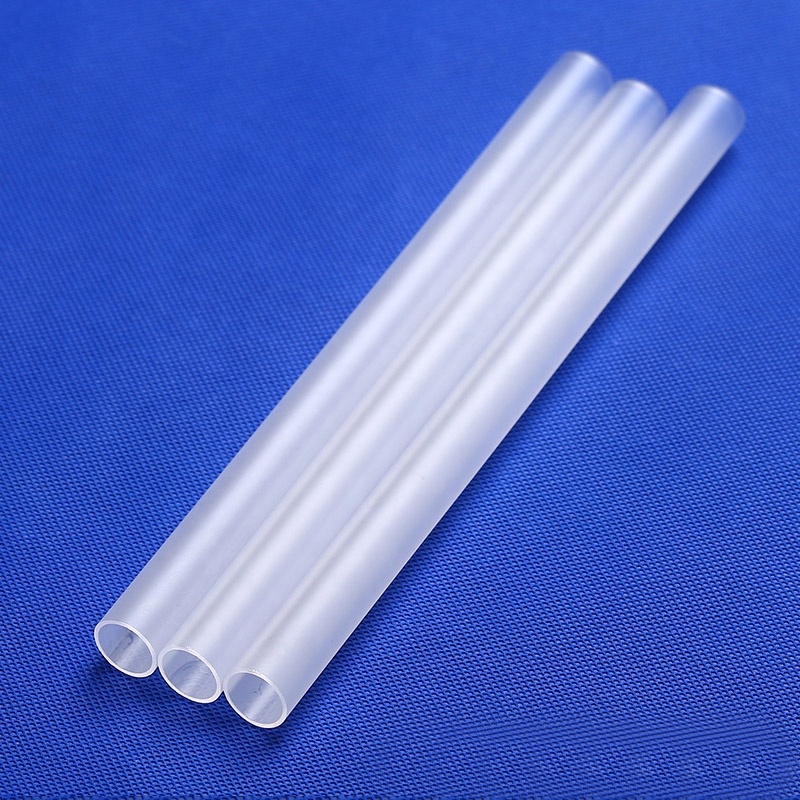
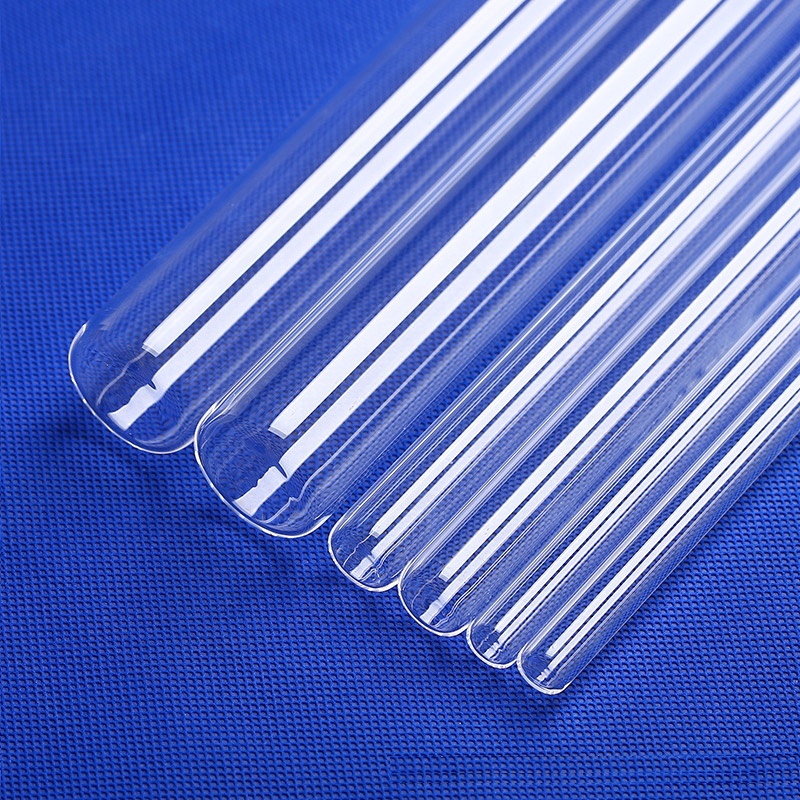
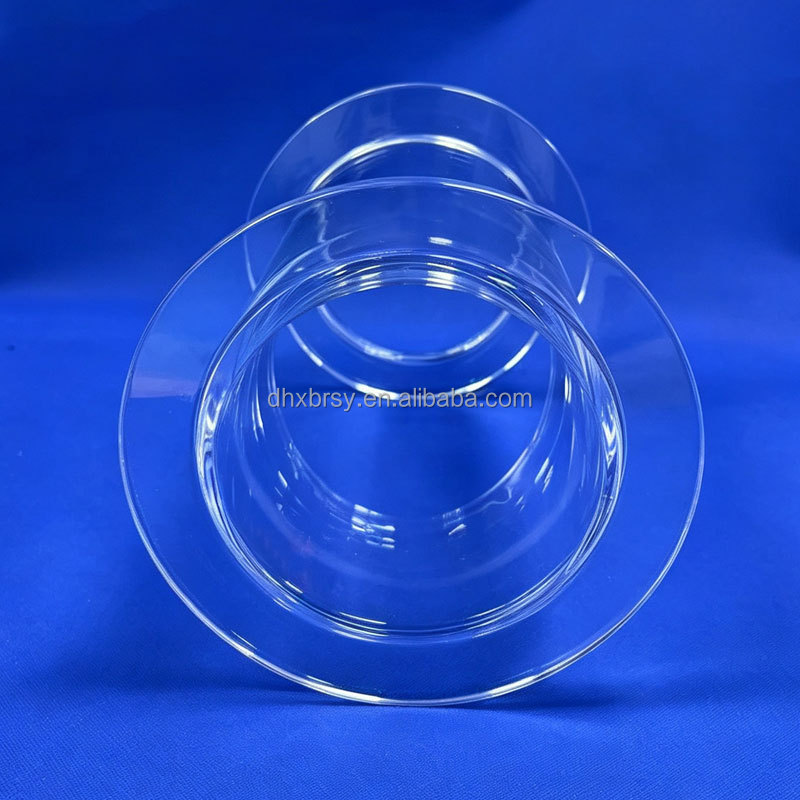
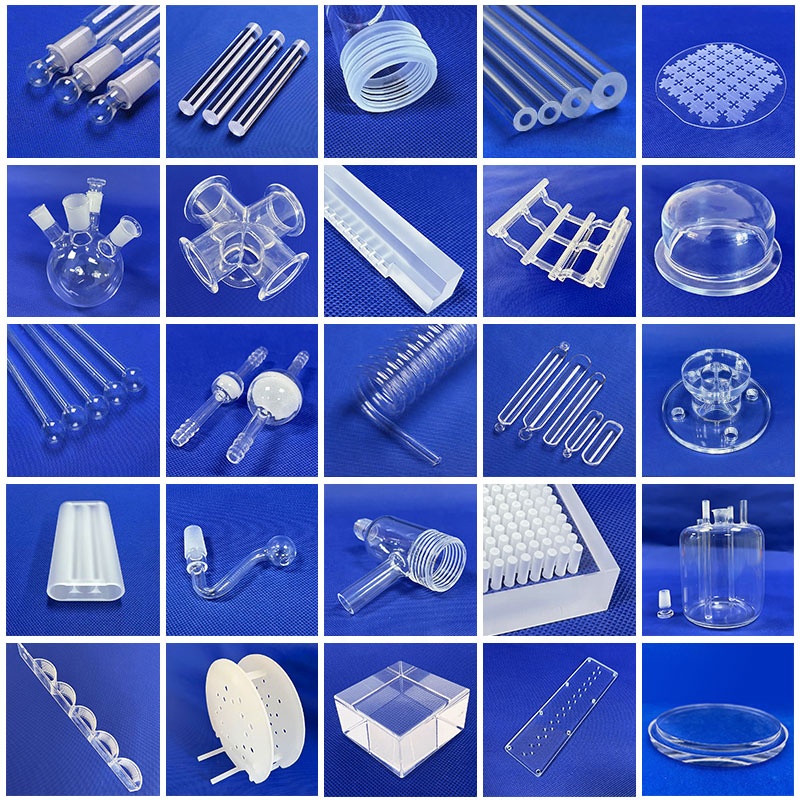
Integrated Mineral Refining to Precision Micro-Optics
As verified Tier-1 Chinese quartz lens manufacturers, Lovri Quartz leverages direct regional proximity to the world’s purest natural silica vein formations in Lianyungang, providing unmatched vertical supply integration.
Source Ore Control & Acid Leaching
Unlike secondary machining shops that rely on market-bought blank glass, we handle primary ore sorting, ball mill pulverizing, and ultra-deep de-ironing acid washing in-house. This minimizes trace metallic contamination (Fe, Al, Ti < 15 ppm total), guaranteeing ultra-low background fluorescence and zero bubble entrapment in optical paths.
High-Precision CNC Micro-Machining
Equipped with 4-axis and 5-axis ultrasonic CNC grinding centers, high-speed multi-blade diamond slicing equipment, and precision chemical-mechanical polishing (CMP) lines, we achieve surface roughness down to Ra < 0.5 nm, wavefront distortion λ/4 to λ/10, and dimensional tolerances within ±0.005 mm for custom lenses and prisms.
Certified Stress Annealing & Testing
Thermal processing introduces residual micro-stresses that cause catastrophic thermal shock or birefringence-induced phase delays. Every Lovri optical component undergoes secondary programmable gradient annealing followed by cross-polarization photoelastic testing to ensure uniform refractive indices and zero internal fringe distortion.
12-Stage Optical Lens & Quartz Manufacturing Route
Continuous traceability from pristine quartz sand grading to hermetic cleanroom vacuum packaging ensures zero cross-contamination for semiconductor cleanroom installation.
Refining & Sand Screening
High-grade crystal vein ore crushing, screening to uniform mesh sizes, and magnetic separation.
Acid Wash & Plasma Fusion
Multiple chemical acid bath washouts, continuous oxyhydrogen/electric arc fusion, and continuous thermal drawing.
Precision Shaping & Lathe
Diamond wire sawing, custom lathe gas-torch flame welding, precision bore fire-polishing, and flanging.
CNC, CMP & Polariscope QA
5-axis ultrasonic contouring, CMP super-polishing, polariscope stress validation, and cleanroom vacuum foil sealing.
Optical Quartz Grade Selection & Physical Thresholds
A technical guide for chief optical engineers and global buyers to map exact operational spectrums, heat conditions, and laser power densities to the optimal fused silica substrate.
| Optical Grade | Fused Silica Type | Spectral Transmission | Hydroxyl (OH⁻) Content | Critical Industrial Applications |
|---|---|---|---|---|
| JGS1 | Synthetic Fused Silica (SiCl₄ Flame Hydrolysis) | 185 nm – 2,500 nm (Deep DUV/VUV) | High (typ. 800 - 1200 ppm) | Excimer lasers (193nm/248nm), lithography scanner optics, UV medical flow tubes, astronomical lenses. |
| JGS2 | Flame Fused Natural Quartz Crystal | 220 nm – 2,600 nm (Standard UV-Vis) | Medium (typ. 150 - 200 ppm) | High-pressure mercury lamps, UV curing sight windows, furnace viewing lenses, laser protective covers. |
| JGS3 | Electrically Fused Vacuum Silica | 260 nm – 3,500 nm (Full Infrared / IR) | Ultra-low (< 5 ppm, Zero OH Peak) | Mid-to-far IR sensors, pyrometry viewing ports, thermal imaging lenses, extreme IR heating emitters. |
| Opaque Silica | Sintered Gas-Porous Quartz Structure | Diffuse Reflection / IR Barrier | Varies by sintering cycle | Heat shield shrouds, CVD process thermal baffles, diffusion furnace insulation plugs, reflector jackets. |
Next-Gen Quartz Lens & Optics Procurement Trends
Where high-power industrial lasers, sub-3nm semiconductor nodes, and life science microfluidics are pushing China's manufacturing supply chains over the next decade.
Extreme Laser Induced Damage Thresholds (LIDT)
With the surge in multi-kilowatt fiber lasers and picosecond/femtosecond industrial micromachining, standard fused quartz fails due to subsurface micro-cracking and impurity absorption. Procurement departments are mandating certified LIDT ratings (>20 J/cm² at 1064nm, 10ns pulse) requiring advanced magneto-rheological finishing (MRF) and ion-beam etching directly at Chinese source facilities.
Monolithic Microfluidic Integration
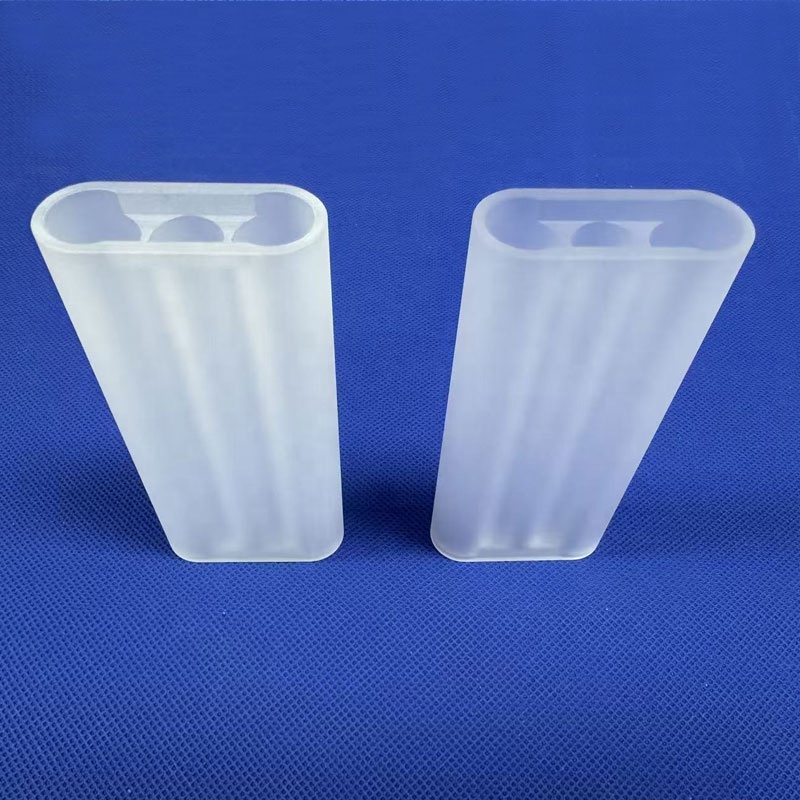
Traditional multi-component analytical flow cells rely on glue, epoxy, or mechanical clamping, creating chemical leaching risks and fluidic failure. Trend models show OEM diagnostics migrating to monolithic multi-bore fused silica flow cells. Through femtosecond laser-induced selective chemical etching (ISCE), triple-bore and quad-bore tubes are crafted as single seamless pieces.
Total Impurity Traceability via ICP-MS
Driven by Tier-1 fab expansions and 300mm wafer node transitions, buyers are turning away from generic certificates of conformity. Future-proof procurement agreements specify Inductively Coupled Plasma Mass Spectrometry (ICP-MS) lot testing reports detailing elements like Boron, Sodium, Potassium, and Iron down to ppb thresholds to prevent cross-contamination during thermal diffusion.
Frequently Asked Questions on Quartz Optics Sourcing
Direct technical answers addressing the most common failure points, drafting tolerances, material selections, and international freight logistics.
Why choose JGS1 synthetic silica over JGS2 for UV laser assemblies?
JGS1 is produced via synthetic chemical hydrolysis of silicon tetrachloride, eliminating inherent impurities like aluminum and iron found in natural quartz. This provides zero absorption degradation at 193–266 nm wavelengths and eliminates bubble inclusions. JGS2 is cost-effective for standard UV curing and sight windows, but will solarize and darken rapidly under intense DUV laser exposure.
What causes unexpected quartz tube cracking in high-temperature furnaces?
Cracking is almost always caused by improper factory annealing or surface devitrification from alkaline contamination. If residual mechanical stress remains within the tube walls, rapid thermal cycling induces shear fractures. Furthermore, trace alkali metals (Na, K) trigger phase transformation from amorphous silica to crystalline cristobalite at temperatures above 1000°C, leading to structural micro-cracks upon cooling.
Can you machine custom quartz lenses and wafer boats from client STEP/CAD files?
Yes. Lovri Quartz operates dedicated 5-axis ultrasonic CNC milling workstations calibrated specifically for brittle vitreous silica glass. We accept 3D models in STEP, IGES, and DWG formats. Our engineering team conducts design-for-manufacturability (DFM) reviews to evaluate draft angles, edge beveling, and wall thickness to eliminate stress concentration points prior to diamond tooling setup.
How are fragile optical components safely secured for transoceanic air/sea freight?
Every precision quartz optical element is sealed within anti-static, dust-free cleanroom bags, placed inside form-fitting precision-cut EPE foam enclosures, and secured in heavy-duty triple-corrugated outer boxes or non-fumigation plywood crates. Fragile consignments are fitted with ShockWatch and TiltWatch drop indicators to assure accountability during international multi-modal transit.
Ready to Validate Your Custom Quartz Lens or Apparatus Drawing?
Submit your CAD blueprints, spectrum requirements, and operating temperatures. Our optical engineering team in Lianyungang will review manufacturability, verify tolerances, and provide an official quotation within 24 hours.