Engineered Quartz Solutions for Mission-Critical Industries
Every quartz plate, tube, and CNC assembly is melted from ≥99.99% high-purity SiO₂ and evaluated via automated optical polarization stress testers to guarantee zero micro-fracturing under extreme thermal environments.
High Purity Transparent Fused Quartz Sheet

JGS1 High Purity Fused Quartz Glass Sheet
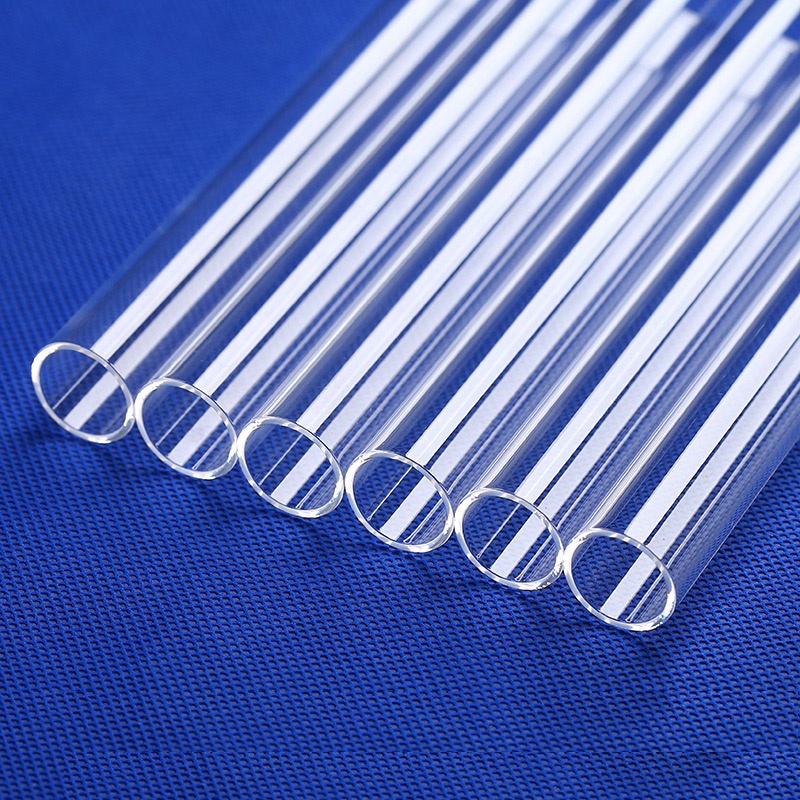
High Precision Clear Quartz Glass Tubing
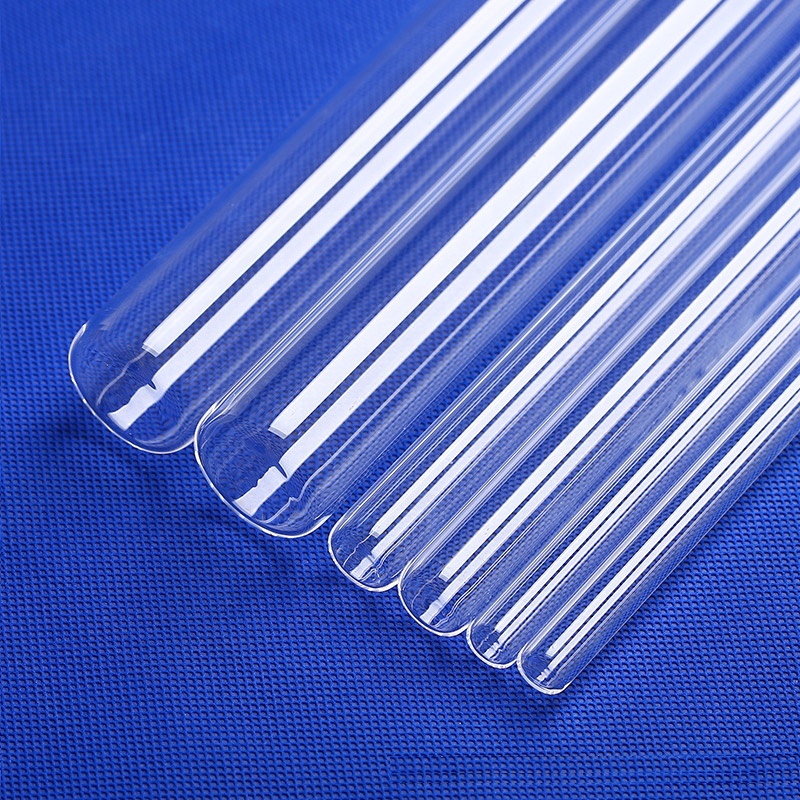
Customized Clear Quartz Tube Closed Bottom
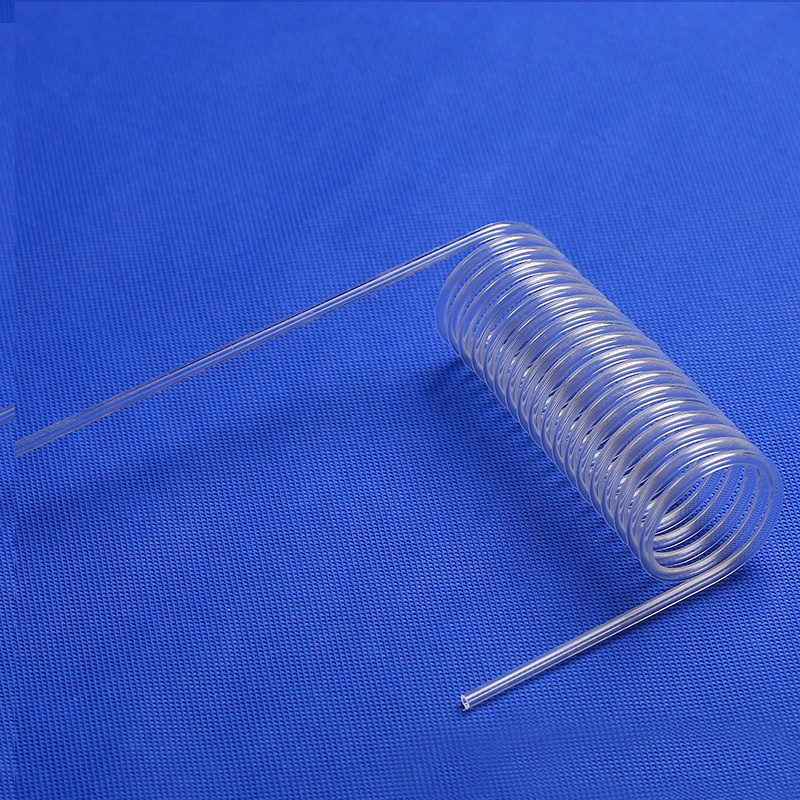
Fused Quartz Spiral Tube for Laser Aesthetics
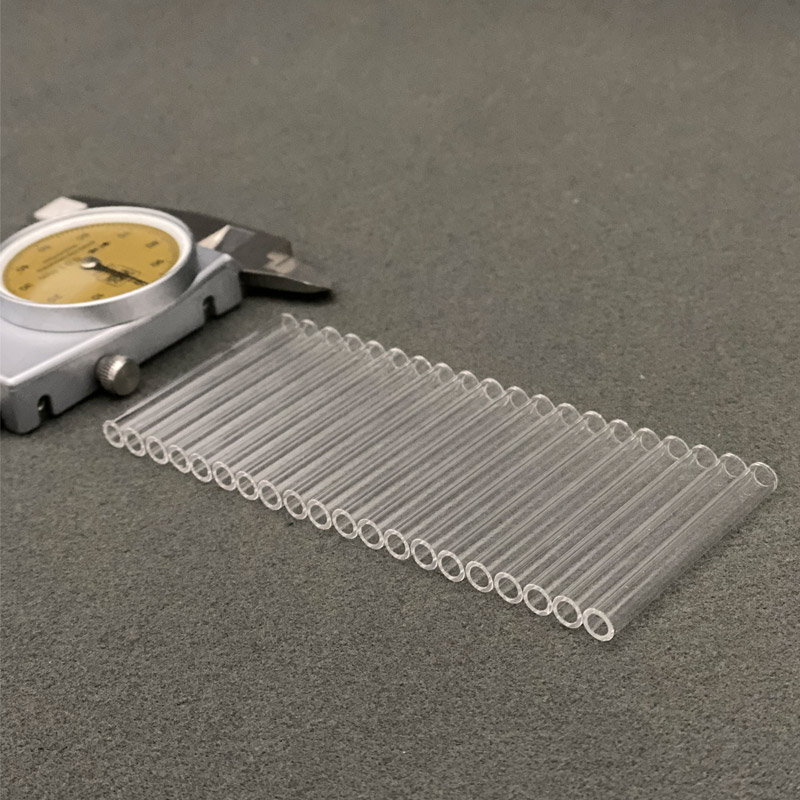
BAO RAN 419 Fused Quartz Capillary Tube
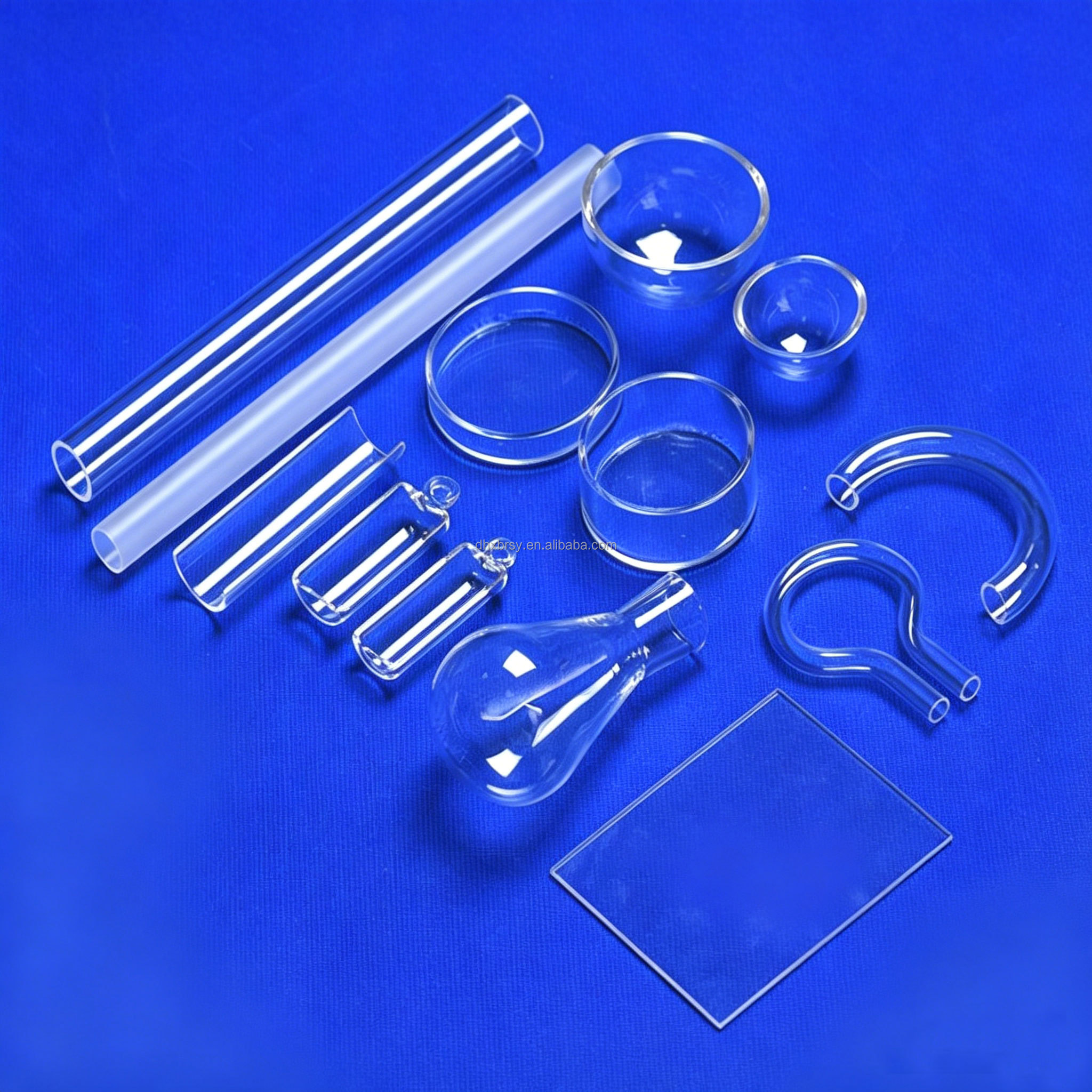
Custom Lab Quartz Glass Apparatus
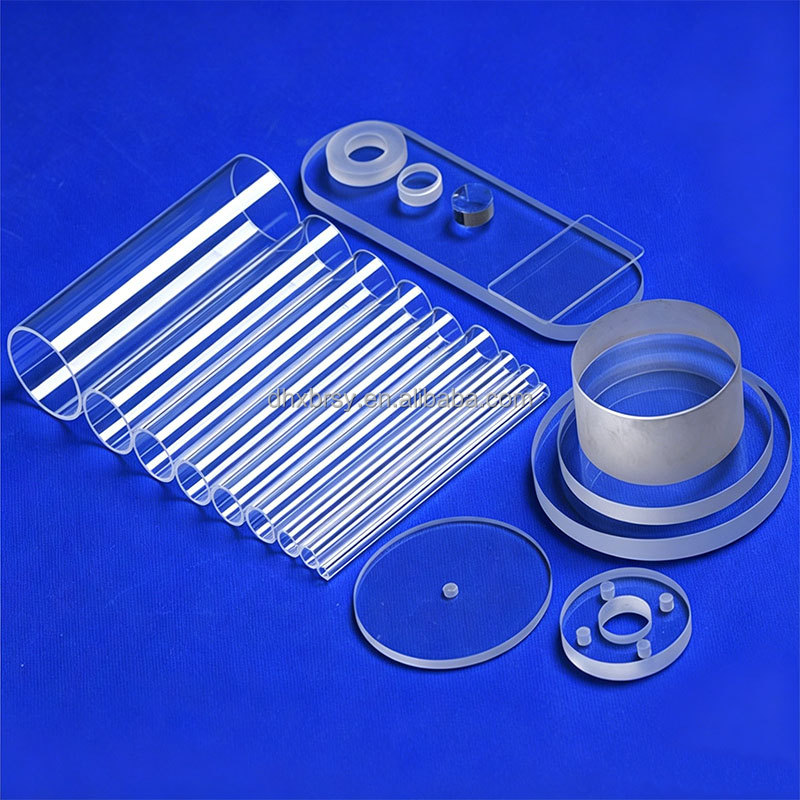
BAO RAN JGS1 Fused Silica UV Window
Material Science & Optical Grade Classification for Fused Quartz Plates
A comprehensive guide for optical engineers, procurement heads, and semiconductor process integrators comparing synthetic fused silica against electrically fused quartz.
Transparent fused quartz and synthetic fused silica represent non-crystalline vitreous forms of silicon dioxide (SiO₂). Despite structural chemical similarities, their microscopic manufacturing method yields vastly differing optical transmission profiles, hydroxyl (OH⁻) radical content, and chemical resistance. In global procurement for deep ultraviolet (DUV), excimer lasers, and wafer fabrication equipment, deploying the inappropriate quartz grade inevitably leads to laser-induced damage, optical solarization, or thermal deformation.
Engineering Rule of Thumb: When selecting quartz plate windows for DUV lithography or excimer processing below 260nm, only synthetic fused silica (JGS1) guarantees zero absorption peaks at 248nm and 193nm. For high-temperature furnaces up to 1150°C where UV transparency is secondary, electrically or oxyhydrogen fused quartz (JGS2/JGS3) offers superior structural rigidity and lower hydroxyl-related thermal foaming.
| Optical Grade | Raw Material Chemistry | Transmission Bandwidth | OH⁻ Content | Primary Industrial Application |
|---|---|---|---|---|
| JGS1 (Synthetic Fused Silica) | High-purity SiCl₄ synthesized via oxyhydrogen vapor hydrolysis | 185 nm – 2,500 nm (Exceptional DUV & UV) | < 5 ppm to ~1,200 ppm (Grade specific) | Semiconductor photolithography, UV laser windows, fluorescence spectroscopy |
| JGS2 (Optical Fused Quartz) | Purified natural crystal quartz refined via flame fusion method | 220 nm – 2,500 nm (Broad UV to near IR) | ~ 150 ppm to 200 ppm | UV curing systems, optical viewports, high-temperature inspection sight glasses |
| JGS3 (Infrared Optical Quartz) | High-purity natural silica refined via vacuum electrical fusion | 260 nm – 3,500 nm (Broad Infrared transmission) | < 5 ppm (Virtually anhydrous, no OH dip at 2.73μm) | Infrared thermography viewports, pyroelectric detectors, IR heating tubes |
| Opaque Fused Silica | Natural quartz sand fused with microscopic enclosed gas bubbles | Diffuse scattering / High IR reflection | Variable | Thermal insulation shields, solar cell diffusion carriers, infrared flanges |
Thermomechanically, transparent fused quartz displays an extraordinarily low coefficient of thermal expansion (CTE) of approximately 5.5 × 10⁻⁷ /°C between 20°C and 320°C. This constitutes roughly 1/20th the expansion rate of standard soda-lime or borosilicate glass. As a result, fused quartz plates can withstand severe thermal shock: a standard 3mm plate brought to 1100°C can be plunged into room-temperature water without microscopic stress fractures or micro-cleavages developing across its polished facets.
Direct-from-Source Enterprise Advantages & Quality Control
Based in Lianyungang, China's silicon core hub, our operations span 14,271 m² of advanced facilities with complete vertical integration from silica sand purification to precision 5-axis CNC machining.
SGS-Audited Manufacturing
Our entire 14,271 m² industrial plant has passed rigorous onsite qualification by SGS Group. International buyers gain verifiable transparency across factory capacity, chemical handling, and labor compliance.
12-Step In-House Chain
We eliminate supply chain markups and third-party processing variability. From natural silica rock cutting and sand pulverizing to acid pickling, drawing, vacuum sealing, and annealing, every step is strictly centralized.
Polarization Stress Inspection
Residual stress remains the primary culprit behind spontaneous glass fracturing. Every batch leaving our lehr furnaces is individually scanned on polariscopes to verify birefringence extinction levels below 5 nm/cm.
Drawing-to-Part Customization
Accepting STEP, DWG, and PDF formats, our engineering center provides precision CNC hole drilling, wafer notch slotting, laser micro-engraving, fire-polishing, and dual-surface optical lap finishing.
Global Sourcing Shifts & Procurement Trends (2025–2030)
Macro factors redefining how original equipment manufacturers (OEMs) and wafer fab operators manage silica glass inventories, lead-time variance, and total cost of ownership (TCO).
Supply Chain Reshoring to Primary Mining Basins
Procurement directors are shifting away from intermediaries toward vertically consolidated source factories located in raw silica hubs such as Lianyungang. Sourcing directly eliminates multi-tiered markups and provides raw mineral traceability, ensuring consistent material purity for semiconductor fabrication.
Transition to Near-Net-Shape (NNS) CNC Machining
Rather than importing standard unshaped plates and incurring high local diamond-grinding labor costs, overseas manufacturers are ordering fully machined, chamfered, and fire-polished quartz components. This drastically reduces localized production scrap rates and cuts overall manufacturing lead times by up to 35%.
Total Cost of Ownership (TCO) vs. Initial Price
Advanced semiconductor foundries prioritize thermal longevity over baseline unit pricing. Plates processed with comprehensive vacuum annealing cycles exhibit zero devitrification or white crystalline silica flaking in fluorine plasma reactors, delivering over triple the operating lifecycle in heavy continuous-duty lines.
Technological Development Trajectories in Fused Silica Engineering
Anticipating next-generation manufacturing breakthroughs for 3nm/2nm wafer fabrication, excimer beam lines, and zero-defect biophotonic devices.
Plasma Etch Resistance (Doped Fused Silica)
Next-generation etching chambers employ fluorocarbon and chlorine-based plasma chemistries that cause micro-erosion across standard fused silica sight windows. Developing synthetic silica doped with trace rare-earth elements increases plasma etching resistance, mitigating particle shedding across delicate microchip surfaces.
Sub-Nanometer Optical Surface Flatness
With increasing numerical apertures in UV photolithography, conventional mechanical polishing is yielding to Magnetorheological Finishing (MRF) and ion-beam milling. These processes achieve optical surface flatness ratings exceeding λ/10 with root-mean-square (RMS) surface roughness values under 0.2 nm across 300mm diameters.
Eco-Optimized Hydrofluoric-Free Refining
In adherence to global ESG standards and ISO 14001 guidelines, progressive processing embraces biological and ultrasonic acid-reduced leaching methods. This reduces reliance on concentrated HF solutions during raw sand purification while preserving an ultra-pure ≥99.99% silicon dioxide matrix.
Frequently Asked Questions by Technical Buyers
Everything your sourcing committee needs to know regarding quality validation, dimensional tolerances, packing methods, and shipment logistics.
How do you prevent bubbles and striae in thick quartz glass plates?
What dimensional tolerances can your CNC department hold for custom quartz plates?
How do you package ultra-fragile, large-format quartz plates for air and sea export?
What is the working difference between JGS1, JGS2, and JGS3 quartz plates?
Can quartz plates withstand prolonged exposure to hydrofluoric acid or alkaline cleaners?
What documentation is provided with wholesale quartz plate export orders?
What is the Minimum Order Quantity (MOQ) for custom prototypes vs. production runs?
Request Factory Direct Pricing & Complete Engineering Catalog
Consult with our quartz application engineers. Send your design drawings, target dimensions, operating temperatures, or project scopes to receive a comprehensive technical proposal and itemized factory quote within 24 hours.