Featured Production Line
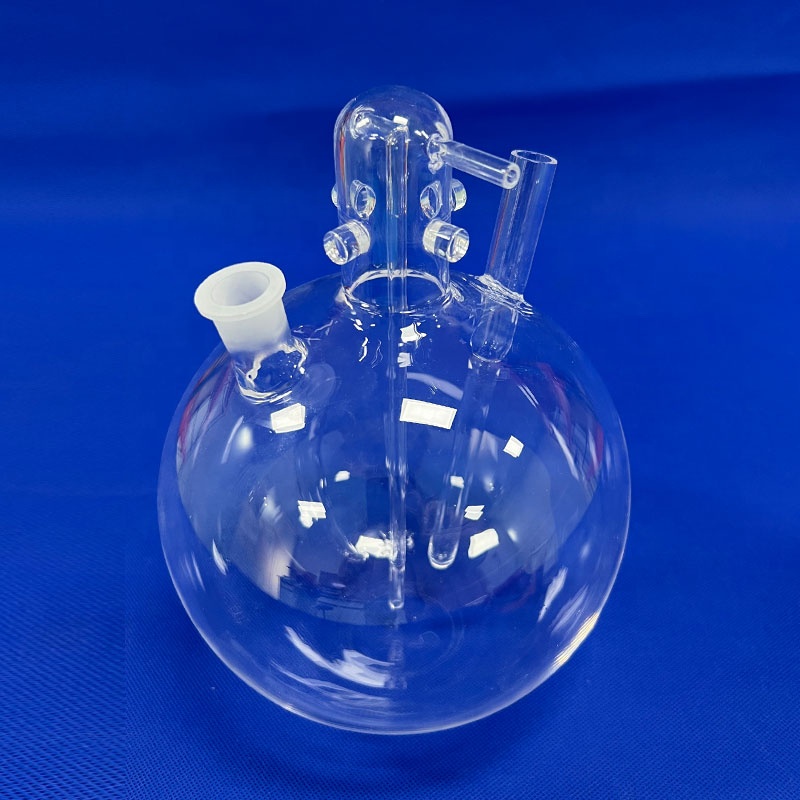
Engineered Quartz Glass Sheets & Specialized Reactor Apparatus
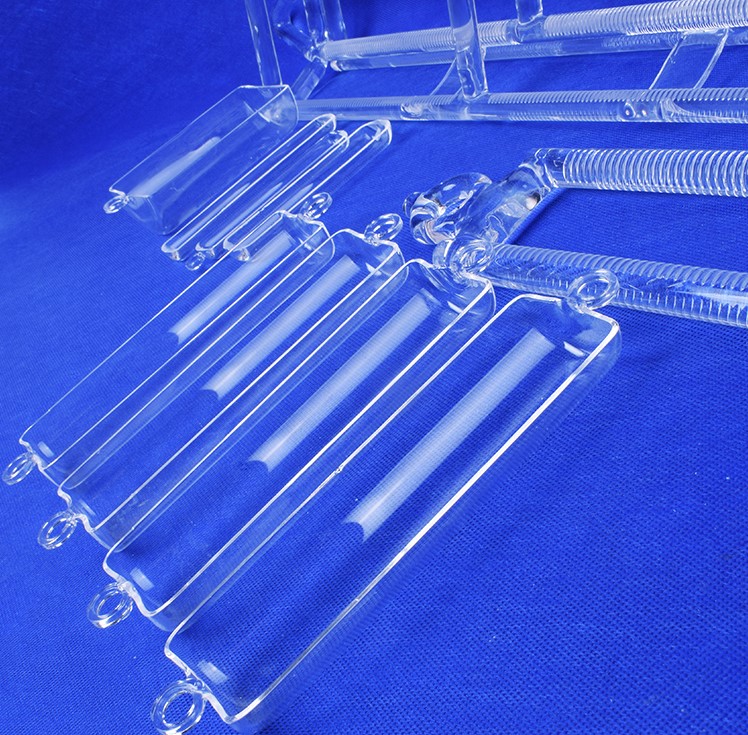
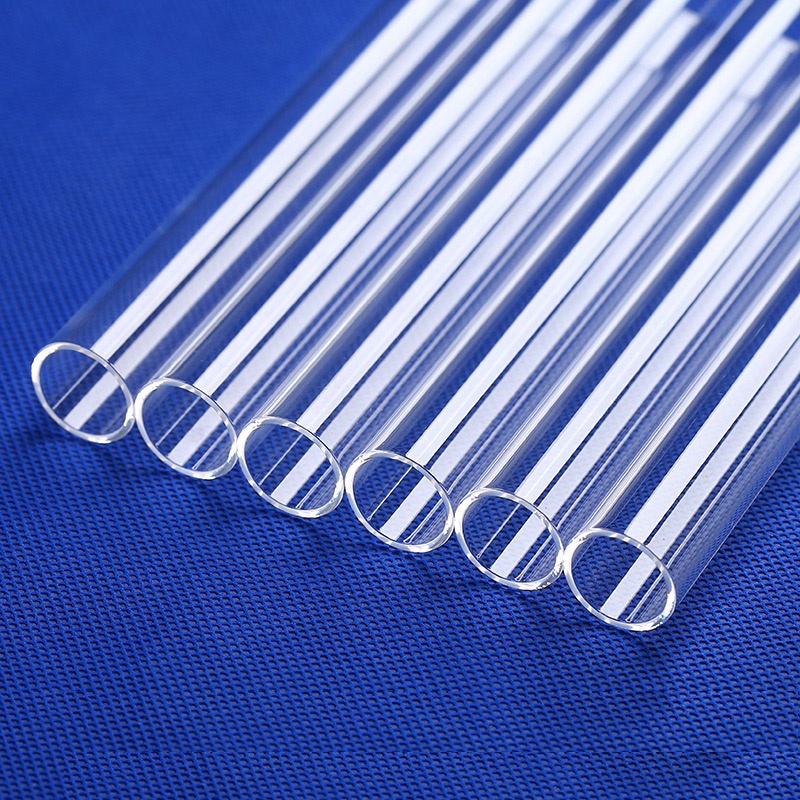
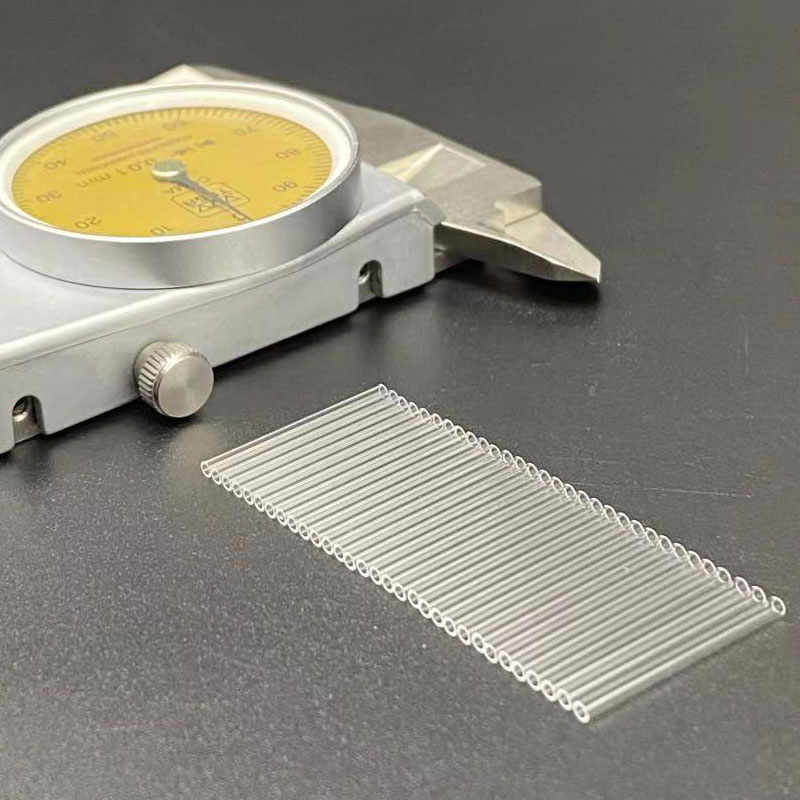
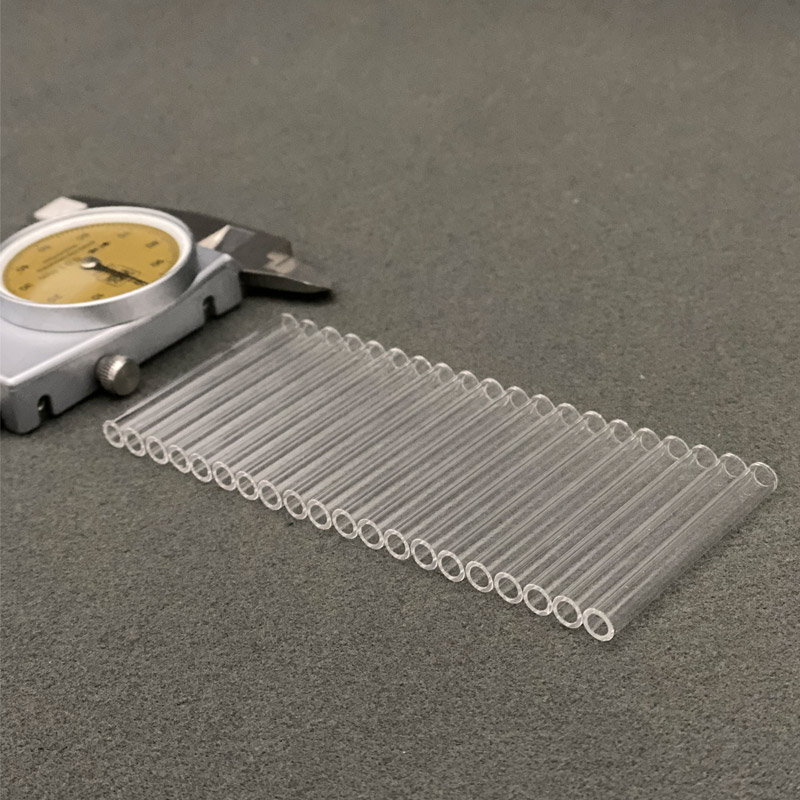
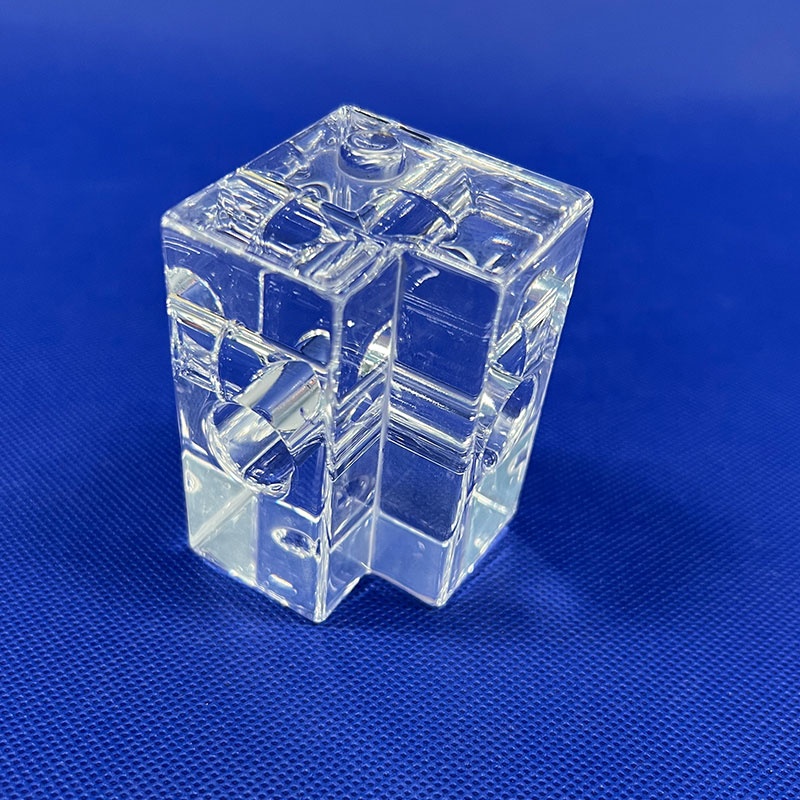
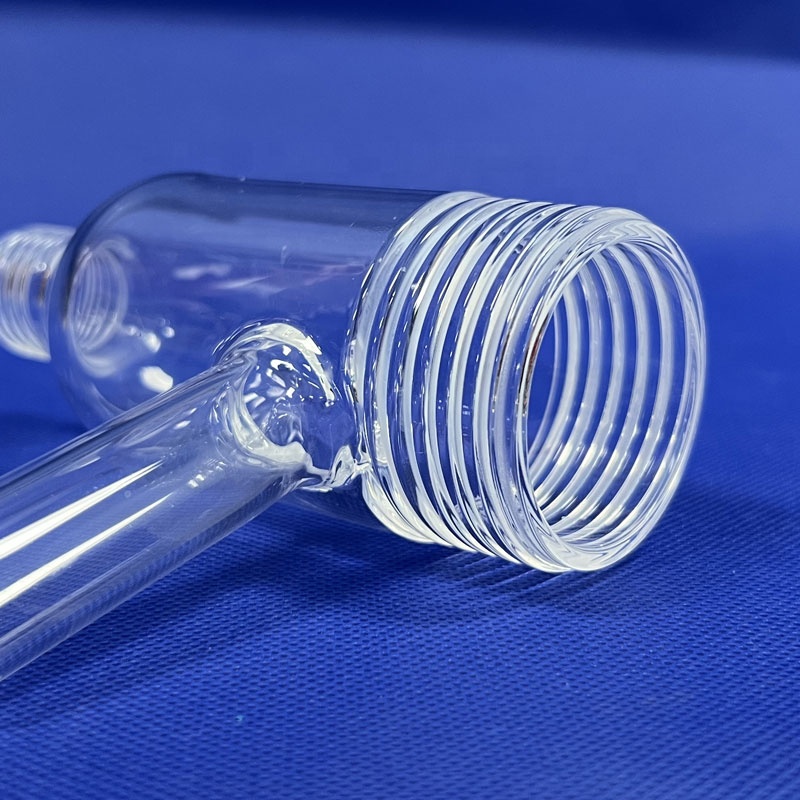
Manufactured from natural silicon quartz with >99.99% SiO₂ purity. Available in polished sheets, precision bores, capillary tubes, and fully customized geometries.
Technical Authority & Material Analysis
Material Engineering: JGS1, JGS2 & JGS3 Synthetic Matrix
Choosing the proper fused silica grade determines optical throughput, hydroxyl (OH⁻) absorption bands, and structural lifetime under extreme thermal and electromagnetic radiation.
| Optical Quartz Grade | Manufacturing Technology | Transmission Bandwidth | OH⁻ Absorption Characteristics | Target Industrial Applications |
|---|---|---|---|---|
| JGS1 (Synthetic Fused Silica) | Chemical Vapor Deposition (SiCl₄ Flame Hydrolysis) | 185 nm – 2500 nm (Deep-UV) | High OH⁻ (>1000 ppm) or low halogen | Excimer lasers, photolithography mask substrates, UV-C sterilizers |
| JGS2 (Fused Quartz) | Continuous Hydrogen-Oxygen Flame Fusion | 220 nm – 2500 nm (Optical / Visible) | Moderate OH⁻ (100–300 ppm) | Sight glasses, viewport windows, furnace chambers, PV wafer carriers |
| JGS3 (Infrared Fused Quartz) | Electric Vacuum Fusion Processing | 260 nm – 3500 nm (Near-to-Mid IR) | Ultra-low OH⁻ (<5 ppm), bubble-free | Infrared optical windows, thermal pyrometry, high-power IR emitters |
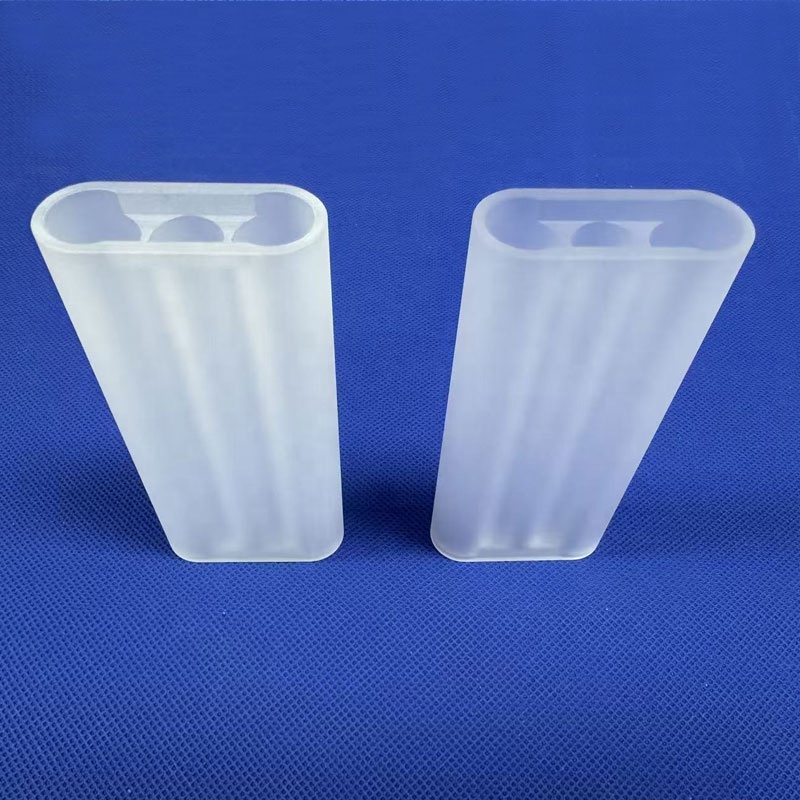
| Opaque Quartz (Milky-White) | Electric Arc Fusion with Micro-bubble dispersion | Diffused reflection (Broadband IR) | Controlled microstructure dispersion | Rapid thermal processing (RTP) shields, heating collars, tube furnaces |
Deep-UV Transmittance Dynamics
High-grade JGS1 synthetic fused silica delivers over 90% transmission at the critical 193 nm and 254 nm UV wavelengths, avoiding solarization and darkening when exposed to excimer lasers and high-energy ultraviolet emitters.
Minimal Thermal Expansion
With an exceptionally low coefficient of thermal expansion (5.5 × 10⁻⁷ /°C from 20°C to 300°C), fused quartz plates tolerate rapid temperature cycling up to 1100°C continuous service and 1300°C peak surges without shattering.
Inert Chemical Resistance
Composed purely of vitreous SiO₂, these sheets demonstrate near-complete resistance to concentrated acids, neutral salts, and organic solvents, making them an indispensable standard across semiconductor wet etching benches.
Future Procurement Trends
How Global Sourcing of Quartz Glass Sheets Is Evolving
Technical procurement directors are shifting beyond basic dimensional specifications, prioritizing cleanroom trace-metal certifications, tight flatness tolerances, and integrated CNC manufacturing.
Ultra-Thin & Micro-Substrates
Increasing miniaturization in micro-optics and MEMS sensors has pushed demand for thin quartz sheets down to 0.1 mm – 0.5 mm, requiring double-sided planetary polishing and strict surface flatness (<λ/4).
5-Axis CNC Precision Integration
Buyers prefer turn-key component providers who combine raw ingot cutting with multi-axis CNC slotting, laser micro-drilling, chamfering, and thread grinding under unified quality control.
Strict Stress Birefringence Standards
Modern high-power industrial fiber lasers require polariscope inspection of all blanks. Residual thermal stresses must stay below 5 nm/cm to prevent spontaneous cracking under thermal load.
Sub-PPM Trace Elemental Control
For atomic layer deposition (ALD) and diffusion reactors, buyers are establishing tight maximum thresholds for alkali elements (Na, K, Li < 0.5 ppm), avoiding cross-contamination on production wafers.
Source Factory Advantage
End-to-End Control: From Raw Silica Sand to High-Precision Sheet Optics
Located in Lianyungang, Jiangsu — China's fused quartz industrial cluster — Lovri Quartz operates an SGS onsite-verified manufacturing footprint of over 14,271 square meters. Unlike trading exporters who outsource glass finishing, we integrate the entire value chain under one roof.
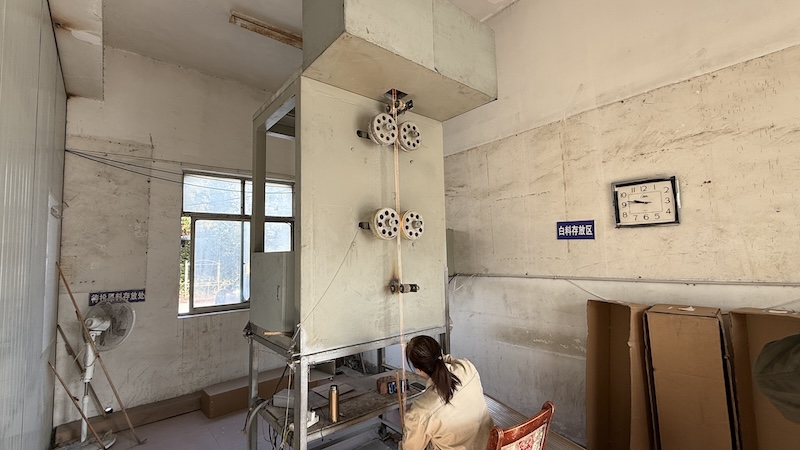
Our workshop carries out every stage: raw quartz rock crushing, sizing, high-temperature acid wash decontamination, tube drawing, precision annealing, CNC milling, fire polishing, and vacuum packaging.
- Guaranteed 99.99% SiO₂ Purity: Rigorous acid pickling and grading prevent metallic contamination.
- Internal Stress Relief: Every optical batch passes thorough annealing and polarimeter verification.
- Rapid Prototype Turnaround: Direct custom prototyping available from 1 piece based on CAD/STEP drawings.
- Certified Export Packaging: Anti-shock bubble suspension inside wooden cases to prevent transit breakage.
Quality In Numbers
Factory Performance & Production Scale
Backed by audited production metrics, automated annealing furnaces, and long-standing OEM export partnerships.
14,271 m²
SGS Verified Floor Area
≥ 99.99%
Silica Chemical Purity
1100 °C
Continuous Working Temp
< 0.05 mm
CNC Machining Tolerance
Procurement Clarity
Frequently Asked Questions on Quartz Glass Procurement
Common technical questions answered by our application engineers to simplify your quotation requests and drawing reviews.
What is the key difference between JGS1, JGS2, and JGS3 quartz plates?
JGS1 is synthetic fused silica with deep-UV transmission (185–2500 nm) designed for excimer optics and UV lasers. JGS2 is flame-fused quartz suited for sight glasses, UV lamps, and furnace viewports (220–2500 nm). JGS3 is vacuum electric-fused quartz with minimal hydroxyl content, providing superior infrared performance up to 3500 nm.
Can you machine custom holes, bevels, and steps directly from my CAD file?
Yes. Our CNC facility processes 2D and 3D files in DXF, DWG, PDF, and STEP formats. We routinely machine stepped shoulders, through-holes, countersinks, slots, and vacuum sealing grooves down to ±0.05 mm dimensional tolerances.
What surface finishes and flatness grades can you achieve on quartz sheets?
We provide commercial fine-ground finishes (mesh 120–400), fire-polished finishes, and double-sided optical pitch polishing. For demanding optical windows, we achieve 60/40 or 40/20 scratch-dig with flatness up to λ/4 per 25 mm diameter.
How does your factory prevent fragile quartz sheets from breaking during export transit?
Every sheet is individually covered in protective film, cushioned with high-density EVA shock-absorbing foam, and packed in reinforced multi-layer cartons or customized fumigation-free plywood cases suitable for worldwide air, sea, and courier freight.
What is your minimum order quantity (MOQ) for custom fabricated parts?
We support prototype development with an MOQ starting from 1 to 5 pieces for most custom-machined sheets and tubes. Volume-tiered pricing applies to repeat scheduled deliveries and bulk container consignments.
What thermal operating limits apply to fused silica glass plates?
Transparent fused quartz works continuously up to 1100°C and can withstand short-duration exposures up to 1300°C. Its annealing point is approximately 1215°C, and softening starts near 1730°C. Heating elements should maintain clean surfaces to avoid devitrification.