Precision Quartz Apparatus, Tubing & Custom Fabrications
Every production run undergoes polarization stress grading, spectrochemical analysis, and dimensional verification to DIN/ISO standards. Explore our high-performance custom OEM fused quartz line below.
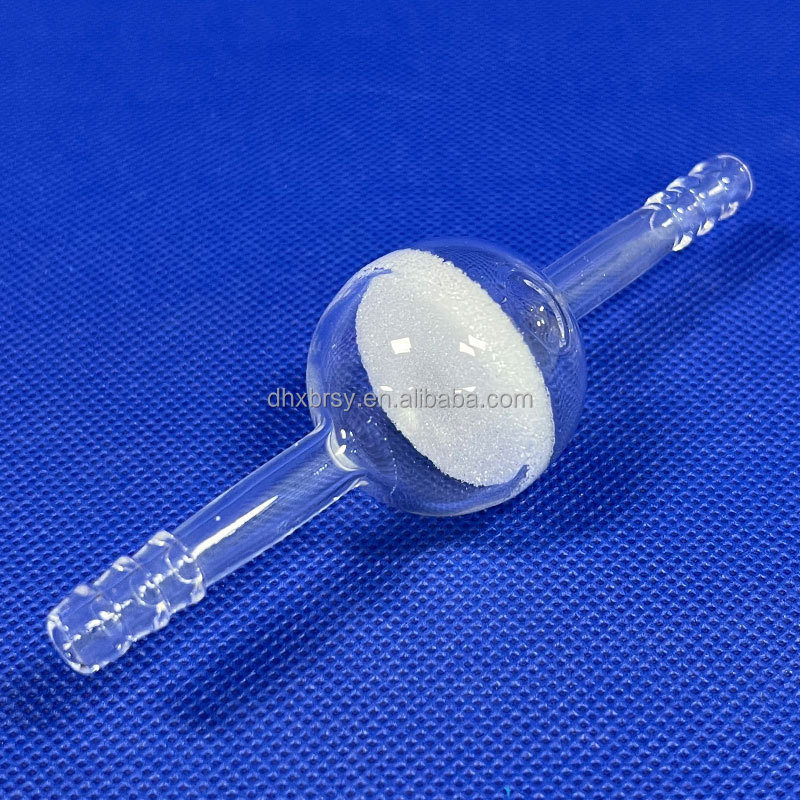
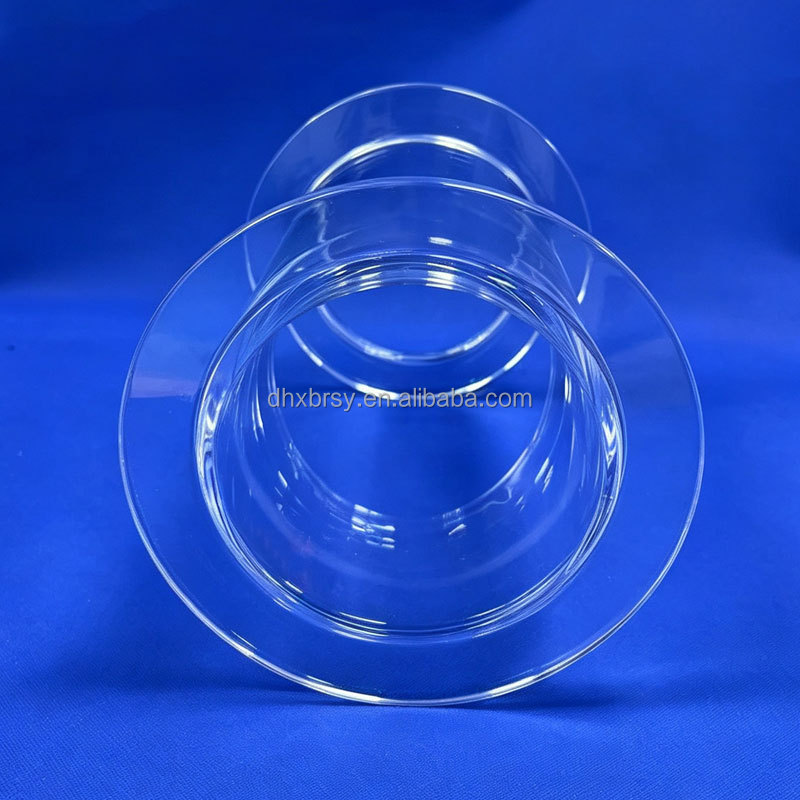
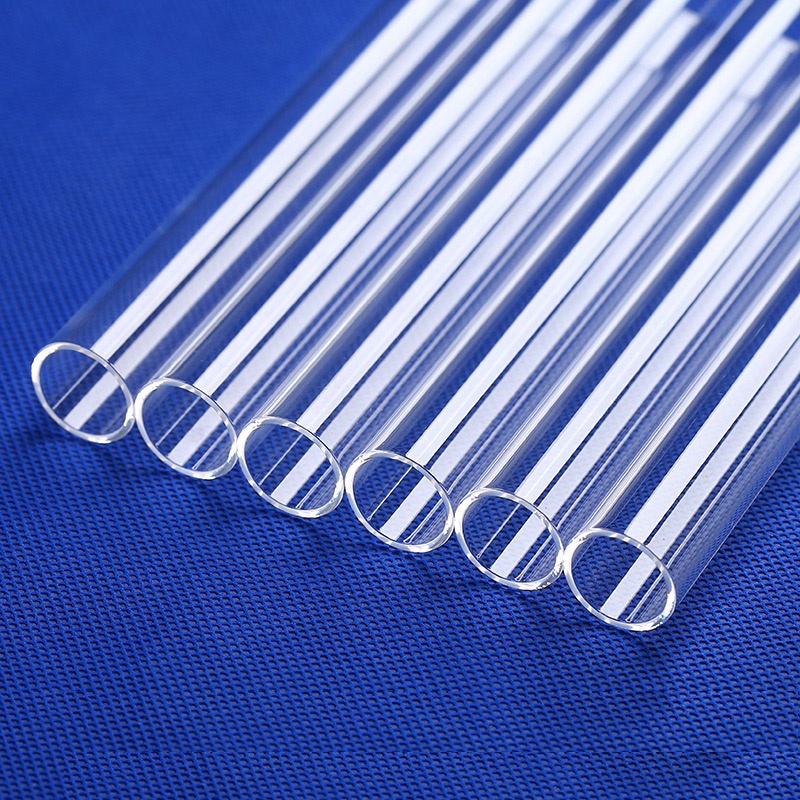
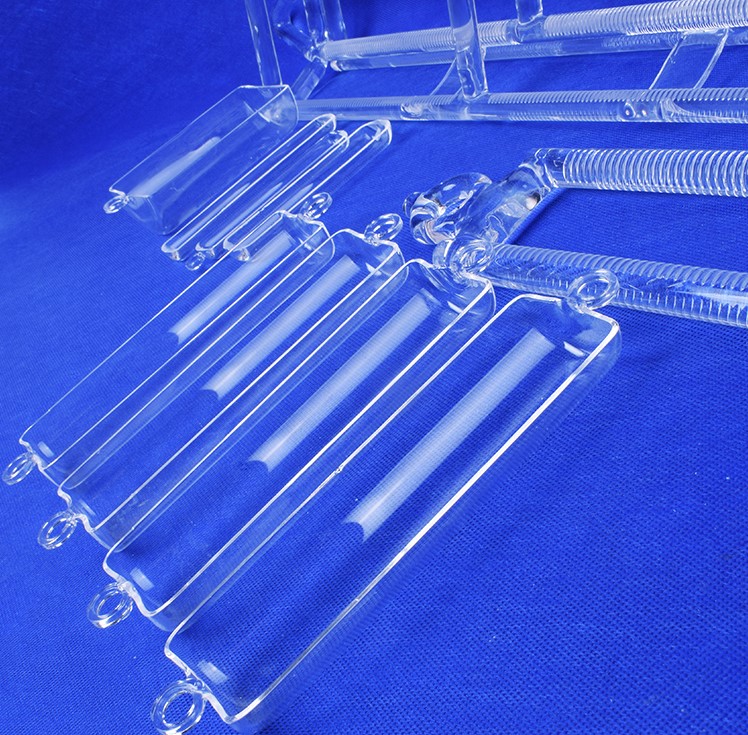
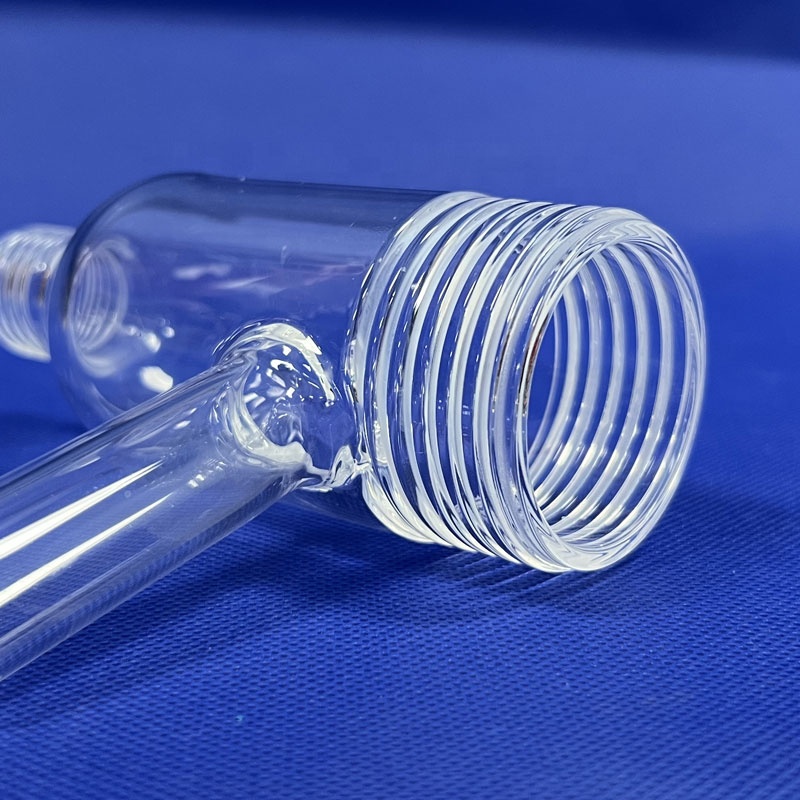
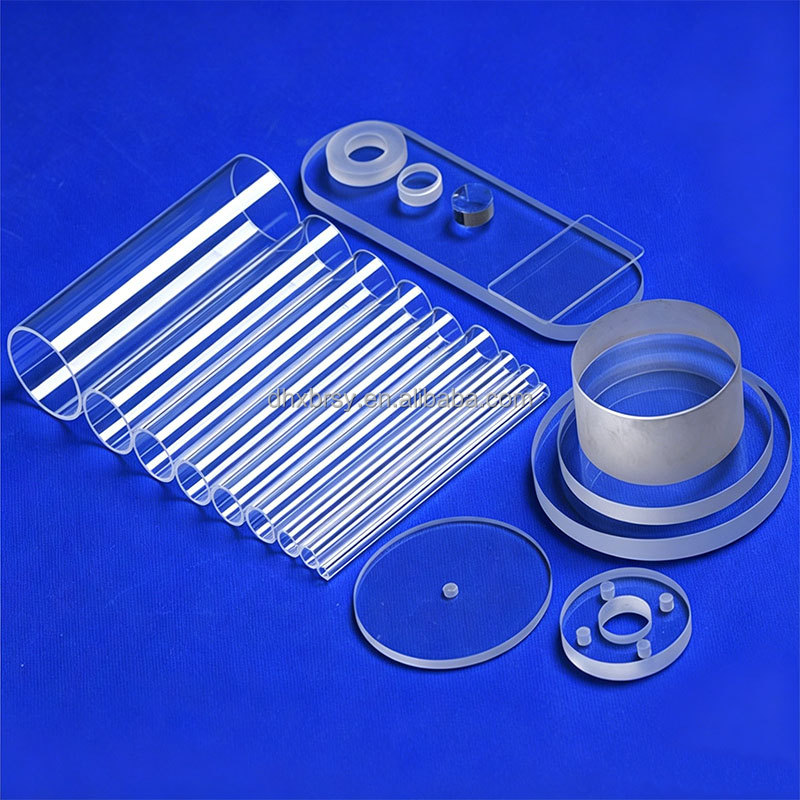
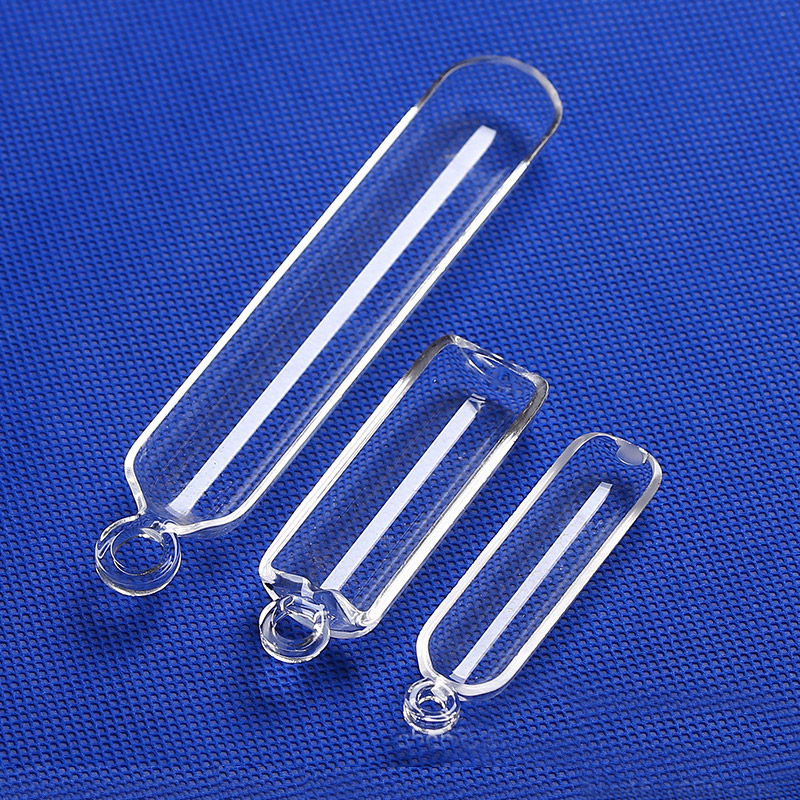
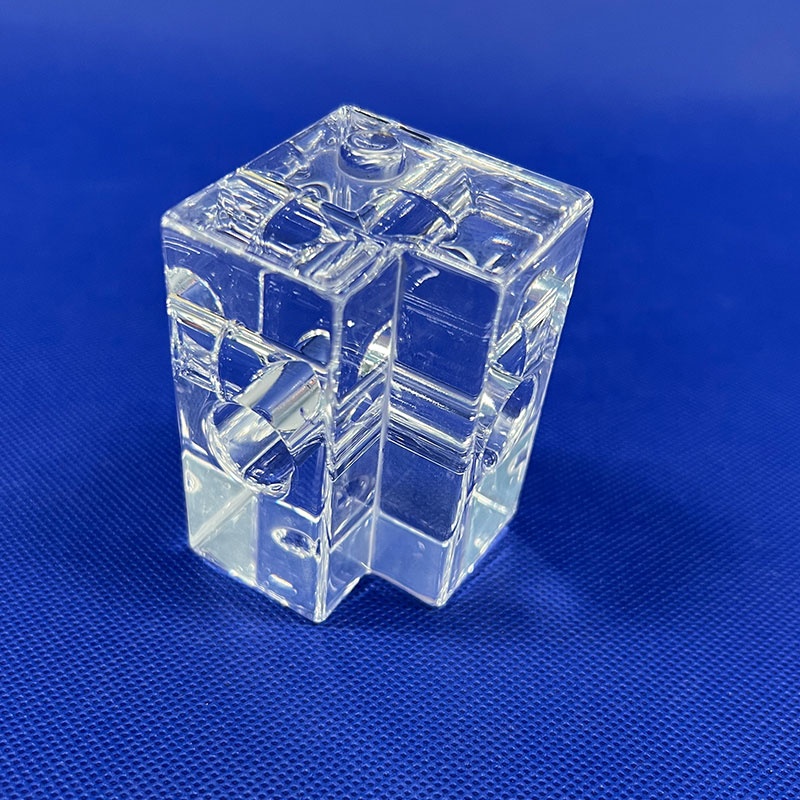
Engineering Quartz Glass Bars: Material Science & Structural Architecture
Fused quartz bars (also referred to across precision industries as fused silica rods, quartz support pillars, or light-guiding ingots) represent one of the most mechanically and thermally robust structural formats available in contemporary glass technology. Unlike typical silicate glasses—such as borosilicate, soda-lime, or aluminosilicate—high-purity fused quartz is fabricated exclusively from silicon dioxide (SiO₂) in an amorphous, non-crystalline state. The virtual elimination of network-modifying flux agents (sodium, calcium, boron, or aluminum) gives quartz glass bars unprecedented thermomechanical and physicochemical characteristics.
From an engineering standpoint, the ultra-low linear coefficient of thermal expansion (CTE) of approximately 5.5 × 10⁻⁷ /°C between 20°C and 300°C makes fused quartz bars virtually immune to thermal shock. A precision-machined quartz bar can be rapidly heated up to 1150°C and immediately quenched in cold water without structural fracturing, spalling, or microcrack propagation. This unique property has solidified quartz bars as the foundational structural element for semiconductor horizontal and vertical wafer carriers, CVD furnace reaction chambers, diffusion paddle cantilever rods, and optical light guides.
Raw Material Classifications: Natural Fused Quartz vs. Synthetic Fused Silica
Procurement directors and mechanical design engineers must carefully navigate the technical divide between natural fused quartz bars and synthetic fused silica bars to balance cost efficiency against extreme performance criteria:
- Natural Fused Quartz (JGS2 / JGS3 Equivalent): Sourced from ultra-pure natural quartz crystal pegmatites. The raw silica undergoes rigorous mechanical pulverization, acid-pickling leaching to extract trace metal elements, and subsequent electric arc or oxy-hydrogen gas fusion. Natural quartz bars exhibit exceptional structural rigidity, minimal high-temperature sag (high viscosity at 1100°C–1250°C), and negligible bubble inclusion rates. They serve as the benchmark for furnace push-rods, pyrometer protection bars, and solar cell diffusion carriers.
- Synthetic Fused Silica (JGS1 Equivalent): Manufactured through the vapor-phase chemical vapor deposition (VAD) or flame hydrolysis of volatile silicon precursors, typically silicon tetrachloride (SiCl₄). This synthesis method guarantees an elemental purity level exceeding 99.9999% (6N), virtually abolishing metallic impurities down to the sub-ppb threshold. Synthetic quartz bars offer flawless optical transmission down to the deep-ultraviolet (DUV, 185 nm) spectrum and are inherently bubble-free, making them mandatory for excimer laser delivery rods, lithography projection jigs, and interferometer optics.
| Material Property | JGS1 (Synthetic Silica) | JGS2 (Optical Fused Quartz) | JGS3 (Infrared Fused Quartz) | Industrial Opaque Quartz |
|---|---|---|---|---|
| Optical Spectral Band | 185 nm – 2500 nm (Deep UV) | 220 nm – 2500 nm (Standard Optical) | 260 nm – 3500 nm (Near-to-Mid IR) | Diffuse Reflection / Thermal Shield |
| Hydroxyl (OH⁻) Content | < 1000 ppm (or < 1 ppm dry) | < 150 – 200 ppm | < 5 ppm (Water-Free) | Variable |
| Total Metallic Impurities | < 0.1 ppm (99.9999%) | < 15 – 20 ppm (99.99%) | < 15 ppm (99.99%) | < 50 ppm |
| Softening Point (°C) | ≈ 1600 °C | ≈ 1710 °C | ≈ 1730 °C | ≈ 1680 °C |
| Annealing Point (°C) | 1120 °C | 1180 °C | 1215 °C | 1150 °C |
| Dielectric Constant (1 MHz) | 3.75 | 3.80 | 3.81 | 3.50 – 3.70 |
| Primary Target Application | Laser Optics, UV Homogenizers | Sight Glasses, Wafer Racks | IR Furnace Windows, Sensors | Thermal Heat Shields, Flanges |
Future Procurement Trends for Custom Quartz Components
Navigating global supply chain volatility, semiconductor fab expansions, and environmental compliance requires a forward-looking procurement model.
Trace Metal Impurity Stringency (<0.5 ppm)
As semiconductor lithography nodes advance below 3nm and advanced packaging moves toward high-density interconnects, wafer processing equipment demand for ultra-clean quartz tooling has accelerated. Fabs now require strict Glow Discharge Mass Spectrometry (GDMS) certification verifying trace iron (Fe), copper (Cu), and alkali metals (Na, K, Li) well below 0.5 ppm to eliminate wafer ionic contamination during 1000°C annealing.
Monolithic 5-Axis CNC Integration
The historical practice of torch-welding distinct quartz rods and plates to assemble complex jigs is rapidly being phased out by Tier-1 OEM manufacturers. Procurement specifications are prioritizing monolithic, single-block 5-axis ultrasonic CNC milling. Monolithic quartz bar assemblies completely avoid weld-bead stress concentrators, dimensional warping under high heat, and localized thermal micro-strains.
Supply Chain Regionalization & Buffer Inventories
With geopolitical tensions focusing scrutiny on raw silica supply bottlenecks, global buyers are consolidating their vendor portfolios. Procurement teams favor vertically integrated manufacturers who command in-house sand purification, tube drawing, and precision machining within unified production hubs, guaranteeing 4 to 6-week turnaround times rather than 20-week distributor backlogs.
Total Cost of Ownership (TCO) vs. Initial Unit Cost
In high-throughput semiconductor wafer fabrication and automated chemical vapor synthesis, analyzing quartz component expenditures purely on purchase unit price represents a flawed procurement strategy. When a quartz support bar suffers premature devitrification, sagging, or unexpected fracture during an automated run, the resultant downtime and scrapped wafer batches often cost hundreds of thousands of dollars—dwarfing the initial investment in the quartz tooling.
Forward-thinking supply chain directors evaluate quartz suppliers using a comprehensive TCO index based on three decisive factors:
- Devitrification Resistance: Natural high-purity quartz containing ultra-low alkali concentrations (<1 ppm total Na/K/Li) resists the nucleation of cristobalite crystalline phases at temperatures between 1000°C and 1250°C. Lower devitrification rates translate directly to longer service intervals and zero particle flaking over hundreds of thermal cycles.
- Birefringent Stress Profiling: Unrelieved internal stresses introduced during glassblowing, lathe drawing, or cutting create localized stress risers. Verified polarimetric inspection guaranteeing residual stress < 5 nm/cm prevents sudden catastrophic shattering inside high-pressure or high-vacuum environments.
- Geometry Repeatability and Chamfer Precision: Standardizing computer-numerically controlled diamond grinding eliminates the human variance inherent in manual flame-working. Smooth, polished corner chamfers prevent mechanical chipping during robotic loading and unloading procedures.
Technological Evolution in Quartz Glass Engineering
Discover how advanced laser polishing, plasma sealing, and ultrasonic micro-machining are redefining fused quartz bar capabilities.
CO₂ Laser Fire-Polishing
Traditional flame-polishing utilizing hydrogen-oxygen torches often introduces surface hydroxyl contamination and localized waviness. Next-generation quartz bar finishing employs high-power scanning CO₂ laser beams to achieve superficial reflow. This yields an optical-grade root-mean-square (RMS) surface roughness < 0.5 nm without introducing dimensional distortion or internal thermal gradients.
Ultrasonic Rotary Machining of Micro-Features
Drilling small blind holes, high-aspect-ratio capillary conduits, and micro-slots in brittle fused quartz bars was previously limited by tool wear and subsurface micro-fracturing. By combining diamond-plated micro-tooling with ultrasonic axial vibration (20–40 kHz), cutting forces are reduced by over 60%, completely mitigating edge chipping and subsurface damage layers down to < 2 µm.
Hydroxyl Engineering for Vacuum UV Optics
The transmission of quartz glass across specific wavelengths is strictly dependent on the OH⁻ radical concentration. Advanced synthetic quartz bars engineered with ultra-low OH⁻ (<1 ppm) eliminate the classic vibrational absorption band at 2720 nm in the near-infrared spectrum. Conversely, high-OH varieties (>1000 ppm) prevent optical color center formation (E' centers) under intense 193 nm and 248 nm DUV laser irradiation.
Vertical Integration: 12-Step Quality Verification Workflow
True quality assurance in fused quartz manufacturing cannot be achieved through final inspection alone; it requires deterministic process control from raw ore refinement through final cleanroom packaging. Operating in Lianyungang, China—the world's most concentrated hub for quartz science and specialized glass craftsmanship—our 14,271 m² production facility manages the entire value chain in-house.
Raw Quartz Selection
Optical-grade natural quartz rock crystals are graded, sorted, and manually culled to eliminate mineral impurities.
Mechanical Pulverizing
Lumps are crushed using non-contaminating ceramics into controlled mesh silica sand (typically 40–120 mesh).
Multi-Tier Acid Leaching
High-temperature hydrofluoric and nitric acid pickling washes dissolve embedded metallic surface oxides to reach 99.99% SiO₂.
Thermal Vacuum Fusion
Purified silica sand is fused in vacuum induction electric furnaces or continuous oxy-hydrogen draw towers.
Continuous Drawing
Molten high-purity silica is drawn into solid round bars, square rods, and custom cross-sections with laser-gauged OD control.
1200°C Thermal Annealing
Bars undergo program-controlled slow cooling through the transformation temperature (1120°C–1200°C) to eliminate internal stress.
Polariscopic Inspection
100% of annealed quartz bars pass through cross-polarized stress viewers to verify optical homogeneity and low retardation.
Precision CNC Machining
Multi-axis diamond tool centers perform precision slotting, chamfering, face milling, and thread grinding to ±0.02 mm.
Optical Lapping & Polishing
Cerium oxide and colloidal silica slurries produce mirror-smooth surfaces with 80/50 or 60/40 scratch-dig compliance.
Class-10,000 Cleanroom Wash
Parts undergo multi-stage ultrasonic deionized (DI) water bathing (18.2 MΩ·cm) and acid neutralization cycles.
CMM & Spectrophotometry
Coordinate Measuring Machines (CMM) certify dimensional compliance, while UV-Vis-NIR instruments verify spectral transmission.
Export-Grade Vacuum Pack
Components are vacuum-sealed in anti-static PE film, surrounded by shock-absorbing PE foam, and crated in fumigated export wood.
Why Global Leaders Source Quartz from Us
Combining geographic raw-material supremacy, independent SGS onsite factory verification, and rigorous metrology.
Geographic Cluster Advantage (Lianyungang)
Situated at the heart of China’s high-purity silica industry in Donghai / Lianyungang, our enterprise has immediate access to premium silica reserves and a multi-generational workforce specialized in glass fusion and torch work. This geographic concentration reduces logistical overhead, ensures stable access to raw feedstocks, and drives down production costs by 20–35% compared to European or North American fabricators.
Independent SGS Onsite Factory Audit
Enterprise integrity and transparency are backed by empirical verification. Our 14,271 m² operational facility, employee competencies, production equipment, and testing laboratories have undergone extensive onsite assessment by SGS Group (Assessment Date: 2025.12.28). We furnish traceable material certificates, RoHS compliance declarations, and CE documentation for international customs clearance.
Rapid OEM/ODM Prototyping (Low MOQ: 1 pc)
We understand that critical R&D cycles cannot wait for high-volume tooling runs. Our agile engineering department reviews client CAD drawings (STEP, DWG, DXF, or PDF), conducts Design for Manufacturability (DFM) analyses within 24 hours, and can dispatch rapid prototypes in quantities as low as 1 to 5 pieces. We seamlessly scale from single custom test fixtures to full-scale containerized monthly deliveries.
Frequently Asked Questions: Quartz Glass Bars
Detailed technical answers to common questions raised by procurement managers, engineers, and quality assurance inspectors.
What are the maximum continuous and peak operational temperatures for fused quartz bars?
How do you distinguish between JGS1, JGS2, and JGS3 quartz bar materials during procurement?
JGS1 (Synthetic Fused Silica): Synthesized from SiCl₄. It offers the highest purity (>99.9999% SiO₂), negligible bubble inclusions, and superior UV transmission down to 185 nm. It has high OH⁻ (approx. 800–1200 ppm) unless ordered as "dry" synthetic silica. Best for UV lasers and semiconductor lithography.
JGS2 (Optical Fused Quartz): Refined from natural high-purity quartz crystal using oxy-hydrogen flames. It delivers high transmission across 220 nm to 2500 nm with an OH⁻ content between 100 and 200 ppm. This is the industry workhorse for optical sight glasses, observation bars, and standard laboratory apparatus.
JGS3 (Infrared Fused Quartz): Electrically fused in vacuum or inert atmospheres from natural quartz sand. It exhibits ultra-low OH⁻ (<5 ppm), eliminating the deep hydroxyl absorption band at 2720 nm. It transmits effectively into the infrared spectrum up to 3500 nm, making it ideal for infrared pyrometry windows and IR heating rods.
What manufacturing tolerances can you hold on custom-machined quartz bars?
How is internal stress measured and controlled in your quartz manufacturing process?
What is the standard procedure to request a custom OEM quote for quartz bars or assemblies?
1. A 2D engineering drawing (PDF/DWG) specifying linear dimensions, tolerances, and chamfer requirements.
2. 3D CAD models (STEP/IGES) for multi-axis CNC parts.
3. Operating conditions: working temperature range, chemical exposure (e.g., HF, strong alkalis), and operating pressure/vacuum level.
4. Target material grade: JGS1, JGS2, JGS3, or opaque commercial quartz.
5. Initial prototype quantity and projected annual batch consumption.
How do you guarantee that fragile quartz bars arrive undamaged during international transit?
Ready to Engineer Your Custom Quartz Solution?
Whether you require standard optical quartz bars, custom semiconductor wafer carrier rods, or high-temperature reaction apparatus, our Lianyungang manufacturing team provides drawing reviews and competitive factory-direct quotations within 24 hours.