Featured Precision Quartz Components & OEM Solutions
Direct from our Lianyungang manufacturing plant. Engineered with ultra-pure crystalline quartz, certified under strict annealing regimens to ensure zero structural failure under extreme thermal shock.
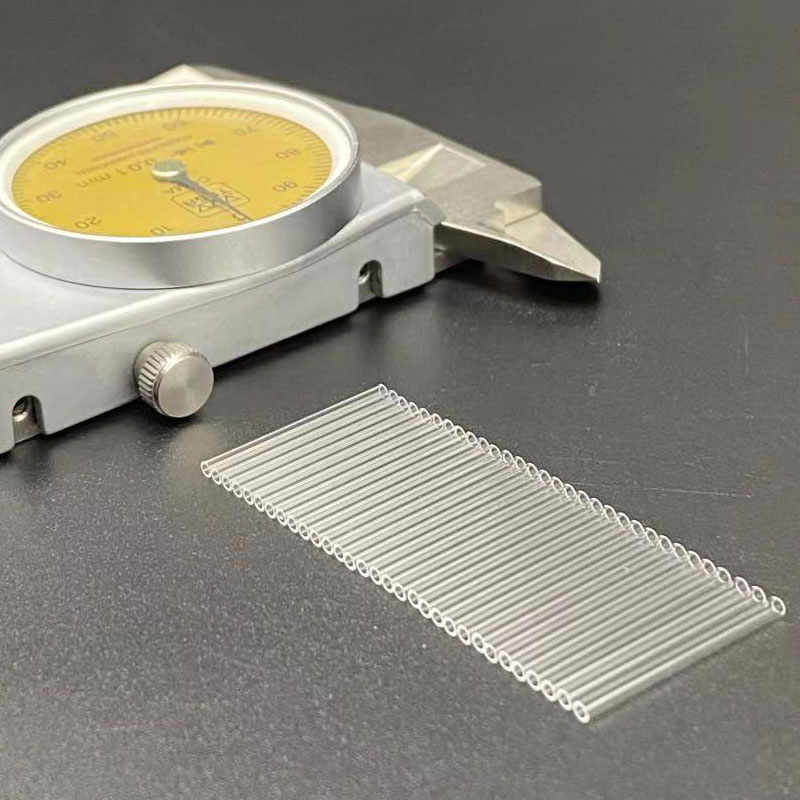
BAO RAN 419 Ultra-Thin 0.1mm–0.5mm Fused Quartz Sheet
99.99% SiO₂ high-purity laser substrate. Surface finish 60/40 to 20/10 scratch-dig, RoHS certified 200 Mesh fused silica for advanced laser windows.
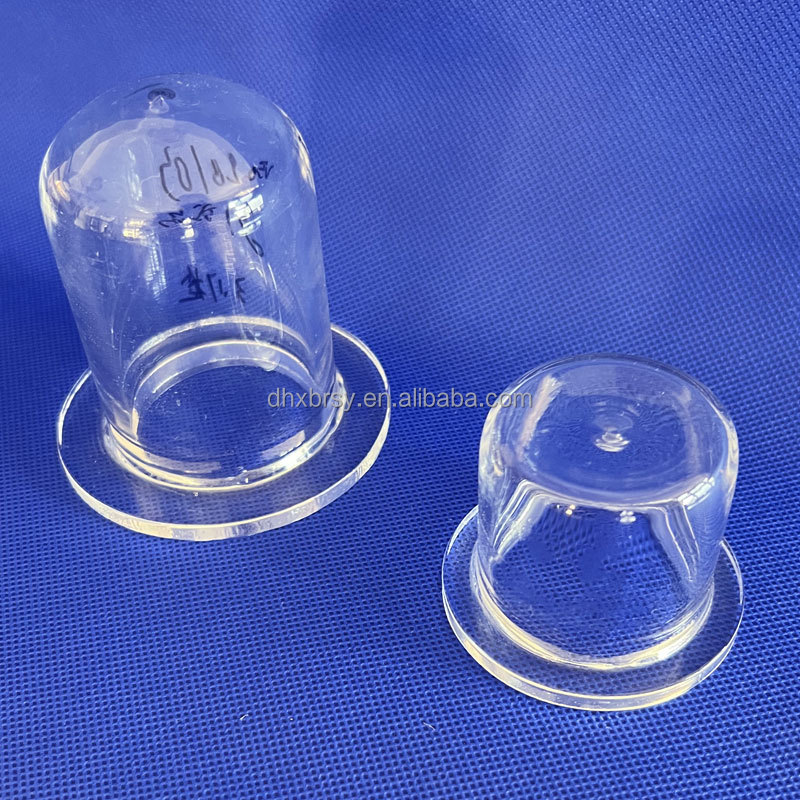
518 High-Transmittance Photovoltaic Sintering Quartz Tube
Heavy-wall, high-diameter thermal tube designed for TOPCon and HJT solar cell sintering furnaces. 99.99% purity preventing alkali contamination.
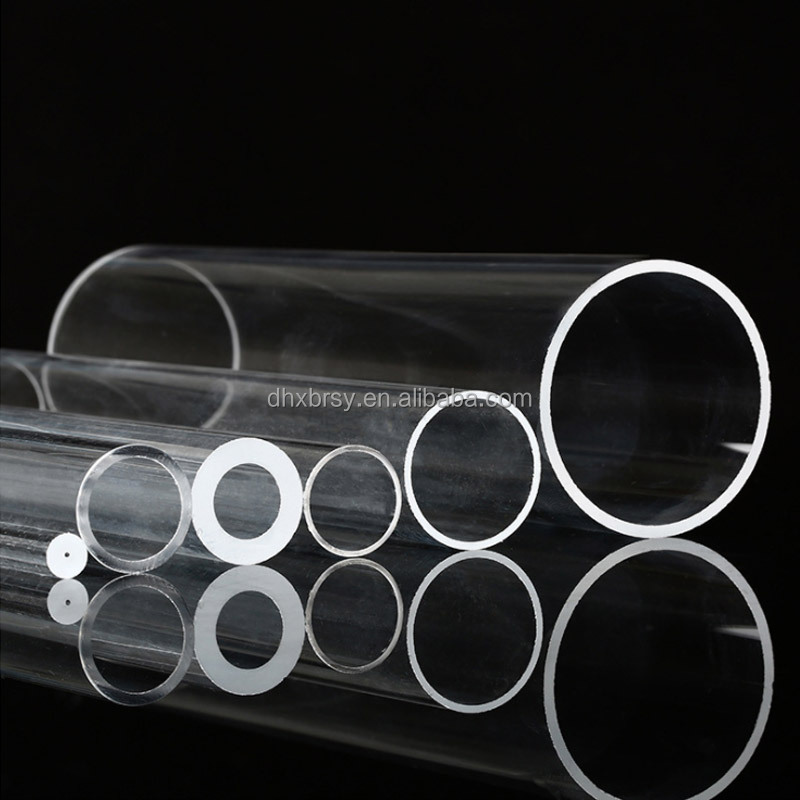
BAO RAN Industrial Heating SiO₂ Quartz Element Tube
Thermal shock proof quartz jacket for disinfection chambers, industrial drying ovens, instant water heaters, and precision chemical cavities.
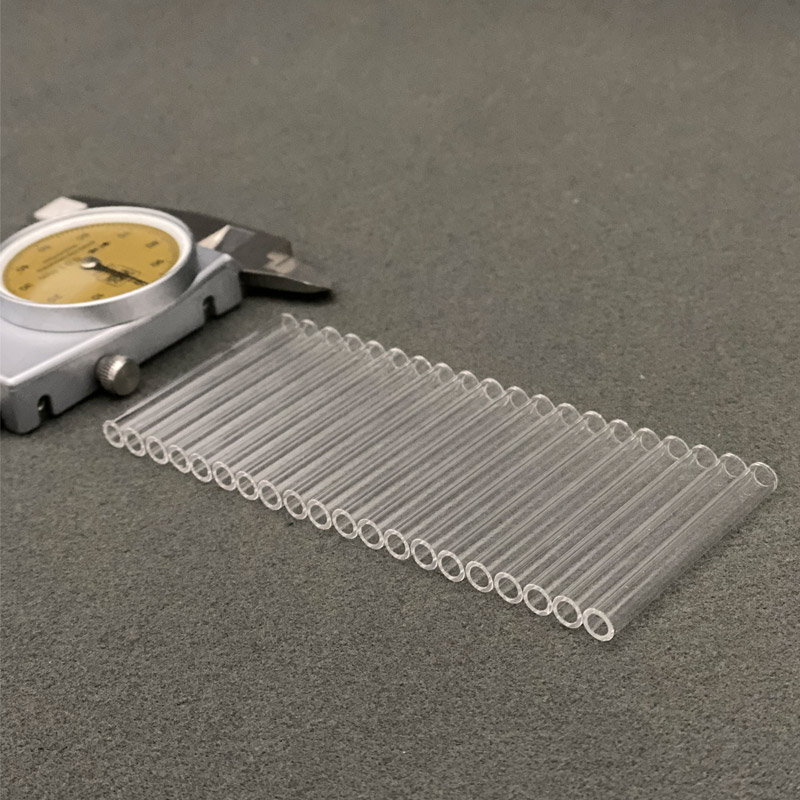
BAO RAN 419 High-Precision Fused Quartz Capillary Tube
Annealed at 1200°C for minimal residual stress. 99.99% SiO₂ precision inner bore micro-tubing engineered for laser beam conduits and medical fiber arrays.
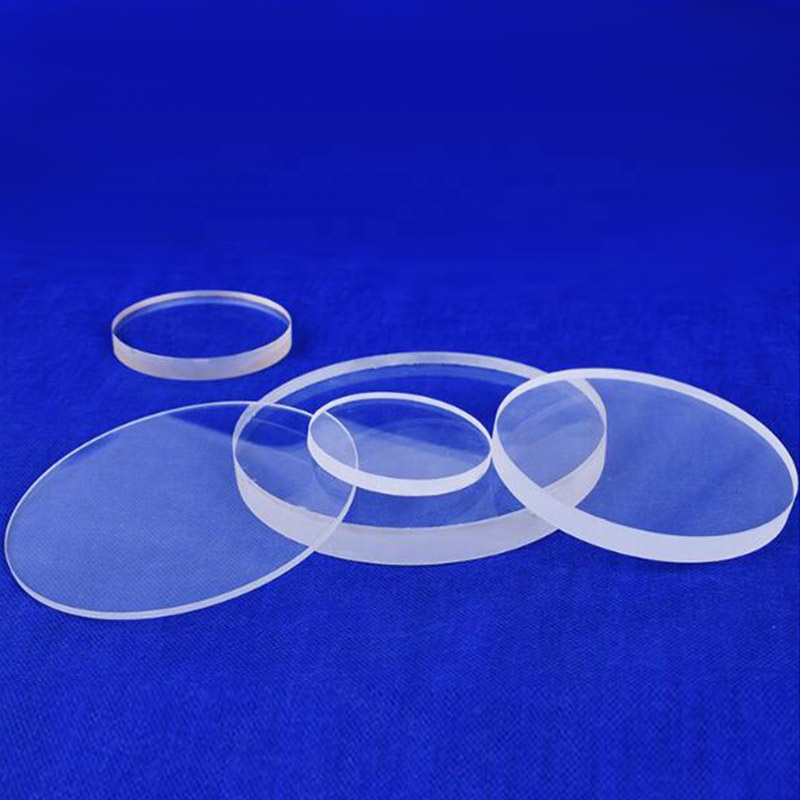
Optical-Grade Polished Fused Quartz Disc & Window
Double-side precision optical polishing (λ/4 flatness), 200 Mesh raw material refining. Ideal for high-energy UV laser sight glass and beam splitters.
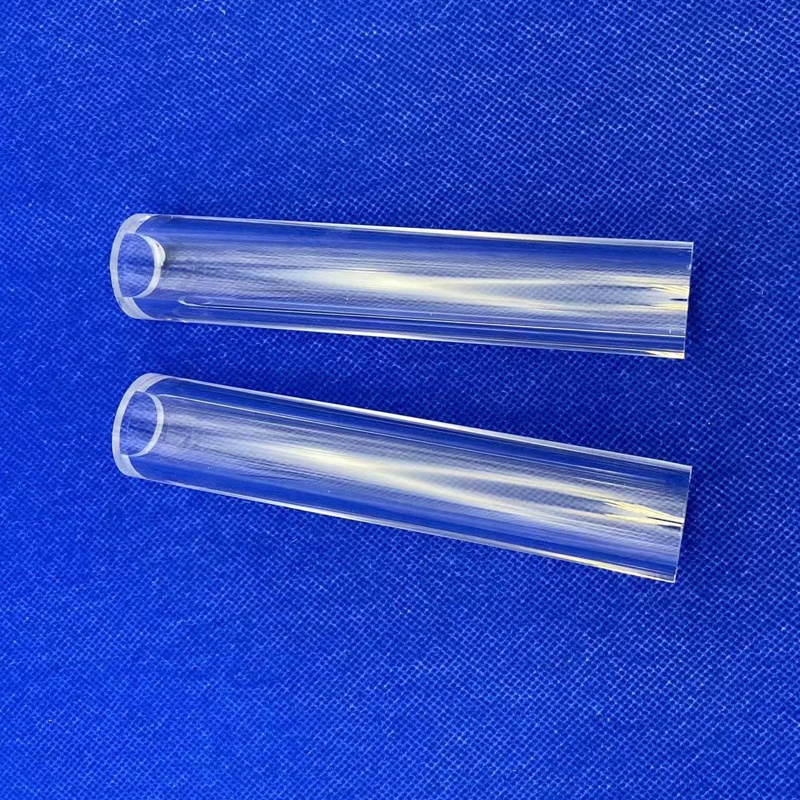
Clear Fused Silica Quartz Tube for Ozone & Far-Infrared
Precision OD/ID tolerance (±0.05mm). Comprehensive bending, welding, cutting, and flanging for dielectric barrier discharge ozone generators.
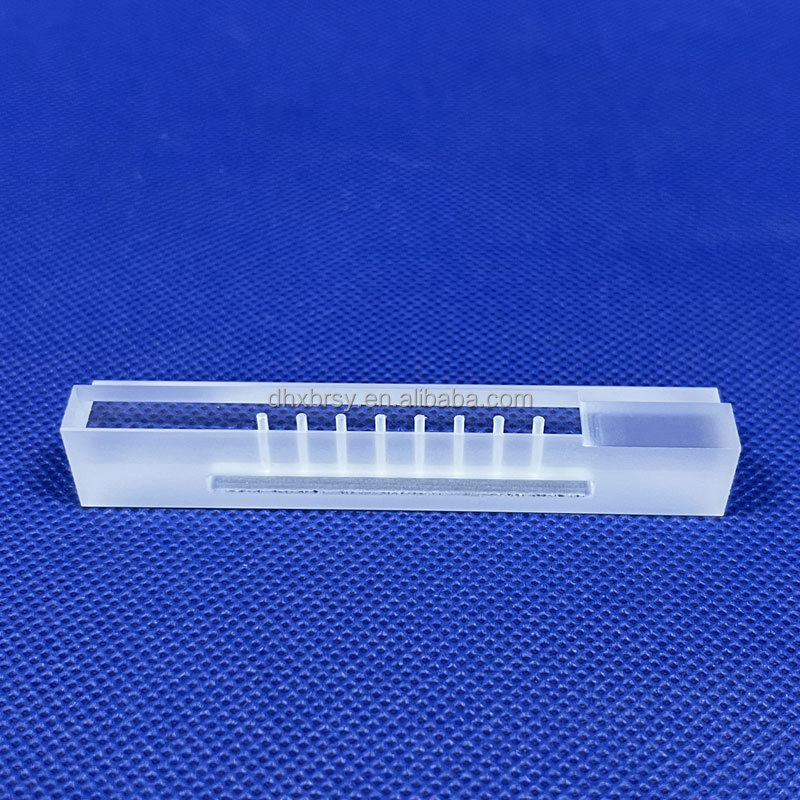
High-Purity Fused Quartz V-Groove Fiber Array Holder
Sub-micron CNC slotted quartz positioning fixture for DWDM fiber alignments, planar lightwave circuits, and photonics packaging assemblies.
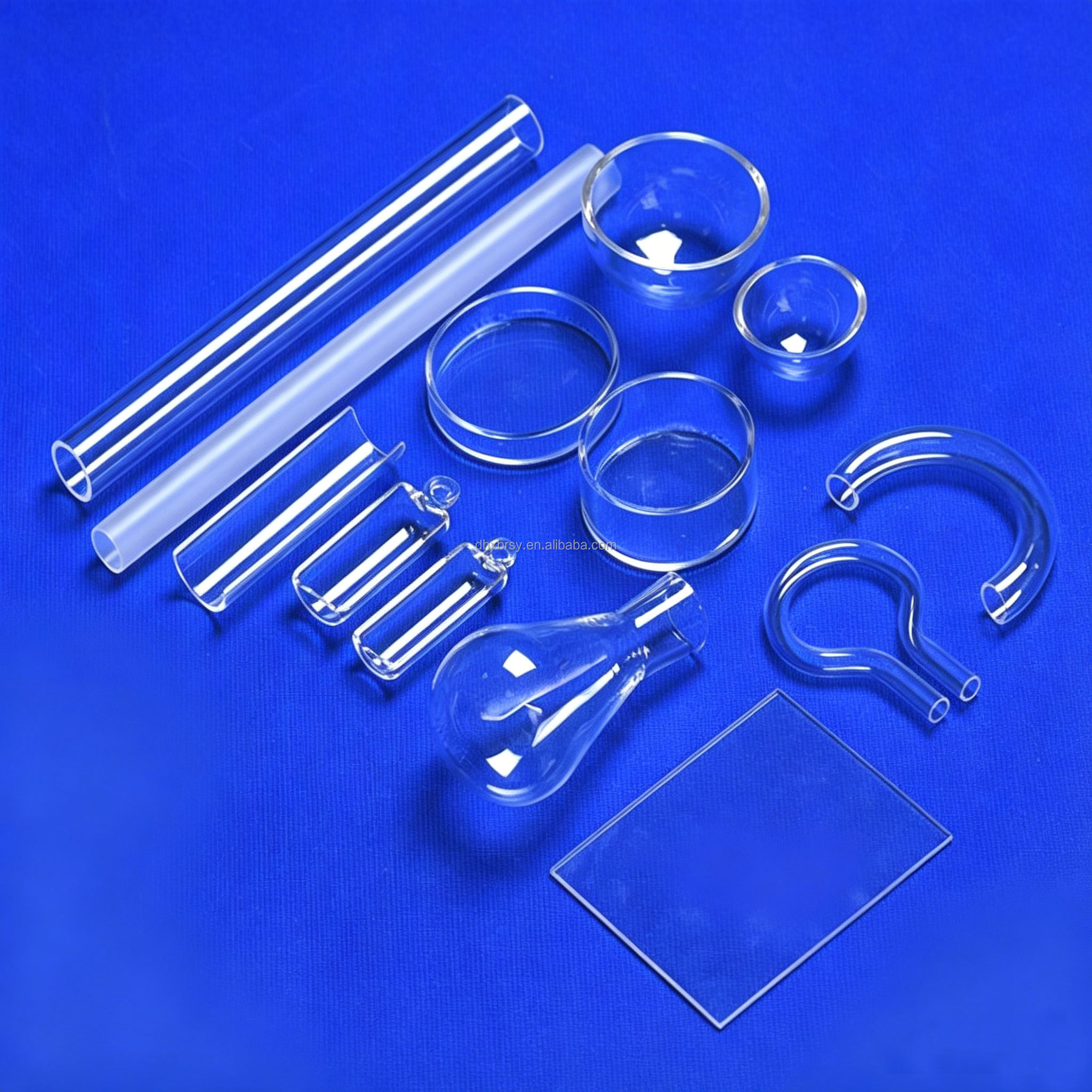
BAO RAN Transparent Fused Quartz Optical Insulator
Engineered for dielectric isolation in high-voltage vacuum chambers, laser machinery sight ports, and analytical spectrometry instruments.
Physics & Chemistry of Fused Quartz Tubing
Understanding the difference between synthetic fused silica, electrically fused quartz, and flame-fused quartz tubes is vital for semiconductor yield, laser durability, and thermal furnace integrity.
In high-temperature and high-radiation operating environments, fused quartz (amorphous silicon dioxide, SiO₂) outperforms borosilicate, aluminosilicate, and standard glass substrates across every major thermal and electrical parameter. With an extraordinarily low coefficient of thermal expansion (5.5 × 10⁻⁷ /°C from 20°C to 320°C), our custom OEM quartz tubes can withstand rapid quenching from 1100°C directly into ice-cold water without cracking or experiencing structural phase shifts.
Fused Quartz is manufactured by melting high-purity naturally occurring crystalline quartz sand (SiO₂ ≥ 99.99%). It features minimal hydroxyl (OH⁻) content, rendering it ideal for high-temperature furnace tubes, IR emitters, and mercury lamps. Synthetic Fused Silica (JGS1) is synthesized through chemical vapor deposition of silicon halides (SiCl₄), achieving zero metallic trace impurities (total metals < 0.1 ppm) and superior transmission down to 185 nm deep ultraviolet (DUV), but possessing higher OH⁻ content unless specifically baked under vacuum.
| Physical / Thermal Parameter | Electrically Fused Quartz (JGS3 / Standard) | Flame-Fused Quartz (JGS2 Optical) | Synthetic Fused Silica (JGS1 DUV) |
|---|---|---|---|
| SiO₂ Purity Level | ≥ 99.99% | ≥ 99.995% | ≥ 99.999% (5N5) |
| Hydroxyl (OH⁻) Concentration | < 5 ppm to 15 ppm (Ultra-Low) | 15 ppm – 150 ppm (Mid OH) | < 1 ppm (Dry) to 1200 ppm (Wet) |
| Spectral Transmission Band | 260 nm – 3,500 nm (Optimized IR) | 220 nm – 2,500 nm (Broadband UV-Vis) | 185 nm – 2,500 nm (Deep UV Grade) |
| Strain Point / Annealing Point | 1,070 °C / 1,180 °C | 1,120 °C / 1,215 °C | 1,040 °C / 1,140 °C |
| Softening Temperature Point | 1,680 °C | 1,730 °C | 1,600 °C |
| Dielectric Strength (at 20°C, 1MHz) | 25–40 kV/mm | 25–40 kV/mm | 40–50 kV/mm |
| Typical OEM Applications | Furnace process tubes, IR heater tubes | Laser flow tubes, sight ports, UV lamps | Excimer lasers, semiconductor lithography |
Trace Metal Impurity Concentration Benchmark (ICP-OES / ICP-MS Analysis)
| Element (ppm) | Aluminum (Al) | Iron (Fe) | Calcium (Ca) | Magnesium (Mg) | Titanium (Ti) | Sodium (Na) | Potassium (K) | Lithium (Li) |
|---|---|---|---|---|---|---|---|---|
| Semiconductor Grade Quartz | ≤ 14.0 | ≤ 0.2 | ≤ 0.4 | ≤ 0.1 | ≤ 1.1 | ≤ 0.3 | ≤ 0.4 | ≤ 0.2 |
| Solar / Industrial Grade Quartz | ≤ 18.0 | ≤ 0.8 | ≤ 0.9 | ≤ 0.3 | ≤ 1.8 | ≤ 0.7 | ≤ 0.8 | ≤ 0.5 |
| Optical Synthetic Silica (5N) | ≤ 0.05 | ≤ 0.01 | ≤ 0.02 | ≤ 0.01 | ≤ 0.01 | ≤ 0.01 | ≤ 0.01 | ≤ 0.01 |
Direct-From-Source Manufacturing in China's Silicon Capital
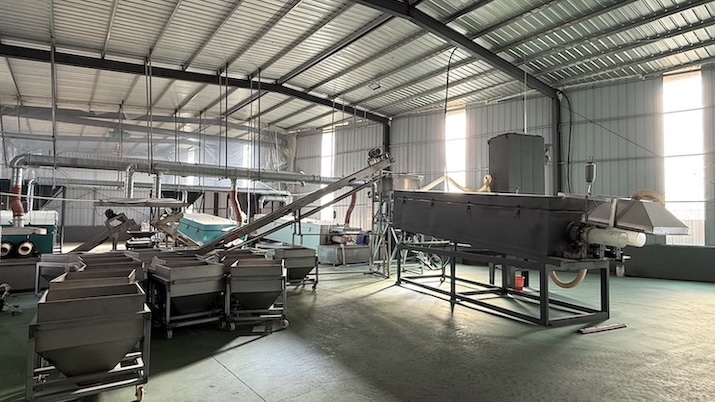
Unlike trading intermediaries or light assembly workshops, Lovri Quartz controls the complete value chain from our 14,271 m² manufacturing campus in Lianyungang, Jiangsu. We source raw crystalline quartz lumps, execute in-house acid pickling and chemical de-ironing, and run proprietary horizontal and vertical thermal drawing towers.
By maintaining raw material pulverization, redraw sizing, annealing, and multi-axis CNC grinding under one roof, we eliminate intermediate transit handling, drastically lower cumulative particulate contamination, and provide complete lot-to-lot traceability from raw silica ingot to final export crating.
12-Step In-House Manufacturing Lifecycle
Every custom OEM quartz tube and fabricated apparatus undergoes this strictly monitored workflow to prevent devitrification and micro-fracturing.
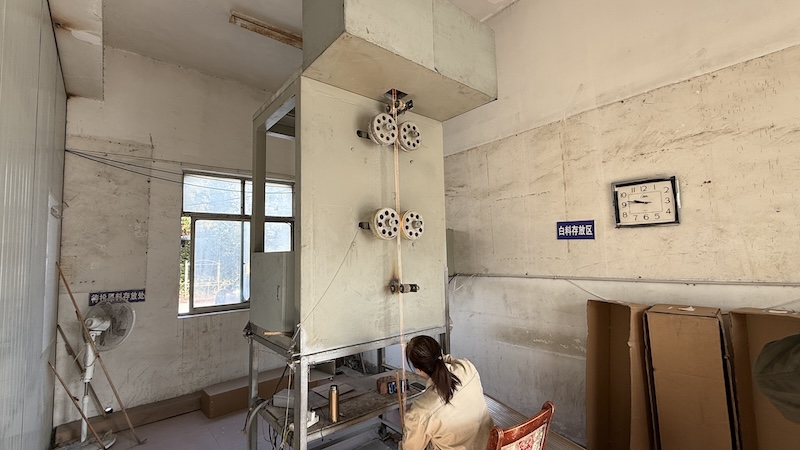
Raw high-purity crystalline quartz boulders are mechanically split and sorted for zero discoloration.
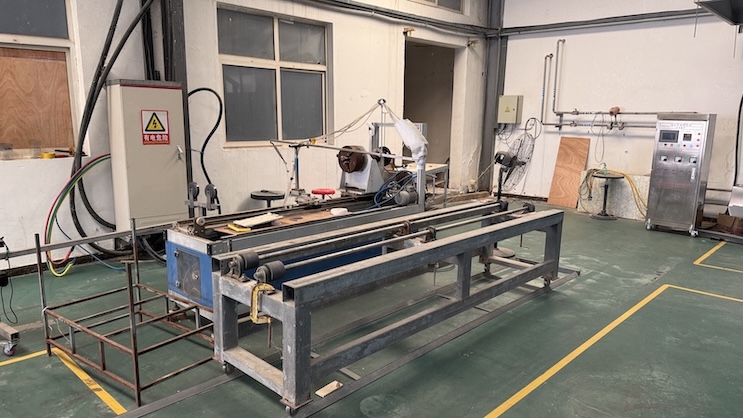
Crushed into controlled-mesh quartz sand without introducing heavy iron tooling abrasion.
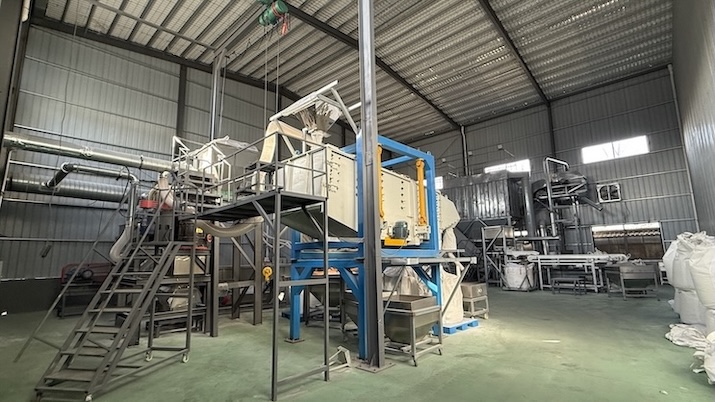
Deionized water and high-grade acid baths leach transition metals and alkali down to < 15 ppm total.
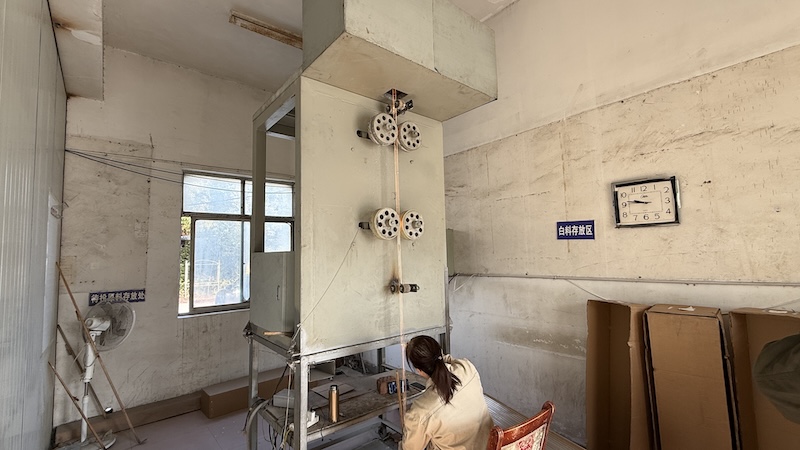
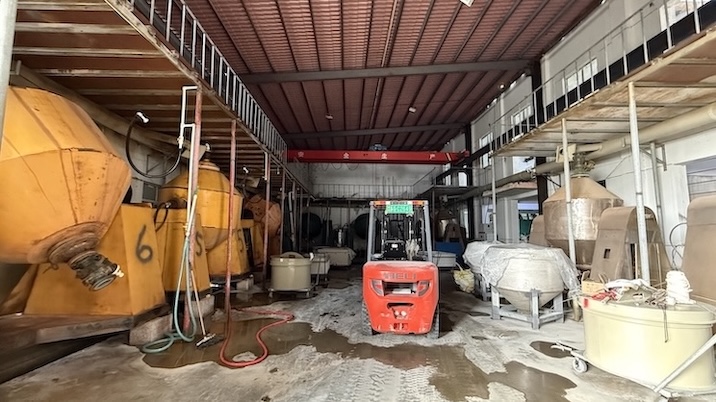
Electric resistance furnace melting pulls tubes and rods with laser-monitored OD and wall thickness.
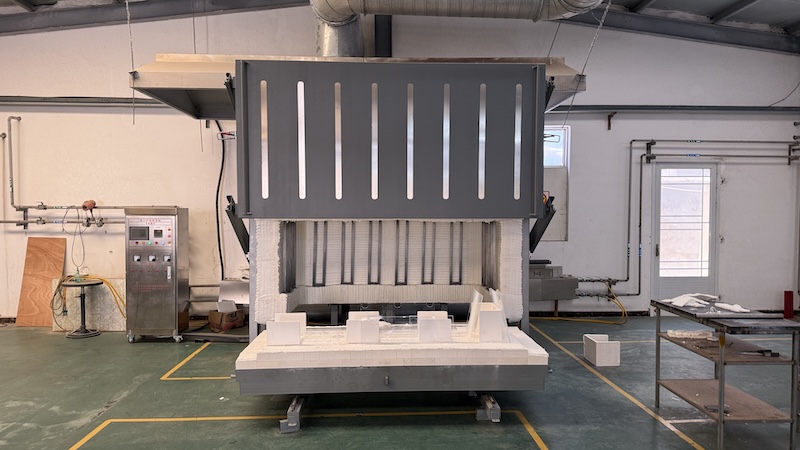
1,215°C soak and programmed ramp-down relieves internal molecular stress and avoids thermal rupture.
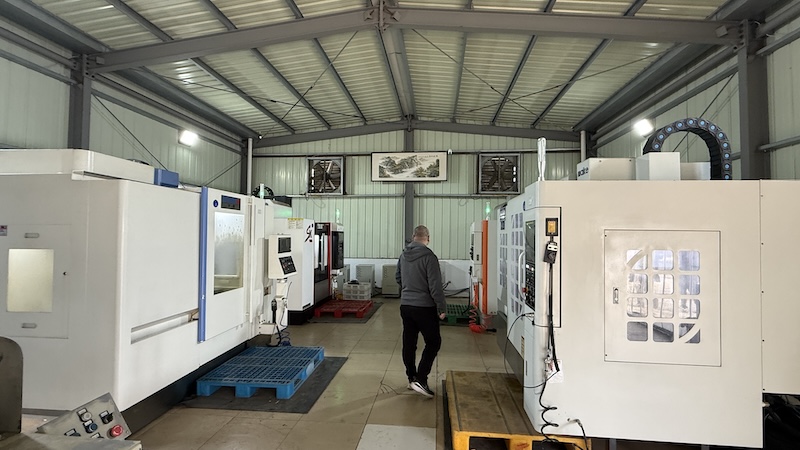
Diamond grinding heads slot, thread, drill, and face flanges to ±0.02 mm engineering tolerances.
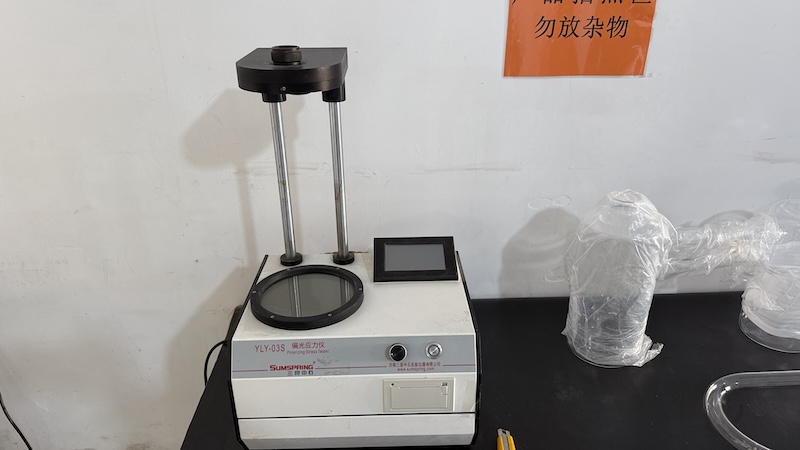
Every single batch is evaluated under cross-polarized light to verify absolute stress relief below 5 nm/cm.
Suspended high-density EPE foam cushions, hermetic sealing, and heavy ISPM-15 export wooden crates.
Custom Quartz Tube Recommendations by Industry
Engineered solutions customized to your drawings: dimensions, wall uniformity, cut-to-length ends, fire polishing, and ground joints.
Semiconductor Diffusion & LPCVD Tubes
Ultra-clean process tubes engineered for wafer oxidation, annealing, and low-pressure chemical vapor deposition (LPCVD). Designed with custom welded flanges and gas inlets.
- Diameters from 150mm up to 650mm
- Trace alkali < 0.5 ppm total
- Thermal stability at 1,150°C continuous
Photovoltaic Cell Sintering & Diffusion
Optimized for TOPCon N-type solar manufacturing, borosilicate doping, and phosphorus oxychloride (POCl₃) diffusion furnaces with heavy wall load bearing.
- Superior sag resistance at 1,200°C
- High transmission in visible & near-IR
- Compatible with automatic wafer loaders
Laser Flow Tubes & Cooling Sleeves
Single-bore, dual-bore, triple-bore, and C-shaped flow cavities engineered for solid-state and medical lasers (Nd:YAG, Alexandrite, Holmium) to house pump lamps and rods.
- Samarium-doped / Cerium-doped options
- Selective UV cutoff filtering (protects rods)
- Precision ID/OD bore concentricity
Dielectric Barrier Ozone Generator Tubes
High-dielectric clear and synthetic quartz tubes built to withstand continuous corona discharge and ozone radical oxidation without pinhole breakdown.
- Wall thickness uniformity ±0.03mm
- One-end closed test-tube or flanged geometry
- Zero micro-bubble bubble-free extrusion
Far-Infrared & Halogen Heating Elements
Clear, frosted, ruby red, and milky-white opaque quartz tubing serving as protective envelopes for tungsten filaments, carbon fiber heating, and quick-response heaters.
- Peak IR radiation wavelength matching (1.2–4.0 µm)
- Milky white quartz provides diffused, glare-free heat
- Single-tube and twin-tube configurations
Special-Shaped CNC Machined Quartz Glass
Complex OEM custom apparatus manufactured from engineered drawings: vacuum viewports, wafer boats, multi-well microplates, distillation heads, and cuvettes.
- 5-axis ultrasonic CNC milling & slotting
- Cleanroom optical flame and fire polishing
- Standard vacuum KF/ISO/CF flanged interfaces
Emerging Trends in Industrial Quartz Tube Sourcing
Strategic supply chain analysis for procurement managers navigating raw material allocations, technological node transitions, and environmental compliance.
1. Sub-3nm Semiconductor Node Transitions
As leading microelectronic foundries scale GAA (Gate-All-Around) architectures, tolerance for mobile ionic contamination (Na, K, Li) has dropped into sub-ppb territory. OEM quartz factories are moving to synthetic plasma-melted silica liners to eliminate devitrification nuclei and prevent micro-defect transfers during atomic layer deposition (ALD).
2. Ultra-Large Bore Diameters in Solar
With the global transition to large rectangular silicon wafers (M10/G12), solar cell diffusion furnaces now demand quartz process tubes with inner diameters surpassing 450mm to 650mm. Maintaining roundness tolerances under ±1.0mm at these scales requires advanced continuous drawing dies and specialized multi-axis CNC lathe turning.
3. Decarbonized Rapid Thermal Processing (RTP)
Industrial furnace OEMs are replacing carbon-intensive gas combustion heating with electric infrared radiant systems. High-intensity halogen heating chambers require specialized clear quartz envelope tubes with hydroxyl (OH⁻) content below 5 ppm to prevent absorption bands at 2.73 µm, maximizing heat transfer efficiency.
4. Geopolitical Supply Security & ESG
Global buyers increasingly evaluate suppliers based on raw quartz sand provenance and localized processing. Direct factories in Lianyungang with integrated de-ironing and closed-loop acid neutralization offer significant cost advantages, reduced carbon shipping footprints, and guaranteed material continuity amidst global logistics volatility.
Frequently Asked Technical & Sourcing Questions
Direct answers to the most common engineering and procurement inquiries submitted by quality auditors and design engineers.
What is the maximum operating temperature for your quartz tubes before devitrification occurs?
Transparent fused quartz can be operated continuously at up to 1,100 °C, and intermittently for short cycles up to 1,300 °C. The softening point is approximately 1,730 °C. Devitrification—the transformation of amorphous fused silica into crystalline beta-cristobalite—typically initiates above 1,150 °C if the surface is contaminated with trace alkali (sodium, potassium) or fingerprints.
To prevent premature crystallization, ensure quartz tubes are cleaned with an isopropyl alcohol or 5% hydrofluoric (HF) acid rinse and handled exclusively with lint-free cotton gloves. Our factory-annealed tubes feature low internal stress, significantly retarding thermal devitrification kinetics.
How does hydroxyl (OH⁻) content impact high-temperature and optical performance?
Hydroxyl concentration directly controls both the thermal viscosity and optical absorption spectrum of fused quartz:
1. Thermal Impact: Low-OH quartz (< 15 ppm, electrically fused) exhibits higher viscosity and a higher annealing point (~1,215 °C), making it far more resistant to thermal sagging during horizontal furnace operations.
2. Optical Impact: Hydroxyl molecules cause pronounced optical absorption bands at 1.38 µm, 2.22 µm, and particularly at 2.73 µm. If your application involves infrared lamp heating or transmission above 2,500 nm, specifying low-OH quartz is vital.
What dimensional tolerances can your OEM factory hold on drawn and CNC-ground quartz tubes?
Standard drawn tubing tolerances depend on outer diameter (OD) and wall thickness (WT):
• Drawn Tubing: For OD ≤ 50mm, standard tolerance is ±0.3mm (precision drawing ±0.1mm). For OD 100mm–300mm, tolerance is typically ±1.0mm to ±1.5mm.
• CNC Machined / Centerless Ground: Utilizing ultrasonic diamond tooling, we can hold outer diameters to ±0.02 mm, length cuts to ±0.1 mm, and angular face runout ≤ 0.05 mm. Custom flanged faces can be ground to helium leak-tight optical flatness (1–2 helium light bands).
How do you guarantee export safety and prevent breakage during international freight?
Shipping fragile, high-aspect-ratio quartz tubes overseas requires rigorous shock engineering. Our export protocol entails:
1. Hermetic Cushioning: Individual tubes are plastic-wrapped, inserted into high-density polyethylene foam sleeves, and packed into heavy-duty 5-ply corrugated interior boxes.
2. Suspended Crating: Multiple boxes are anchored within custom-built, fumigated ISPM-15 plywood crates using shock-absorbing corner buffers to isolate sea vibration and airport handling impact.
3. Traceable Insurance: All commercial orders carry full CIF/CIP marine and air cargo transit insurance, backed by immediate re-fabrication replacement protocols.
What quality documentation and testing reports are supplied with custom OEM batches?
Every production batch is accompanied by comprehensive quality verification records, including:
• Certificate of Conformity (COC) and RoHS 2.0 / REACH compliance declarations.
• Chemical Impurity ICP-OES/MS trace elemental test certificates.
• Polariscope birefringence photo documentation validating thermal stress relief.
• Dimensional inspection sheets detailing OD, ID, wall thickness, concentricity, and total runout.
Can you manufacture custom prototypes with a low minimum order quantity (MOQ)?
Yes. We routinely partner with research universities, laser startups, and equipment engineering teams requiring prototype validation before committing to mass production. Standard tube stock items and simple CNC machined samples can be ordered in quantities as small as 1 to 5 pieces. Our engineering team reviews customer CAD/PDF drawings and provides manufacturability feedback (DFM) within 24 hours.