SGS Onsite-Verified Fused Quartz Manufacturer [email protected]

OEM/ODM Quartz Pipe Supplier & Exporter

Engineered high-purity (≥99.99% SiO₂) fused silica solutions designed for extreme thermal shock, advanced semiconductor wafer fab, and high-precision optical equipment.

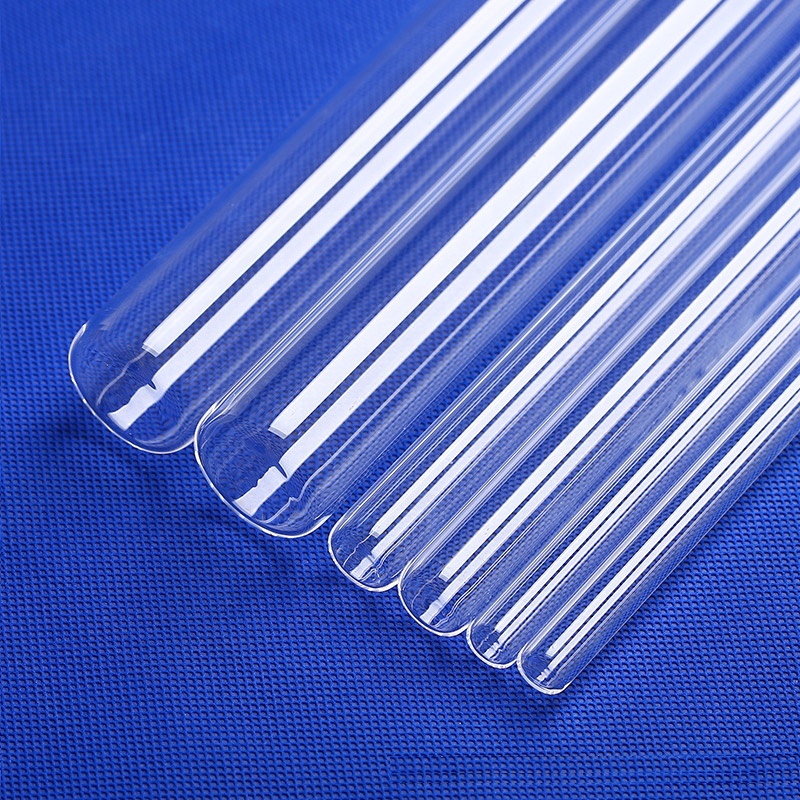
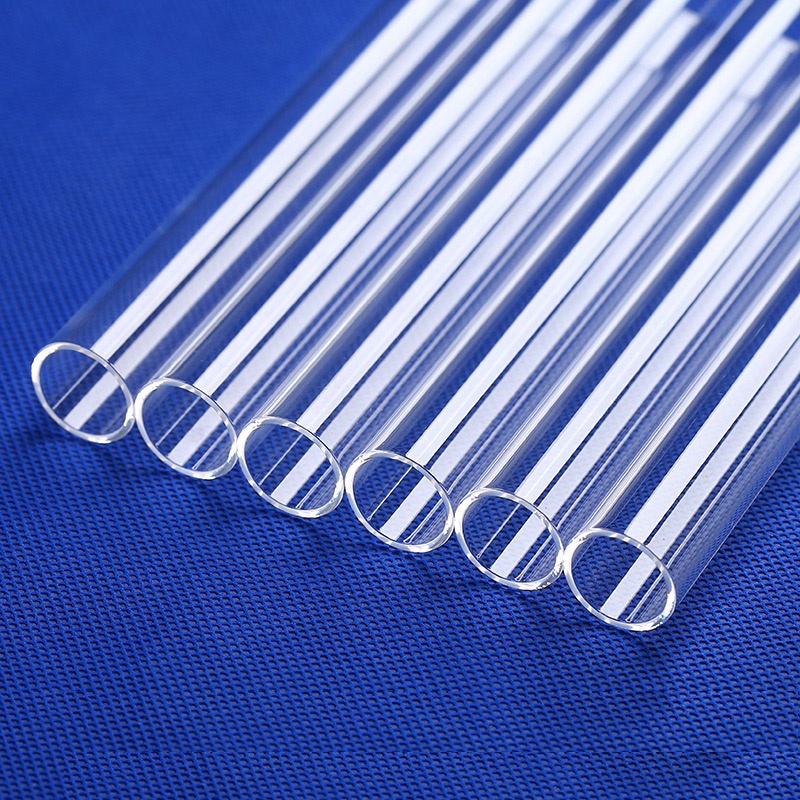
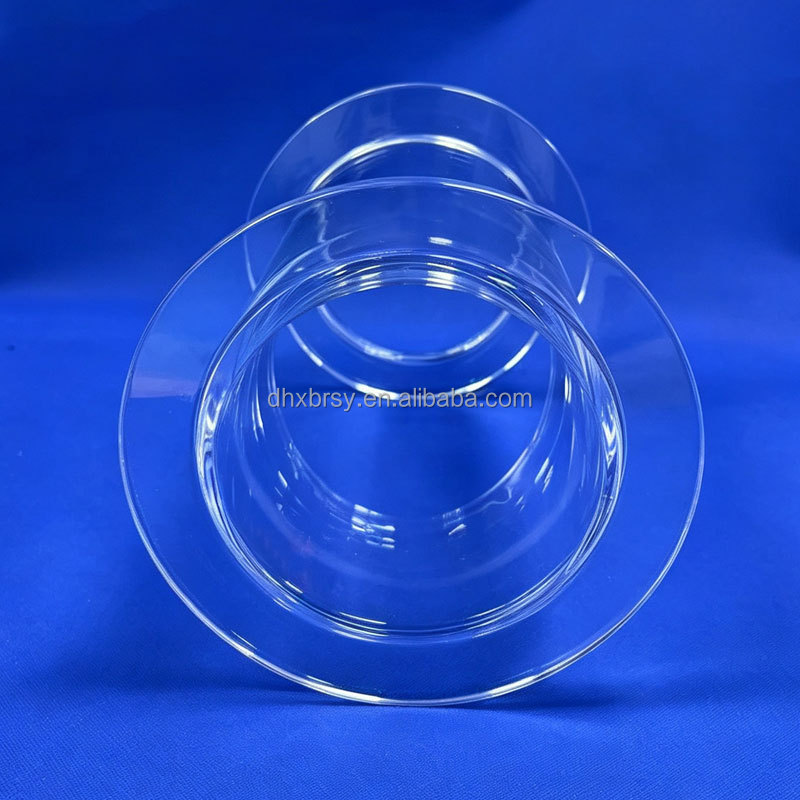
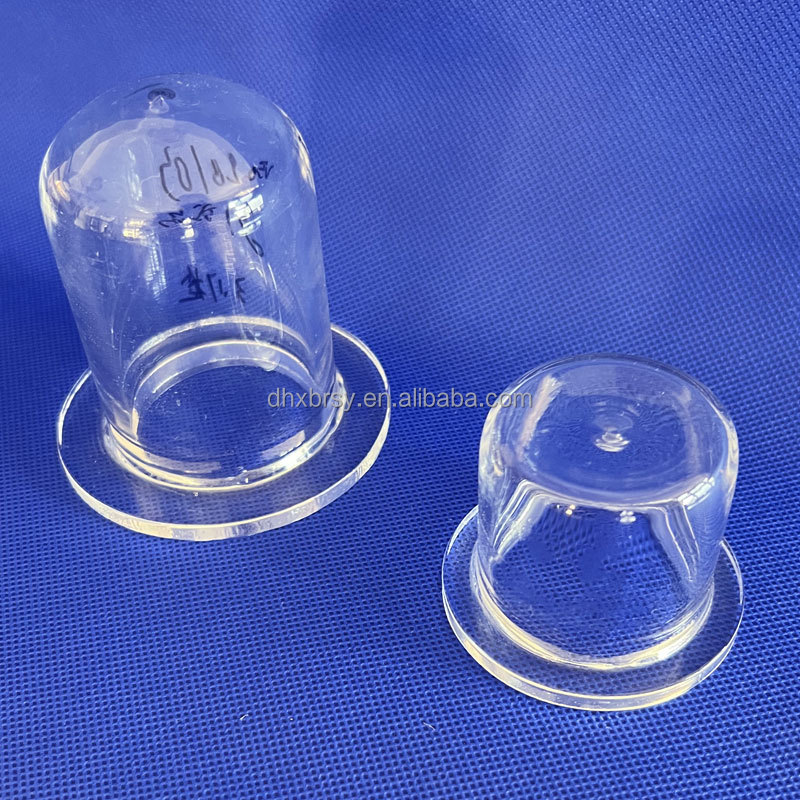
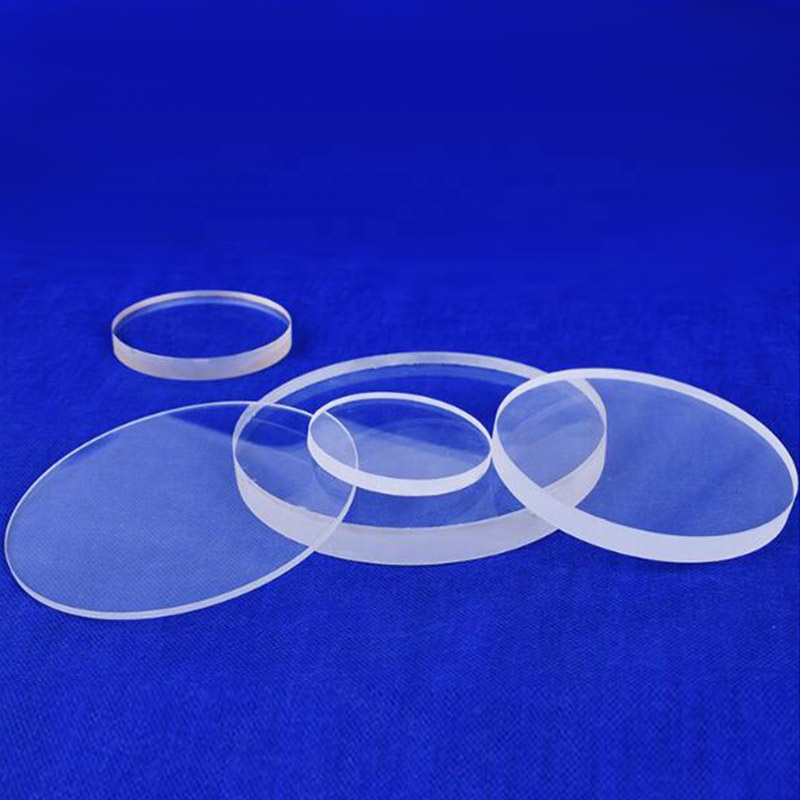
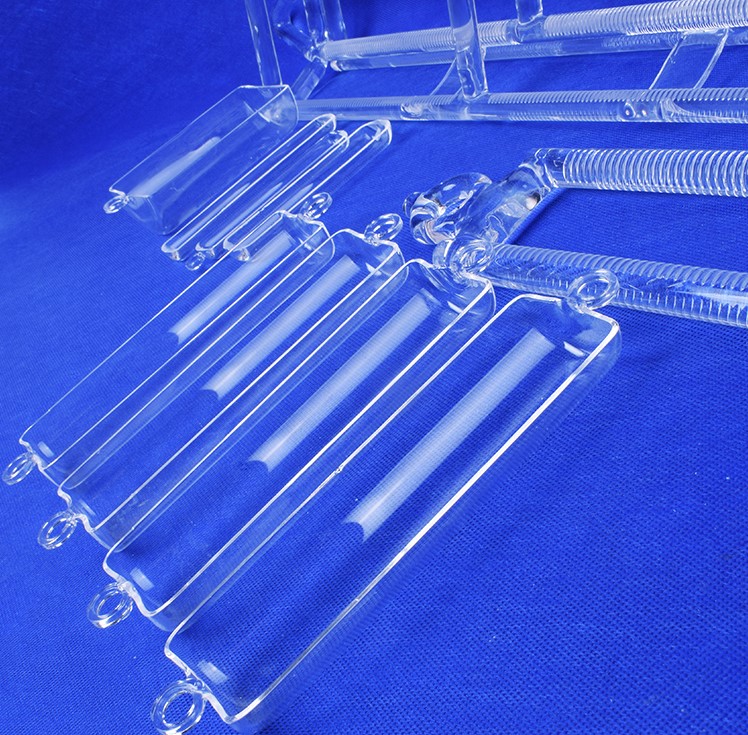
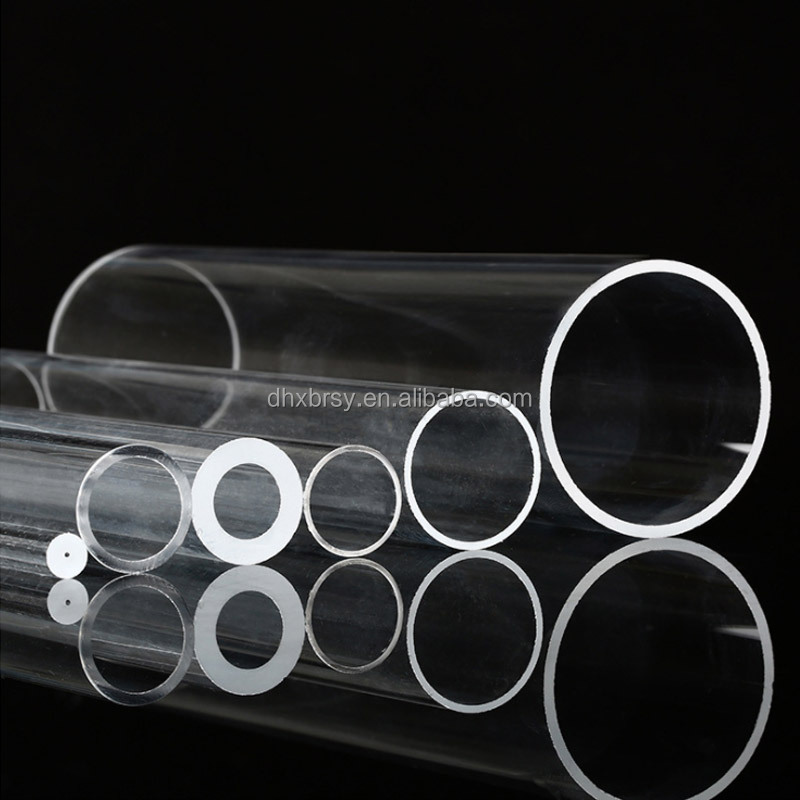
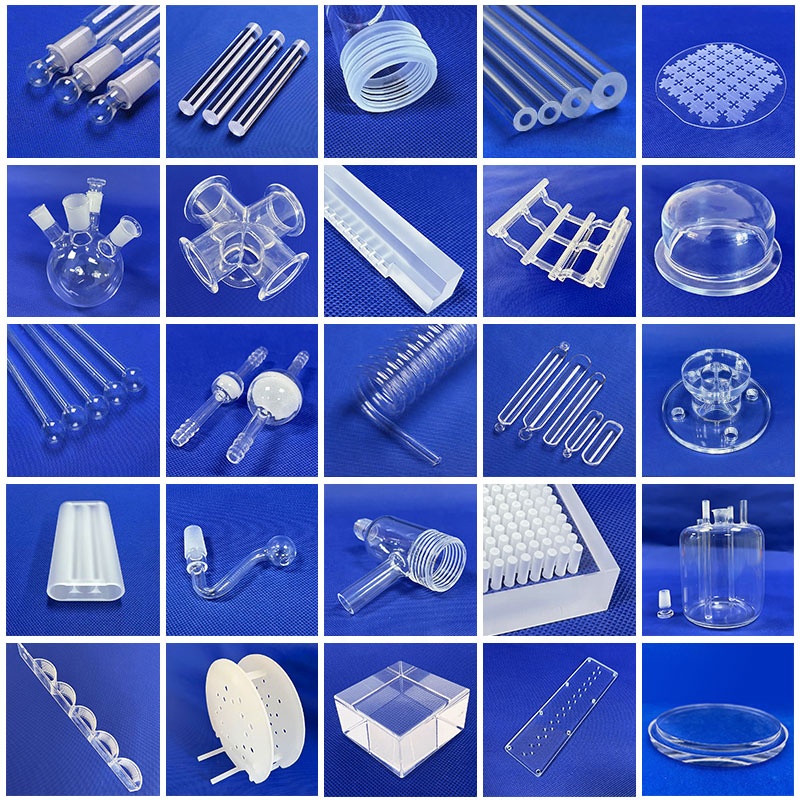
Featured OEM/ODM Quartz Tubes & Engineered Glassware

From raw natural quartz sand refinement to tight-tolerance CNC cold machining and hot welding, review our high-specification silica products delivered worldwide.

Get Catalog
14,271 m² SGS Verified Plant Area
≥ 99.99% SiO₂ Silica Purity
± 0.05 mm Precision Machining Tolerance
1300 °C Max High-Temp Limit

Engineering Whitepaper: Fused Quartz Pipeline Precision & Thermal Dynamics

A deep technical dive into why fused silica (amorphous silicon dioxide) remains the gold standard in high-temperature, chemically caustic, and microelectronic processing environments.

1. Molecular Purity, Structural Integrity, and Trace Element Limits

In thermal diffusion, wet cleaning pipelines, and chemical vapor deposition (CVD), mechanical purity dictates lifetime yield. Natural vein quartz is susceptible to atomic interstitial impurities such as Aluminum (Al), Titanium (Ti), Iron (Fe), and alkali metals (Sodium, Potassium, Lithium). At temperatures exceeding 1000°C, alkali ions migrate toward silicon wafers, inducing catastrophic crystal defects and parasitic conductance. Our source production route utilizes high-temperature hydrofluoric and hydrochloric acid pickling in closed tanks, depleting transition metallic trace elements below 15 ppm cumulative.

With an amorphous silicon-oxygen tetrahedral structure ($\text{SiO}_4$), our transparent fused quartz tubes exhibit a coefficient of thermal expansion (CTE) of approximately 5.5 × 10⁻⁷ /°C. This is about one-fifteenth that of standard borosilicate glass. When a quartz pipe heated to 1100°C is dropped directly into ambient water, internal stresses remain below the fracture threshold due to zero volume displacement, preventing structural catastrophe in industrial furnace cycles.

2. Optical Transmission Bandwidths: JGS1 vs. JGS2 vs. JGS3

Procuring quartz pipes and optical plates requires exact alignment between radiation wavelength and glass grades. A wrong selection results in solarization, deep-UV cutoff, or water-absorption ($-\text{OH}$) vibrational drop-offs.

Quartz Grade Production Route Transmission Bandwidth Hydroxyl Content (OH⁻) Primary Industrial Use Case
JGS1 (Synthetic Fused Silica) Chemical synthesis (SiCl₄ oxyhydrogen flame) 185 nm – 2500 nm (Deep-UV) Typically >600–1000 ppm Laser flow tubes, DUV excimer optics, lithography viewports
JGS2 (Optical Grade Quartz) Flame-melted natural crystal sand 220 nm – 2500 nm (UV-Vis) Typically 100–300 ppm Sight glasses, UV sterilization reactors, ozone quartz sleeves
JGS3 (Infrared Fused Quartz) Electrically vacuum-melted natural quartz 260 nm – 3500 nm (Infrared) Ultra-low (<5 ppm) Thermal process chambers, IR heating tubes, high-vacuum furnaces
Opaque / Milky Quartz Engineered micro-bubble dispersion Diffuse scattering / IR reflective Variable Infrared reflective shielding, spiral furnace muffles, thermal barriers

3. Full Cycle Quality Governance: Annealing & Polarization Stress Metrics

During flame bending, CNC edge slotting, or double-flange welding, uneven thermal gradients introduce intense localized tensile stresses inside the quartz lattice. Left untreated, residual stress leads to spontaneous fractures during rapid furnace depressurization. Lovri Quartz employs continuous electrical annealing furnaces operating at 1215°C, slowly ramping down through the strain point (1120°C) to ambient room temperature. Every production lot undergoes non-destructive polarization stress inspection, ensuring optical path differences (OPD) conform to precision industrial grade thresholds.

Future Procurement Trends in Quartz Glass Tubing & Components

How evolving semiconductor nodes, third-generation power electronics (SiC/GaN), and green-energy manufacturing alter global silica supply chain demands.

Shift to Synthetic & Zero-Hydroxyl Quartz for 3nm/2nm Wafers

Standard natural quartz can no longer satisfy front-end sub-5nm wafer fab nodes due to micro-bubble outgassing and sub-ppm metallic trace elements. Procurement teams are transitioning purchase orders toward synthetic fused silica (low metallic background, zero refractive variance) for LPCVD wafer carriers and epitaxial showerheads.

Demand Surge for Large-Diameter Furnaces (OD > 350mm)

Next-generation N-type TOPCon and HJT photovoltaic cell manufacturing demands massive 12-inch and 14-inch horizontal diffusion pipes. Global buyers are focusing contracts on manufacturers equipped with high-yield centrifugal casting and multi-axis automated tube-drawing towers capable of maintaining concentricity on heavy-walled barrels.

Consolidated CAD/CAM Integration & Complete Pre-Assemblies

B2B buyers are eliminating tier-2 assembly intermediaries. Modern purchase contracts call for fully built modules—fused quartz pipes complete with ground-glass flanges, vacuum bypasses, laser-drilled nozzles, and PTFE-sealed stopcocks delivered ready for cleanroom tool installation.

In-House Manufacturing Pipeline: Raw Silica to Final Component

Our Lianyungang facility maintains end-to-end sovereignty across every critical fabrication stage, eliminating contractor variances.

Phase 01
Refinement & Pickling

Lump grading, crushing into uniform silica mesh sand, followed by deep multi-acid bath leaching for ≥99.99% purity.

Phase 02
Continuous Drawing

Thermal fusion and vertical/horizontal drawing lines shaping outer diameters from 1.0 mm capillaries up to 450 mm furnace tubes.

Phase 03
Precision CNC Machining

5-axis ultrasonic milling, micro-slotting, diamond drilling, thread cutting, and flame-polishing customer designs.

Phase 04
Annealing & Polarization QC

1215°C stress-relief annealing, optical spectrophotometer testing, cleanroom packaging, and shock-proof wooden crating.

Why Top Global OEM/ODM Buyers Choose Lovri Quartz

Leveraging the raw material cluster of Donghai and Lianyungang, Jiangsu, backed by SGS on-site factory verification.

SGS On-Site Assessed Facility

Our 14,271 m² operational facility in Tuofeng Industrial Park has undergone complete third-party auditing by SGS Group, verifying manufacturing floor capacity, quality governance, and personnel safety.

Source Factory Purity Control

Because we pulverize, screen, and acid-pickle quartz sand internally, we maintain direct authority over contamination thresholds rather than depending on commoditized third-party quartz billets.

Complete CAD/STEP Drawing OEM

Our in-house engineering desk converts customer blueprints (AutoCAD, SolidWorks, STEP, PDF) into production runs. We advise on flame-welded fillets, internal tolerances, and stress minimization.

Polarization Stress Guarantee

Every tube and custom-machined apparatus batch undergoes optical polarization stress testing. This step eliminates the latent cause of furnace tube shattering and viewport failures in advance.

Low Prototype MOQ (From 1 Piece)

We bridge the transition from engineering pilot R&D to mass rollouts. Validate custom wafer boats, multi-bore capillary tubes, or specialized reaction chambers from single units with bulk scaling pricing.

Zero-Breakage Export Packaging

All international orders are protected by custom polyethylene foam dampening, internal shrink vacuuming, and reinforced multi-layer timber crates meeting global sea and air transit specifications.

Frequently Asked Questions for Quartz Pipe Procurement

Key technical, compliance, and logistic questions answered by our materials engineering team.

Q: How does fused quartz fundamentally differ from borosilicate and sapphire?
Fused quartz consists of pure silica (>99.99% SiO₂) in an amorphous glass state, allowing continuous operation at 1100°C and resistance to thermal shock. Borosilicate glass softens below 600°C and contains boron fluxes that contaminate semiconductors. Sapphire is a single-crystal aluminum oxide (Al₂O₃) with high hardness and thermal conductivity, but it is expensive and difficult to scale into large furnace tubes (e.g., 300mm OD).
Q: What causes devitrification in quartz furnace tubes, and how can it be avoided?
Devitrification is the transition of amorphous silica into crystalline cristobalite at temperatures above 1150°C, appearing as cloudy white patches that make the tube brittle. It is catalyzed by surface contaminants—specifically fingerprints (sodium) or airborne dust. Clean the outer surface with high-purity ethanol or a dilute 5% HF wash, dry thoroughly, and handle with lint-free gloves before operating at temperature.
Q: What machining tolerances are realistic on custom quartz glass pipes?
Standard drawn tubing typically holds ±0.2 mm to ±0.5 mm on outer diameter depending on size. However, with our secondary precision centerless grinding and 5-axis CNC diamond tooling, we achieve outer and inner diameter tolerances down to ±0.05 mm, with parallelism and end-face squareness held within 30 arc seconds.
Q: What documentation and material certificates accompany export shipments?
Every export shipment is backed by a full documentation packet, including Certificate of Analysis (CoA) for SiO₂ purity and trace metal counts (via ICP-MS), Polarization Stress Relief Inspection Reports, Dimensional Inspection Sheets, and RoHS / REACH compliance statements.
Q: Can fused quartz tubes be cut and welded with standard borosilicate equipment?
No. Standard glassworking oxy-propane burners do not reach the working point of quartz glass (~1700°C–1800°C). Quartz glass processing requires specialized oxy-hydrogen or oxy-acetylene torch heads within clean dust-controlled hoods to prevent soot and metallic contamination.
Q: How do you protect oversized and thin-walled quartz pipes against transit breakage?
We use high-density, pre-molded cross-linked polyethylene (EPE) sleeves tailored to the product's geometry. Tubes are placed within double-walled cardboard cylinders, then secured inside ISPM-15 compliant, shock-mounted wooden shipping crates. Impact sensors are fitted to export consignments on request.
Ready to Engineer Your Next-Generation Quartz Pipeline?

Submit your CAD files, geometric dimensions, or application specifications. Our application engineering team will review manufacturability, verify optical tolerances, and provide a clear quotation.

Get Catalog