SGS Onsite-Verified Fused Quartz Manufacturer [email protected]
SGS Verified OEM / ODM Engineered Glass Foundry

OEM/ODM Silica Glass Factories & Suppliers

A Comprehensive Engineering & Strategic Procurement White Paper on High-Purity Fused Silica Glass, Thermal Shock Mechanics, and Custom Fabrication for High-Tech Substrates

99.99%
Minimum SiO₂ Content Purity
14,271 m²
On-Site SGS Assessed Facilities
1400°C
Maximum Thermal Resistance
100%
Polarization Stress Inspection
Specialized Catalog

Featured Industrial Fused Quartz Glass Components

Engineered to sub-micron geometric tolerances from certified optical and metallurgical grade ingot melts, ensuring zero crystalline defect transmission.

SiO₂ ≥ 99.99% Fused Quartz Boats for Photovoltaics

Fused Quartz Boats (SiO2 99.99%) for Chemical Industry & Photovoltaics

Precision-slotted wafer carrier carriers designed for high-temperature diffusion, low thermal deflection, and customizable pitch intervals.

Technical Data Sheet
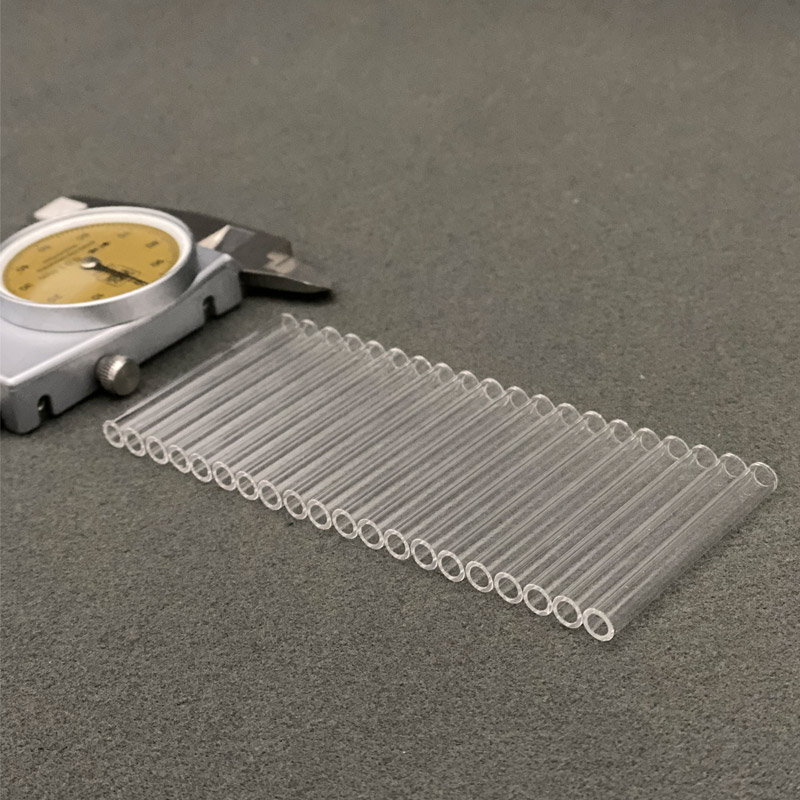
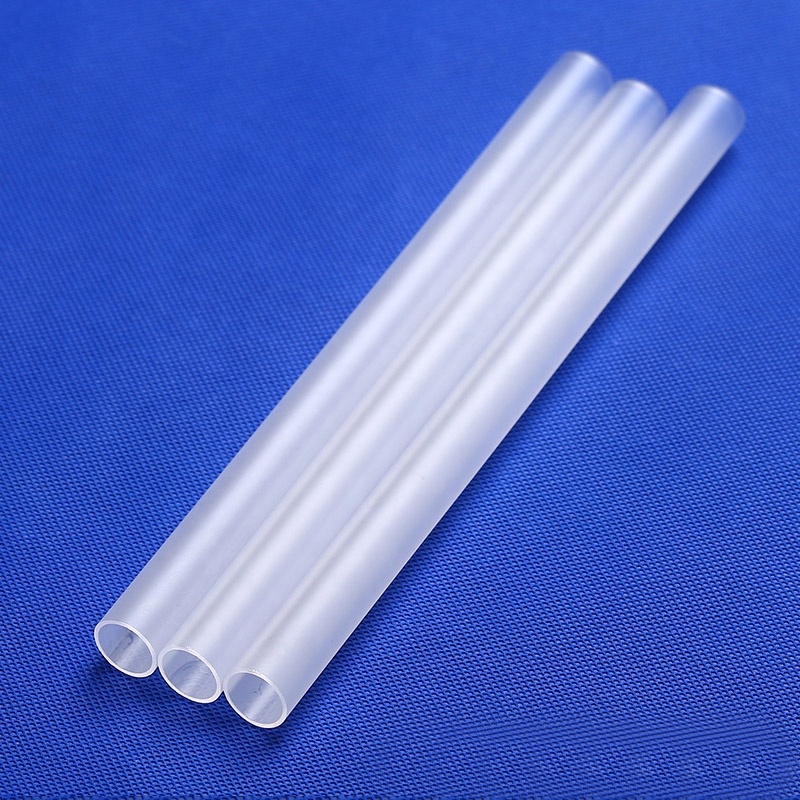
ROHS / 1200°C Fused Quartz Capillary Tube for Laser Machinery

BAO RAN 419 Fused Quartz Capillary Tube for Laser Machinery

Ultra-narrow bore consistency, 200 Mesh finish, 75m continuous draw precision, annealed at 1200°C to eliminate micro-stress fractures.

Technical Data Sheet
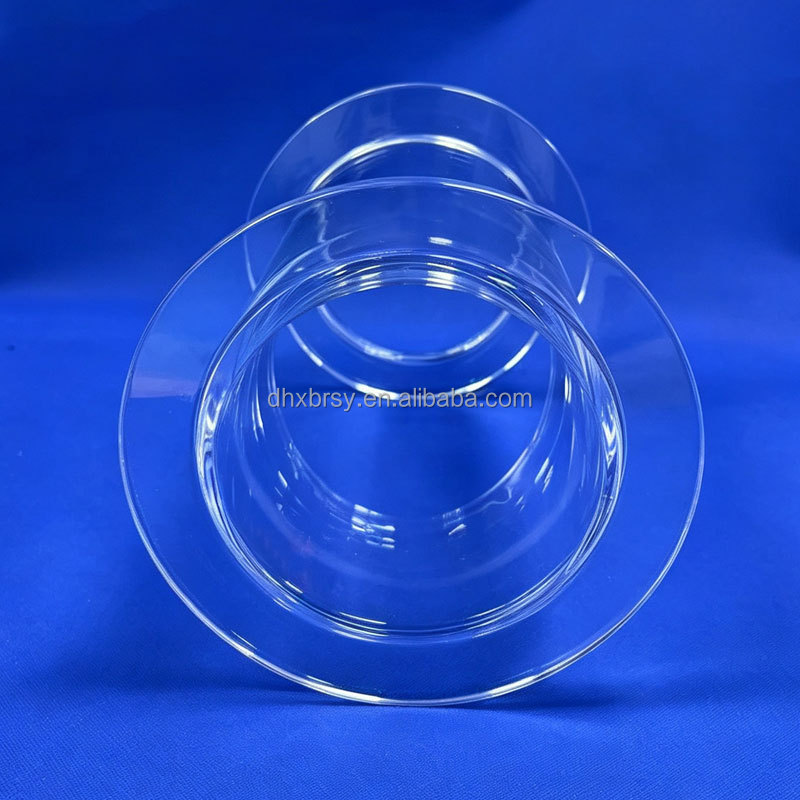
Semiconductor Grade Double Flange Quartz Cylinder for Semiconductor CVD

Custom High Purity Fused Silica Quartz Cylinder Double Flange

High-vacuum sealed CVD reaction chambers featuring CNC ground precision flange faces compatible with ultra-clean process loops.

Technical Data Sheet
1400°C Heavy Duty One End Closed High Pressure Resistant Quartz Glass

916 One End Closed High Pressure Resistant Fused Quartz

Domed bottom sealing engineered for severe thermal gradient shifts, withstanding 1400°C peaks for laser cavities and analytical digestion.

Technical Data Sheet
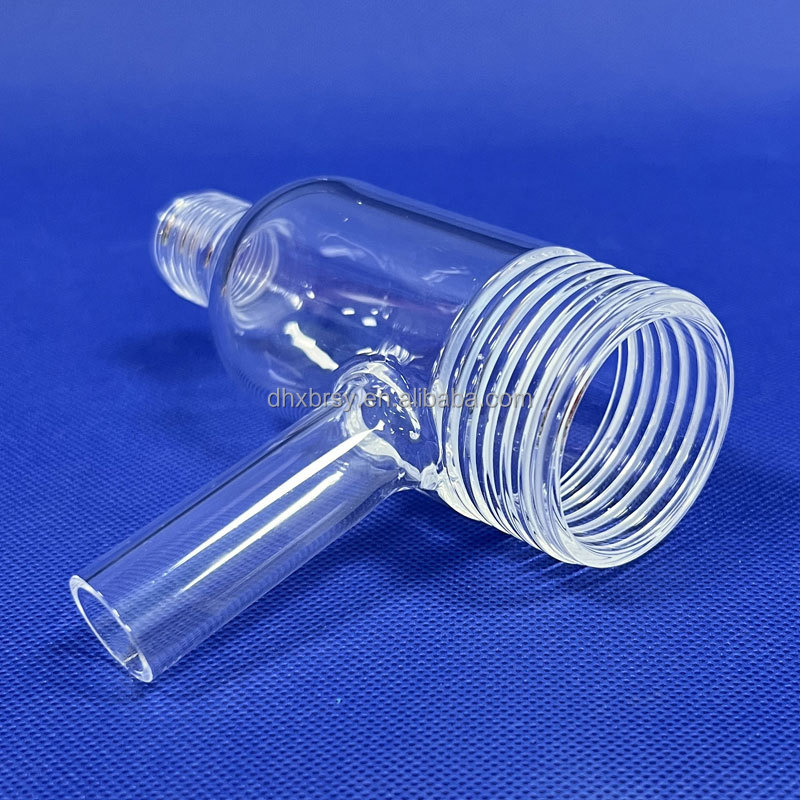
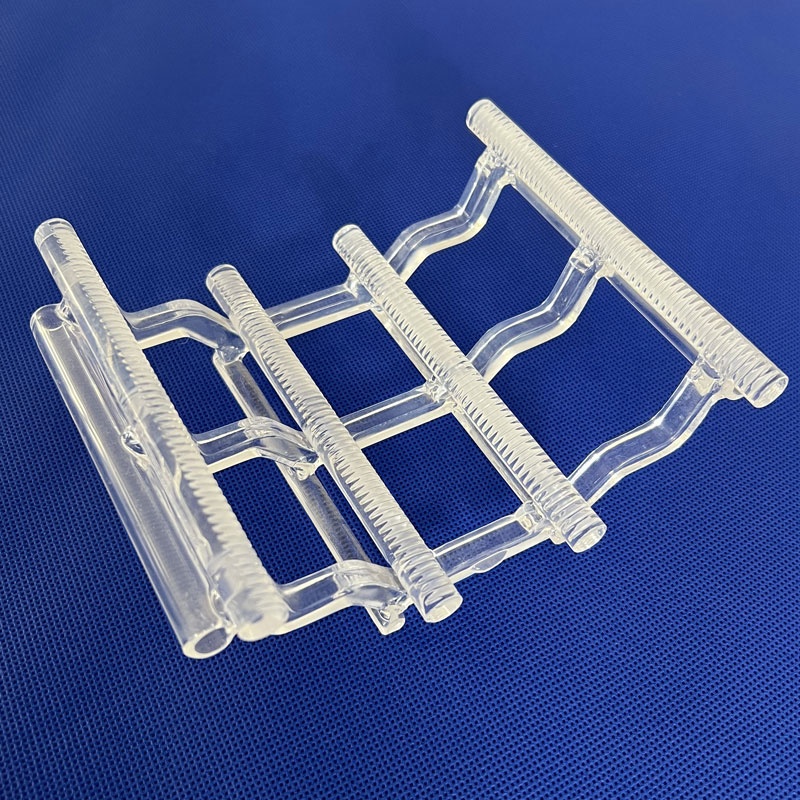
CNC Threaded Threaded Quartz Glass Tube

High Quality Polished Threaded Quartz Glass Tube

Corrosion-resistant custom internal and external thread profiles, providing reliable mechanical coupling in aggressive acidic environments.

Technical Data Sheet
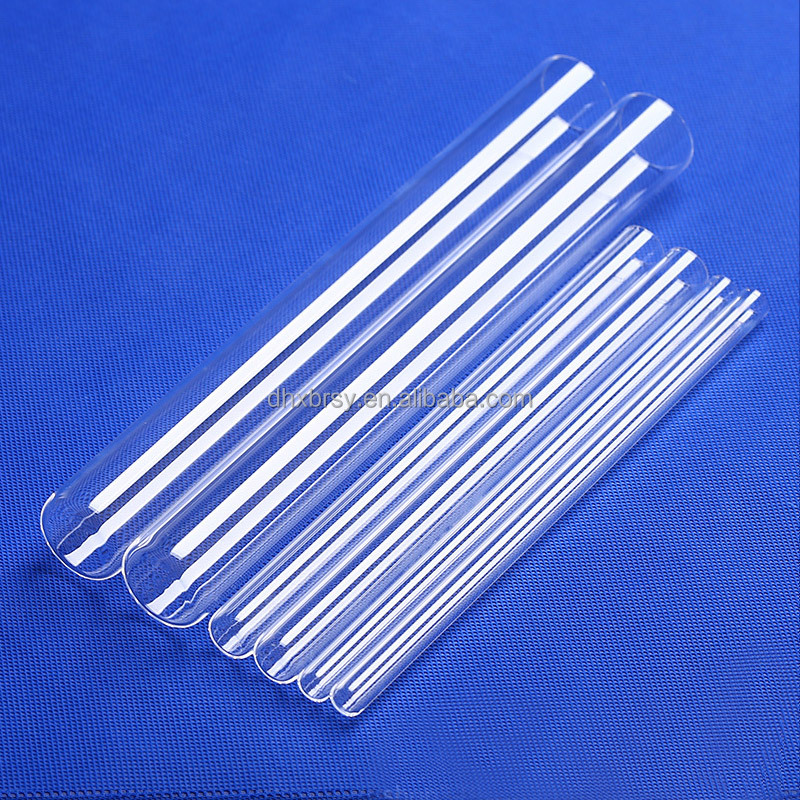
UV / Ozone Active Quartz Glass Tube for UV Ozone Generator

High Purity Quartz Glass Tube for UV Ozone Generation

Optimized 254nm and 185nm transmission envelopes with fire-polished cut edges, tailored for ozone water treatment and UV sterilizers.

Technical Data Sheet
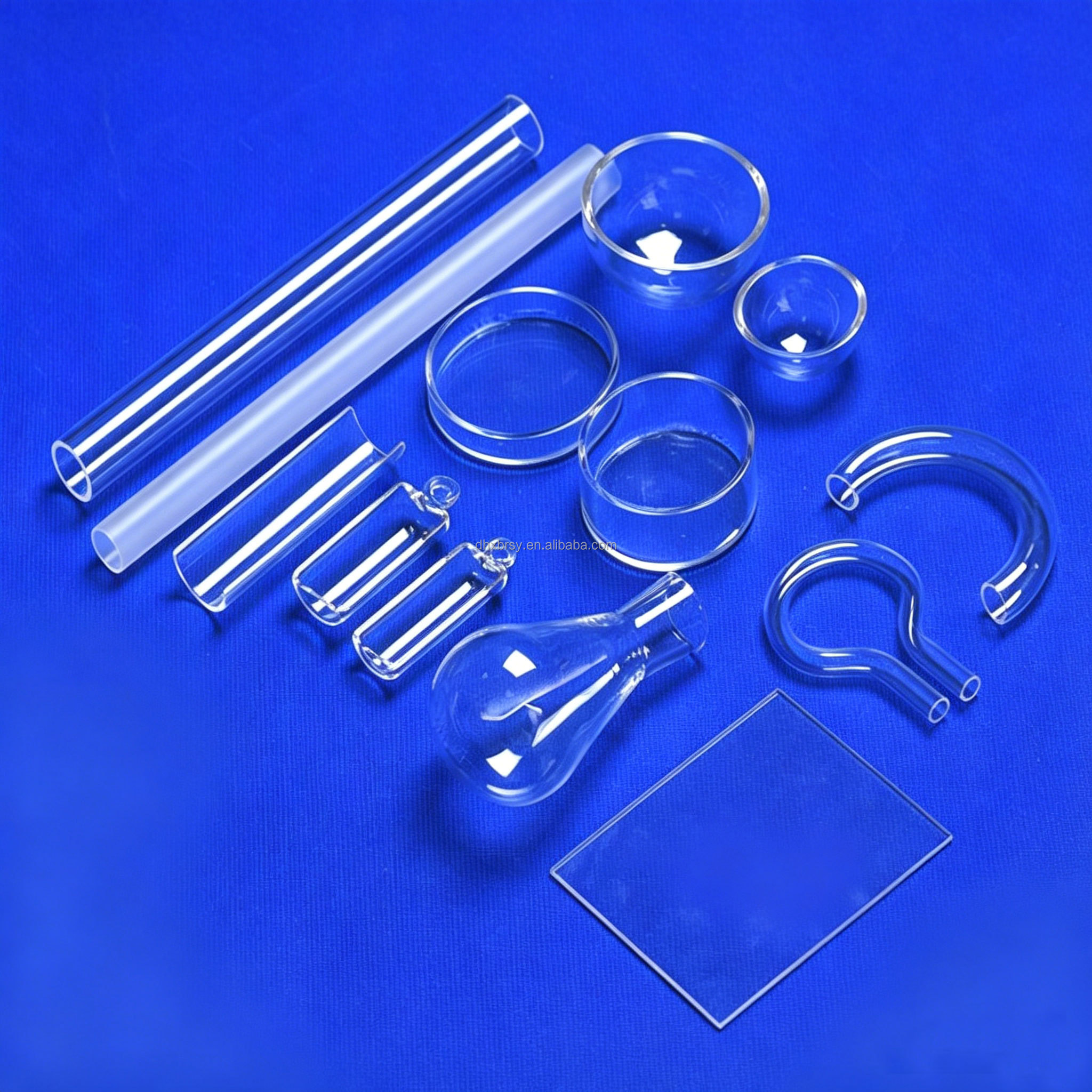
Semiconductor Apparatus Custom Lab Quartz Glass Apparatus

Custom Lab Quartz Glass Apparatus (99.99% SiO2 Content)

Bespoke laboratory glassware fabricated with seamless bench welding, ground joints, manifolds, and multi-neck reaction vessels.

Technical Data Sheet
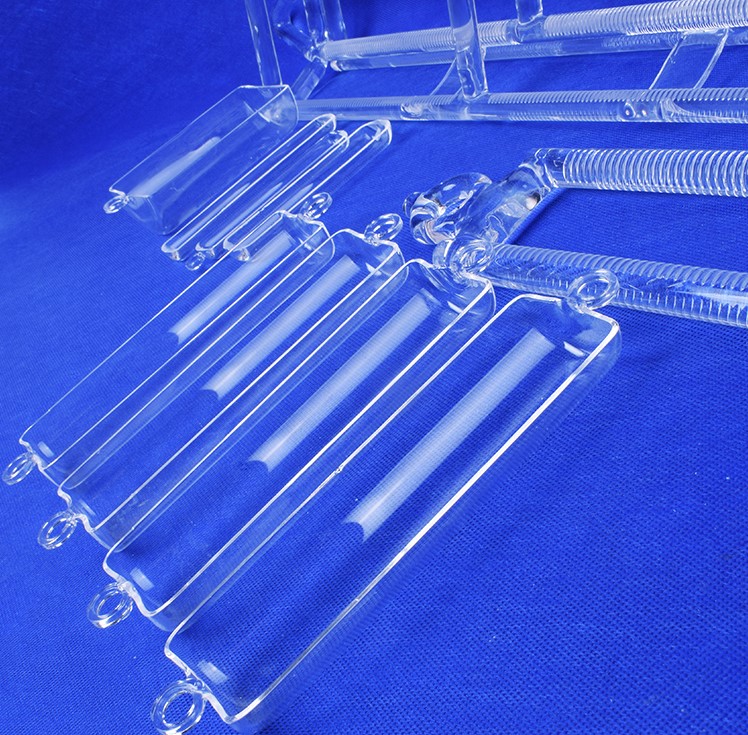
Carrier Boats High Temperature Fused Quartz Wafer Boat

Custom Size High Temperature Fused Quartz Wafer Boat

Ultra-clean, acid-leached semiconductor batch carriers designed to prevent cross-contamination in automated track handling lines.

Technical Data Sheet
Engineering In-Depth

Thermodynamic & Chemical Stability of High-Purity Fused Quartz

Fused quartz (amorphous silicon dioxide, SiO₂) stands distinct from standard silicate glasses due to its near-zero coefficient of thermal expansion (approximately 5.5 × 10⁻⁷ /°C). This ultra-low expansion enables components to endure thermal shock across an operational delta from 1100°C continuous service to iced-water quenching without mechanical failure.

"Eliminating trace alkali metals (Li, Na, K) and transition elements below 15 ppm total threshold is essential to avert devitrification—the high-temperature nucleation into cristobalite."

Our integrated manufacturing facilities located in Lianyungang, Jiangsu leverage continuous electric fusion and flame-sintered boule techniques. By maintaining complete oversight over acid-washed quartz sand preparation, CNC micro-milling, and precision flame welding, Lovri Quartz delivers structural stability across critical CVD, plasma-etch, and ultraviolet transmission hardware.

  • Thermal Thresholds: Strain point at 1075°C; Annealing point at 1215°C; Softening point exceeding 1730°C.
  • Dielectric Integrity: Dielectric constant (1 MHz) at 3.75, yielding minimal RF absorption in semiconductor plasma environments.
  • Acid Corrosion Resistance: Total chemical inertness to hydrochloric, nitric, and sulfuric acids even at boiling points.
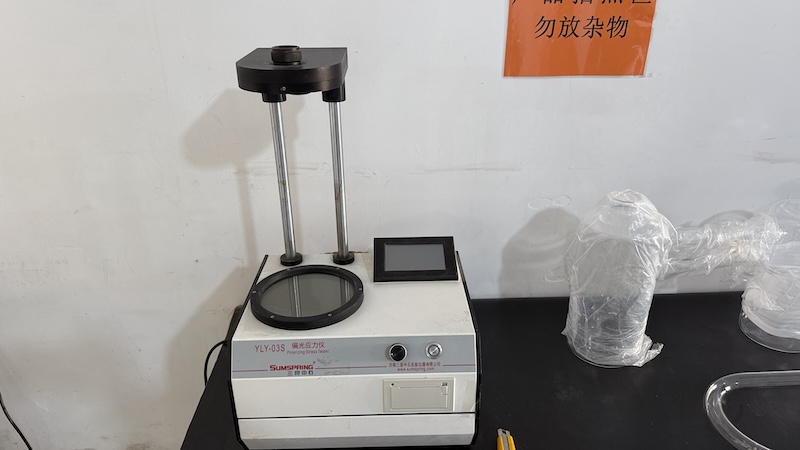
Polarization Stress Inspection of Quartz Components
Procurement Intelligence

Future Procurement Trends in Silica & Fused Quartz (2025–2030)

As advanced nodes shrink below 3nm and photovoltaic solar moves to TOPCon and Perovskite-Tandem architectures, the global demand for engineered silica glass has undergone structural shifts.

Demand for Trace Impurity Depletion (<10 ppm)

Advanced semiconductor lithography and epitaxial dry etching require silica substrates with ultra-low transition metal counts. The procurement paradigm has transitioned from basic dimensional checking to inductively coupled plasma mass spectrometry (ICP-MS) trace certification per batch.

Consolidation toward Single-Source Machining

Global supply chains are bypassing intermediate finishing vendors in favor of OEM/ODM facilities capable of drawing, CNC 5-axis grinding, ultrasonic drilling, laser fire-polishing, and cleanroom vacuum packaging under one roof, decreasing cross-transit damage risks by 40%.

Optical Grade Convergence in UV/IR Photonic Systems

The acceleration of excimer laser processing, laser beauty modules, and high-intensity germicidal UV systems has generated heavy demand for synthetic silica (JGS1) windows characterized by zero absorption banding in deep-ultraviolet (185nm–260nm) spectrums.

Material Classification

Comparative Matrix: Quartz Glass Optical Grades & Thermal Properties

Standardize your engineering drawings with our cross-grade reference framework.

Grade Transmission Bandwidth Refractive Index (nd) Hydroxyl [OH⁻] Content Primary Industrial Applications
JGS1 (Synthetic Fused Silica) 185 nm – 2,500 nm (Deep UV) 1.4585 < 5 ppm to 1200 ppm (Opt.) Excimer lasers, semiconductor stepper windows, UV lithography masks, analytical spectrophotometer cuvettes.
JGS2 (Fused Quartz via Flame Fusion) 220 nm – 2,500 nm (Optical Standard) 1.4584 150 – 200 ppm Ozone generator tubes, high-intensity discharge lamps, sight windows, chemical reaction processing tubes.
JGS3 (Infrared Optical Quartz) 260 nm – 3,500 nm (Broad IR) 1.4583 < 5 ppm Industrial IR emitters, pyrometer observation viewports, thermal imaging optics, military guidance domes.
Opaque / Translucent Sintered Quartz Diffuse / IR reflective Non-specular < 30 ppm Solar sintering furnace linings, spiral thermocouple protection sleeves, semiconductor heating baffles.
Enterprise Capabilities

Lovri Quartz Engineering Advantage: From Grain to Finished Part

SGS onsite assessed facility located directly inside China's primary silica processing cluster.

01

Raw Silica Refining

We directly control high-temperature rotary pulverizing and proprietary multi-stage acid leaching, ensuring 99.99% SiO₂ input before electric melting.

02

CNC Precision Machining

Equipped with 4-axis and 5-axis ultrasonic CNC milling workstations capable of holding tolerances down to ±0.01 mm for grooving, drilling, and slotting.

03

Annealing & Stress Relief

100% of finished and welded parts undergo stepped annealing cycles up to 1215°C followed by polarimeter stress verification to prevent catastrophic failures.

04

Export Shock Packaging

Custom form-molded EPE foam suspension systems with shock-sensor tagging packed within vacuum-sealed moisture barrier wooden crates.

Technical Q&A

Frequently Asked Engineering & Procurement Questions

Key answers addressing tolerances, drawing specifications, material selection, and quality verification.

How do I determine whether my application requires JGS1 synthetic silica or JGS2 fused quartz?
The decision is primarily driven by wavelength transmission requirements and trace purity thresholds. If your optical apparatus operates in deep ultraviolet wavelengths below 260 nm (e.g., excimer laser systems, deep-UV fluorescence cuvettes, or 185 nm ozone generation), JGS1 is strictly necessary due to its absence of metallic impurities and high transmission (>90% at 200 nm). If you require sight glasses, thermal reactor tubes, or general UV curing windows operating between 260 nm and 2200 nm, JGS2 provides equal thermal and mechanical resistance at a lower raw material cost.
What tolerances can be achieved for custom CNC-machined quartz plates, flanges, and boats?
For standard glass lathe forming and manual hot-working operations (such as tube closure, domed ends, and manual branch welding), tolerances typically range from ±0.5 mm to ±1.0 mm. For CNC ground components, slotted semiconductor wafer boats, polished microplates, and precision flanges, our multi-axis wet diamond tooling holds dimensional tolerances to ±0.02 mm, wall-thickness uniformity within ±0.015 mm, and surface flatness down to λ/4 per 25 mm aperture.
What is the maximum operating temperature envelope before devitrification occurs?
Transparent fused quartz can operate continuously at 1100°C without mechanical deformation. It accommodates excursion spikes up to 1350°C–1400°C for brief cycles. Continuous exposure above 1150°C in the presence of surface contaminants (such as alkali dust, skin grease, or furnace particulates) will accelerate devitrification into high-temperature cristobalite, leading to surface hazing and loss of structural ductility upon subsequent cooling. We recommend cleaning quartz with 5% hydrofluoric acid or high-purity ethanol prior to furnace operation.
Can Lovri Quartz manufacture custom apparatus directly from STEP or DWG engineering files?
Yes. Our engineering department works natively with STEP, IGES, DXF, DWG, and high-resolution PDF technical drawings. Our DFM (Design for Manufacturability) review checks wall transition junctions, internal flame weld fillets, and clearance constraints for diamond grinding wheels, providing actionable engineering feedback within 24 hours of drawing receipt.
How does your facility mitigate breakages during long-distance multimodal export freight?
We employ a multi-barrier packaging protocol engineered specifically for brittle non-oxide and oxide technical ceramics. All parts are clean-wiped, wrapped in dust-free electrostatic PE film, surrounded by vacuum-molded high-density expanded polyethylene (EPE) nests, and housed within heavy-ply fluted cartons. Outer crates consist of heat-treated, fumigated plywood cases lined with shock-dampening expanded polystyrene. Fragile shipments incorporate integrated Drop-N-Tell and Tip-N-Tell tilt sensors.

Initiate Your Custom Fused Quartz Engineering RFQ

Submit your 2D drawings, 3D models, or chemical specifications. Our senior thermal glass engineers will perform a rapid manufacturability analysis and provide a transparent factory quotation.