Featured Industrial High-Purity Quartz Series
Manufactured from high-grade natural pegmatite crystals and synthetic fused silica precursors. Each component complies with RoHS, CE, and rigorous wafer-fab cleanliness standards.
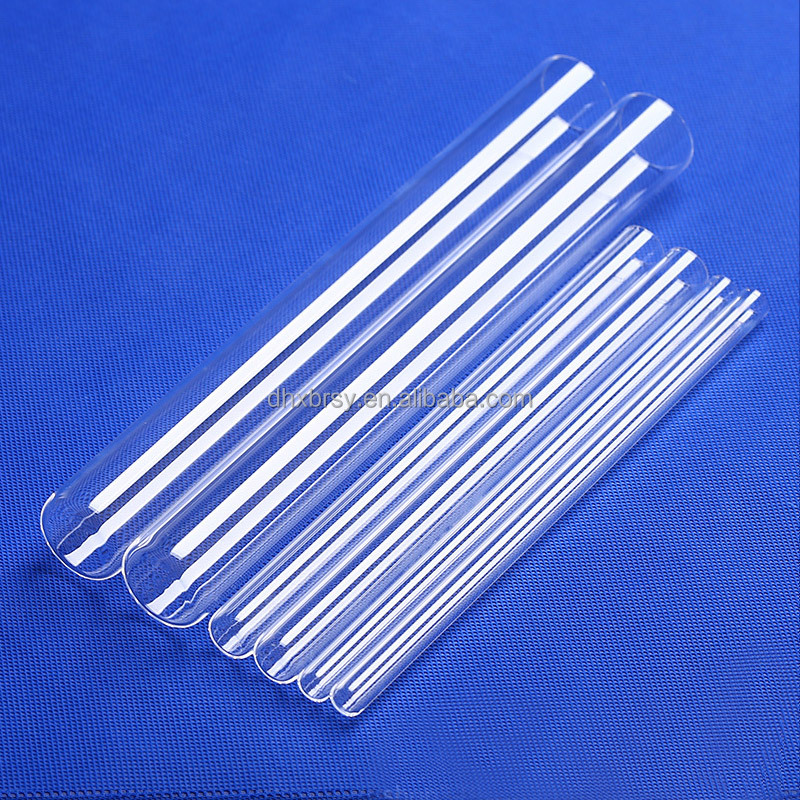
916 One End Closed High Pressure Resistant High Temperatures 1400 Degrees Translucent Polished Fused Quartz Laser Machinery
- Thermal Rating: 1400°C Short-term
- Configuration: Precision Hemispherical Bottom
- Application: Laser Cavity & High-Pressure Vessel
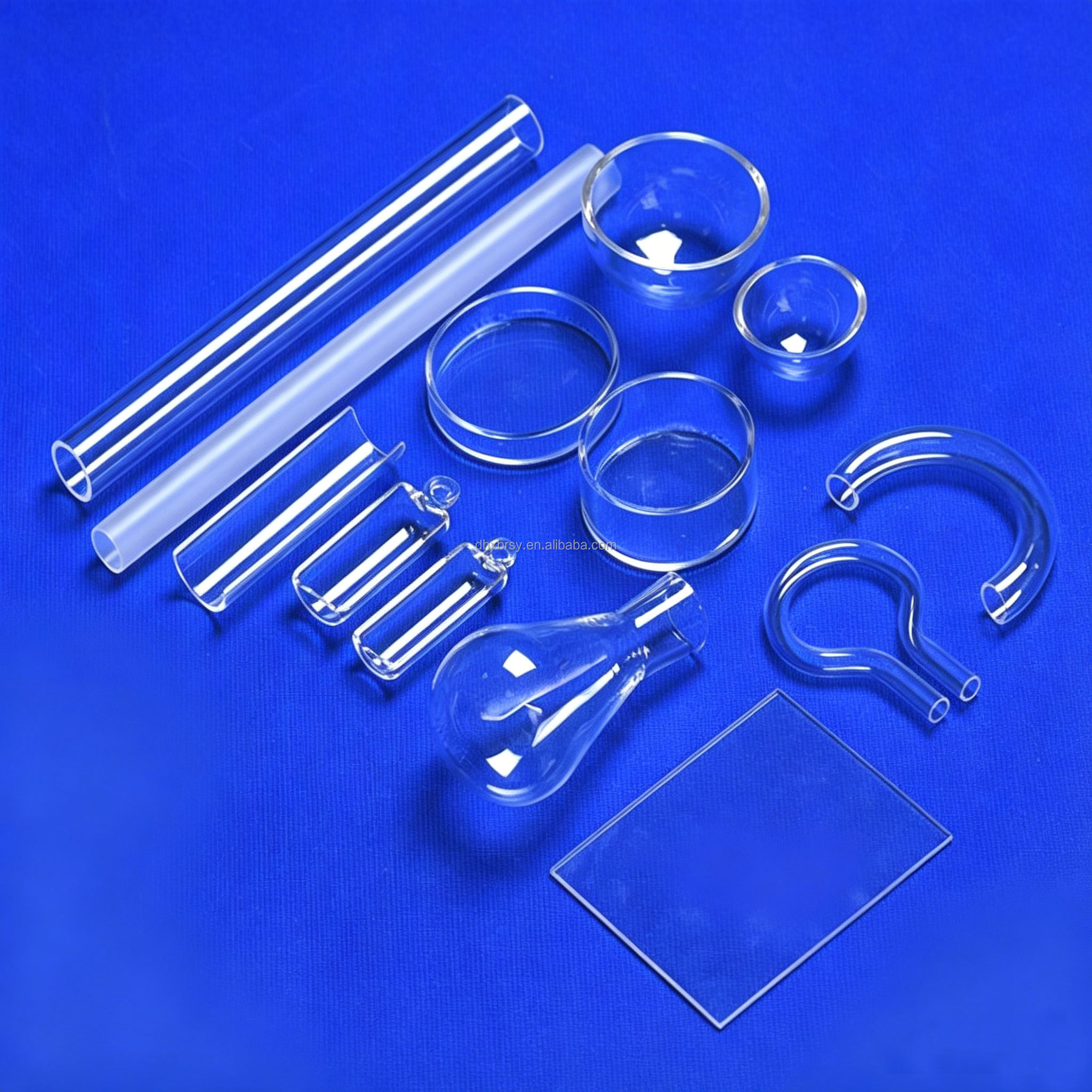
BAO RAN 99.99% SiO2 Content Transparent Fused Quartz Sheet Optical Laser Machinery Insulated Precision Instrument ROHS 200 Mesh
- Purity: 99.99% SiO₂ (Low Bubble Class)
- Surface Quality: 40/20 or 20/10 Scratch-Dig
- Compliance: RoHS, REACH Verified
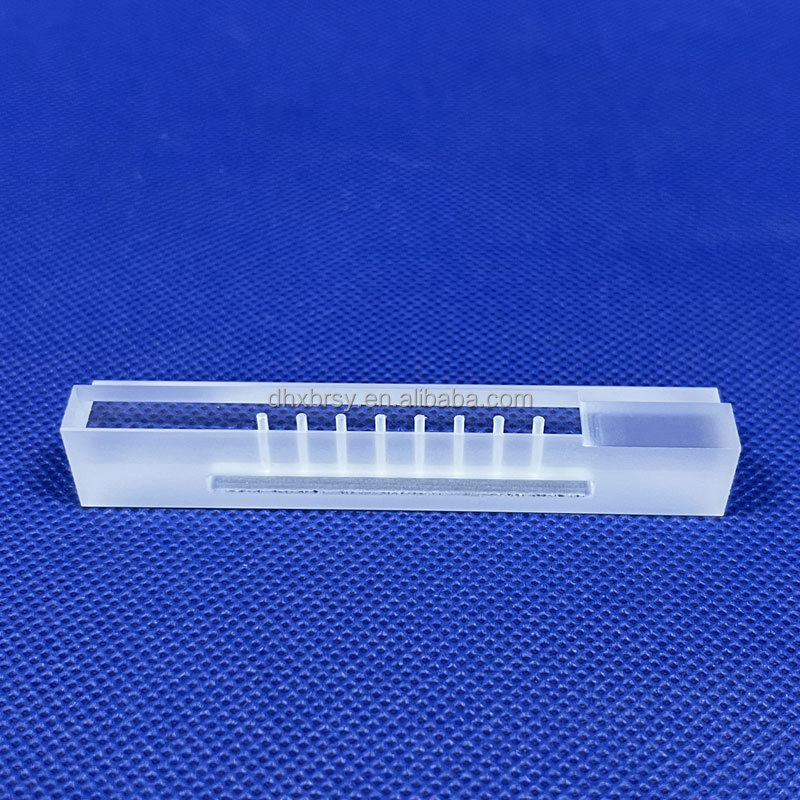
High Purity Fused Quartz V Groove Fixture Precision Machined Quartz Fiber Array Holder Optical Communication Laser 99.99% Silica
- Machining: Pitch Tolerance ±0.5 μm
- Application: Co-Packaged Optics & Fiber Arrays
- CTE Match: Zero Temperature Drift
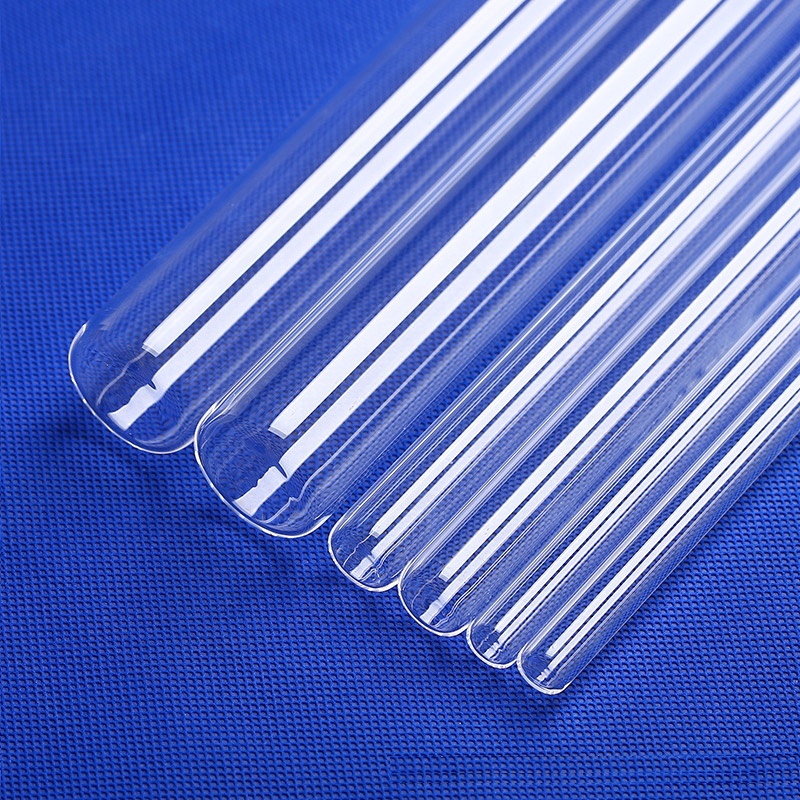
Customized Clear Quartz Glass Tube Fused Silica Test Tube One End Closed Bottom Premium Quality SiO2 Semiconductor Manufacturing
- Thermal Shock: ΔT > 1100°C Quench Proof
- Wall Uniformity: S/S ≤ 0.08 mm
- Customization: Flanged, Threaded or Closed
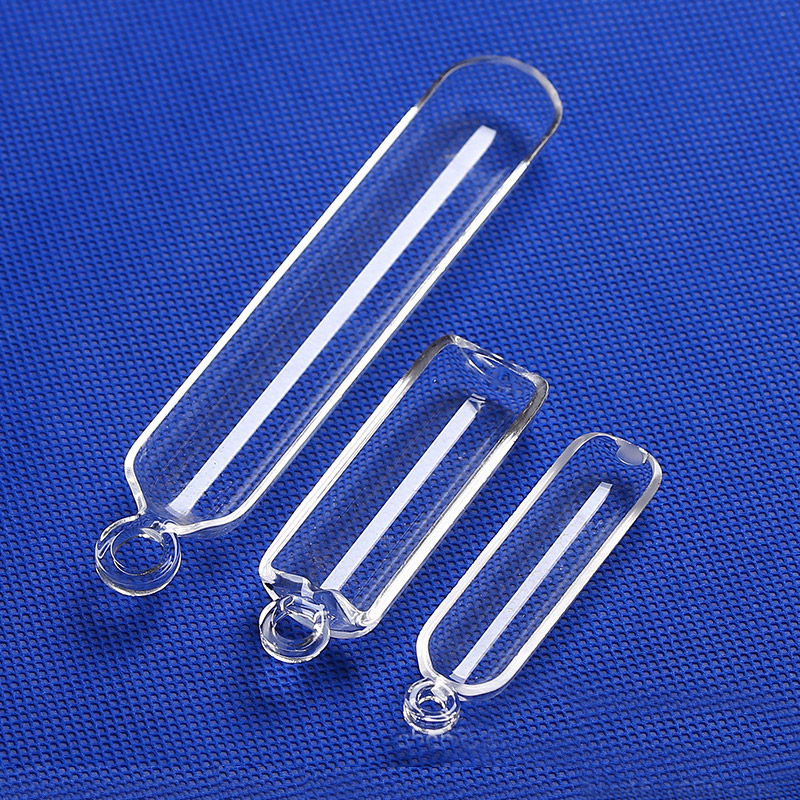
High Quality Fused Quartz Custom Made Boat Laboratory Apparatus with Welding & Cutting Services 99.98% Silica ROHS Certified
- Craftsmanship: Hydrogen-Oxygen Seamless Weld
- Application: Diffusion, LPCVD, Calcination
- Resistance: Chemical Inertness to HF excluded
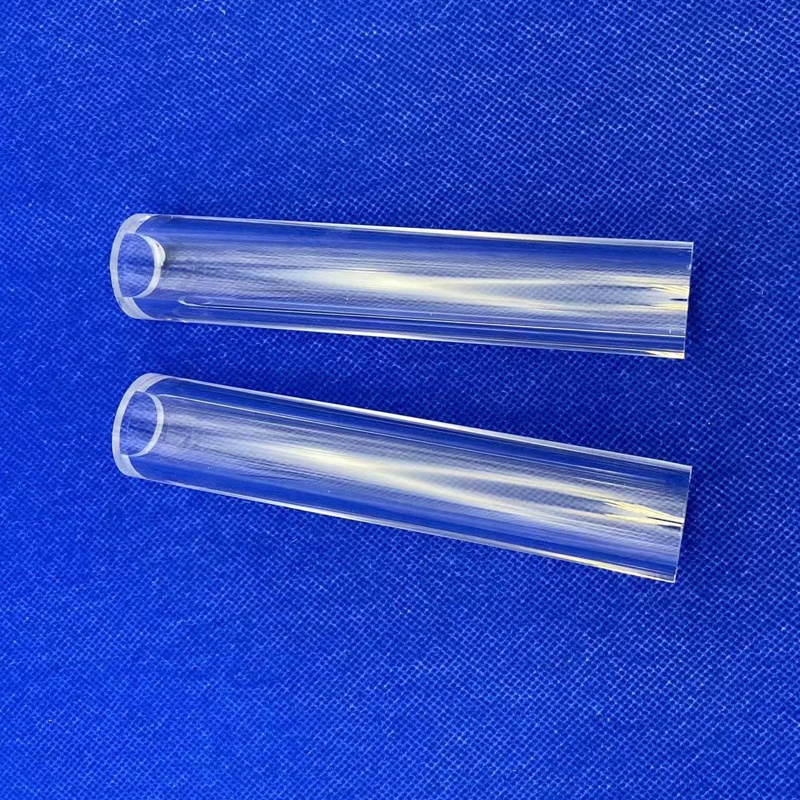
High Precision Clear Quartz Glass Tube Fused Silica High Quality Bending Welding Cutting Ozone Generator Far-infrared Heaters
- Dielectric Strength: > 25 kV/mm at 20°C
- IR Transmission: > 92% (1.0 μm - 2.5 μm)
- Process: Thermal Bending & Flame Polishing
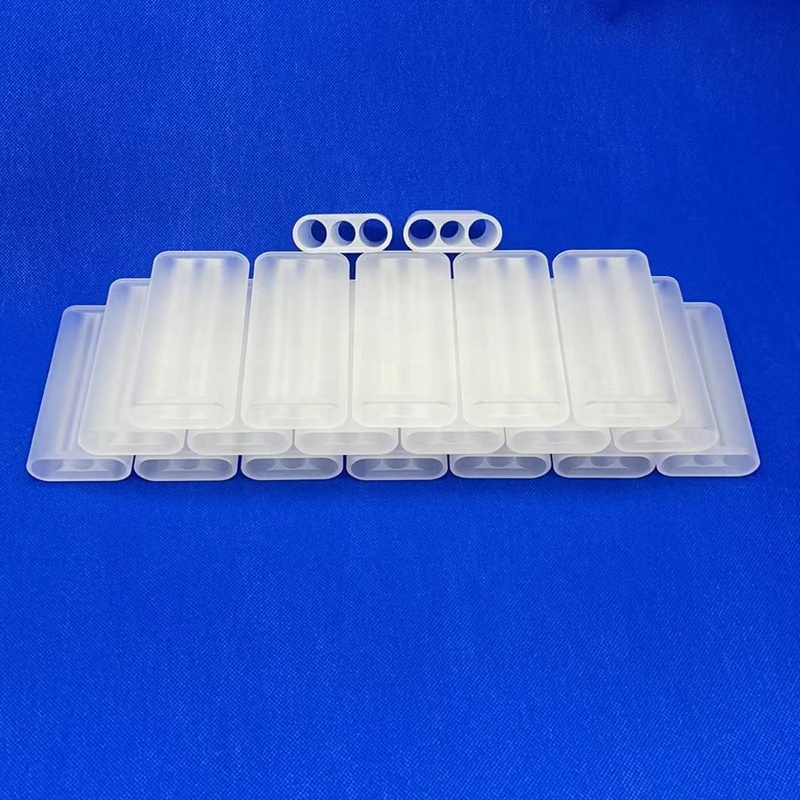
Quartz Triple Bore Flow Tubes Laser C Shape Fused Quartz Welding Bending Cutting Services 99.98% Silica Content ROHS Certified
- Design: Multi-Lumen Flow Cooling Chamber
- Doping: Cerium or Samarium Filter Available
- Solarization: Extreme UV Degradation Resistance
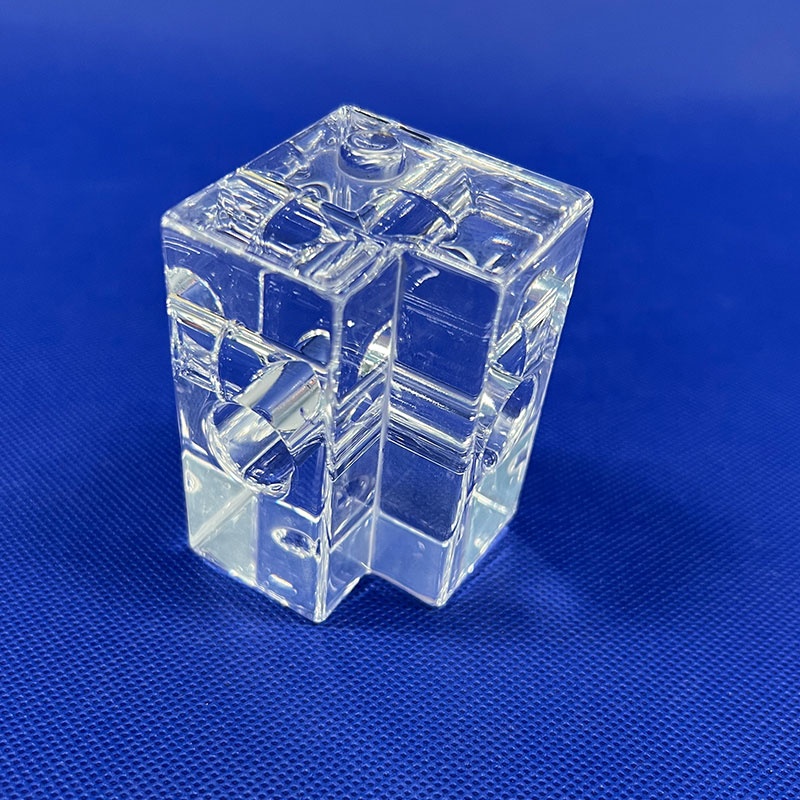
420 BAO RAN Custom-processed Fused Quartz High-purity 99.99% SiO2 ROHS Certified 200 Mesh (75m) Annealed 1200C Fluidic
- Annealing State: Stress Relief at 1200°C
- Birefringence: ≤ 5 nm/cm Optical Strain
- Precision: Ultrasonic Micro-Channel Milling
Direct Lianyungang Factory: From Sand Beneficiation to Sub-Micron CNC
Lovri Quartz Products Co., Ltd. is positioned directly within Lianyungang, Jiangsu — the global epicenter for high-purity silica mineral refining and precision quartz glassworking. Our facility eliminates intermediate trading markups, ensuring complete traceability from raw pegmatite selection to finished components.
By controlling all 12 manufacturing phases in-house — raw mineral mechanical sorting, vacuum calcination, chlorinated chemical leaching, continuous thermal tube drawing, precision anneal de-stressing, multi-axis CNC micro-machining, and high-temperature hydrogen-oxygen fire-polishing — we guarantee absolute material integrity and chemical purity exceeding 99.99% (4N) to 99.999% (5N) SiO₂.
- SGS Onsite Verified Infrastructure: Operating across a certified 14,271 m² production facility equipped with high-temperature electrical furnaces, 5-axis CNC machines, and Class 1,000 clean packing rooms.
- 100% Polariscopic Stress Birefringence Testing: Every thermal batch undergoes dual-field cross-polarization inspection to eliminate latent crystal stress (≤ 5 nm/cm optical path difference), preventing vacuum furnace implosion.
- Full International Regulatory Compliance: Audited materials certified under RoHS Directive 2011/65/EU and CE, complete with comprehensive trace metal ICP-MS batch reports.
Comparative Crystallography & Material Classifications
Choosing the correct optical and metallurgical fused quartz grade is paramount to avoiding high-temperature devitrification, excessive solarization, and wafer-level chemical contamination.
| Quartz Grade / Code | Manufacturing Synthesis Route | Primary Spectral Transmission | Hydroxyl (OH⁻) Concentration | Target Industrial Application |
|---|---|---|---|---|
| JGS1 (Synthetic Silica) | Chemical Vapor Deposition (SiCl₄ flame hydrolysis) | Deep UV • 185 nm – 2500 nm | High OH⁻ (600 – 1200 ppm) | Excimer laser optics, semiconductor photolithography, DUV viewports |
| JGS2 (Optical Fused Quartz) | Hydrogen-Oxygen Flame Fusion of natural crystals | UV-Vis • 220 nm – 2500 nm | Moderate OH⁻ (150 – 300 ppm) | UV curing lamps, optical sight glasses, spectroscopic analyzer cuvettes |
| JGS3 (Infrared Fused Quartz) | Vacuum Electric Arc / Induction Melting | Vis-Infrared • 260 nm – 3500 nm | Ultra-Low OH⁻ (< 5 ppm) | Far-IR heaters, pyrometer observation windows, thermal CVD chambers |
| Opaque / Translucent Fused Silica | High-temperature gaseous micro-bubble entrapment | Diffuse scattering / High IR reflection | Variable (< 30 ppm) | Semiconductor furnace thermal baffles, diffusion shields, calcination crucibles |
| Trace Impurity Element | Standard Natural Fused Quartz (PPM) | High-Purity 4N8 Semiconductor Grade (PPM) | Synthetic 5N Ultra-Purity Grade (PPM) | Analytical Measurement Methodology |
|---|---|---|---|---|
| Aluminum (Al) | 12.0 – 16.0 | ≤ 6.0 | ≤ 0.05 | Inductively Coupled Plasma Mass Spectrometry (ICP-MS) |
| Iron (Fe) | 0.5 – 1.2 | ≤ 0.15 | ≤ 0.02 | ICP-MS / High-Resolution Flame AAS |
| Alkali Metals (Na, K, Li) | 1.8 – 2.5 total | ≤ 0.40 total | ≤ 0.01 total | Direct Acid Digestion ICP-MS |
| Transition Metals (Cu, Ni, Cr) | ≤ 0.30 total | ≤ 0.05 total | ≤ 0.005 total | Ultra-Trace Mass Spectrometry |
| Total Metallic Impurity | < 25.0 ppm | < 8.0 ppm | < 0.15 ppm | ISO/IEC 17025 Certified Laboratory Protocol |
Future Procurement Trends in High-Purity Quartz (2025–2030)
Navigating raw pegmatite shortages, semiconductor node transitions down to 2nm GAA architectures, and the structural expansion of utility-scale N-type photovoltaic cell production lines.
Semiconductor Node Contraction & Synthetic Substitution
As advanced fabs scale below 3nm logic and push 3D NAND past 300 layers, traditional natural quartz crucibles and diffusion tubes are experiencing localized devitrification and trace alkali leaching. Global procurement teams are migrating toward synthetic fused silica inner liners (< 0.1 ppm total metals), ensuring near-zero thermal distortion and eliminating wafer yield degradation caused by copper and iron migration under thermal budgets exceeding 1150°C.
N-Type Solar Transition (TOPCon & Perovskite Tandem)
The photovoltaic industry's decisive shift from P-type PERC to N-type TOPCon, HJT, and Perovskite-Silicon tandem modules has quadrupled the operating hours expected of Czochralski (CZ) quartz crucibles. Procurement directors are securing direct contracts with vertically integrated Chinese manufacturers capable of fusing high-density inner layers that resist corrosive molten polysilicon erosion over 100+ hour continuous pulling cycles without bubble release.
Co-Packaged Optics & Silicon Photonics Tooling
The rapid acceleration of high-performance computing (HPC) and artificial intelligence clusters is driving exponential demand for fused quartz V-groove arrays and fiber alignment blocks. Because fused quartz matches the coefficient of thermal expansion (CTE) of high-silicon passive substrates with zero optical absorption at telecommunication C- and L-bands, sub-micron precision-machined quartz is displacing traditional borosilicate glass in optical transceivers.
Geopolitical De-risking via Factory-Direct Sourcing
Escalating trade barriers and geopolitical volatility have compelled global semiconductor equipment OEMs to audit and onboard source-level Chinese quartz fabricators directly. Eliminating third-party European and Japanese trading intermediaries delivers a 28% to 42% unit cost reduction, accelerates prototype revision turnaround from months to days, and secures priority allocation of certified refined quartz sands during market supply bottlenecks.
Large-Diameter Monolithic Tube Drawing
LPCVD and vertical furnace designs are rapidly standardizing on ultra-large diameter quartz process tubes (outer diameters exceeding 450 mm to 600 mm) with tight concentricity. Sourcing contracts are prioritizing manufacturers with automated horizontal and vertical thermal draw towers that hold wall thickness tolerances within ±0.1 mm, drastically lowering mechanical stress concentrations during high-vacuum thermal cycling.
Green Manufacturing & Decarbonization Audits
European and North American procurement protocols now incorporate stringent carbon border adjustment mechanism (CBAM) metrics. High-purity quartz manufacturers operating oxygen-hydrogen closed-loop melting furnaces, automated acid recycling systems, and photovoltaic-powered melting plants are capturing market share by verifying lower embodied carbon footprints across every metric ton of fused silica products shipped.
CNC Grinding, Ultrasonic Milling & Thermal Welding Capabilities
Hard and brittle materials require specialized machining methodologies to mitigate micro-cracking and subsurface damage while maintaining tight optical and dimensional geometries.
Processing fused silica requires precise control over mechanical shear forces. High tool-pressure induces subsurface micro-fractures that propagate under thermal stress, resulting in catastrophic quartz tube or window shattering inside cleanrooms. Lovri utilizes multi-axis CNC machines with ultrasonic vibration assistance to dramatically reduce diamond cutting edge shear resistance.
Our automated glassworking lathes utilize hydrogen-oxygen flame burners with calibrated optical pyrometer feedback. Whether fusing heavy-duty flanges onto 300 mm wafer diffusion cylinders or manufacturing multi-bore laser flow tubes with internal capillary branches, weld joints achieve complete molecular fusion with zero bubbling or crystallization.
Send an Inquiry| Processing Operation | Standard Production Limit | High-Precision Custom Tolerance |
|---|---|---|
| CNC Hole Drilling | Ø 0.5 mm – 150 mm (±0.05 mm) | ±0.005 mm (Ultrasonic Micro-Core) |
| Slotting & Grooving | Width ≥ 0.2 mm (±0.03 mm) | ±0.002 mm (V-Groove Optical Array) |
| Surface Flatness (Plates) | 1 – 2 Lambda (λ) per 100 mm | λ/4 to λ/10 (Laser Double-Polished) |
| Surface Roughness (Ra) | Ra 0.8 – 1.6 μm (Ground) | Ra ≤ 0.4 nm (Super-Polished Optical) |
| Annealing Residual Strain | ≤ 10 nm/cm optical delay | ≤ 3 nm/cm (High-Precision Polarimeter) |
Frequently Asked Questions • Engineering & Logistics
Actionable answers to common technical, material selection, quality verification, and export compliance questions encountered by industrial procurement departments.