99.99% SiO₂
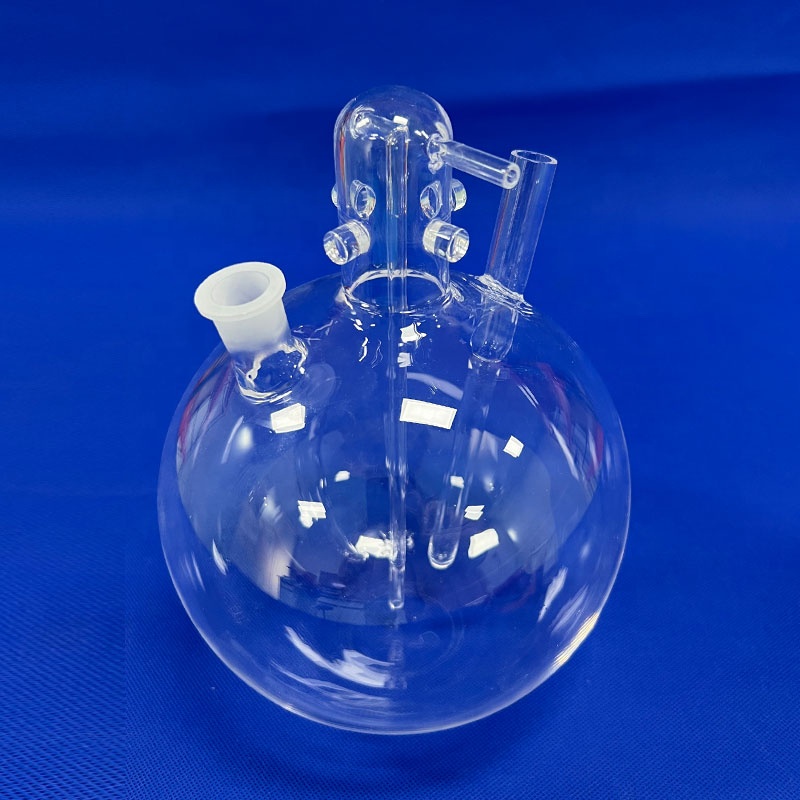
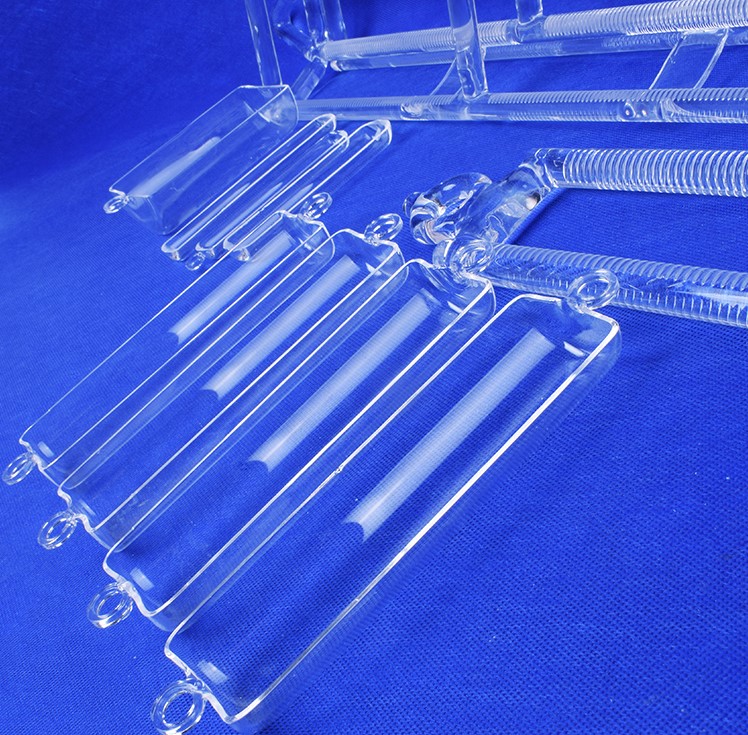
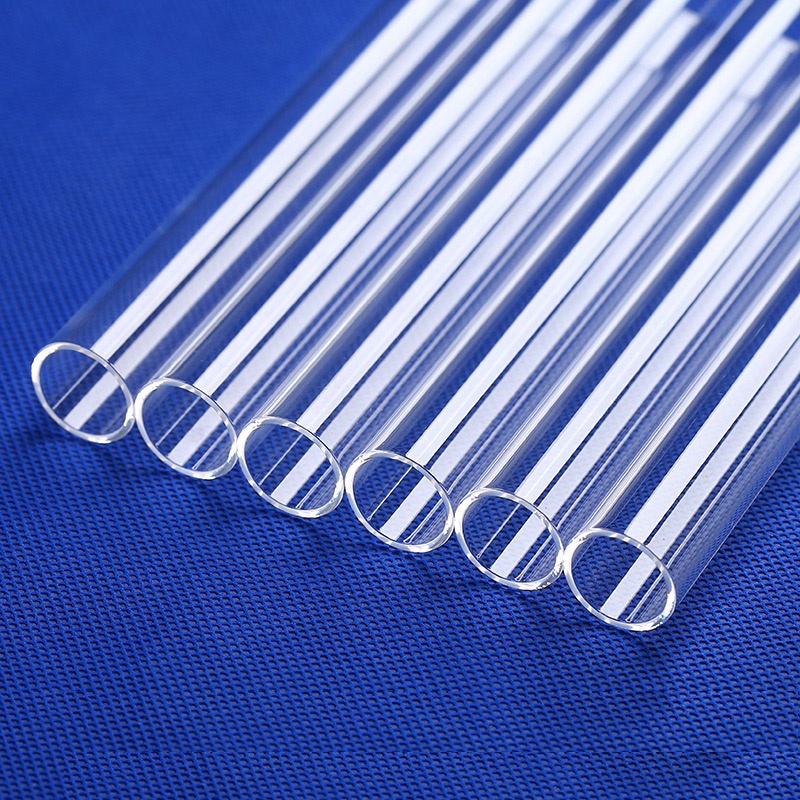
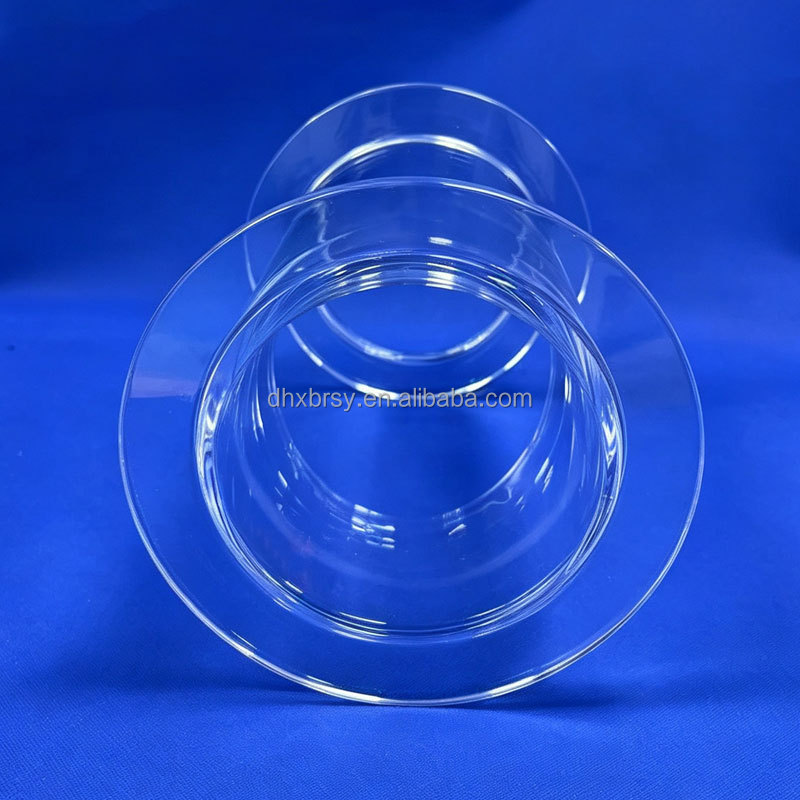
Explore our certified array of clear quartz rods, precision laser flow vessels, double-flange diffusion cylinders, and optical quartz plates manufactured under ISO 9001 and SGS-audited workshop standards.
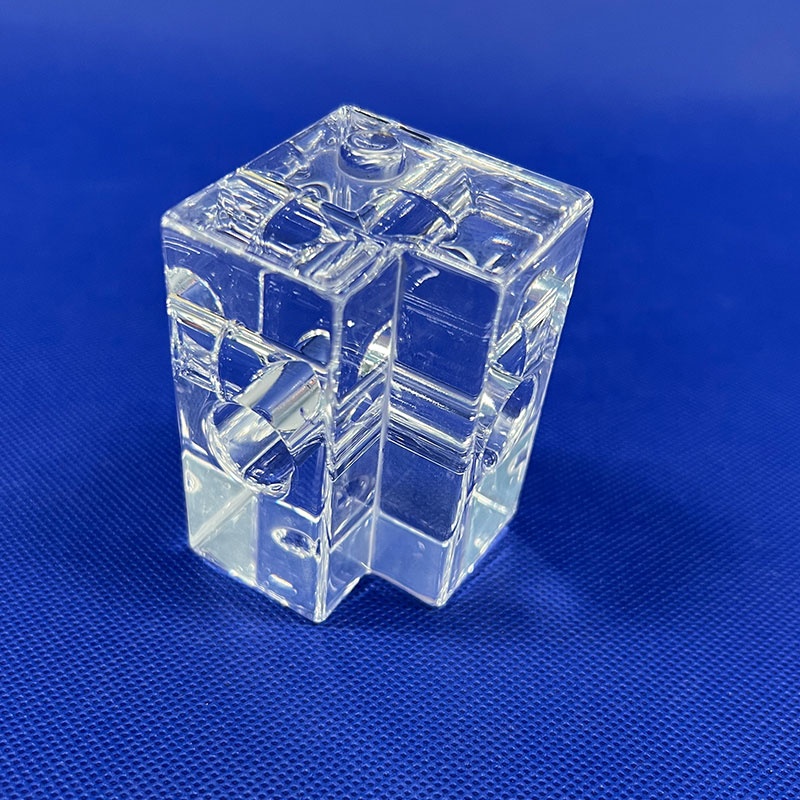
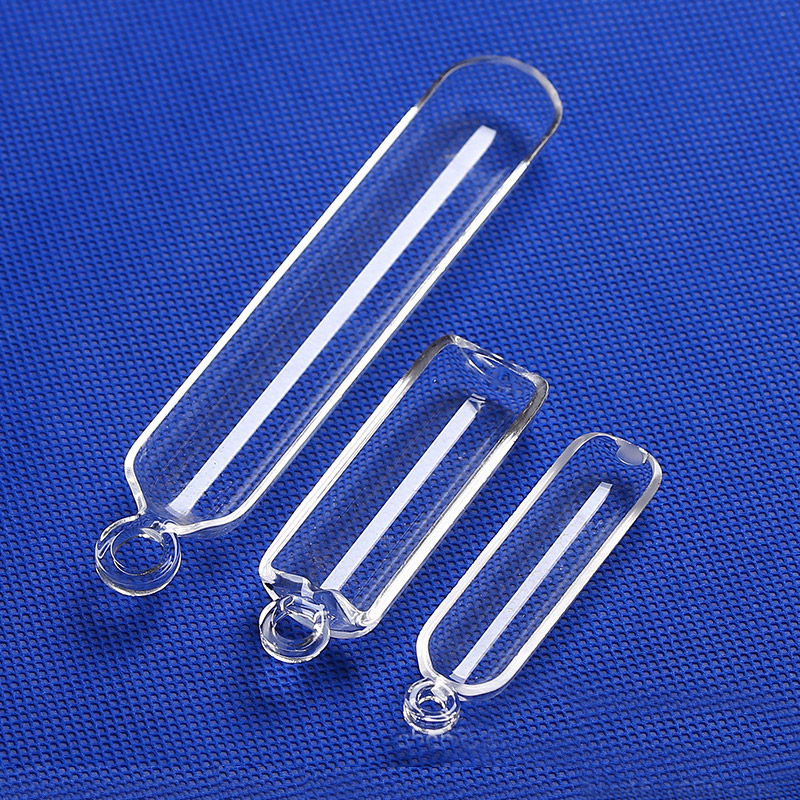
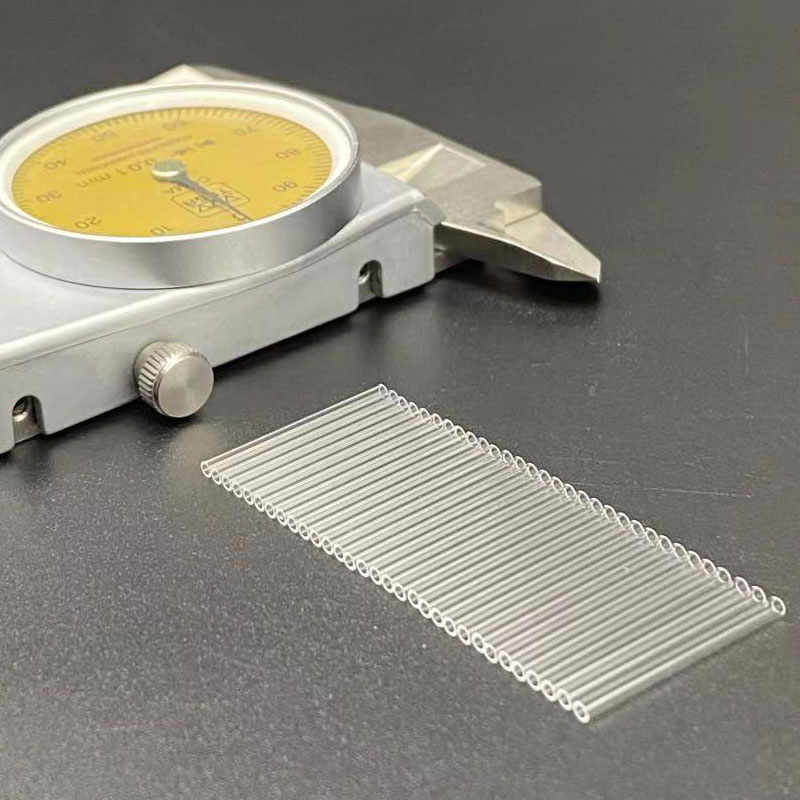
Operating directly out of Lianyungang, China's premier silica capital, we manage the complete vertical supply cycle from raw rock pulverization to 5-axis CNC ultrasonic fabrication.
Unlike secondary fabricators who source generic tubing, we execute raw mineral cutting, chemical acid pickling, and sorting in-house, securing an authentic 99.99% SiO₂ matrix without trace heavy metal contaminants.
Every clear quartz rod and process cylinder undergoes thermal soaking in vacuum annealing furnaces up to 1215°C, monitored via polariscopes to eliminate residual mechanical stresses that trigger field implosions.
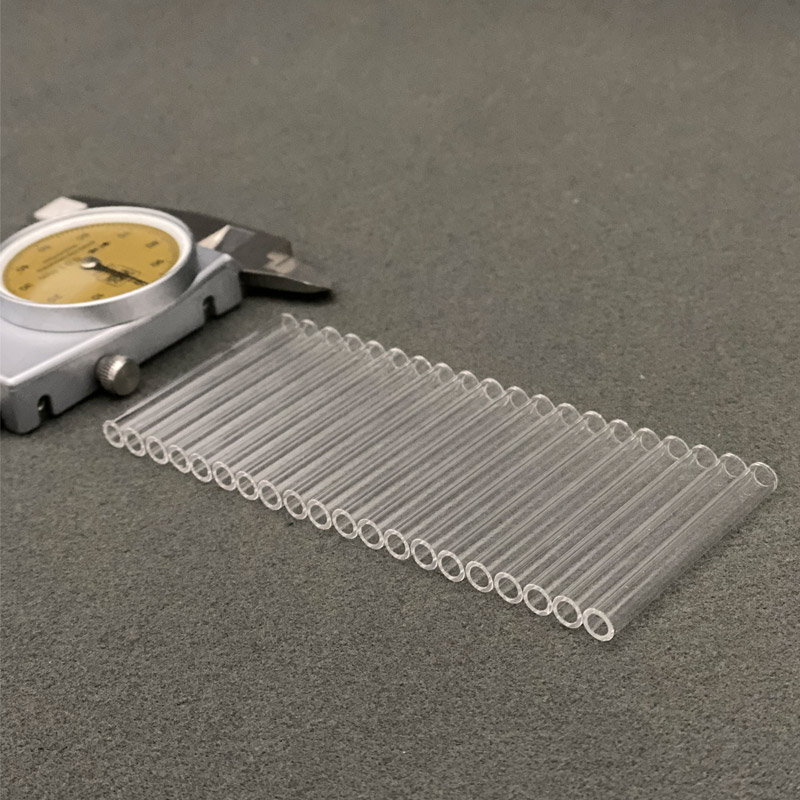
From micro-grooved quartz boats to precision-ground square light-guide rods, our diamond-tooled CNC machinery delivers tolerances down to ±0.02 mm according to customer CAD, DWG, and STEP models.
Our facility holds full onsite factory assessment verification from SGS Group. All goods ship with vacuum-sealed poly wraps, tailored PE foam chambers, and impact-reinforced fumigated export timber framing.
In modern industrial physics and semiconductor architecture, the term clear quartz rod refers to a vitrified vitreous material composed almost exclusively of amorphous silica (SiO₂). Unlike standard industrial soda-lime or borosilicate glassware, transparent fused silica provides an exceptionally rigid tetrahedral network. This absence of network-modifying fluxing agents (such as sodium, calcium, or aluminum) gives transparent fused quartz rods a near-zero thermal expansion coefficient, extraordinarily high optical transmission extending from deep-ultraviolet (DUV) wavelengths up to the near-infrared spectrum, and impervious chemical inertness.
When selecting a quartz rod supplier for extreme semiconductor diffusion or plasma etch systems, purchasing engineers must verify thermodynamic limits. Fused quartz features a softening point around 1730°C and an annealing point at 1215°C. For continuous operation, working temperatures should be kept under 1100°C; short-term thermal excursions can safely reach 1300°C–1400°C without risk of plastic deformation or devitrification, provided the rod surface remains chemically uncontaminated.
| Property Parameter | Standard Fused Quartz (Natural) | Synthetic Fused Silica (JGS1) | Operational Impact |
|---|---|---|---|
| SiO₂ Purity Ratio | ≥ 99.99% | ≥ 99.9999% | Prevents metal ion leaching into semiconductor wafer baths. |
| Thermal Expansion (20–300°C) | 5.5 × 10⁻⁷ cm/cm °C | 5.0 × 10⁻⁷ cm/cm °C | Resists severe thermal shock; can be heated to 1000°C and cold-water quenched. |
| Refractive Index (nd @ 589.3nm) | 1.4585 | 1.4584 | Provides maximum transmission and collimation in light-guide rods. |
| Hydroxyl (OH⁻) Concentration | ≤ 30 ppm to 150 ppm | ≤ 1 ppm (Dry) to 1200 ppm (Wet) | Controls infrared absorption dips; determines suitability for laser delivery. |
| Dielectric Strength (20°C, 1MHz) | 25–40 kV/mm | 30–50 kV/mm | Acts as an electrical insulator in high-voltage plasma vacuum chambers. |
A primary failure point in quartz component procurement stems from material grade mismatching. Industrial suppliers generally categorize fused silica into three foundational grades:
1. JGS1 (Synthetic Fused Silica): Produced by the flame hydrolysis of volatile silicon compounds (such as SiCl₄), JGS1 is essentially free of bubble inclusions and metallic contaminants. It provides superior transmission across the deep UV range (185 nm – 2500 nm), making it the gold standard for high-energy excimer laser transmission rods, UV lithography aligners, and precision optical sensors.
2. JGS2 (Optical Quality Fused Quartz): Smelted from natural high-purity crystalline quartz sand using hydrogen-oxygen flame fusion. JGS2 yields consistent optical transmission from 220 nm through 2500 nm. It is the premier, cost-optimized choice for clear quartz rods utilized as observation light guides, UV curing fixtures, and sight gauge components in chemical reactors.
3. JGS3 (Electrically Fused Infrared Quartz): Smelted under a high-vacuum electrical resistance furnace, JGS3 removes structural OH⁻ radicals. It provides unobstructed transmission throughout the infrared band (260 nm – 3500 nm), making it critical for thermal pyrometry light pipes, high-temperature heater core supports, and infrared semiconductor bake lines.
As microelectronics scale past 3nm and high-power industrial fiber laser outputs climb toward 50kW, material parameters for clear quartz rods are shifting rapidly.
Global semiconductor fabs now actively inspect for alkali metals (Na, K, Li) down to single-digit parts-per-billion (ppb). Modern procurement contracts increasingly demand full inductively coupled plasma mass spectrometry (ICP-MS) purity documentation to avoid yield-killing atomic diffusion during 1000°C furnace runs.
B2B buyers are moving away from stock quartz bar geometries in favor of ready-to-mount assemblies. Demand for pre-slotted, fire-polished, flange-fused, and laser-machined quartz subcomponents saves fabrication hours and circumvents in-house breakages for equipment integrators.
With geopolitical adjustments in critical high-tech manufacturing, Western procurement executives are diversifying supply lanes by coupling domestic final finishing with direct, tier-1 qualified manufacturers in verified Chinese silica hubs (Lianyungang) to stabilize bill-of-materials costs.
Addressing the core technical, logistical, and inspection questions raised by OEM engineers and purchasing agents.
Standard continuous-drawn rods have outer diameter (OD) tolerances ranging from ±0.1 mm to ±0.3 mm depending on base diameter. For precision optical mounts, laser alignment, and fluidic systems, our CNC center grinds and fire-polishes clear quartz rods down to ±0.02 mm.
Every rod subjected to high-temperature torch bending, flanging, or welding is treated in computerized electric annealing furnaces. The temperature is brought to the annealing point (1215°C) and cooled gradually. Parts are then 100% verified using cross-polarized optical stress analyzers.
Yes. Beyond standard cylindrical rods, we pull and grind square profile light-guide rods, semi-circular cross sections, and multi-bore capillary geometries designed for UV-curing light pipes, fluidic reactors, and custom laser discharge tubes.
We support engineering development with an MOQ of just 1 to 5 pieces for standard and custom-drawn prototype rods. Standard stock orders ship in 3 to 5 business days, while custom CNC components typically complete tooling and ship within 10 to 15 working days.
Submit your custom specifications, engineering prints (DWG, DXF, STEP, PDF), or target volume parameters. Our senior quartz processing engineers will review your tolerances and provide a detailed quote within 24 hours.