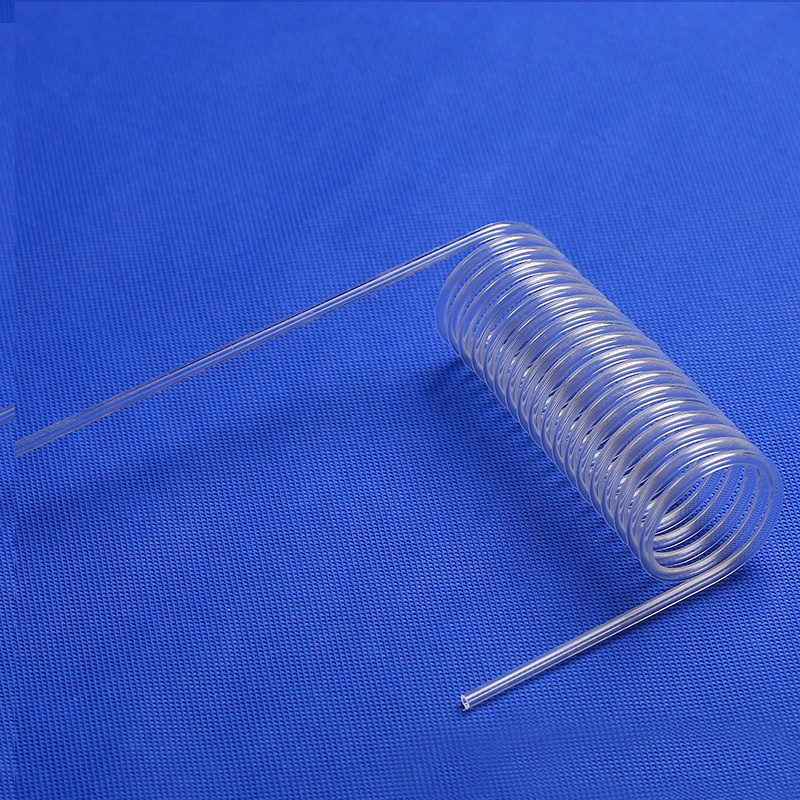
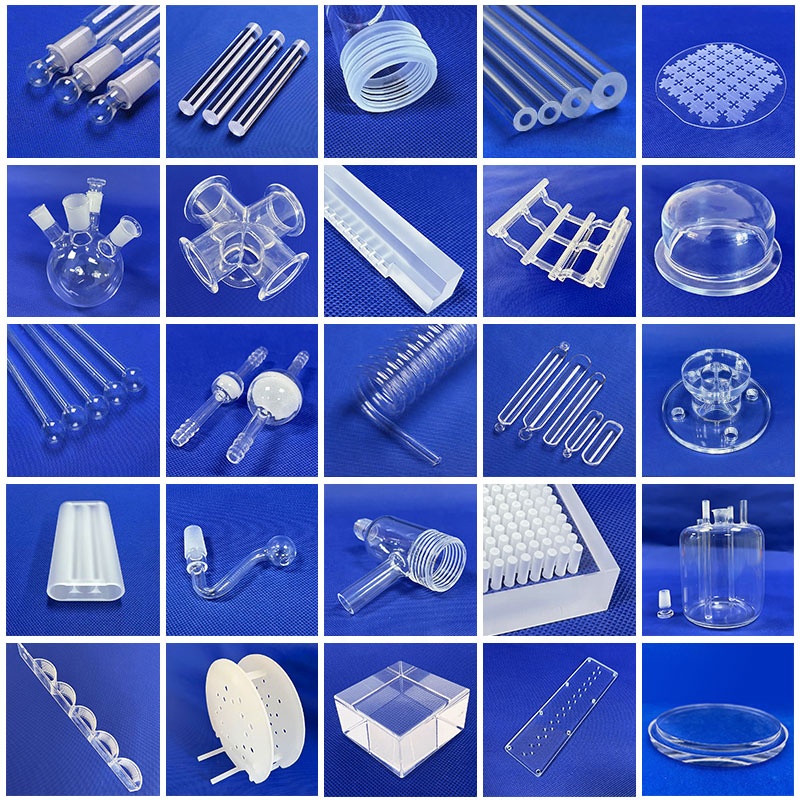
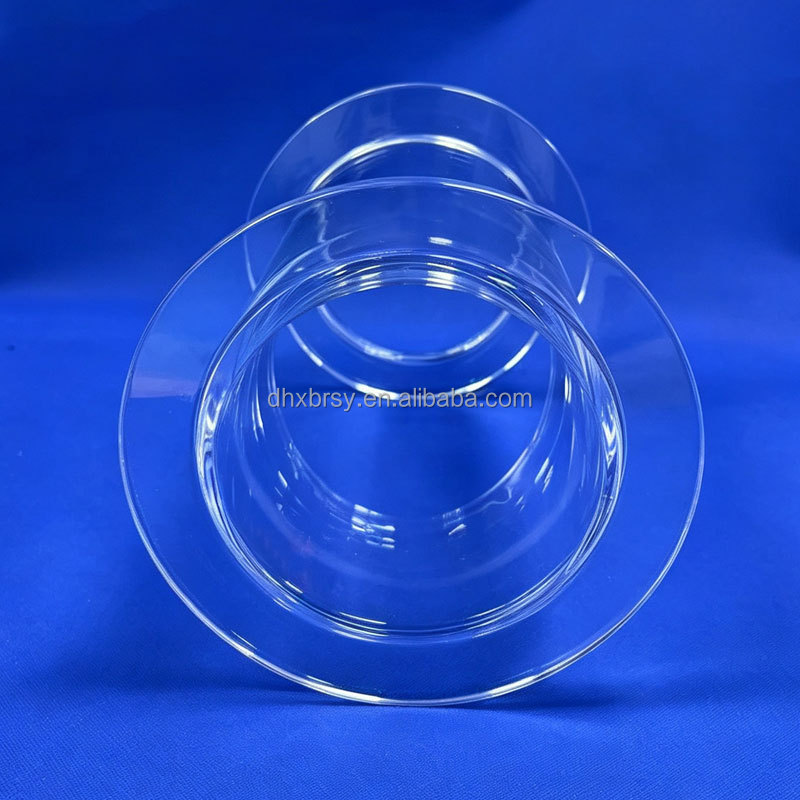
Specialized Fused Quartz & Silica Components Portfolio
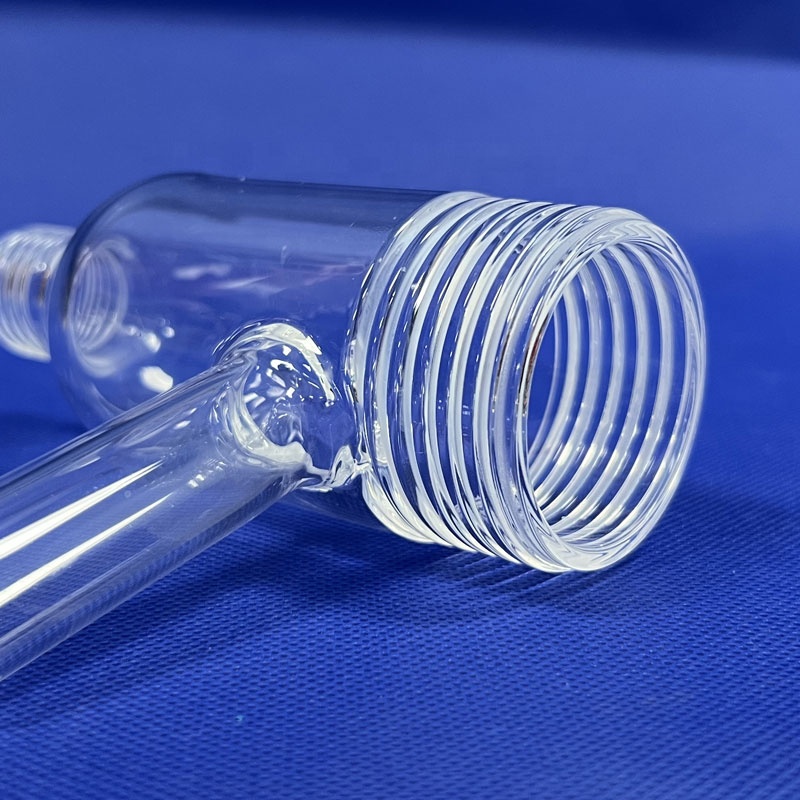
Manufactured under strict ISO protocols with 99.99% SiO₂ synthetic and flame-fused materials, tailored for high-flux transmission and laser machinery.
Localized Applications for Fused Quartz Light Guide Rods in the Brussels Market
A comprehensive examination of how precision quartz optics, laser homogenization rods, and UV light guides integrate into Belgium’s high-tech industrial fabric.
1. Biopharma & Diagnostic Flow Cytometry
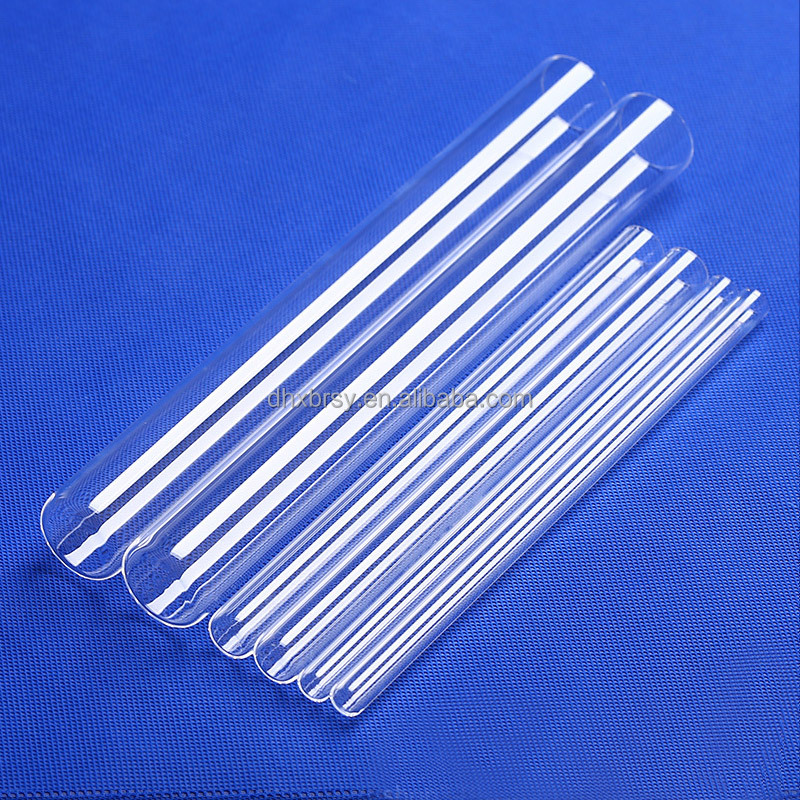
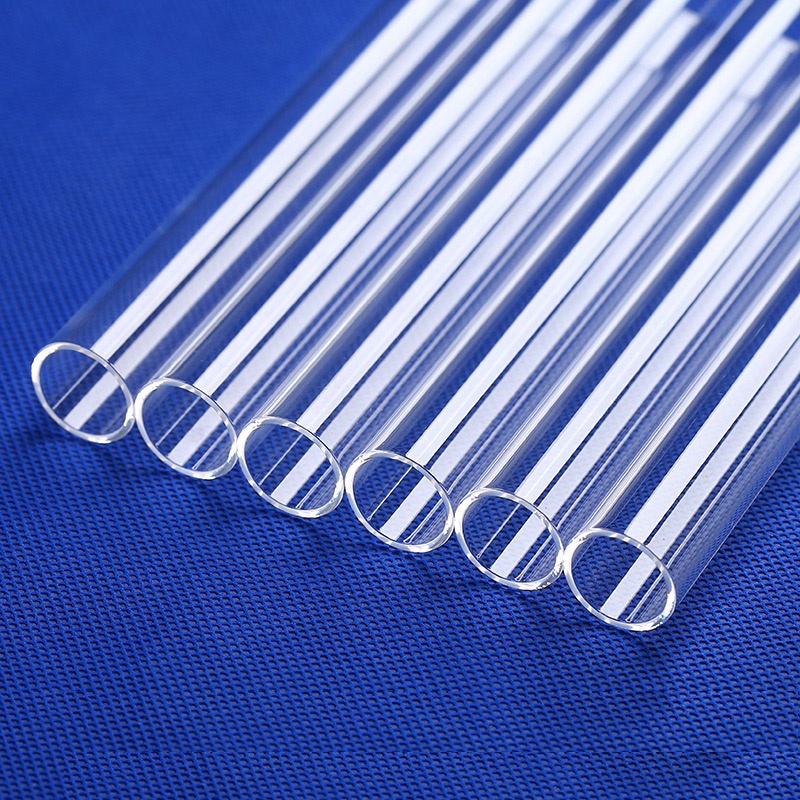
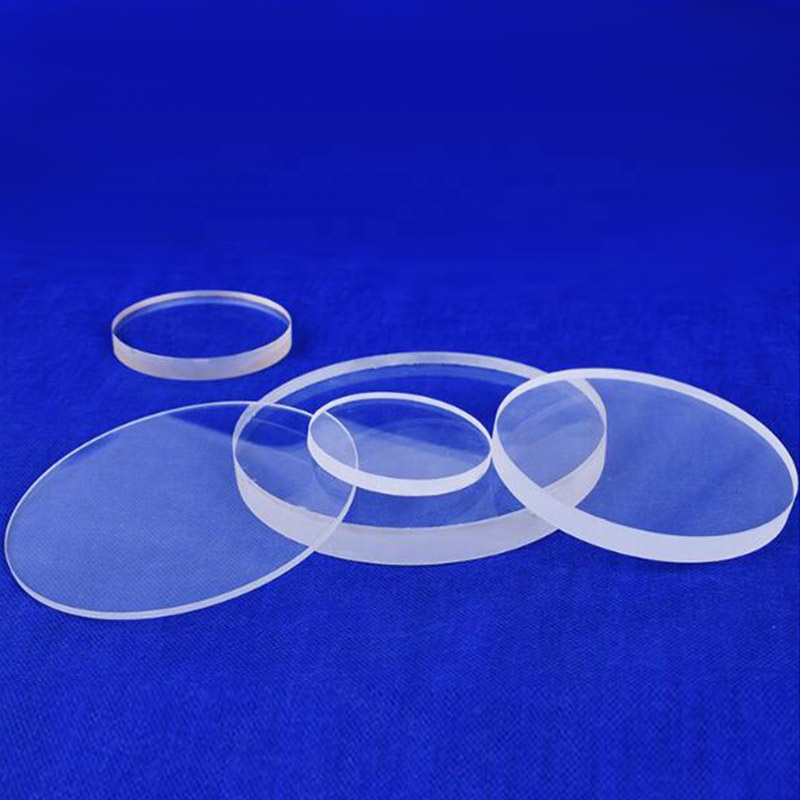
Brussels sits at the epicenter of the European biopharmaceutical corridor, bordered by clinical hubs in Wallonia and Flanders. Precision fused quartz light guide rods and microplates serve as foundational optical links inside high-throughput automated screening systems and continuous bioprocessing analyzers.
- Minimal Autofluorescence: High-grade synthetic fused silica (JGS1) guarantees zero signal corruption during low-wavelength fluorescence detection (260–340 nm).
- Total Internal Reflection (TIR): Polished cylindrical and polygonal rods ensure uniform light transmission with laser loss under 0.2% per linear decimeter.
- Sterilization Resistance: Inert against aggressive autoclave protocols, resistant to corrosive cleaning media and thermal shocks up to 1100°C.
2. Semiconductor Equipment & Metrology
Serving the broader Belgian nanoelectronics ecosystem (including inter-university R&D consortia around Leuven and Walloon aerospace optronics clusters), our fused quartz rods operate in deep ultraviolet (DUV) lithography inspection equipment and cleanroom wafer handling.
- Damage Threshold Under Pulsed Lasers: Annealed quartz resists solarization and color-center formation when subjected to intense 248 nm and 355 nm laser lines.
- Extreme Dimensional Stability: An ultra-low thermal expansion coefficient of 5.5 × 10⁻⁷ /°C prevents beam misalignment across variable thermal cycles.
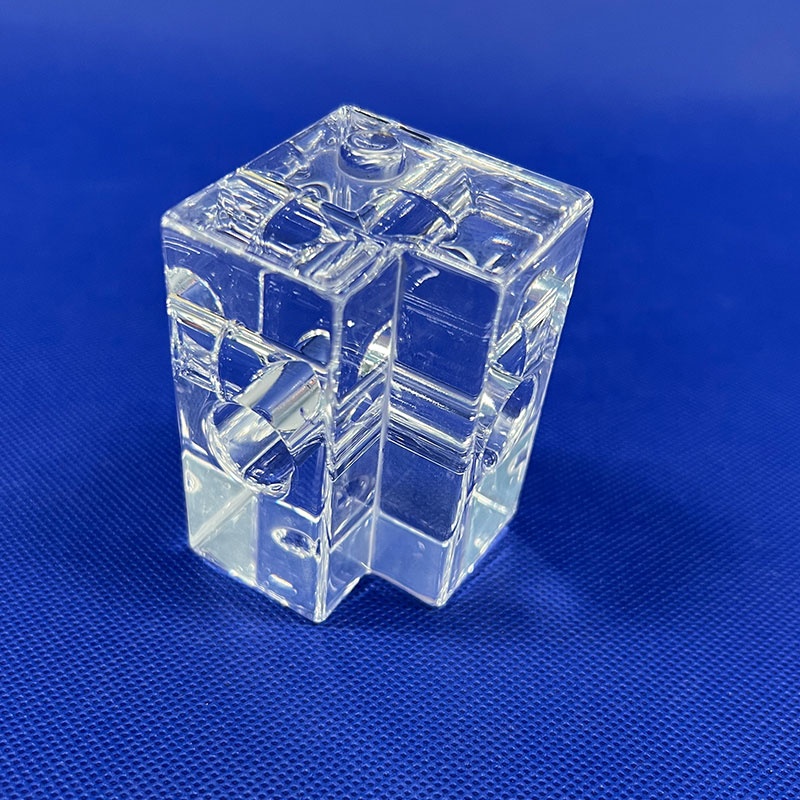
- Micron-Grade Tolerances: Multi-axis CNC processing allows precise chamfering, taper fabrication, and square profile transitions for spatial beam blending.
3. Industrial Laser Curing & Additive Manufacturing
Heavy industry and specialized manufacturing in Belgium demand light guide rods capable of delivering multi-kilowatt coherent energy to tight target zones for UV polymer crosslinking, localized sintering, and laser aesthetics.
- Hexagonal Homogenization: Polygonal rods scramble non-uniform beam hot spots into a flat-top energy distribution, optimizing resin curing rates.
- Direct Thermal Endurance: Withstanding continuous heat of 1100°C and short spikes up to 1300°C, preventing surface degradation.
- Mechanical Robustness: Surface roughness polished down to Ra < 0.5 nm minimizes localized scatter loss and thermal cracking.
4. Green Hydrogen & Photochemical Engineering
As the European capital advances energy transition directives, Brussels-based chemical engineering institutes adopt fused silica light guides for photochemical reactors, water splitting, and hazardous gas photolysis.
- Deep UV Spectral Transparency: JGS1 grades transmit deep ultraviolet energy down to 185 nm without degradation.
- Corrosion Barrier: Stable against sulfuric, hydrochloric, and organic solvent attack under continuous photochemical reaction conditions.
- Pressure Resistance: Thick-walled rods maintain pressure integrity across high-vacuum and pressurized catalyst vessels.
Fused Quartz Light Guide Rod: Technical Grade Selection Matrix
Engineered to match European CE compliance and RoHS environmental guidelines. Review baseline physical and optical indices prior to procurement.
| Quartz Grade | Effective Spectral Band | SiO₂ Purity | Bubble / Inclusion Class | Primary Industrial Sector (Benelux) |
|---|---|---|---|---|
| JGS1 (Synthetic Silica) | 185 nm – 2,500 nm (Deep UV to NIR) | ≥ 99.999% | Class 0 (Bubble-free optical path) | Biomedical fluorescence, Excimer laser guides, DUV metrology |
| JGS2 (Optical Flame-Fused) | 220 nm – 2,500 nm (UV to NIR) | ≥ 99.99% | Class 1 / Class 2 (Controlled) | Industrial UV curing, laser beauty machinery, laboratory optics |
| JGS3 (Electrically Fused) | 260 nm – 3,500 nm (NIR to Mid-IR) | ≥ 99.99% | Class 1 (Low OH content < 5 ppm) | Infrared thermography, high-temperature furnace viewing ports |
| High-Flux Homogenizer | Square / Hexagonal / Octagonal | ≥ 99.99% | Polished Ra < 0.5 nm / Chamfered | Laser beam profiling, 3D printing optics, photolithography |
Emerging Market Trends in Belgium's Advanced Photonics Sector
An authoritative analysis of procurement dynamics, regulatory pressures, and supply chain shifts defining the Brussels industrial landscape.
1. Convergence of Photonics with Life Sciences
Belgium continues to funnel capital into microfluidic diagnostics and point-of-care optical sensing devices. Because conventional borosilicate glass exhibits excessive solarization and luminescence under concentrated blue and UV laser excitation, engineering procurement officers are transitioning exclusively to high-purity synthetic fused quartz guide rods. This ensures pristine signal-to-noise ratios in medical and genomic sequencers.
2. Direct Factory Sourcing to Counter Supply Volatility
European OEMs located in the Brussels-Capital Region and neighboring tech clusters increasingly bypass middle distributors in favor of SGS-verified direct source manufacturers. By securing products directly from primary quartz synthesis and drawing facilities, companies eliminate multi-tier markups, preserve batch traceability, and accelerate prototype iteration cycles from months to days.
3. Stringent Environmental & CE Regulatory Demands
As the European Commission tightens RoHS, REACH, and Ecodesign framework standards right from Brussels, optical component exporters must supply unfalsified material declarations. Every quartz light guide rod imported into the Belgian customs zone must feature authentic CE compliance documentation, guaranteeing freedom from restricted heavy metals, hazardous dopants, and undocumented chemical fluxes.
Why Brussels Enterprise Buyers Partner With Us
Combining primary quartz raw material refinement with precision multi-axis CNC fabrication and certified quality verification.
Primary Source Factory
Situated in China's foremost quartz industrial cluster (Lianyungang), we manage the entire value chain from raw quartz lump pulverization and acid pickling to rod drawing and precision CNC edge finishing.
Thermal Stress Polarization Testing
Hidden internal stress causes sudden mechanical fractures under laser heating. Every production batch undergoes full annealing up to 1200°C followed by polarimeter stress verification to guarantee zero residual birefringence.
SGS Onsite Assessment & CE Marking
Our 14,271 m² operational workshop, testing laboratories, and manufacturing lines are thoroughly audited and verified onsite by the SGS Group, ensuring absolute alignment with EU trade documentation.
Flexible Low MOQ Prototyping
We accommodate European R&D institutions and specialist laser integrators by offering prototype production starting from 1 to 5 pieces before scaling up to high-volume recurring container shipments.
Direct Drawing-to-Part CNC Machining
Send CAD files in STEP, DWG, or PDF formats. Our cleanroom-grade CNC machining centers perform diamond-wheel grinding, beveling, ultrasonic drilling, and fire-polishing with tolerances down to ±0.01 mm.
Reinforced Export Packaging
Zero transit damage guarantee: components are individually vacuum-sealed in anti-static film, cushioned inside custom high-density pearl cotton foam, and secured in international export wooden crates for express air delivery.
Frequently Asked Questions by Brussels Optical Buyers
Essential technical, regulatory, and logistics answers for engineering teams and purchasing directors sourcing fused silica light guides.
How do you guarantee CE and RoHS compliance for goods clearing Belgian customs? ▾
What is the key performance difference between JGS1 and JGS2 for light guide rods? ▾
Can you machine non-standard geometries such as hexagonal or tapered light pipes? ▾
What testing measures are taken to prevent thermal cracking during laser exposure? ▾
What is the standard lead time and export delivery procedure for Belgium? ▾
Accelerate Your Optical Engineering Project Today
Consult with our quartz fabrication specialists to review your dimensional drawings, select the optimal silica grade, and receive a competitive direct-factory quotation with full CE/RoHS verification.
Get Catalog