≥99.99%
SiO₂ Chemical Purity
1400°C
Peak Thermal Resistance
14,271 m²
SGS Assessed Plant
5.5×10⁻⁷
Thermal Expansion (/°C)
Engineered Fused Silica Solutions
Featured Quartz Tubing & Precision Components for Technical Applications
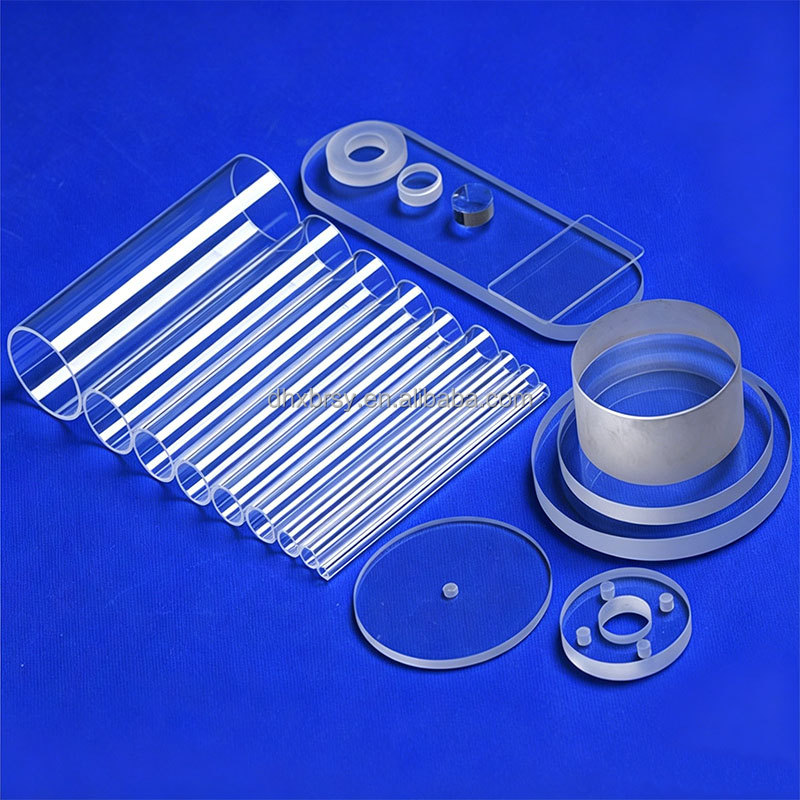
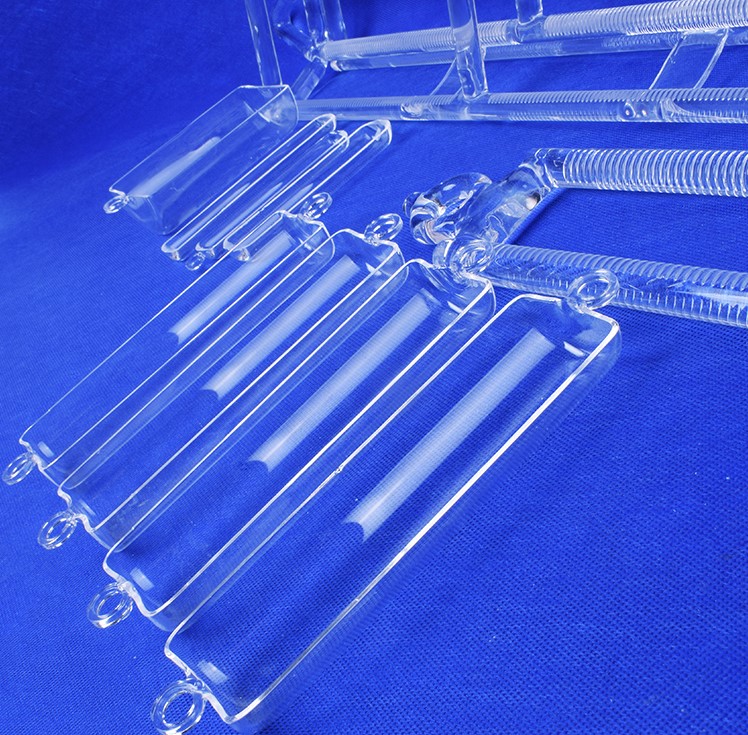
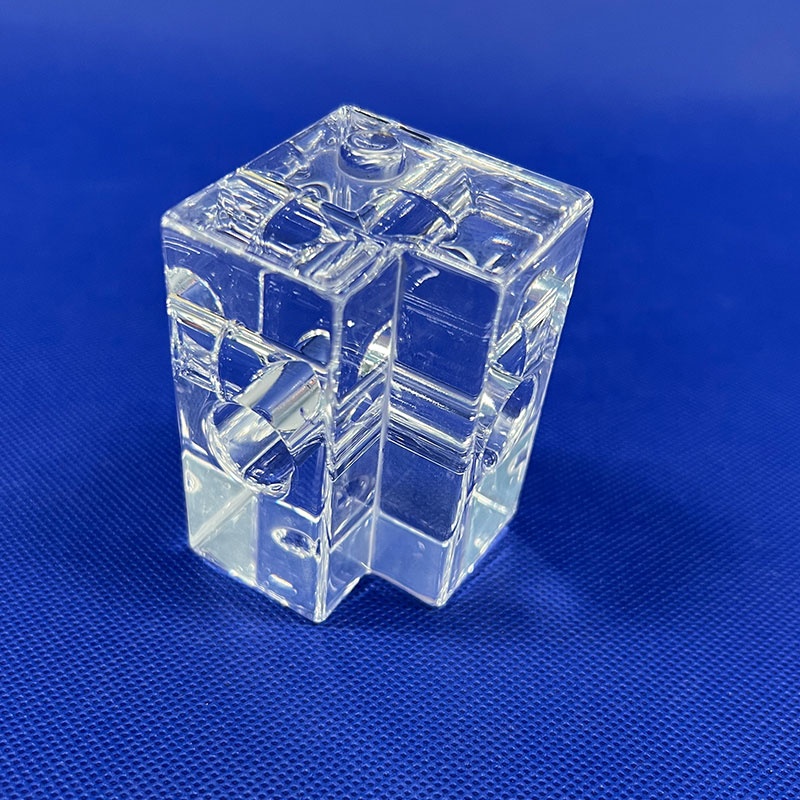
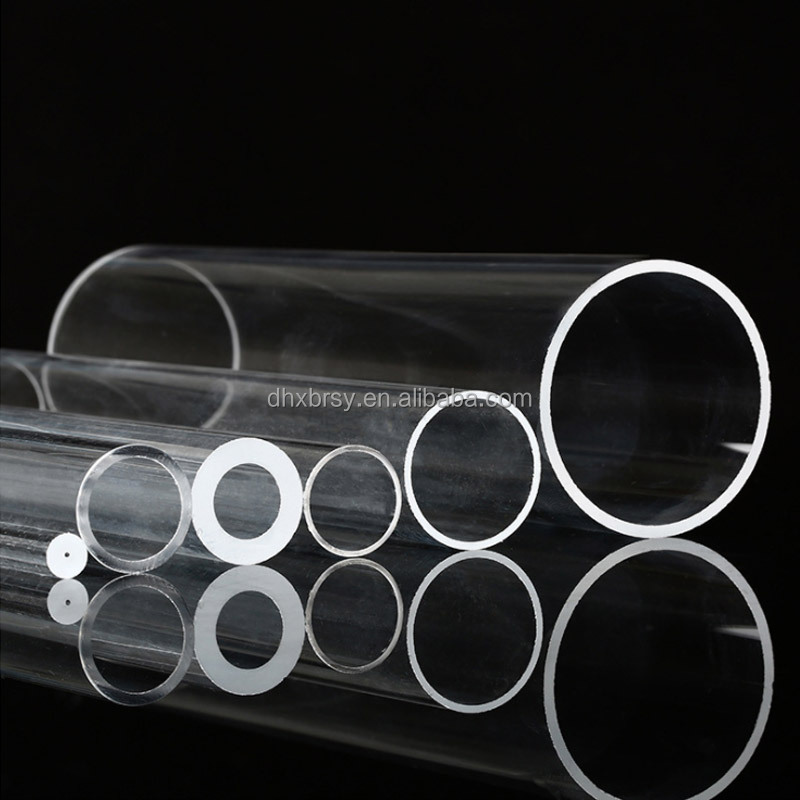
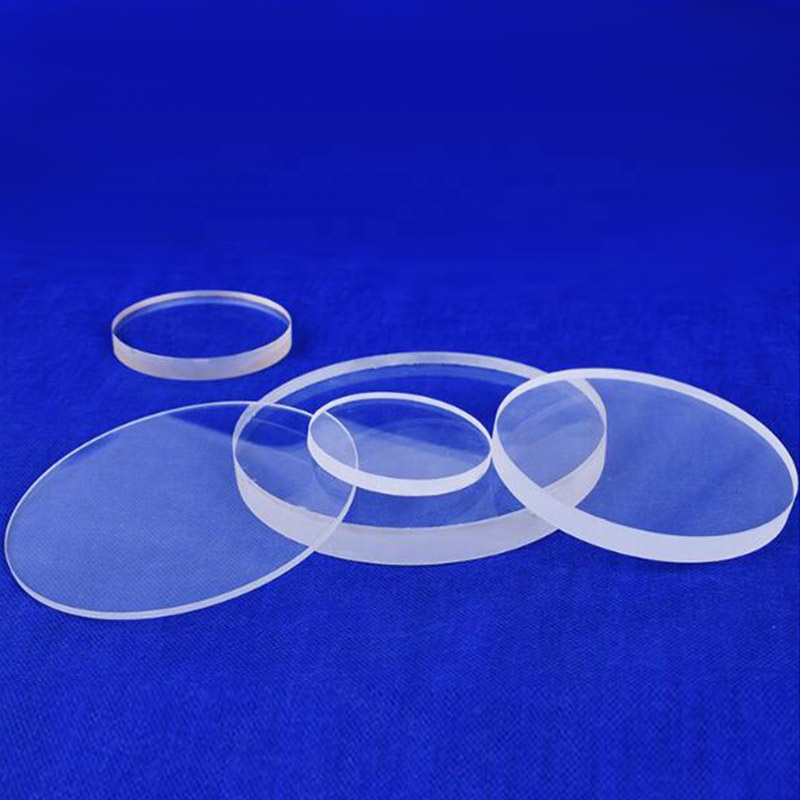
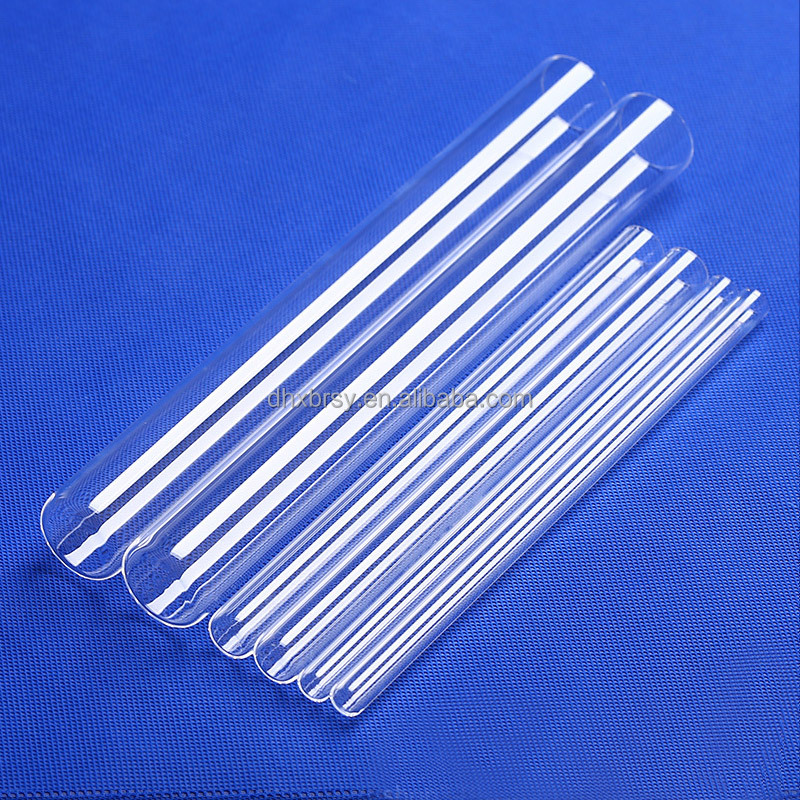
Explore our standardized and custom-drawn quartz portfolio built to exceed stringent European dimensional tolerance standards (DIN ISO 2768-m) and certified with RoHS and CE compliance for continuous operations in demanding thermal and chemical envelopes.
Technical Architecture
Engineering Principles: One End Closed Quartz Tubing Integrity
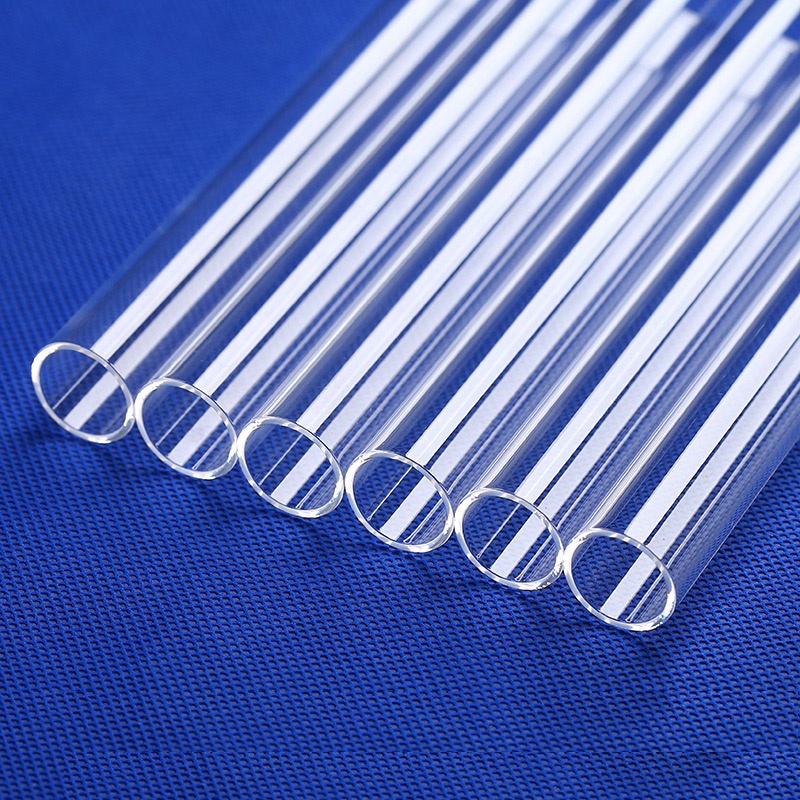
In high-temperature thermal processing and corrosive gas handling environments, single-end closed fused silica tubing serves as a mission-critical isolation barrier. Achieving flawless structural reliability requires complete control over the chemical equilibrium of raw silica feedstock, wall-thickness uniformity, and bottom-hemisphere contouring. Unlike standard borosilicate vessels which fail rapidly under cyclical thermal loading above 450°C, CE-certified transparent fused quartz provides continuous mechanical stability up to 1100°C and survives operational excursions reaching 1300°C–1400°C due to its exceptionally rigid silicon-oxygen tetrahedral matrix.
The closure mechanism at the base of the tube is an engineering focal point. During traditional automated or semi-automated flame closure, improper localized heat dissipation generates latent hoop stress across the transition zone where the cylindrical wall transforms into either a flat-faced or hemispherical bottom. At Lovri Quartz, every one-end-closed quartz tube undergoes precision flame lathe rotation followed by computer-controlled electric resistance annealing cycles at approximately 1215°C. This post-forming thermal regimen relieves shear stresses and stabilizes refractive indices, preventing spontaneous catastrophic failure when subjected to rapid immersion or severe temperature gradients inside metallurgical furnaces.
| Physical & Thermal Property | Fused Quartz (Lovri Standard) | Test Protocol / Reference | Operational Impact |
|---|---|---|---|
| Chemical Composition | SiO₂ ≥ 99.99% | ICP-OES Spectral Analysis | Eliminates alkali trace metal leaching into sensitive reaction chambers |
| Thermal Expansion Coefficient | 5.5 × 10⁻⁷ cm/cm·°C (20°C–300°C) | Dilatometry | Superior thermal shock tolerance; withstands immediate quench cycles |
| Transformation / Annealing Point | 1120°C / 1215°C | ASTM C336 Standard | Maintains structural rigidity under sustained vacuum or pressure loads |
| Softening Point | 1730°C | Viscometric Softening Point | Zero sagging or deformation during peak semiconductor diffusion recipes |
| Dielectric Strength | 25–40 kV/mm (at 20°C) | IEC 60243-1 | Optimal electrical isolation for integrated heater jackets and plasma cells |
| UV-Vis-NIR Transmittance | > 90% (260 nm – 2500 nm range) | Double-Beam Spectrophotometry | Enables direct pyrometric sensing and maximum radiant infrared transmission |
Local Ecosystem Deployment
Industrial & Academic Quartz Tubing Applications across Pécs & Baranya
As Pécs establishes itself as an innovation hub bridging automotive components, biomedical engineering, and industrial battery ecosystems in Southern Hungary, technical demands for high-purity glass components have surged.
University of Pécs Research Labs
Specialized medical faculties, pharmaceutical research laboratories, and material science departments at the University of Pécs (PTE) rely on one-end closed quartz digestion tubes for trace metal extraction and analytical sample preparation. The inert 99.99% silica barrier ensures absolute resistance against aqua regia, boiling nitric acid, and fuming hydrochloric mixtures without trace elemental leaching.
Battery & High-Precision Electronics
Driven by major industrial investments across Baranya county and the surrounding Southern Transdanubia region, cleanroom synthesis facilities deploy closed-end quartz sleeves as protective thermometer wells (thermowells) and atmosphere barriers within cathode precursor drying furnaces, guarding sensitive thermocouples against volatile electrolyte degradation.
Thermal Sintering & Metallurgy
Local machinery manufacturers and specialist metal treatment operations in the Pécs Industrial Park implement closed-bottom quartz process vessels within specialized vacuum sintering chambers, preventing oxidation of precision tooling and ensuring stable thermal profiling without cycle-to-cycle chamber contamination.
Strategic Procurement Dynamics
Navigating Pécs' Industrial Transformation & Quartz Sourcing Needs
The regional industry of Pécs is undergoing a fast-paced evolution from traditional light engineering toward advanced battery technologies, mechatronics, and biotechnology. This transition has directly transformed how procurement directors and plant engineers source critical consumable hardware. Historical procurement methods relied heavily on generic glassware distributors in Budapest or cross-border intermediaries in Austria, resulting in inflated markups, extended delivery windows (often 8 to 14 weeks for non-standard wall thicknesses), and opaque traceability.
Today, technical buyers in the Pécs market demand direct manufacturer partnerships offering comprehensive material validation, batch-specific chemical analyses, and compliance documentation. Because one-end closed quartz tubes are frequently subjected to severe negative pressures during vacuum degassing or elevated external pressures in chemical synthesis, dimensional precision regarding concentricity, ovality, and bottom thickness is non-negotiable. Lovri Quartz addresses this regional demand with factory-direct access, customized dimensional tailoring, and documented polarization stress testing on every production lot.
Furthermore, compliance with European Union health, safety, and environmental directives is of paramount significance for enterprises operating inside Hungary. Our products feature genuine CE compliance certification and adherence to Directive 2011/65/EU (RoHS), assuring manufacturing plants in Pécs that raw quartz matrices are entirely devoid of hazardous substances, heavy metals, or toxic plasticizers.
Direct Factory Purity & Control
The Lovri Manufacturing Advantage: Total Vertical Control
Positioned directly in China’s quartz epicenter of Lianyungang, Jiangsu, Lovri Quartz controls the complete processing line from raw silica mineral refinement to automated CNC post-machining.
In-House Sand Refinement
Unlike secondary fabricators that buy commercially open-market tubing, Lovri performs crushing, multi-stage pulverizing, and acid pickling on-site, ensuring our feedstock maintains ≥99.99% SiO₂ consistency with minimal hydroxyl (OH⁻) content.
Polarization Stress Inspection
Latent stress is the silent cause of tube fractures under furnace thermal cycling. Every closed-end tube passes through our dedicated polarization stress test analyzer post-annealing to ensure zero residual stress points at the seal.
SGS Onsite-Verified Plant
Our 14,271 m² modern manufacturing footprint has completed thorough onsite auditing by SGS Group. International purchasing officers operate with verified certainty regarding our factory capacity, worker welfare, and quality control systems.
Direct European Export Logistics
We provide engineered export packaging featuring custom-cut high-density EPE foam cradles and treated timber crating designed to withstand intermodal rail and air transit into Pécs, Hungary, guaranteeing zero transit breakage.
Precision Workmanship
Closed-End Tube Fabrication Protocol
01. Ingot & Tube Drawing
Electrically fused or flame-fused high-purity silica is drawn under laser micrometric monitoring to maintain continuous outer diameter (OD) and wall thickness concentricity.
02. Automated Lathe Sealing
Rotating glassworking lathes direct oxyhydrogen torches to close the end into a uniform round, test-tube, or optically ground flat-bottom profile according to specification.
03. Thermal Annealing
Tubes undergo staged thermal de-stressing in industrial electric kilns at 1215°C, eliminating phase boundary tensions and preventing crack propagation during user thermal ramps.
04. Laser & Stress Profiling
Final inspection verifies dimensional tolerances down to ±0.05 mm, optical clarity, absence of air inclusions, and complete isotropic uniformity across the seal base.
Procurement Knowledge Base
Frequently Asked Questions for Pécs Purchasing Managers
Technical clarity on international delivery, material certification, customization, and thermal limitations.
What is the standard lead time for quartz orders shipped to Pécs, Hungary?
For standard one-end closed quartz tube dimensions (OD 10mm to 120mm), orders ship within 5 to 7 business days from our factory. For customized CNC-machined or flanged designs, manufacturing requires approximately 10 to 14 days. Express air freight directly into Budapest Liszt Ferenc International Airport followed by regional courier transit to Pécs typically completes delivery within 4 to 6 transit days.
Do your one-end closed quartz tubes include official CE and RoHS documentation?
Yes. Every export lot destined for the Hungarian and broader EU single market includes genuine CE declaration of conformity along with full RoHS testing reports confirming non-detection of lead, cadmium, mercury, hexavalent chromium, and restricted brominated compounds, facilitating smooth Hungarian customs clearance.
What is the difference between a round closed bottom and a flat optical bottom?
A round (hemispherical) bottom is optimal for internal pressure resistance, high-vacuum evacuation, and severe thermal cycles because it distributes stress evenly across the dome. A flat bottom is engineered when the tube must stand unsupported inside apparatus, serve as an optical sight path, or function in vertical furnace sensor cavities.
Can you provide custom ground glass joints, threads, or KF flanges on closed-end tubes?
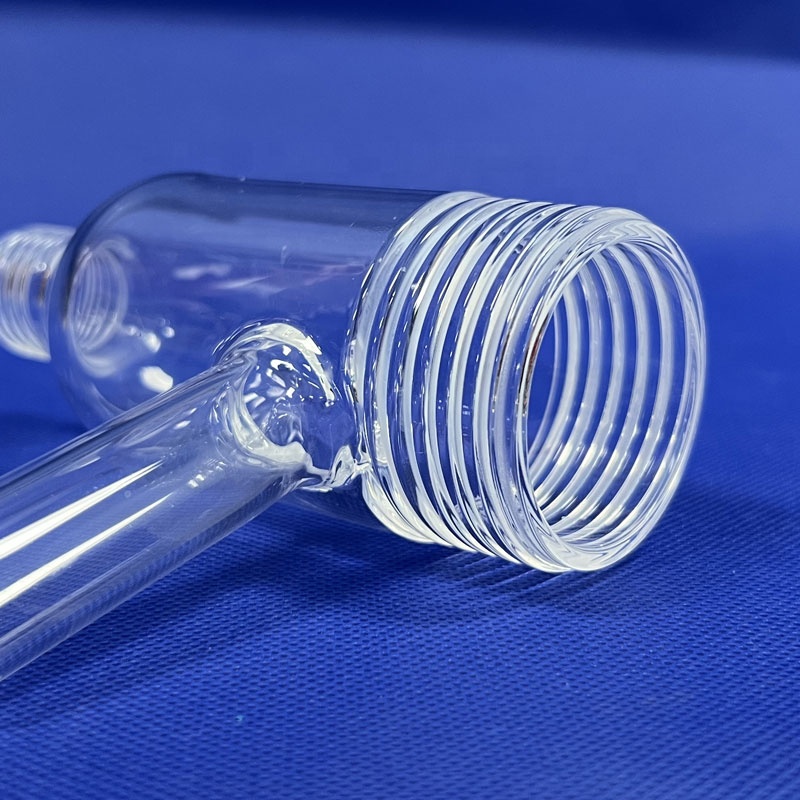
Yes. Our CNC glass-processing center regularly welds precision borosilicate/quartz graded seals, ISO-KF flanges, GL-threaded caps, or standard ground ball/socket taper joints to the open end of closed tubes, making them directly compatible with laboratory vacuum manifolds and industrial gas purge lines.
How does your packaging prevent transit breakage across international supply chains?
Fragile fused quartz items are wrapped individually with electrostatic dust-free protective films, housed inside tailored high-resilience pearl cotton (EPE) sleeves, and packed within multi-layered corrugated boxes enclosed within fumigated, palletized plywood wooden cases designed specifically for intercontinental handling.
Request Your Detailed Product Catalog & Technical Manual
Connect directly with Lovri Quartz technical specialists to review dimensional standards, obtain chemical assay certificates, or receive rapid pricing tailored to your delivery schedule in Pécs.