Precision Quartz Tubing & Fabricated Components
Our ISO and CE compliant quartz glass program covers micro-capillaries, optical plates, high-temperature reaction tubes, and multi-bore fluidics tailored for the demanding Kingston market.
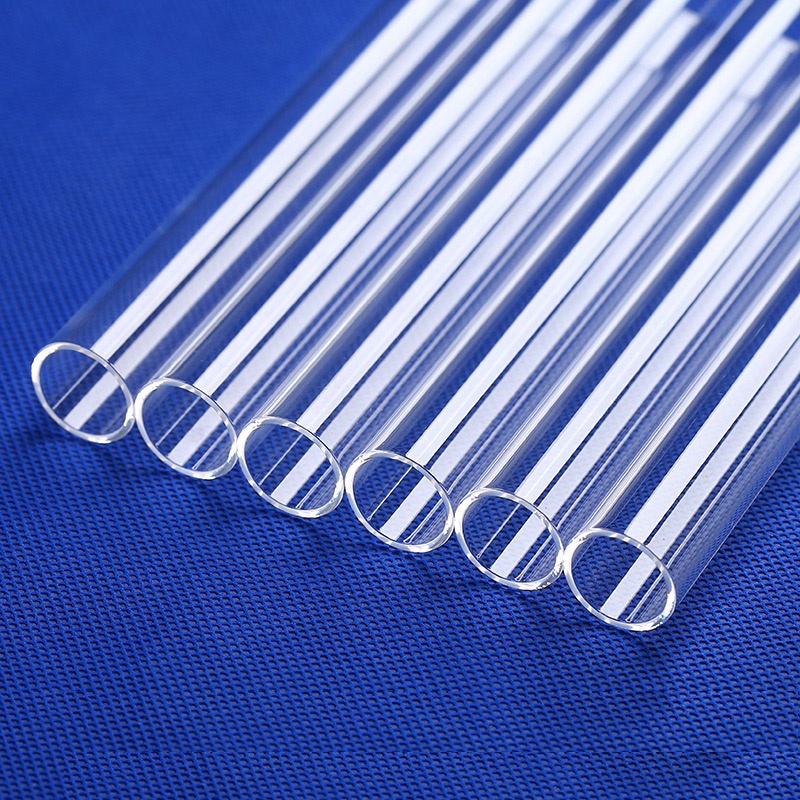
High Precision Clear Quartz Glass Tubing OD 10mm/14mm/20mm
- Heat Resistant Semiconductor Line
- Precision Bending & Welding Ready
- 99.99% SiO₂ Purity Guarantee
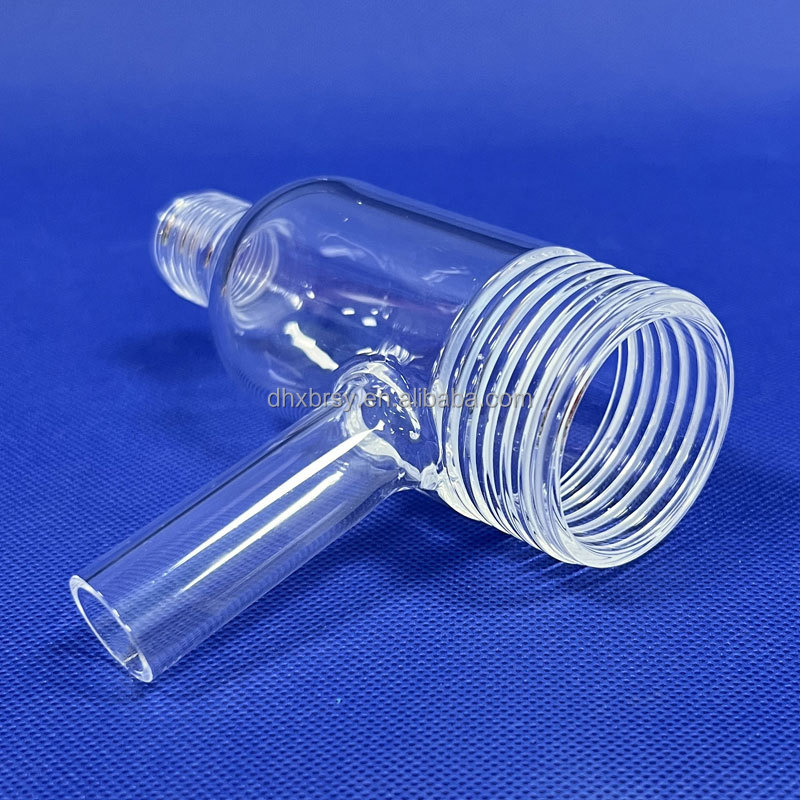
Polished Corrosion-Resistant Threaded Quartz Glass Tube
- CNC Precision External/Internal Threads
- RoHS Compliant & Chemical Inert
- Optically Fire-Polished Surface
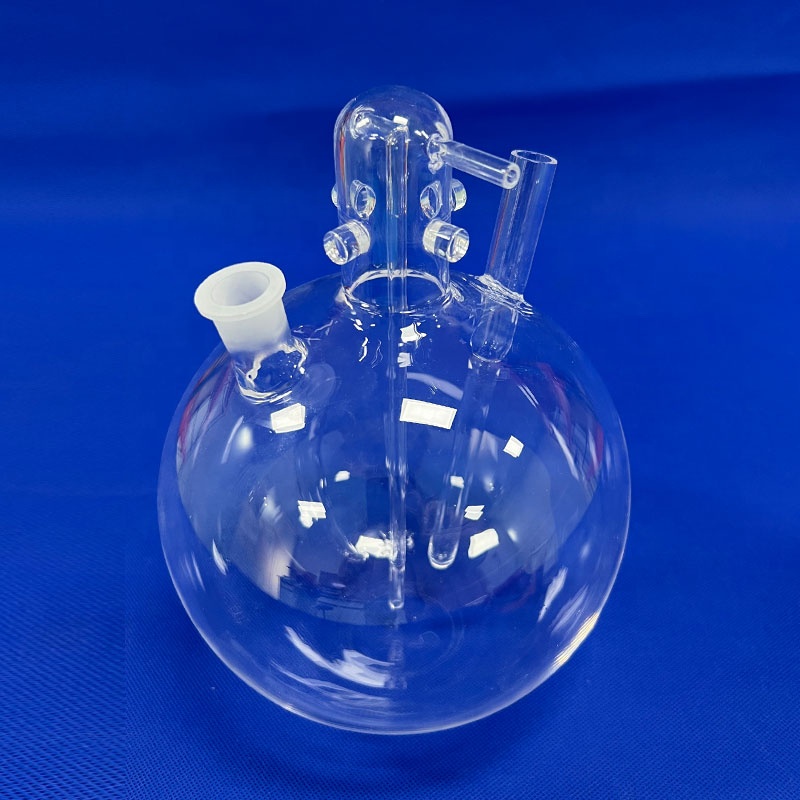
High-Purity SiO2 Quartz Instrument for Laser Machinery Reactor
- Engineered for High-Energy Lasers
- Integrated Micro-Reaction Chambers
- Zero Bubble & Inclusions Grade
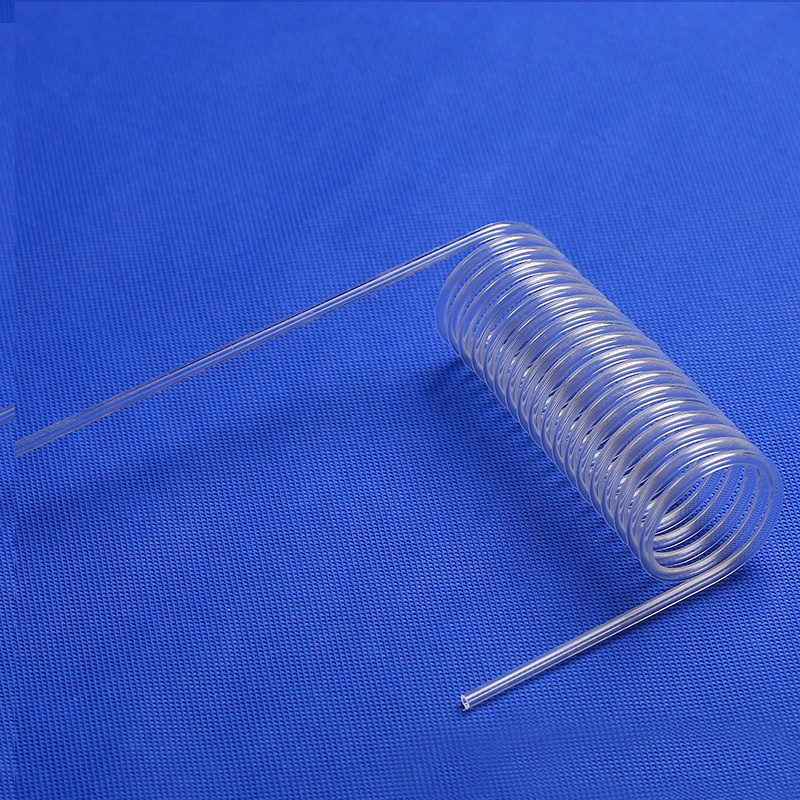
Fused Quartz Spiral Tube for Laser Medical & Aesthetic Equipment
- Yellow Clear Flash-Filtering Silica
- Bending, Welded & Annealed Tube
- Exceptional Thermal-Shock Resistance

JGS1 High Purity Synthetic UV Quartz Glass Sheet
- Deep-UV Cutoff (185nm–2500nm)
- Annealed Against Internal Birefringence
- Optically Parallel Ground Surface
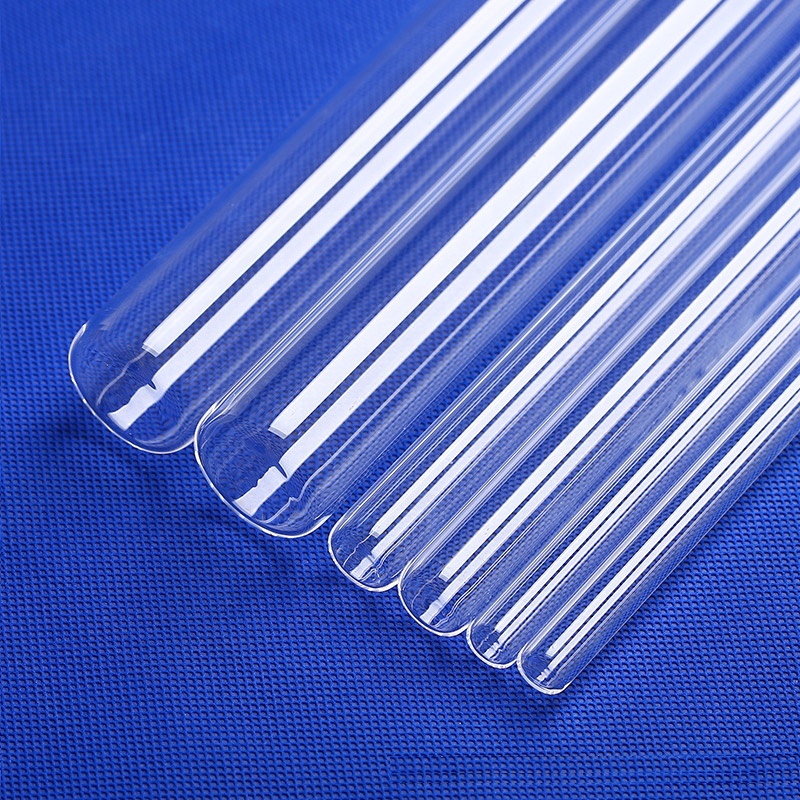
One-End Closed Bottom Fused Silica Tube & Test Sleeves
- Hemispherical or Flat Closed Base
- Withstands 1100°C Working Temperatures
- Ideal for Pyrolysis & Acid Digestion
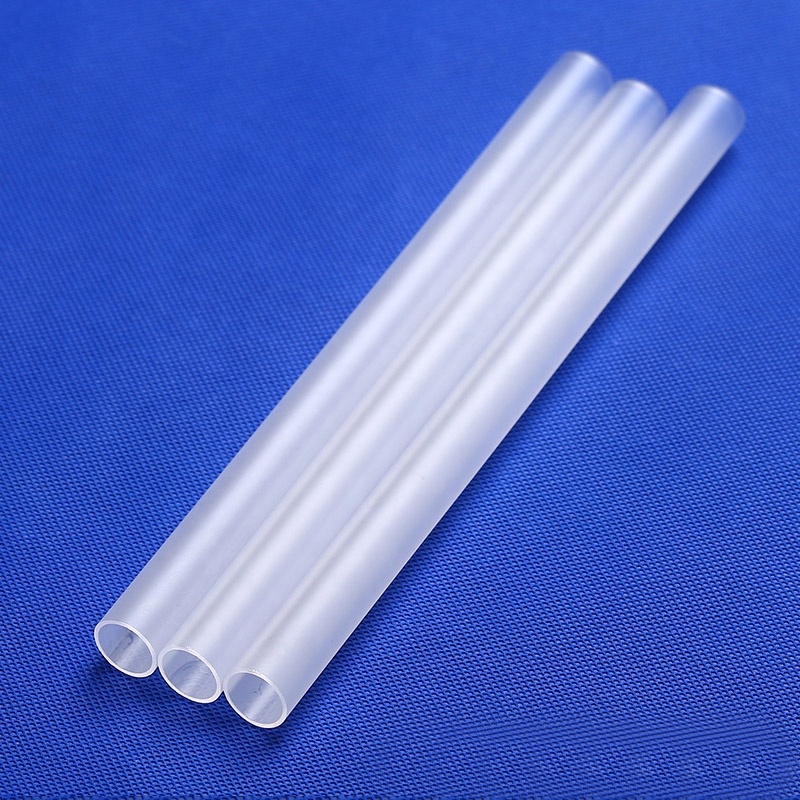
High-Purity Polished Quartz Tube for Ozone Generators & UV
- Dielectric Barrier Discharge Ready
- UV Transmission & Corona Resistant
- Accurate Roundness and Wall Caliber
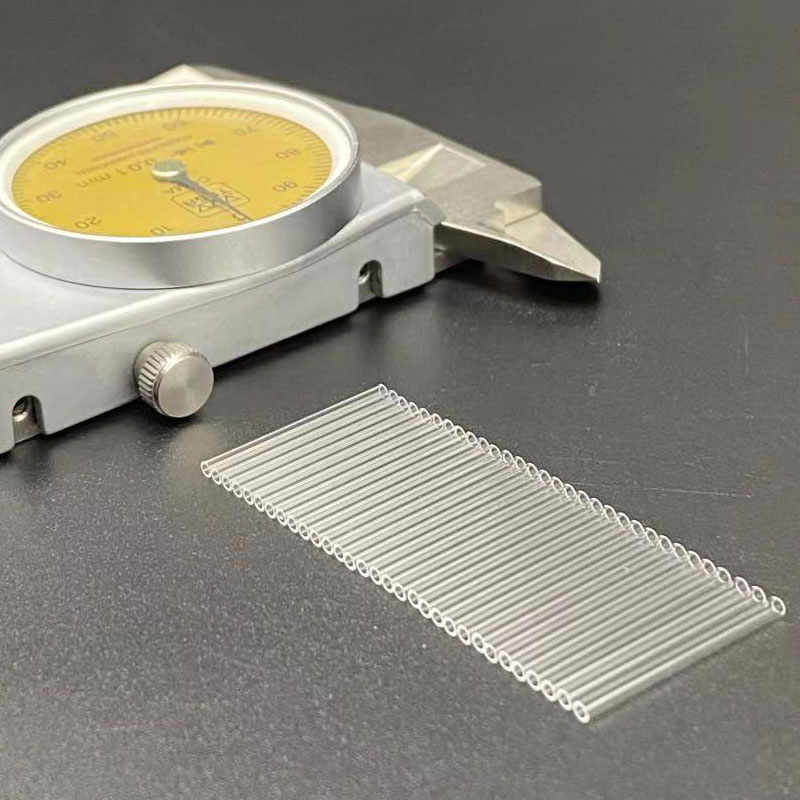
Precision Ultra-Thin Quartz Glass Sheet 0.1mm–0.5mm
- Calibrated Thickness ±0.01mm
- Micro-Fluidics & Window Covers
- RoHS Certified Optical Synthetic Grade
Fused Quartz Capillary Engineering: Material Integrity in Demanding Environments
A comprehensive engineering review of chemical kinetics, thermal thresholding, and geometric precision for critical instrumentation buyers.
In high-performance analytical chemistry, fiber-optic telecommunications, and fluid dynamics, the capillary tube is the fundamental component determining signal-to-noise ratio, fluid laminar stability, and operational life. Fused quartz (amorphous silicon dioxide, SiO₂) is universally selected where standard borosilicate or aluminosilicate glasses fail under extreme temperature differentials, harsh chemical exposure, or strict ultraviolet light transmission demands.
1. Thermal Shock Dynamics and Extreme Dimensional Stability
The standout physical property of fused quartz capillaries is an ultra-low coefficient of thermal expansion (α ≈ 5.5 × 10⁻⁷ / °C between 20°C and 320°C). This characteristic makes our capillary tubes nearly invulnerable to catastrophic thermal shock. A test specimen can be heated to 1100°C and instantly quenched in ice water without fracturing or developing structural micro-fissures.
For research labs, energy institutions, and industrial processing units operating in Kingston's tropical climate, this thermal resilience allows instruments to operate reliably under rapid thermal cycles, such as high-temperature gas chromatography (GC) columns, flame ionization detectors (FID), and catalytic cracking sampling conduits without micro-bore drift.
2. Chemical Inertness & Purity Safeguards
Material leaching poses a constant threat in chromatography, trace element water testing, and biopharmaceutical diagnostics. Inferior quartz or borosilicate materials contain trace alkali ions (such as Na+, K+, Fe3+) that migrate into fluid streams, altering pH, fouling mass spectrometer nozzles, or skewing spectrophotometric baselines. Our fused quartz tubing maintains a guaranteed purity of 99.99% SiO₂. The material is thoroughly non-reactive with virtually all inorganic acids, solvents, and neutral reagents across wide temperature ranges, with the singular exceptions of hydrofluoric acid (HF) and concentrated phosphoric acid (H₃PO₄) above 300°C.
| Physical / Chemical Property | Reference Value (Transparent Fused Quartz) | Significance for Analytical Instrumentation |
|---|---|---|
| SiO₂ Purity Ratio | ≥ 99.99% (Optical/Semiconductor Grade) | Prevents analyte contamination and ion leaches in capillary columns |
| Density (ρ) | 2.20 ± 0.01 g/cm³ | Consistent structural density ensures mechanical rigidity under vacuum |
| Thermal Expansion (20°C–300°C) | 5.5 × 10⁻⁷ / °C | Zero bore deformation during extreme flash-heating cycles |
| Softening Point | ≈ 1730 °C | Permits flame glassblowing, laser cutting, and hermetic micro-fusion |
| Continuous Working Temp | 1100 °C (Short peak to 1300 °C) | Operates seamlessly inside furnaces, reactor mantles, and pyrolysis units |
| Spectral Transmission (JGS1) | 185 nm – 2500 nm (Deep UV to Near-IR) | Provides maximum transmission for UV absorbance detection and flow cells |
Tailored Quartz Capillary Applications for the Kingston Market
Kingston represents Jamaica's core hub of medical research, environmental monitoring, academic investigation, and industrial processing. Discover how our products integrate into the local technology landscape.
Mona & Regional Academic Laboratories
Academic and analytical facilities around the University of the West Indies (UWI) Mona campus depend on micro-bore fused quartz capillary tubes for capillary electrophoresis (CE), high-performance liquid chromatography (HPLC), and trace environmental water testing across the Caribbean basin. Our ultra-stable inner diameter geometries provide unmatched separation efficiencies and reproducible chromatographic peak profiles.
Kingston Medical & Clinical Diagnostics
Clinical laboratories and diagnostic facilities across Kingston's healthcare centers employ custom quartz flow cells, hematology cuvettes, and capillary sight conduits. Because fused quartz exhibits near-zero autofluorescence under deep ultraviolet excitation, our tubes ensure unclouded optical pathways for DNA sequencing, flow cytometry, and enzyme kinetic monitoring without baseline artifacts.
Industrial Processing & Petrochemical Testing
The industrial manufacturing and terminal logistics along Kingston Harbour rely heavily on accurate petrochemical characterization, wastewater ozone scrubbing, and flue gas monitoring. Our high-temperature quartz combustion tubes, one-end closed pyrolysis tubes, and ozone dielectric barrier tubes deliver continuous chemical resistance in hot, humid, and saline-rich maritime environments.
Fused Silica & Capillary Tubing Trends in Jamaica
Evolving industrial policies, laboratory accreditations, and renewable innovations are reshaping the procurement demands for high-spec glass materials.
Stricter Quality Accreditations (ISO 17025)
Analytical testing facilities in Kingston are rapidly adopting international lab accreditations to qualify Caribbean agricultural, pharmaceutical, and beverage exports. This transition makes traceable, CE-marked, and SGS-verified fused quartz tubes necessary to replace non-certified laboratory glassware that causes non-conformance audits and column bleed.
Clean Tech & Advanced Ozone Water Disinfection
Jamaica's regional hospitality infrastructure, coastal municipal utilities, and water-bottling plants are investing heavily in eco-conscious ozone and ultraviolet water decontamination systems. High-transmittance dielectric quartz sleeves that resist solar solarization and corona discharge are witnessing a massive surge in replacement cycles and retrofit orders.
Rapid Prototyping & Direct Factory Sourcing
Historically reliant on expensive, multi-tiered distributors in North America, Kingston-based procurement engineers now bypass intermediate markups. By establishing direct contracts with primary manufacturers, organizations secure low MOQ custom prototype capillary dimensions along with comprehensive material mill test reports.
Why Kingston Engineers & Importers Partner With Us
Headquartered in Lianyungang, China's premier fused silica manufacturing cluster, we govern the complete production chain from raw quartz sand crushing to laser micrometer inspection.
Integrated Single-Source Manufacturing Control
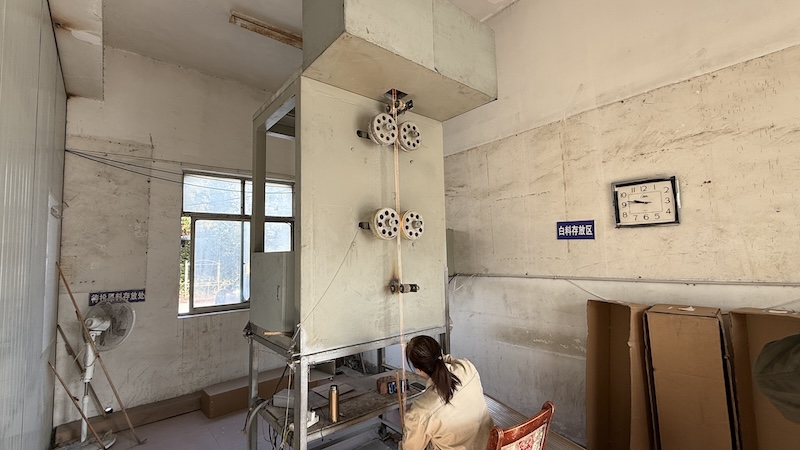
Unlike trading companies that resell outsourced tubing, our facility manages every stage on-site: pulverizing raw silica lumps, acid pickling to eliminate mineral contaminants, vacuum electric tube drawing, optical annealing, precision flame work, and multi-axis CNC drilling.
- SGS Onsite-Verified Facility: 14,271 m² operational floor verified on-site by SGS Group auditors.
- 100% Polarization Stress Inspection: Every annealed tube batch undergoes optical polarization stress detection to eliminate structural cracking risks.
- CE Marked & RoHS Compliant: Fully documented compliance ensures frictionless import customs clearance into Kingston maritime ports.
- Low Prototype MOQ (from 1 pc): Validate your custom capillary geometries, flanges, or laser reactor designs with zero high-volume lock-in.
Frequently Asked Questions by Kingston Quartz Buyers
Direct, transparent answers regarding capillary selection, Jamaican shipping logistics, and optical grading specifications.
How do you guarantee safe transit of fragile capillary tubes to Kingston?
Every capillary tube order is protected with shock-absorbent multi-layer EVA foam inserts, placed in vacuum-sealed inner poly-tubes, and packed into reinforced double-corrugated cartons or custom plywood shipping crates. We partner with DHL, FedEx, and leading ocean freight carriers serving Kingston Port and Norman Manley International Airport, including full transport insurance and damage-free arrival guarantees.
What is the key difference between JGS1, JGS2, and JGS3 quartz capillary tubes?
JGS1 is a high-grade synthetic fused silica providing superior optical transmission across the deep ultraviolet spectrum (185nm–2500nm), making it optimal for UV-Vis spectrophotometers and excimer lasers. JGS2 is flame-fused natural quartz (transmitting 220nm–2500nm), widely used for sight windows and heating tubes. JGS3 is electrically fused silica, optimized for extended infrared transmission up to 3500nm with very low OH content.
Can you manufacture capillary tubes according to CAD/STEP drawings?
Yes. Our CNC glass processing lines accommodate tolerances down to ±0.005 mm. We fabricate custom bore capillary dimensions, multi-lumen profiles, flared funnel inlets, ground ends, threads, and hermetic side-arms based on customer engineering drawings supplied in PDF, DXF, DWG, or 3D STEP format.
What minimum order quantity (MOQ) applies to Jamaican academic orders?
We actively support academic and university research groups, including UWI Mona, by maintaining an MOQ starting from just 1 to 5 pieces on standard and prototype capillary configurations. For commercial industrial operators requiring recurring shipments, tiered contract volume pricing is applied.
Need Precision Quartz Tubing for Your Project in Kingston?
Speak directly with our senior quartz glass engineering team. Whether you need custom bore capillaries, CE certified reactor tubes, or optical sight components, we provide prompt drawing reviews, technical feedback, and official export quotations within 24 hours.