High-Purity Fused Quartz Components Ready for Korean Export
Explore our core engineered quartz assemblies, precision capillary systems, and high-temperature apparatus built under strict ISO-grade and CE-marked production standards.
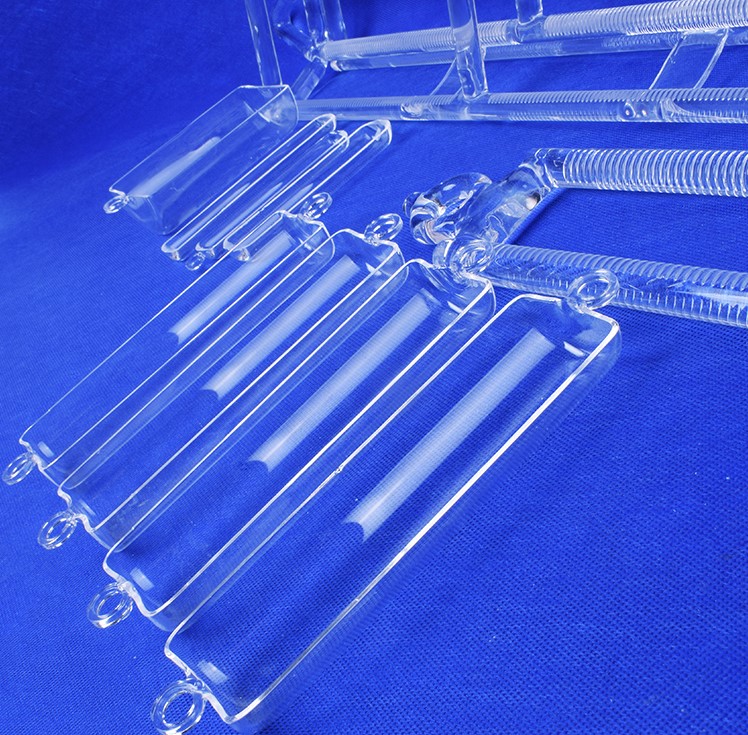
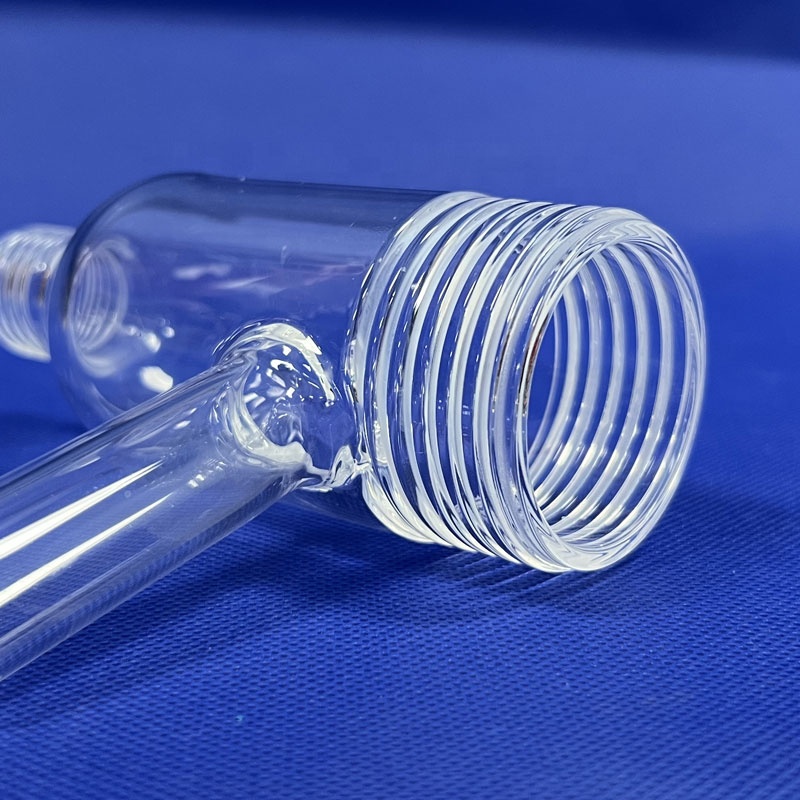
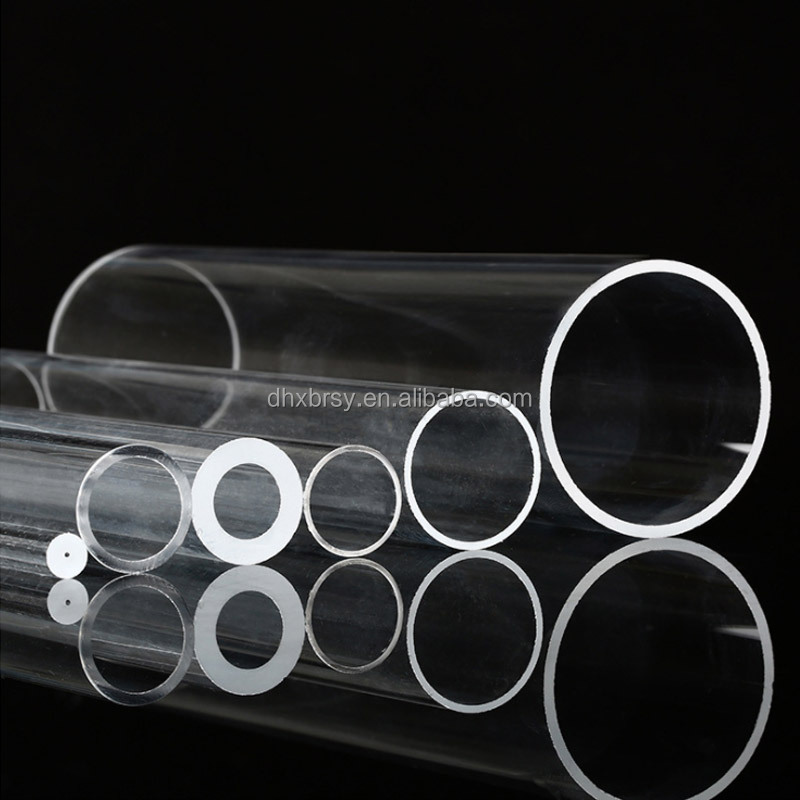
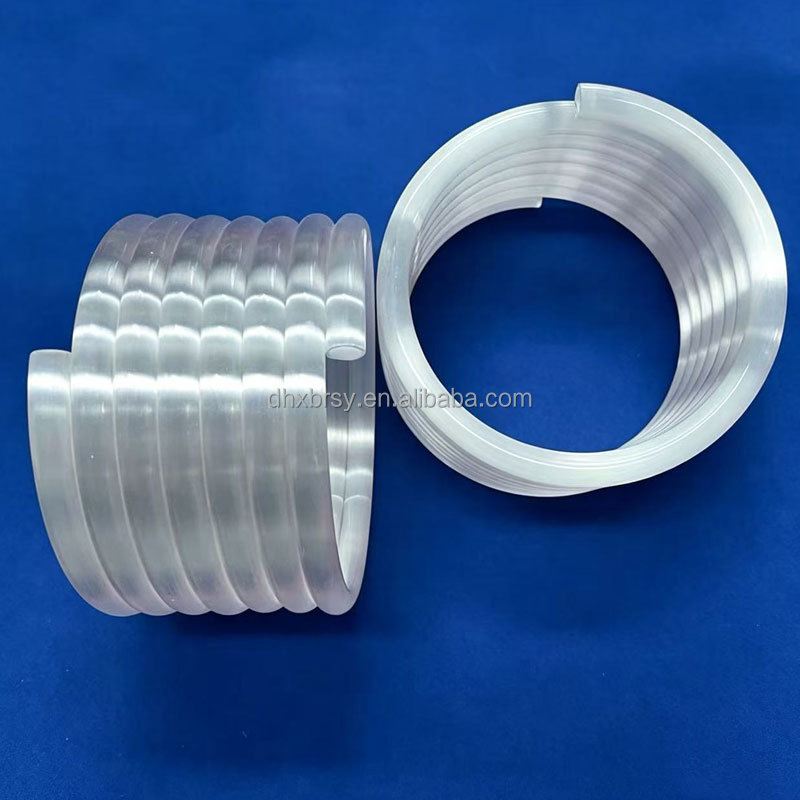
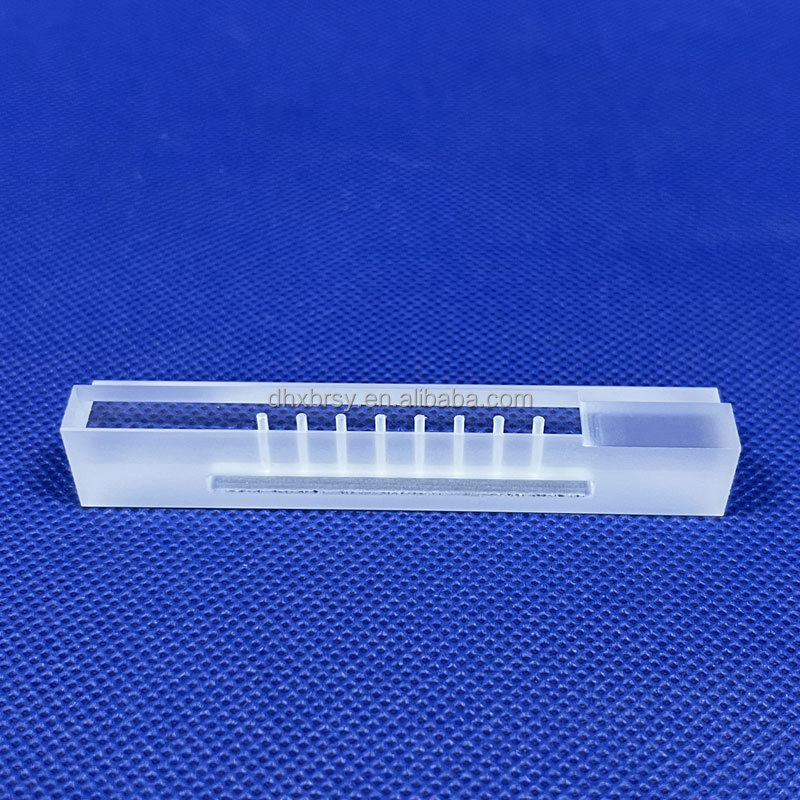
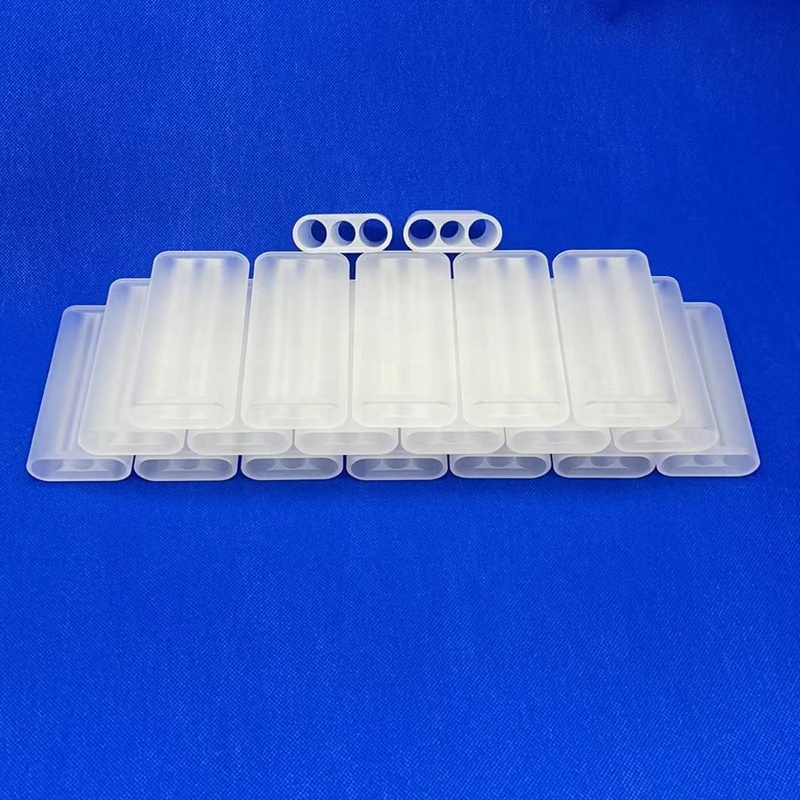
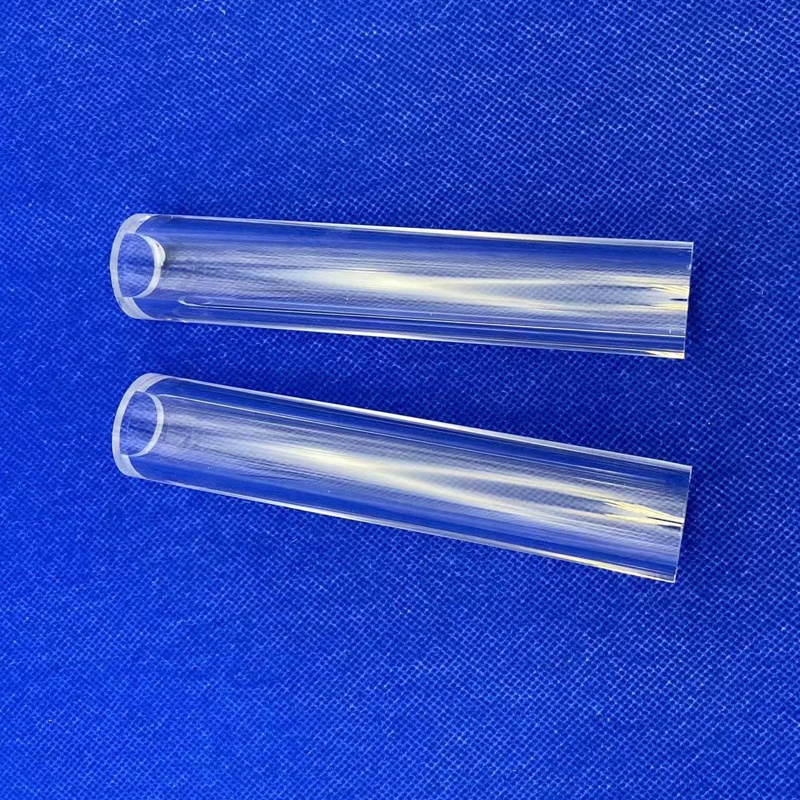
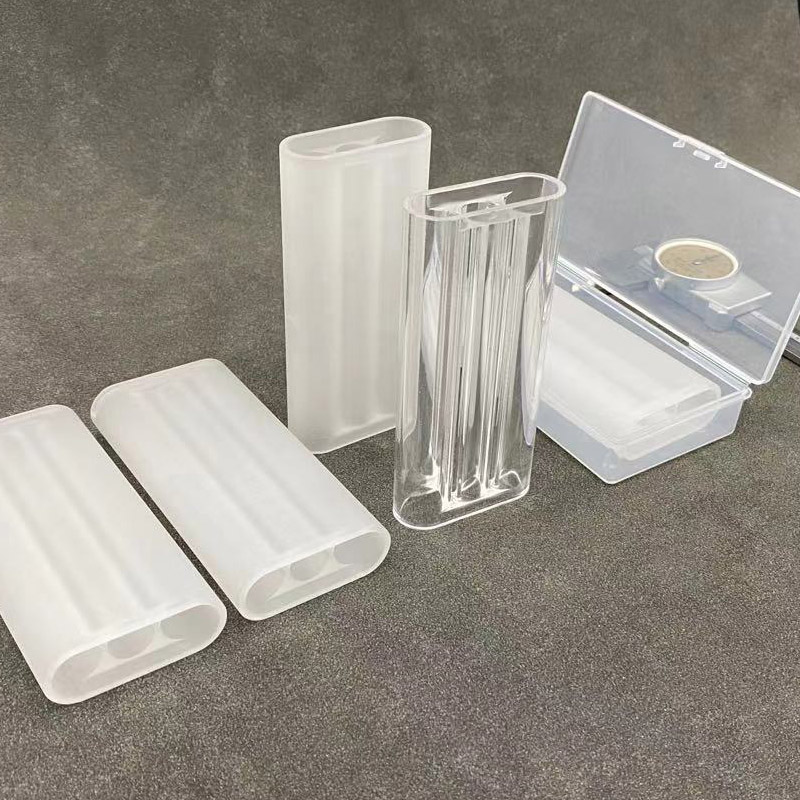
Precision Specifications of Industrial Quartz Capillary Rods
Fused silica capillary rods require structural uniformity, zero striae, and exact coefficient matching. Here is an overview of our analytical criteria for export to high-spec fabrication cleanrooms.
For research centers and semiconductor fabrication facilities across Gyeonggi-do, Chungcheong, and Gumi, material structural purity governs thermal stability and optical uniformity. Our manufacturing architecture eliminates internal residual stress through polarization-monitored annealing cycles, maintaining an ultra-low linear thermal expansion coefficient of 5.5 × 10⁻⁷ /°C from ambient to 300°C. Whether deployed as internal guides in sub-micron photolithography alignment, feed-through sleeves in severe corrosive environments, or critical components in medical laser oscillators, our capillary rods fulfill both CE electrical and structural safety benchmarks, reinforced by systematic SGS quality audits.
| Characteristic Property | JGS1 Optical Synthetic Grade | JGS2 Industrial Fused Quartz | Evaluation Standards |
|---|---|---|---|
| Purity (SiO₂ Content) | ≥ 99.999% (Ultra-Trace Metal Impurity) | ≥ 99.99% (Low Alkali Concentration) | ICP-MS Spectroscopic Assay |
| Spectral Transmission | 185 nm – 2,500 nm (Deep-UV Certified) | 220 nm – 2,500 nm (UV-Visible Range) | UV-VIS-NIR Double Beam Testing |
| Hydroxyl (OH⁻) Content | < 5 ppm to 1,200 ppm (Grade-Configured) | < 30 ppm (Flame-Fusion Synthesized) | FTIR Absorption Spectrum |
| Strain / Annealing Point | 1070 °C / 1215 °C | 1075 °C / 1210 °C | ASTM C-598 Thermal Beam Bending |
| Dimensional Tolerance (OD) | Up to ±0.005 mm (Custom Micro-draw) | ±0.01 mm to ±0.03 mm Standard | Multi-axis Laser Micrometer System |
| Surface Roughness (Polished) | Ra < 0.5 nm (Super-Polished Finish) | Ra < 1.5 nm (Optical Mechanical Polish) | White Light Interferometry (WLI) |
Strategic Implementations Across Korea's Core High-Tech Clusters
Direct supply-chain optimization designed for tier-1 and tier-2 vendors supporting South Korea's critical manufacturing ecosystems.
Semiconductor Front-End Wafer Fab Jigs
Integrated within diffusion systems, CVD batch furnaces, and wet cleaning benches in Pyeongtaek, Hwaseong, and Icheon. Capillary rods function as ultra-pure thermocouple well guides and automated chemical distribution probes resistant to dry HCl and toxic etch chemistries.
OLED & Next-Gen Micro-LED Encapsulation
Engineered for high-vacuum laser lift-off (LLO) machines and thin-film encapsulation (TFE) equipment concentrated in Asan and Cheonan. Quartz capillary rods act as high-power beam splitters and UV-light homogenizing guides without internal bubble distortion.
Secondary Battery Cathode Sintering Sensors
Operating inside high-temperature calcination tunnels throughout Cheongju and Pohang battery manufacturing parks. Capillary quartz rods provide protective sleeves for optical pyrometry sensors monitoring nickel-rich CAM thermal reactions above 900°C.
Optical Communication & Multi-Fiber Ferrules
Fabricated for telecommunication component integrators in Daejeon's Daedeok Innopolis. Used as raw stock for high-precision multi-fiber alignment capillary tubes and V-groove arrays where dimensional run-out must be constrained within sub-micron tolerances.
Bio-MEMS & Microfluidic Capillary Electrophoresis
Integrated by medical diagnostic instrument suppliers in Osong Bio Valley. Capillary glass rods are hollowed or machined to provide stable bio-compatible, low-autofluorescence fluid passages for electrophoretic DNA sequencing and lab-on-a-chip assemblies.
Medical Aesthetic Laser Oscillators & Light Guides
Applied within intense pulsed light (IPL), fractional laser, and Nd:YAG aesthetic systems produced in Seoul and Gyeonggi. The rods serve as anti-solarization light pipes maintaining optical integrity across millions of rapid pulse sequences.
Need Drawing Review or Custom Capillary Profiles?
Our engineering department processes DWG, DXF, and STEP files directly. We evaluate drawing clearances, wall ratios, flame-polishing parameters, and chemical resistance thresholds to prevent stress failures.
Emerging Market Trends: What Korean Buyers Demand in 2025–2026
An in-depth perspective on quality assurance shifts, vendor consolidation, and raw material sourcing regulations impacting Korean tier-1 electronics integrators.
The South Korean advanced electronics market is undergoing a structured transformation. Driven by supply-chain diversification policies (So-Bu-Jang initiatives) and corporate ESG requirements under RE100, Korean procurement teams are moving away from traditional, opaque distribution channels in favor of direct manufacturer agreements with verified upstream silica processors. Several distinct shifts characterize this market evolution:
- Strict Traceability and ICP Impurity Documentation: Equipment engineering teams no longer accept generic certificates of analysis. Procurement contracts now frequently mandate lot-specific ICP-MS test certificates quantifying trace elemental limits (including Iron < 0.2 ppm, Copper < 0.05 ppm, Lithium < 0.5 ppm), ensuring zero diffusion contamination during high-temperature thermal steps.
- Demand for Micro-Capillary Miniaturization: Next-generation silicon photonics, co-packaged optics (CPO), and advanced packaging structures require fused quartz capillaries with bore tolerances tight within ±0.003 mm and polished outer peripheries designed to minimize insertion loss across multi-channel fiber arrays.
- Standardized Regulatory and Safety Compliance: South Korean buyers require CE declaration of conformity alongside EU RoHS/REACH compliance to facilitate secondary export of their finished equipment to European and North American destinations without regulatory friction.
- Rapid Prototype-to-Pilot Tooling Cycles: R&D cycles in the Pangyo Techno Valley ecosystem require sample production batches (1–5 pieces) turned around within 7 to 10 days before locking down capital tooling parameters for high-volume fab builds.
Why Global Manufacturers Rely on Our Lianyungang Production Base
Combining primary mineral purification, hot-zone glass modification, and cleanroom computerized machining inside an SGS-audited 14,271 m² manufacturing campus.
Primary Raw Material Synthesis
Located in the heart of Lianyungang's silica resource hub, we manage internal crushing, sizing, and multi-stage acid pickling lines to secure true 99.99% SiO₂ quality from the initial raw grain, avoiding compromised third-party stock.
Dedicated In-House CNC Centers
Our workshop houses high-speed computerized glass grinding machines, laser cutting benches, multi-hole ultrasonic drill stations, and centerless cylindrical polishers configured exclusively for quartz without metallic contamination.
Polariscope Strain Validation
Thermal cracking is prevented through full-cycle vacuum annealing in resistance furnaces, followed by mandatory polariscope birefringence evaluation to guarantee an extinction pattern free of excessive internal shear strain.
Korean Buyer FAQ: Procuring Quartz Capillary Rods
Clear guidance covering logistics, customs, dimensional tolerances, and quality verification for buyers across Incheon, Busan, and regional technological hubs.
Prototype, sample, or small-batch custom capillary orders typically complete machining within 7 to 10 working days. We utilize direct air freight via Incheon International Airport (ICN), achieving 2- to 3-day customs release and transit to Suwon, Gumi, or Cheonan. Bulk sea shipments via Busan Port take roughly 4 to 6 days in sea transit from our regional departure ports.
Yes. We regularly supply official China-Korea Free Trade Agreement (CKFTA) Certificates of Origin along with standard commercial invoices and packing lists. This documentation enables Korean importers to benefit from preferential tariff schedules on quartz glassware and industrial silica goods under designated HS Code 7002.31 and related classifications.
Micro capillary rods (1 mm to 5 mm OD) are packaged in high-rigidity antistatic plastic tubes, buffered with high-density EPE foam cradles, and hermetically sealed against moisture ingress. Outer packaging utilizes heavy-ply cartons enclosed inside custom wooden crates with drop-shock indicator labels, keeping transit damage rates below 0.1% across all overseas export lanes.
JGS1 is synthetic silica synthesized via high-purity SiCl₄ oxidation; it provides superior deep-ultraviolet (DUV) transmission down to 185 nm without bubble inclusion, ideal for UV lithography and excimer lasers. JGS2 is flame-fused quartz suited for broad spectrum optical windows (220–2500 nm). JGS3 is vacuum-electrically fused quartz with minimal hydroxyl groups, delivering maximum infrared transmission up to 3500 nm for thermal pyrometry and furnace instrumentation.
Using continuous laser-micrometer feedback drawing systems, we achieve outer diameter (OD) and inner diameter (ID) tolerances down to ±0.005 mm on micro-capillaries. For centerless-ground and optically polished solid quartz rods, roundness and concentricity are held within 0.003 mm, with end-face flatness polished to lambda/4 (λ/4) for optical-coupler applications.
Yes. We provide complete edge-dressing operations including CNC flat cutting, optical lap polishing, mechanical 45-degree chamfering, or hydrogen-oxygen micro-torch fire-polishing. Fire-polishing eliminates micro-cracks at the cut boundaries, enhancing structural durability against thermal cycling and reducing chip contamination in semiconductor wet-process vessels.
Connect Directly with Our Quartz Engineering Team
Review standard inventory profiles or provide bespoke project parameters for prompt technical consultation, tolerance assessments, and official export quotations tailored for Korean commercial logistics.