UV & Ozone
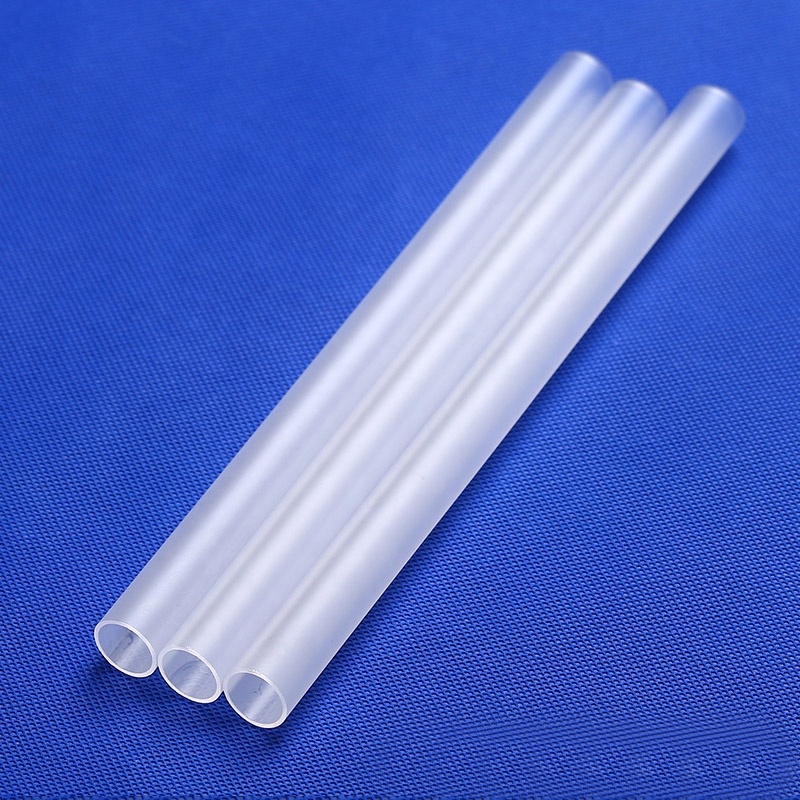
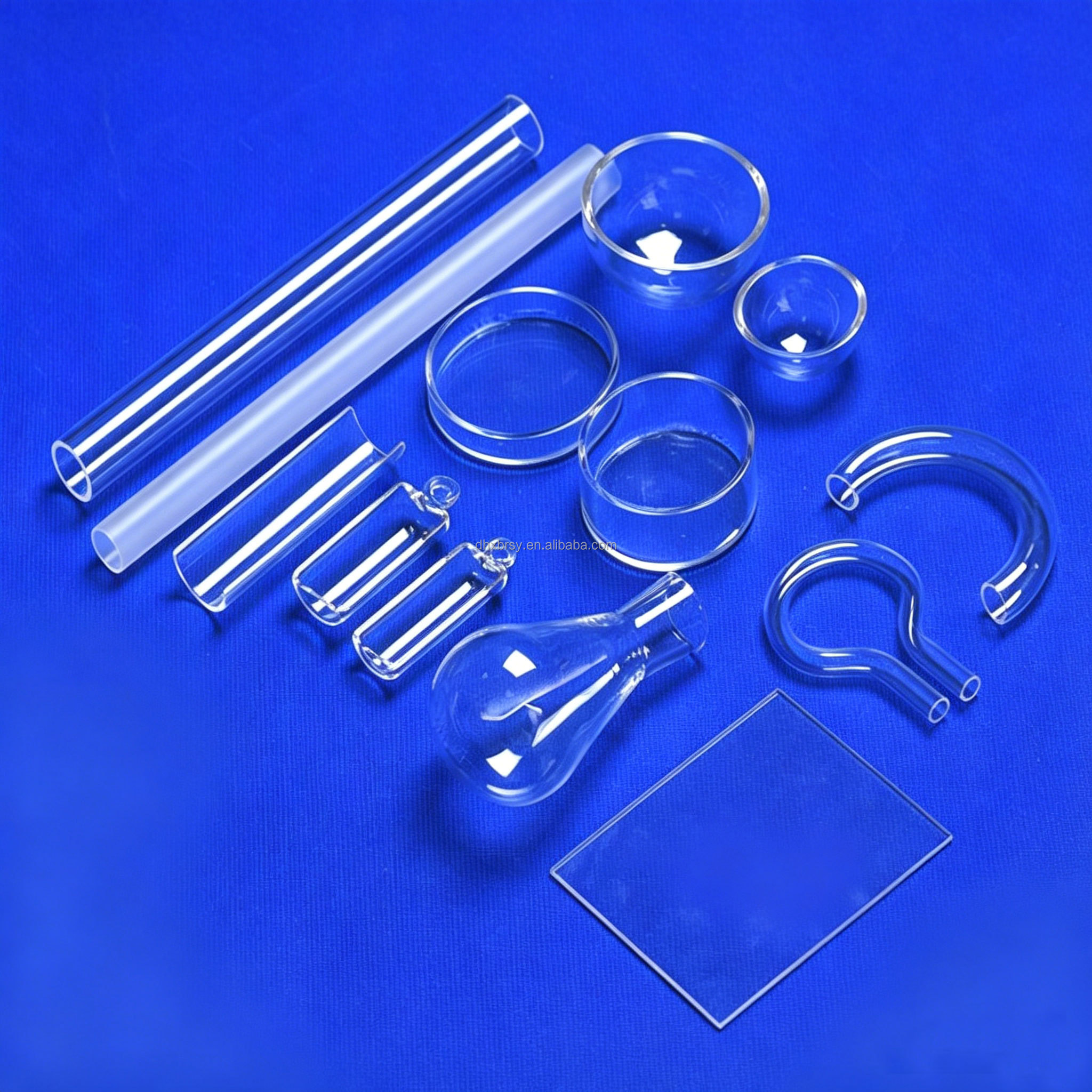
High Purity Translucent Polished Quartz Glass Tube
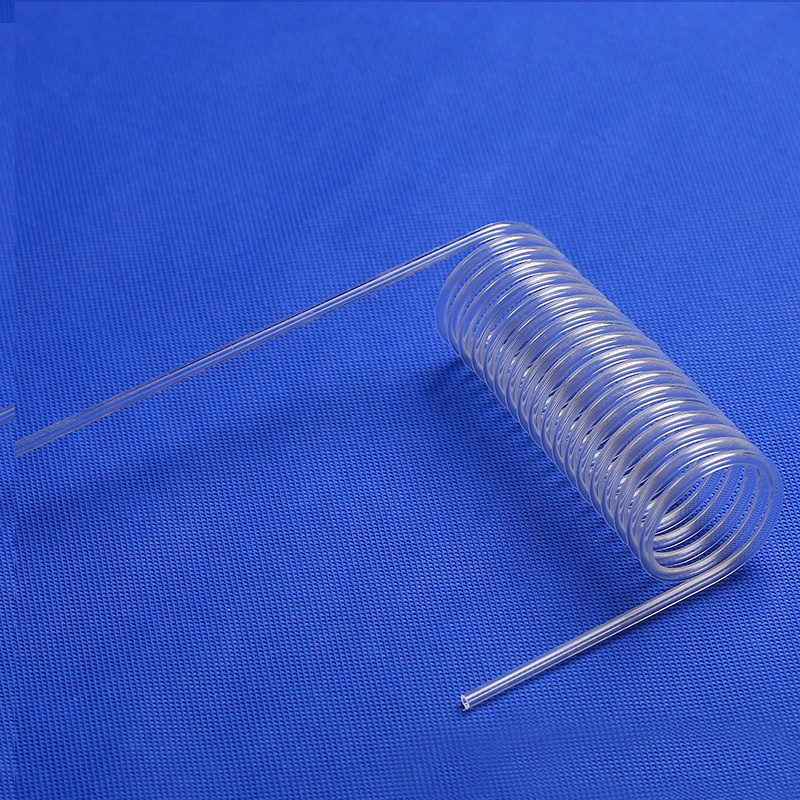
Welding, bending, precision cutting; optimized for high-yield ozone generation, lab infrared heating, and deep UV oxidation reactors.
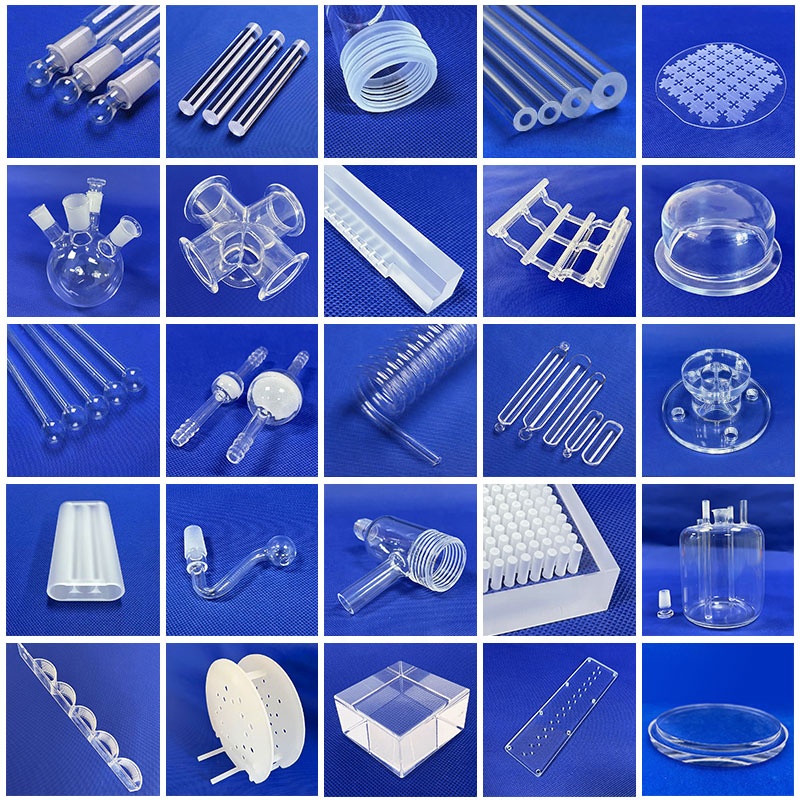
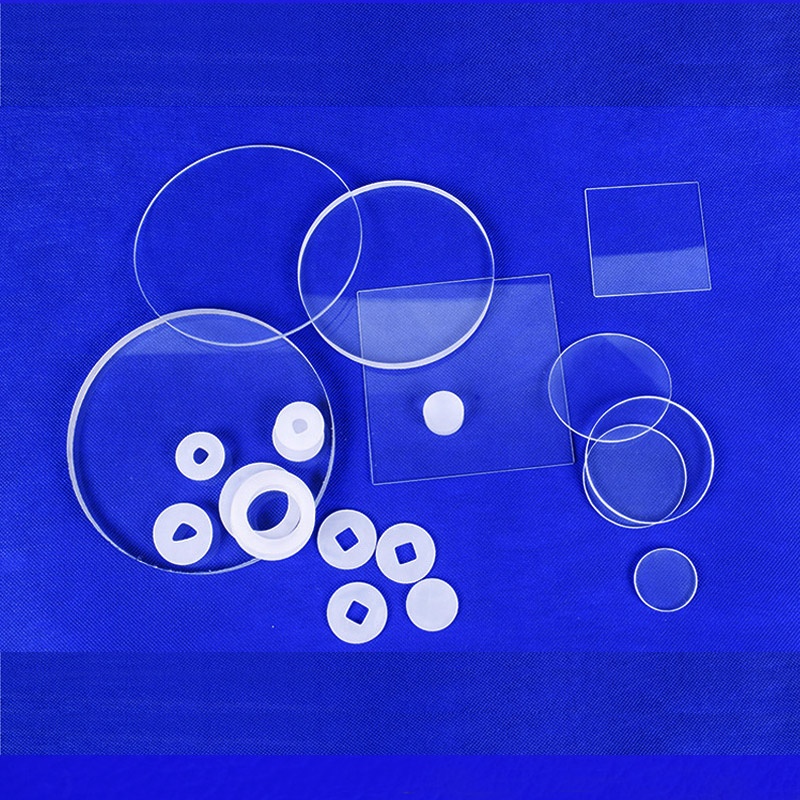
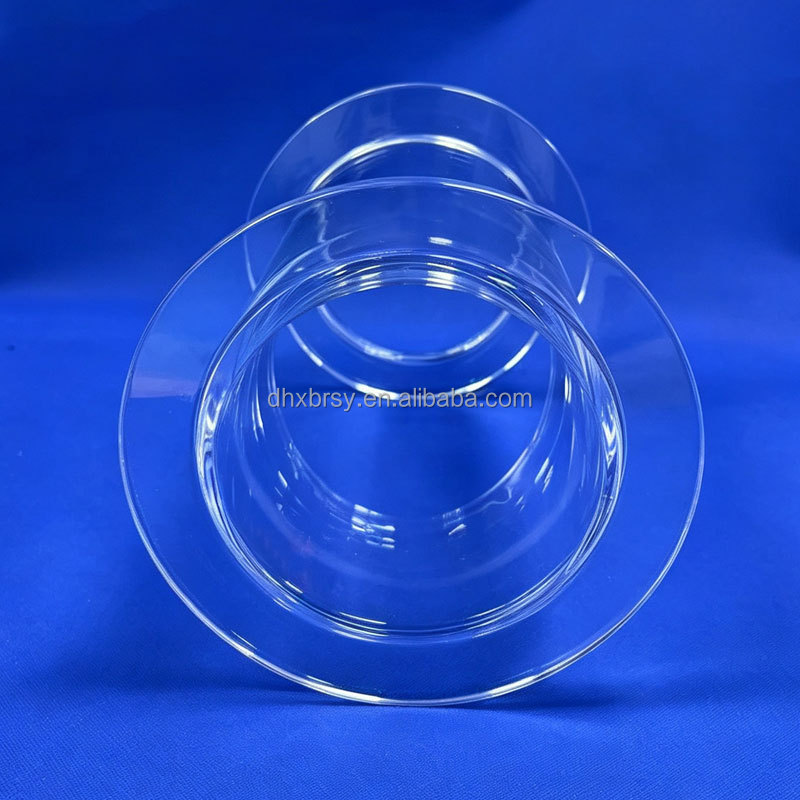
Direct from our Lianyungang integrated smelting facility to the Phuket and Andaman technological corridor: Explore our core production portfolio of precision-machined tubes, double-flanged CVD cylinders, and optical quartz plates.
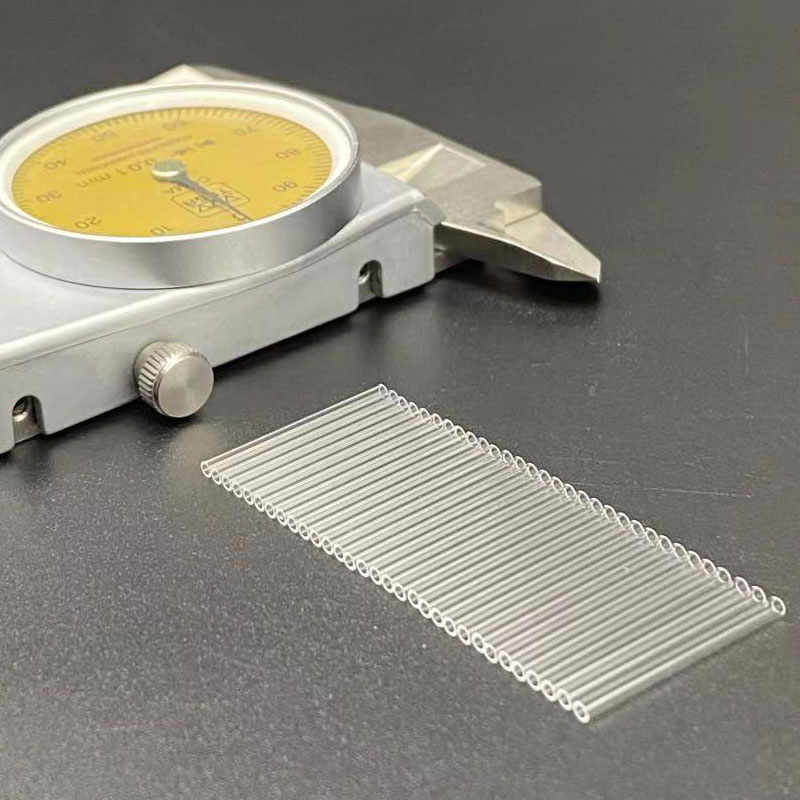
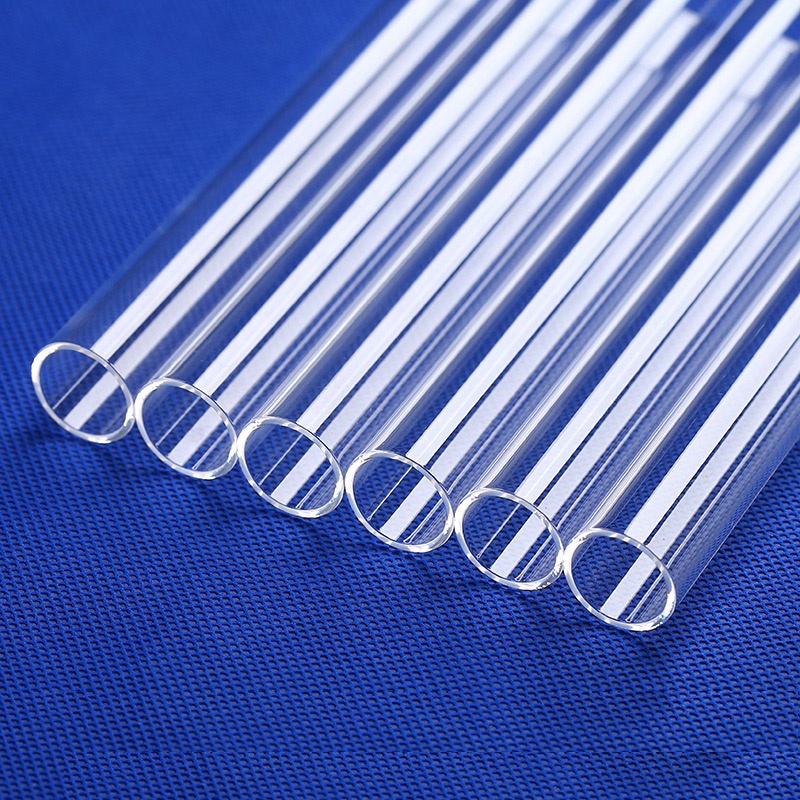
A technical examination of material purity, thermal expansion coefficients, and lattice stability under corrosive precursor chemistries in Chemical Vapor Deposition chambers.
In semiconductor manufacturing, Chemical Vapor Deposition (CVD)—encompassing Low-Pressure CVD (LPCVD), Plasma-Enhanced CVD (PECVD), and Metal-Organic CVD (MOCVD)—subjects chamber components to sustained thermal loads between 400°C and 1,150°C in the presence of reactive silane (SiH₄), dichlorosilane (SiH₂Cl₂), ammonia (NH₃), and aggressive halide etch cleans. Under these severe kinetic regimes, standard technical glasses immediately fail due to thermal shock, devitrification, and ionic outgassing.
Lovri Quartz engineers CVD reaction cylinders from chemically refined, electro-fused crystalline silica. By maintaining alkali metal contaminants (Sodium, Potassium, Lithium) below 1.5 parts per million (ppm) and heavy metals (Iron, Copper, Chromium) below 0.5 ppm, our reaction tubes eliminate parasitic mobile-ion contamination within the epitaxial silicon and dielectric thin-film layers.
| Physical & Thermal Property | Standard Borosilicate | Lovri Fused Quartz (CVD Grade) |
|---|---|---|
| SiO₂ Content (Purity) | ~81.0% | ≥ 99.99% (Optical/Semi) |
| Thermal Expansion (20–300°C) | 3.3 × 10⁻⁶ /°C | 5.5 × 10⁻⁷ /°C (Near Zero) |
| Continuous Operating Temp | ~450°C | 1,100°C Continuous |
| Short-Term Max Temperature | ~500°C | 1,300°C Peak Loading |
| Softening Point | 820°C | 1,730°C |
| Hydroxyl [OH⁻] Baseline | Undefined | ≤ 15–30 ppm (Custom Dry) |
With a coefficient of thermal expansion roughly 1/6th that of borosilicate glass, our quartz cylinders withstand instant transfers from 1,100°C process zones directly into ambient cleanroom staging without micro-fracturing or catastrophic hoop stress failure.
Residual strain from torch flame-working and CNC flanging is methodically neutralized in our computer-monitored annealing furnaces. Every component passes automated polariscope birefringence testing before packaging.
Dual-flanged CVD cylinders feature diamond-ground sealing faces flat to within ±0.02 mm. Compatible with fluoropolymer Viton or Kalrez O-ring seals, guaranteeing helium leak rates lower than 1 × 10⁻⁹ mbar·l/s.
How the integration of CE-certified fused quartz hardware accelerates Phuket's transition into an advanced R&D hub, supporting IoT sensors, marine analytics, cleanroom facilities, and regional semiconductor supply chains.
Southern Thailand's academic institutions, notably Prince of Songkla University (Phuket Campus) and regional technical centers, leverage Lovri's custom quartz flow cells, microplates, and tube reactors for advanced chemical analysis, polymer synthesis, and electronic material prototyping.
As part of the Phuket Smart City roadmap, environmental and marine observation infrastructure utilizes JGS1 UV quartz optical plates and weather-sealed quartz tubing for spectrophotometric sea-water monitoring, remote atmospheric sensing, and high-intensity UV sterilization arrays.
Phuket serves as an agile support node connecting Southern Thailand with the greater Eastern Economic Corridor (EEC). Local contract electronics facilities demand rapid replacement of CVD liners, diffusion furnace quartz boats, and etching pipelines without lengthy lead times.
Procuring delicate, mission-critical fused quartz components within the Phuket market historically presented challenges regarding freight transit damage and customs delays. Lovri Quartz resolves this through structured air-cargo lanes routed through Phuket International Airport (HKT) and consolidated sea freight through nearby deep-water logistics hubs. Every shipment incorporates drop-tested, multi-layered expanded polyethylene (EPE) shock containment and shockwatch impact telemetry, ensuring flawless delivery for urgent cleanroom maintenance and fab upgrades.
Analyzing the macro trends transforming Thailand's microelectronics infrastructure, cleanroom compliance standards, and the rising demand for CE/RoHS-certified precision quartz consumables.
Global semiconductor and electronics manufacturers are actively de-risking single-source dependencies. Thailand's aggressive Board of Investment (BOI) incentives are driving fab expansions in power semiconductors, wafer packaging, and sensor assemblies across both central hubs and southern development zones.
Procurement criteria in Thailand have evolved rapidly. Generic, uncertified quartz stock is no longer accepted in tier-1 microelectronics cleanrooms. Full compliance documentation—including CE conformity for thermal equipment parts and verified RoHS certificates—is now mandatory across high-tech tenders.
With escalating energy costs in tropical cleanrooms, industrial users demand quartz furnace liners and CVD tubes with enhanced thermal retention and uniform infrared dissipation. Our high-transmittance and opaque fused silica variants provide superior heat containment, reducing process cycle times.
Unlike trading intermediaries, Lovri Quartz controls the complete metallurgical and fabrication continuum within our 14,271 m² production facility in Lianyungang, China, providing complete batch certification for Phuket buyers.
Hand-sorted high-grade natural quartz rock crystals are graded for zero visible inclusions and mineral purity.
Heavy mechanical crushers pulverize crystals into calibrated silica sands tailored for precision electric arc fusing.
Multi-deck vibratory screens classify quartz grain distribution down to 200 mesh to optimize melt density.
Multi-stage acid baths leach away surface heavy metals and alkalis, achieving chemical purity ≥ 99.99% SiO₂.
Thermal drawing towers extrude cylindrical tubes with laser-gauged wall thickness and outer diameter tolerances.
Controlled multi-hour soak and slow cooling cycles permanently relieve residual mechanical and structural stresses.
Specialist glass blowers seal, dome, or shape tube ends on precision high-temperature glassworking lathes.
Flanges, gas inlets, and ground joints are molecularly fused to the cylinder body with seamless bead transitions.
Thermal vacuum chambers extract trapped micro-volatiles and minimize surface hydroxyl groups for CVD service.
Ultrasonic and diamond-tipped CNC centers cut complex slots, wafer carrier grooves, and precision bolt holes.
Every piece is verified via polarization stress testing, coordinate measuring machines (CMM), and optical spectrometers.
Ultrasonically washed, vacuum-sealed in anti-static poly, and isolated within foam-cushioned wooden crates for air transit.
Built upon strict quality assurance, transparent third-party verifications, and decades of fused silica expertise.
Our production facilities, testing capabilities, and staff in Lianyungang, Jiangsu, have passed comprehensive onsite evaluation by SGS Group. Real factory legitimacy protects your procurement supply chain from non-performing intermediaries.
Every CVD cylinder, heater tube, and optical sheet complies with international environmental and mechanical standards. Full material test reports (MTR), certificate of conformity (CoC), and trace chemical analysis accompany each commercial delivery.
Whether you require a single bespoke CVD double-flange cylinder for university research in Phuket or hundreds of replacement furnace process tubes for volume semiconductor manufacturing, our engineers review CAD/STEP files with low MOQ thresholds.
Clear, direct answers regarding custom drawings, chemical tolerances, logistics guarantees, and customs compliance for importers in Southern Thailand.
We use a specialized export-grade packaging system engineered for high-fragility optical and semiconductor goods. Every cylinder is wrapped in anti-scratch electrostatic film, nested inside custom-molded high-density EPE foam cradles, and housed in heavy-duty export plywood crates with built-in internal suspension. Crates feature external ShockWatch indicators and "This Side Up" sensors. In the rare event of verified transit damage, our express replacement protocol dispatches a priority unit immediately.
Our engineering department processes 3D models in STEP, IGES, and SLDPRT formats, alongside 2D dimensional drawings in DWG or PDF with specified tolerance notations (e.g., DIN ISO 2768-m or custom ±0.05 mm precision). If you only have a worn sample or sketch from your Phuket facility, our design team can reverse-engineer the component and provide engineering drawings for validation prior to fabrication.
Transparent fused silica exhibits outstanding chemical resistance against most halogens and mineral acids (including HCl, HNO₃, and H₂SO₄) at elevated temperatures. However, hydrofluoric acid (HF) and fluorine-bearing plasmas (such as NF₃ or CF₄ cleans) naturally react with SiO₂. For CVD chambers utilizing regular fluoride etch cycles, we calculate wall thickness safety margins and offer heavy-wall cylinders or tailored synthetic quartz variants that minimize etch rates and extend chamber lifetime.
Fused quartz laboratory and semiconductor apparatus imported into Thailand typically falls under HS Code 7017.10 (laboratory, hygienic or pharmaceutical glassware, whether or not graduated or calibrated, of fused quartz or other fused silica) or HS Code 7020.00. Under China-ASEAN Free Trade Agreement (Form E), preferential duty rates (frequently 0%) are applicable. Lovri provides fully certified Form E certificates, commercial invoices, and packing lists to streamline customs clearance at Phuket International Airport or Bangkok sea freight ports.
JGS1 is synthetic fused silica made from silicon tetrachloride; it provides exceptional transmission across deep-UV (down to 185 nm) with zero bubble inclusions, making it ideal for lithography, photolysis, and UV laser windows. JGS2 is flame-fused quartz made from natural crystal, transparent from ~220 nm to 2,500 nm, offering the best cost-to-performance ratio for general sight glasses and furnace inspection windows. JGS3 is electrically fused, containing minimal OH- ions, which provides outstanding infrared transmission up to 3,500 nm, making it the premier choice for pyrometric temperature monitoring in CVD reaction zones.
For standard OD/ID cylinders in stock stock tubes, precision cutting, flanging, and stress annealing typically require 7 to 10 working days. Fully custom components requiring bespoke CNC tooling, multi-port branch welding, or ultrasonic slotting generally ship within 14 to 21 business days. Priority air express to Phuket delivers within 3 to 5 transit days post-dispatch.
Connect with our senior fused quartz engineers today. Share your target dimensions, operating temperatures, chemical environment, or 2D/3D CAD drawings for a comprehensive engineering review, material recommendations, and a direct competitive factory quotation delivered to your Phuket facility.