Engineered Quartz Products Serving St. John’s & Atlantic Canada
From micro-drilled triple-bore flow chambers to extreme-temperature tube furnace cylinders, our SGS-verified facilities supply optical components manufactured to ±0.01 mm tolerances.
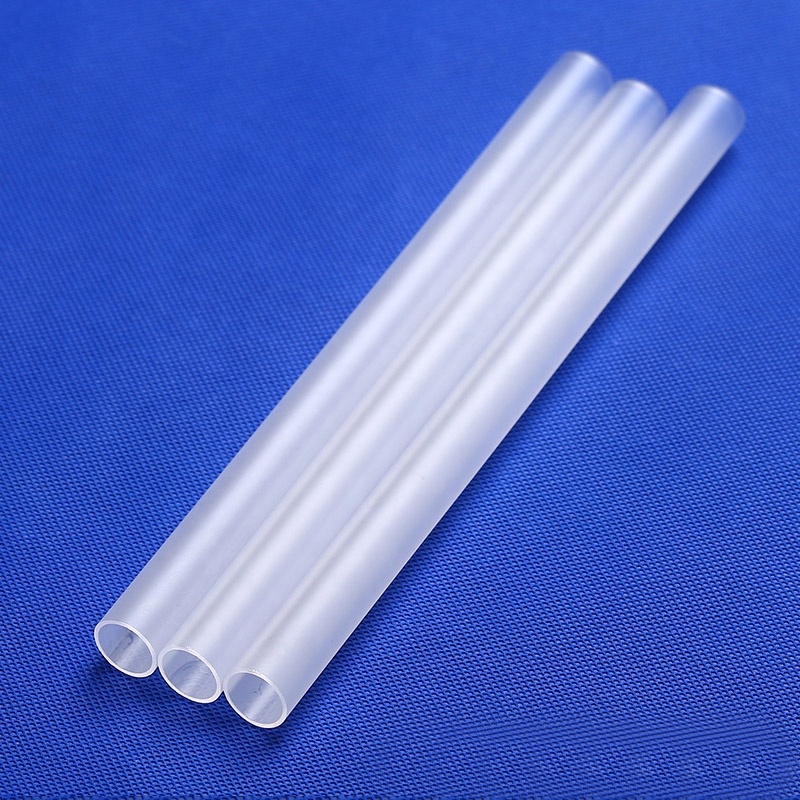
High Purity Translucent Polished Quartz Glass Tube
Explore Specifications →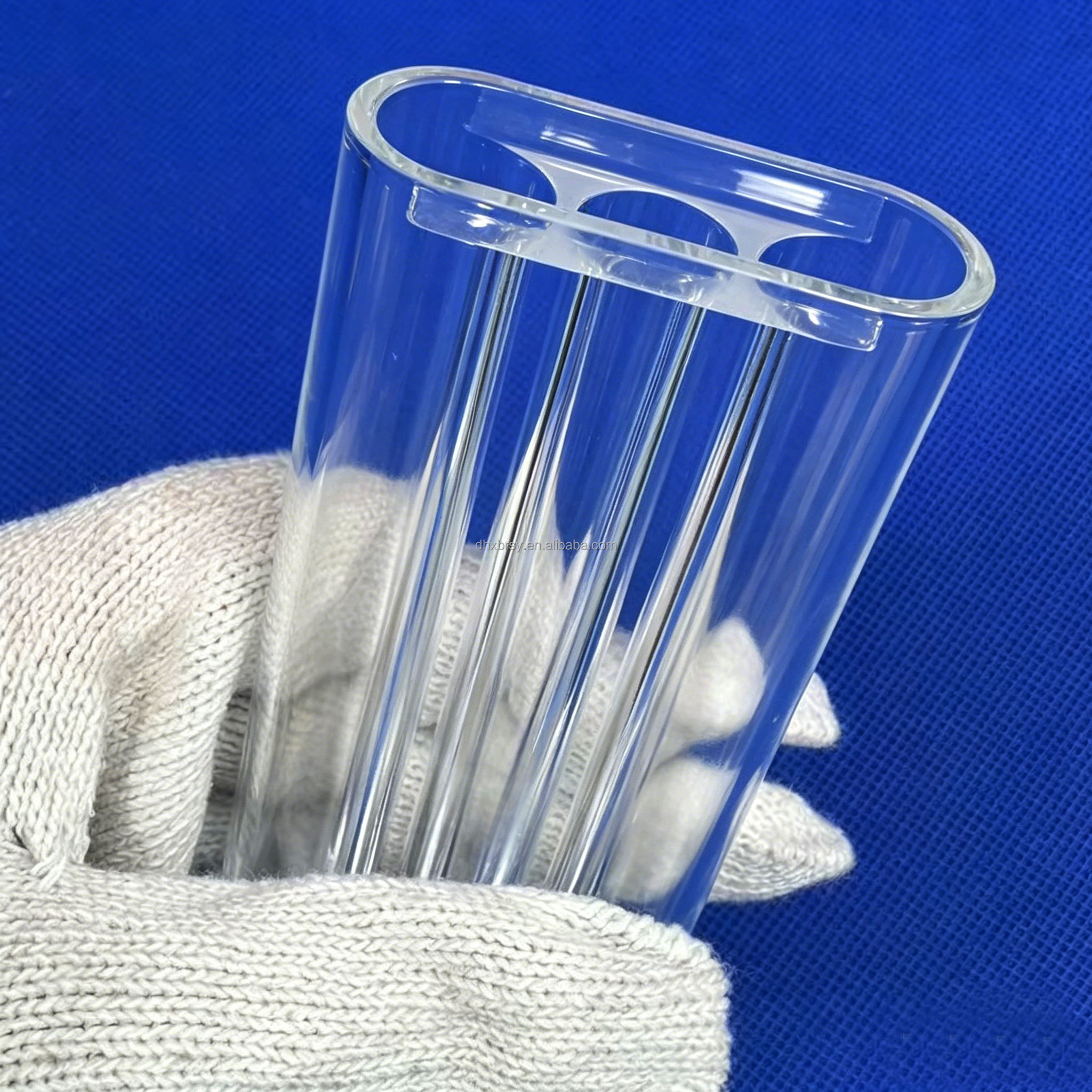
Customized High Temperature Quartz Glass Tubes
Explore Specifications →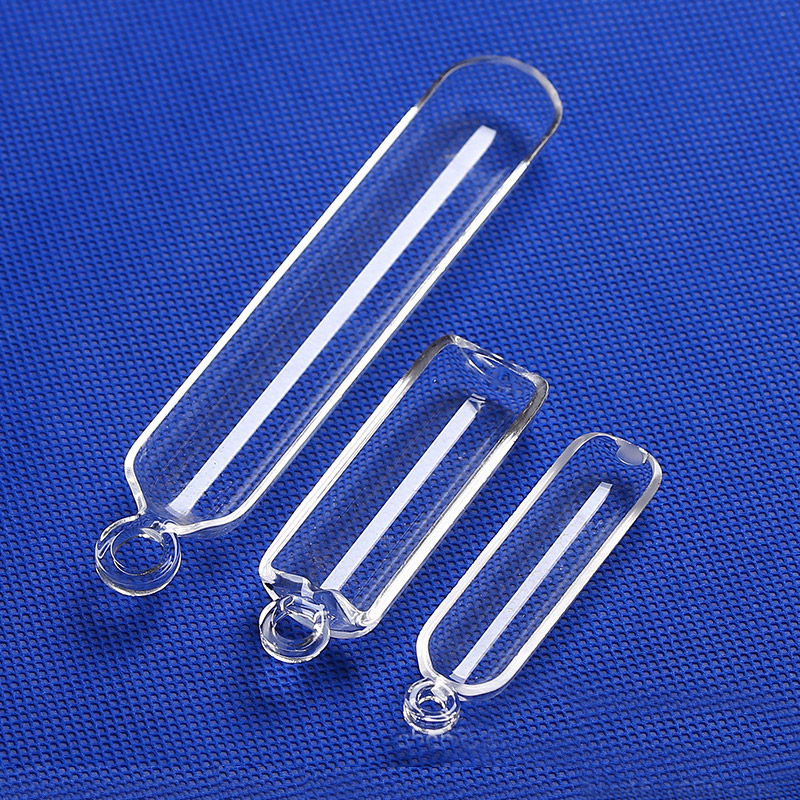
Custom-Made Fused Quartz Laboratory Boat
Explore Specifications →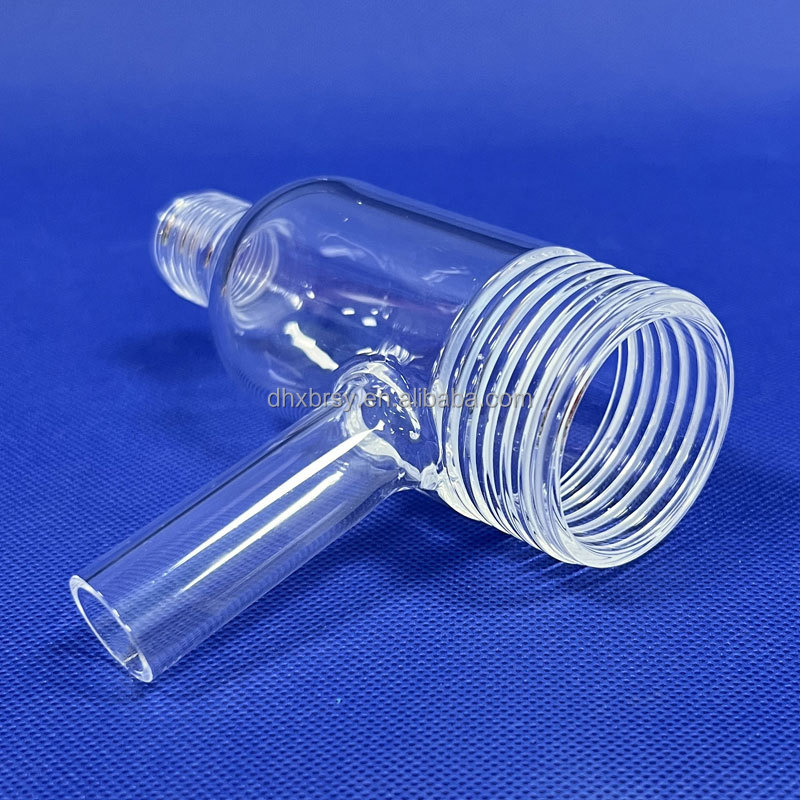
Threaded High-Temperature Quartz Glass Tube
Explore Specifications →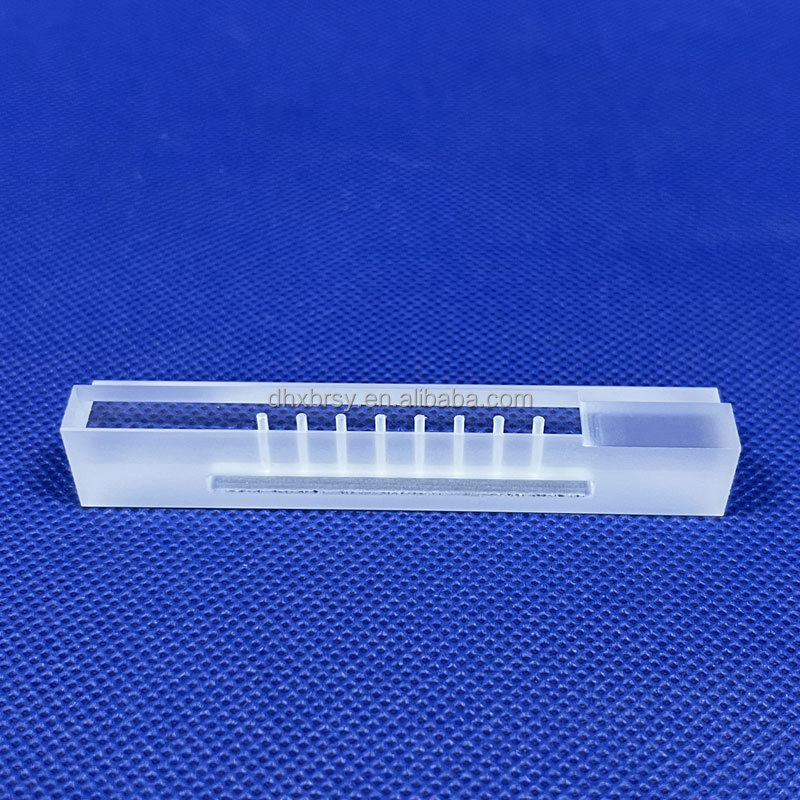
Precision Fused Quartz V-Groove Fiber Fixture
Explore Specifications →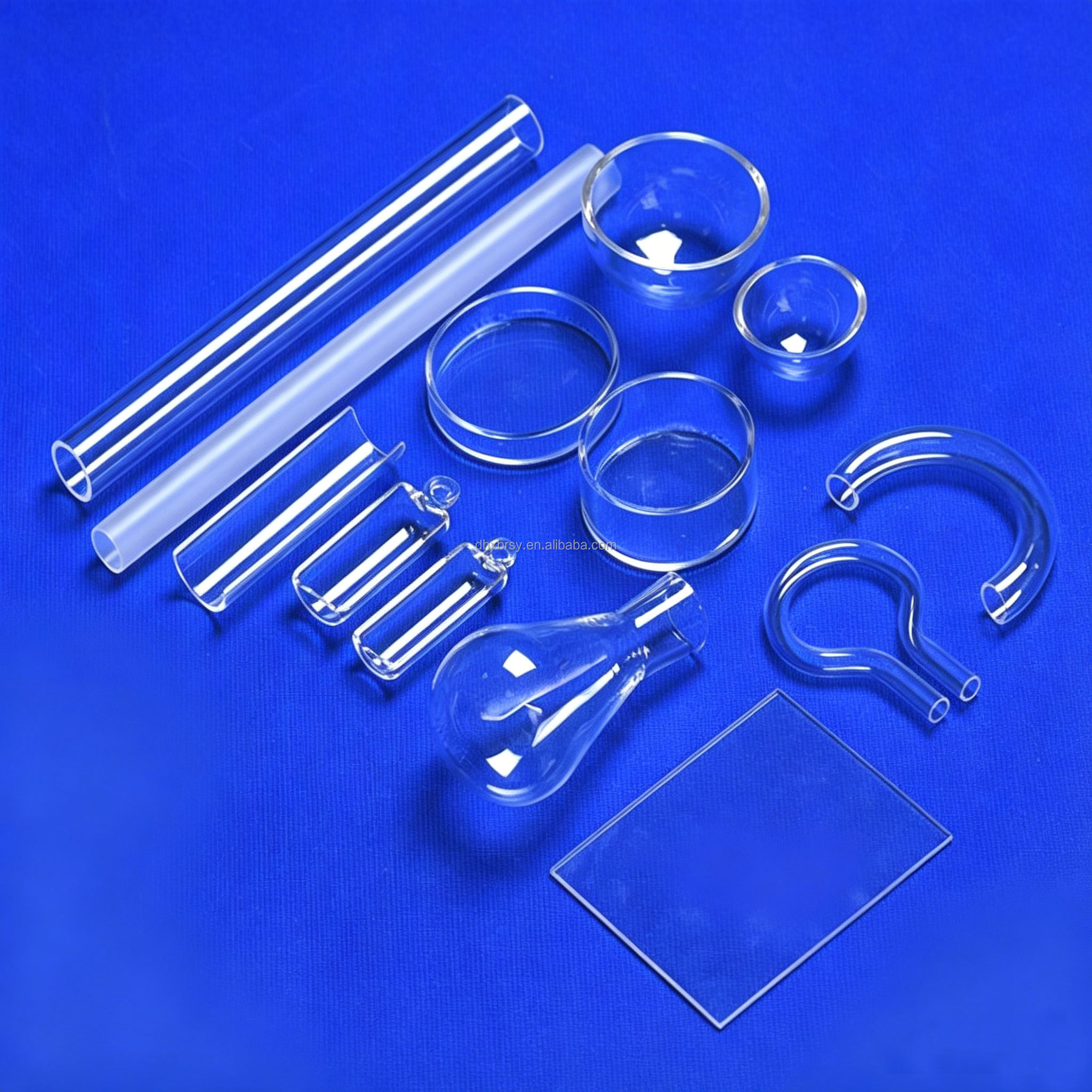
Transparent Fused Quartz Optical Sheet
Explore Specifications →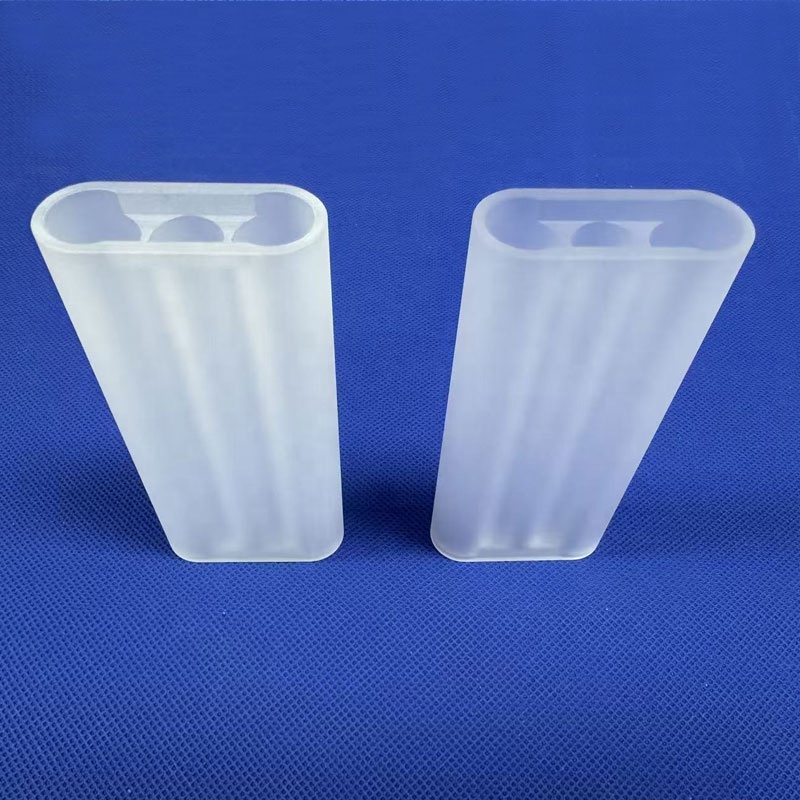
High Precision Triple Bore Quartz Laser Flow Tube
Explore Specifications →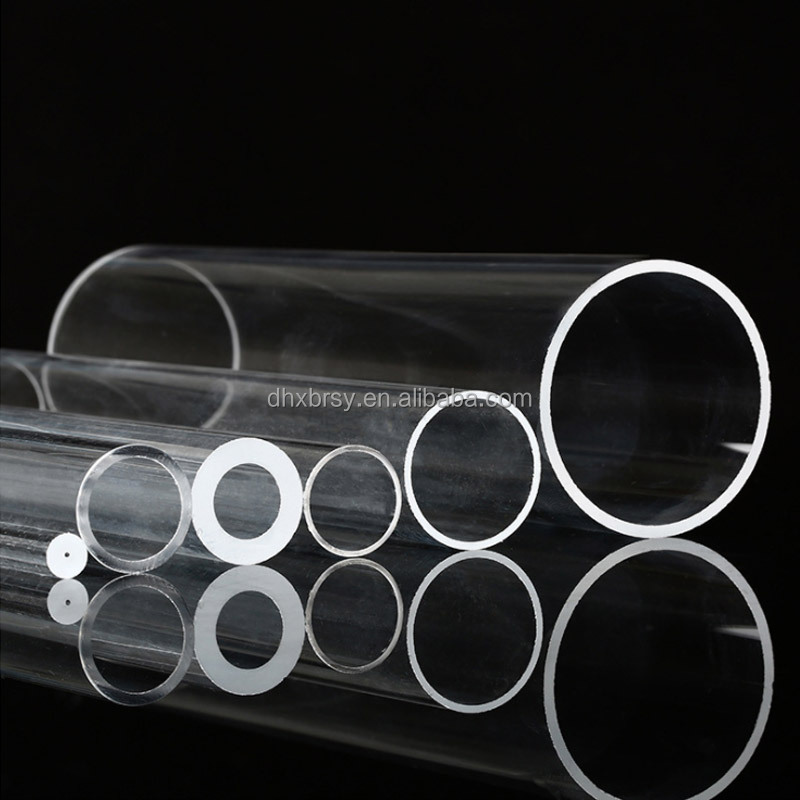
SiO₂ Heating Quartz Tube for Industrial Systems
Explore Specifications →The Physics of Triple-Bore Fused Quartz in High-Irradiance Laser & Fluid Cavities
Multi-bore fused silica flow tubes represent the pinnacle of vitreous silica engineering. Unlike standard single-bore cylindrical envelopes, a triple bore quartz flow tube consolidates three independent, micron-aligned longitudinal channels within a single monolithic optical body. In high-output solid-state laser architectures—such as flashlamp-pumped Neodymium-doped Yttrium Aluminum Garnet (Nd:YAG) and Alexandrite systems—the triple bore geometry serves as the vital optical cavity nexus.
Two outer bores are typically engineered to house linear flashlamps or auxiliary optical waveguides, while the central bore cradles the active solid-state laser crystal rod. Simultaneously, deionized cooling water (DI water) or heat-transfer coolant is pumped at high velocities across all three chambers. The monolithic quartz envelope ensures perfect parallel alignment under extreme thermomechanical stress, preventing mechanical vibration, thermal lensing distortions, and beam wandering.
CE Compliance & Optical Uniformity: Our triple bore components are manufactured with ultra-low OH content synthetic fused silica (JGS1) or high-grade natural fused quartz (JGS2), ensuring CE compliance, negligible thermal expansion (5.5 × 10⁻⁷ /°C), and zero dielectric breakdown under pulsed kilovolt discharges.
By eliminating internal boundary interfaces, our Lianyungang manufacturing facility prevents parasitic Fresnel reflection losses. Each channel wall is ultrasonically ground, fire-polished, and verified with cross-polarization laser stress testers, guaranteeing absolute mechanical reliability across the harsh temperature differentials common to North Atlantic scientific and marine applications.
Critical Material Metrics
Vitreous silica outperforms borosilicate and sapphire in multi-channel high-flux laser envelopes due to its anomalous zero-crystallization threshold under thermal shock.
- SiO₂ Chemical Purity: ≥ 99.99%
- Transmission Range: 185 nm to 2500 nm (JGS1 Grade)
- Softening Point: 1730 °C | Annealing Point: 1215 °C
- Internal Stress (Birefringence): < 5 nm/cm
- Parallelism Tolerance: < 0.02 mm across full bore length
Material Performance Matrix: Fused Quartz vs Alternative Envelopes
| Physical / Optical Property | Lovri JGS1 Synthetic Quartz | Lovri JGS2 Natural Quartz | Borosilicate Glass (3.3) | Industrial Sapphire (Al₂O₃) |
|---|---|---|---|---|
| Optical Transmission Band | 185 nm – 2,500 nm (Deep UV to NIR) | 220 nm – 2,500 nm (UV to NIR) | 320 nm – 2,000 nm (Near UV Blind) | 150 nm – 5,500 nm |
| Coefficient of Thermal Expansion | 5.5 × 10⁻⁷ / °C (Extreme stability) | 5.5 × 10⁻⁷ / °C | 33 × 10⁻⁷ / °C (6x Higher Distortion) | 58 × 10⁻⁷ / °C (10x Distortion) |
| Thermal Shock Resistance | 1100 °C to cold water quenching | 1100 °C to cold water quenching | ~150 °C delta cracking point | ~300 °C maximum delta |
| Refractive Index (@ 589 nm) | 1.458 | 1.458 | 1.473 | 1.768 (High Fresnel Reflection) |
| Dielectric Strength (kV/mm) | 25 – 40 kV/mm | 25 – 35 kV/mm | 10 – 15 kV/mm | 15 – 20 kV/mm |
| Multi-Bore Bore Wall Machinability | Ultrasonic CNC & Fire-polish (High) | Ultrasonic CNC & Fire-polish (High) | Extrusion only (Low precision) | Diamond Slicing (Excessive cost) |
Localized Deployment Scenarios Across St. John's & Newfoundland
As North America's premier Atlantic ocean technology hub and home to world-class research institutes, St. John’s demands flow tubes and custom quartz apparatus capable of operating under sub-zero maritime conditions and ultra-demanding laser regimes.
Subsea Photonics & Oceanographic LIDAR
Institutions such as Memorial University of Newfoundland (MUN), the Marine Institute, and autonomous subsea vehicle (AUV) developers in St. John's harbor utilize our triple-bore quartz flow tubes for specialized underwater green laser transmitters (532 nm). The multi-bore design allows dual fluid temperature control while isolating subsea optical receiver pathways under extreme hydrostatic pressures.
Medical Aesthetic & Laser Dermatology
Cosmetic dermatology clinics and medical laser maintenance technicians across Newfoundland depend on exact-tolerance replacement triple-bore flow tubes for Alexandrite (755 nm) and Nd:YAG (1064 nm) aesthetic systems (e.g., GentleMax Pro / GentleYag platforms). Our CE-certified flow tubes maintain lamp-to-rod alignment, ensuring consistent fluence output and patient safety.
Offshore Environmental & Harbor Monitoring
Offshore oil exploration sites and water monitoring labs in Conception Bay and St. John's utilize custom quartz flow cells and ozone generation sleeves for chemical digestion and fluorescence spectroscopy. The exceptional UV transparency of our JGS1 quartz ensures uninhibited detection of trace hydrocarbon pollutants in Atlantic seawater.
Cold-Ocean Academic Chemistry & Materials
Laboratories conducting pyrolytic calcination, high-pressure hydrocarbon cracking, and solid-state crystal synthesis require fused quartz tubes and boats capable of withstanding rapid thermal cycles. Our zero-expansion quartz enables researchers to transition materials from 1000 °C furnaces straight to cold room conditions without micro-fracturing.
Why St. John's Buyers Are Shifting from Domestic Glass Distributors to Direct Manufacturers
For decades, laboratories and clinical operators in Newfoundland and Labrador relied on mainland Canadian brokers or US-based distributors. This distribution chain introduced substantial markups (often exceeding 200%), lengthy customs holding delays in Montreal or Halifax, and limited engineering flexibility for custom prototypes.
By sourcing directly from our SGS-verified Lianyungang manufacturing plant, St. John’s engineering procurement officers obtain mill-grade certification, custom laser bore drawings turned around within 48 hours, and DDP (Delivered Duty Paid) air freight that arrives directly at St. John's International Airport (YYT) or the Port of St. John's.
Emerging Technological Trends Across Newfoundland’s Photonics Landscape
1. Growth in Blue-Green Subsea Optical Sensing: As Atlantic offshore operations move toward autonomous, uncrewed underwater inspection vehicles (UUVs), solid-state laser bathymetry is replacing legacy acoustic sonar in murky coastal shallows. Triple-bore tubes that double as fluid heat exchangers allow tight integration into compact titanium pressure vessels.
2. Consolidation of Med-Spa Equipment Lifecycles: With clinical laser replacement parts facing volatile exchange rates, clinic administrators in St. John's prioritize CE-certified and RoHS-compliant triple-bore cavity tubes that match or exceed original equipment manufacturer (OEM) optical life at direct-from-factory pricing.
3. Demand for Turnkey Precision Quartz Fixturing: Modern marine telecommunications fiber cables landing in Atlantic Canada demand ultra-stable V-groove arrays and high-clarity fused silica substrate windows to sustain gigabit-per-second optical repeaters resistant to saltwater vapor corrosion.
Why Global Engineers Trust Lovri Quartz Co., Ltd.
Situated in the heart of China’s premier high-purity silica belt in Lianyungang, Jiangsu, Lovri Quartz controls the complete vertical processing cycle from raw lump quartz to sub-micron CNC components.
Source Raw Material Beneficiation
Unlike downstream glass processors, we operate dedicated raw material cutting, mechanical pulverizing, precision re-screening, and hydrofluoric/nitric acid pickling baths to ensure every batch achieves a strict 99.99% SiO₂ baseline before fusion.
Multi-Axis Ultrasonic CNC Machining
Our CNC machining centers utilize diamond tooling, ultrasonic drilling, and computerized internal polishing to produce complex shapes: multi-bore flow tubes, threaded joints, high-vacuum flanges, and precision V-groove arrays to CAD drawing specifications.
Polarization Stress & Trace Analysis
Every triple-bore flow tube undergoes a multi-hour annealing cycle at 1215 °C followed by computerized cross-polarization inspection to eliminate latent crystal lattice strain, completely mitigating premature catastrophic thermal cracking in high-power laser heads.
Engineered Heavy-Duty Maritime Crating
We recognize the shipping risks to remote maritime locations like St. John's. All fragile quartz parts are vacuum-sealed in anti-static PE bags, suspended in custom high-density EPE shock foam, and crated in export-grade, fumigated plywood cases with tip-and-drop indicator tags.
Frequently Asked Questions for St. John's Buyers
Clear answers addressing regulatory compliance, Canadian customs clearance, cold-environment performance, and custom CAD engineering requests.
Order CE Certified Triple Bore Quartz Flow Tubes for St. John's Delivery
Connect directly with our senior quartz engineering team. Share your dimensional parameters, CAD files, operating thermal profiles, or required laser model replacements, and receive a competitive manufacturing quote within 24 hours.
Contact Us