UV Ozone Series
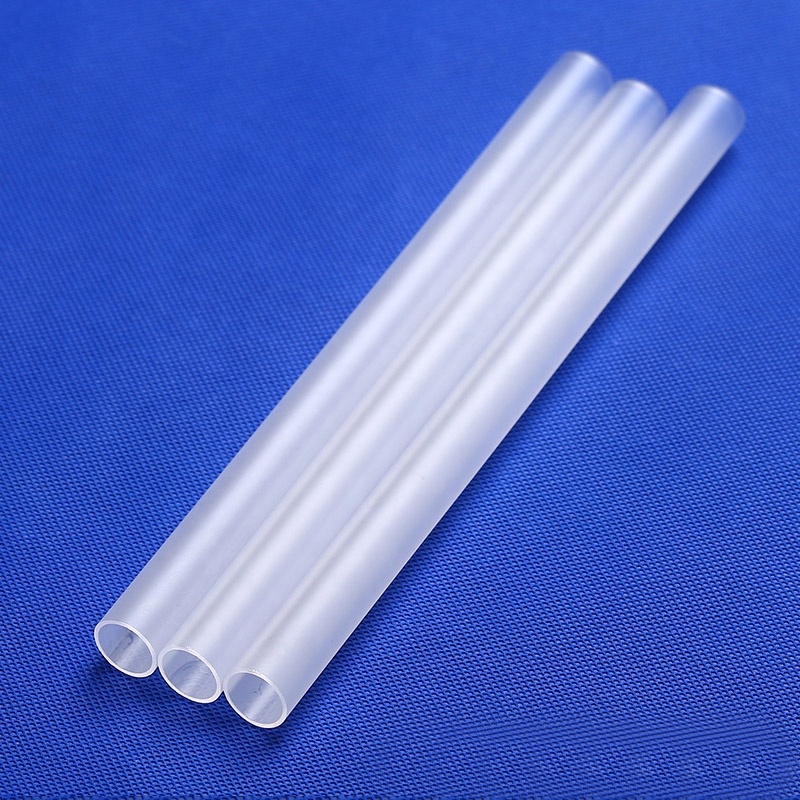
Engineered from 99.99% pure synthetic and flame-fused silica (SiO₂) to deliver deep ultraviolet transmittance down to 185 nm, superior thermal endurance up to 1300 °C, and chemically inert surface stability for demanding installations.
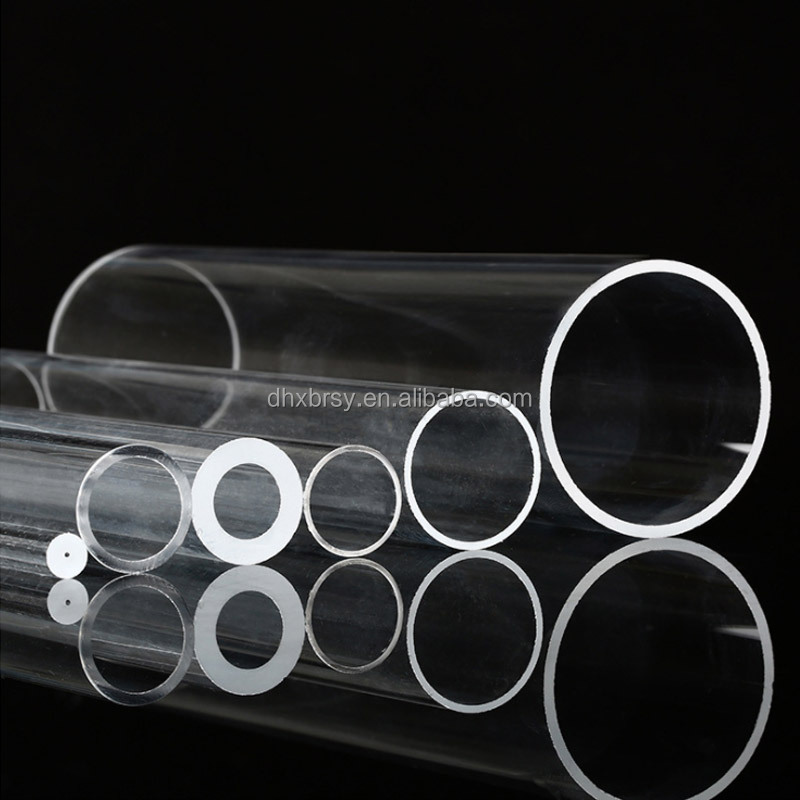
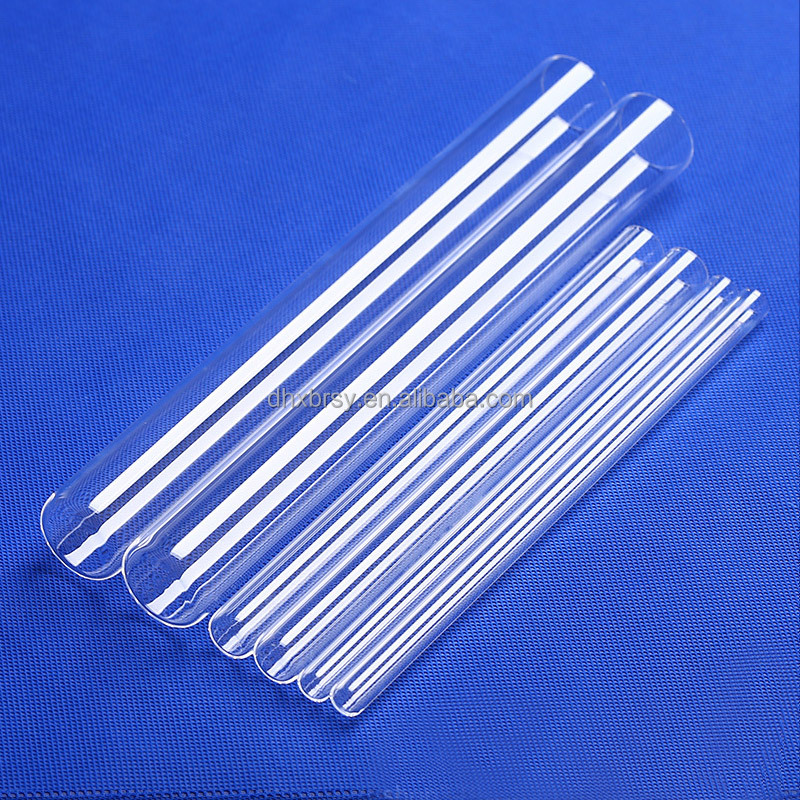
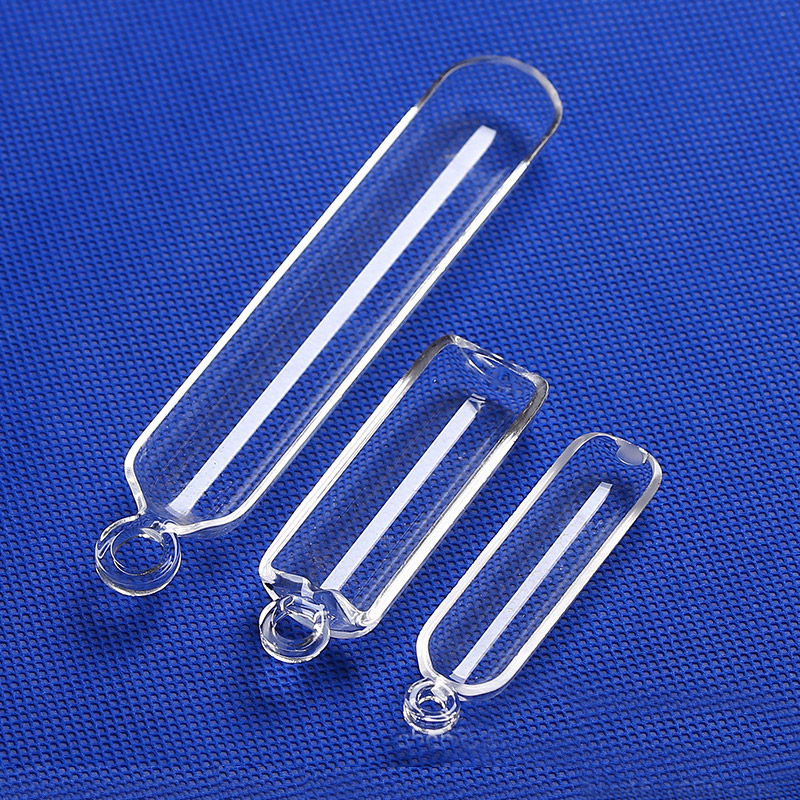
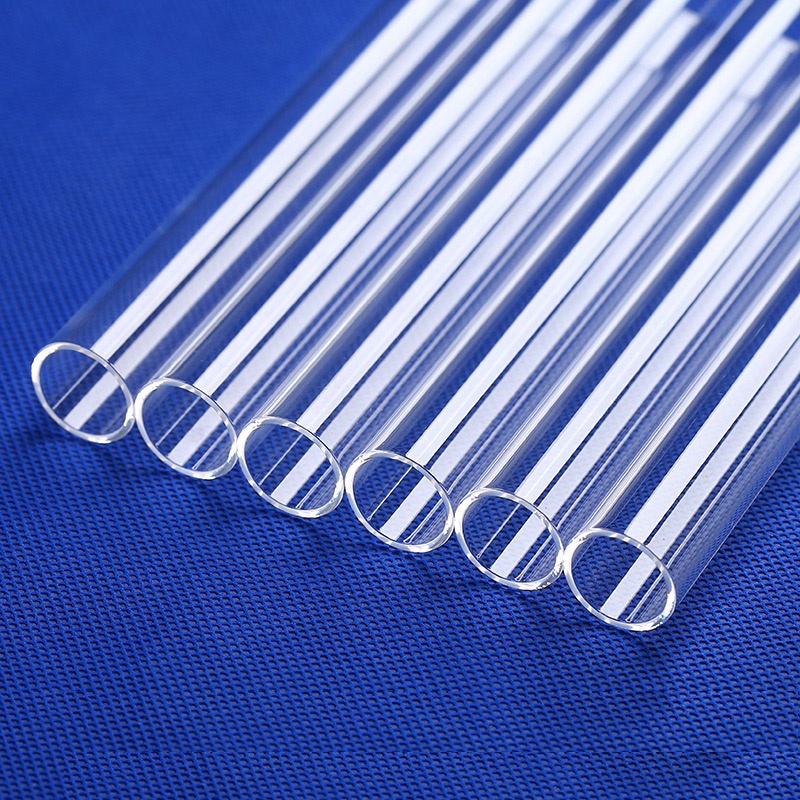
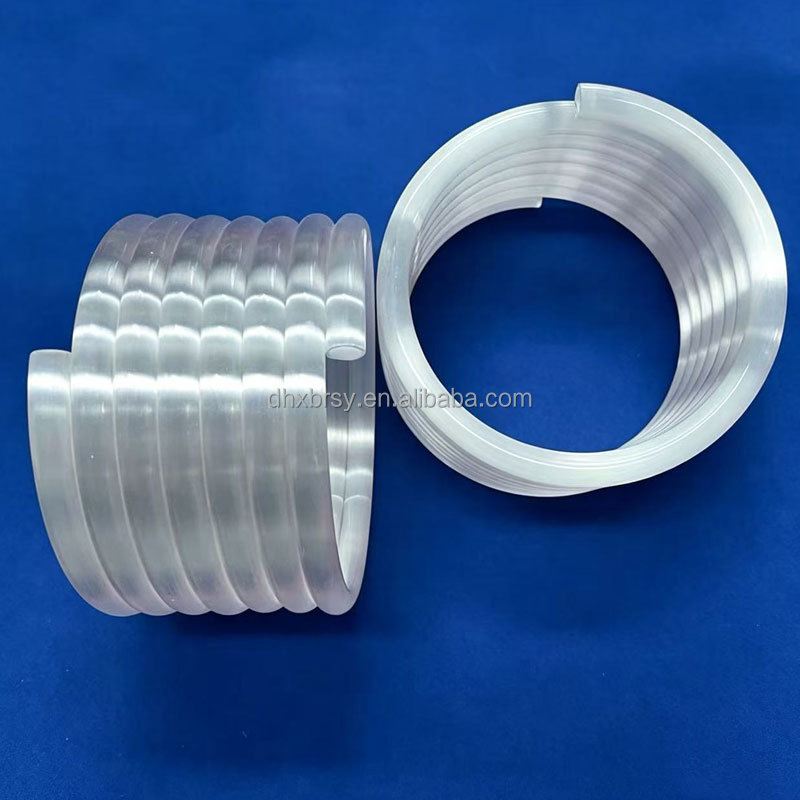
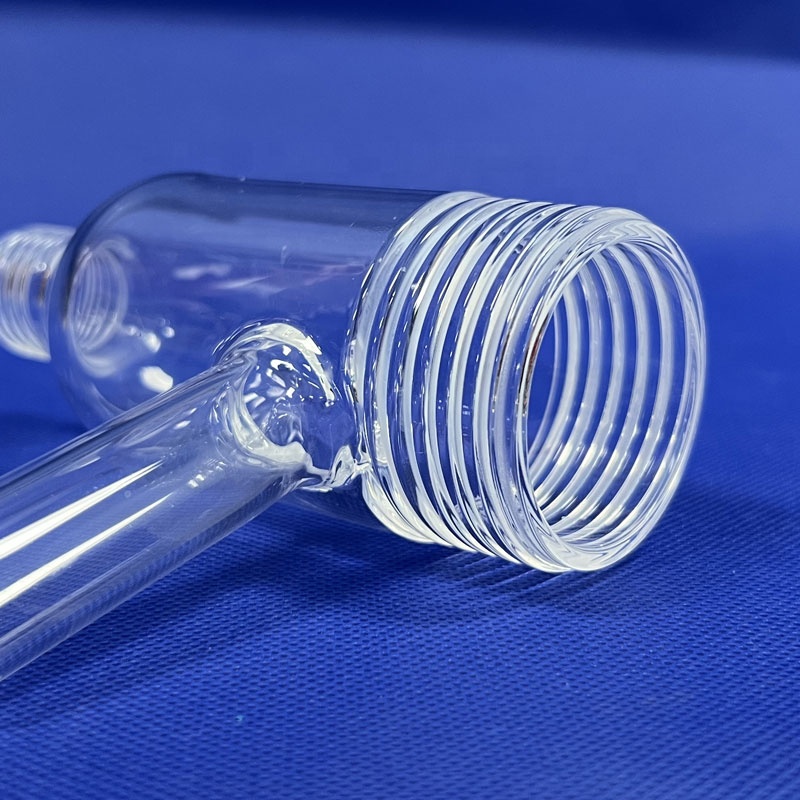
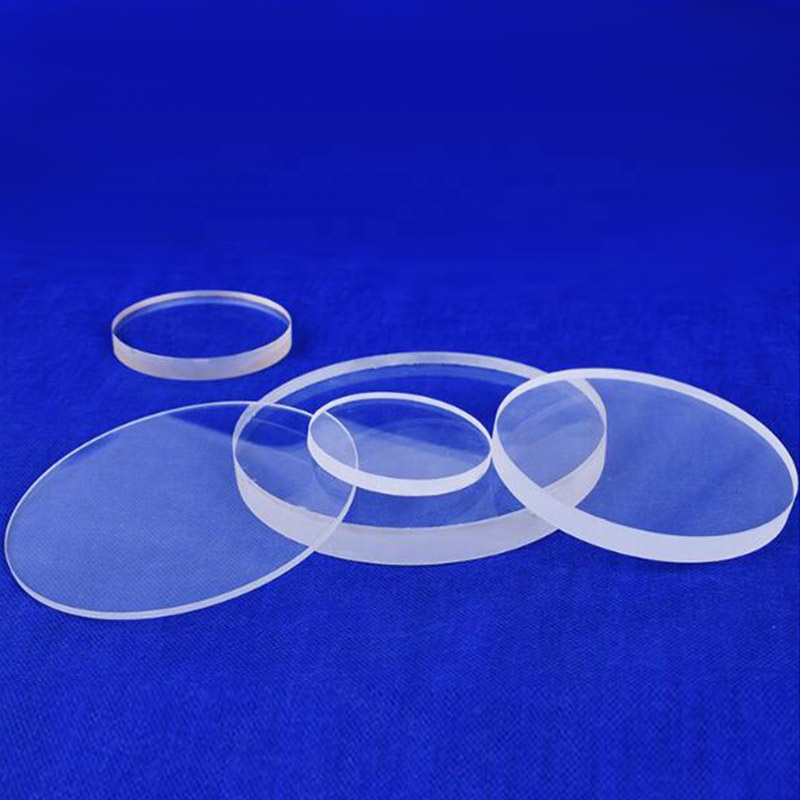
A rigorous engineering comparison between synthetic fused silica (JGS1), optical-grade fused quartz (JGS2), and infrared transparent quartz (JGS3) for tropical and coastal industrial applications.
| Quartz Grade | Material Category | Spectral Transmission | Primary Industrial Applications | Key Mechanical Advantage |
|---|---|---|---|---|
| JGS1 | Synthetic Fused Silica (SiCl₄ synthesis) | 185 nm – 2500 nm (Deep UV to Near IR) | Excimer lasers, 254 nm germicidal UV disinfection, analytical HPLC flow cells | Zero bubble inclusions; negligible fluorescence under high-energy UV flux |
| JGS2 | Flame-Fused Natural Quartz Crystal | 220 nm – 2500 nm (Standard UV-Vis) | Water treatment viewports, industrial sight glasses, UV curing lamps | Superior cost-to-performance ratio; robust mechanical resistance against abrasion |
| JGS3 | Electrically Fused Quartz (Low OH) | 260 nm – 3500 nm (Extended Infrared) | High-temperature pyrometer sight glasses, IR furnace heating elements | Extremely low hydroxyl [OH] content (< 5 ppm), eliminating the 2.73 µm absorption dip |
| Opaque Silica | Sintered High-Purity Silica Matrix | Diffuse scattering / IR re-radiation | Thermal insulation shields, radiant heating muffles, drying furnaces | Ultra-low thermal conductivity; outstanding resistance to instantaneous thermal shocking |
Under continuous, high-flux shortwave radiation (253.7 nm UV-C), ordinary borosilicate or low-grade glass suffers severe optical darkening (solarization). Our JGS1 fused quartz windows feature trace metal impurity profiles beneath 1 ppm, preventing color-center formation and maintaining 90%+ transmission over tens of thousands of operating hours.
With an extremely low coefficient of thermal expansion (approx. 5.5 × 10⁻⁷ /°C between 20 °C and 300 °C), our quartz products undergo virtually zero dimensional expansion. A fused quartz tube or window can be heated above 1100 °C and immediately submerged into cold seawater without structural fracture, micro-cracking, or seal compromise.
Belize's humid, coastal Caribbean environment subjects equipment to aggressive chloride assault. Fused quartz provides complete chemical inertness across almost the entire pH spectrum. Except for hydrofluoric acid (HF) and concentrated phosphoric acid at boiling temperatures, our quartz windows resist all saline, organic solvent, and acidic environments.
From the barrier reefs of Ambergris Caye to the agricultural heartlands of Cayo and Orange Walk, our CE-certified fused quartz solutions power vital operations across Belizean industries.
Belize houses the Mesoamerican Barrier Reef System, attracting international scientific expeditions and deep-sea monitoring stations. Research facilities across San Pedro, Placencia, and Turneffe Atoll require high-pressure, optically pure JGS1 quartz sight windows for submersible cameras, underwater fluorometers, and chlorophyll spectrophotometry where crystal optical clarity at 200–400 nm is mission-critical.
High-end eco-tourism resorts across the cayes depend on reverse osmosis (RO) seawater desalination coupled with closed-chamber UV-C disinfection systems to provide safe drinking water without ecological chemical runoff. Our CE-certified fused silica sleeves and UV quartz observation windows ensure 254 nm germicidal transmission while standing up to high hydraulic pressures and intense saline exposure.
Belize's foundational agricultural processors—including sugarcane refineries in Orange Walk and citrus processors in the Stann Creek Valley—utilize high-temperature boiler lines and industrial drying ovens. Our custom-cut JGS2 and translucent quartz sight glasses deliver continuous 1100 °C thermal resistance, allowing engineers to visually monitor combustion and crystallization chambers safely.
Shrimp and tilapia aquaculture facilities near Belize City and southern estuaries maintain strict pathogen defense systems. Water circulation loops use large-diameter, one-end-closed quartz protection tubes to isolate submerged high-output amalgam UV lamps, safeguarding fingerlings and shrimp larvae from bacterial blights without introducing toxic heavy metals.
Municipal healthcare centers and regional analytical clinics in Belmopan and Belize City require CE-certified quartz glass for sterilization autoclave vessels, high-intensity surface sanitizers, and diagnostic photochemical analyzers where structural reliability under cyclic steam pressures is mandated by regional health protocols.
Local sheet metal fabrication plants and engineering repair shops utilize precision CNC-ground fused quartz protective debris shields. These sacrificial plates shield costly optical focusing heads on fiber laser cutters from hot spatter, high thermal backlash, and atmospheric debris without distorting beam coherence.
Strategic market forces driving quartz component adoption and supply-chain modernization across Central America and the Caribbean basin.
With national biodiversity protection guidelines restricting chlorine and chemical wastewater discharge near vulnerable coral barrier systems, private hospitality and municipal water authorities in Belize are shifting heavily toward high-intensity germicidal UV-C reactors. This transition has led to a 40% surge in demand for high-transmission JGS1 quartz sleeve replacements and inline viewing ports.
Belize's outer cayes and isolated inland eco-lodges operate on decentralized microgrids and localized solar-powered utilities. Systems require robust, maintenance-free materials that resist intense solar ultraviolet degradation, salt fog corrosion, and fluctuating operating voltages. Our thermal-shock-resistant quartz tubes provide continuous duty without requiring delicate climatic sheltering.
Historically, Belizean buyers relied on multi-tiered Caribbean trading intermediaries, suffering prolonged shipping delays and steep price markups. Engineering teams now connect directly with primary Asian production hubs like our Lianyungang facility, securing custom dimensional tolerances, certified material reports, and specialized break-proof wooden crating tailored for maritime freight.
Essential guidance on optical specifications, import procedures, chemical resilience, and logistics for procuring custom quartz components in Belize.
Operating from Lianyungang, China's silicon heartland, our 14,271 m² production facility controls every step from raw silica grading to finished high-precision optical parts.
Unlike third-party optical glass processors who buy uncontrolled glass tubes, we execute raw mineral sorting, mechanical pulverization, grain rescreening, and multi-stage acid pickling in-house. This strict origin control guarantees material purity of 99.99% SiO₂, eliminating erratic metallic trace contamination.
Internal mechanical stress introduced during hot drawing or flame welding is the leading cause of sudden quartz tube implosion under heat or vacuum. Every production batch at our factory passes through computer-monitored annealing kilns followed by full polariscope stress inspections before release.
Our operations, engineering staff, automated drawing machines, and testing facilities have been thoroughly assessed on site by SGS Group. Buyers in Belize can procure direct with confidence, backed by verified business credentials, international export track records, and strict quality governance.
Whether you require standard JGS1 deep-UV windows, replacement quartz sleeves for water disinfection, or custom CNC-machined fused silica viewing plates, our specialists are ready to review your parameters and provide an expedited quotation for Belize.