Precision High-Purity Fused Silica Products for Bequia
From optical deep-UV transmission plates to thermal-shock resistant threaded reaction vessels, explore our laboratory and industrial grade quartz fabricated in our Lianyungang manufacturing facility.

JGS1 BAO RAN High Purity Fused Quartz Glass Sheet SiO2 99.99% UV Transparent
- 99.99% SiO₂ Purity
- Deep UV Transmission (185–2500 nm)
- RoHS Certified · Annealed Stress-Free
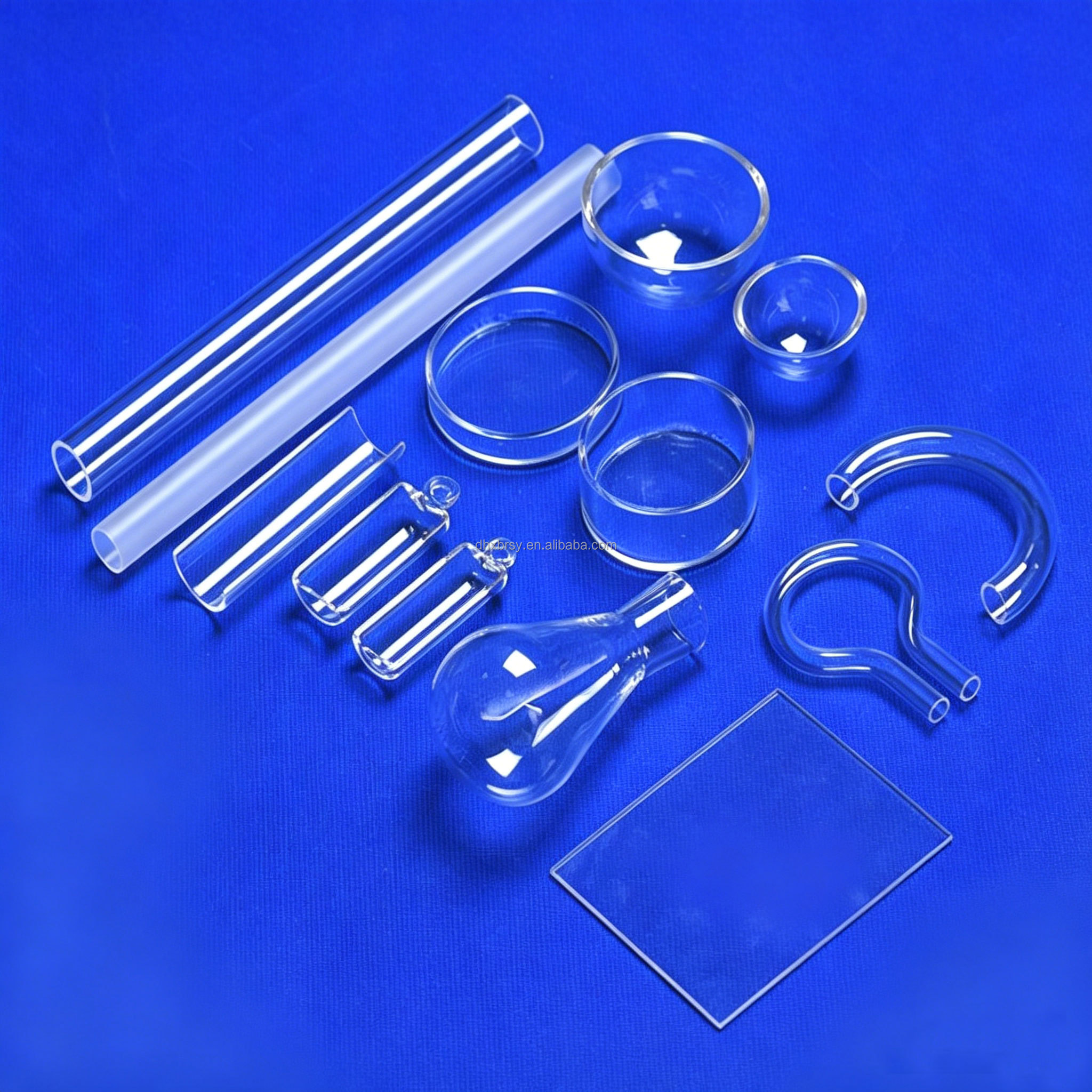
Custom Lab Quartz Glass Apparatus High Purity 99.99% Silica Content
- OEM & ODM Custom Fabrication
- Chemical Corrosion Resistance
- Continuous Duty up to 1100°C
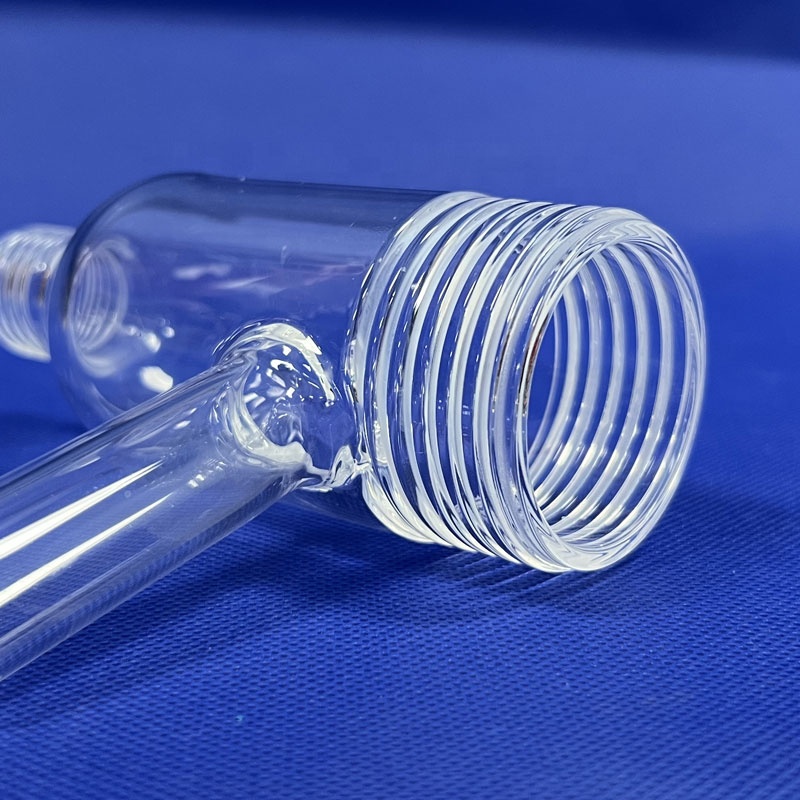
BAO RAN 515 Transparent Fused Quartz Threaded Reaction Tube Side Arm
- Precision Screw Thread Joint
- Integrally Fused Side Arm Port
- Thermal Shock Proof Testing
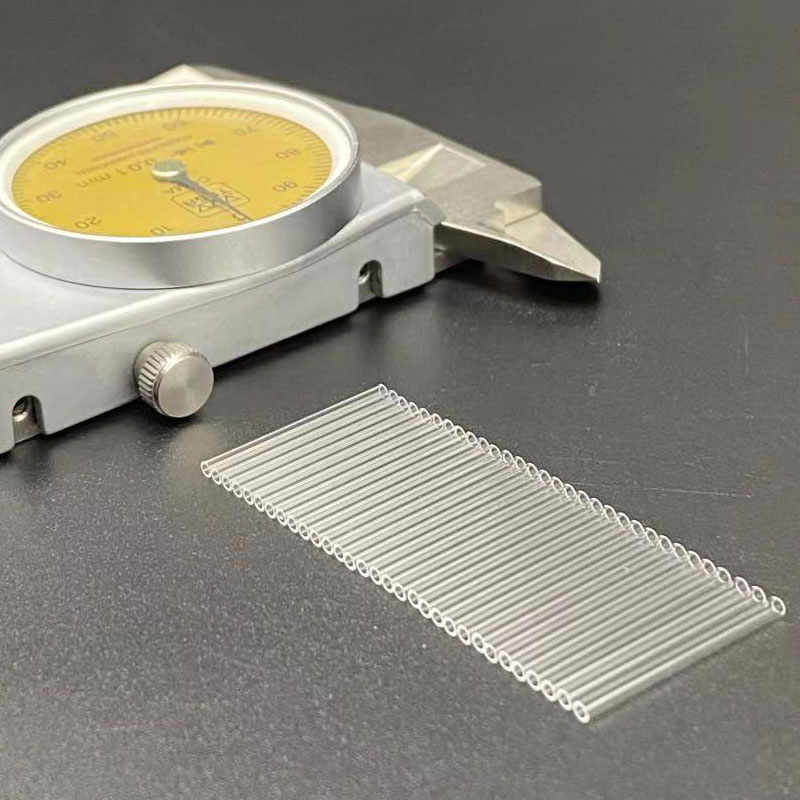
BAO RAN 419 Best Selling 0.1mm–0.5mm Quartz Sheet 99.99% Silica
- Precision Thickness 0.1mm to 0.5mm
- Laser Grade Surface Flatness
- High Dielectric Breakdown Strength
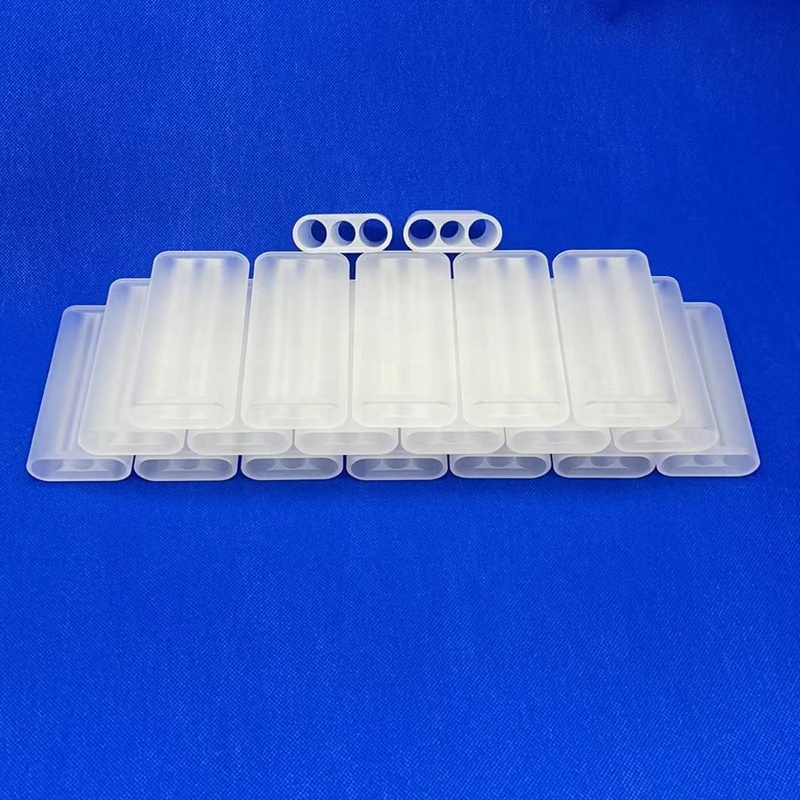
Quartz Triple Bore Flow Tubes Laser C Shape Fused Quartz Precision Cutting
- Triple Bore & C-Shape Profiles
- Tight Boring Tolerances (±0.02mm)
- Solid-state Laser Chamber Grade
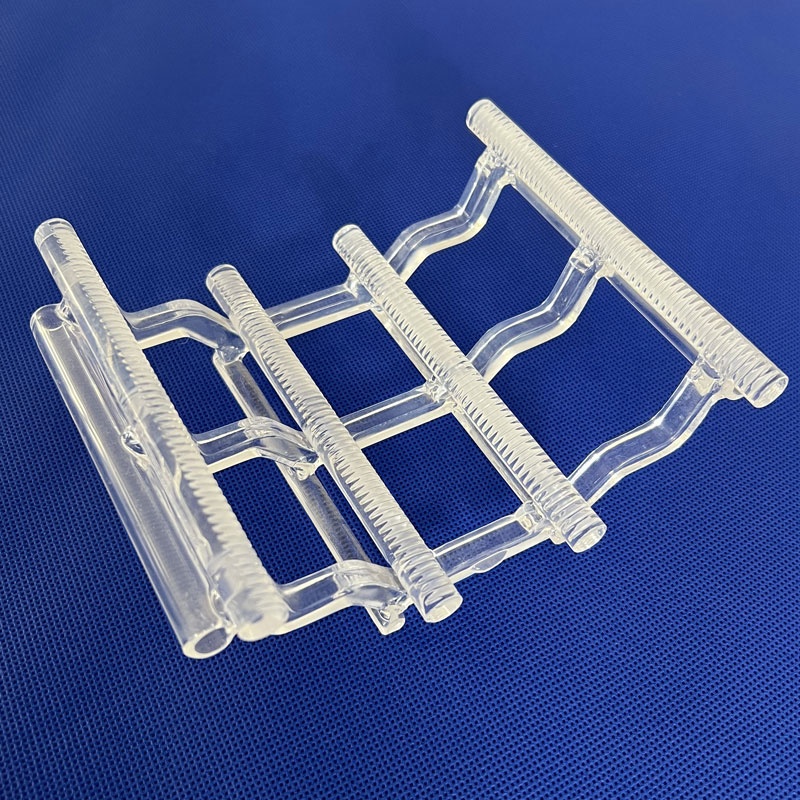
Custom Size High Temperature Fused Quartz Wafer Boat Carrier
- CNC Micro-Slot Pitch Accuracy
- Zero Sagging at 1150°C Furnace Cycles
- Chemical Etch Resistant Structure
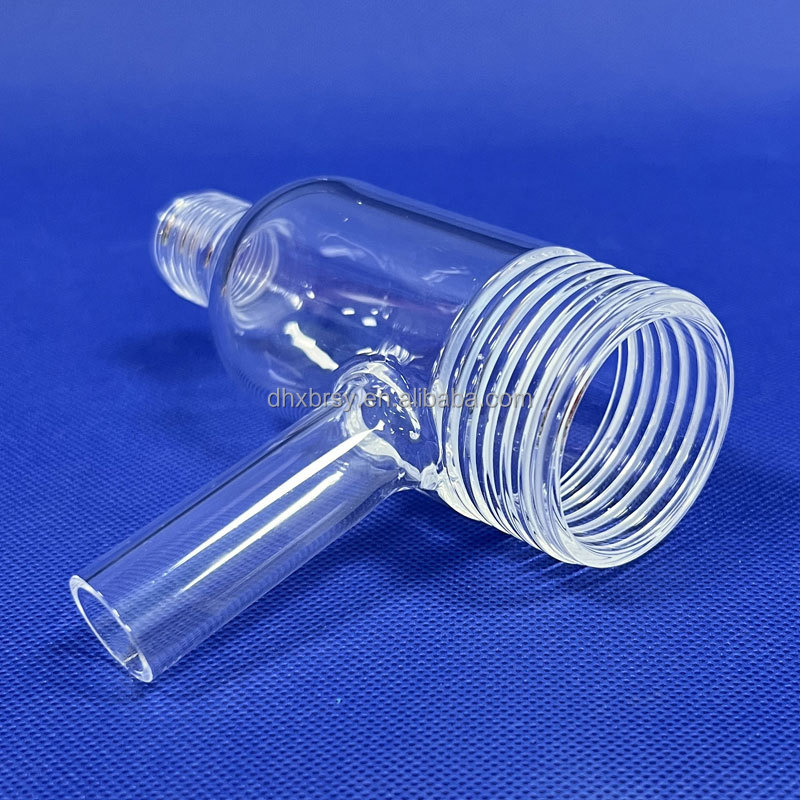
High Quality Polished High-Temperature Resistant Threaded Quartz Tube
- Corrosion Resistant In Marine Air
- Mechanical Threaded Connection
- Fire-Polished Flawless Finishes
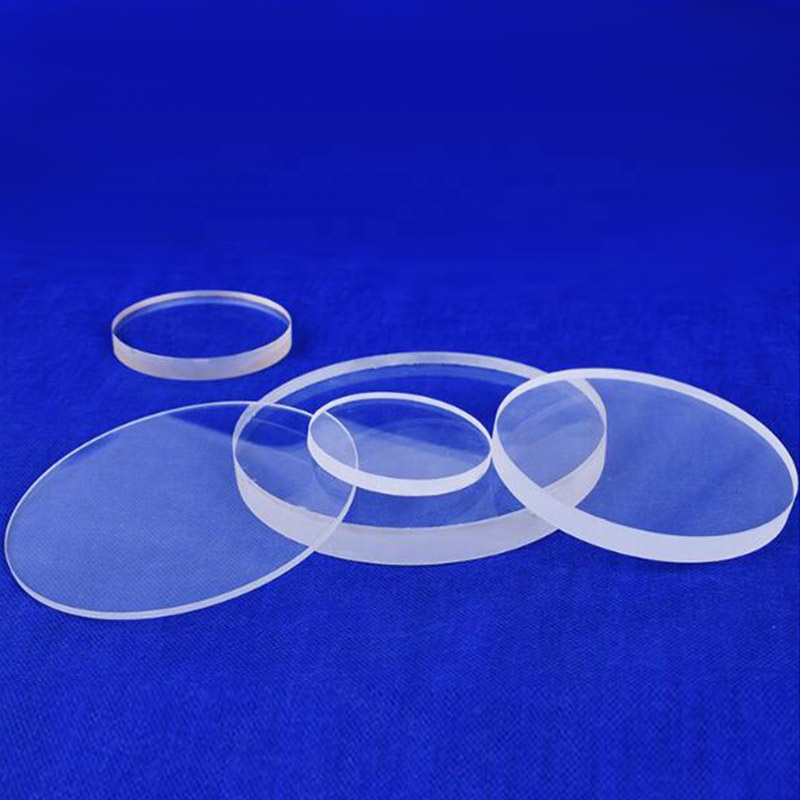
High-Purity Optical Grade Polishing Fused Quartz Plate / Sheet Disc
- 200 Mesh Refined Precursors
- Double-Sided Optical Polishing
- Zero Bubble & Inclusion Standards
Fused silica (synthetic amorphous silicon dioxide) and high-purity transparent fused quartz represent premier engineering materials engineered to endure extreme thermodynamic, chemical, and photonic environments. Fabricated from naturally occurring high-grade crystal sand purified to 99.99% SiO₂ through vigorous chemical pickling and electric or oxy-hydrogen fusion, this non-crystalline vitreous material provides remarkable physical constants. Unlike standard soda-lime or borosilicate glasses containing alkali fluxes (sodium, calcium, boron), pure fused silica displays an extremely low coefficient of thermal expansion (α ≈ 5.5 × 10⁻⁷ /°C between 20°C and 320°C). This gives it extraordinary thermal shock resistance; a red-hot quartz cylinder at 1100°C can be submerged directly into ice water without micro-fracturing or catastrophic failure.
For demanding procurement hubs like Bequia in the Grenadines, fused silica products solve complex operational challenges: intense Caribbean UV solar irradiation, high atmospheric salinity, severe humidity, and the mechanical requirements of marine desalinization and off-grid utility infrastructure. When evaluating manufacturers in China, engineering buyers must differentiate between standard commercial quartz and semiconductor/optical-grade components subjected to full annealing stress relief and polariscope birefringence validation.
| Physical / Chemical Parameter | High-Purity Fused Quartz (Lovri BAO RAN) | Borosilicate Glass (3.3) | Standard Soda-Lime Glass |
|---|---|---|---|
| SiO₂ Content (%) | ≥ 99.99% (Low trace metals < 20 ppm) | ≈ 80.5% (High Boron/Alkali) | ≈ 71 - 73% (High Soda/Lime) |
| Coefficient of Thermal Expansion (CTE) | 5.5 × 10⁻⁷ /°C (Virtually zero expansion) | 33 × 10⁻⁷ /°C | 90 × 10⁻⁷ /°C |
| Continuous Safe Operating Temp | 1100°C (Short excursion up to 1300°C) | 450°C - 500°C | 110°C - 120°C |
| UV-C Transmission (254 nm, 10mm Path) | ≥ 90% (JGS1 Grade) | < 5% (Strong UV Absorption) | 0% (Blocks deep UV entirely) |
| Saline & Moisture Corrosion | Complete inertness; no leachable alkalis | Moderate resistance | Susceptible to surface alkali leaching/fogging |
Bequia, the largest of the Grenadine islands, presents specialized environmental conditions. Lacking municipal river watersheds, its reliance on rainwater collection, seawater reverse osmosis (SWRO), high-end yacht provisioning, and off-grid renewable energy projects demands components capable of continuous performance in high-salinity air. Our fused silica components fill critical roles across the island:
SWRO & UV Desalination Plants
Desalination facilities across Admiralty Bay and Friendship Bay deploy our high-transmittance JGS1 UV sleeves and immersion tubes. Their 90%+ UV-C optical efficiency enables rapid microbiological neutralization without chemical byproducts, and resists the scaling and salt-spray pitting typical of common marine metals.
Solar Energy & Microgrid Photometry
As Bequia expands solar PV-battery microgrids to lessen diesel dependence, pyranometers and weather-monitoring sensors rely on our optical quartz hemispherical domes and disc plates. Resisting solarization from year-round Caribbean sun ensures consistent monitoring data.
Marine & Environmental Analytics
Local and international marine biology teams studying coral reef health and marine protected zones around Saint Vincent rely on our quartz cuvettes, digestion vessels, and multi-bore flow tubes. Purity above 99.99% prevents sample contamination in trace metal spectroscopy.
Luxury Yachting & Marine Engineering
Operating out of Port Elizabeth, technical service yards and charter catamarans require heavy-duty sight windows, boiler level-gauge glasses, and specialized exhaust heating shields that withstand sudden thermal spikes alongside constant ocean swell.
Procuring specialized scientific and industrial raw materials for small island developing states (SIDS) historically carried high markups from middlemen in Miami or San Juan. However, several economic and technological shifts are transforming sourcing patterns directly toward qualified manufacturers in China:
1. Direct Digital Sourcing and OEM Drawing Integration: Island utility directors, maintenance leads, and research managers now send CAD drawings (.DWG, .STEP, or dimensioned PDFs) straight to our engineering team in Lianyungang. Bypassing third-party distributors reduces lead costs by 35% to 50% while ensuring tailored dimensions for aging European and American reverse-osmosis hardware.
2. Escalation in Solar Desalination Autonomy: Fresh water security is closely tied to energy resilience across the Grenadines. The ongoing conversion of private resorts and public utilities to solar-powered reverse osmosis requires high-efficiency UV sterilization sleeves with over 90% transmission at 254 nm. This allows water treatment facilities to operate lower-wattage lamps, conserving island microgrid power.
3. Resilience Against Supply Disruptions: Island economies frequently face shipping bottle-necks during Caribbean hurricane seasons. Forward-looking facility operators in Saint Vincent and the Grenadines have shifted from emergency single-piece purchases to planned annual component batches. Partnering directly with an agile manufacturer that supports low MOQs (from 1 piece for prototypes to custom batch crates) helps ensure continuous operations.
Headquartered in Tuofeng Industrial Park, Lianyungang, Jiangsu Province, Lovri Quartz Products Co., Ltd. sits at the heart of China's silica industry. Unlike assemblers who purchase unverified commercial glass tubes on the open market, our facility manages the entire value chain from crystalline ore processing to CNC precision machining:
Raw Material Acid Pickling
We crush high-grade natural quartz rock, rescreening it through 200 mesh filters before subjecting the silica sand to proprietary hydrofluoric and hydrochloric acid washes. This step drives residual alkali metals (Fe, Na, K, Li) down to trace PPM levels, delivering a 99.99% SiO₂ matrix.
Computerized Annealing Furnaces
Every quartz tube, reaction vessel, and machined disc undergoes extended cycle cooling in our automated thermal annealing chambers. This relaxes internal structural stresses, and each production batch is verified via polariscope birefringence analysis before packing.
5-Axis Precision CNC Profiling
Our machining line provides diamond core drilling, high-speed multi-axis slotting, double-sided optical lapping, and precision lathe glassblowing. We hold dimensional tolerances as close as ±0.02 mm on specialized microplates, triple-bore tubes, and wafer boats.
Safe Ocean & Air Logistics Packaging
Shipping delicate quartz across oceans to the Caribbean requires experienced packing protocols. Each glass item is vacuum-wrapped, isolated in shock-absorbing EPE closed-cell molded foam, and crated inside heavy non-fumigation plywood containers designed for transshipment.
Here are answers to frequent questions from engineering teams, research facilities, and resort engineers across Saint Vincent and the Grenadines when ordering custom quartz directly from our factory in China:
How are fragile fused quartz shipments safeguarded against breakage during transit to Bequia?
What is the typical shipping lead time and routing from Lianyungang, China to Bequia?
Can you replicate custom or discontinued quartz parts from our drawings or physical samples?
Why is high-purity JGS1 or JGS2 quartz superior to borosilicate for Caribbean water treatment?
What is your Minimum Order Quantity (MOQ) for custom fabricated parts?
What certifications and quality validation documentation accompany your export shipments?
Need Technical Quartz Components Fabricated for Bequia?
Consult directly with our Lianyungang factory engineers. Whether you need standard high-temperature furnace tubes, precision laser optics, UV desalinization sleeves, or custom-machined apparatus, we offer rapid quotations and drawing evaluations.