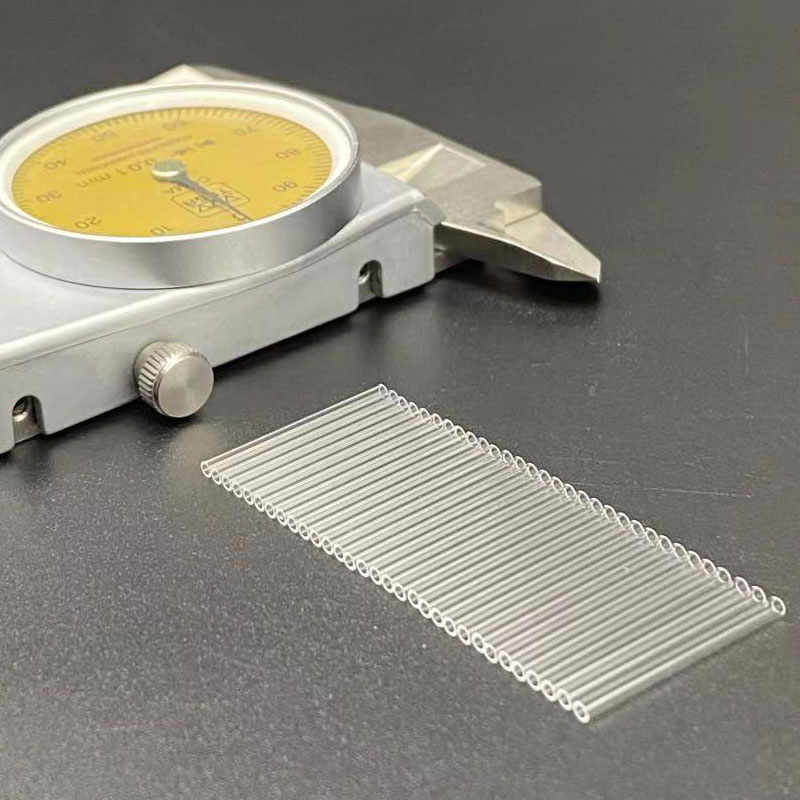
BAO RAN 419 Thin Quartz Sheet 0.1mm–0.5mm
Ultra-thin, polished fused silica wafer sheets engineered for high-precision laser aperture windows, analytical micro-optics, and thermal stage protective barriers.
Connecting the petrochemical refining complexes of the Port of Rotterdam, the Brainport semiconductor ecosystem in South Netherlands, and pioneering analytical laboratories across Zuid-Holland with China’s premier vertically integrated fused silica manufacturing cluster.
Ultra-thin, polished fused silica wafer sheets engineered for high-precision laser aperture windows, analytical micro-optics, and thermal stage protective barriers.
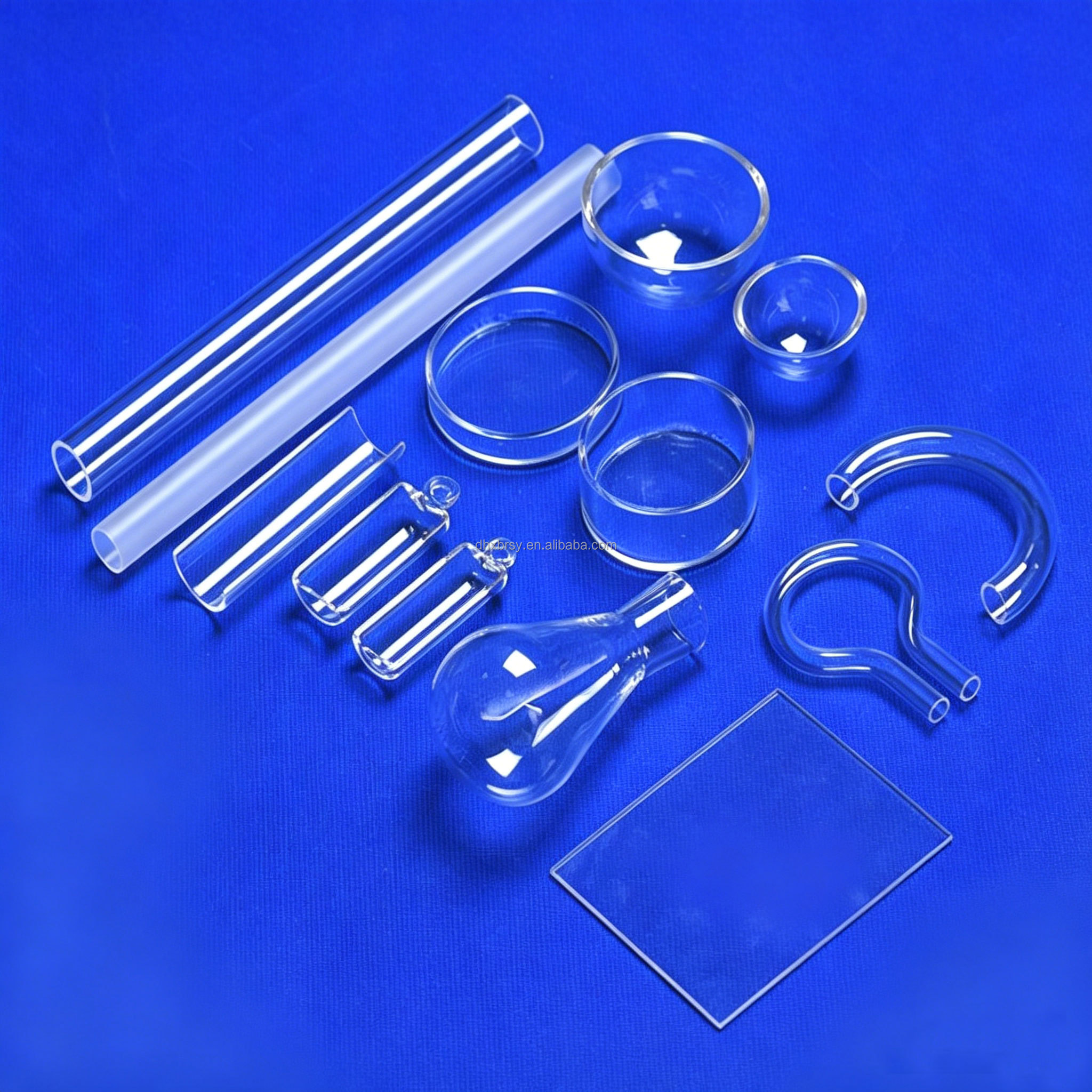
Turnkey custom-blown reaction vessels, gas injection manifolds, and reflux setups tailored for Dutch cleanrooms and chemical analytical labs.
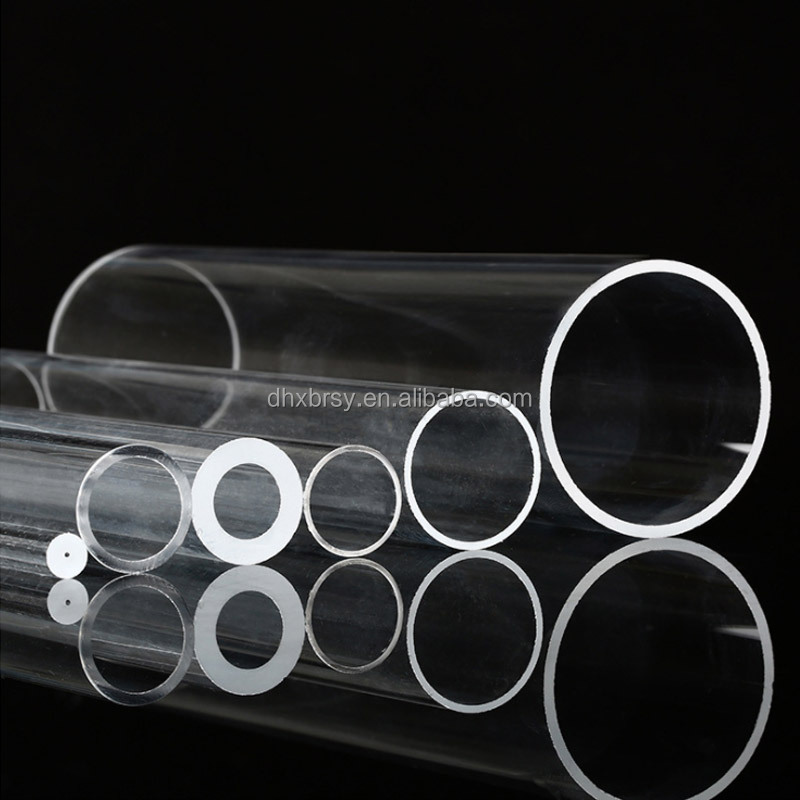
High-radiation transmission quartz jackets formulated for industrial drying tunnels, rapid sterilization equipment, and heating elements in pilot plants.
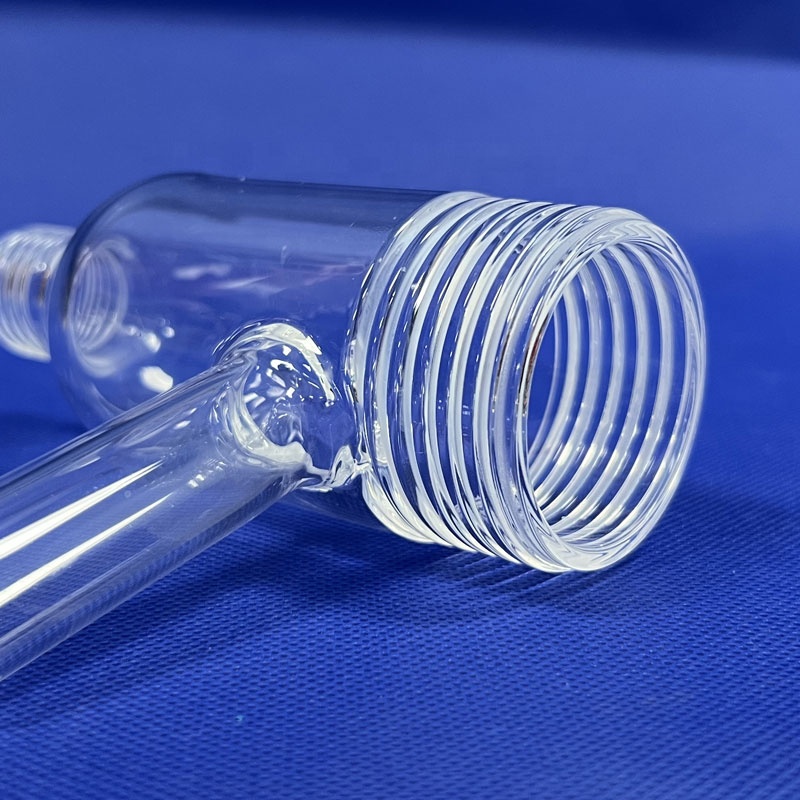
Transparent fused quartz pressure tubes with precision ground screw threads and side arms, engineered for supercritical petrochemical catalytic sampling.
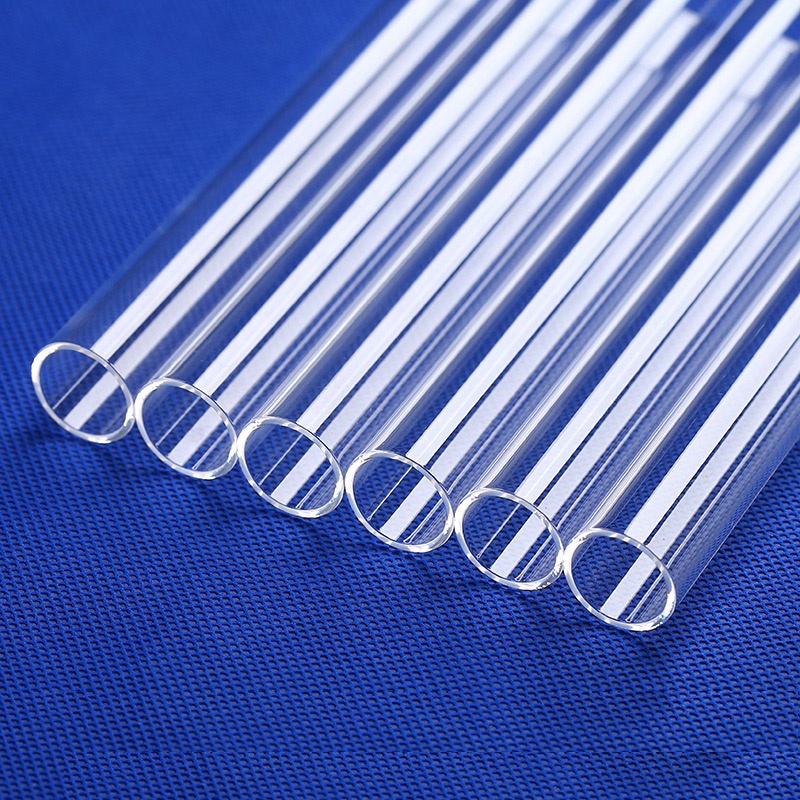
Continuous-draw furnace tubing with exact geometric concentricity, ideal for fluid distribution lines, sight glass columns, and pyrometry viewports.
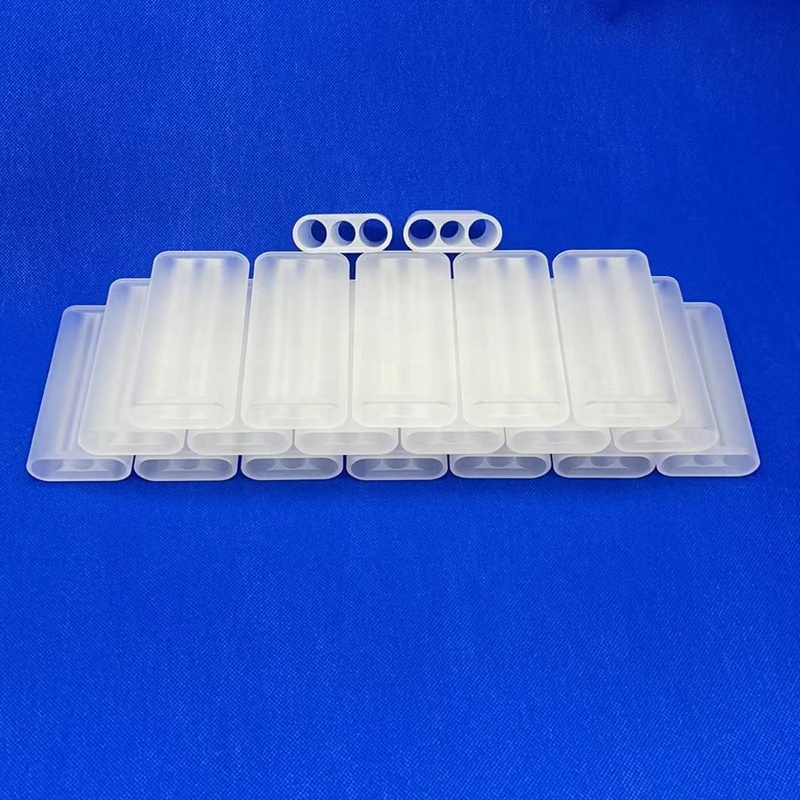
Special-profile CNC bored and polished flow conduits designed for medical Nd:YAG laser cooling and industrial laser pump chambers.
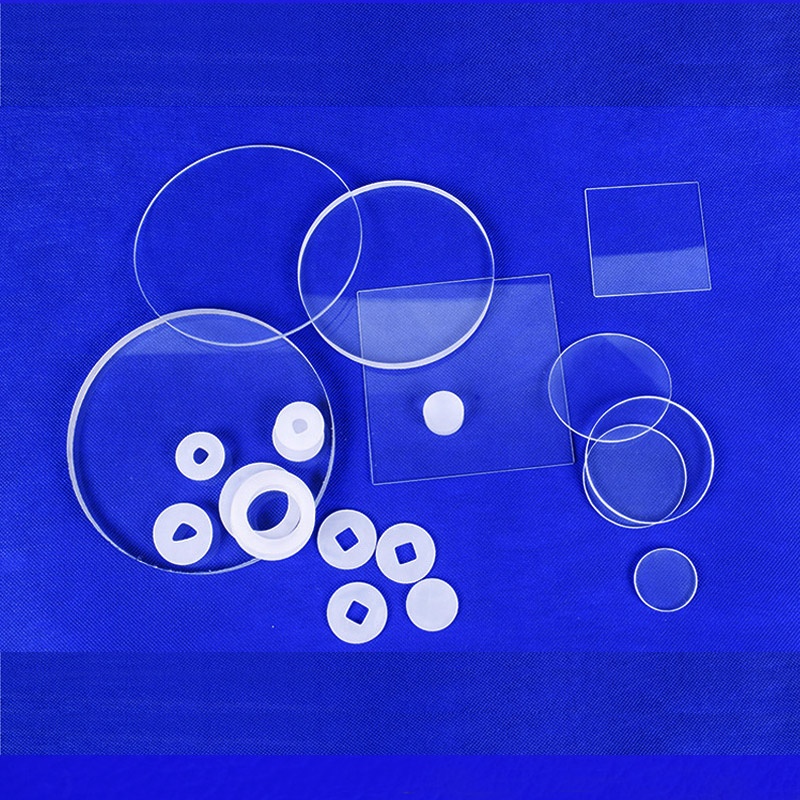
Synthetic silica substrates providing over 90% internal transmission down to 185 nm. Annealed to eliminate double refraction and birefringence.
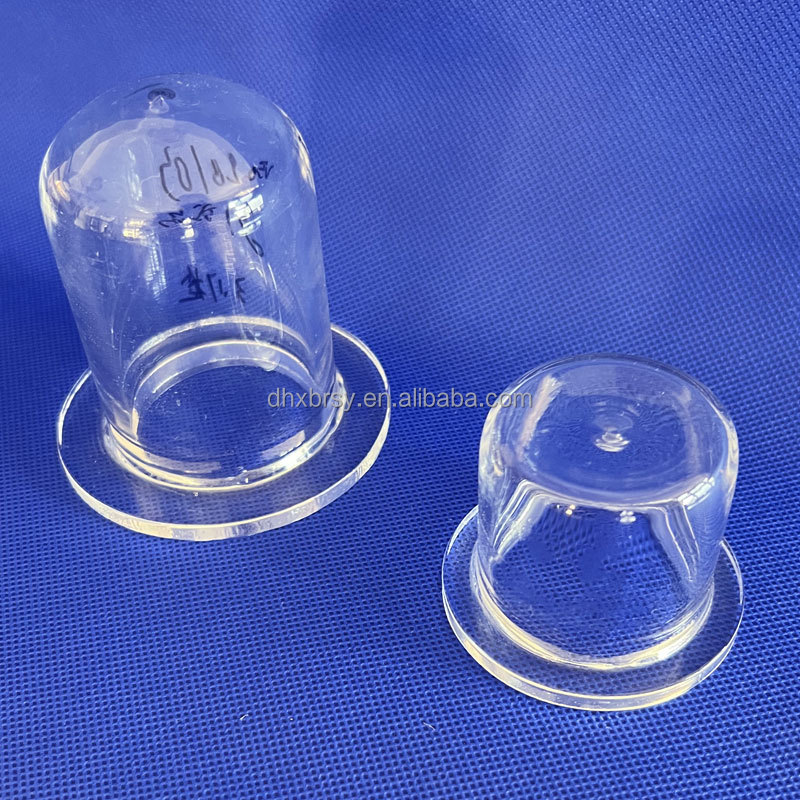
Heavy-duty diffusion and LPCVD process tubes maintaining stability under 1150°C continuous operation for solar cell and silicon processing equipment.
The Rotterdam port area constitutes Europe's largest industrial petrochemical cluster, hosting five world-scale oil refineries, over forty chemical operations, and expansive maritime transshipment complexes. For mechanical engineers, plant operations leaders, and research directors across Botlek, Europoort, and Maasvlakte, fused quartz glass parts are indispensable assets rather than generic consumables.
Thermal stability at temperatures exceeding 1100°C, zero thermal expansion coefficient (5.5 × 10⁻⁷ /°C), and chemical indifference to acidic process environments make high-purity quartz products essential for inline emission sampling, spectroscopic gas detection, and extreme calcination.
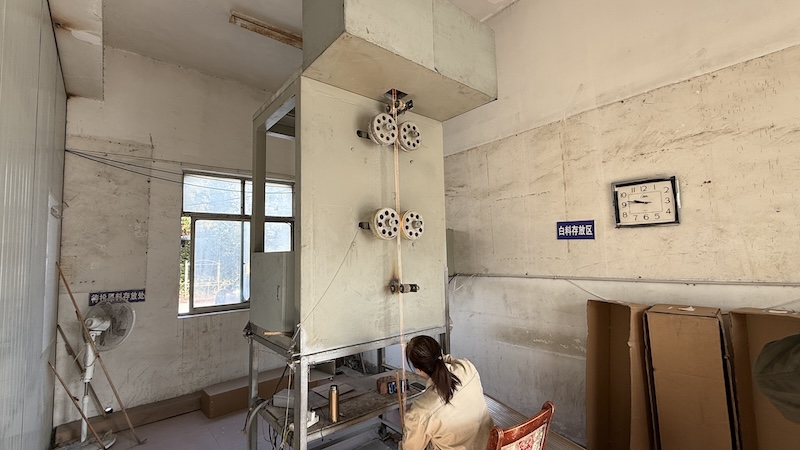
Quartz sight glasses, high-pressure reaction vessels, and catalytic cracker pyrometry liners. Designed to resist harsh chemical environments without flaking or glass corrosion.
Continuous 1100°C Thermal RatingQuartz wafer boats, wafer dip baskets, and ICP etch chamber components manufactured from low-hydroxyl synthetic silica to eliminate micro-contamination in advanced lithography.
High Purity >99.99% SiO₂UV-transparent JGS1 laser flow tubes and monitoring windows installed in maritime stack continuous emissions monitoring systems (CEMS) compliance setups.
Deep-UV Transmittance >90%Quartz cuvettes, 96-well microplates, distillation arms, and bespoke apparatus fabricated to micron-accurate technical drawings for biomedical and university researchers.
Custom ODM/OEM MillingOzone generator dielectric quartz tubes, sleeve barriers, and high-intensity ultraviolet quartz immersion jackets servicing municipal and industrial water treatment across Benelux.
Hydroxyl (OH⁻) ControlledFurnace tubes and carrier paddles supporting next-generation perovskite and TOPCon solar cell production throughout European clean-tech gigafactories.
Zero Thermal DevitrificationEuropean Union directives regarding industrial emissions, paired with the Dutch National Energy Transition strategy, have placed unprecedented demands on industrial glass components. As Rotterdam transitions towards green hydrogen infrastructure, circular bio-refining, and high-efficiency district heat grids, operating temperatures and gas reactivity in thermal testing reach historic thresholds.
Concurrently, traditional European quartz fabricators face soaring energy overheads, protracted delivery schedules extending into 16 to 24 weeks, and high small-batch setup fees. Lovri Quartz bridges this systemic market gap by operating an autonomous, 14,271 m² production powerhouse right at the source in Lianyungang, China.
By controlling every step—from natural quartz ore pulverizing and hydrochloric acid pickling to 5-axis CNC ultrasonic core drilling and polarization-controlled annealing—we offer Rotterdam procurement directors complete supply chain certainty, rapid prototype turnarounds (under 7 days), and substantial unit cost optimization.
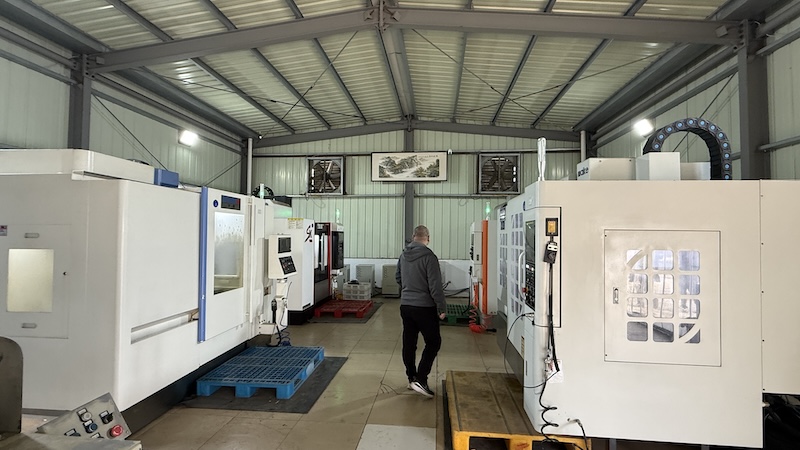
Verified on-site by SGS Group. Full-cycle silica metallurgy from crystal sand to export-grade seaworthy logistics delivered straight through the Port of Rotterdam or Amsterdam Schiphol.
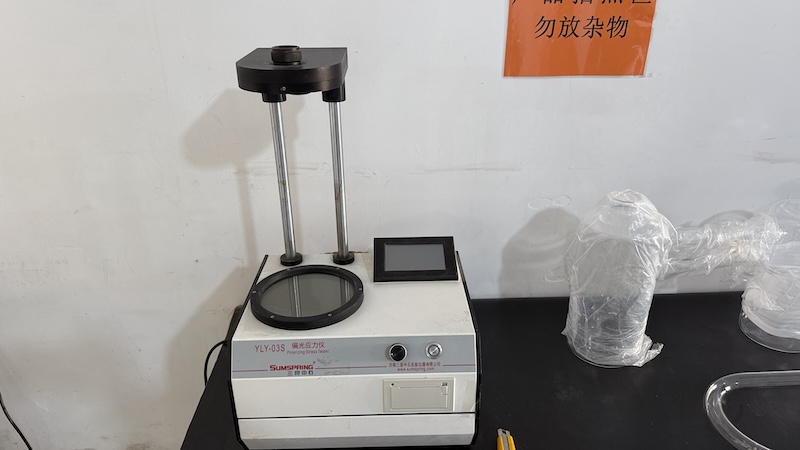
The single greatest cause of sudden catastrophic failure in high-temperature quartz furnace tubes and pressure sight glasses is frozen internal structural stress. While trading firms export unannealed blanks, Lovri Quartz subject every fabricated batch to programmed 1215°C electric annealing furnaces.
Every finished component is systematically examined across quantitative polarimeters. This guarantees that residual path difference stress remains below 5 nm/cm, ensuring absolute stability against severe thermal cycling and localized mechanical shock in operational service.
| Chemical Purity (SiO₂) | ≥ 99.99% (Optical grades >99.999%) |
|---|---|
| Density | 2.20 g/cm³ |
| Coefficient of Thermal Expansion (20–300°C) | 5.5 × 10⁻⁷ cm/cm·°C (Ultra-low shock) |
| Softening Point | 1730 °C |
| Annealing Point | 1215 °C |
| Continuous Maximum Operating Temp | 1100 °C |
| Short-Term Thermal Peak Tolerance | 1300 °C to 1400 °C |
| Dielectric Strength (20°C, 1MHz) | 2.5 × 10⁷ V/m |
Full manufacturing capacity, labor protocols, and QC lines audited and confirmed under international testing standards.
Guaranteed free of restricted heavy metals and hazardous elements, matching Dutch environmental entry criteria.
Complete spectrophotometer transmission certificates supplied from 185nm UV up to 3500nm IR spectrums.
Ultra-clean ultrasonic wash and multi-layer vacuum bubble wrapping before export crate suspension.
Clarifications on technical grades, customs clearance into the Netherlands, CAD drafting support, and freight damage mitigation.
JGS1 is synthetic fused silica synthesized from silicon tetrachloride; it is bubble-free and offers exceptional deep ultraviolet transmission (>90% at 200 nm), making it critical for semiconductor photolithography and laser optics. JGS2 is flame-fused natural quartz suited for sight glasses, UV lamps, and general viewports down to 220 nm. JGS3 is electrically fused quartz with virtually no hydroxyl (OH⁻) ions, ensuring superior transmittance throughout the infrared waveband up to 3500 nm.
We deploy export-grade suspended packaging protocols. Individual components are shrink-wrapped in static-dissipative dust-free film, cushioned within tailored high-density EPE shock-absorbent cells, and housed within reinforced honeycombed inner cartons. These are secured inside heavy-duty, fumigation-free ISPM-15 plywood crates fitted with tip-and-tell tilt indicators and shock drop sensors. Our historical export breakage rate to Benelux remains below 0.1%.
Yes. Our engineering division operates standard CAD/CAM processing pipelines supporting STEP, IGES, DWG, DXF, and PDF engineering blueprints. Prior to production, our technical staff conducts a Design-for-Manufacturability (DFM) assessment, cross-verifying dimensional tolerances, flame-polishing radiuses, wall thickness consistency, and stress relief points, responding with approval drawings within 24 hours.
We believe in supporting research initiatives and small-scale pilot plants. Standard catalog tubes, plates, and customized initial prototypes have an MOQ of just 1 to 5 pieces. Prototype production lead times are typically 5 to 7 working days. For shipping to Rotterdam, express air freight via DHL/FedEx takes 3 to 5 days, while consolidation sea freight directly from Lianyungang to the Port of Rotterdam takes approximately 26 to 30 days.
While borosilicate 3.3 glass is suitable for standard laboratory temperatures up to 450°C, fused quartz withstands continuous operation at 1100°C and short-term thermal shocks exceeding 1300°C (e.g., dropping red-hot quartz straight into cold water without fractures). Additionally, quartz glass is completely transparent to ultraviolet radiation down to 185 nm, whereas borosilicate absorbs UV light almost entirely below 310 nm.
Yes. All consignments are exported under standardized HS Codes (predominantly 7002.31 for fused quartz tubing and 7020.00 for custom apparatus). We furnish precise Commercial Invoices, Packing Lists, Certificates of Origin (CO), RoHS test documentation, and batch inspection reports, guaranteeing prompt Dutch Douane customs clearance at Rotterdam Maasvlakte or Schiphol Airport without unnecessary port demurrage.
Send our senior glass-working engineering team your PDF or STEP blueprints. We provide a comprehensive manufacturability review, thermal tolerance assessment, and transparent CIF Rotterdam or DDP factory-gate pricing within 12 hours.