Precision Fused Quartz & Crucible Collection
Direct manufacturer supply for high-temperature smelting, precious metal assaying, semiconductor vacuum processing, and laboratory calcination. Engineered for zero thermal hysteresis and extreme chemical inertness.
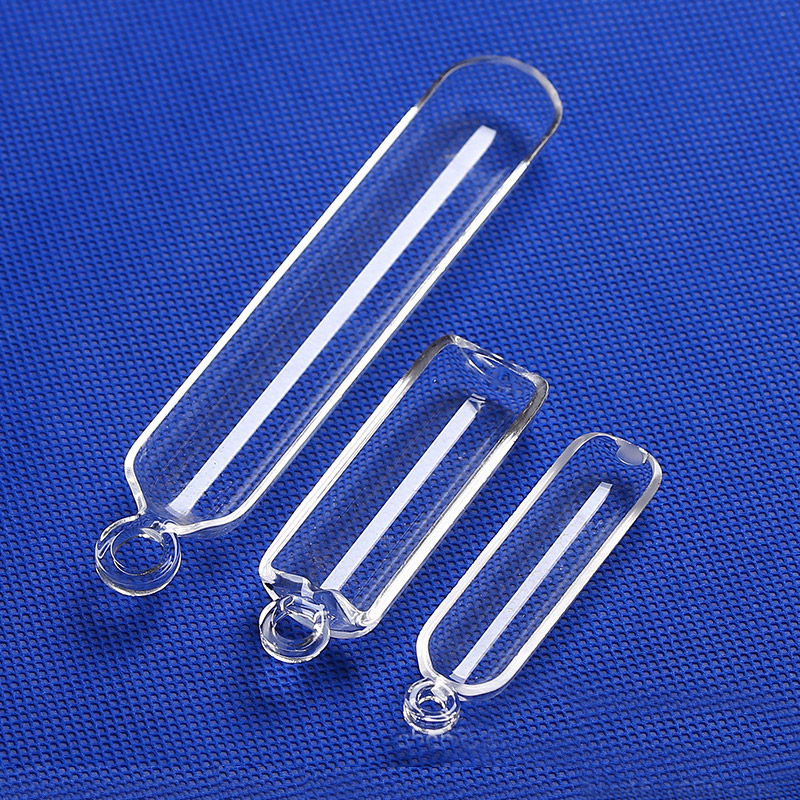
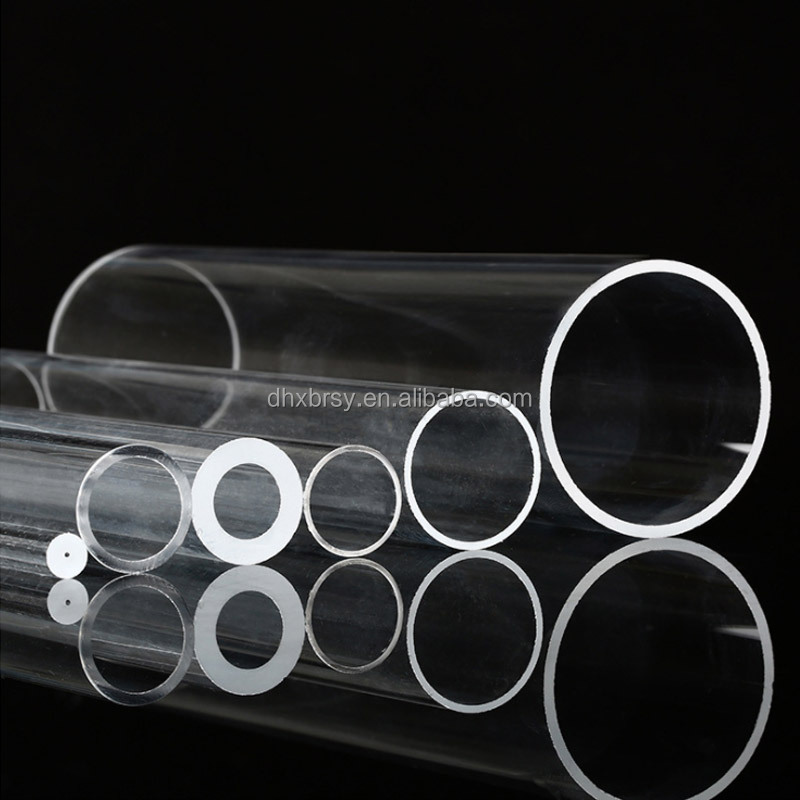
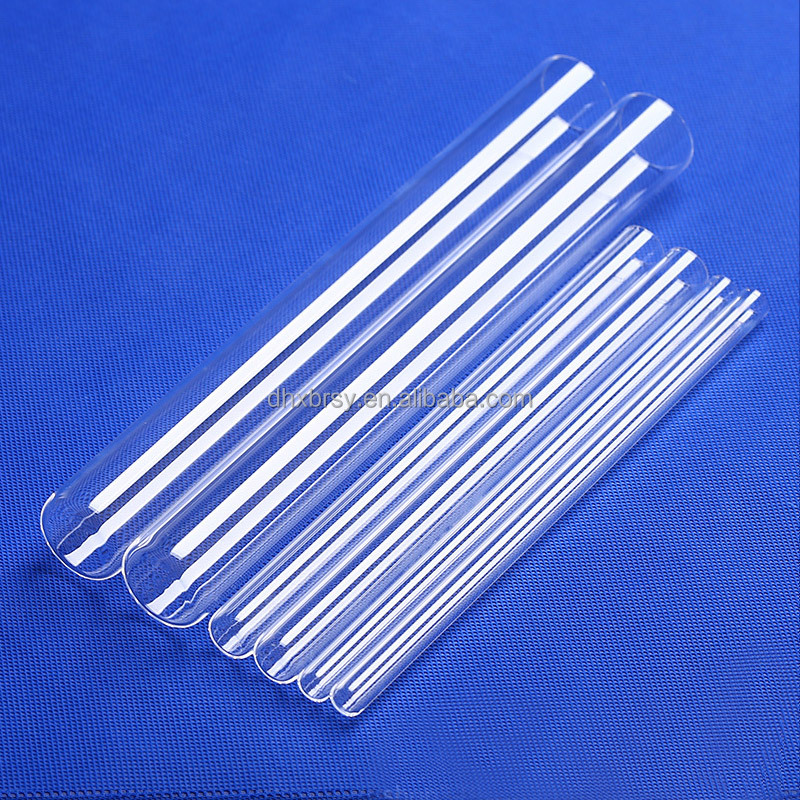
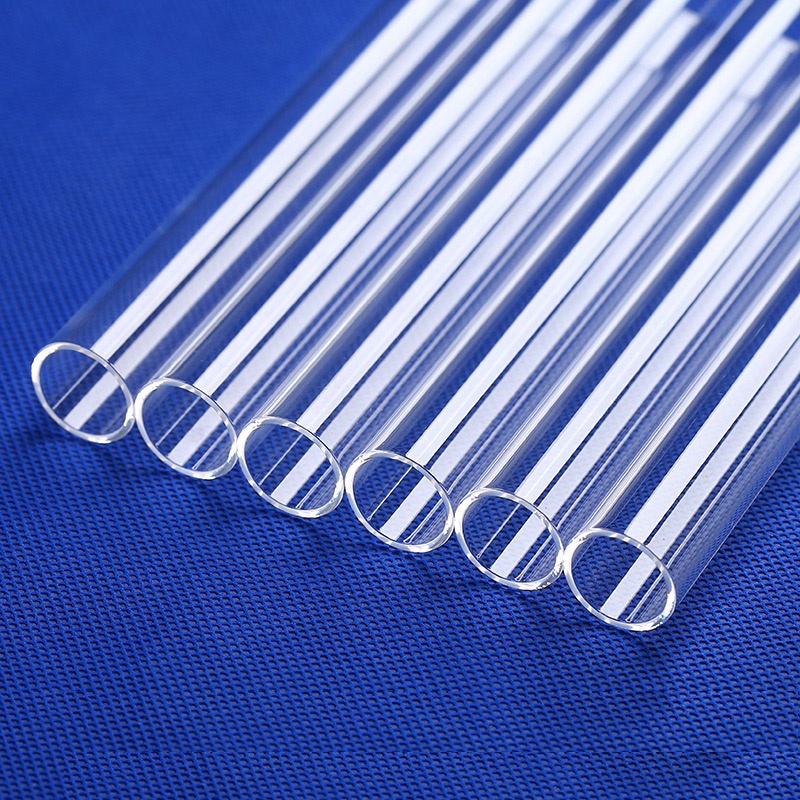
Engineering Superiority of Fused Quartz Melting Crucibles
A Comprehensive Study on Vitreous Silica Thermodynamics, Transition Kinetics, and Thermal Shock Resilience in High-Stress Smelting.
In ultra-high temperature metallurgical synthesis, precious metal casting, and advanced optical glass preparation, the selection of crucible refractory materials dictates process yield, chemical contamination indices, and total operational safety. Fused quartz crucibles (also recognized under industrial classifications as fused silica or vitreous silica crucibles) represent the apex of non-metallic refractory engineering. Unlike traditional graphite, clay-graphite, silicon carbide, or alumina refractory vessels, vitreous silica delivers a virtually negligible coefficient of thermal expansion, outstanding dielectric properties, and an exceptionally non-reactive interface against high-temperature metal oxides, molten noble metals, and corrosive acid slags.
Thermodynamic Principle: Transparent and opaque fused quartz vessels manufactured by Lovri Quartz utilize natural high-purity crystalline quartz sand refined via multi-stage flotation and chemical pickling. With an internal amorphous network bound by ultra-strong silicon-oxygen tetrahedral bonds (Si-O-Si), the material exhibits an ultra-low linear thermal expansion coefficient of approximately 5.5 × 10⁻⁷ /°C between 20°C and 300°C. This allows our crucibles to be repeatedly removed from a 1200°C induction or resistance furnace and plunged directly into ambient water without catastrophic fracture.
For metallurgical and laboratory procurement managers in Kingstown, Saint Vincent and the Grenadines, sourcing high-temperature crucibles involves rigorous scrutiny of raw material pedigree. Industrial melting vessels manufactured from inferior raw minerals suffer from high trace elemental contaminants such as iron (Fe), aluminum (Al), sodium (Na), and lithium (Li). When exposed to continuous working temperatures exceeding 1050°C, these alkali and alkaline-earth metal cations act as aggressive nucleation agents, accelerating the deleterious transformation of metastable amorphous silica into crystalline cristobalite—a physical phenomenon known as devitrification. Cristobalite undergoes a displacive alpha-to-beta crystalline phase inversion around 220°C to 270°C accompanied by a sudden volumetric shrinkage of nearly 2.8%, generating microscopic interlaminar sheer stress that causes brittle fracture, crucible wall thinning, and molten metal leakage.
Trace Impurity Control
Total metallic impurities (Al, Fe, Ca, Mg, Na, K, Ti) are restricted below 20 ppm across all crucibles. This guarantees pristine melt cleanliness for gold, silver, platinum, and high-purity silicon crystal pulling.
Extreme Thermal Shock (ΔT > 1100°C)
Capable of enduring immediate transition from induction melting chambers to air cooling. Minimizes down-time during cyclic precious metal casting and rapid molten pour cycles.
Zero Molten Slag Adhesion
Hydrophobic, vitrified crucible inner surface prevents chemical bonding and wetting by liquid gold, silver alloys, or silicate fluxes, maximizing metal recovery yield per heat.
Localized Applications in Kingstown & Saint Vincent
Adapting Advanced Vitreous Silica Vessels to Maritime, Metallurgical, and Sustainable Energy Infrastructures.
As the primary maritime terminal, financial capital, and commercial hub of Saint Vincent and the Grenadines, Kingstown occupies a unique geostrategic position within the Eastern Caribbean. The territory's expanding commercial infrastructure, coupled with its maritime logistics facilities and regional artisanal jewelry and precious metal workshops, demands ultra-reliable high-temperature processing equipment. The tropical marine environment of Kingstown—characterized by high relative humidity (consistently 75%–85%) and airborne aerosolized sodium chloride (sea salt)—poses unique degradation challenges for standard industrial ceramics and porous crucibles.
Precious Metal Refining & Jewelry Assaying
In Kingstown’s precious metal casting and assay laboratories, crucibles undergo rapid cycling between room temperature and 1150°C. Standard clay-graphite crucibles shed carbon flake debris and bind with flux additives (borax, soda ash), tainting gold karat ratings. Lovri’s ultra-pure fused quartz crucibles provide a pristine, glassy reaction chamber:
- Zero absorption of precious metal ingots, eliminating crucible holdup losses.
- Immunity to corrosive sodium borate fluxes during slag separation and bullion fire refining.
- Crystal-clear visibility in transparent models, permitting real-time visual inspection of melt homogenization.
Marine Engineering & Thermal Spray Evaluation
With the Port of Kingstown serving as a major stop for inter-island shipping, cargo liners, and regional fishing fleets, marine diesel overhaul and hydraulic component restoration rely on thermal barrier coatings (TBC) and specialty non-ferrous bronze/babbitt casting:
- Induction melting of phosphor bronzes, brass, and aluminum alloys without silica leaching.
- High-temperature test crucibles for evaluating thermal stability of ceramic coatings under saline atmospheric exposure.
- Custom closed-end quartz tubes used as thermowells in high-temperature marine exhaust manifolds and boilers.
Renewable Clean Energy & Geothermal Research
Saint Vincent and the Grenadines continues exploring geothermal energy resources around La Soufrière and expanding photovoltaic distributed grids. Fused quartz serves as the critical hardware:
- High-temperature quartz digestion vessels for analyzing geothermal acidic brines and sulfur-laden minerals.
- Furnace tubes and quartz sintering boats for photovoltaic silicon wafer research and solar cell component manufacturing.
- High mechanical stability under prolonged thermal exposure to acidic gas mixtures (H₂S, SO₂, HCl).
Environmental Water Assays & Desalination Testing
Regional utilities and independent inspection authorities in Saint Vincent rely on trace mineral analysis for municipal potable water, bottled springs, and reverse-osmosis desalination:
- Fused quartz digestion tubes ensure zero background silica or heavy-metal leaching during ICP-MS acid digestions.
- Optical cuvettes and microplates with UV cutoff down to 190 nm for precise UV-Vis spectrophotometry of organic pollutants.
- Hydrophobic smooth vitrified surfaces resist scale fouling and algal biofilm adhesion during high-pressure sterilization.
Macroeconomic Trends & Sourcing Realities in Saint Vincent
Bypassing North American Middlemen: Direct Factory Supply from China's Premier Silica Cluster to Port Kingstown.
Historically, industrial operators and assay facilities in Kingstown procured fused silica apparatus, labware, and melting crucibles through third-party distributor networks based in Florida, Puerto Rico, or the United Kingdom. This distribution layer frequently levied substantial markups—often 200% to 350% above original manufacturing cost—while imposing lead times stretching up to 16 weeks due to inventory fragmentation.
Today, progressive industrial enterprises in Saint Vincent are aggressively implementing direct-from-factory procurement models. By partnering directly with Lovri Quartz Products Co., Ltd.—located in Lianyungang, Jiangsu, the recognized epicenter of China's high-purity quartz reserves—Caribbean purchasers eliminate intermediary markups, gain access to bespoke drawing-based customization, and secure guaranteed traceability across every single batch.
| Evaluation Parameter | Lovri Direct Factory Supply | Regional Third-Party Distributors | Engineering Benefit for Kingstown Buyers |
|---|---|---|---|
| SiO₂ Purity Level | Guaranteed ≥ 99.99% (SGS Assessed) | Variable (Often 99.5%–99.8%) | Prevents melt contamination & devitrification cracking |
| Custom Engineering | Direct CNC, CAD/STEP drawing fabrication | Standard stock catalog items only | Exact-fit crucibles for bespoke induction coils & tongs |
| Ocean Freight Packing | Multi-layer EPE foam + vacuum + plywood crates | Standard commercial cardboard cartons | Zero breakage guarantee across multi-port ocean transit |
| Minimum Order Quantity | Flexible (Prototype 1–5 pcs to full container) | Restricted to high carton minimums | Conserves working capital for small-to-midsize workshops |
| Lead Times | 7–15 days standard production | 4–8 weeks handling + transit delays | Eliminates downtime for critical industrial operations |
Why Lovri Quartz is China's Preeminent Manufacturer for Kingstown
Vertical Integration from Raw Crystalline Lumps to Sub-Millimeter CNC Finished Quartz Vessels.
14,271 m² Modern Facility
Assessed and certified onsite by SGS Group. Equipped with specialized quartz melting furnaces, dynamic tube drawing lines, and automated continuous annealing kilns.
Polarization Stress Relief
Every single quartz crucible and apparatus undergoes rigorous polariscope inspection following secondary heating. Residual micro-strains are annealed out to prevent spontaneous thermal shattering.
Full Raw Material Control
Located in Lianyungang, we process raw quartz lumps through crushing, screening, and acid de-ironing internally. We never compromise on raw mineral purity or blend industrial glass.
Our complete 12-step manufacturing route—comprising lump sizing, pulverization, high-frequency rescreening, multi-stage acid leaching, thermal synthesis, tube drawing, precision annealing, fire-polishing, CNC multi-axis milling, polarization testing, and vacuum sealing—guarantees that every melting crucible sent across the Atlantic arrives in flawless operating condition.
Frequently Asked Questions by Kingstown Industrial Buyers
Clear, Authoritative Answers on Thermal Cycling, Slag Interaction, Shipping Logistics, and Chemical Safety.
What is the absolute maximum working temperature for your quartz crucibles?
Transparent high-purity fused quartz crucibles operate continuously up to 1,100°C without mechanical deformation. For short thermal cycles or rapid induction smelting, they safely withstand peak temperatures up to 1,300°C to 1,400°C. The softening point of vitreous silica occurs at approximately 1,730°C.
How does maritime salt air affect quartz crucibles during storage in Kingstown?
Because fused quartz has zero open porosity and is chemical-inert, airborne sodium chloride will not penetrate the vitreous body. However, ambient salt deposits left on the outer surface prior to firing can induce surface devitrification at temperatures above 1,000°C. We supply crucibles sealed in moisture-proof barrier pouches and recommend a deionized water rinse before initial high-temperature firing.
Can you produce custom-sized melting crucibles from CAD or engineering drawings?
Yes. Our workshop incorporates high-precision 4-axis CNC machining, ultrasonic core drilling, glassblowing lathes, and robotic torch welding. We routinely fabricate flat-bottom, round-bottom, conical, tapered, pouring-lip, and double-walled crucibles directly from PDF, DWG, DXF, or STEP drawing submissions.
What is the typical lifecycle of a quartz crucible during precious metal casting?
When melting gold, silver, or brass alloys with neutral or slightly acidic fluxes, a single crucible reliably yields 15 to 30 heats. Lifespan is prolonged by gradual ramp-up preheating, avoiding aggressive basic fluxes (such as heavy sodium hydroxide or potassium carbonate additions), and cooling in clean, draft-free air.
How are fragile quartz crucibles protected against breakage during ocean shipment to Kingstown?
Our international packing standard exceeds standard export specifications. Each crucible is wrapped in dust-free film, suspended within multi-density expandable polyethylene (EPE) foam dampeners, boxed individually, and crated inside fumigated solid plywood cases engineered to withstand transshipment shocks and crane handling at Port Kingstown.
What is the Minimum Order Quantity (MOQ) for custom-manufactured orders?
To accommodate research laboratories, small assayers, and specialized metallurgical workshops throughout Saint Vincent and the Grenadines, our prototype and pilot-run MOQ is as low as 1 to 5 pieces for custom geometries, with volume tier discounts kicking in at 20, 50, and 100+ units.
Can quartz crucibles be used for induction heating furnaces?
Yes. Vitreous silica is an exceptional electrical insulator with virtually zero RF or microwave coupling loss. In induction systems, the electromagnetic field passes freely through the quartz crucible wall without heating the crucible itself, coupling directly into the conductive metal charge inside for high thermal efficiency.
Which acids or chemicals will corrode or damage fused quartz crucibles?
Fused quartz resists virtually all organic and inorganic acids (including nitric, hydrochloric, sulfuric, and aqua regia) even at elevated temperatures. The only chemical exceptions are hydrofluoric acid (HF), phosphoric acid (H₃PO₄) above 150°C, and strongly concentrated boiling alkaline solutions (such as liquid NaOH or KOH).