IR Thermal
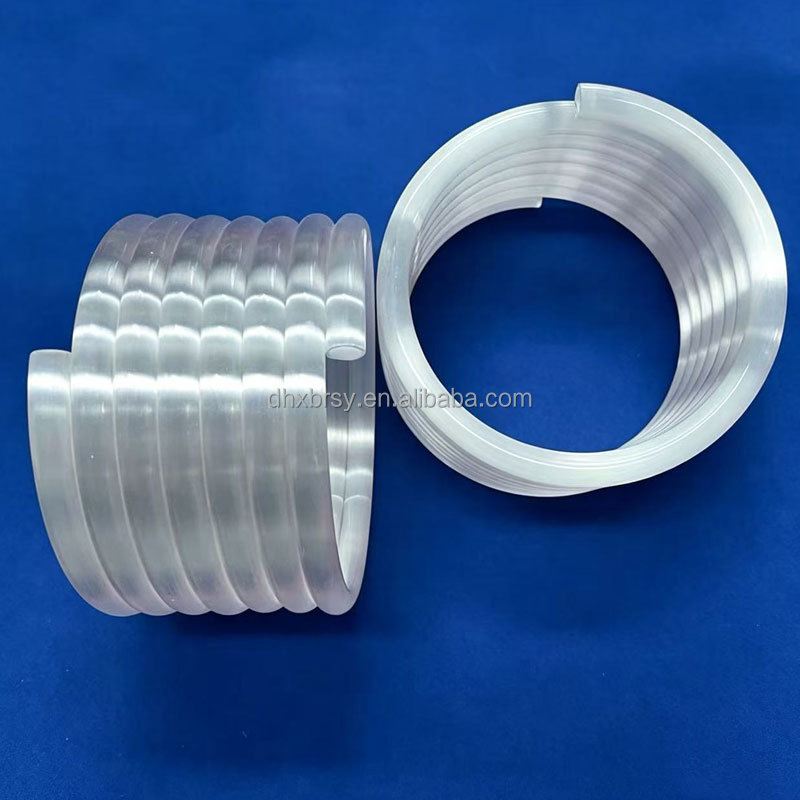
Fabricated from raw high-purity crystalline quartz with tolerances held to micron scales. Below are our internationally exported fused quartz assemblies ready for procurement dispatch to Dominican Republic tech hubs.
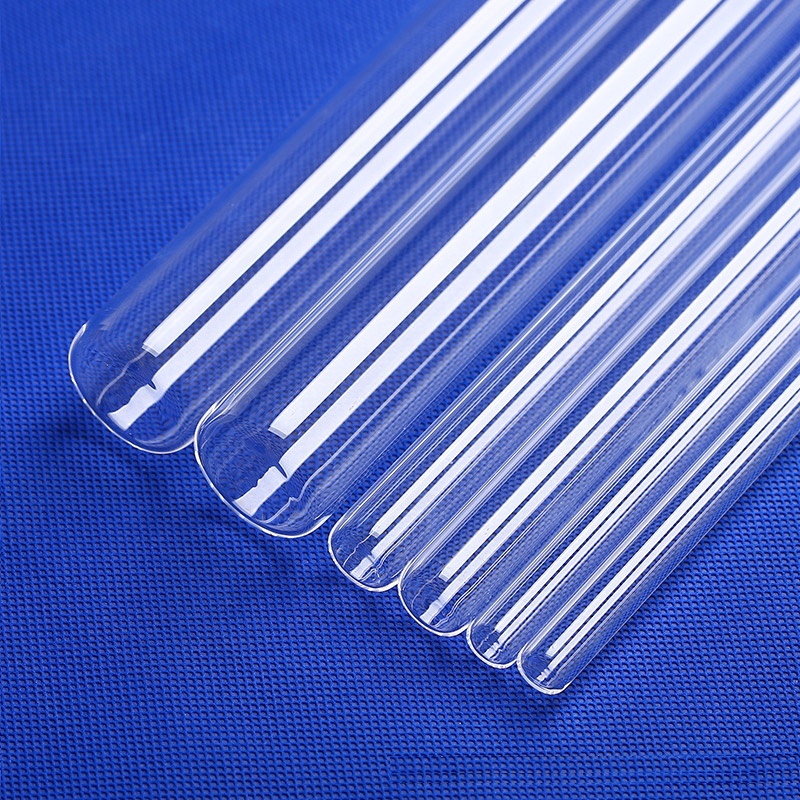
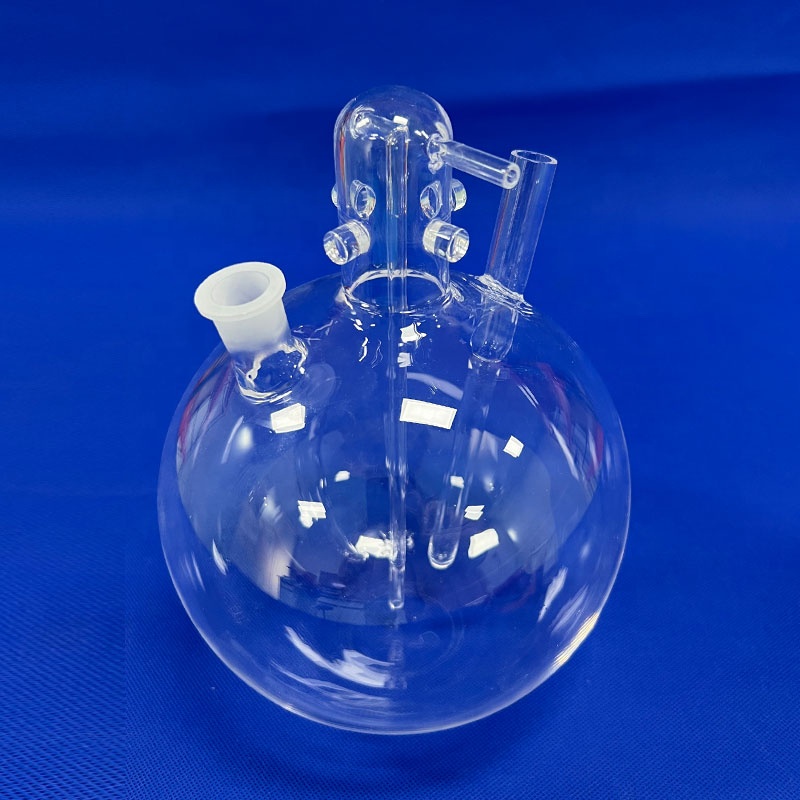
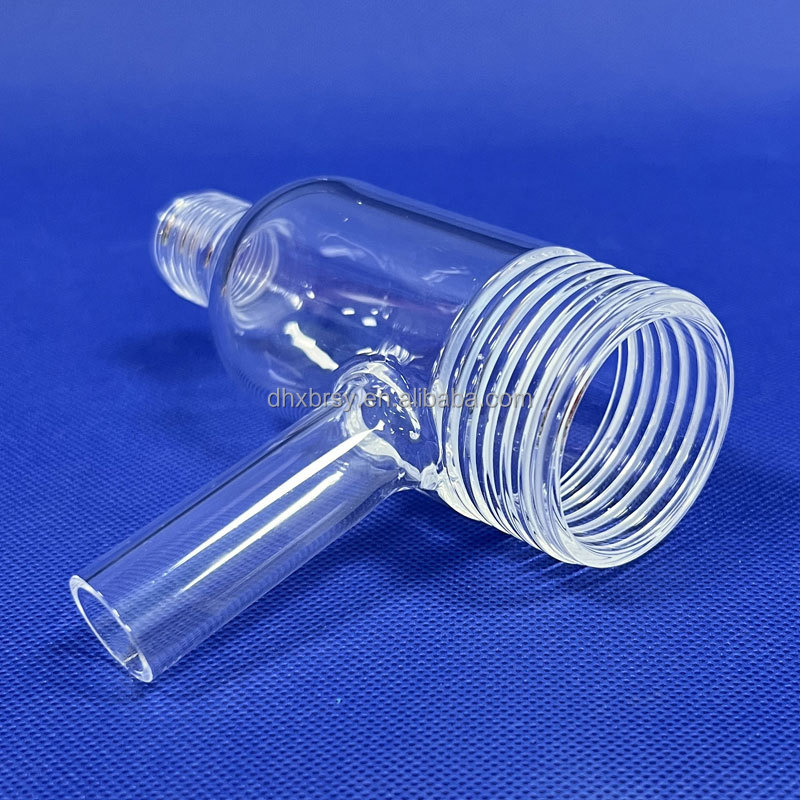
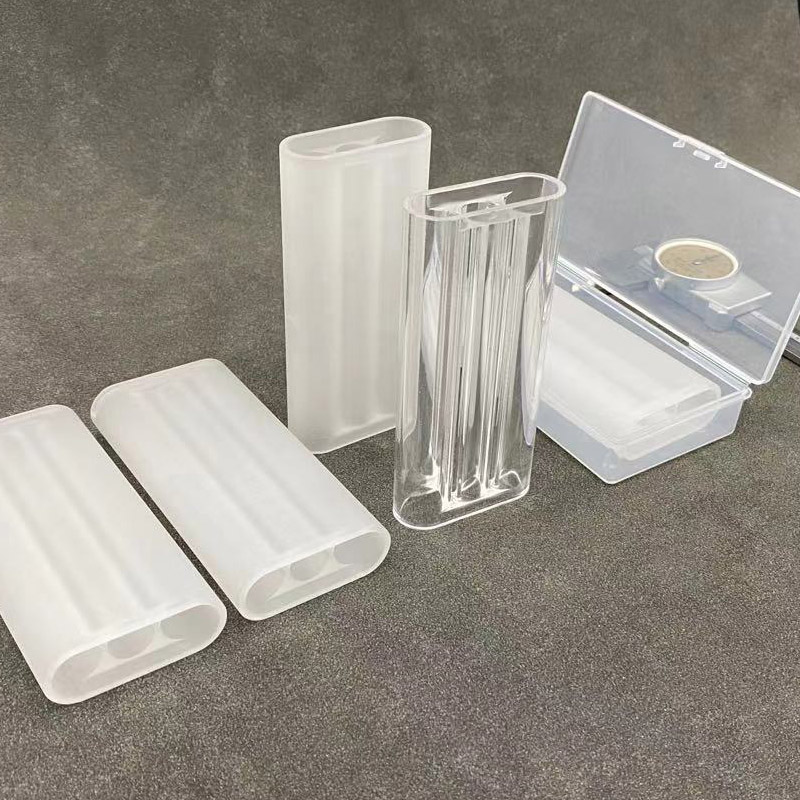
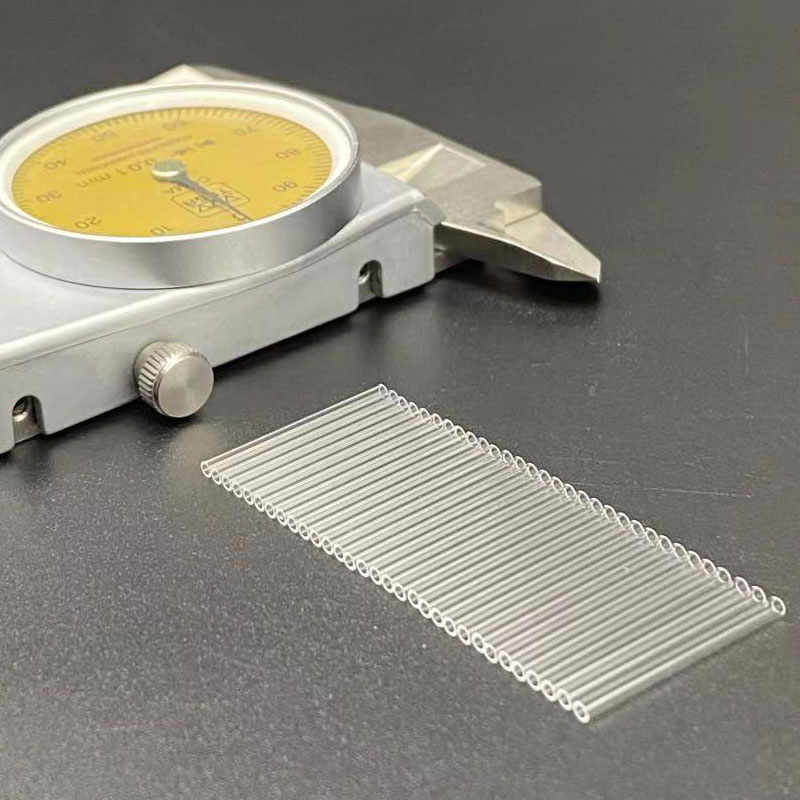
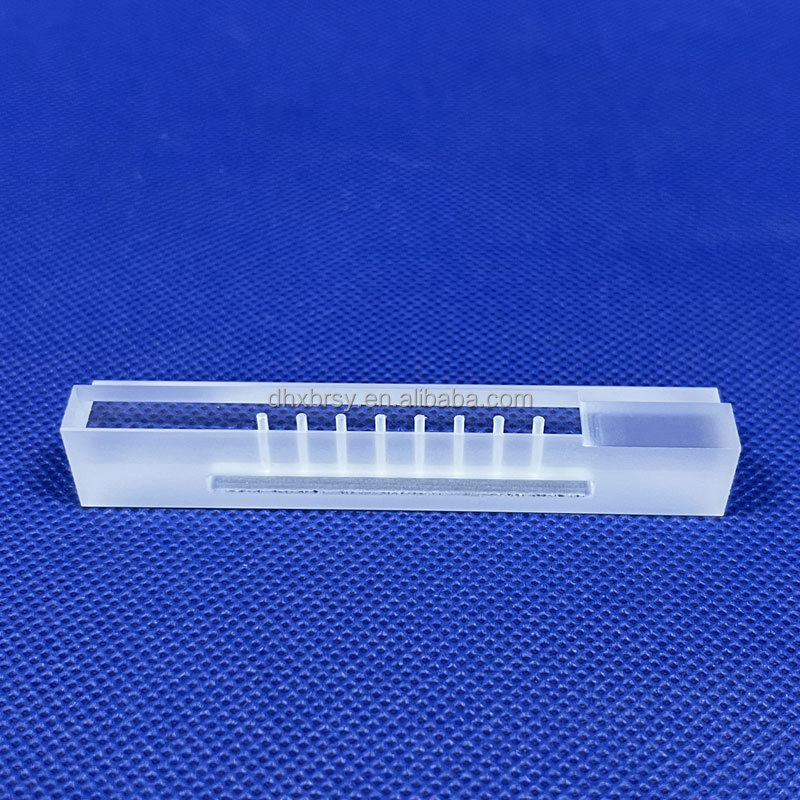
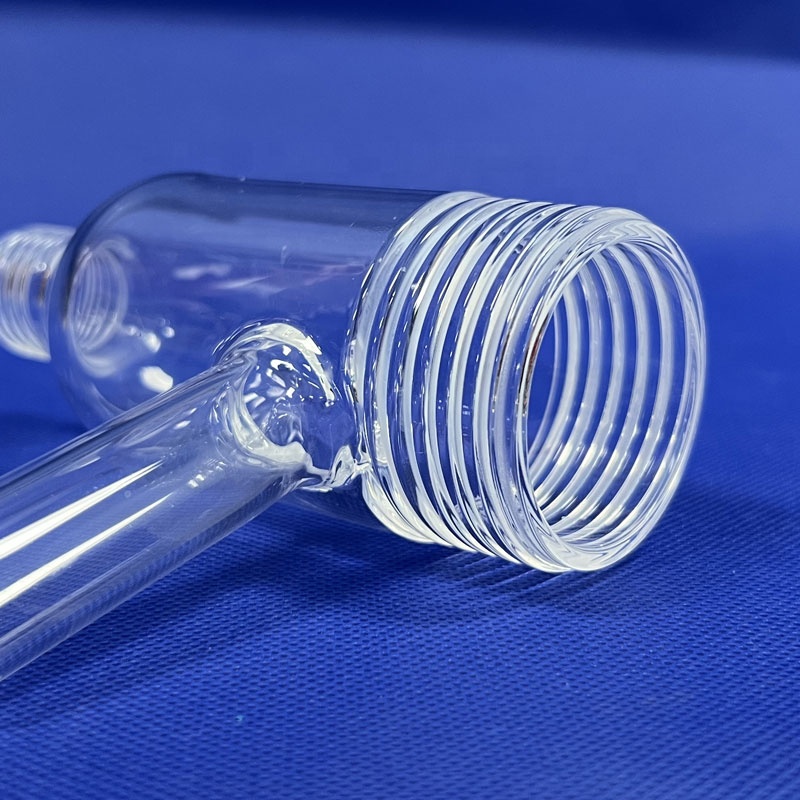
Fused quartz capillary tubes are the fundamental conduit of modern microfluidics, analytical gas chromatography (GC), capillary zone electrophoresis (CZE), and high-resolution optical biosensors. Drawn from synthesized or natural crystalline quartz melted at temperatures exceeding 2,000°C, these micro-tubes offer an unyielding blend of mechanical rigidity, dielectric insulation, and chemical non-reactivity.
Unlike standard borosilicate glass capillaries, which contain fluxing oxides such as B₂O₃, Na₂O, and Al₂O₃, high-purity vitreous silica is composed of virtually pure Silicon Dioxide (SiO₂ ≥ 99.99%). In precision instrumentation, this absence of alkaline cations eliminates surface leaching, prevents peak tailing during chromatographic separation, and ensures absolute transparency across both deep ultraviolet (UV) and near-infrared (NIR) wavelengths. When sourcing from China's primary silica processing cluster in Lianyungang to Santiago de los Caballeros, our engineering team manages critical parameters including internal diameter (ID) roundness, concentricity, and residual internal stress states.
| Physical / Chemical Property | Fused Quartz (JGS2 / Natural) | Synthetic Fused Silica (JGS1) | Commercial Borosilicate Glass |
|---|---|---|---|
| SiO₂ Content (Purity) | ≥ 99.99% | ≥ 99.9999% | ~ 80.5% |
| Thermal Expansion (20°C – 300°C) | 5.5 × 10⁻⁷ / °C | 5.2 × 10⁻⁷ / °C | 32.5 × 10⁻⁷ / °C |
| Softening Point | ~ 1,730 °C | ~ 1,600 °C – 1,700 °C | ~ 820 °C |
| Continuous Safe Temperature | 1,100 °C | 1,150 °C | 450 °C – 500 °C |
| UV Cut-off Wavelength | ~ 220 nm | ~ 185 nm (Deep UV) | ~ 310 nm |
| Dielectric Strength (20°C, 1MHz) | 25 – 40 kV/mm | ≥ 40 kV/mm | 15 – 20 kV/mm |
As the Dominican Republic's primary industrial engine and capital of the fertile Cibao Valley, Santiago de los Caballeros has rapidly transformed beyond tobacco, rum, and textiles into an international hub for high-spec medical device export manufacturing, advanced food-safety diagnostics, and fiber-optic communication infrastructure.
The industrial parks of Santiago—including Parque Industrial Víctor Espaillat Mera (PIVEM)—host leading multinational medical manufacturing lines. Our high-precision fused quartz micro-capillaries serve as essential components in disposable fluidic micro-valves, endoscopy light guides, and surgical diagnostic instrumentation requiring biocompatibility, chemical passivity, and absolute dimensional precision during cleanroom automated assemblies.
The Cibao region remains the epicenter of Caribbean agriculture, fine cigar craftsmanship, and rum distilleries. Rigorous quality assurance requires capillary gas chromatography (GC-MS) to analyze agrochemical residues, volatile aroma compounds, and pesticide levels. Our capillary quartz columns withstand repeated thermal cycling from 40°C to 400°C with zero baseline drift, empowering Santiago’s testing laboratories to meet strict FDA and European import mandates.
As Santiago expands its high-speed FTTH backbones and industrial laser-marking infrastructure across light industries, precision quartz ferrules, capillary alignment sleeves, and Candela triple-bore cooling tubes play a decisive role. Vitreous silica ensures negligible thermal expansion (0.55 × 10⁻⁶/°C), avoiding mechanical misalignment under heavy tropical ambient temperature fluctuations and intensive production cycles.
The Dominican Republic's "Nearshoring Strategy" is prompting substantial North American and European capital to relocate medical tooling and electronics assembly directly into Santiago de los Caballeros. This macro-shift triggers significant technical changes for component procurement specialists.
Historically, Caribbean procurement teams imported standard glass apparatus through secondary distributors in Miami or San Juan, Puerto Rico, incurring steep markups and vulnerability to supply disruptions. With multinational OEMs constructing ISO Class 7 and Class 8 cleanrooms inside Santiago’s Free Zones, direct manufacturer-to-factory supply chains with accredited tier-1 Chinese quartz producers have become an operational priority.
Key growth trajectories driving quartz capillary demand include:
Every step is vertically integrated at our Tuofeng Industrial Park facility to ensure zero metallurgical cross-contamination.
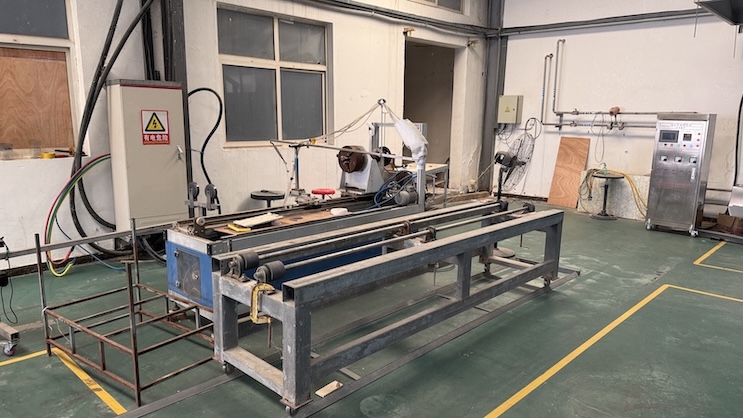
High-grade natural crystal rock evaluated for zero crystalline inclusions.
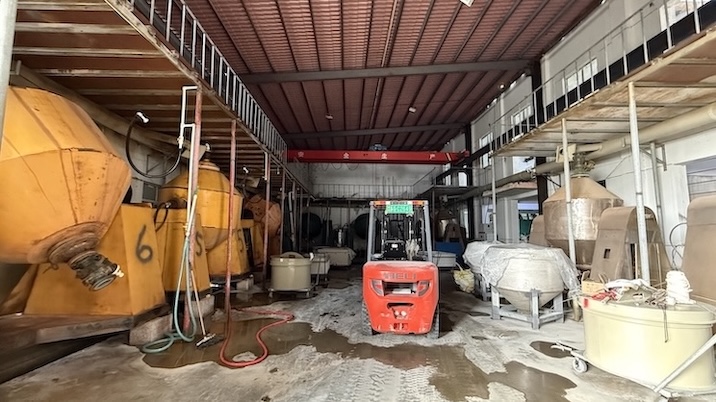
Multiple HF and nitric acid baths remove iron and alkali metals to 99.99% SiO₂.
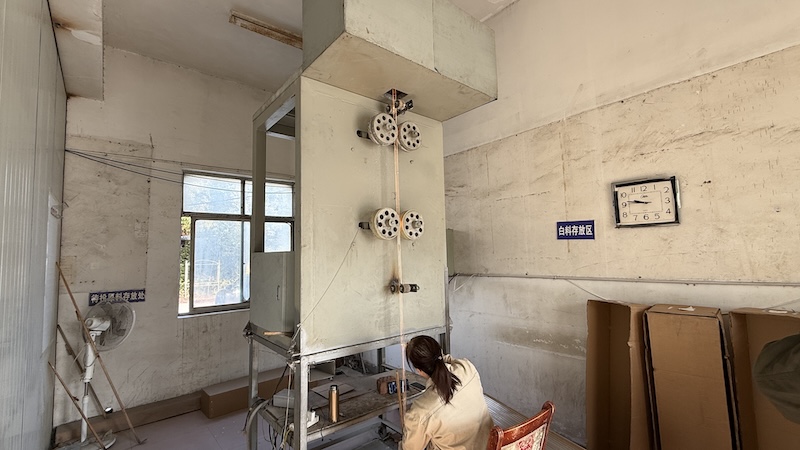
Vertical and horizontal redraw towers hold capillary OD/ID to tight tolerances.
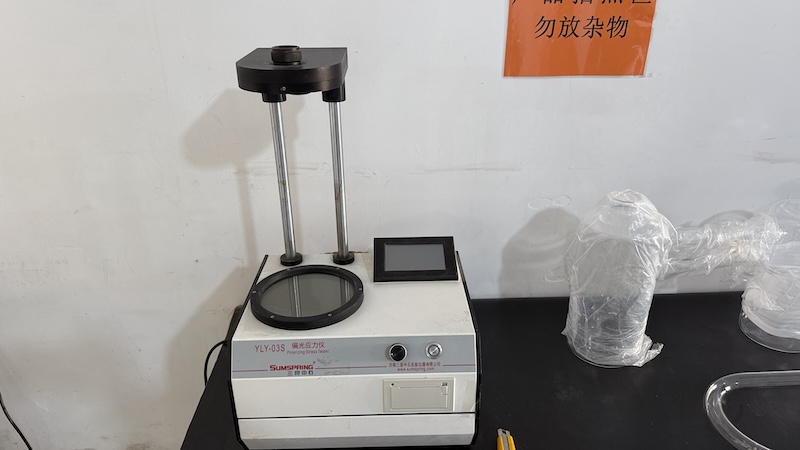
Furnace stress-relieving checked by polariscopes to avoid sudden cracking.
Headquartered in Tuofeng Industrial Park, Lianyungang—China’s epicenter for high-purity fused silica—Lovri Quartz Products Co., Ltd. eliminates commercial broker markups and guarantees total material traceability.
Our complete operations—encompassing 14,271 m² of production space, advanced annealing furnaces, precision CNC slicing centers, and chemical testing suites—have been physically audited and certified by SGS Group. We operate in compliance with RoHS environmental standards.
Unlike secondary fabricators who purchase pre-drawn stock, we carry out our own ore crushing, pulverizing, screening, and acid de-ironing. This allows us to guarantee baseline trace metal concentrations (Fe < 0.8 ppm, Al < 15 ppm, Ti < 1.0 ppm) required for deep-UV optical transmission and semiconductor furnace stability.
Internal micro-stresses created during glass drawing are the chief cause of brittle breakage during shipping or thermal spikes. Every production lot undergoes an automated annealing curve followed by cross-polarization optical strain testing, guaranteeing stress levels below 5 nm/cm.
Whether you need custom side-arm reaction capillary vessels, triple-bore laser tubes, or micro-fluidic flow arrays, our technical department accepts sketches, DXF, DWG, and 3D STEP drawings. Prototypes can be generated from 1 piece with fast turnaround.
Overcoming trans-Pacific shipping hazards is our specialty. Our multi-stage packaging features vacuum-sealed dust-free sleeves, shock-absorbing EPE multi-layer foam cutouts, individual PVC protective tube casing, and palletized export plywood cases engineered to withstand cargo transfers.
Direct answers to the most common questions raised by supply-chain directors, QA managers, and logistics coordinators in the Dominican Republic.
Whether you require standard JGS1/JGS2 fused silica capillary tubes, custom-machined microplates, or high-temperature reaction tubes for your plant in Santiago de los Caballeros, our engineering team responds within 24 hours.