Precision Fused Silica & Quartz Components for East Java
Engineered for extreme operating environments requiring minimal thermal drift, high ultraviolet/infrared transmission, and uncompromising resistance to corrosive media across Surabaya's industrial sectors.
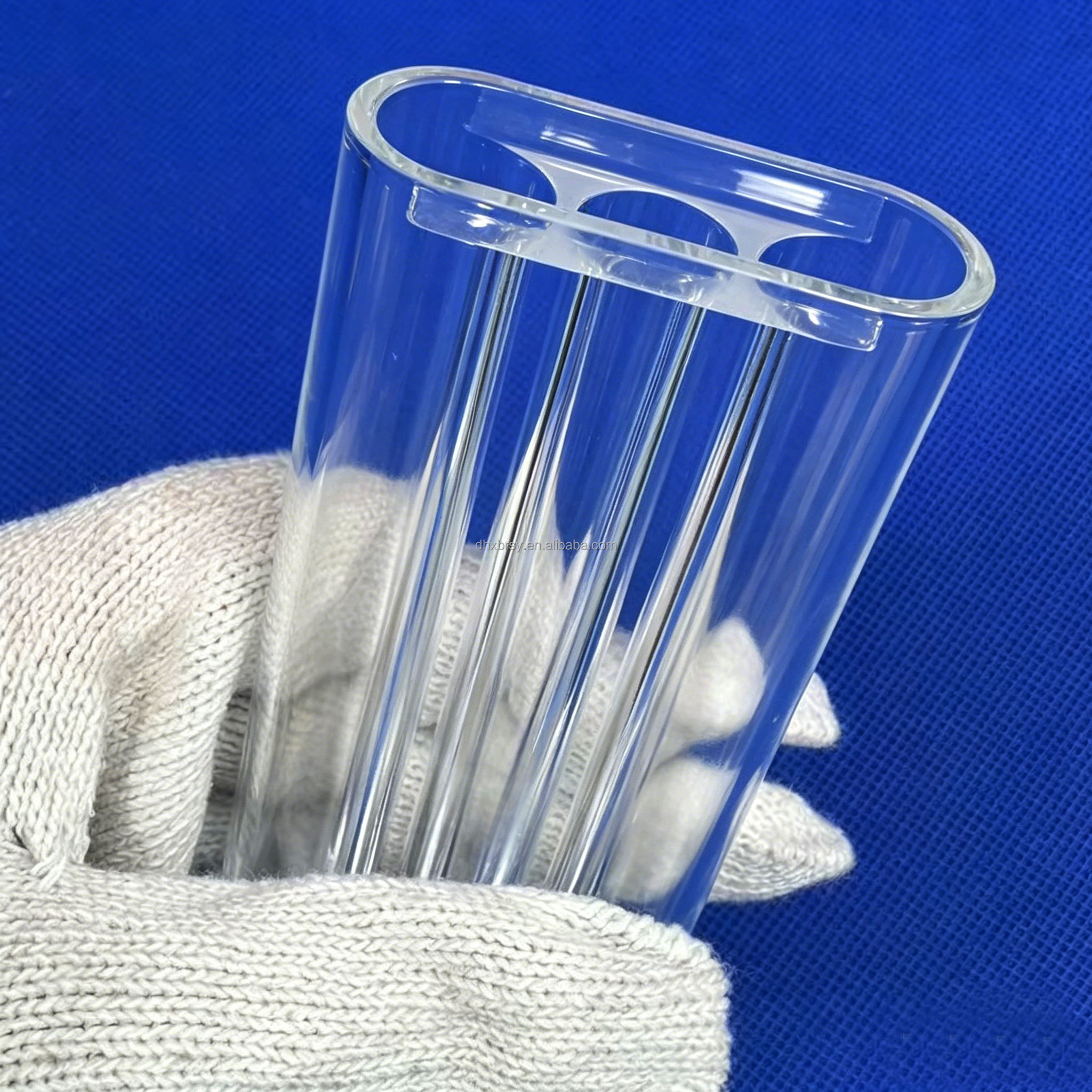
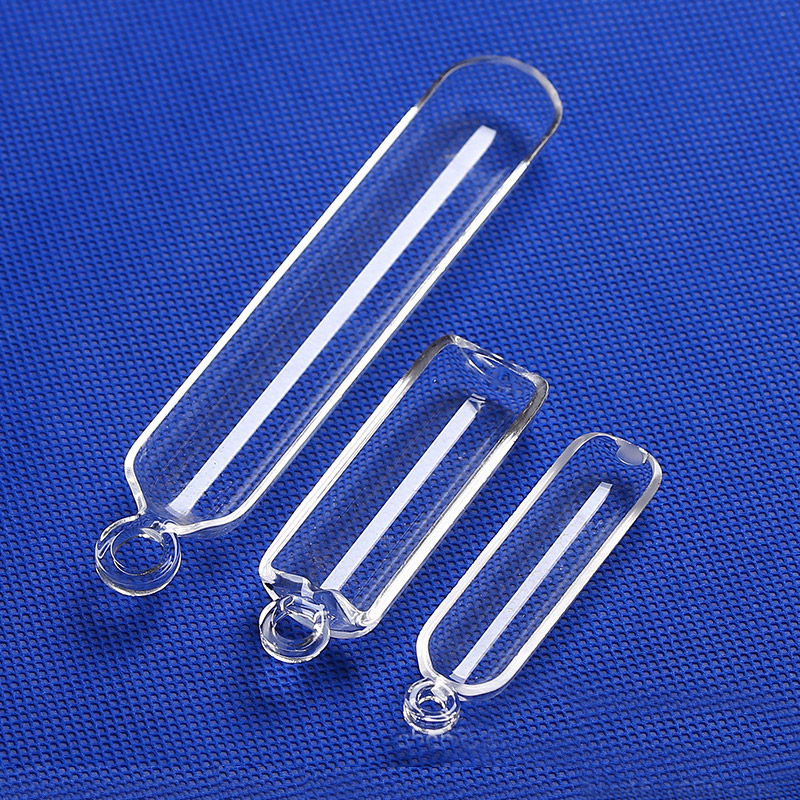
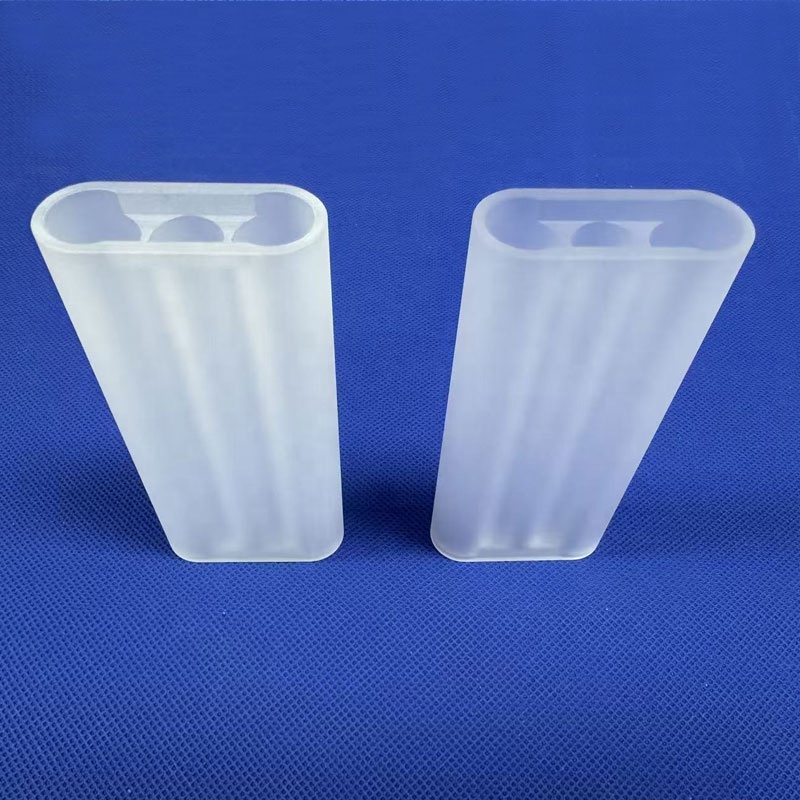
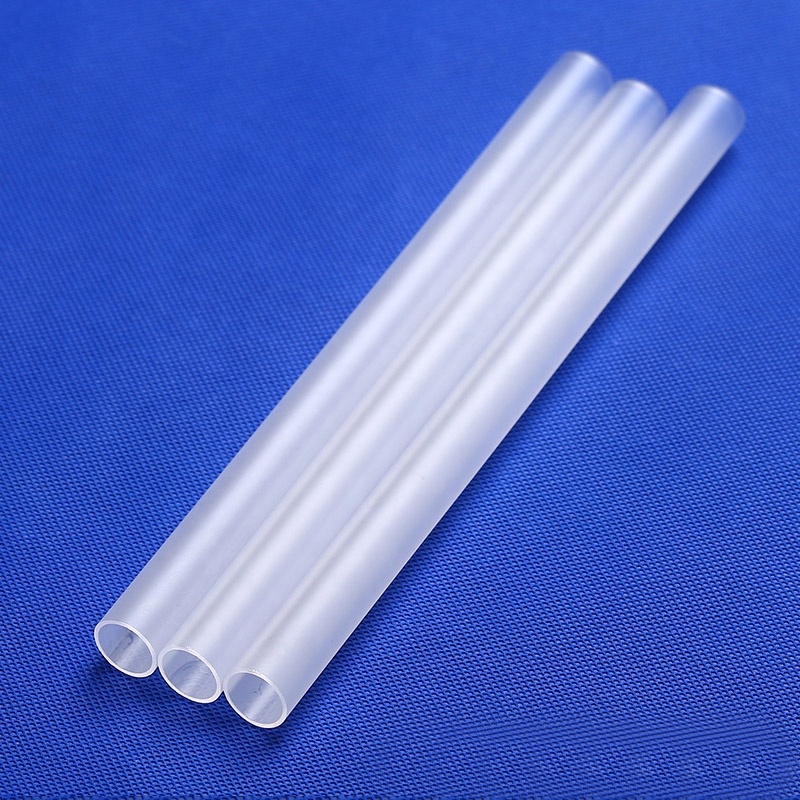
Surabaya & East Java Industrial Applications
As East Java’s primary industrial gateway and maritime logistics terminal, Surabaya is experiencing rapid technological modernization across petrochemistry, solar cell lamination, and medical manufacturing, creating exacting requirements for fused silica substrates.
Petrochemical & Refinery Analysis (Gresik Corridor)
The heavy chemical belt extending from Surabaya into the Gresik district and JIIPE (Java Integrated Industrial and Ports Estate) depends on high-purity optical fused silica viewports and cuvettes. Standard borosilicate glass clouds and degrades under cyclic exposure to aggressive acidic vapors, SO₂, and high operating pressures. Our JGS1/JGS2 synthetic fused silica windows maintain pristine transmission profiles without leaching boron or alkaline ions into analytic reaction streams, ensuring total baseline stability in continuous hydrocarbon monitoring.
Photovoltaic Cell Manufacturing & Sintering
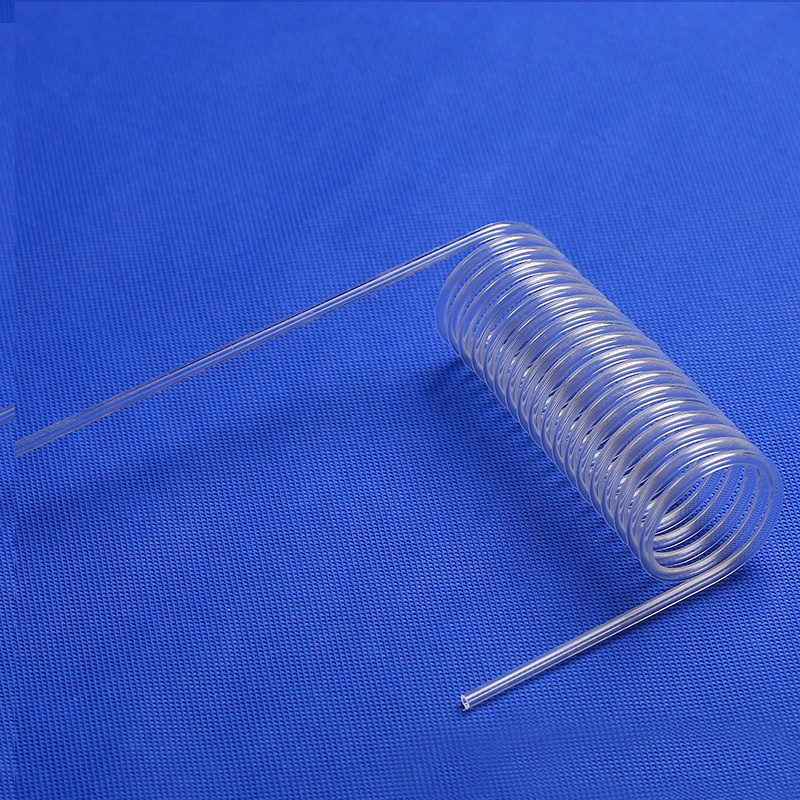
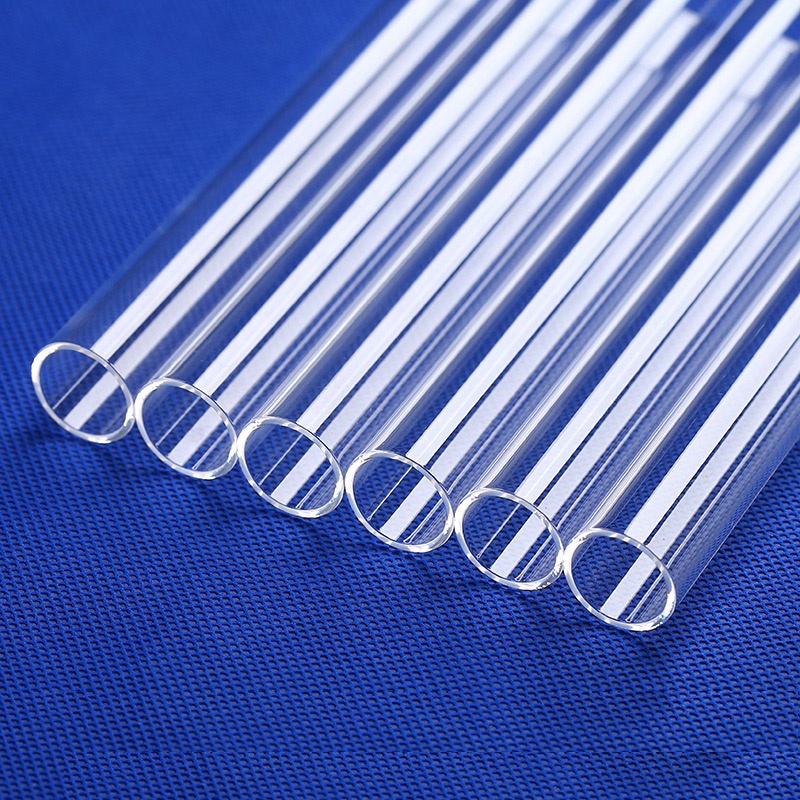
East Java's expanding green-energy manufacturing clusters require high-durability thermal components for next-generation TOPCon and heterojunction solar cell sintering. Our large-diameter fused silica tubes and slotted quartz wafer boats exhibit near-zero coefficients of thermal expansion (5.5 × 10⁻⁷ /°C). This allows continuous operations at 1,150 °C without thermal sagging or particulate shedding, eliminating lattice contamination during phosphorous diffusion and wafer calcination stages.
Industrial Water Sterilization & Ozone Systems
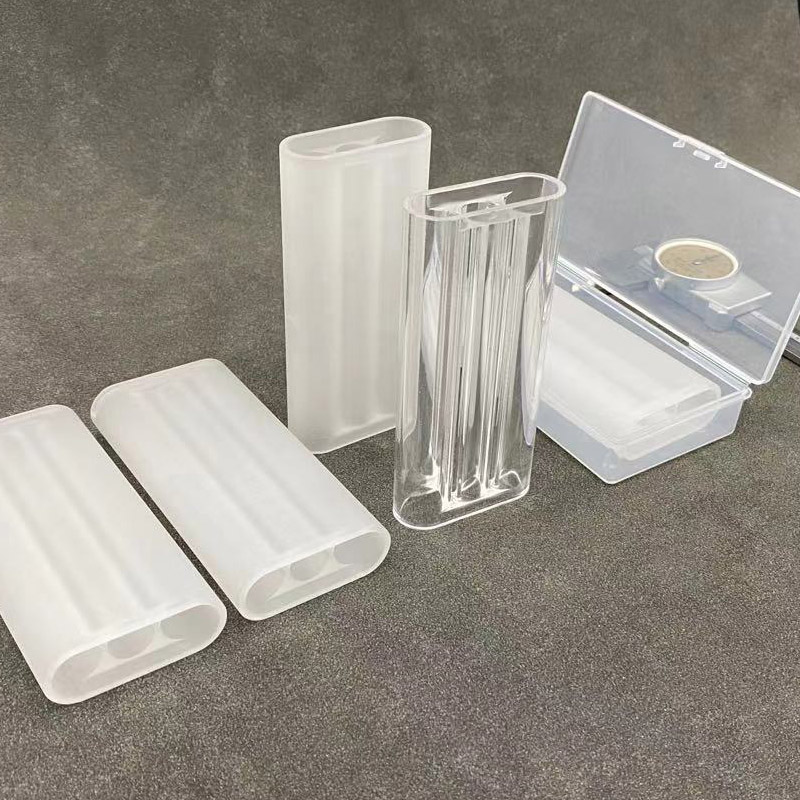
Surabaya’s food processing, aquaculture, and semiconductor rinse infrastructure rely heavily on high-output corona-discharge ozone generators and high-intensity germicidal UV systems. We supply double-side polished, hydroxyl-controlled translucent and transparent quartz sleeves that maximize UVC penetration at 253.7 nm while preventing dielectric breakdown under high-frequency electrical stress, protecting equipment from tropical humidity breakdown.
Surabaya’s High-Tech Manufacturing Evolution
East Java is shifting from resource extraction to advanced downstream manufacturing, driving localized demand for semiconductor-grade quartzware and precision optical substrates.
Supply Chain Reshoring to East Java
With industrial congestion in Greater Jakarta (Jabodetabek), major multinational electronics, renewable energy, and pharmaceutical producers are anchoring operations in Surabaya's surrounding manufacturing estates (Rungkut, Ngoro, and JIIPE Gresik). These automated facilities require replacement quartz consumables—such as furnace reaction tubes, gas injectors, and optical windows—with direct factory sourcing to avoid long European or American lead times.
Stringent Cleanliness & RoHS Mandates
Export-driven production hubs in Surabaya face audit scrutiny regarding material trace contaminants. Buyers are transitioning away from standard non-certified commercial glasses toward SGS-verified, RoHS-compliant 99.99% SiO₂ fused silica. Eliminating elemental contaminants like iron, titanium, and lithium prevents substrate de-vitrification and ensures high yields in sensitive thin-film deposition lines.
Maritime Gateway Synergies via Tanjung Perak
The Port of Tanjung Perak provides Surabaya with direct, short-haul sea routing from Chinese coastal ports like Lianyungang. This geographical link minimizes transit-induced stress and reduces logistics freight surcharges compared to western imports, allowing East Java plants to adopt Lean Just-In-Time (JIT) quartz inventory models with rapid replacement turnarounds.
Physical Parameters & Verification Protocol
Our Lianyungang facilities convert refined crystalline quartz into industrial-grade amorphous fused silica substrates with documented optical, chemical, and physical tolerances.
| Chemical Matrix Purity | ≥ 99.99% SiO₂ (Optical Synthetics ≥ 99.999%) |
|---|---|
| Bulk Density | 2.20 ± 0.02 g/cm³ |
| Coefficient of Thermal Expansion (CTE) | 5.5 × 10⁻⁷ /°C (20 °C – 320 °C) |
| Continuous Maximum Operating Temp | 1,100 °C (Short duration up to 1,300 °C) |
| Softening Point / Annealing Point | 1,730 °C / 1,215 °C |
| Dielectric Constant (at 1 MHz) | 3.75 (Superior high-frequency insulation) |
| Refractive Index (nD, 589.3 nm) | 1.4585 |
| Internal Residual Stress | ≤ 5 nm/cm (Polariscope Stress Verified) |
In-House Metrology & Quality Control
Premature failure of quartz tubes and optics under Surabaya’s operational cycles is often caused by micro-striae and unresolved annealing stresses. We control these failure modes via four mandatory inspection gates:
- Polariscopic Stress Testing: 100% of finished and annealed components pass through polarized light fringe testers to confirm zero residual stress concentrations.
- Laser Coordinate Dimensional Gauging: CNC milled features, flow channel bores, and outer diameters are validated down to ±0.02 mm tolerances against customer CAD/STEP files.
- Full-Spectrum Spectrophotometry: JGS1, JGS2, and JGS3 materials receive lot-specific spectral transmission verification spanning 185 nm deep-UV to 3,500 nm infrared.
- Thermal Shock Validation: Random production samples are heated to 1,100 °C and dropped directly into 20 °C water baths to verify total resistance to micro-fracture propagation.
Why Engineering Teams Choose Lovri Quartz
Combining raw material synthesis in Lianyungang with precision hot-working and computerized 5-axis CNC grinding to deliver dependable fused quartz components.
Integrated Upstream Control
Unlike regional distributors or third-party brokers, we control the entire processing chain—from crushing high-grade raw crystal lumps, acid leaching, and rescreening, to continuous high-vacuum tube drawing and fusing. This prevents batch-to-batch variation.
Complex CNC Machining & Welding
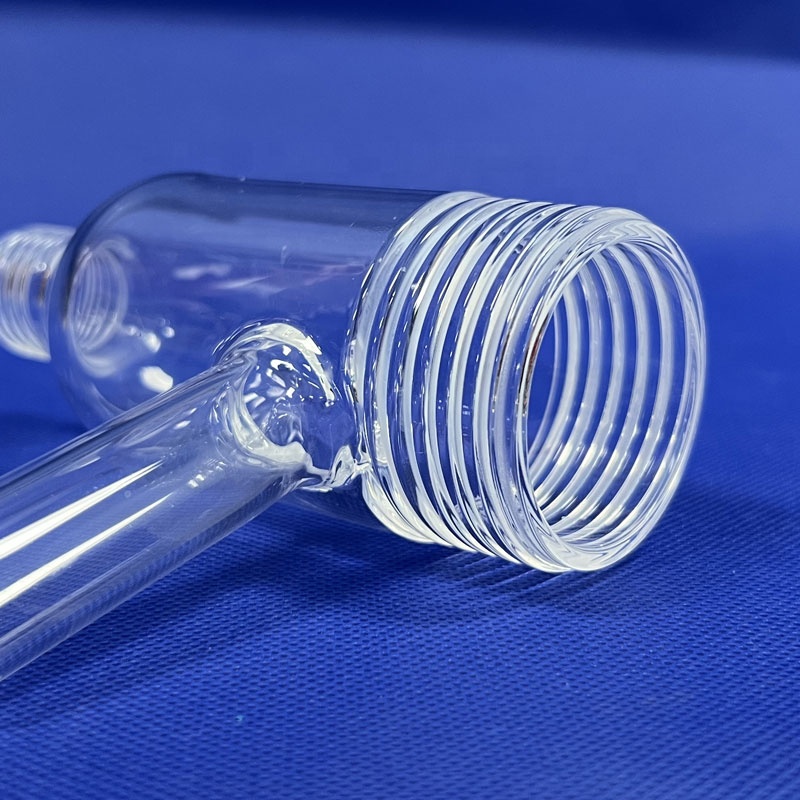
Our workshop handles multi-axis CNC slotting, precision hole drilling down to 0.5 mm, fire polishing, cylindrical grinding, and high-temp torch welding for customized chemical reaction tubes, laser cavities, and quartz wafer boats tailored to your exact drawings.
Heavy-Duty Export Packaging
We solve the fragility concerns of international glass shipments. Every unit is sealed in clean-room protective film, isolated in high-density polyethylene impact-absorbing foam, and crated in fumigated solid-plywood ocean cases engineered to arrive intact at Port of Tanjung Perak.
Surabaya Procurement FAQs: Fused Silica Substrates
Answers to common technical, logistics, and customs questions from procurement leads and process engineers in East Java.
How do we select between JGS1, JGS2, and JGS3 quartz plates for industrial plants in Surabaya?
What is the typical shipping duration and customs procedure to Tanjung Perak, Surabaya?
How do you prevent quartz glass breakage during sea-freight to Indonesia?
Can you machine non-standard custom shapes directly from CAD or STEP files?
How does 99.99% fused silica compare to standard borosilicate glass under thermal stress?
Engineering a High-Performance Fused Silica Component?
Consult directly with our technical team in Lianyungang. Whether you require standard replacement quartz furnace tubes or complex CNC-ground substrates for operations in Surabaya, we provide material analysis, DFM reviews, and fast quotations within 24 hours.